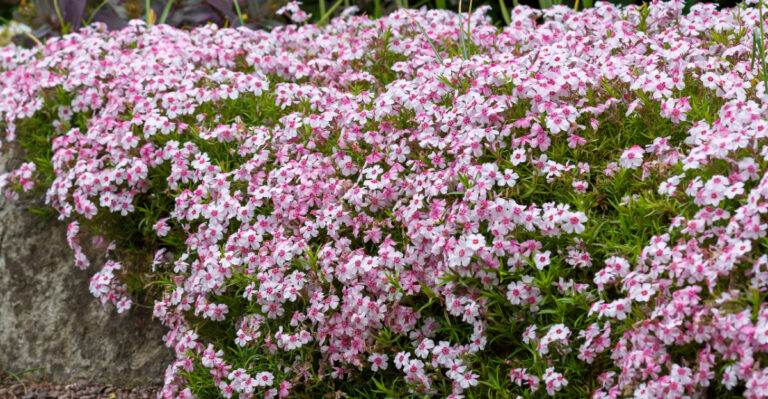
Fragrant Plants Michigan Gardeners Use To Help Keep Ticks Away
Tick pressure in Michigan has increased steadily over the past decade, and most homeowners are looking for ways to reduce it without relying entirely on chemical treatments.
Certain fragrant plants offer a practical and visually appealing part of the solution. The same aromatic compounds that make these plants pleasant to humans are genuinely repellent to ticks.
Placing them strategically around yard edges, pathways, and outdoor living areas creates a natural deterrent that works passively through the season.
No single plant eliminates tick risk entirely, but gardeners who incorporate several of these into their Michigan landscape consistently report less tick activity in the areas where the plants are most concentrated.
The added bonus is that most of them also attract pollinators, work as culinary herbs, or bring strong ornamental value to the spots where they are planted.
1. Lavender
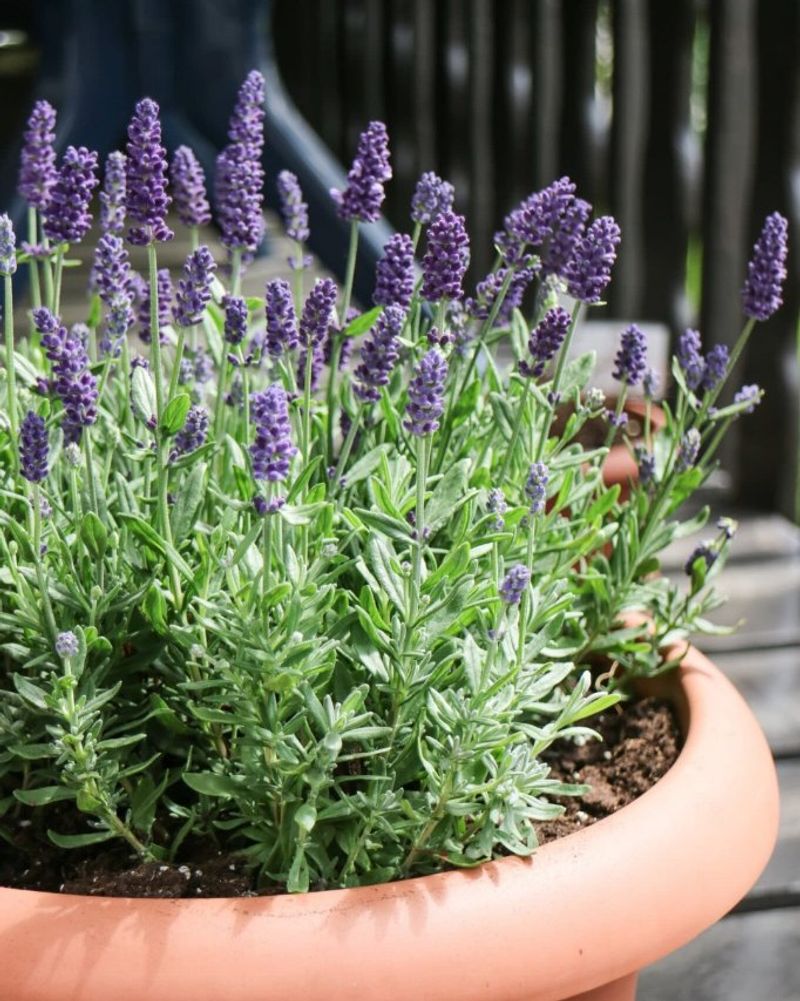
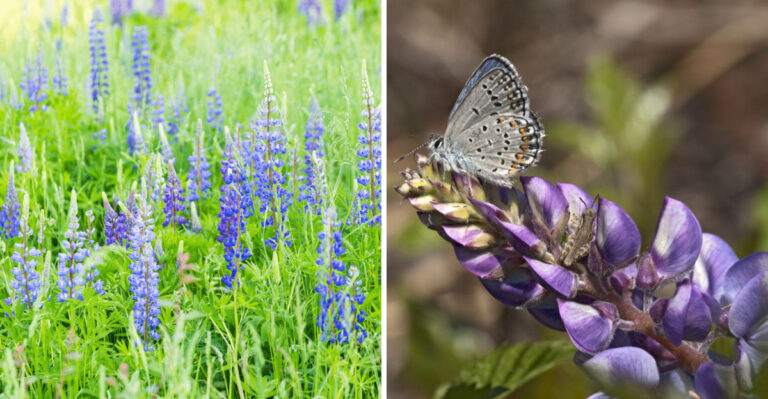
Few plants bring as much charm to a garden as lavender. That unmistakable purple bloom and sharp, sweet fragrance have made it a favorite for generations, and gardeners are putting it to work near patios, paths, and sunny borders where ticks tend to linger.
The strong scent may help make those areas less inviting to certain pests, though it works best as part of a broader approach rather than a standalone fix.
Lavender thrives in full sun and absolutely needs excellent drainage. Michigan’s heavier soils can hold too much moisture, so raised beds or containers filled with sandy, well-draining mix are often the smarter choice.
Hardy varieties like Hidcote or Munstead have the best chance of surviving winters, but even they may need a light mulch cover once temperatures drop.
Planting lavender along dry garden edges, where grass is kept short and debris is cleared regularly, gives it the best environment to grow well and release its fragrance consistently.
Brushing against the foliage releases even more scent into the air around your seating areas.
Containers near doorways or patio furniture are another great option, especially for less hardy varieties you can bring indoors before frost arrives. Always combine lavender with routine tick checks for the most effective results.
2. Rosemary
Rosemary has a reputation that goes far beyond the kitchen.
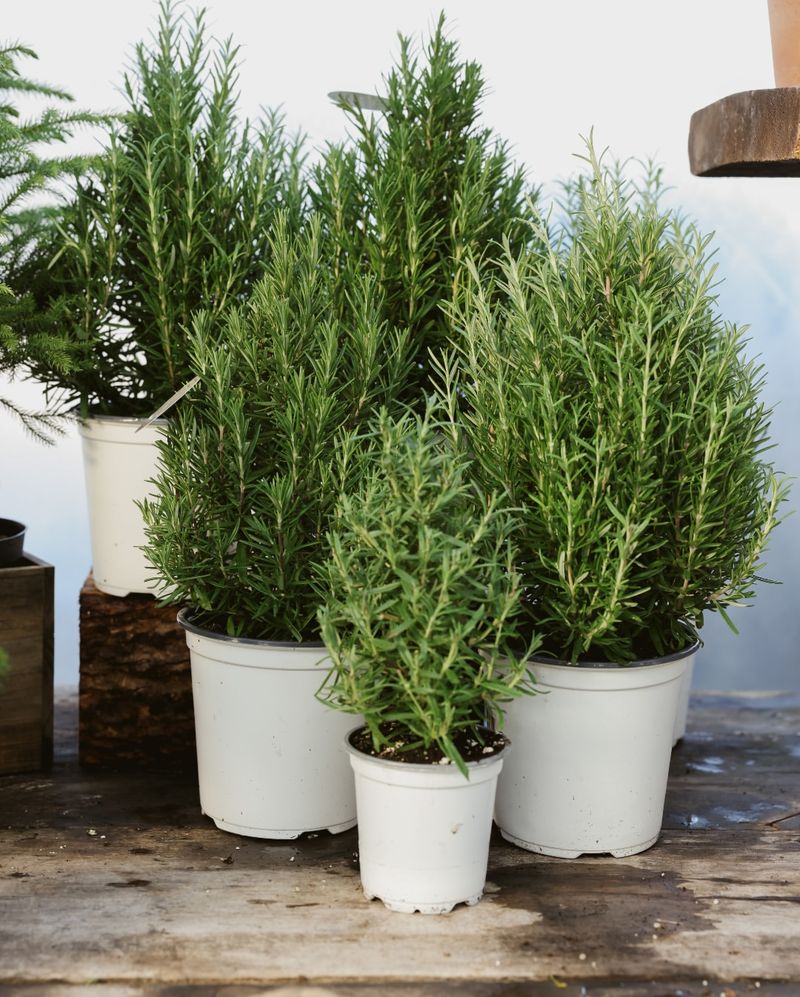
Michigan gardeners have started placing containers of this bold, piney herb near outdoor seating areas, taking advantage of its sharp, resinous scent that may help make patios feel less welcoming to ticks.
Just brushing your hand across the foliage sends that strong fragrance into the air, which is part of what makes it such a satisfying plant to have nearby.
One important thing to know upfront: rosemary is not reliably winter hardy in most of Michigan. Harsh winters can easily damage or wipe out plants left outside, so growing it in containers is by far the most practical approach.
Use a well-draining potting mix, choose a pot with drainage holes, and place it in the sunniest spot you have available, since rosemary genuinely needs full sun to stay healthy and aromatic all season long.
Watering takes a bit of attention too. Rosemary prefers to dry out slightly between waterings rather than sitting in consistently moist soil.
Your Michigan Garden Changes Every Week. Your Plan Should Too.
Gardening in Michigan changes quickly throughout the season. Every Friday you’ll receive a simple weekly plan showing exactly what to plant, prune, fertilize, harvest, and protect so you never miss the right timing.
Once temperatures start dropping in early fall, bring the container indoors before the first frost and place it near a bright window. A south-facing windowsill works wonderfully through winter.
Come spring, move it back outside to resume its spot near your favorite garden seating area and enjoy that fresh, herby scent all over again.
3. Sage
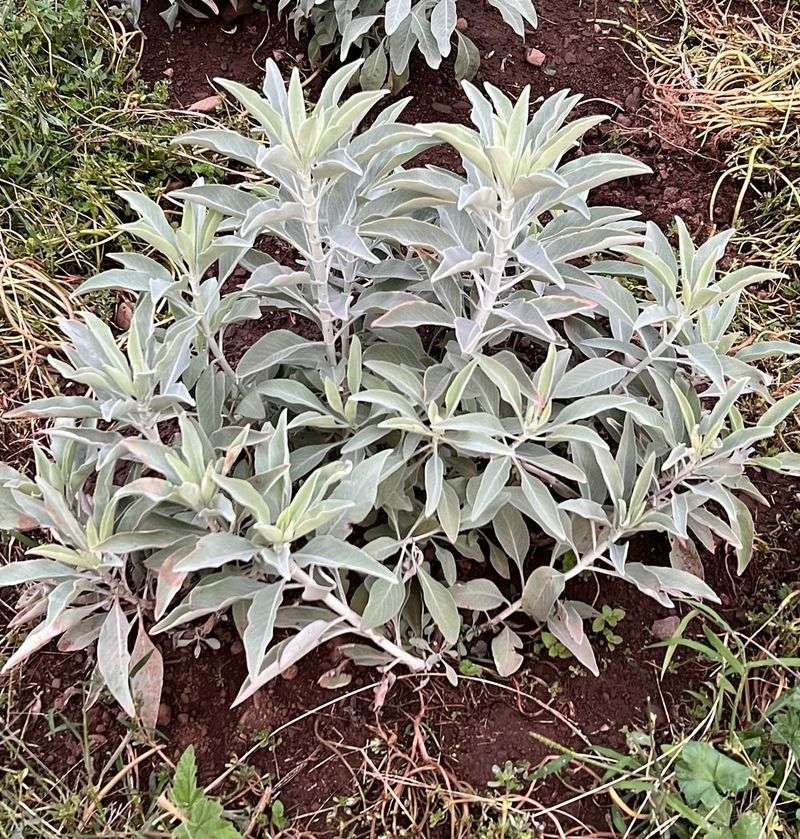
Sage has a wonderfully earthy, almost smoky scent that stands out from most other garden herbs.
Michigan gardeners grow it along sunny garden edges and in patio containers, partly for cooking and partly because its strong aromatic leaves may help discourage certain insects from settling nearby.
When the warm breeze moves through a sage plant, that scent carries surprisingly far across an outdoor space.
Growing sage well in Michigan starts with choosing the right location. Full sun is non-negotiable, and the soil needs to drain freely since sage struggles in wet, compacted ground.
Raised beds and containers with a gritty, well-draining mix are excellent options, especially in areas of the state with heavier clay soils. Water deeply but infrequently, letting the soil dry out between sessions to mimic the dry conditions sage naturally prefers.
Pruning is an often-overlooked part of keeping sage productive and fragrant. Cutting plants back by about one-third after flowering encourages fresh, bushy growth and prevents the woody, sparse look older plants can develop.
Allowing sage to flower once in a while also brings in bees and other pollinators, which is a genuine bonus for the rest of your garden.
In Michigan, established sage plants can survive winter with some protection, but container-grown plants should be moved to a sheltered spot or brought indoors when hard frosts are expected.
4. Thyme
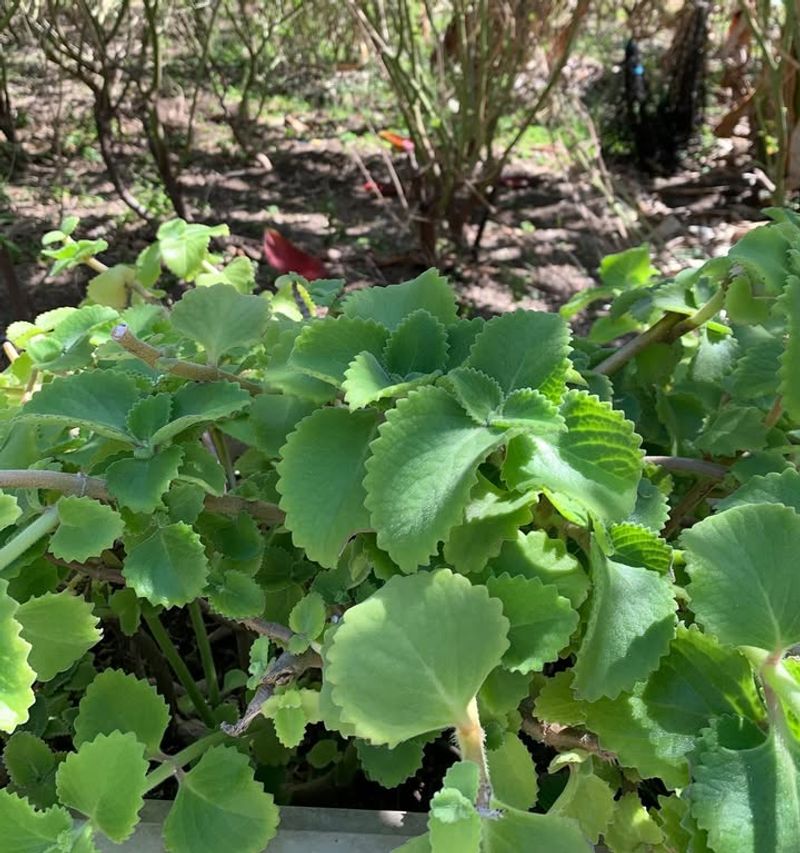
Thyme might be small, but it punches well above its weight when it comes to fragrance.
Tucked between patio pavers, planted along sunny path edges, or spread across dry garden borders, this low-growing herb releases a warm, herby scent every time someone walks near it.
Michigan gardeners have found it especially useful in the spots where ticks are most likely to hitch a ride, like along the edges of lawns and garden transitions. Its low growth habit is actually one of its biggest advantages in these spaces.
Ticks tend to climb onto hosts from tall grass and dense vegetation, so keeping borders low and aromatic with thyme reduces that kind of cover while adding something genuinely attractive to the landscape.
That said, thyme alone will not clear ticks from your yard, and regular checks after outdoor time are still important.
Full sun and sharp drainage are the two things thyme needs most. It handles dry spells well once established, making it a low-maintenance option for our summers.
Most varieties of thyme are quite winter hardy in Michigan, which is a real bonus compared to some other aromatic herbs. Containers work well too, especially for patios where you want fragrance right at foot level.
Light foot traffic is generally fine for creeping varieties, making them a practical and fragrant choice for busy outdoor paths.
5. Catmint
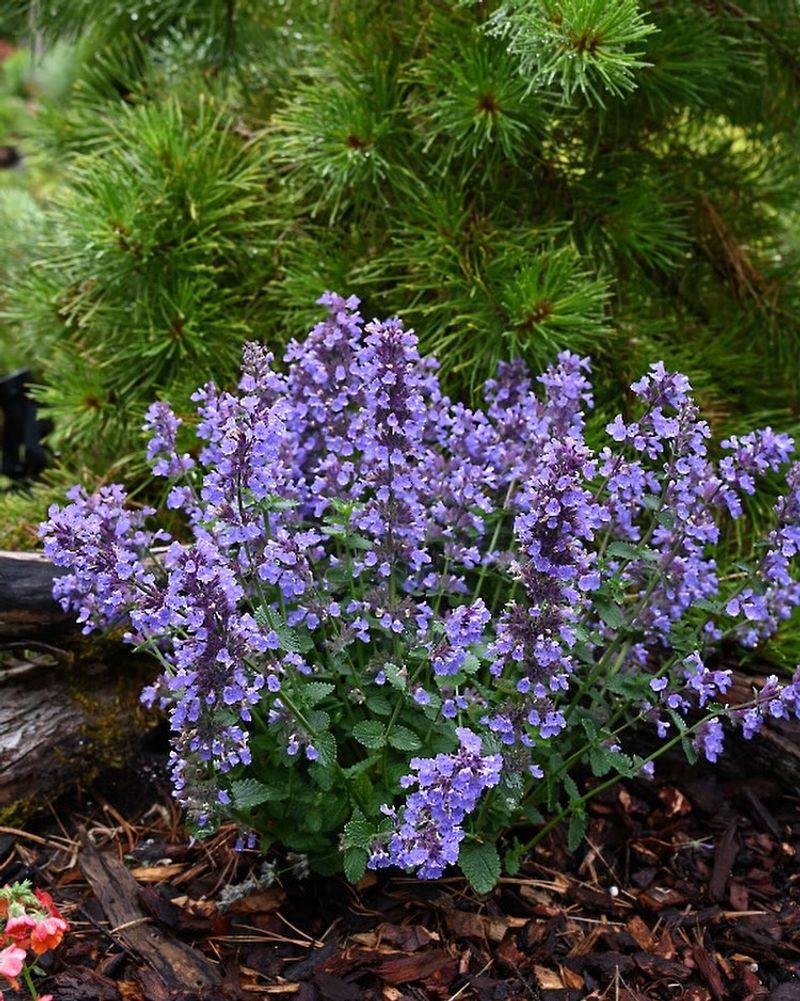
Catmint is one of those plants that earns its place in the garden in more ways than one.
Along sunny Michigan borders and walkways, it forms soft, billowing mounds of silvery-green foliage topped with lavender-blue flower spikes that attract bees and beneficial insects all season long.
The aromatic leaves also carry a sharp, minty scent that may help make garden edges feel less appealing to certain pests when you brush against them.
One of catmint’s best qualities is how tough it is once established. It handles summers here with ease, tolerates dry spells well, and asks for very little beyond full sun and good drainage.
Spacing plants about 18 to 24 inches apart gives them room to spread naturally without crowding, which also keeps air circulation healthy and the foliage fresh.
Avoid heavy clay or poorly drained spots, as soggy roots are the quickest way to weaken an otherwise resilient plant.
After the first big flush of blooms fades, cutting plants back by about half encourages a strong second wave of flowers later in the season. This simple trimming trick keeps catmint looking neat and performing well right through fall.
The scent is most noticeable when foliage is disturbed, so planting along frequently used paths and borders maximizes the aromatic effect. Pair it with short, well-maintained grass nearby and routine tick awareness for the best overall results.
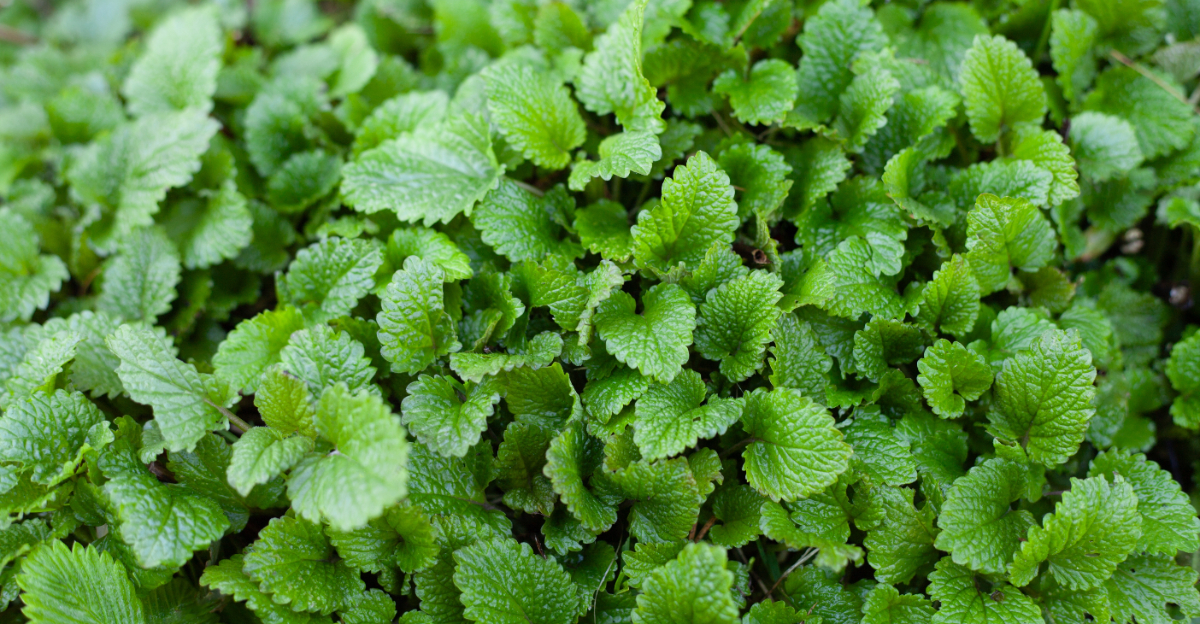
6. Lemon Balm
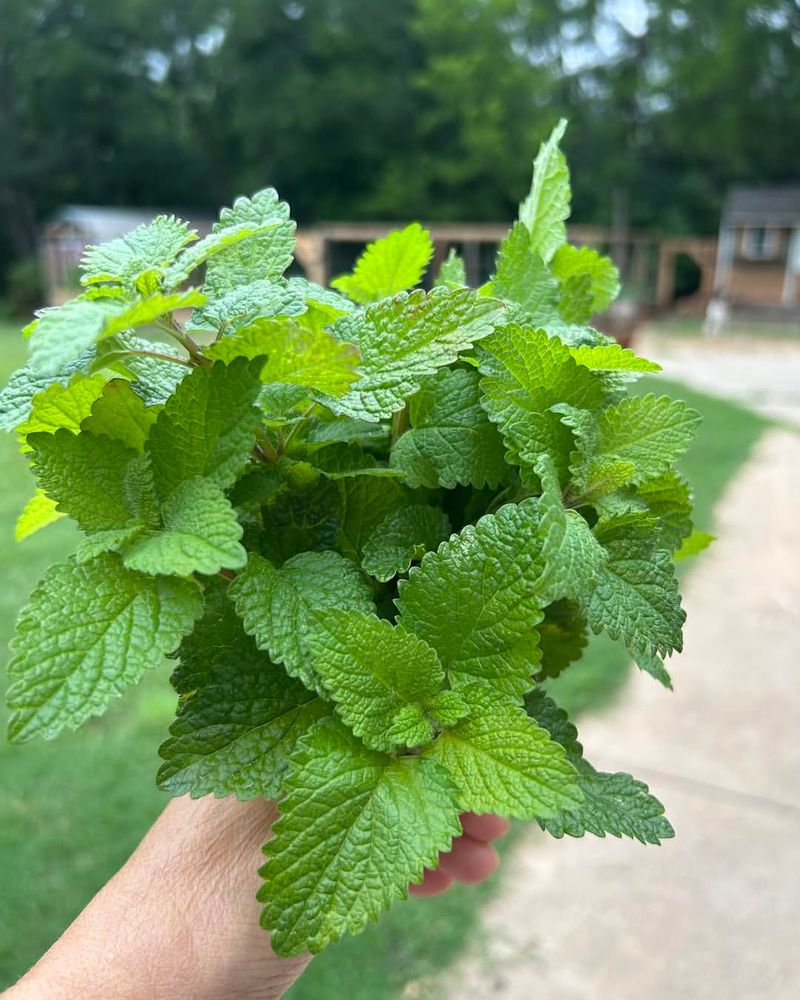
Rub a single leaf of lemon balm between your fingers and the burst of fresh citrus scent is almost surprising.
Michigan gardeners grow this cheerful herb near patios and garden paths, partly because that lemony fragrance is genuinely pleasant to be around, and partly because brushing against the foliage may help discourage some insects from lingering in the area.
It is an easy, rewarding plant that suits both herb gardens and decorative container arrangements.
The one catch with lemon balm is how enthusiastically it spreads. Planted directly in garden beds, it can quickly take over surrounding areas through self-seeding and spreading roots.
Growing it in containers is often the smarter move for gardeners who want to keep things tidy.
A medium to large pot with good drainage works perfectly, and lemon balm adapts well to both full sun and part shade, making it flexible for spots that do not get direct light all day.
Watering consistently keeps the foliage lush and fragrant, but avoid letting containers sit in standing water. Harvesting leaves regularly, especially before the plant flowers, keeps growth compact and the scent strong.
Pinching off flower heads as they appear slows the spread of seeds significantly. In Michigan, potted lemon balm can be brought indoors before frost and kept on a bright windowsill through winter, ready to return outside the following spring with minimal fuss.
7. Peppermint
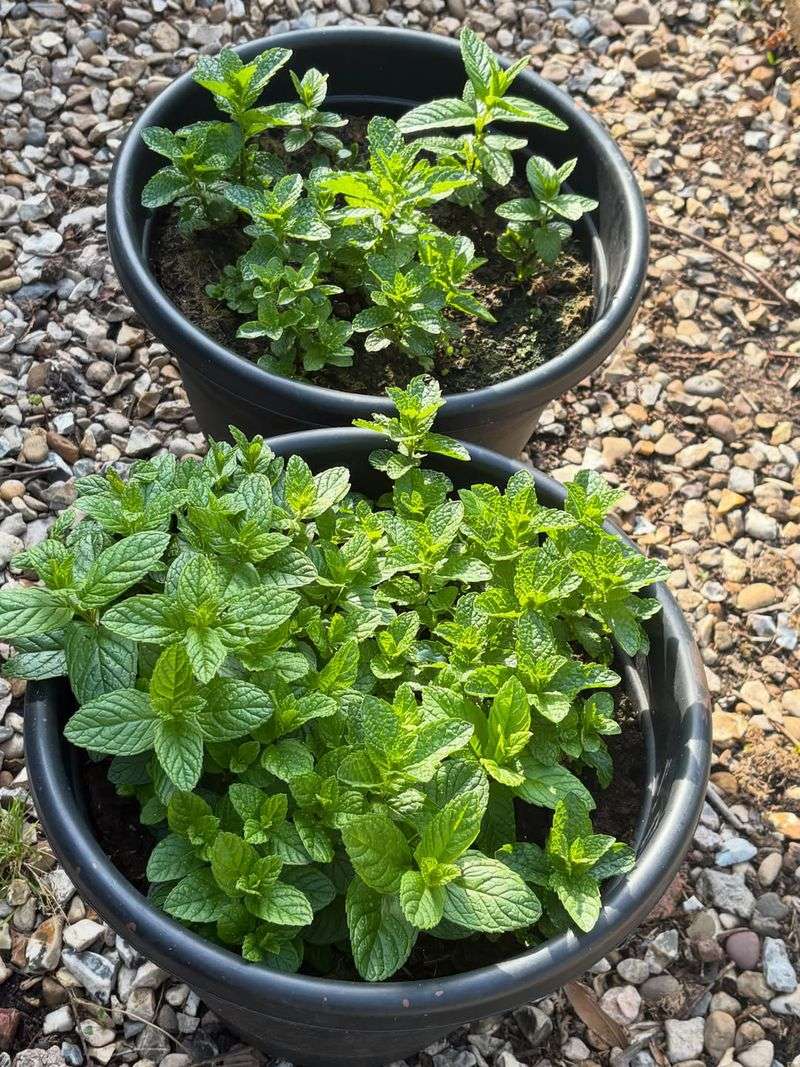
Peppermint has one of the boldest scents in any herb garden, and that intensity is exactly why Michigan gardeners keep it in containers near patios and outdoor seating areas.
The sharp, cooling fragrance is released strongly when leaves are brushed or disturbed, which may help make nearby spaces less comfortable for certain insects.
Positioning containers along patio edges or near yard borders adds a fragrant buffer right where you spend the most time outdoors.
Growing mint in containers is not just a suggestion, it is genuinely the best approach. Peppermint spreads aggressively through underground runners and can take over large sections of a garden bed within a single season if planted directly in the ground.
A sturdy pot with drainage holes and a quality potting mix keeps it contained and manageable. Even burying a container in the ground with the rim above soil level is a trick some gardeners use to limit spread while keeping the plant in place.
Peppermint does well in full sun but tolerates part shade reasonably well, which gives you flexibility in placement. Keep the soil consistently moist since mint wilts quickly when it dries out, especially in summer heat.
Regular harvesting encourages bushy new growth and keeps the plant from getting too leggy.
Placing containers near tick-prone yard edges, like where lawn meets garden beds or wooded areas, makes the most of peppermint’s strong aromatic presence throughout the season.
8. Garlic
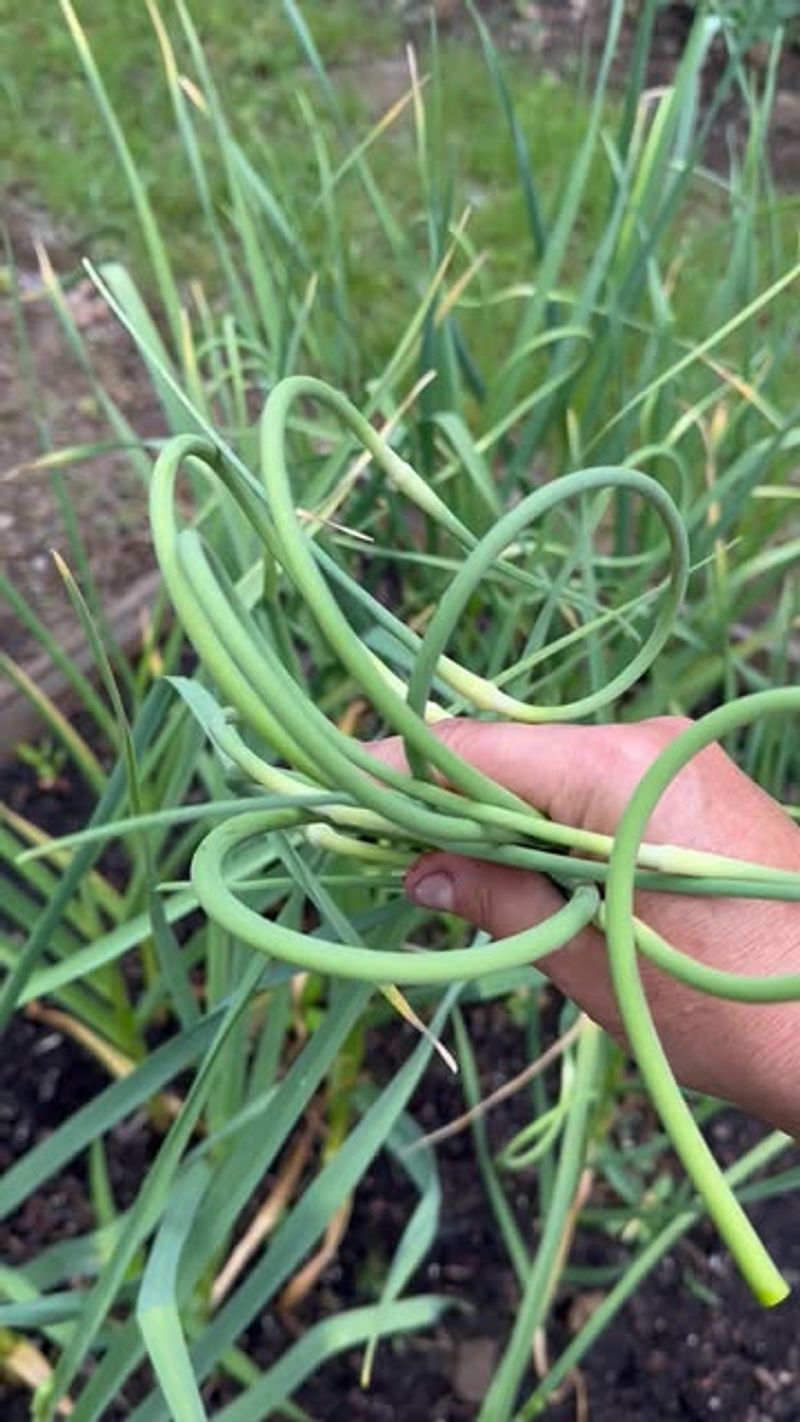
Garlic is one of the most pungent plants you can grow, and that powerful scent is part of why Michigan gardeners plant it near vegetable beds and sunny garden borders.
The strong sulfur-based compounds released by garlic foliage and bulbs may add some confusion to pests navigating through the garden, though it is worth being clear that reliable tick management depends much more on habitat control than on any single plant.
In Michigan, garlic is planted in the fall, typically between mid-September and mid-October, which gives cloves time to establish roots before the ground freezes.
Choosing a sunny spot with well-draining soil is essential since waterlogged conditions encourage rot rather than healthy bulb development.
Space cloves about six inches apart with the pointed end facing up, and cover the bed with a layer of straw mulch to protect roots through the coldest months.
Come spring, green shoots push through the soil early and grow steadily through the season. Scapes, the curling flower stems on hardneck varieties, should be snipped off in early summer to direct the plant’s energy toward bulb growth.
Harvest time arrives in late June to July when the lower leaves begin to yellow. Keeping garlic planted along garden edges where grass transitions to beds adds both fragrance and a natural layer of variety to your overall yard management strategy.