These Groundcovers Are Illegal To Plant In Pennsylvania
Groundcovers are one of the most practical tools in a Pennsylvania garden. They fill space quickly, control erosion, and cut down on weeding without much effort.
The problem is that some of the most commonly used and widely sold options have made it onto Pennsylvania’s invasive species list, and planting them now comes with real consequences that go well beyond your own yard.
These plants do not respect property lines. They spread into natural areas, overtake native vegetation, and alter ecosystems in ways that are genuinely difficult and expensive to reverse.
State and local regulations around certain invasive groundcovers have tightened in recent years, and some of these plants are now outright illegal to sell, plant, or allow to spread in Pennsylvania.
A few of them are so familiar and so widely used that finding out they are on this list will genuinely catch people off guard.
1. English Ivy
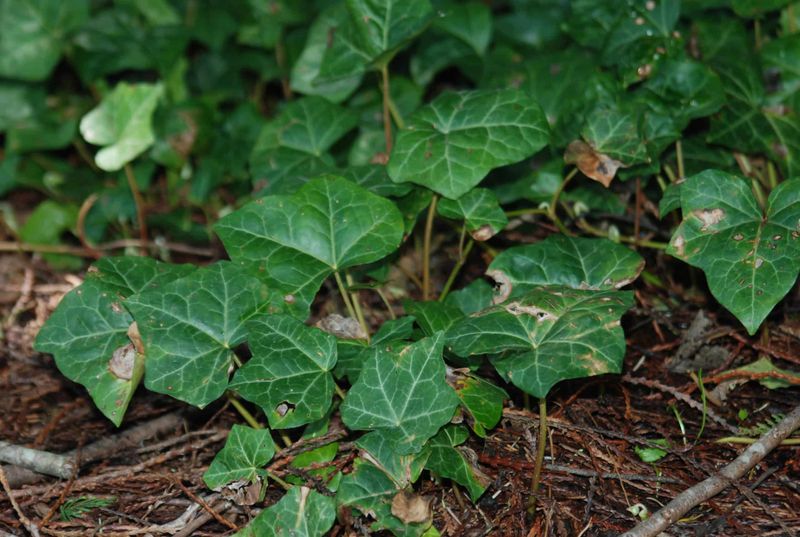
Walk through almost any Pennsylvania neighborhood and you have probably spotted English Ivy creeping along fences, walls, and trees. It looks charming at first glance, but this plant is one of the most destructive groundcovers you can grow.
Pennsylvania officially lists it as an invasive species, and planting it is strongly discouraged under state regulations.
English Ivy spreads at a shocking speed. It sends out long vines that cover the ground and climb trees, eventually blocking sunlight from reaching the tree’s leaves.
Over time, the added weight of ivy vines can weaken trees, making them more likely to fall during storms. It forms what experts call “ivy deserts,” where almost nothing else can grow.
Beyond trees, English Ivy outcompetes native plants like wildflowers and ferns that birds, insects, and small animals rely on for food and shelter. It stays green all year, which sounds nice, but that means it never gives native plants a break to recover.
Once established, removing it is a real challenge that requires consistent effort over many seasons.
If you want a similar look in your yard, try native alternatives like wild ginger or green-and-gold. These plants spread nicely, stay low to the ground, and actually support local wildlife instead of harming it.
Many Pennsylvania nurseries now carry native groundcover options that look just as attractive as English Ivy without the environmental baggage. Making the swap is one of the easiest ways to be a more responsible gardener in the Keystone State.
2. Periwinkle / Vinca Minor
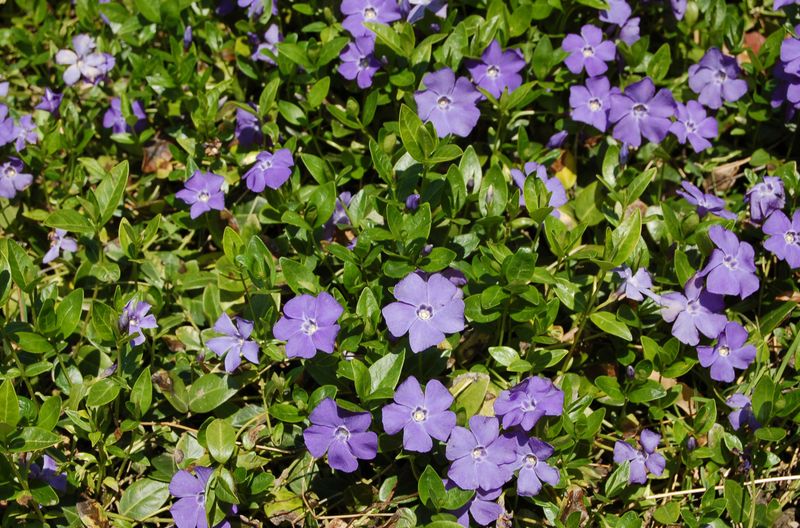
Pretty purple flowers and glossy leaves make Periwinkle, also known as Vinca Minor, look like an ideal groundcover. For decades, gardeners planted it under trees and along slopes because it handled shade well and spread quickly.
The problem is that it spreads a little too well, which is exactly why Pennsylvania considers it invasive and discourages its sale and planting.
Vinca Minor forms thick, mat-like patches that smother everything underneath. Native wildflowers like trillium, bloodroot, and jack-in-the-pulpit simply cannot push through the dense tangle of stems and roots.
These native plants are important food sources for pollinators and other wildlife, so when they disappear, the whole local ecosystem takes a hit.
Your Pennsylvania Garden Changes Every Week. Your Plan Should Too.
Gardening in Pennsylvania changes quickly throughout the season. Every Friday you’ll receive a simple weekly plan showing exactly what to plant, prune, fertilize, harvest, and protect so you never miss the right timing.
What makes Periwinkle especially tricky is that it roots wherever its stems touch the ground. A small patch can become a massive carpet within just a few growing seasons.
Pulling it out sounds simple, but every tiny piece of stem left in the soil can sprout into a new plant. Gardeners who have tried to remove it know it feels like an endless battle.
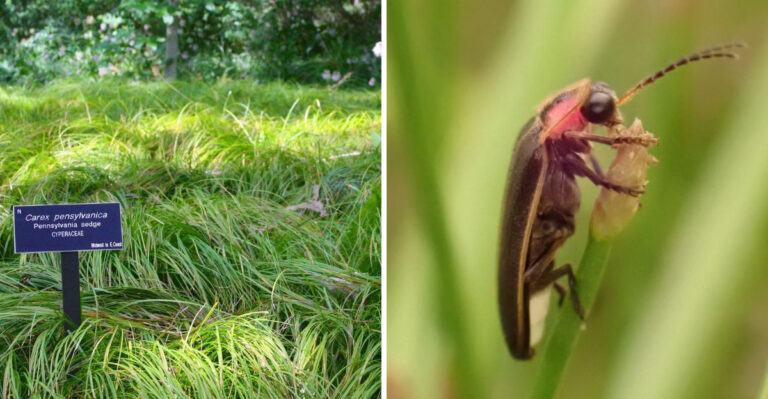
The good news is that native alternatives exist that fill the same role without the chaos. Pennsylvania sedge is a fantastic option for shady spots, offering a soft, flowing texture that looks elegant and stays manageable.
Foamflower is another great choice, producing beautiful white blooms in spring that pollinators absolutely love.
Swapping out Vinca Minor for these native plants is a positive step that helps protect Pennsylvania’s woodland ecosystems for future generations to enjoy and explore.
3. Japanese Pachysandra
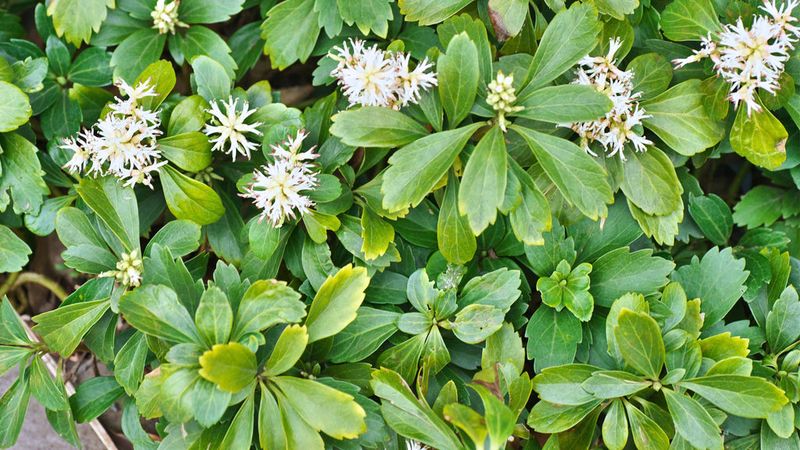
Japanese Pachysandra is a name most Pennsylvania gardeners recognize right away. It has been a go-to groundcover for shady spots under trees for many years, and bags of it still show up at garden centers across the country.
But Pennsylvania has flagged it as an invasive plant, and experts are urging homeowners to stop planting it and start replacing it with native options instead.
The plant forms such a dense, thick layer that almost no other plant can grow through it. Native spring ephemerals, which are delicate wildflowers that bloom early in the season, are especially vulnerable.
These tiny plants need open, leaf-littered ground to sprout, and Pachysandra simply takes that space away. Without those wildflowers, the insects and birds that depend on them struggle to find food.
Japanese Pachysandra spreads through underground stems called rhizomes, making it surprisingly hard to contain. It creeps steadily outward year after year, moving from gardens into nearby natural areas.
Once it gets into a forest, it can cover large areas surprisingly fast, changing the entire character of the woodland understory.
Fortunately, native alternatives handle shade just as well. American Pachysandra, also called Allegheny spurge, looks remarkably similar to its Japanese cousin but behaves in a much more restrained way.
It supports local insects and fits naturally into Pennsylvania’s woodland ecosystems. Creeping phlox is another option worth considering, especially on slopes, where it provides gorgeous spring color alongside reliable ground coverage.
Choosing native alternatives is a small change that makes a meaningful difference for Pennsylvania’s wild spaces.
4. Goutweed / Bishop’s Weed
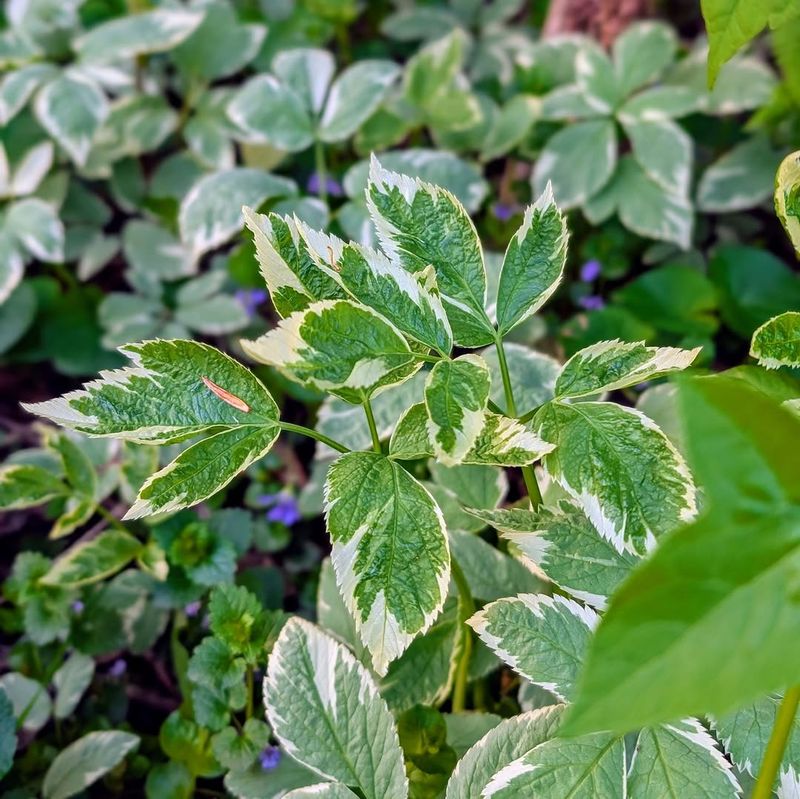
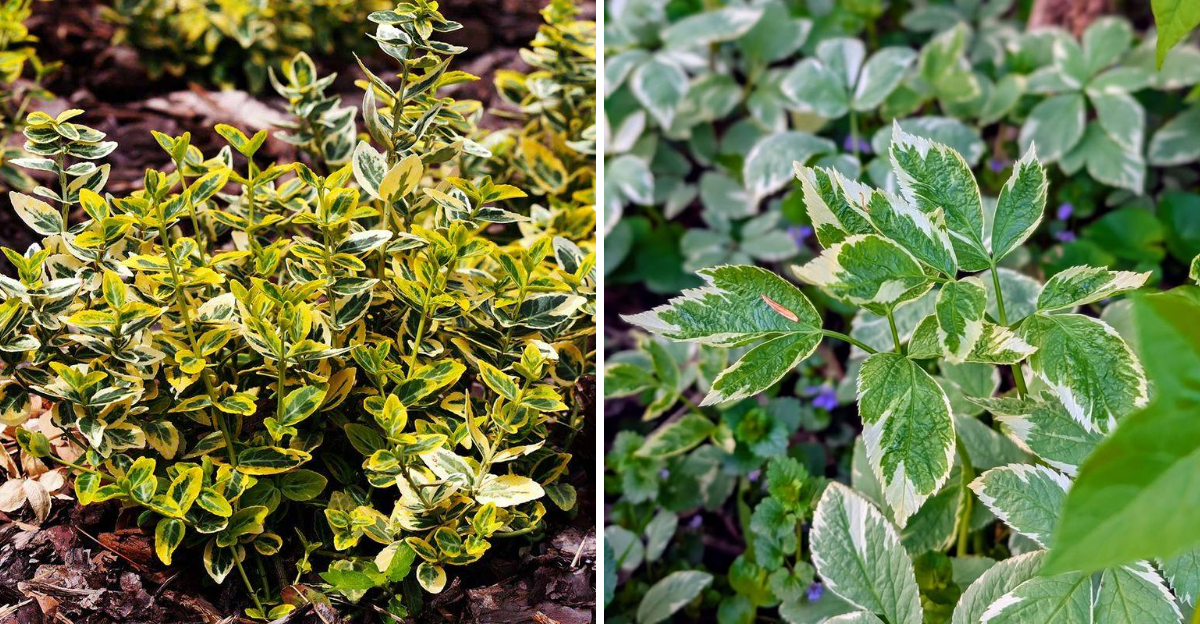
Here is a plant that tricks gardeners with its looks. Goutweed, often sold under the name Bishop’s Weed, has attractive green-and-white variegated leaves that make it look like a sophisticated garden choice.
Gardeners once loved it for filling in difficult spots where other plants refused to grow. Today, Pennsylvania recognizes it as one of the most stubborn and destructive invasive plants around.
Goutweed spreads both above and below ground. Its underground root system is aggressive and extensive, making it nearly impossible to remove once it gets established.
Even tiny root fragments left in the soil will regrow into full plants. Gardeners who have tangled with Goutweed often describe it as one of the most frustrating plants they have ever dealt with, and for good reason.
In natural areas, Goutweed forms solid colonies that crowd out native plants entirely. It thrives in disturbed soil, meaning it loves gardens, roadsides, and trail edges, exactly the places where it can easily spread into nearby wild areas.
Birds and insects get very little benefit from it, making its spread a real loss for local biodiversity.
If you have Goutweed in your yard right now, the best approach is to remove it carefully and persistently over several seasons, covering the area with thick mulch to slow regrowth.
For a replacement, native plants like wild ginger offer a lush, low-growing option that actually supports the local food web.
Ostrich ferns are another bold, beautiful choice that fills large shady spaces with dramatic texture while being a responsible native option for Pennsylvania yards.
5. Wintercreeper
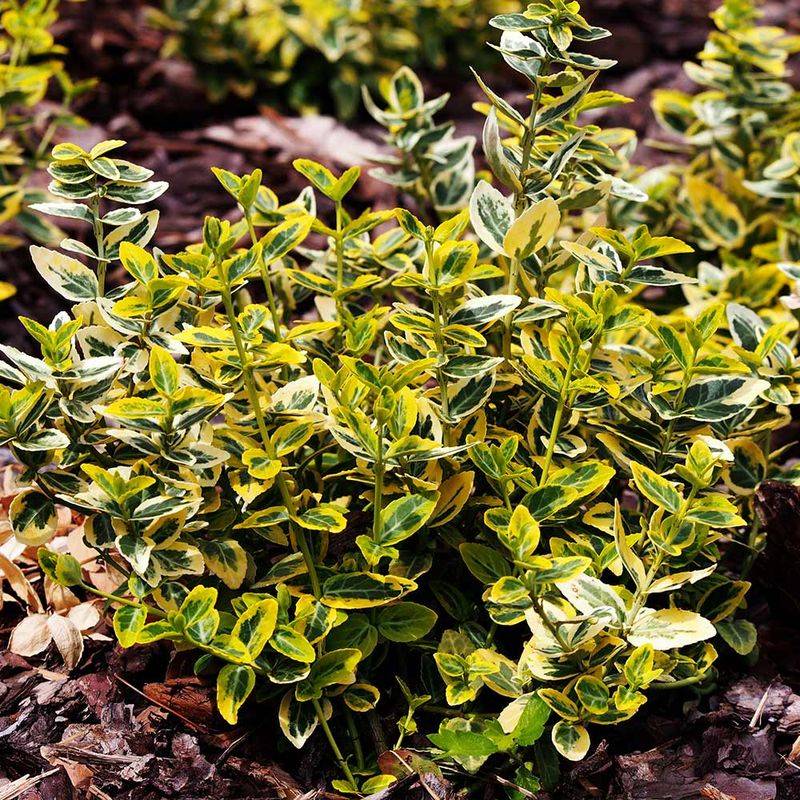
Wintercreeper sounds like something from a mystery novel, and in the gardening world, it kind of is. This plant, known scientifically as Euonymus fortunei, sneaks into natural areas quietly and takes over before most people even notice what is happening.
Pennsylvania classifies it as invasive, and it is one of the groundcovers that conservation groups in the state most urgently want homeowners to stop planting.
What makes Wintercreeper so troublesome is its flexibility. It grows as a groundcover, a climbing vine, or even a shrub, depending on what surfaces are available.
When it reaches a tree, it climbs upward and can eventually shade out the tree’s own leaves. On the ground, it forms thick mats that block native plants from getting the sunlight and moisture they need to survive.
Wintercreeper produces berries that birds eat and spread widely, which is one of the main reasons it shows up so far from where it was originally planted.
A single plant in a backyard can lead to dozens of new plants sprouting in nearby woods within just a few years. This bird-assisted spread makes it especially difficult to control at a landscape level.
Removing Wintercreeper requires cutting stems close to the ground and treating the remaining roots carefully. For a native replacement, Virginia creeper is an excellent choice.
It climbs beautifully, turns a stunning red in fall, and produces berries that native birds genuinely benefit from eating. Partridgeberry is another charming low-growing native option that adds color and texture to shaded garden areas without any invasive tendencies.
6. Yellow Archangel
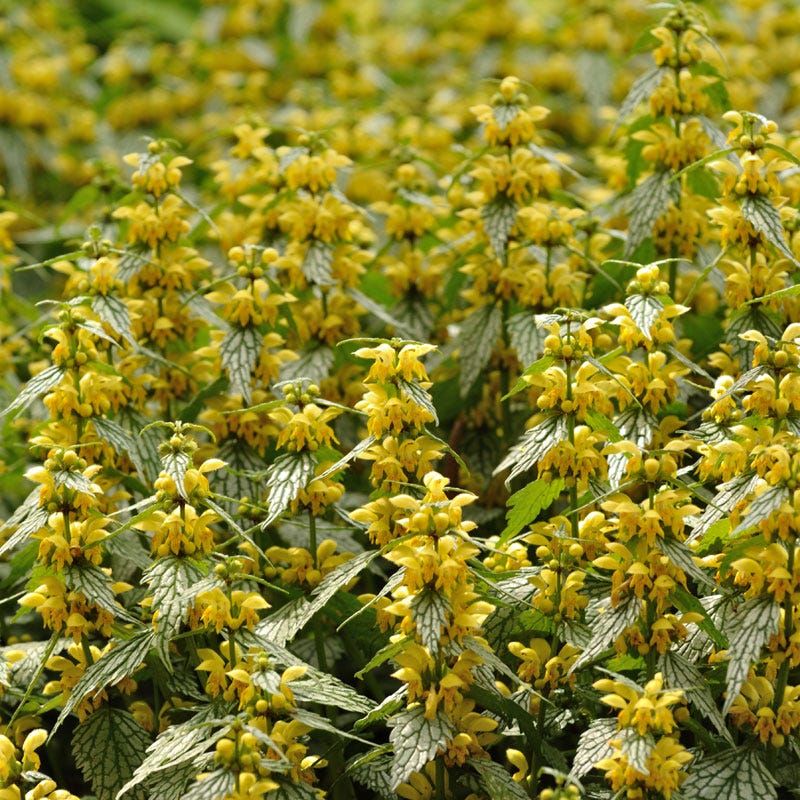
Yellow Archangel might be the least familiar name on this list, but do not let that fool you. This plant, with its silver-splashed leaves and cheerful yellow flowers, has a reputation for being one of the most aggressive groundcovers in the eastern United States.
Pennsylvania has placed it on the invasive species list, and experts consider it a serious threat to native forest plant communities across the region.
Originally from Europe, Yellow Archangel was brought over as an ornamental plant and quickly proved it had no interest in staying put. It spreads through long, trailing stems that root wherever they touch the ground, and it also spreads via seeds.
The combination of these two methods means it can colonize large areas with alarming speed, especially in moist, shaded environments like stream banks and forest edges.
Once Yellow Archangel moves into a natural area, it forms a dense, smothering mat that blocks light from reaching the soil. Native spring wildflowers, mosses, and ferns simply cannot compete.
The result is a landscape that looks green from a distance but is actually a monoculture with very little ecological value. Wildlife that depends on plant diversity in the understory suffers as a result.
If you spot Yellow Archangel in your yard or nearby natural areas, removing it promptly is the best course of action. Pull stems out carefully, making sure to get as much of the root system as possible.
Native alternatives like golden groundsel or wild blue phlox offer beautiful color in shaded spots while actively supporting pollinators and other beneficial wildlife throughout the Pennsylvania growing season.