How To Keep Your Peace Lily Blooming In Pennsylvania
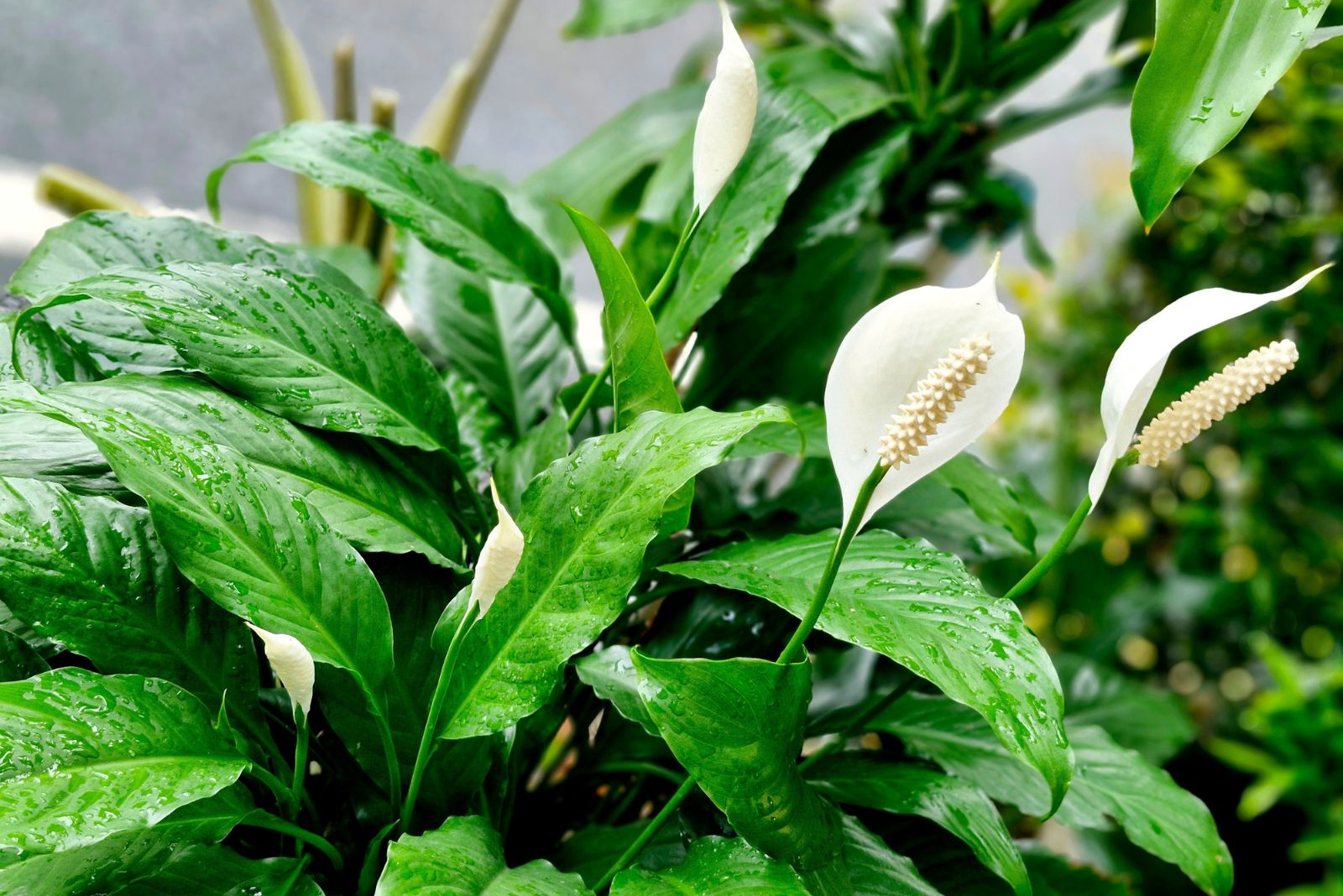
Peace lilies have a reputation for being one of the more rewarding houseplants you can grow, and for good reason. That first flush of white blooms against those deep green leaves is genuinely striking, and it makes sense that most Pennsylvania plant owners want to see it happen as often as possible.
The frustration sets in when the blooms stop coming and the plant just sits there looking green and perfectly healthy but completely flowerless for months at a time. Here’s the thing – a non-blooming peace lily in Pennsylvania isn’t a failing plant.
It’s usually a plant that’s missing one or two specific conditions that trigger flowering, and those conditions are more manageable than most people realize once you understand what’s actually driving the blooming cycle.
Pennsylvania homes create some particular challenges for peace lilies across the seasons, from winter heating systems to summer light shifts, and working with those conditions rather than against them is exactly what gets the blooms coming back reliably.
1. Give It Bright, Indirect Light

Lighting is everything when it comes to getting a peace lily to bloom. Too little light and your plant will just sit there, growing leaves but never producing those gorgeous white flowers.
Many Pennsylvania homes have windows that let in strong afternoon sun, and that direct light can actually scorch the leaves and stress the plant.
The sweet spot for peace lilies is bright, indirect light. Think of a spot near a window that gets good natural light but has a sheer curtain or is slightly set back from the glass.
East-facing windows work really well because they offer gentle morning sun without the harsh afternoon rays. North-facing windows can work too, but you may need to supplement with a grow light during Pennsylvania’s cloudy winter months.
If your peace lily’s leaves are turning yellow, it might be getting too much direct sun. If it looks droopy and pale, it probably needs more light.
Finding that balance is the key. Try moving your plant a foot or two closer to or farther from the window and watch how it responds over a week or two.
Peace lilies are pretty good at showing you what they need through their leaves and blooms. Once you nail the right light level, you will often see new flower spikes start to form within a few weeks.
Getting the lighting right is honestly the single biggest factor in encouraging consistent blooms, so do not overlook this step. A well-lit peace lily in a Pennsylvania home is a happy, blooming peace lily.
2. Water Consistently (But Do Not Overdo It)
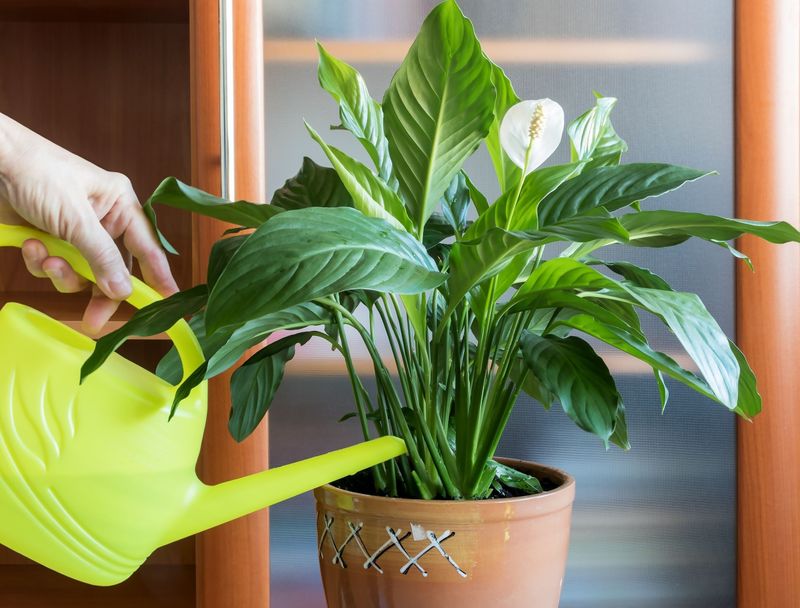
Watering a peace lily feels simple until you realize how easy it is to go wrong in both directions. Overwatering is one of the most common reasons peace lilies stop blooming, and it can also cause root rot that slowly weakens the plant.
Underwatering is just as bad, leaving the plant stressed and unable to put energy into producing flowers.
Your Pennsylvania Garden Changes Every Week. Your Plan Should Too.
Gardening in Pennsylvania changes quickly throughout the season. Every Friday you’ll receive a simple weekly plan showing exactly what to plant, prune, fertilize, harvest, and protect so you never miss the right timing.
The goal is to keep the soil evenly moist without letting it stay soggy. A good rule of thumb is to check the top inch of soil with your finger.
If it feels slightly dry, it is time to water. If it still feels moist, wait another day or two and check again.
During Pennsylvania’s cold winters, your home heating system can dry out the air and cause soil to dry out faster, so you may need to water more often during those months.
Always water thoroughly so the water drains out of the bottom of the pot. Empty the saucer underneath so the roots are not sitting in standing water.
Using room-temperature water is a small but helpful detail. Cold tap water can shock the roots, especially in winter.
If your tap water is heavily treated with chlorine, letting it sit out overnight before using it can make a real difference for sensitive plants like peace lilies.
Consistent watering habits build a strong, healthy root system, and a healthy root system is what powers those beautiful white blooms.
Think of watering not as a chore but as a routine that keeps your plant thriving through every Pennsylvania season.
3. Use The Right Potting Soil
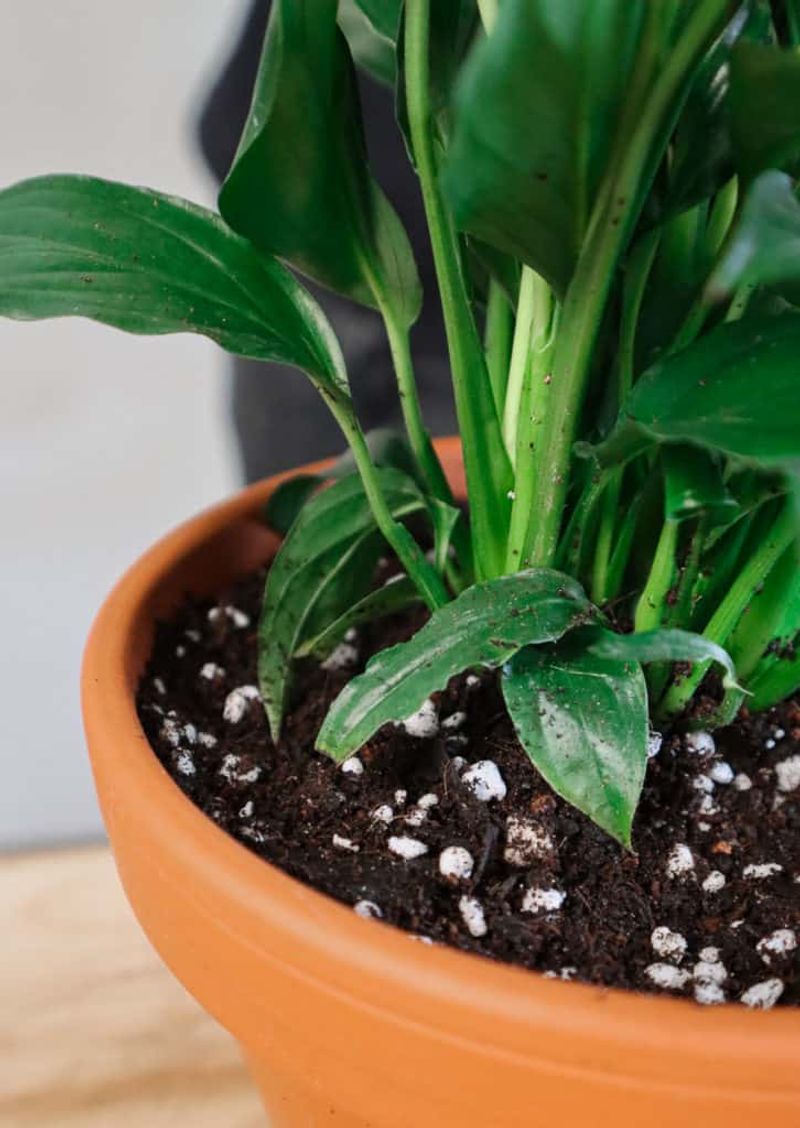
Not all potting soils are created equal, and peace lilies are picky about what they grow in. A heavy, dense soil that holds too much water will suffocate the roots and almost guarantee that your plant never blooms.
On the flip side, a mix that drains too quickly will leave the plant constantly thirsty and stressed.
What you want is a rich, well-draining indoor potting mix that holds just enough moisture to keep the roots happy without becoming waterlogged. Many gardeners in Pennsylvania swear by mixes that include perlite or coarse sand to improve drainage.
You can also add a small amount of peat moss or coco coir to help retain some moisture without making the soil too heavy. Pre-made mixes labeled for tropical houseplants or aroids often work really well for peace lilies.
Repotting is also worth thinking about. If your peace lily has been in the same pot for two or more years, the soil may be depleted and compacted, making it harder for roots to breathe and absorb nutrients.
Spring is the best time to repot in Pennsylvania, right as the growing season kicks off. Choose a pot that is only one size larger than the current one.
Going too big too fast can actually slow blooming because the plant focuses on filling the new space with roots instead of making flowers.
Fresh, quality soil gives your peace lily a clean slate and a real boost, setting it up for a full season of beautiful blooms throughout your Pennsylvania home.
4. Feed Lightly During Growing Season
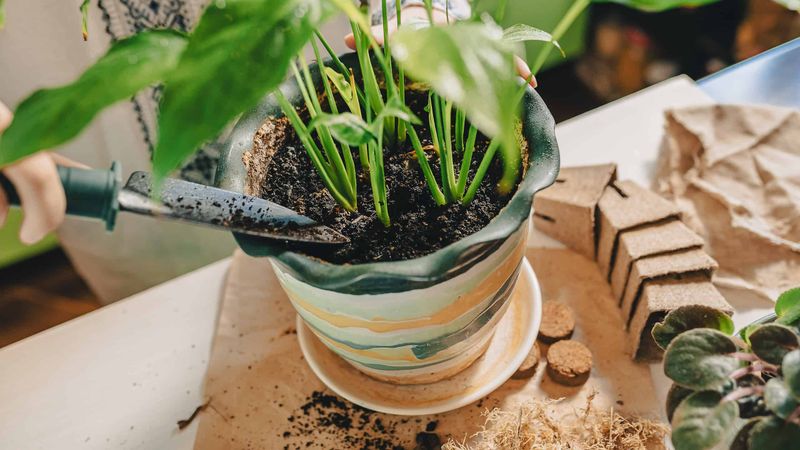
Feeding your peace lily the right way can make a noticeable difference in how often and how well it blooms. Peace lilies are not heavy feeders, but they do appreciate a little nutritional boost during the active growing months.
In Pennsylvania, that growing season typically runs from spring through early fall, when longer days and warmer temperatures encourage new growth.
A balanced liquid houseplant fertilizer, something with equal parts nitrogen, phosphorus, and potassium, works really well. Apply it at half the recommended strength every four to six weeks during spring and summer.
This gentle feeding schedule gives the plant what it needs without overwhelming it. Too much fertilizer, especially nitrogen, can push the plant to grow lots of lush green leaves while completely skipping the blooms.
Less really is more when it comes to feeding peace lilies. Stop fertilizing in fall and skip it entirely through winter. Pennsylvania winters mean shorter days and lower light levels, and peace lilies naturally slow down during this time.
Feeding a resting plant can cause salt buildup in the soil, which stresses the roots and makes blooming even harder when spring rolls back around. Every few months, flush the soil by watering heavily and letting it drain fully.
This washes away any accumulated fertilizer salts and keeps the soil environment healthy. Think of fertilizing like a light snack rather than a big meal.
Consistent, light feedings during the growing season give your peace lily just enough fuel to push out those stunning white blooms that make it such a beloved houseplant across Pennsylvania.
5. Keep Humidity Moderate
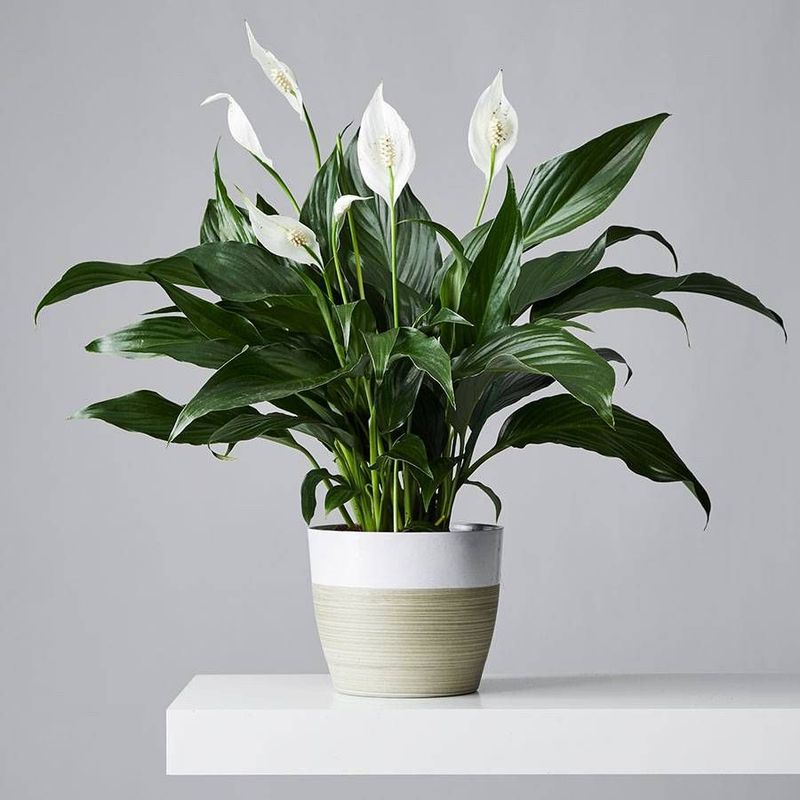
Peace lilies originally come from tropical rainforests, so they genuinely love moisture in the air. Pennsylvania homes, especially during winter when the heat is running constantly, can get very dry indoors.
That dry air is one of the sneaky reasons peace lilies stop blooming even when everything else seems right.
You do not need to turn your home into a jungle to keep your plant happy. There are a few easy ways to raise humidity around your peace lily without going overboard.
Grouping it together with other houseplants is a great natural method because plants release moisture through their leaves, creating a slightly more humid microclimate around each other.
Another popular trick is placing the pot on a shallow tray filled with pebbles and a little water. As the water evaporates, it gently humidifies the air right around the plant.
Misting the leaves with a spray bottle a few times a week can also help, especially during the driest months of a Pennsylvania winter. Use room-temperature water when you mist so you do not shock the plant.
If your home is particularly dry, a small humidifier placed nearby can make a real difference and is worth the investment if you have multiple tropical plants. Aim for indoor humidity levels somewhere between forty and sixty percent for best results.
Keeping the humidity in that range helps the plant breathe better, absorb water more efficiently, and channel its energy into blooming rather than just surviving.
A little extra moisture in the air goes a long way toward keeping your peace lily lush and full of flowers throughout the year in Pennsylvania.
6. Remove Spent Blooms And Old Leaves
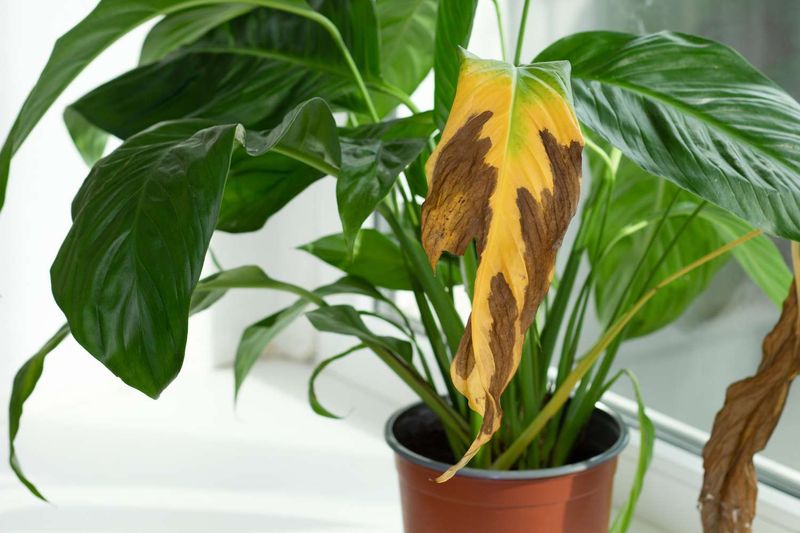
Here is something a lot of new plant owners do not realize: leaving old, faded blooms on your peace lily actually works against you.
Once a flower has run its course and starts to turn brown or green, it is still pulling energy from the plant. That energy could be going toward making brand-new blooms instead.
Deadheading, which just means removing spent flowers, is a simple habit that pays off big. Use clean, sharp scissors or pruning shears and cut the flower stem down as close to the base as possible without damaging the surrounding leaves.
Doing this regularly throughout the blooming season encourages the plant to keep producing new flower spikes. The same idea applies to old or yellowing leaves.
Trim them off cleanly at the base so the plant is not wasting resources trying to maintain foliage that is past its prime.
Always clean your scissors with rubbing alcohol before and after trimming to avoid spreading any bacteria or fungal issues between plants.
In Pennsylvania, where indoor humidity can fluctuate with the seasons, keeping the plant tidy also reduces the chance of mold or disease taking hold in decaying plant material.
Make trimming a part of your regular care routine, maybe once every two weeks as you water and check on your plant. It only takes a few minutes and the results are worth it.
A clean, well-maintained peace lily redirects all of its energy into fresh growth and new blooms, keeping your plant looking vibrant and beautiful all year long no matter where you are in Pennsylvania.