These Native Georgia Shrubs Make Better Privacy Screens Than Ligustrum
Nobody talks enough about how bad old ligustrum hedges can make a yard feel after a few years. They start off full and fast-growing, then turn into giant high-maintenance walls that need trimming constantly just to stay under control.
One missed cleanup and the whole thing already looks rough again.
Georgia yards look far more interesting with native shrubs doing the same job instead.
The difference shows up quickly once everything fills out in spring. Flowers, texture, movement, wildlife activity, all of it feels more natural compared to the stiff green screens planted across so many neighborhoods.
A few native shrubs become dense enough for privacy without making the yard feel closed-off or overly formal.
Good privacy screens should blend into the landscape naturally. The best native shrubs usually manage that without demanding constant work to keep them looking decent.
1. Florida Hobblebush Handles Shade Better Than Many Shrubs
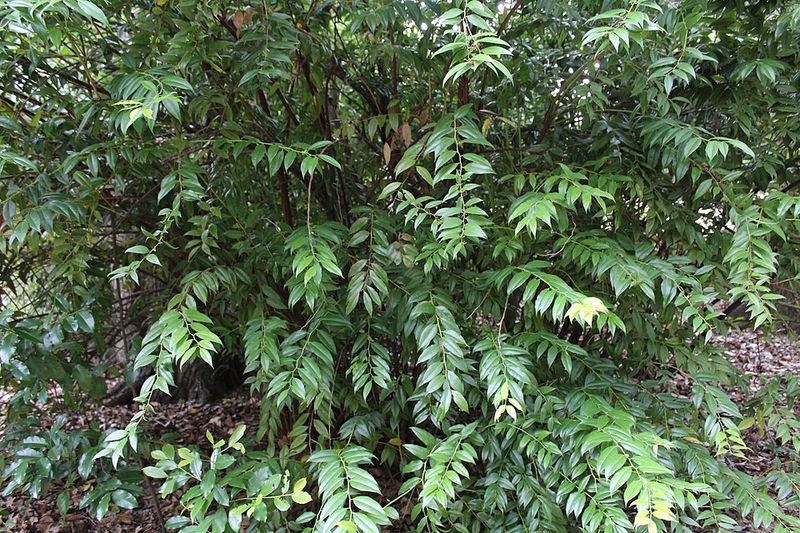
Shade is where most privacy shrubs struggle, but Florida Hobblebush thrives right there. It grows naturally along shaded stream banks and forest edges, so deep shade does not slow it down at all.
Arching branches spread outward in layers, creating a soft but dense screen. New growth flushes in bronze and red tones before settling into deep green.
In fall, the foliage picks up burgundy and purple shades that look genuinely striking.
Mature plants reach about four to six feet tall and spread even wider.
That spreading habit is actually useful for filling gaps along a fence line or under a tree canopy where nothing else wants to grow.
It prefers moist, acidic soil with good organic matter. Poorly drained spots can cause root issues, so raised beds or amended soil help in heavier clay areas.
Minimal pruning keeps it tidy. Cutting older canes back to the ground every few years encourages fresh, dense growth from the base.
No aggressive shaping is needed.
Wildlife benefits are real. Bees visit the small white flowers in spring, and the thick foliage offers nesting cover for birds.
Deer tend to avoid it, which is a practical bonus in suburban areas with heavy deer pressure. For shaded corners that need year-round coverage, Florida Hobblebush delivers without demanding much in return.
2. Possumhaw Viburnum Covers Branches With Bright Fall Berries
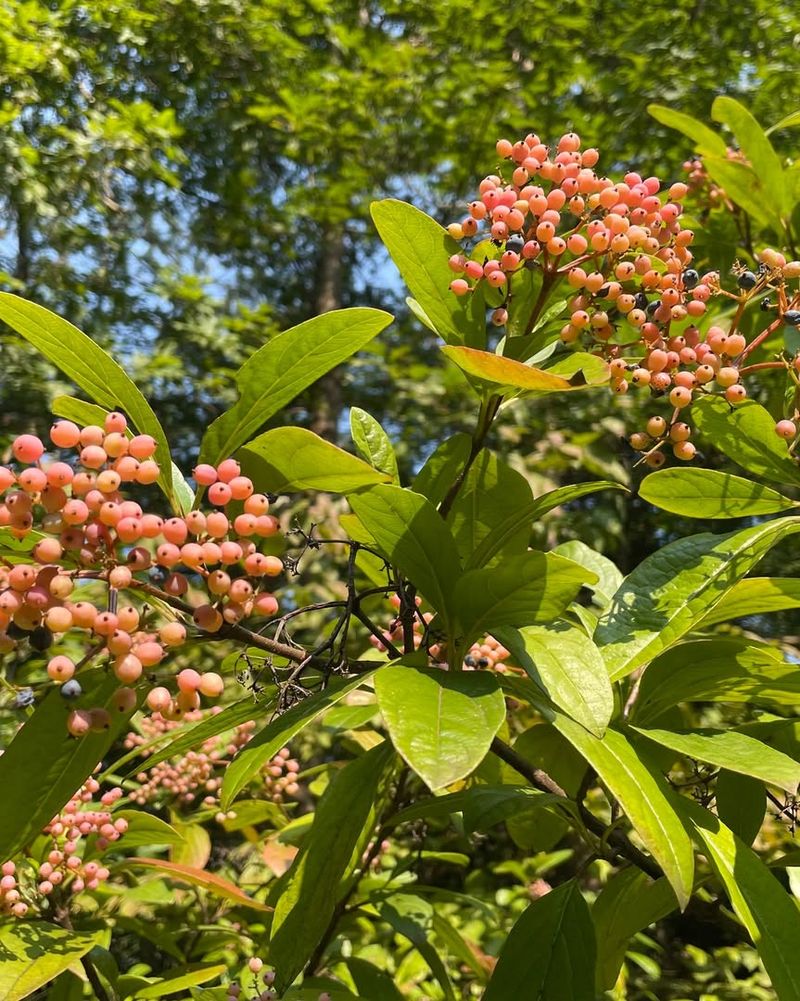
Bare winter branches loaded with red and orange berries make Possumhaw Viburnum one of the most visually rewarding shrubs you can plant.
Most privacy plants look dull in winter, but this one peaks right when everything else fades.
It grows eight to twelve feet tall under good conditions. Multiple stems push upward and outward, creating a wide, layered screen that blocks sightlines effectively even without leaves on the branches.
Spring brings clusters of small white flowers that attract native bees and butterflies. Berries follow by late summer and hold on through winter, feeding cedar waxwings, robins, and bluebirds when food gets scarce.
Full sun to part shade both work well. Moist, slightly acidic soil produces the best growth.
Your Georgia Garden Changes Every Week. Your Plan Should Too.
Gardening in Georgia changes quickly throughout the season. Every Friday you’ll receive a simple weekly plan showing exactly what to plant, prune, fertilize, harvest, and protect so you never miss the right timing.
It tolerates occasional wet feet better than many shrubs, making it useful near low spots in the yard.
Planting two or more together improves berry production significantly.
Cross-pollination between plants increases fruit set, so a small grouping creates both a better screen and a more reliable food source for birds.
Pruning right after flowering keeps the shape manageable without sacrificing the berry display. Avoid heavy late-season cuts since that removes next year’s fruit.
Once established, it handles drought reasonably well, though consistent moisture during the first two seasons gives it the best start for long-term, reliable growth.
3. Walter’s Viburnum Forms A Dense Natural Screen
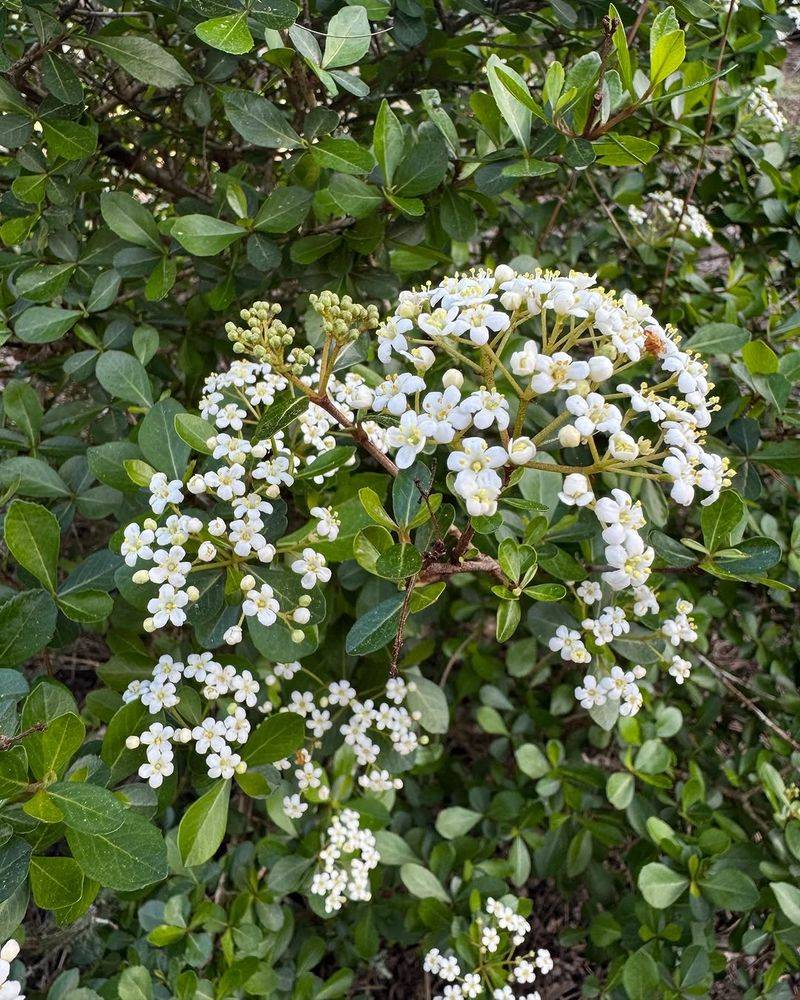
Few native shrubs build a privacy screen as efficiently as Walter’s Viburnum. It grows fast, stays evergreen, and develops a genuinely dense canopy without needing constant shaping.
Heights of ten to fifteen feet are common under good conditions. Width matches the height over time, so spacing plants eight to ten feet apart gives them room to fill in without fighting each other.
White flower clusters appear in spring and carry a light fragrance. Small dark berries follow in fall and attract mockingbirds, cedar waxwings, and other fruit-eating species.
The wildlife value stacks up fast on a mature plant.
Full sun produces the tightest, most compact growth. Part shade works too, though plants tend to open up slightly and grow a bit taller reaching for light.
Either way, the screening effect stays strong.
Soil adaptability is one of its strongest traits. Sandy soil, clay, and everything in between all support healthy growth.
Drought tolerance improves significantly once roots establish, usually after the second full growing season.
Maintenance stays low. Light shaping in late winter keeps the form tidy without triggering excessive regrowth.
Heavy pruning is rarely needed unless a plant outgrows its space. Compared to invasive alternatives like Ligustrum, Walter’s Viburnum does the same screening job without spreading into neighboring properties or natural areas.
It is a straightforward, reliable choice for established privacy borders in warm, humid climates across the region.
4. Fetterbush Keeps A Full Look In Moist Soil
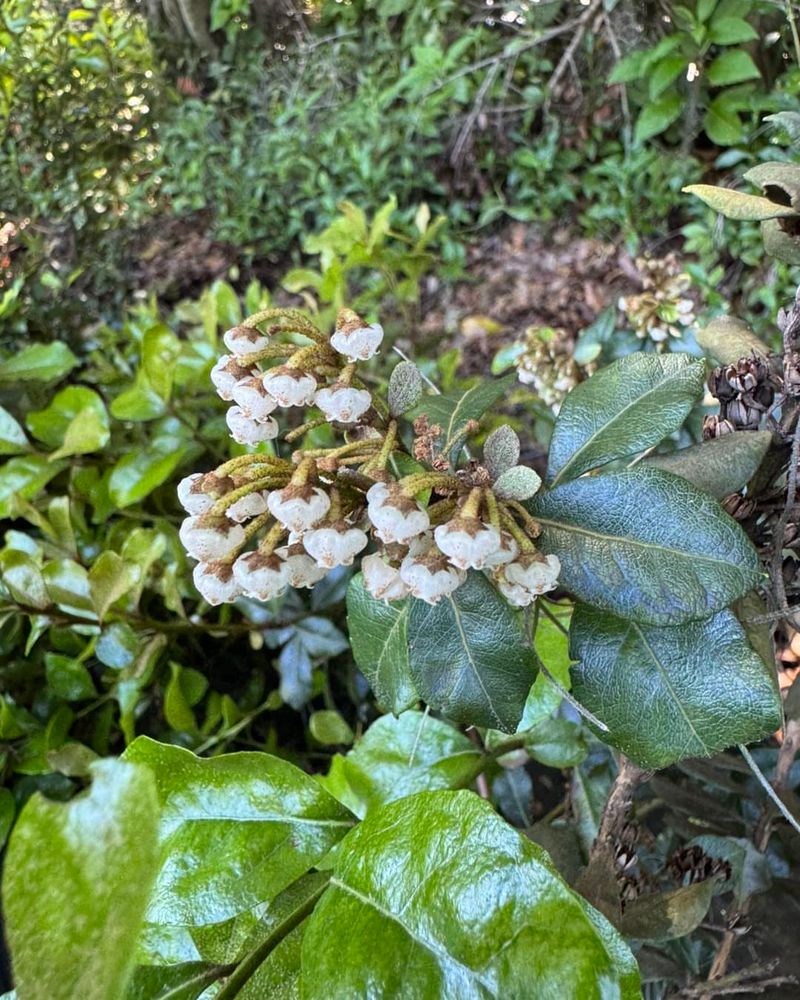
Wet spots in the yard are usually a headache for gardeners trying to grow a privacy screen. Fetterbush actually prefers those conditions, making it a practical solution where other shrubs rot out or struggle to establish.
It grows naturally in bogs, pocosins, and wet flatwoods across the Southeast. That background means it handles standing water during rainy periods without losing foliage or vigor.
Few shrubs can honestly claim that.
Mature plants reach six to ten feet tall with a dense, upright to slightly spreading form. Glossy evergreen leaves stay on year-round, so the screen holds through winter when coverage matters most in exposed yards.
Small urn-shaped flowers appear in spring. They are not flashy, but pollinators including native bees and early-season butterflies visit them reliably.
The plant pulls its weight ecologically without needing much help from the gardener.
Acidic soil is important. Fetterbush performs poorly in alkaline conditions, so testing soil before planting saves frustration.
Peat-amended beds or naturally acidic low areas in the yard suit it best.
Pruning needs are minimal. Removing old, leggy stems at the base every few years refreshes the plant and encourages denser new growth.
No heavy shearing is required to maintain a solid screen.
For rain gardens, low spots near downspouts, or naturally boggy corners of the yard, Fetterbush fills the space cleanly and stays evergreen through all seasons.
5. Sparkleberry Attracts Birds During Berry Season
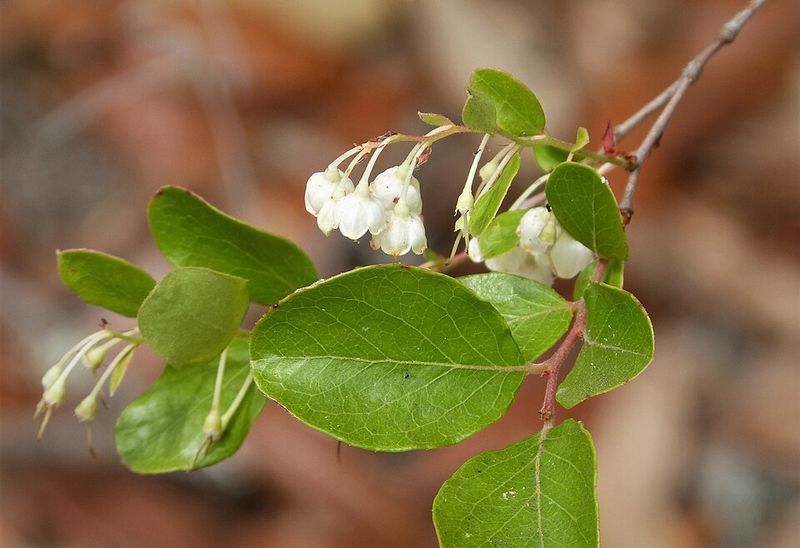
Walk past a mature Sparkleberry in October and you will likely hear it before you see it.
Birds flock to the small, dark berries in large numbers, turning the shrub into a busy feeding station every fall.
Sparkleberry is the largest native blueberry relative in the region, sometimes reaching fifteen feet or more under ideal conditions.
That size alone makes it a legitimate privacy option, not just a wildlife plant.
Leaves are semi-evergreen in warmer winters and fully deciduous in colder stretches. Either way, the branching structure stays dense enough to provide reasonable screening year-round.
Bark peels attractively on older trunks, adding winter interest.
Full sun to light shade both work. Sandy, well-drained, acidic soil is the preferred growing medium.
Heavy clay or wet spots slow it down considerably, so planting on slightly elevated ground or in amended beds improves results.
Spring flowers are small, white, and bell-shaped. Native bees visit them actively, and the berry crop that follows feeds bluebirds, thrushes, waxwings, and many other species through late fall and into early winter.
Growth rate is moderate, so patience pays off. Established plants handle drought well and rarely need supplemental water after the first two seasons.
Minimal pruning keeps the shape manageable. For a privacy screen that genuinely earns its place in the yard by supporting local wildlife, Sparkleberry delivers season after season without much fuss or maintenance.
6. Inkberry Holly Keeps Its Shape Year-Round
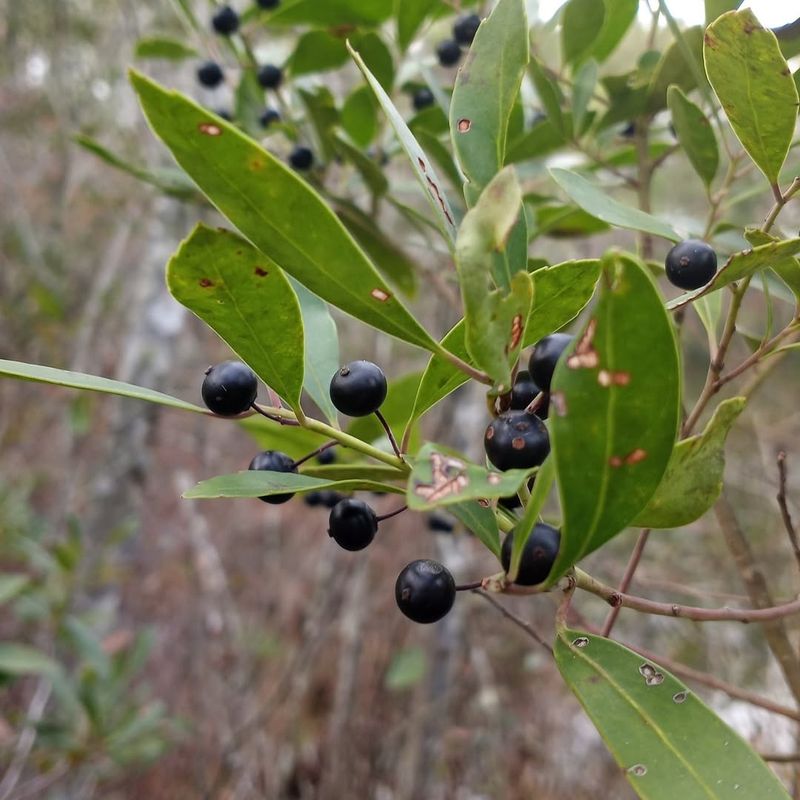
Consistent year-round structure is something most gardeners want from a privacy shrub, and Inkberry Holly delivers exactly that.
It stays evergreen, holds a tidy form, and does not require constant intervention to look presentable.
Native to wetlands and moist woodland edges across the Southeast, Inkberry adapts well to average yard conditions once established.
It handles both moist and moderately dry soil, though consistent moisture produces the densest, healthiest growth.
Typical height ranges from five to eight feet. Compact cultivars stay smaller if space is limited, but straight species plants fill in nicely and create a solid screen over three to four growing seasons.
Small white flowers appear in late spring. Dark black berries follow and persist through winter, feeding songbirds including robins, bluebirds, and hermit thrushes during colder months when other food sources thin out.
Full sun to part shade both suit it well. In heavy shade, plants tend to open up and lose some density.
A location with morning sun and afternoon shade often produces the best balance of density and healthy foliage color.
Suckering is worth knowing about. Inkberry spreads slowly by root suckers, which helps fill in a privacy border over time but can spread beyond the intended area if not managed.
Light pruning in early spring shapes the plant without removing that season’s berry crop. For a low-maintenance, wildlife-friendly evergreen screen, it is hard to beat.
7. Sweet Pepperbush Leaves A Strong Fragrance Behind
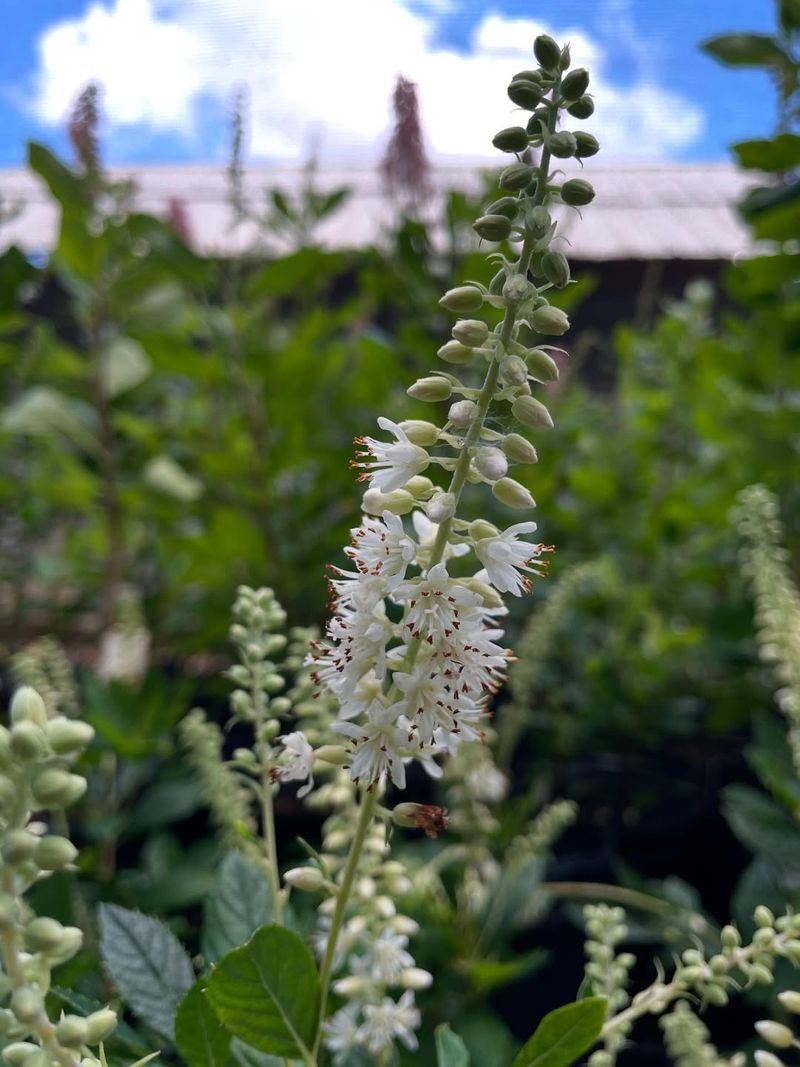
Plant Sweet Pepperbush near a porch or walkway and the fragrance hits you before you even see the flowers. Few native shrubs produce a summer scent this strong, and it lasts for weeks during peak bloom.
White flower spikes appear in mid to late summer, right when most other shrubs have finished blooming.
That timing fills a gap in the garden calendar and keeps pollinators active on your property through the hottest months.
Bees absolutely work these flowers. Bumblebees, sweat bees, and native specialist bees visit in high numbers.
Hummingbirds occasionally stop in as well, drawn by the dense nectar supply packed into each flower spike.
Height ranges from three to eight feet depending on the cultivar and growing conditions. Compact selections stay under four feet, while straight species plants push taller in consistently moist, acidic soil with partial shade.
Moisture is the key requirement. Sweet Pepperbush grows naturally along stream banks and in swampy woodland edges.
Dry, sandy soil causes stress and slows growth noticeably. Rain gardens, low yard spots, and areas near downspouts suit it well.
Fall color adds another layer of appeal. Leaves turn clear yellow before dropping, giving the plant a seasonal shift that keeps it interesting beyond the flowering period.
Deer generally leave it alone, which matters in suburban and semi-rural areas where browsing pressure is constant.
Established plants spread slowly by suckers, gradually thickening a privacy border without requiring replanting.
8. Silky Dogwood Spreads Into A Thick Privacy Border
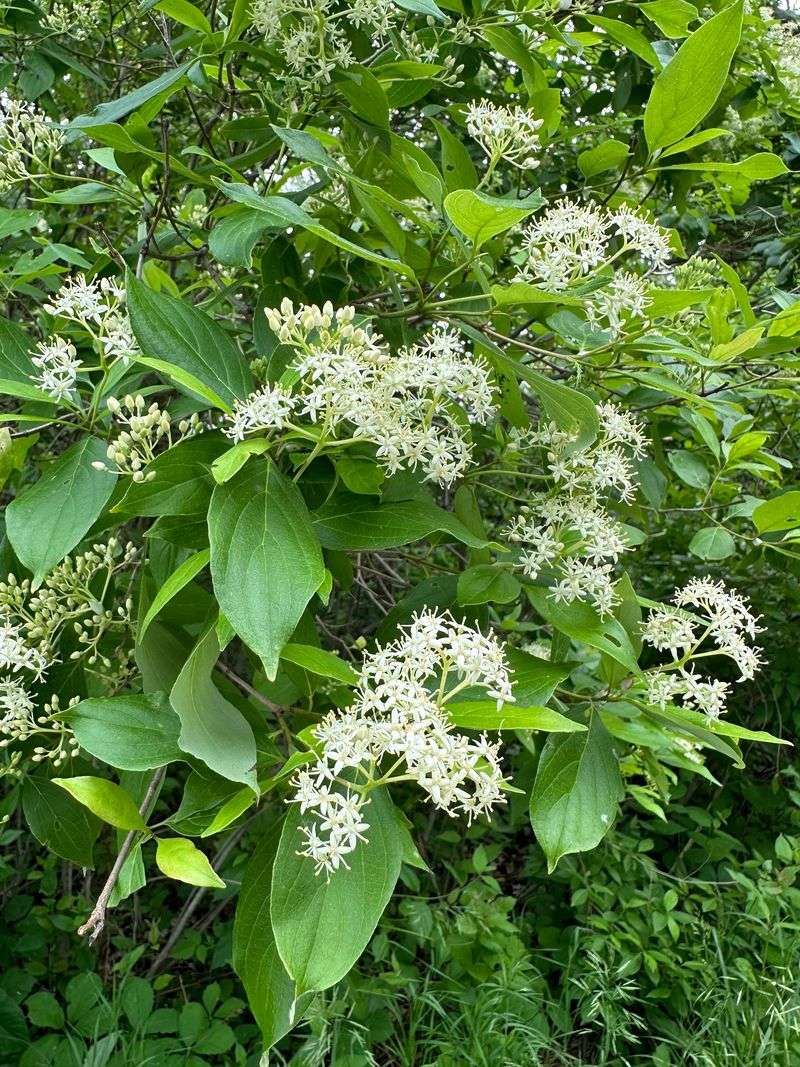
A single Silky Dogwood planted today becomes a wide, layered thicket in just a few years.
That spreading habit is exactly what makes it so effective as a privacy border along property lines and rear yard edges.
Multi-stem growth pushes outward through root suckering, filling horizontal space naturally without any help from the gardener.
Plants reach six to ten feet tall and spread just as wide, sometimes wider, under good conditions.
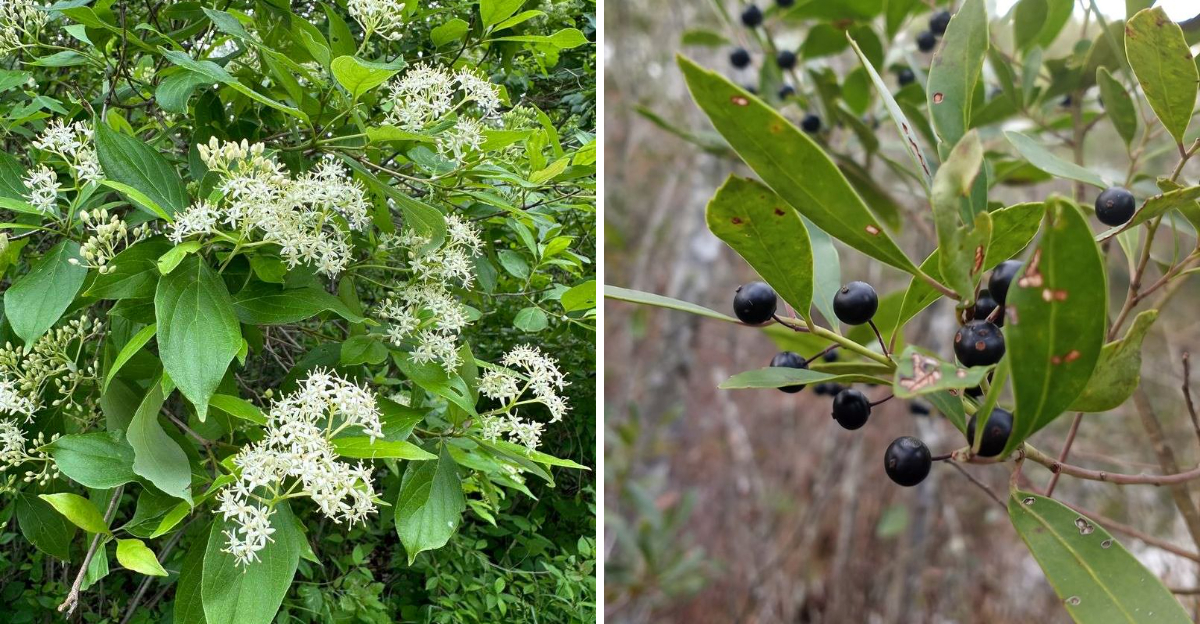
Flat-topped white flower clusters appear in late spring. Blue-white berries follow by late summer and disappear quickly once birds discover them.
Wood ducks, bluebirds, catbirds, and over forty other bird species are documented feeding on the fruit across its native range.
Moist to wet soil is where it performs best. Streambanks, pond edges, low yard areas, and spots near drainage swales all suit it well.
Average garden soil with supplemental watering during dry spells also works, though growth slows slightly in drier conditions.
Full sun to part shade both produce solid results. More sun generally means denser branching and heavier berry production.
Shadier spots produce taller, slightly more open plants that still screen effectively.
Pruning is optional. Removing older stems at the base every few years keeps growth vigorous and dense.
Left alone, it naturalizes into a layered thicket that provides nesting habitat, food, and cover for wildlife in Georgia and surrounding states.
For rear yard screening on moist ground, few natives match its speed and reliability.