These Are The Texas Fruit Trees Your Should Be Fertilizing Right Now
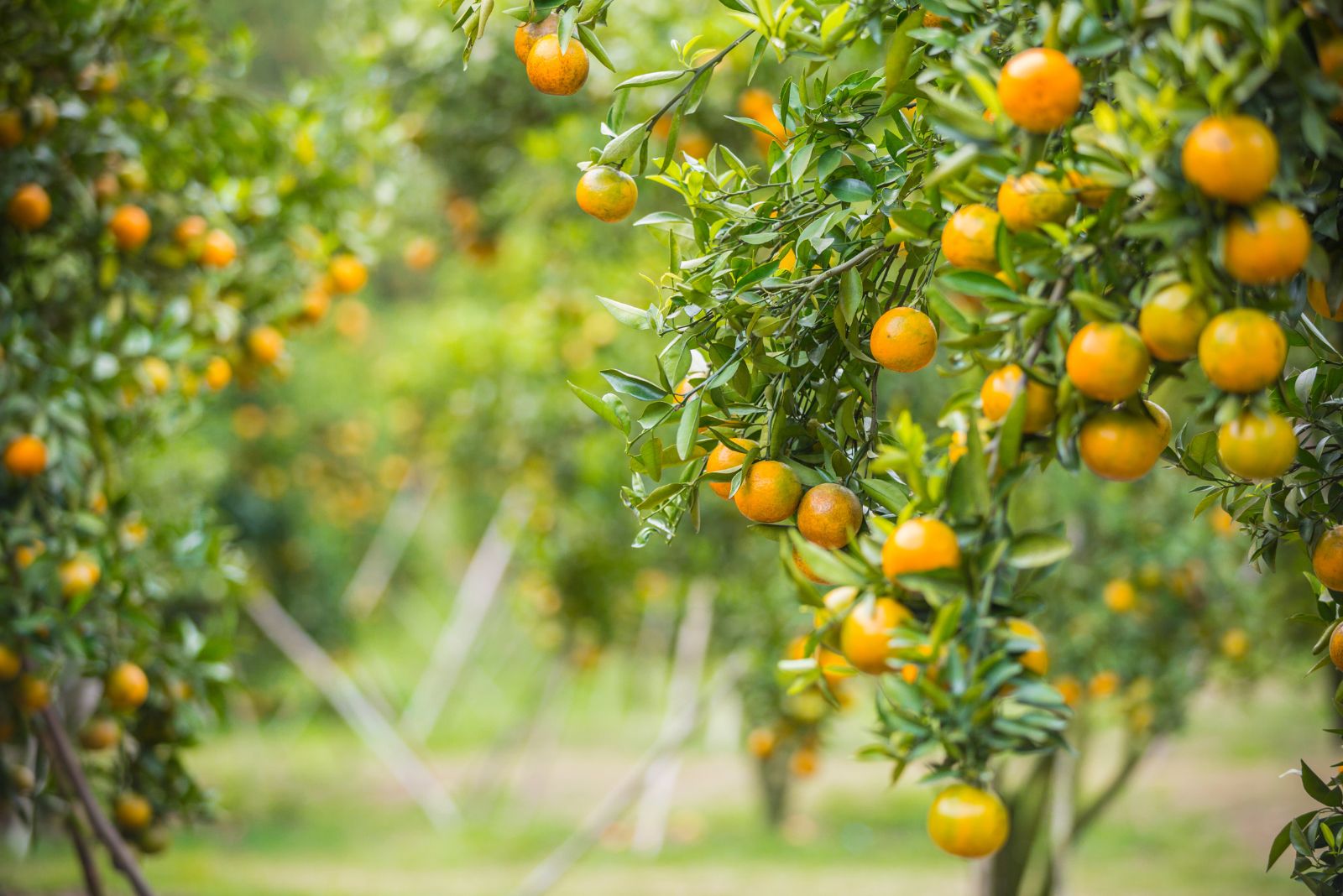
Fruit trees in Texas are entering one of their most demanding stretches of the year, and what you feed them right now has a direct impact on the size, quality, and quantity of what you harvest later.
A lot of Texas gardeners fertilize on a rough seasonal schedule without thinking too much about what the tree actually needs at each stage of growth.
That approach works well enough sometimes, but fruit trees have specific nutritional windows, and missing the right one means the tree is playing catch up during the very period when it should be putting energy into fruit development.
Texas heat and soil conditions also affect how nutrients move and get absorbed in ways that make timing even more critical here than in cooler climates. If you have fruit trees in your yard, now is not the time to put fertilizing on the back burner.
1. Peach Tree
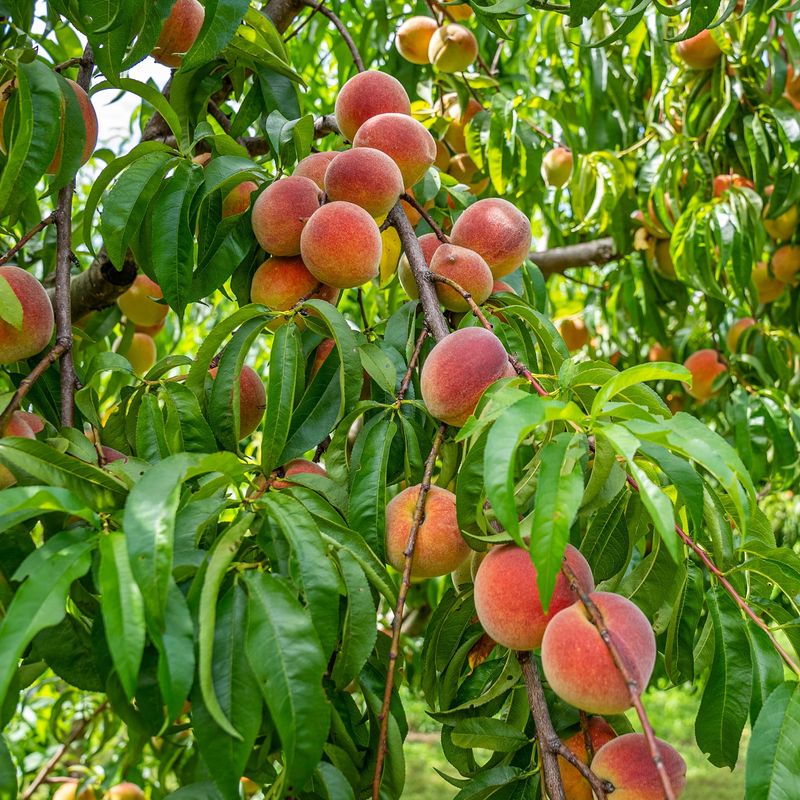
Nothing says Texas summer quite like biting into a fresh, juicy peach straight from your own backyard tree. Peach trees are one of the most popular fruit trees grown across the Lone Star State, and for good reason.
They love the warm weather and can produce an impressive harvest when they get the right care early in the season.
Spring is the best time to fertilize your peach tree, ideally just before new growth begins. A balanced fertilizer like a 10-10-10 formula works well for most peach trees.
You want to apply it around the drip line of the tree, which is the outer edge of the branches, not right up against the trunk.
Feeding your peach tree in early spring helps it push out strong new shoots and develop healthy leaves before the summer heat arrives. Healthy foliage means the tree can produce more energy through photosynthesis, which directly supports fruit development.
Without that early boost, your tree may produce fewer or smaller fruits. Young peach trees need a bit more attention than mature ones. For trees under three years old, use a lighter application to avoid burning the roots.
Older trees can handle a standard dose without much worry. One helpful tip is to water the tree well before and after applying fertilizer. This helps the nutrients absorb into the soil more effectively and reduces the risk of root stress.
Peach trees in Texas face a lot of heat stress later in the year, so giving them a strong nutritional start in spring sets them up for a much more successful growing season overall.
2. Citrus Tree
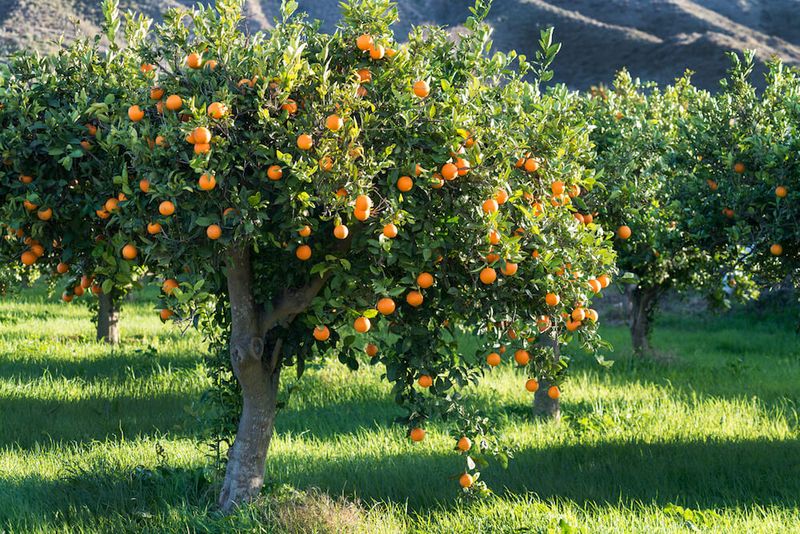
Citrus trees are known as heavy feeders, meaning they pull a lot of nutrients from the soil to keep growing and producing fruit. If you have an orange, lemon, grapefruit, or lime tree in your yard, now is the time to get serious about fertilizing.
Texas citrus trees wake up in spring and immediately need fuel to support their active growth phase.
A fertilizer specially formulated for citrus works best here. Look for one that contains nitrogen, phosphorus, potassium, and key micronutrients like iron and zinc.
Your Texas Garden Changes Every Week. Your Plan Should Too.
Gardening in Texas changes quickly throughout the season. Every Friday you’ll receive a simple weekly plan showing exactly what to plant, prune, fertilize, harvest, and protect so you never miss the right timing.
Citrus trees are especially prone to iron deficiency in Texas soils, which can cause yellowing leaves even when the tree looks otherwise healthy.
Apply your citrus fertilizer in early spring, then again in late spring or early summer for best results. Split applications give your tree a steady supply of nutrients rather than one big rush that can stress the roots.
Always follow the package directions based on the size and age of your tree. Watering deeply before and after fertilizing helps the nutrients reach the root zone more efficiently.
Citrus roots spread wide, so make sure you are covering the full area under the canopy when you apply fertilizer. Missing the outer root zone means your tree misses out on valuable nutrition.
One fun fact about citrus trees is that they can produce fruit and flowers at the same time, which is rare among fruit trees. That beautiful citrus blossom smell in spring is a sign your tree is working hard.
Support that effort with proper feeding, and you will be rewarded with a generous harvest later in the year.
3. Fig Tree
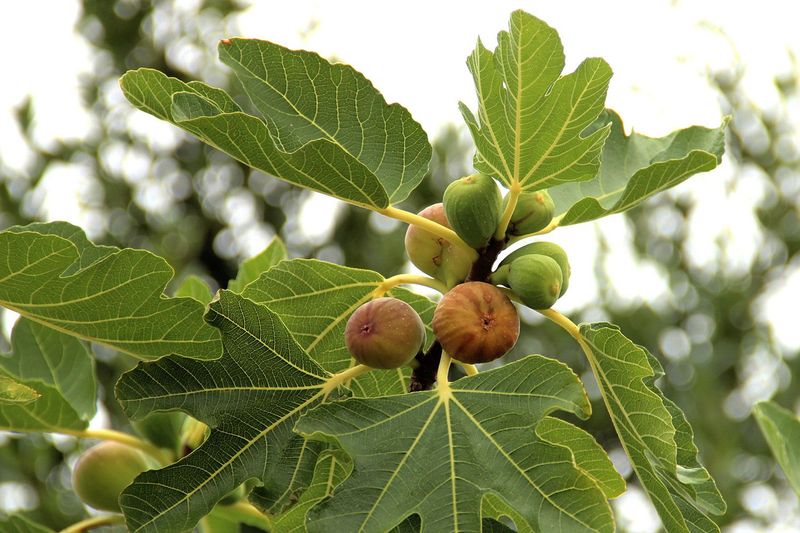
Fig trees have a long and fascinating history. They have been grown for thousands of years and are one of the oldest cultivated fruit trees in the world.
In Texas, figs thrive in the heat and are surprisingly low-maintenance once they are established. But younger trees need a little extra help to get rooted and growing strong.
Light fertilizing in spring is the way to go for fig trees, especially those under three or four years old. Too much fertilizer can push a fig tree to grow a lot of leaves but very little fruit.
A balanced, slow-release fertilizer applied once in early spring is usually enough to get the job done without overdoing it.
Mature fig trees that have been in the ground for several years may not need much fertilizer at all, especially if your soil is naturally rich.
But if your tree is producing smaller figs than usual or the leaves look pale and dull, that is a sign it could use a nutritional boost. Start with a modest application and see how the tree responds over the following weeks.
One thing to watch for with figs in Texas is that they can go dormant in winter and come back strong in spring. Fertilizing just as that new growth emerges gives the tree a helpful push at exactly the right moment.
Avoid fertilizing too late in the season, as this can encourage soft new growth that struggles in the intense summer heat.
Figs are wonderfully rewarding trees for Texas gardeners. With just a little care and the right timing, they can produce baskets full of sweet fruit every season.
4. Pear Tree
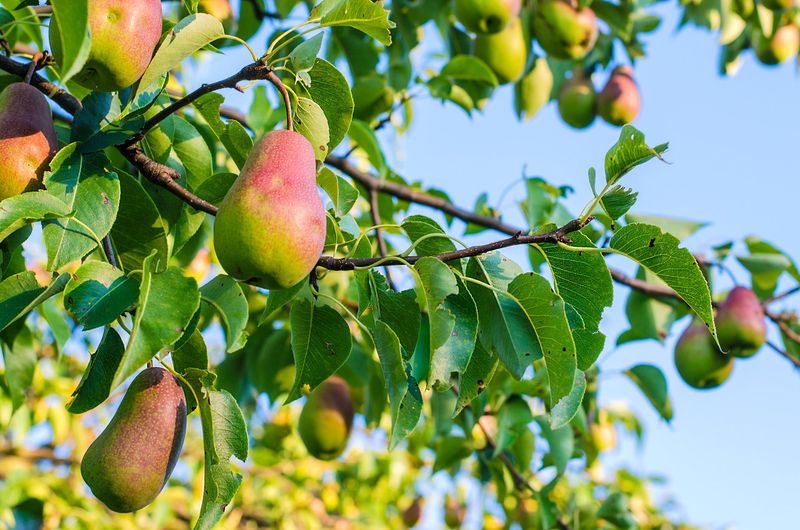
Pear trees may not get as much attention as peaches or citrus in Texas, but they are absolutely worth growing. Certain varieties like Kieffer and Orient are well-adapted to the Texas climate and can produce heavy crops of fruit with the right care.
Spring fertilizing is one of the most important steps you can take to support a healthy pear harvest.
A balanced fertilizer with equal parts nitrogen, phosphorus, and potassium works well for pear trees. Nitrogen supports leafy growth, phosphorus encourages strong roots and flower development, and potassium helps the tree handle environmental stress.
Together, these three nutrients form the backbone of a healthy pear tree feeding program. Apply fertilizer in early spring just as the buds begin to swell and before the flowers fully open. This timing ensures the tree has nutrients available right when it needs them most.
Spreading the fertilizer evenly under the canopy and watering it in well will help it reach the roots quickly.
Be cautious about applying too much nitrogen to pear trees. Excess nitrogen can lead to overly lush, soft growth that is more vulnerable to disease and pests.
Pear trees in Texas can be susceptible to fire blight, a bacterial disease that spreads more easily in tender, fast-growing tissue. Keeping fertilizer amounts moderate helps reduce that risk.
Healthy leaves are a great sign that your pear tree is happy. When the foliage looks dark green, full, and vibrant, the tree is photosynthesizing well and building the energy it needs to fill out those pears.
A little fertilizer now goes a long way toward a productive and satisfying harvest this fall.
5. Pomegranate
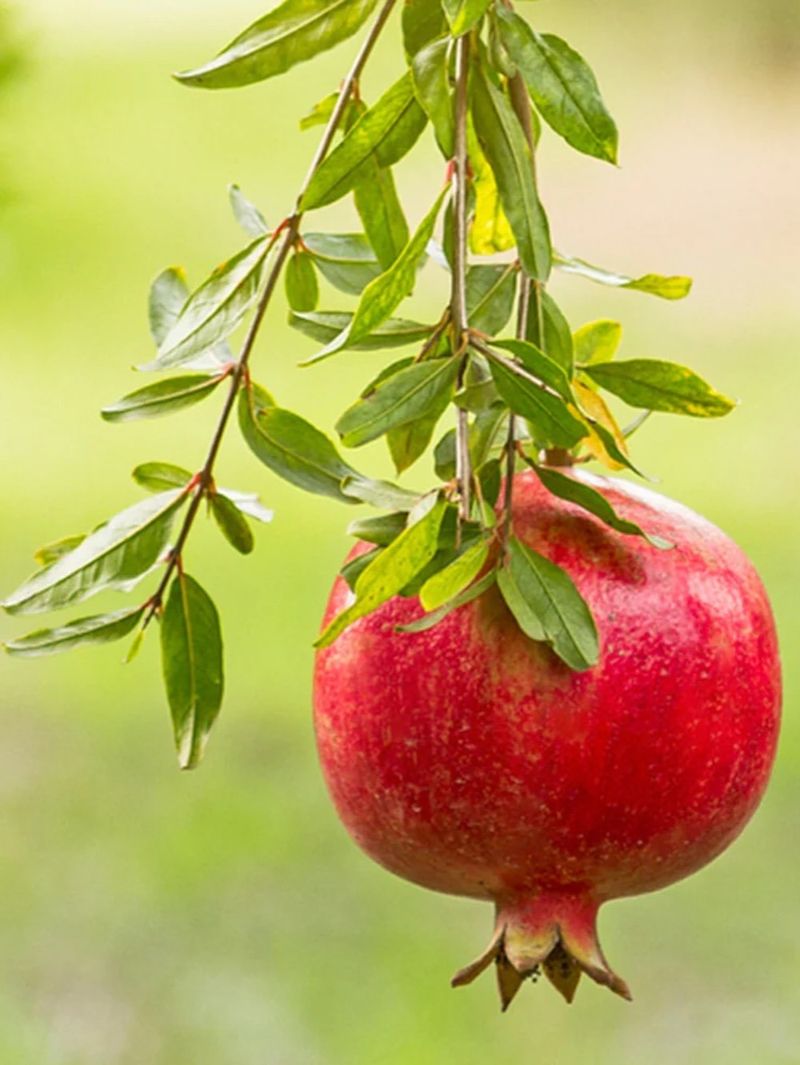
Pomegranates are one of Texas’s best-kept gardening secrets. These tough, heat-loving plants thrive in the Texas climate and produce stunning flowers before developing their signature jewel-toned fruits.
Spring is when pomegranates truly come alive, and feeding them at the right time can make a noticeable difference in how many flowers and fruits they produce.
A balanced fertilizer applied in early spring gives pomegranates the boost they need to kick off the growing season strong. These plants respond especially well to nitrogen, which fuels the vigorous leafy growth that supports flowering.
However, too much nitrogen can reduce fruit set, so balance is key. A slow-release fertilizer with a moderate nitrogen level is a smart choice.
Pomegranates are naturally drought-tolerant once established, but they still benefit from consistent watering after fertilizing.
Deep watering helps move nutrients down to the root zone where the plant can actually use them. Shallow watering just keeps fertilizer sitting near the surface, which is far less effective.
Young pomegranate plants, those in their first or second year, should receive lighter fertilizer applications compared to mature plants. Building up too fast can stress a young plant rather than help it.
Patience pays off with pomegranates because once they are fully established, they are some of the most reliable fruit producers in the Texas landscape.
Did you know pomegranates are technically classified as berries by botanists? That fun tidbit aside, what really matters to Texas gardeners is that these plants are beautiful, productive, and surprisingly easy to grow.
Feed them well this spring and get ready for a spectacular show of color and fruit later in the season.
6. Apple Tree
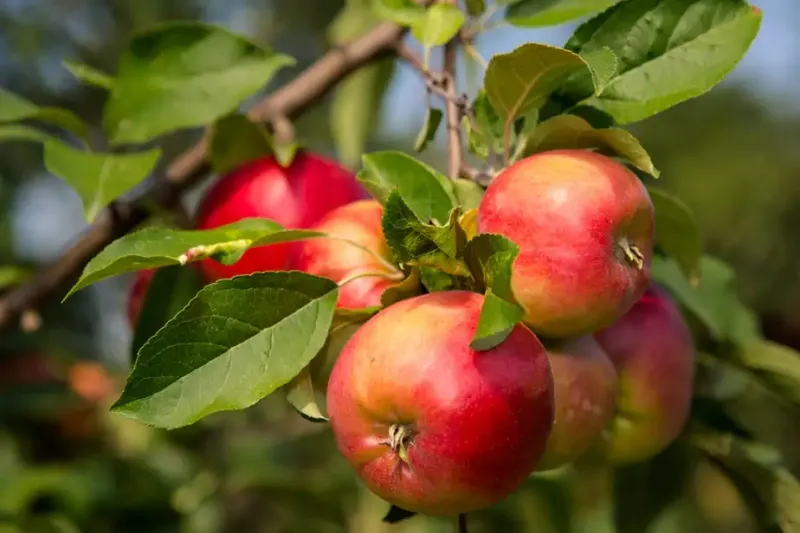
Growing apples in Texas might seem like an uphill battle, but with the right varieties and proper care, it is absolutely possible. Low-chill varieties like Anna and Dorsett Golden were bred specifically to handle warmer climates and produce well even in Texas heat.
The key to success with Texas apple trees is giving them strong nutritional support before the summer temperatures climb.
Spring fertilizing is especially important for apple trees in Texas because the growing window is relatively short. Trees need to push out growth, flower, set fruit, and develop that fruit all before the most intense heat of summer.
That is a lot of work in a short amount of time, and a well-timed fertilizer application gives the tree the energy reserves to pull it off.
Use a balanced fertilizer in early spring and apply it evenly across the root zone. For young apple trees, be conservative with the amount to avoid stressing the roots.
Established trees can handle a standard application, but always measure based on the tree’s size and the product’s instructions rather than guessing.
Apple trees also benefit from micronutrients like zinc and manganese, which support healthy leaf development and overall tree vigor.
If your tree has been showing signs of slow growth or pale, off-color leaves, consider a fertilizer that includes these trace elements alongside the main macronutrients.
Consistent care from early spring onward is what separates struggling apple trees from thriving ones in Texas. Water regularly, mulch around the base to hold moisture, and fertilize on schedule.
With that kind of attention, your Texas apple tree can reward you with a surprisingly sweet and satisfying harvest.