Native Texas Ground Covers That Outperform St. Augustine When Summer Hits Hard
Almost every August, something quietly harsh occurs in Texas yards. St. Augustine begins to lose its battle. The color fades away. The patches become sparse.
The water bills increase. And amid the heat restrictions and the third fungal treatment of the summer, many homeowners start to question if there’s a better approach to this. There is. And it has been thriving across Texas long before anyone thought of a sprinkler system.
Native ground covers that are suited for this climate not only survive August, but also look better than St. Augustine does. Lower inputs once established, and no more crossing your fingers every time a heat dome settles over the state.
These particular plants stand out from the rest. Some thrive in blazing full sun. Others tackle that tricky shaded area under your live oak that has thwarted every turf effort for years.
One even adds color to spots so dry and rocky that nothing else will grow there. But which plants actually make the list?
Let Frogfruit Turn Tough Spots Into Blooming Carpet
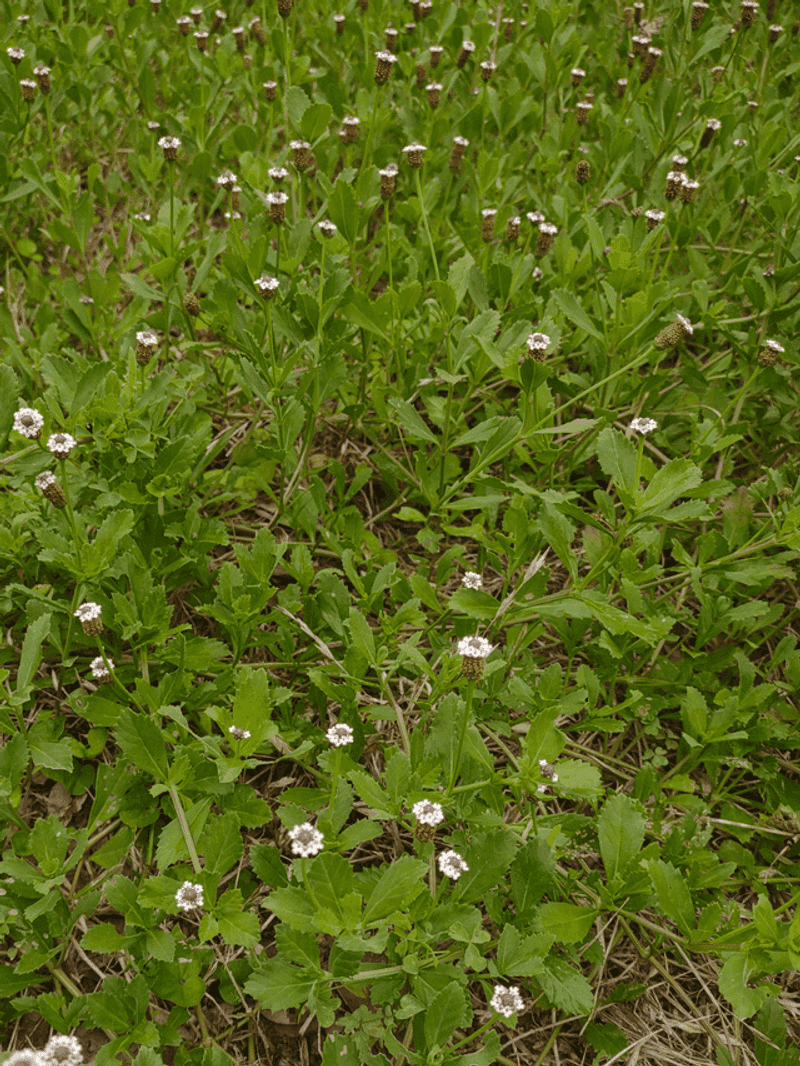
Since St. Augustine tapped out on that sunny patch two summers ago, Frogfruit would like a word. Phyla nodiflora is a low-growing native plant from Texas that spreads along the ground, creating a thick mat without any fuss.
It thrives in full sun or partial shade, handling both conditions without any issues. This plant is great for walking barefoot on, looks neat, and is really tough.
The flowers are a nice surprise that doesn’t get enough attention. Throughout the warm season, small clusters of white and pink flowers bloom.
They attract butterflies, bees, and other pollinators that a St. Augustine lawn usually doesn’t. This means that frogfruit isn’t just a lawn substitute. It actually creates a habitat for wildlife.
Foot traffic isn’t an issue for this plant. It easily handles side yards that get hot afternoon sun and those annoying narrow strips along driveways.
Frogfruit spreads through runners, gradually filling in gaps over time without needing any help from you.
However, make sure to water it regularly during the first season while the roots are getting established. After that, it becomes drought-tolerant and mostly takes care of itself. It does go dormant in winter, so seeing some brown during the cold months is normal.
For reliable coverage in sunny or partially shaded areas during the warm season, frogfruit is one of the best options among Texas natives. It’s easy to grow and perfectly suited for the conditions that cause St. Augustine to struggle every July.
Use Horseherb For Soft Shade That Stays Lush
Shady areas beneath large Texas trees have challenged many gardeners. Every spring, St. Augustine confidently takes over.
But as the tree canopy thickens, it gradually loses its vigor. By midsummer, it appears sparse, patchy, and seems to be searching for a way out.
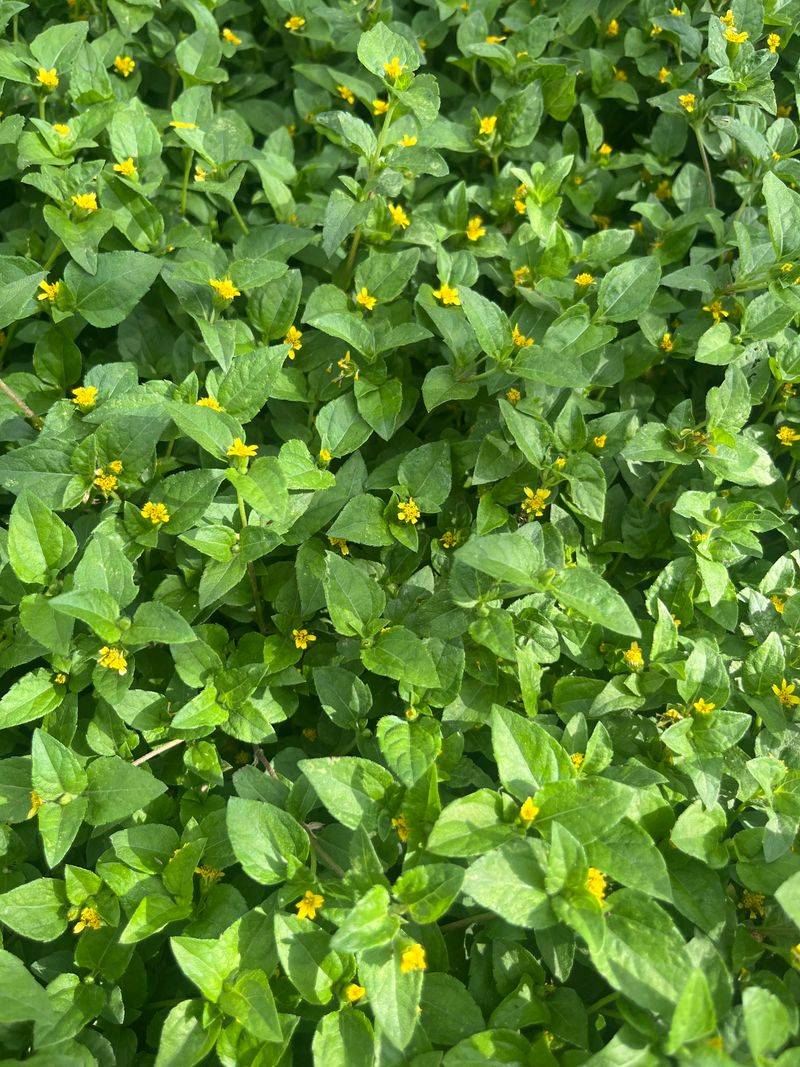
Horseherb, on the other hand, doesn’t face this issue. Calyptocarpus vialis thrives in deep shade and settles in nicely.
What most people don’t realize is that they’ve likely spotted horseherb growing somewhere without knowing its name.
Your Texas Garden Changes Every Week. Your Plan Should Too.
Gardening in Texas changes quickly throughout the season. Every Friday you’ll receive a simple weekly plan showing exactly what to plant, prune, fertilize, harvest, and protect so you never miss the right timing.
It pops up in shady lawns and garden beds throughout Central and East Texas. This plant usually doesn’t wait for an invitation. It just shows up.
The small, vibrant green leaves create a soft, relaxed carpet that resembles a woodland floor more than a neatly kept lawn.
Tiny yellow flowers that look like daisies bloom throughout the growing season, bringing cheer without being overly showy. It spreads through seeds and creeping stems, gradually taking over the ground beneath trees.
It’s not built for heavy foot traffic, so consider it more of a visual cover than a surface for play. Full afternoon sun can make it appear a bit worn, so its ideal conditions are in shade to part shade.
Water it regularly while it’s getting established. Once it takes root, rainfall and natural leaf litter usually take care of the rest. Horseherb isn’t high-maintenance. It never was. It just needed someone to finally introduce it properly.
Plant Texas Sedge For A No Mow Meadow Look
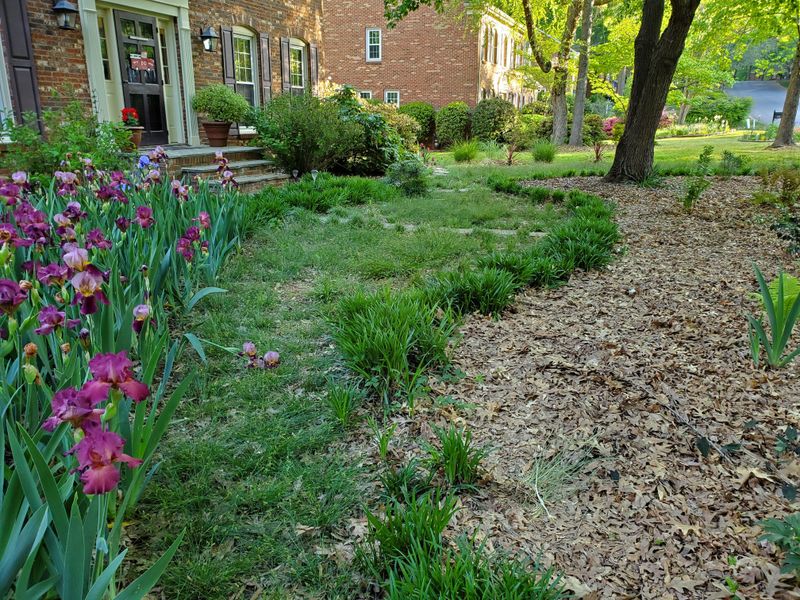
Carex texensis resembles grass, but it behaves quite differently. And that’s exactly the point. Texas sedge forms neat, arching clumps with a delicate texture that adds a laid-back feel to any yard.
There’s no aggressive spreading and no weekly mowing that steals your Saturday mornings. Just elegant, low-maintenance coverage that seems to fit right in.
This plant thrives in shade to part shade. It flourishes under trees and in spots where sunlight filters through a canopy. Texas sedge naturally and attractively fills those areas.
It stays under a foot tall, so a bit of trimming once or twice a year is all it takes to keep it tidy. If left alone, the arching blades take on an almost decorative quality.
Space the plants six to twelve inches apart for solid coverage over time. The first year will need consistent watering and a bit of patience.
It takes a full season or two to establish, and there are no shortcuts that are worth it. After that, the drought tolerance of an established plant kicks in, and the maintenance needs drop significantly.
Unlike St. Augustine, it won’t spread where it’s not wanted. It can handle light foot traffic, but high-traffic areas will need a sturdier solution.
For shaded Texas yards where the mowing routine has become a hassle, Texas sedge is a truly smart alternative. Less effort and a look that gets better with each passing season.
Try Woolly Stemodia For Silver Color In Full Sun
Not every ground cover has to be green, right? Woolly stemodia completely ignored that idea and showed up in silver instead.
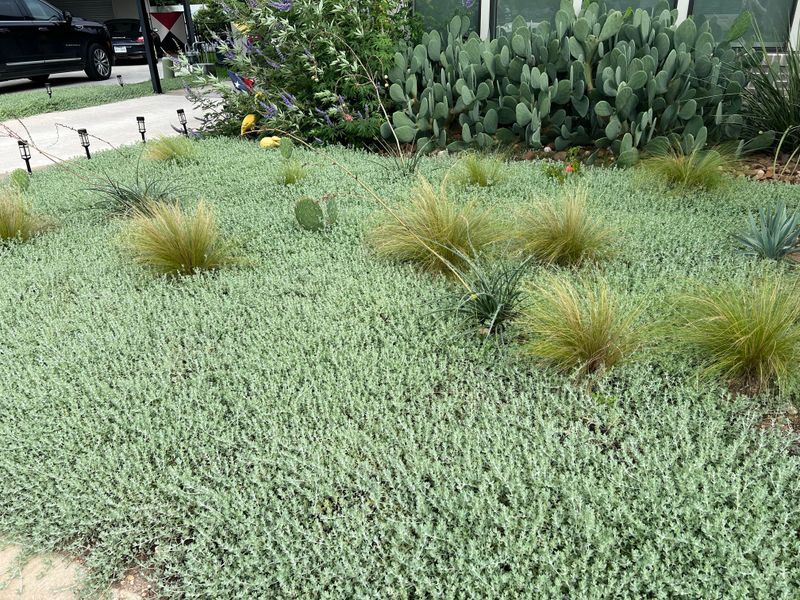
On a hot, sunny afternoon in Texas, this plant almost seems to shine. The soft, silver-gray leaves catch the light in a way that makes sun-baked borders look planned.
For south-facing gardens that have lost every plant over the last three summers, this is the missing piece of the puzzle.
The woolly texture isn’t just for looks. Those tiny leaf hairs also reflect strong sunlight and help keep moisture in, making this plant suited for the Texas heat. It spreads low and wide, hugging the ground and filling in along borders.
Native to the Southwest and northern Mexico, woolly stemodia is well-acquainted with dry conditions. It thrives in poor, sandy, and rocky soil.
You don’t even need rich garden beds. The only situation to avoid is soggy or clay-heavy ground without good drainage.
Small purple flowers pop up throughout the warm season, providing a splash of color against the silver. Water it while it’s getting established, then step back and let its drought tolerance take over.
For anyone creating a xeriscape design that needs both style and function, woolly stemodia delivers on both fronts. It doesn’t just survive the Texas summer. It looks its absolute best right in the middle of it.
Choose Lyreleaf Sage For Rosettes That Fill Bare Soil
Bare soil in a Texas yard isn’t just an eyesore. It’s like a welcome mat for every weed around. Lyreleaf sage quickly shuts that door.
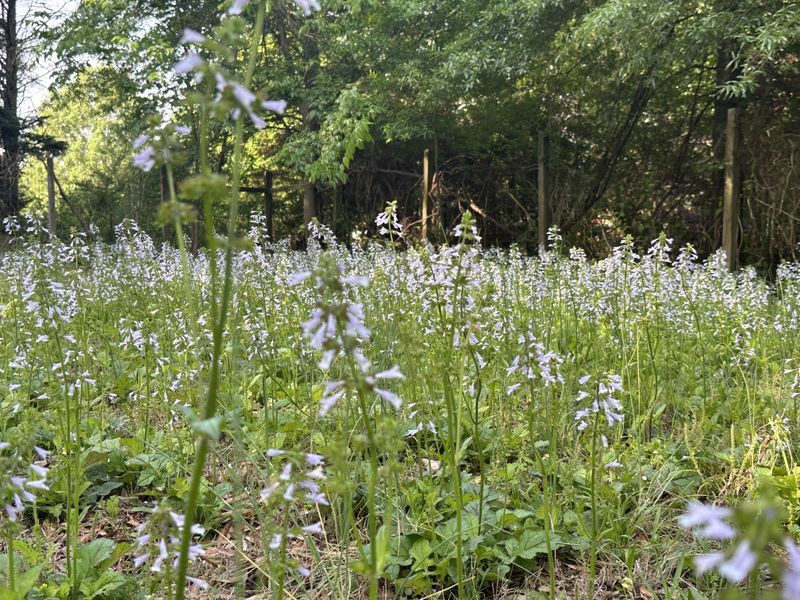
Low rosettes of deeply lobed leaves, often tinged with purple, spread out gradually over open ground. This plant seems intentional, even when it self-seeds freely.
However, spring is when lyreleaf sage truly shines. Tall, slender spikes of soft lavender-blue flowers rise above the leaves and attract bees. So, it’s not just beautiful. It’s also very productive.
It thrives best in part shade to full shade, although it can handle some morning sun. It’s perfect for woodland garden edges, shaded borders, and the area where the lawn meets the tree canopy.
It spreads by seed instead of runners, gradually filling in and giving beds that relaxed vibe. As the plant gets established, it becomes more drought-tolerant. Deep watering during dry spells is helpful but not essential.
Foot traffic isn’t something it can handle, so keep it in areas where it can be seen rather than on walking paths.
Bring In White Avens For Cool Shade Texture
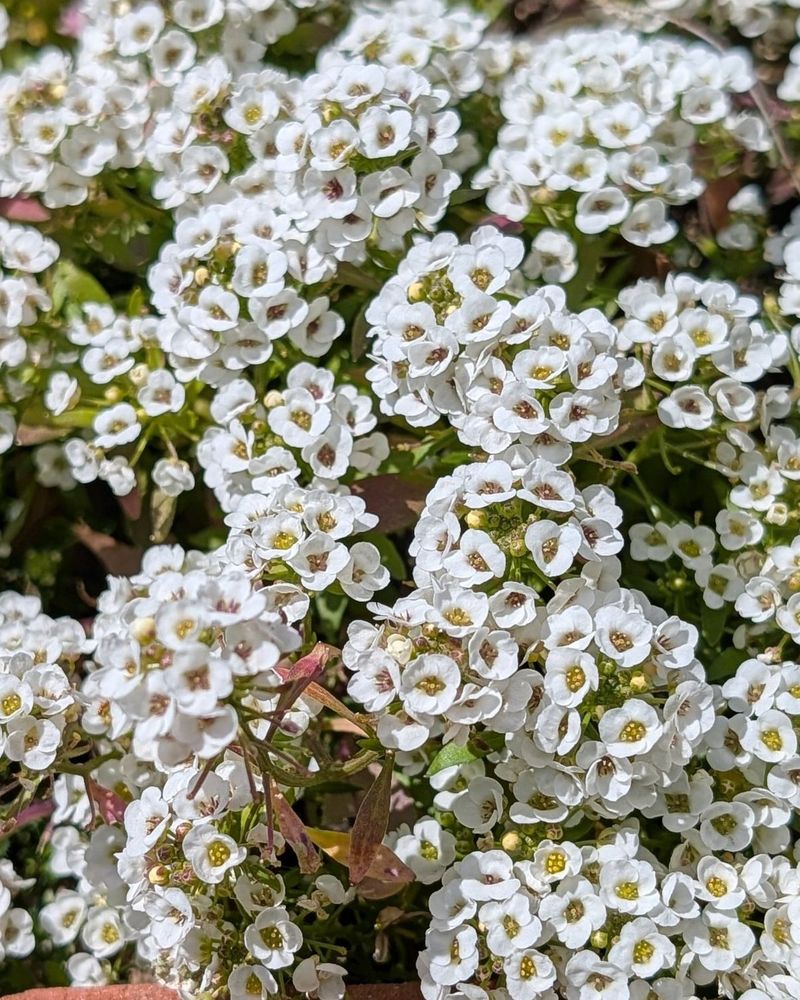
Every yard has that one corner. The deeply shaded area where every plant has ultimately given up and left. White avens looks at that corner and sees a home.
This native plant truly thrives in conditions that defeat most ground covers. That alone makes it special.
The leaves are soft and broadly lobed, creating a layered texture that fits woodland-style plantings perfectly. Small white flowers bloom in late spring and early summer.
White avens spreads slowly by seed and rhizome, filling shaded areas without becoming aggressive. Pair it with horseherb or lyreleaf sage, and the result is a layered native understory that requires almost no effort from you once established.
Texas A&M AgriLife Extension supports native understory plantings like this to reduce bare soil in shaded landscapes.
Water regularly during the first season while the roots grow. After that, the natural moisture of a shaded area does most of the work. Heavy foot traffic can hinder its growth, so allow it space to spread freely.
For shaded corners that have puzzled every previous attempt, white avens is the quiet solution that finally works.
Use Golden Groundsel To Brighten Shady Corners
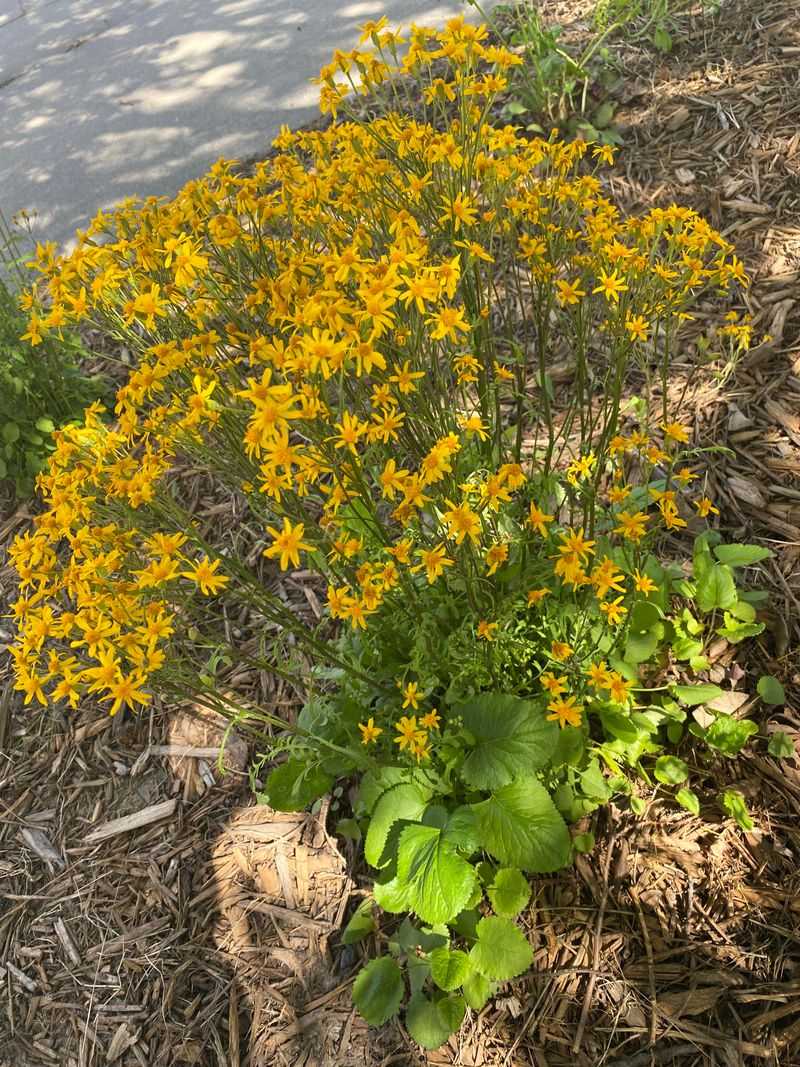
A shady corner doesn’t have to seem like the yard has given up on that area. Golden groundsel has a strong opinion about this and shows up in late winter ready to prove its point.
Bright yellow flowers that look like daisies rise on tall stems from late February to April. This early blooming is quite rare, making golden groundsel one of the most strategically valuable native plants in Texas.
The dark green leaves remain attractive for most of the year, creating a spreading mat that covers the soil with minimal effort. Early-season pollinators are also drawn to the blooms. The timing alone makes this plant ecologically important beyond just its appearance.
Golden groundsel spreads through both seeds and rhizomes. It thrives under trees, along shaded fence lines, and in woodland-style gardens.
It consistently performs well in all these situations. Texas Master Gardener resources recommend it as a tough, low-maintenance choice for shaded native landscapes across the state.
Water it regularly during the first season, then let rainfall take care of the rest. It tolerates dry shade well, although some soil moisture helps it look its best.
Foot traffic can damage it, so it’s better to use it as a visual cover instead of a walking surface. For shaded areas that need year-round greenery, golden groundsel always delivers.
Grow Inland Sea Oats Where Shade Ruins Everything Else
Some shaded areas in a Texas yard don’t just pose a challenge for plants. They can completely defeat them.
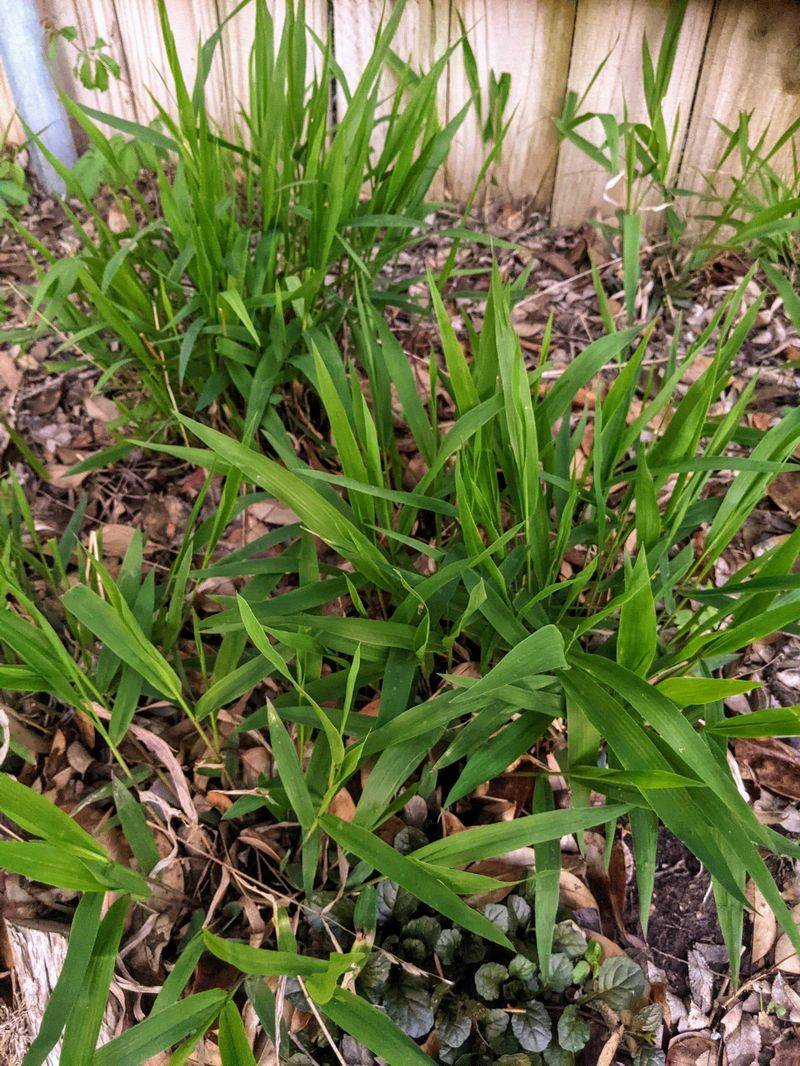
It’s too dark for grass and too awkward for anything that really needs sunlight to thrive. Inland sea oats, however, is perfect for this kind of situation. This plant is a true native of Texas, thriving along the edges of woodlands and creek banks.
Its appearance is distinctive. The bamboo-like leaves create elegant clumps that sway in even the lightest breeze.
Then there are the seed heads. Flat, hanging, and papery, which catch the light in a way that makes a shaded area feel intentional. They start off green in the summer and transition to copper and bronze in the fall.
Inland sea oats spreads through seeds and rhizomes, slowly filling shaded spaces without becoming a hassle to maintain.
You can plant it under trees, along shaded fences, or on those tricky sloped areas where nothing else can hold the soil. Its root system also anchors well, making it effective for preventing erosion in low-light areas.
Just make sure to water it regularly during the first season. After that, established plants can handle dry spells with ease.
It grows to a height of two to four feet, so it’s not a substitute for a lawn. Instead, think of it as a bold ground cover that can turn a shaded area into one of the most beautiful parts of your yard.