These Are The Michigan Annuals That Reseed Themselves And Come Back Every Year For Free
Annuals that reseed reliably change how you think about planting them. Instead of a one season investment that disappears after frost, you get plants that return on their own the following spring, often in greater numbers than the original planting.
Michigan gardeners who have discovered this tend to become devoted to a specific group of annuals that behave this way consistently, filling gaps, naturalizing in garden edges, and showing up in spots that were never deliberately planted.
The key is knowing which ones reseed dependably in Michigan’s climate rather than in warmer states where the math works differently.
Cold winters and a compressed season mean not every self-seeding annual follows through here, but the ones that do earn a permanent place in the garden without ever requiring a return trip to the garden center.
1. Calendula
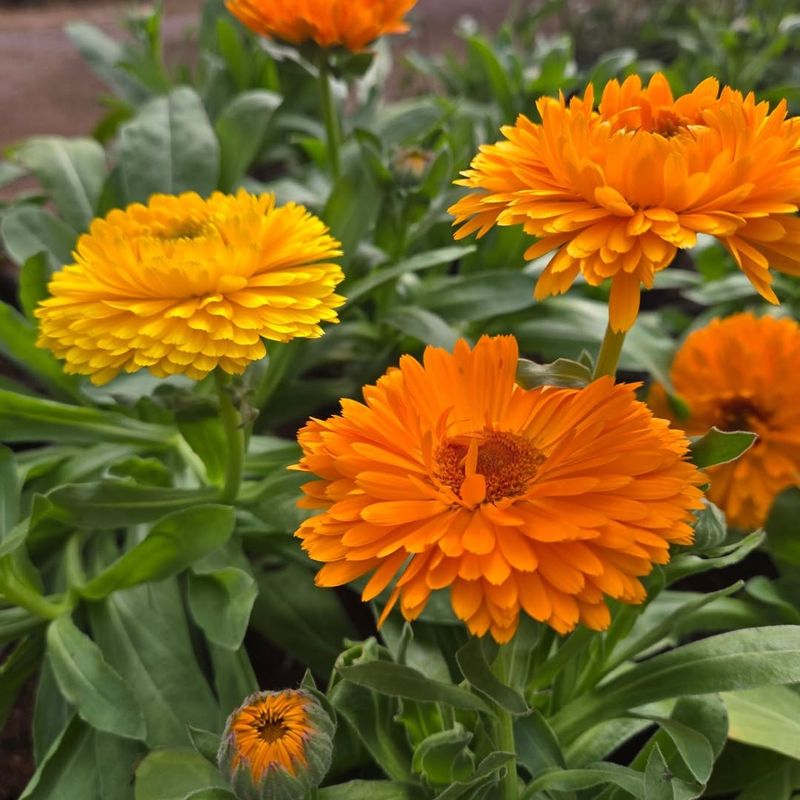
Calendula officinalis is one of those cheerful, old-fashioned flowers that practically takes care of itself once it finds a spot it loves.
Known for its bold orange and yellow blooms, calendula is a cool-season annual that starts flowering in early summer and often pushes out a second flush when fall temperatures cool back down.
Michigan gardeners who grow it near the front of sunny borders tend to get the best results.
The key to getting free plants next year is leaving some spent flowerheads on the plant until the seeds fully mature and dry out. Those curved, claw-like seeds will drop into the soil on their own when conditions are right.
Avoid piling on heavy mulch over the area in fall, since seeds need contact with the soil surface to germinate properly in spring.
Volunteer seedlings usually appear in early spring and are easy to identify by their soft, oblong leaves.
Thin them to about 10 to 12 inches apart so each plant has room to bush out and bloom well.
Reseeding success does vary depending on how cold and wet the winter was, so results are not guaranteed every single year.
Still, when it works, waking up to a fresh patch of calendula you never replanted feels like a real gardening win.
2. Cleome
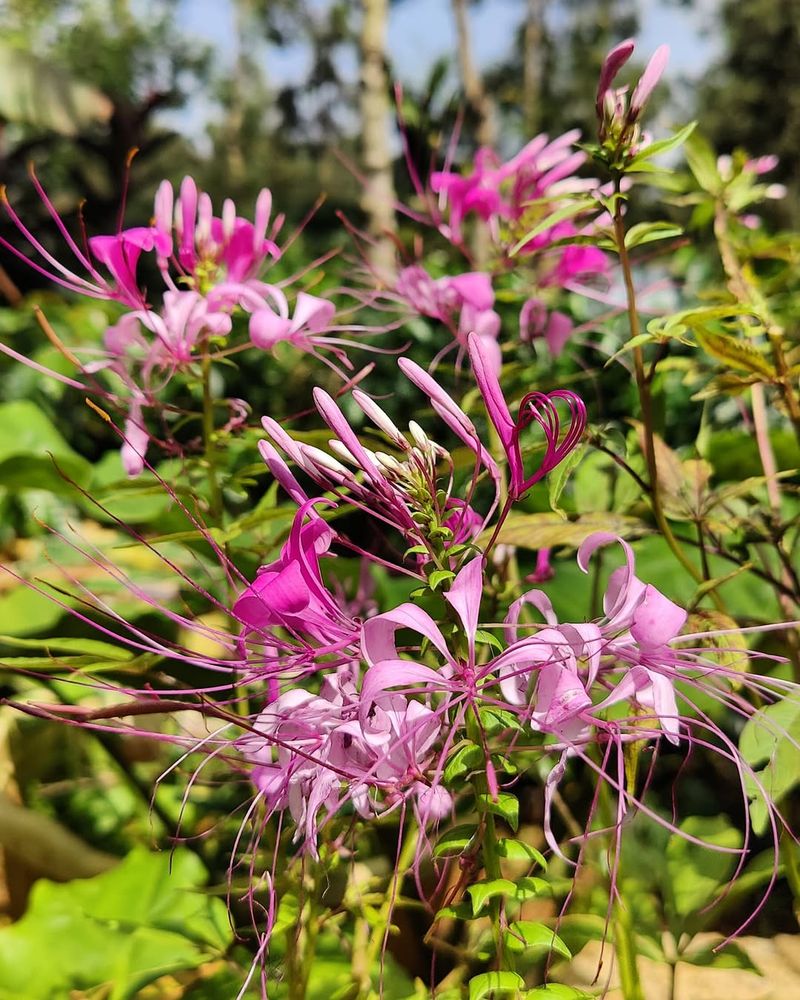
Cleome hassleriana goes by many names, including spider flower and spider plant, and once you grow it you will understand why gardeners keep coming back to it.
The blooms are tall, airy, and dramatic, reaching four to five feet in a single season and producing delicate flower clusters in shades of pink, purple, and white.
It is genuinely one of the most eye-catching annuals you can add to a Michigan garden without spending much effort.
Cleome is a natural reseeder when you allow the long, narrow seed pods to fully ripen before removing them. The pods split open and scatter dozens of tiny seeds across the surrounding soil.
Leaving a few plants standing in late summer rather than cutting everything back is the simplest way to encourage a return the following year.
Seedlings tend to pop up in late spring and can be identified by their slightly sticky stems and distinctive leaf shape.
Your Michigan Garden Changes Every Week. Your Plan Should Too.
Gardening in Michigan changes quickly throughout the season. Every Friday you’ll receive a simple weekly plan showing exactly what to plant, prune, fertilize, harvest, and protect so you never miss the right timing.
Because cleome spreads enthusiastically, thinning volunteers down to one plant every 18 to 24 inches keeps things looking intentional rather than overgrown. Pulling extras when they are still small makes the job easy.
Michigan summers with good heat and sunshine seem to produce the most reliable reseeding, so a warm growing season really works in your favor with this one.
3. Cosmos
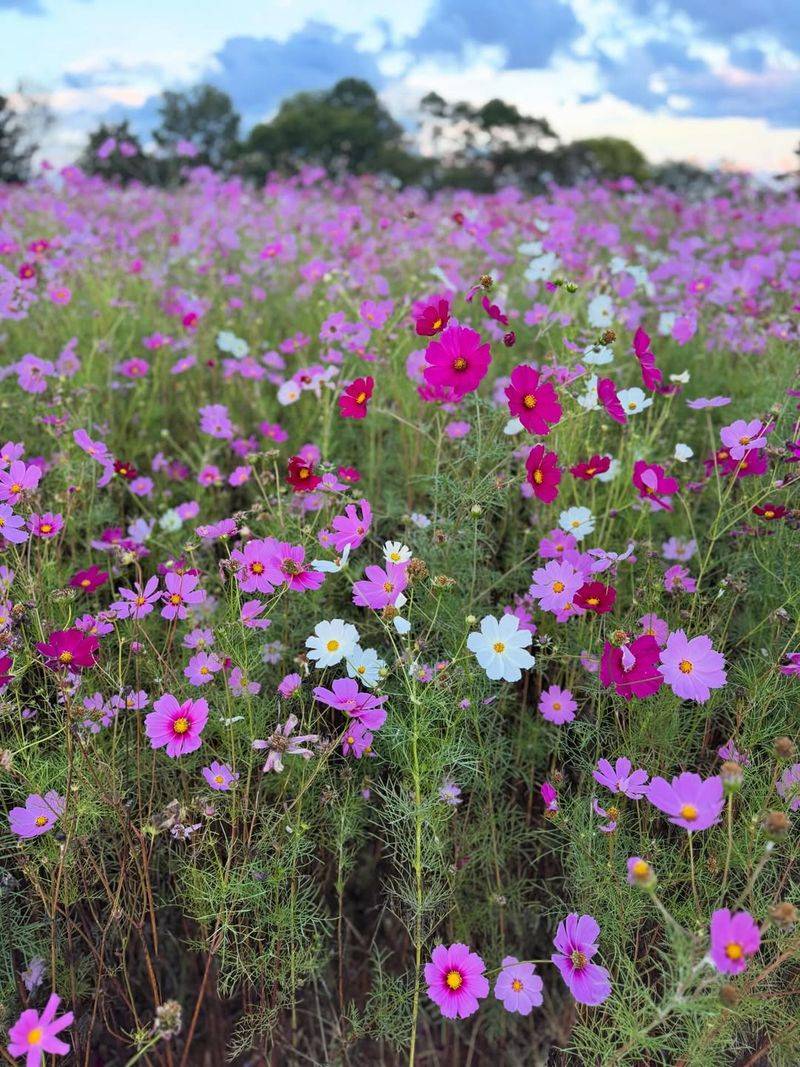
Few annuals bring the same breezy, cottage-garden charm as Cosmos bipinnatus. The feathery leaves and daisy-like blooms in pink, white, and magenta sway easily in summer breezes, giving any garden a relaxed, carefree look.
Cosmos blooms from midsummer through the first frost in Michigan, making it one of the longest-performing annuals you can grow.
Getting cosmos to return from seed the following year comes down to one simple habit: patience.
Allow some of the flowerheads to stay on the plant and dry out completely before they fall or you remove them.
The seeds are thin and light, and they work best when they land on open, undisturbed soil rather than thick mulch.
Cosmos actually prefers lean, well-drained soil with low fertility, so skipping heavy amendments near your cosmos patch helps seeds germinate more successfully.
Once established, cosmos handles dry spells remarkably well and rarely needs extra watering.
Volunteer seedlings emerge in late spring and are easy to recognize by their wispy, thread-like leaves. Thin them to about 12 inches apart to prevent crowding and encourage stronger stems.
Reseeding is helpful but not guaranteed every year, especially after harsh Michigan winters or in beds that get heavily worked in spring.
Treat any returning volunteers as a bonus rather than a certainty, and you will always be pleasantly surprised.
4. Nigella
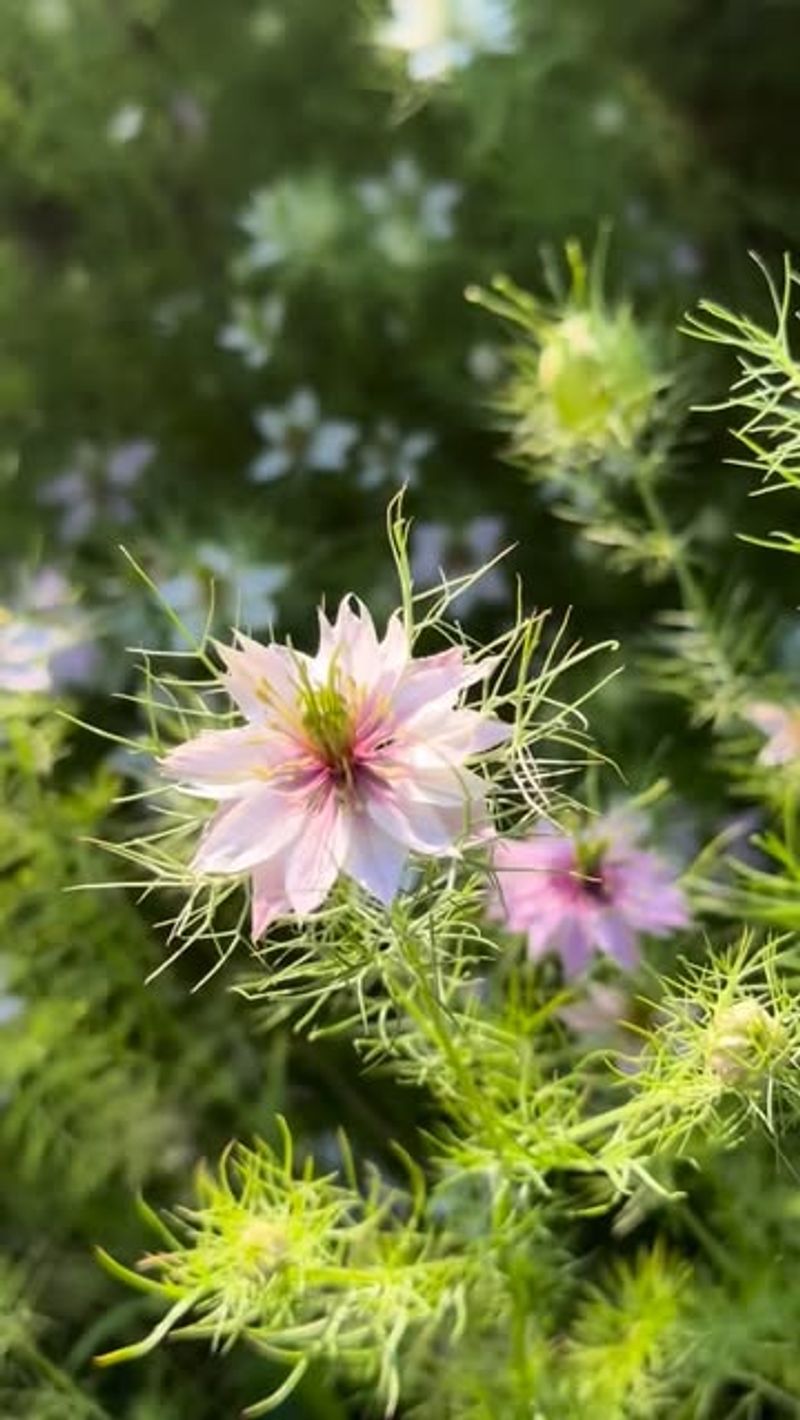
Nigella damascena, commonly called love-in-a-mist, is the kind of flower that makes people stop and stare.
Surrounded by a haze of feathery green bracts, the soft blue, white, or pink blooms look almost otherworldly.
What makes nigella especially exciting for Michigan gardeners is that the show does not end with the flowers because the inflated, striped seed pods that follow are just as ornamental and work beautifully in dried arrangements.
Nigella is a cool-season annual that naturally drops seed in late summer and fall, with seedlings germinating either in autumn or early the following spring depending on conditions.
The seeds need cold stratification to germinate well, which Michigan winters provide naturally.
Leaving the seed pods to fully ripen and split open on their own is the easiest strategy for encouraging a return the next season. Plants prefer full sun to light shade and well-drained soil that is not overly rich.
Seedlings are small and delicate at first, with fine, thread-like leaves that can be easy to overlook among weeds, so mark the area after planting. Thin volunteers to about 6 to 9 inches apart so they have room to branch out.
Nigella can spread generously when happy, so keep an eye on smaller companion plants nearby to make sure they are not getting crowded out by enthusiastic volunteers.
5. Larkspur
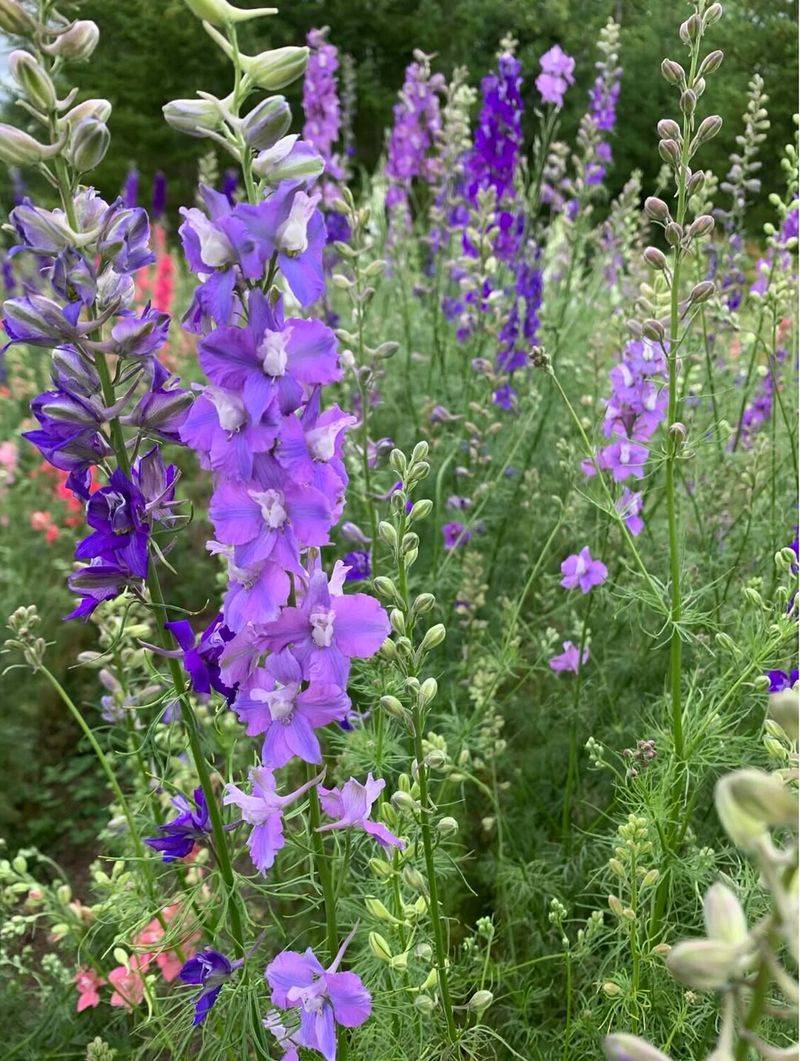
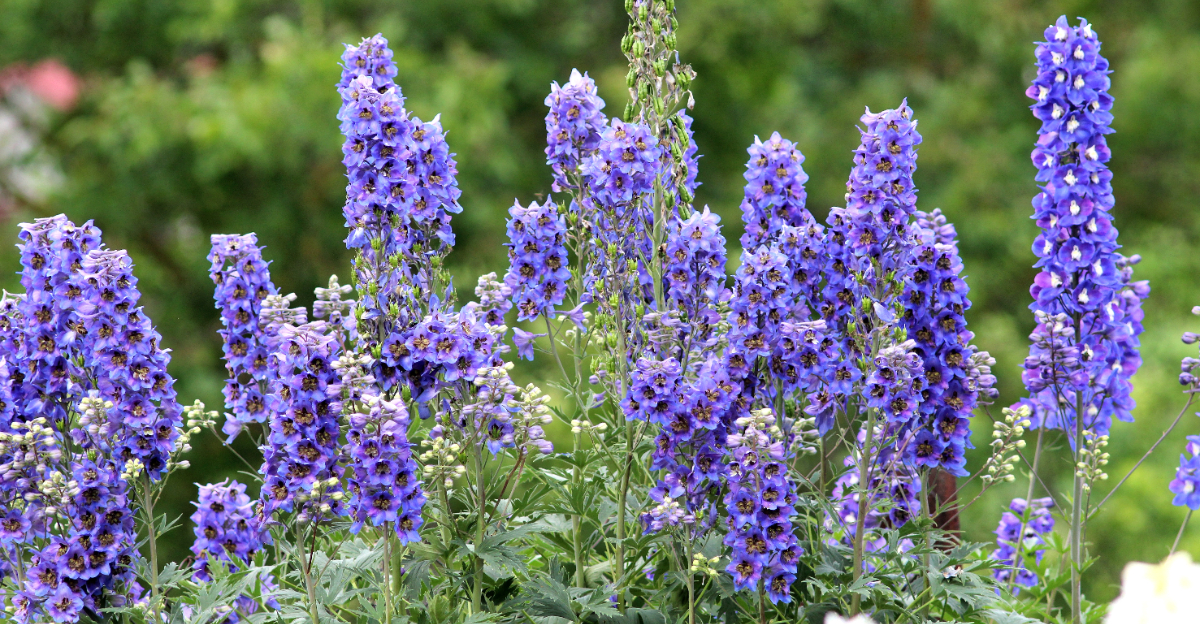
Larkspur has an almost old-world elegance about it, sending up tall, slender spikes covered in richly colored blooms in shades of blue, purple, pink, and white.
Botanically known as Consolida ajacis, it is one of the most rewarding cool-season annuals a Michigan gardener can grow because it genuinely thrives in the cooler temperatures of early summer before the heat fully sets in.
The spires can reach two to four feet tall and look stunning in mixed borders. What makes larkspur especially appealing is its strong reseeding habit.
When mature seeds are allowed to fall in late summer, they undergo natural cold stratification through the Michigan winter and sprout reliably the following spring.
Scattering seeds yourself in fall is another great option if you want to fill a new area. Avoid disturbing the soil too aggressively in spring where seeds have dropped, since seeds buried too deep will not germinate well.
Seedlings emerge early in the season and grow quickly once temperatures warm. Thin them to about 9 to 12 inches apart so plants have enough air circulation to stay healthy and produce strong stems.
Larkspur prefers full sun and well-drained soil and does not like to be transplanted, so work with volunteers where they sprout.
Managing the number of returning plants each year keeps your beds from becoming overcrowded and ensures every plant gets the light it needs.
6. Sweet Alyssum
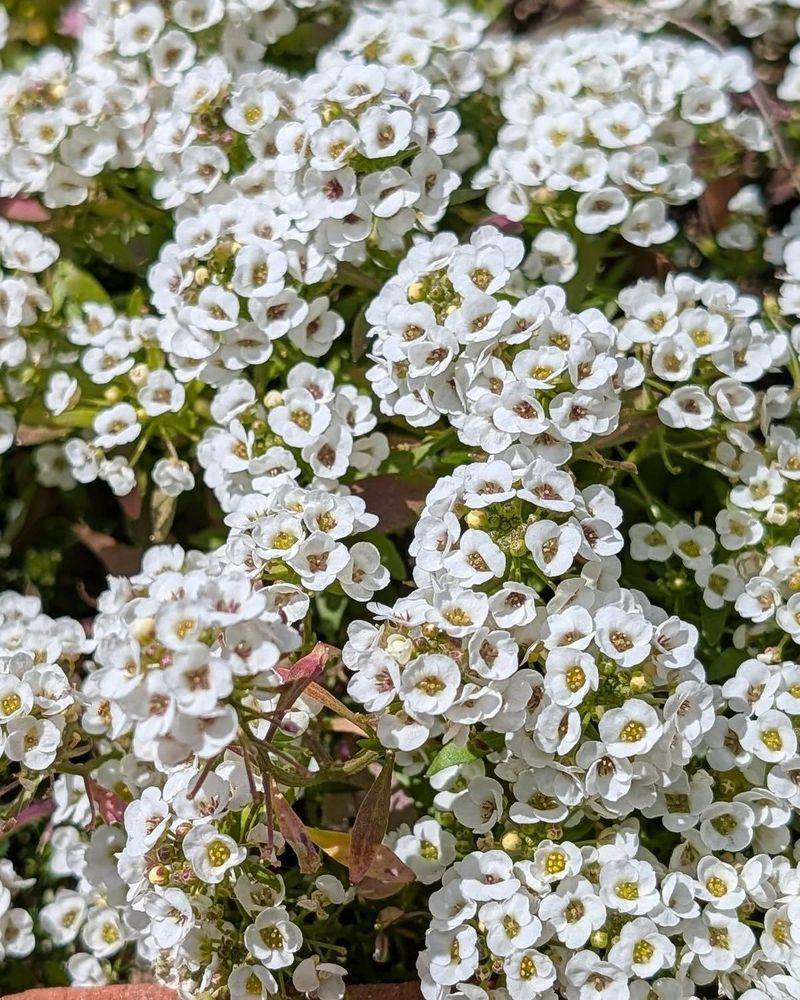
Sweet alyssum is one of those underrated border plants that quietly does a lot of heavy lifting in the garden.
Lobularia maritima stays low to the ground, usually reaching only three to six inches tall, but it spreads into a soft, fragrant carpet of tiny flowers in white, pink, or purple.
The honey-like scent is genuinely lovely, and pollinators absolutely swarm the blooms from early summer through fall in Michigan.
Reseeding with sweet alyssum is somewhat variable compared to more aggressive self-seeders, but it does happen reliably in the right spots.
Cracks between pavers, the edges of raised beds, and protected corners where soil stays loose tend to produce the most volunteer seedlings the following year.
Heavy mulch or a harsh Michigan winter can reduce reseeding success, so realistic expectations matter here.
Allow some plants to go to seed at the end of the season rather than cutting everything back.
The tiny seeds scatter easily and often find their own ideal germination spots without any help.
Trimming plants back by about half after a heavy bloom flush encourages fresh growth and more seed production later in the season. Volunteer seedlings appear in late spring and are small but easy to spot.
Sweet alyssum also works beautifully in containers, where dropped seeds can sometimes sprout in the same pot the following season if left undisturbed over winter.
7. Bachelor’s Button
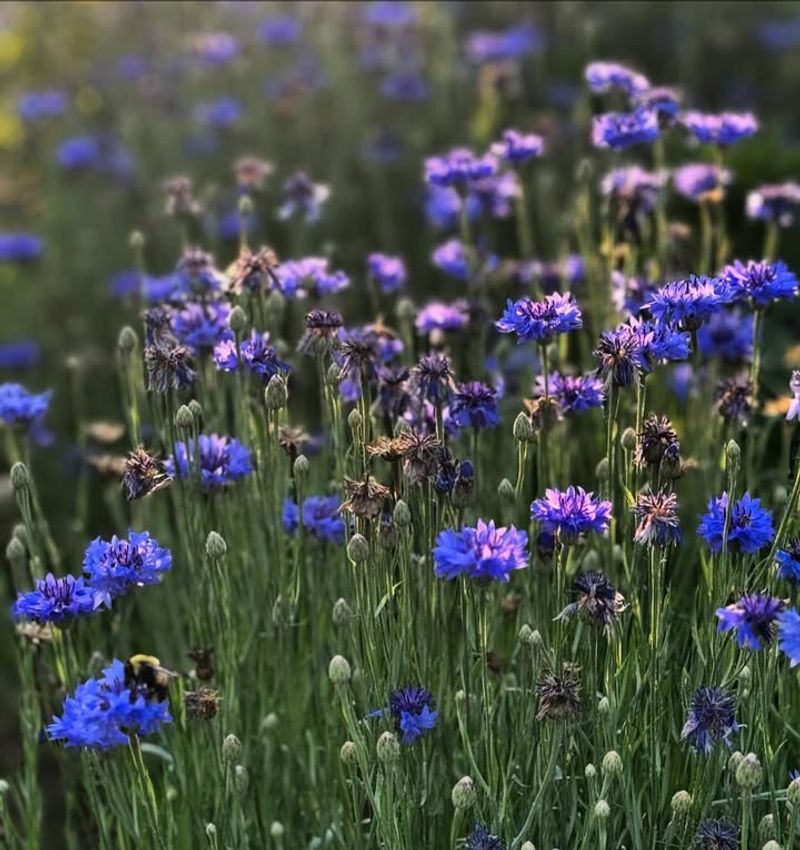
Bachelor’s button has been a garden staple for centuries, and there is a very good reason it has stuck around so long.
Centaurea cyanus produces cheerful, fringed blooms in brilliant shades of blue, pink, white, and burgundy that look beautiful both in the garden and in cut flower arrangements.
The true blue varieties are especially popular because pure blue is genuinely rare in the flower world, making bachelor’s button a standout in any sunny Michigan bed.
This cool-season annual is a reliable reseeder when seedheads are left to fully mature and dry on the plant before falling.
Seeds drop into open, well-drained soil and benefit from the natural freeze-thaw cycles of a Michigan winter, which helps break dormancy.
Avoid heavy mulching over areas where you want reseeding to occur, and try not to till the soil too early in spring before seedlings have a chance to emerge.
Volunteer seedlings appear in early spring and grow into compact rosettes before sending up flower stalks. Thin them to about 9 to 12 inches apart for the best bloom production.
Bachelor’s button is also a fantastic pollinator plant, drawing in bees and butterflies throughout the season.
Saving a small envelope of seeds from the best-colored plants each year gives you a backup plan in case reseeding does not produce enough volunteers on its own.
8. Tall Verbena
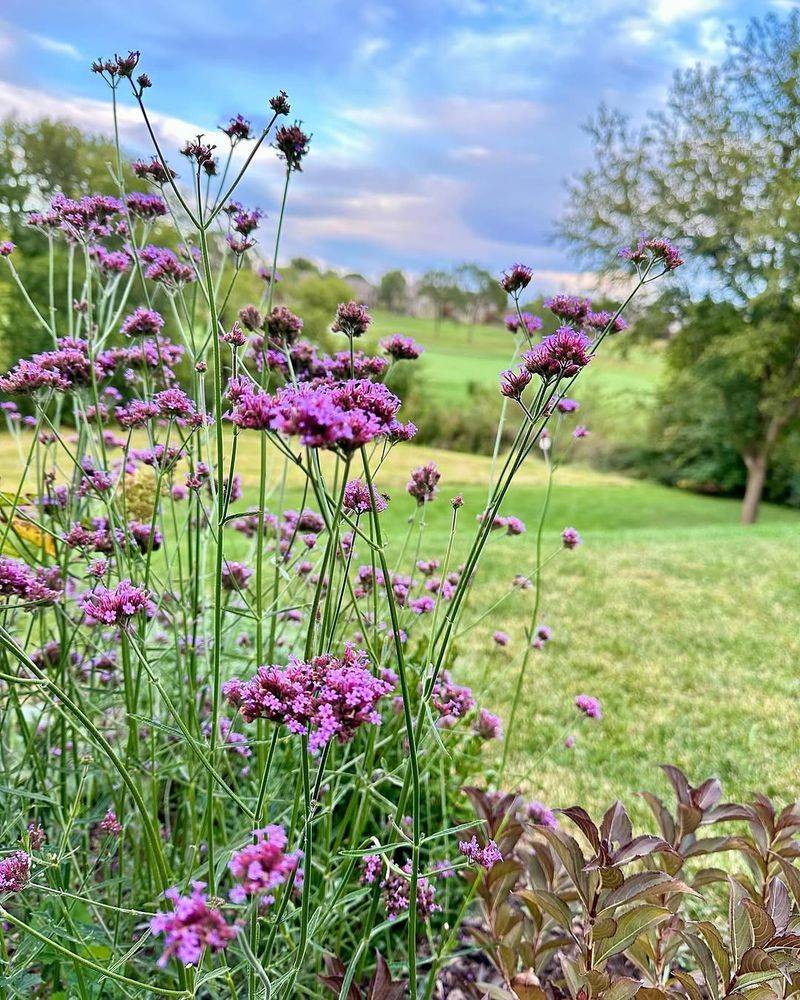
Verbena bonariensis is one of those plants that looks like it was designed specifically to make gardens feel magical.
The stems are tall and wiry, sometimes reaching four feet or more, topped with dense clusters of tiny violet-purple flowers that seem to float above everything else in the border.
Hummingbirds, bees, and butterflies visit constantly, making it as functional as it is beautiful in a Michigan garden setting.
Technically a tender perennial in warmer climates, tall verbena is grown as an annual in Michigan since it cannot survive a typical winter here.
However, it compensates generously by reseeding itself in spots where mature seed drops onto open, well-drained soil.
A mild autumn followed by a winter that is not too brutally cold gives seeds the best chance of germinating successfully the following spring.
Plants need full sun and excellent drainage to thrive, and they actually perform better in lean soil than in heavily amended beds.
Give each plant about 18 inches of space to allow for good air circulation and that signature airy, see-through effect in the border.
Volunteer seedlings emerge in late spring and grow quickly once warm weather settles in. Thin extras and transplant them to new spots while they are still young and manageable.
Reseeding is not guaranteed every year in Michigan, but when it happens, the reward of free, towering purple blooms is absolutely worth it.
9. Nasturtium
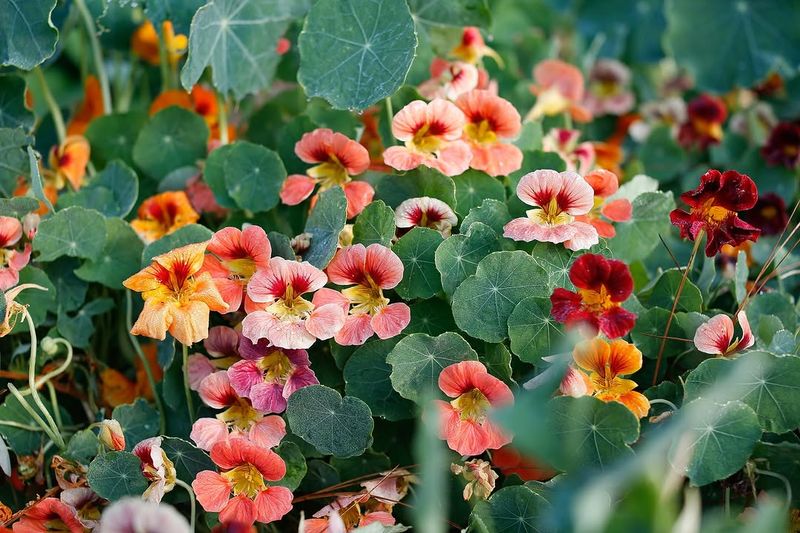
Nasturtiums are practically impossible not to love. Tropaeolum majus brings big, rounded leaves and vivid blooms in fiery shades of orange, red, and yellow that brighten up any garden space from midsummer onward.
What many people do not realize right away is that both the flowers and the leaves are fully edible, with a peppery flavor that works wonderfully in salads, on sandwiches, or as a garnish on just about anything.
Nasturtiums can reseed in Michigan gardens under the right conditions, particularly in protected spots where the large, pea-sized seeds land on open soil and are not disturbed over winter.
Unlike tiny-seeded annuals, nasturtium seeds are big enough to spot easily, which makes collecting them for replanting in spring very straightforward.
Reseeding from dropped seeds is more likely in mild seasons and is not something to count on every single year, especially in colder Michigan locations.
Nasturtiums strongly prefer lean soil with good drainage and actually bloom more generously when you skip the fertilizer.
Rich soil pushes lots of leafy growth but fewer flowers. Full sun to part sun works well, and they perform nicely in containers too, where dropped seeds sometimes sprout right in the same pot the following spring.
Pollinators, especially hummingbirds and bees, visit the tubular blooms regularly. Managing volunteer seedlings is simple since the large seeds and distinct round leaves make young plants easy to identify and move if needed.