Keep Dianthus Blooming Again And Again In Ohio With These Simple Tricks
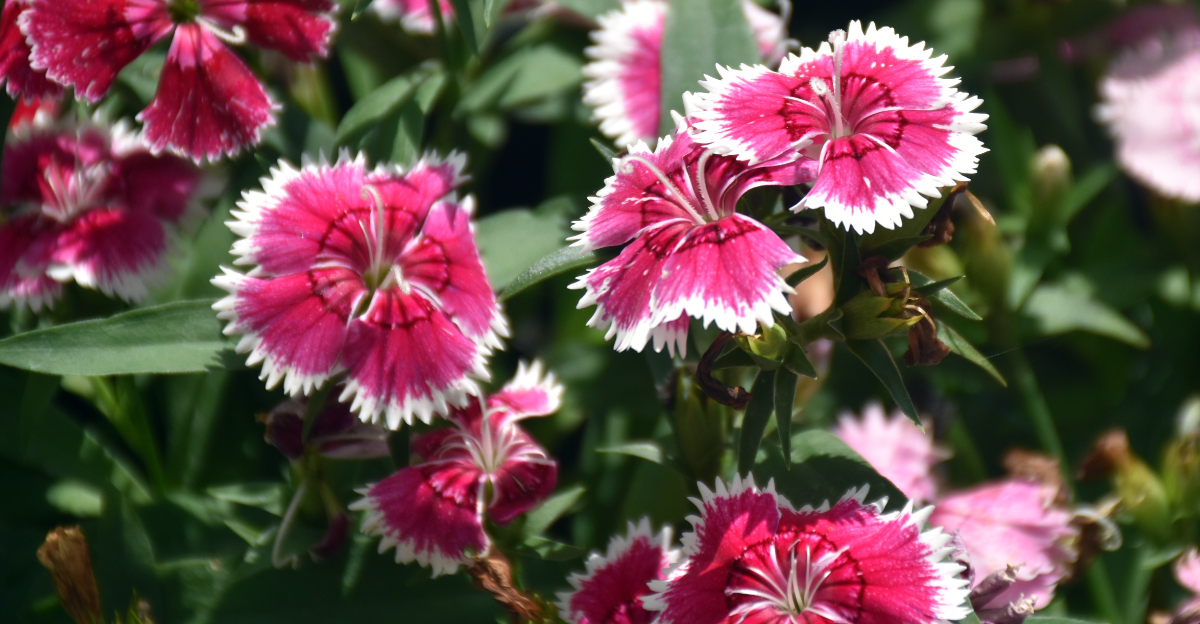
Dianthus opens strong. The color is sharp, the fragrance catches you off guard in the best way, and for a few weeks it looks like the garden made a serious commitment.
Then the blooms fade and a lot of Ohio gardeners make the mistake of thinking the show is over. It is not even close to over.
Dianthus is one of the most willing rebloomers in the Ohio garden but it needs a specific kind of attention to keep delivering through the season. Left to its own devices it puts energy in all the wrong places.
Pointed in the right direction with a handful of simple habits it comes back harder than the first flush and keeps going longer than most people expect.
The difference between a dianthus that blooms once and one that lights up the garden from spring to fall comes down to timing.
It depends on what happens in the two weeks after those first flowers drop.
1. Start With A Sunny Spot That Keeps Plants Blooming
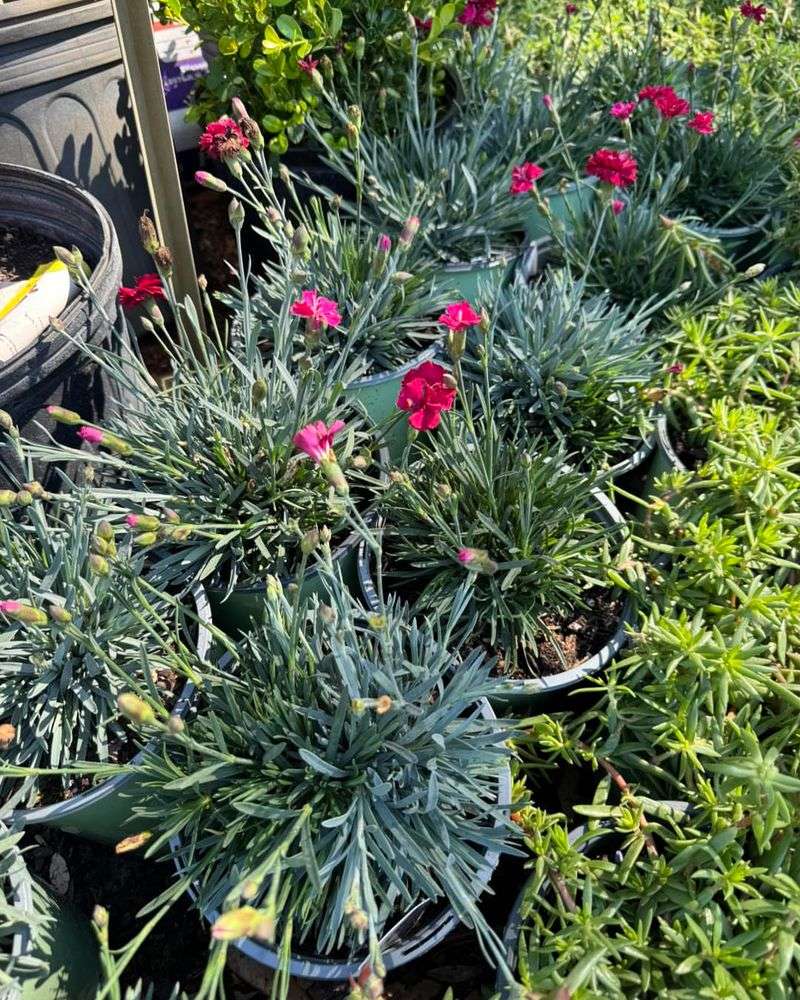
Placement might be the single most important decision you make for your dianthus before it ever goes in the ground. Most dianthus varieties perform best in full sun, which typically means at least six hours of direct sunlight each day.
Without enough light, plants tend to stretch toward the sky, produce fewer flowers, and look generally tired and thin by midsummer.
Patio edges, sunny rock gardens, raised beds, and south-facing or east-facing borders are all solid choices if drainage is good. In many parts of the state, summers bring humid, muggy stretches that can stress plants.
A spot with morning sun and good air movement around the plants can help foliage dry off faster and reduce the risk of disease during those sticky weeks.
Afternoon shade from a nearby fence or shrub can sometimes help in the hottest parts of summer.
That is especially true in southern regions where temperatures climb hard in July and August. However, too much shade overall will reduce flower production noticeably.
If your dianthus bloomed well the first year and slowed down the second, take a look at whether nearby plants or trees have grown larger and begun to block the light.
Lake Erie-influenced areas in the northern parts of the state can have cooler, cloudier springs, which may delay early blooms slightly. Giving plants the sunniest spot available in those gardens makes a real difference.
Raised beds in full sun are especially effective because they warm up faster in spring.
They also tend to drain well, which dianthus appreciates from the very start of the season.
2. Use Well-Drained Soil So Roots Stay Healthy
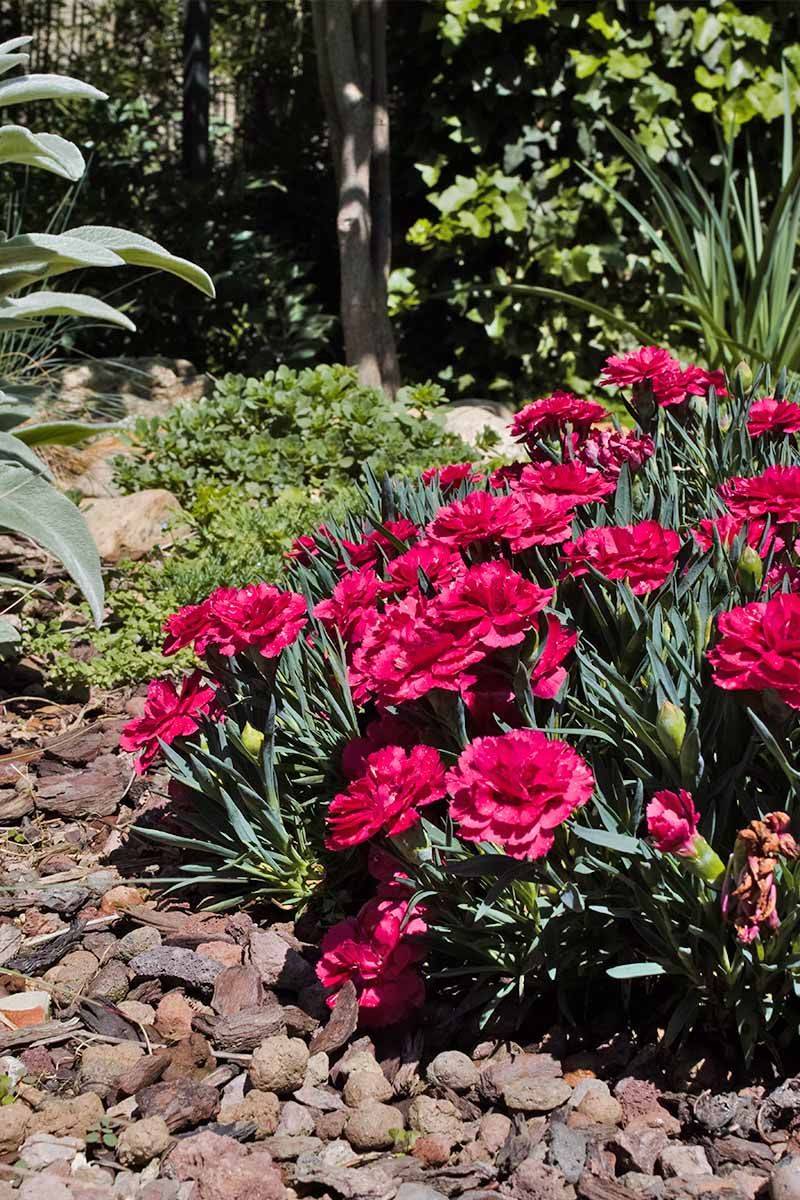
Soggy roots are one of the fastest ways to shut down a dianthus plant. These flowers prefer soil that drains freely and does not stay wet for long stretches after rain.
When roots sit in waterlogged ground, the plant struggles to absorb oxygen, weakens over time, and may stop flowering entirely before the season is over.
Heavy clay soil is common across many parts of this state, and it presents a real challenge for dianthus growers. Clay holds moisture well, which is great for some plants but not ideal here.
Your Ohio Garden Changes Every Week. Your Plan Should Too.
Gardening in Ohio changes quickly throughout the season. Every Friday you’ll receive a simple weekly plan showing exactly what to plant, prune, fertilize, harvest, and protect so you never miss the right timing.
If your beds have dense, sticky soil, consider working in compost or coarse organic matter to improve texture and drainage before planting.
Planting slightly high, so the crown sits just above the surrounding soil level, can also help water move away from the base of the plant.
Raised beds are a popular solution for gardeners dealing with poor drainage. They allow you to build a custom soil mix with better structure, and they warm up faster in spring, which gives plants a head start.
Container planting is another option if your yard has few well-drained spots available.
One thing to watch carefully is mulch placement. A light layer of mulch around plants can help moderate soil temperature and reduce moisture loss during dry spells.
Just keep mulch from being piled against the stems or crown. Keeping the crown area clear and open allows it to breathe and reduces the chance of rot setting in during wet periods.
Checking drainage after a heavy rain is a smart habit for any dianthus grower.
3. Trim Faded Flowers Before Plants Slow Down

Few garden habits pay off as quickly as trimming. Snipping off faded blooms before they set seed is one of the most reliable ways to encourage reblooming types to push out a second or even third round of flowers.
When a plant is allowed to form seeds, it shifts energy away from producing new buds and toward completing its reproductive cycle. Removing spent flowers interrupts that process and keeps the plant focused on blooming.
Use clean, sharp scissors or small hand pruners rather than pulling or yanking spent stems. Tearing at the plant can damage nearby healthy growth or leave ragged wounds that invite problems.
Snip the faded stem back to just above a healthy leaf or a side shoot, and the plant will often begin forming new buds within a week or two after the first big flush.
Trimming is most useful right after the main bloom period, which for many dianthus varieties in this region falls in late spring to early summer.
Staying on top of spent flowers during that window gives reblooming types the best chance of putting on another show later in summer or into fall.
Missing that window by several weeks can allow the plant to slow down more than necessary.
Not every dianthus type will rebloom equally well even with regular trimming. Annual varieties and some older perennial types may only produce one main flush regardless of how carefully you tend them.
Modern hybrid series bred specifically for repeat performance tend to respond best to consistent trimming.
Checking the plant tag or doing a quick variety search before you buy can save some guesswork later.
4. Shear Lightly After The First Big Flush
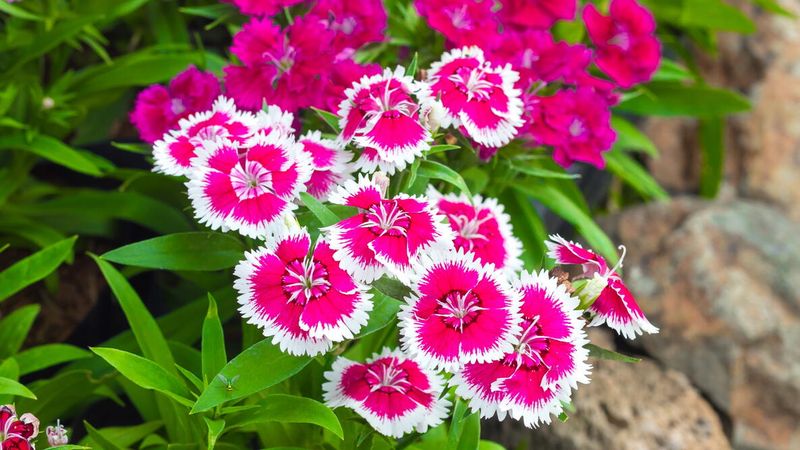
After the first big wave of blooms fades, many dianthus plants start to look a little ragged. Stems get long, foliage thins out in spots, and the overall shape loses its tidy, mounded form.
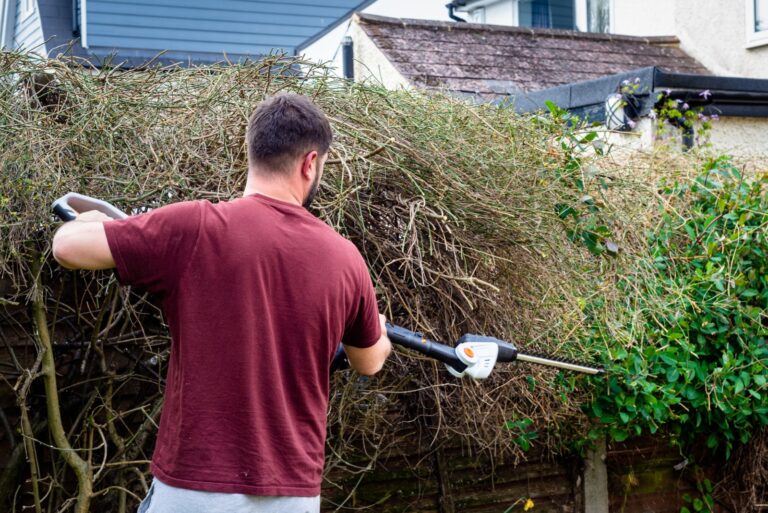
A light shearing at this point can refresh the plant, remove tired growth, and encourage compact new stems that are more likely to carry fresh flower buds.
The key word here is light. This is not the time to cut hard into old, woody growth at the base of the plant.
Cutting too aggressively into woody sections can stress the plant significantly and may reduce its ability to recover and rebloom that season.
Instead, trim back the top third of the plant, cutting above healthy green foliage and avoiding any bare or woody sections lower down.
Timing matters quite a bit with this step. Shearing right after the first bloom flush gives the plant more time and energy to push out new growth.
Do not wait until the plant looks completely spent and straggly or summer heat has fully arrived. In many parts of the state, that window falls somewhere in June, though it can vary depending on when spring arrived and how warm the season has been.
After shearing, give the plant a light watering and consider a small amount of fertilizer to support the fresh growth coming in. New stems should begin emerging within a couple of weeks.
Some gardeners report a noticeable second bloom flush in late summer or early fall after a well-timed light trim.
This is especially common with modern reblooming cultivars bred to respond well to that seasonal refresh.
5. Water Deeply Without Keeping Soil Soggy
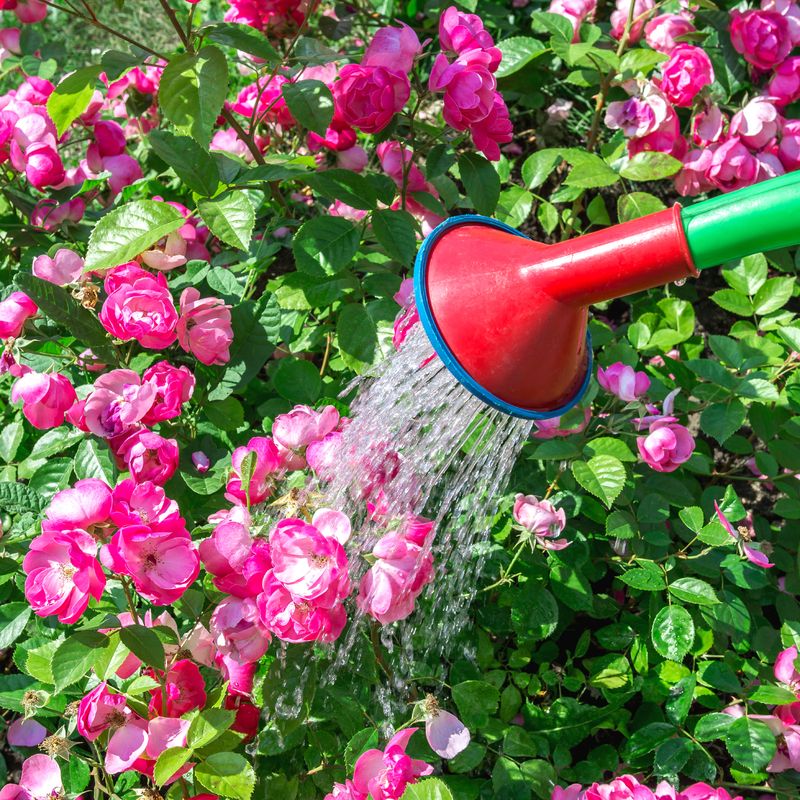
Watering dianthus well means finding a balance that many gardeners have to learn through a bit of trial and observation. Newly planted dianthus needs consistent moisture to get established.
Once plants are settled in, they generally prefer soil that dries out a little between waterings rather than staying constantly damp.
Overwatering in a poorly drained bed is one of the most common reasons these plants stop blooming and begin to look stressed.
Watering at the base of the plant rather than overhead is a smart habit, especially during humid summer stretches.
Wet foliage that stays damp overnight can invite fungal issues, and during the muggy weeks that hit many parts of this state in July and August, foliage dries slowly.
A soaker hose or careful hand watering directed at the root zone keeps moisture where it belongs without soaking the leaves unnecessarily.
Container-grown dianthus needs a bit more attention because pots dry out faster than in-ground beds, especially during hot summer weeks. Check the soil in containers every day or two during a heat stretch and water when the top inch or so feels dry.
Make sure containers have drainage holes so excess water can escape freely after each watering session.
During cooler, rainy spells in spring or fall, you may not need to water at all for days at a time. Let the weather and the soil guide your schedule rather than watering on a fixed routine.
Pressing a finger about an inch into the soil near the plant is still one of the most reliable ways to check moisture.
It helps you decide whether to water or whether the ground can support the plant for another day or two.
6. Feed Lightly To Support Fresh Buds
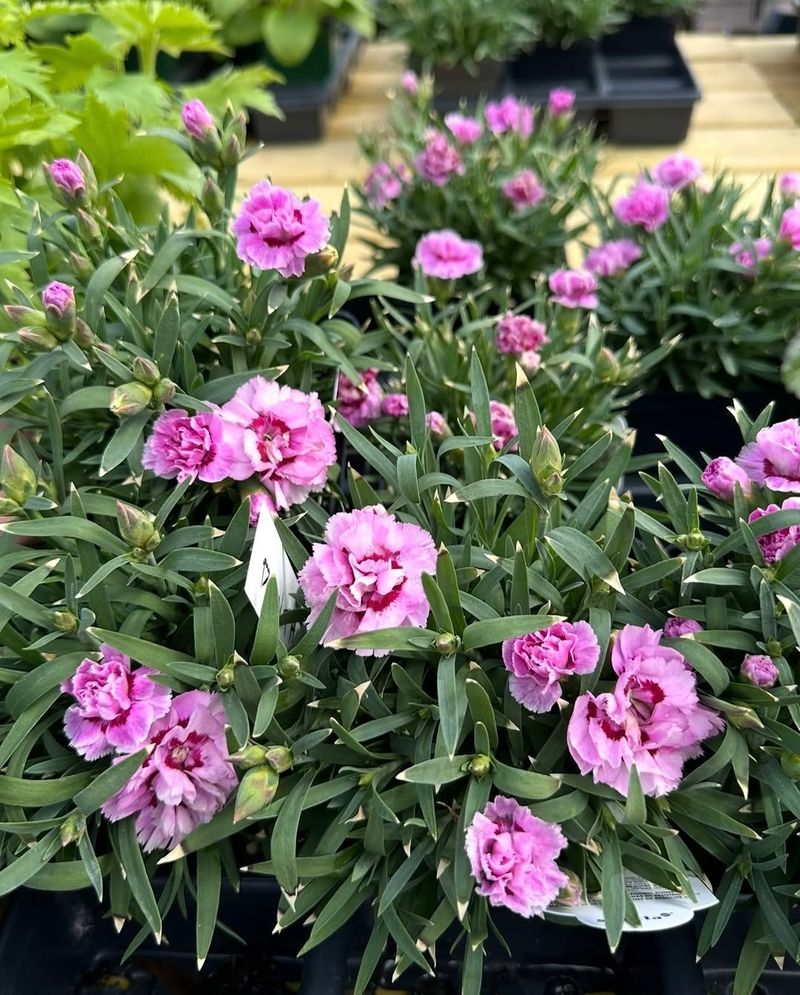
Dianthus is not a heavy feeder, and treating it like one can actually backfire. Pouring on too much fertilizer, especially products high in nitrogen, tends to push the plant into producing lush, leafy growth at the expense of flowers.
If your dianthus looks full and green but is not blooming much, excess nitrogen in the soil is worth considering as a possible cause.
A light feeding with a balanced, slow-release fertilizer in early spring can help support healthy growth as the season gets going.
Some Ohio gardeners follow up with a second light application after the first bloom flush fades and the plant has been sheared back.
That can give fresh stems the nutrients they need to form new buds. Always follow the label directions and avoid applying more than recommended, since more is rarely better with dianthus.
Flower-friendly or bloom-booster fertilizers sometimes have a higher middle number in the N-P-K ratio, meaning higher phosphorus.
They are used to encourage flowering rather than leafy growth. These can be a reasonable option after shearing if your plants need a little extra support, but they should still be applied at a light rate.
If you are not sure what your soil already contains, a basic soil test through your local extension office is worth the small cost.
Many soils in this state have adequate nutrients already, and adding fertilizer on top of already-sufficient levels can do more harm than good.
Testing every few years gives you a clearer picture of what your beds actually need rather than guessing, and it can save money on products your soil does not require.
7. Give Plants Airflow During Humid Weather
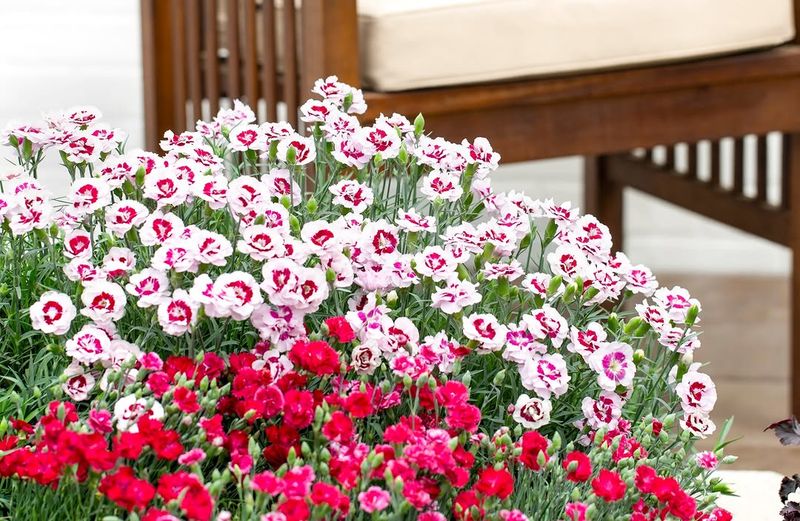
Summers in this state can bring long stretches of heat and humidity that are hard on many garden plants, and dianthus is no exception. When plants are crowded together or surrounded by dense weeds, air moves slowly through the bed.
Foliage stays damp longer after rain or dew, and conditions become favorable for fungal problems like powdery mildew or crown rot. Giving plants enough room to breathe from the start is one of the simplest ways to reduce these risks.
Spacing guidelines vary by variety, but most dianthus plants do well with at least ten to twelve inches between them, and some larger types benefit from even more room.
Proper spacing at planting time is far easier than trying to thin out an overcrowded bed later in the season.
If plants have spread and started to crowd each other over a couple of seasons, selective thinning in early spring can open up the bed before humidity season arrives.
Weeding regularly around dianthus plants is more than just a tidiness habit. Dense weed growth traps moisture around stems and competes for nutrients and light.
Keeping the area around plants clear, especially during stormy, wet stretches, helps the soil and foliage surface dry more quickly after rain.
Avoiding overhead watering during humid periods also helps reduce how long foliage stays wet. In heavy clay areas or low spots where air movement is naturally limited, consider choosing a different location for dianthus.
That makes more sense than fighting the conditions every season. Matching the plant to the right microclimate in your yard is a quiet but powerful part of keeping it healthy and productive through the full growing season.