This Gorgeous Low-Maintenance Plant Is Becoming A Popular Hydrangea Alternative In Michigan
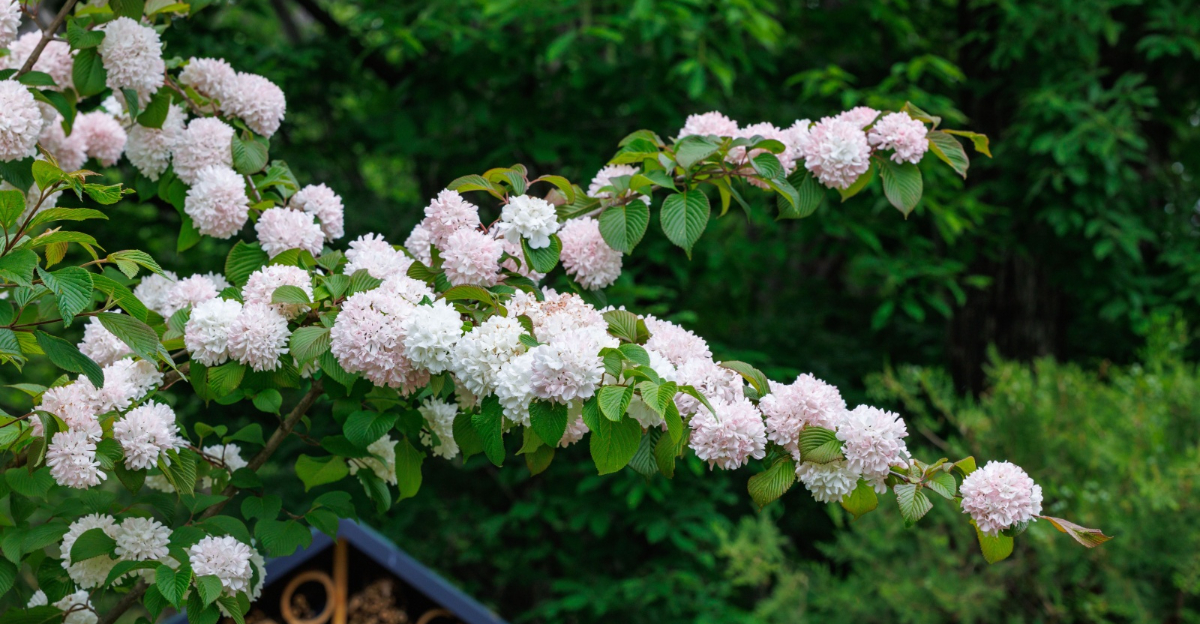
Michigan gardeners love a big spring bloom. What they do not love is spending every weekend babying a shrub that still manages to underperform.
Snowball viburnum is the plant that quietly fixes that problem. It shows up each spring loaded with enormous white flower clusters that stop people mid-sidewalk, and it does it without demanding much from the person who planted it.
No soil pH drama. No guessing which stems to prune. No crossing your fingers after a rough winter. Just a dependable, cheerful shrub that earns its spot in the yard season after season.
Once Michigan gardeners discover what snowball viburnum actually brings to a landscape, it tends to jump straight to the top of the shopping list.
1. Snowball Viburnum Brings Big White Blooms
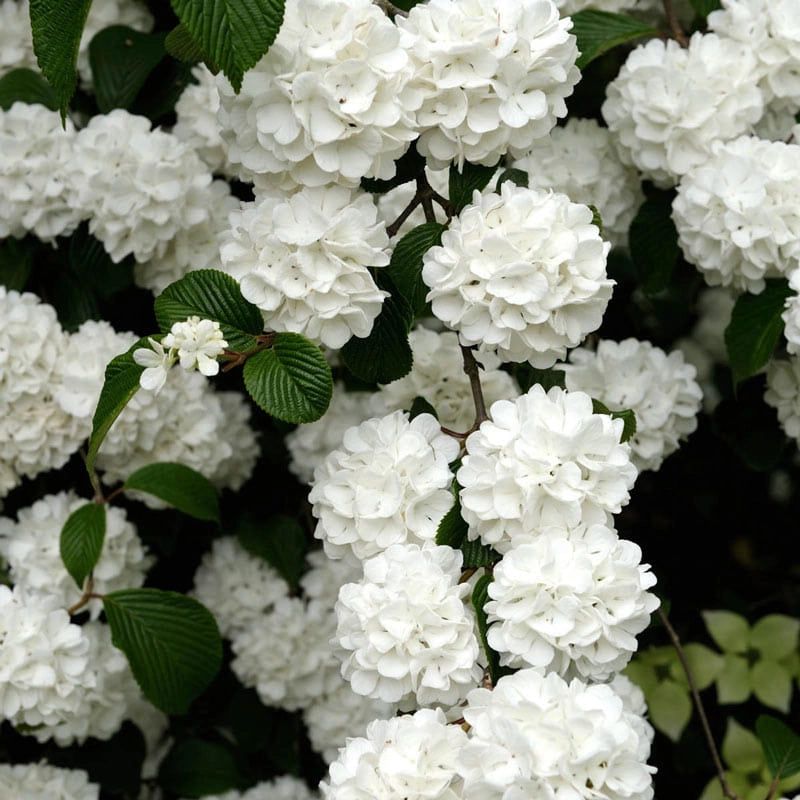
Walking past a snowball viburnum in full bloom is a little like stumbling onto something magical. The flower clusters are round, dense, and snowy white, each one sitting at the tip of a branch like a softly glowing globe.
During peak bloom in late spring, a single shrub can carry dozens of these clusters at once, turning the whole plant into a spectacular display that stops people in their tracks.
In Michigan, that bloom window typically falls sometime in May, which lines up nicely with warmer weather and the kind of bright, clear days that make white flowers really pop.
The clusters start out with a slightly greenish tint and gradually shift to pure white as they open fully.
That color progression gives the shrub an interesting, layered quality even before the blooms reach their showiest stage.
For gardeners who have always loved the look of big white hydrangea blooms, the visual similarity is hard to miss.
Both plants produce large, rounded flower heads in shades of white and soft green, and both have that relaxed, romantic quality that feels right at home in a cottage-style yard.
Snowball viburnum tends to bloom earlier in the season than most hydrangeas, which means Michigan gardens can enjoy that lush, full look a little sooner each year.
2. Spring Flowers Give It A Hydrangea-Like Look
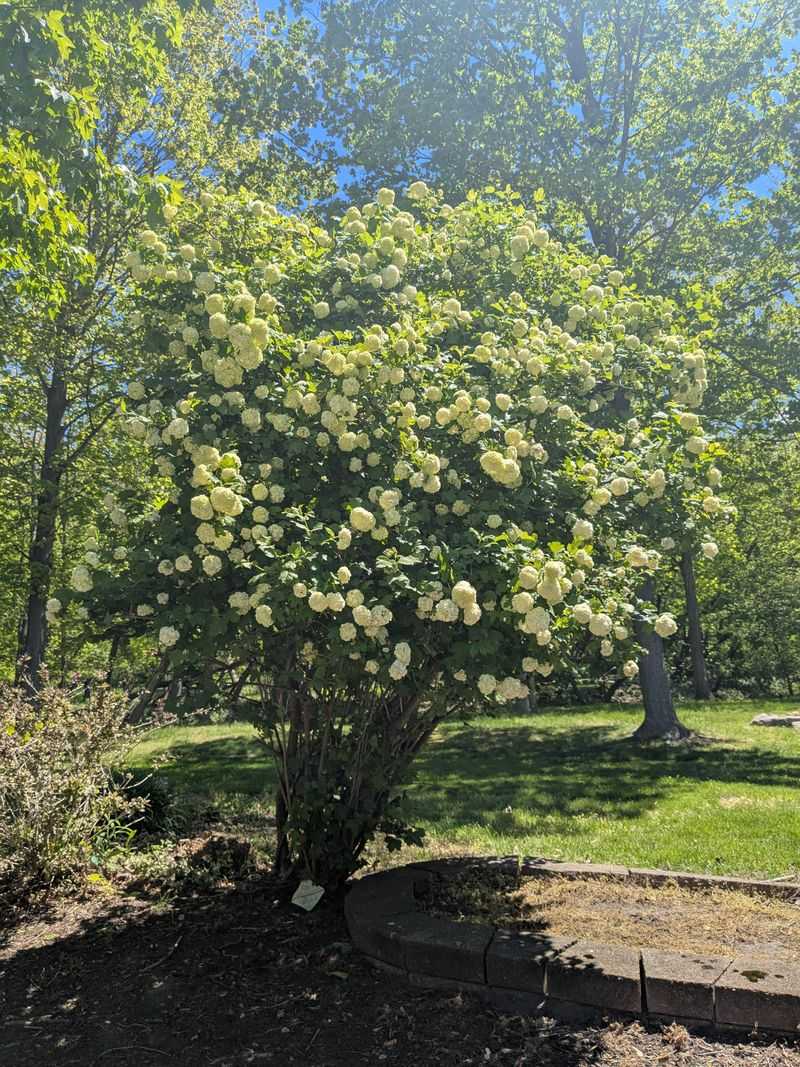
Plenty of gardeners do a double-take the first time they spot a snowball viburnum in bloom. The large, rounded flower heads look remarkably similar to the classic white mophead hydrangeas that have been a staple of American home gardens for generations.
That visual resemblance is one of the main reasons snowball viburnum has been drawing more interest from homeowners who love that lush, romantic look.
Both plants produce full, globe-shaped clusters of flowers in shades of white and soft green. Both have a relaxed, slightly wild quality that feels natural in cottage gardens, mixed borders, and foundation beds.
From a distance, the two shrubs can be genuinely difficult to tell apart when they are in bloom, which works in snowball viburnum’s favor when gardeners are trying to achieve a specific aesthetic.
Up close, there are differences worth knowing. Snowball viburnum flowers are made up of small, sterile florets packed tightly into a sphere, while hydrangea blooms have a slightly different structure depending on the variety.
Your Michigan Garden Changes Every Week. Your Plan Should Too.
Gardening in Michigan changes quickly throughout the season. Every Friday you’ll receive a simple weekly plan showing exactly what to plant, prune, fertilize, harvest, and protect so you never miss the right timing.
The leaves are also distinct, with viburnum foliage tending to have a slightly rough texture and a more matte finish than many hydrangea leaves.
Still, for gardeners focused on the overall visual impact of a spring shrub border in a Michigan yard, snowball viburnum delivers a look that feels familiar and satisfying.
3. Snowball Viburnum Adds Structure Beyond Bloom Time
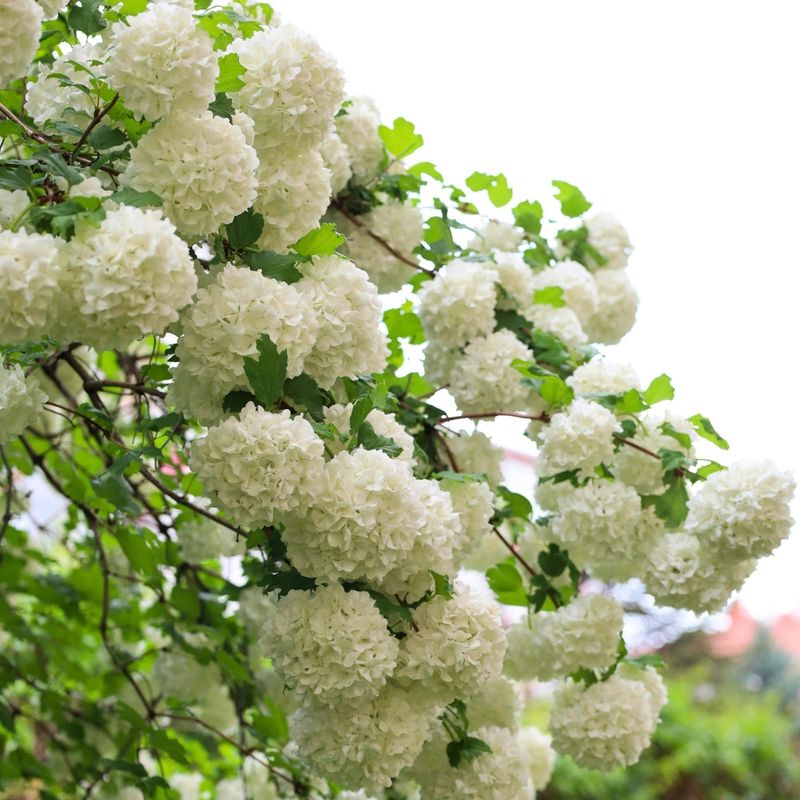
One thing that sets snowball viburnum apart from some other flowering shrubs is that it earns its place in the yard even after the blooms are gone.
The shrub has a naturally rounded, upright form that gives it a tidy, structured look throughout the growing season.
That consistent shape means it works well as a foundation planting, a border anchor, or a freestanding specimen shrub in a Michigan yard without needing constant shaping.
The foliage stays attractive through summer and into fall. The leaves are a medium to dark green during the warmer months, and in autumn they often take on shades of reddish-purple before dropping for the season.
That fall color transition adds a second moment of visual interest each year, which gardeners who think about year-round landscape appeal tend to appreciate.
Snowball viburnum also develops an attractive branching structure over time. As the shrub matures, its arching branches give it a graceful, layered quality that looks good even in winter when the leaves have fallen.
For homeowners who want their landscape to look intentional and well-designed across multiple seasons, not just during the spring bloom window, this kind of multi-season presence is genuinely useful.
A shrub that looks good in May, holds its shape in July, and offers some fall color before going dormant is a strong candidate for a long-term spot in any yard.
4. Michigan Gardeners Like Its Easy-Care Nature
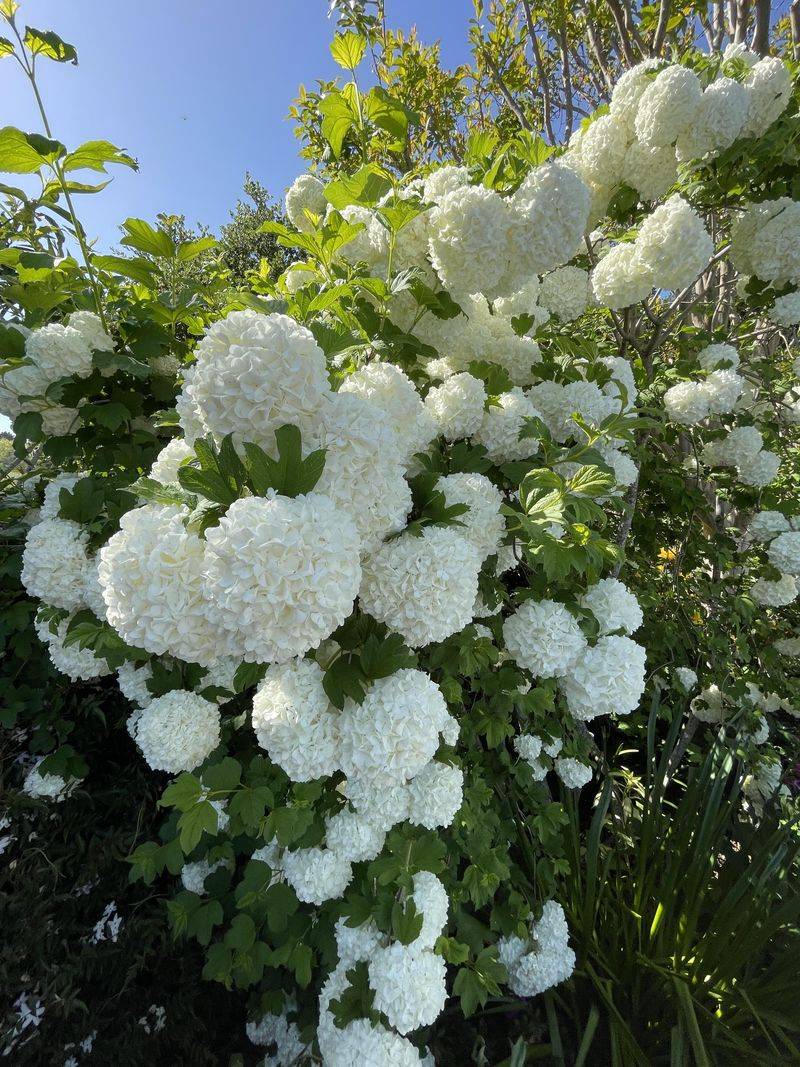
Ask most Michigan gardeners what they wish their flowering shrubs required less of, and watering, pruning, and pest management tend to come up pretty quickly.
Snowball viburnum has a reputation for being relatively undemanding once it gets settled into a good spot, which is a big part of why it is gaining ground as a hydrangea alternative in the state.
Established snowball viburnum shrubs are reasonably tolerant of the dry stretches that can hit summers, though they do appreciate consistent moisture while getting established during the first season or two.
They are not especially fussy about soil as long as drainage is decent, and they tend to hold their shape well without heavy pruning.
Light trimming right after bloom time is generally all it takes to keep the shrub looking tidy and to encourage good growth for the following year.
Hydrangeas, by comparison, can be more particular about pruning timing, soil pH adjustments for color, and winter protection in colder parts of Michigan. Snowball viburnum sidesteps many of those concerns.
It does not need soil amendments to change its flower color, and it tends to be fairly cold-hardy across most of Michigan without requiring extra wrapping or protection in fall.
For gardeners who want a reliable, good-looking shrub without a demanding care schedule, that combination of qualities makes snowball viburnum a genuinely appealing option worth considering.
5. Snowball Viburnum Brightens Sunny Yards
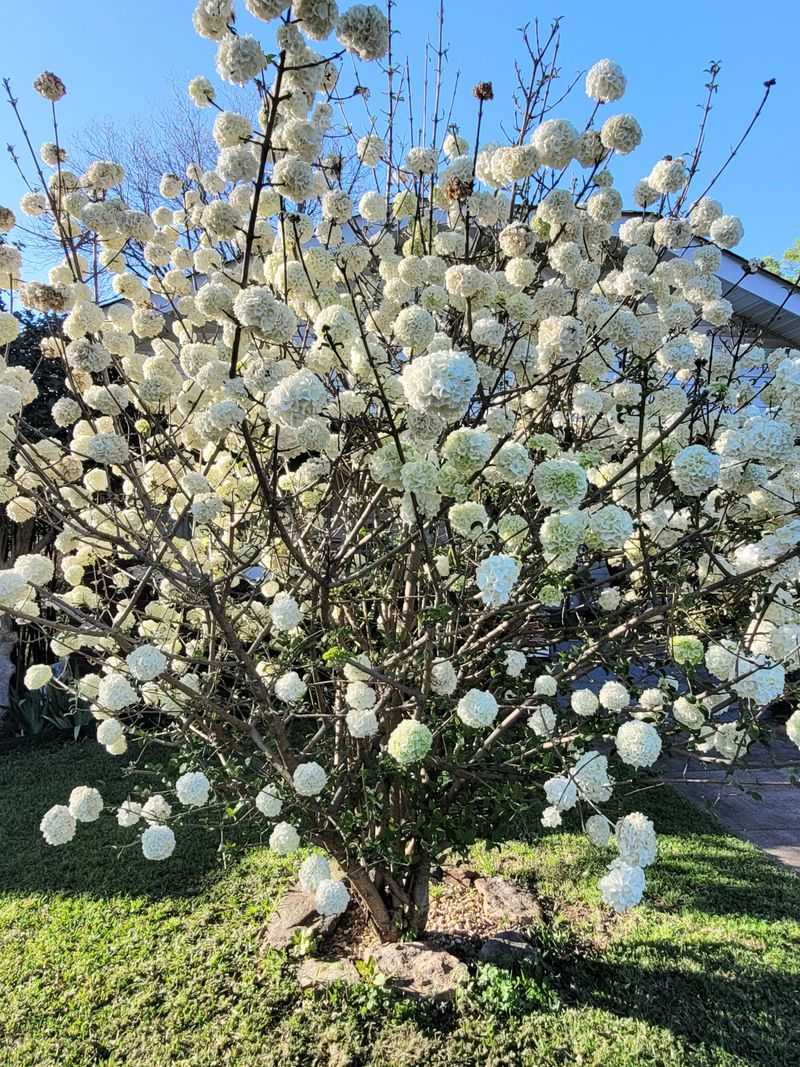
Bright afternoon sun can be tough on some flowering shrubs, but snowball viburnum tends to handle sunny conditions reasonably well.
In Michigan yards where the landscape gets a solid six or more hours of direct sun each day, this shrub can put on an impressive spring show while maintaining good overall health through the growing season.
That sun tolerance makes it a practical choice for south-facing foundation beds, open backyard borders, and spots along sunny fences or driveways.
The white flower clusters seem almost luminous in full sun, catching the light in a way that makes the whole shrub glow during peak bloom.
Planted near a porch, along a walkway, or at the corner of a house, a snowball viburnum in bloom creates a welcoming, bright focal point that draws the eye naturally.
Homeowners who have tried to grow flowering shrubs in sunny spots and ended up disappointed by heat stress or faded blooms may find that snowball viburnum handles those conditions more comfortably than expected.
Some light afternoon shade can also be beneficial in particularly hot or exposed spots, helping the blooms last a little longer before they begin to fade.
However, too much shade tends to reduce flowering, so a location with mostly full sun or just a touch of afternoon relief is generally a good target.
Choosing the right spot from the start gives the shrub the best chance to look its most impressive each spring.
6. This Shrub Adds Showy Spring Color
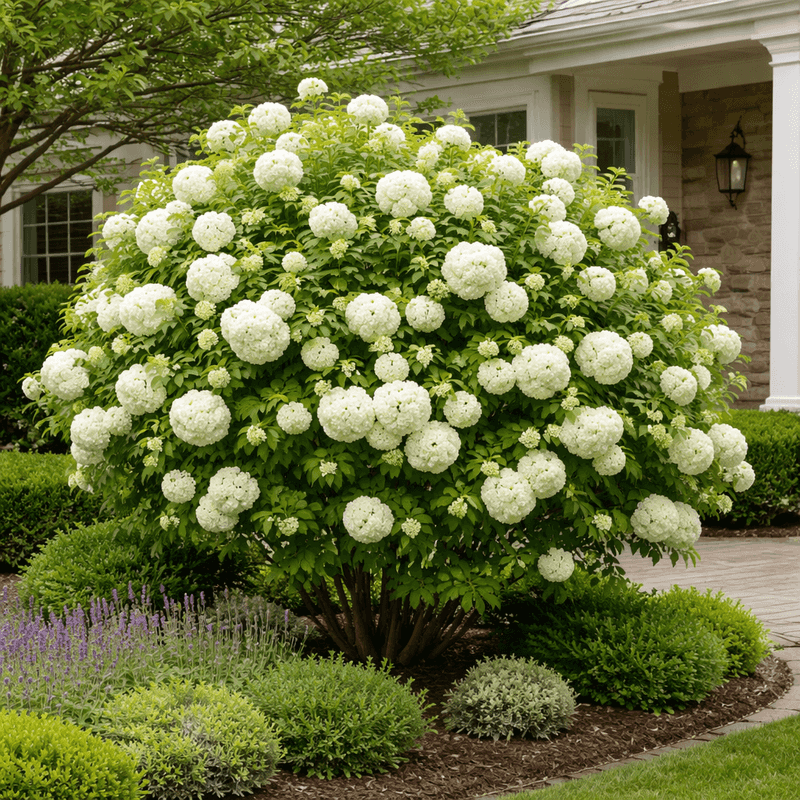
Spring in Michigan has a way of feeling especially rewarding after a long winter, and few shrubs announce the season quite as enthusiastically as a snowball viburnum in full bloom.
The sheer volume of white flower clusters that a mature shrub produces in May can be genuinely striking, especially when planted against a backdrop of darker evergreens or a wooden fence that lets the white blooms stand out clearly.
Pairing snowball viburnum with spring-blooming perennials like salvia, catmint, or allium can create a layered, cottage-garden effect that looks intentional and full without requiring a lot of complicated planning.
The white blooms work as a neutral anchor in mixed borders, complementing just about any other flower color nearby.
That versatility makes it easy to work into an existing Michigan landscape without having to redesign the whole planting scheme around it.
Even before the blooms fully open, the shrub has an appealing quality as the tight green buds begin to swell and the clusters start to take shape.
Watching that progression from bud to full white globe is one of those small seasonal pleasures that makes spring gardening feel worthwhile.
For homeowners who want their yard to feel alive and colorful from the moment warm weather arrives, snowball viburnum offers a reliable and visually satisfying way to kick off the growing season with genuine flair and presence.
7. Snowball Viburnum Fits Low-Maintenance Gardens
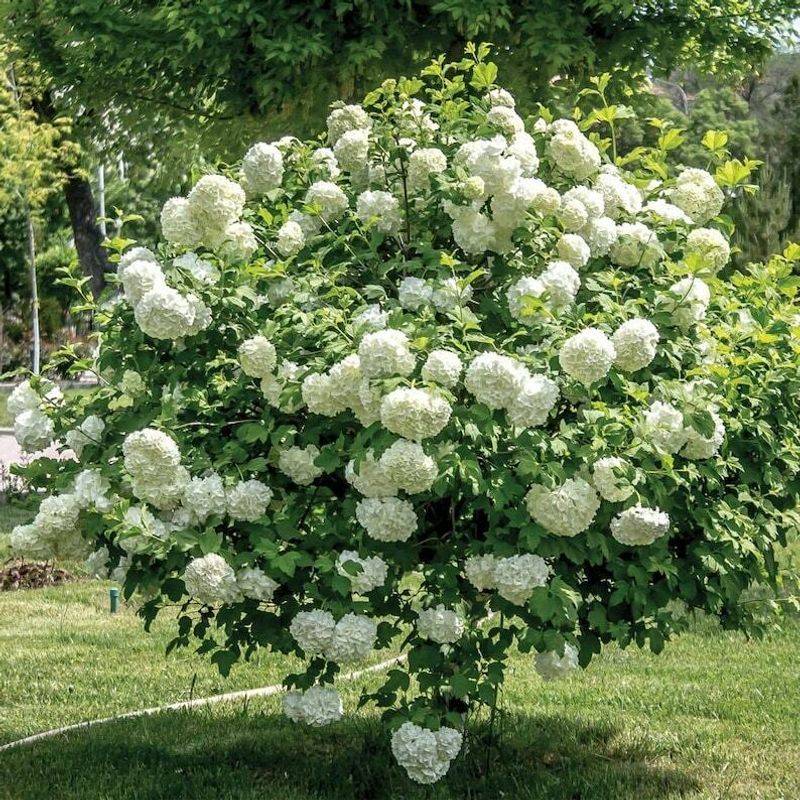
Gardeners who are drawn to the idea of a beautiful yard without spending every free weekend on upkeep tend to gravitate toward shrubs that do a lot of the work on their own. Snowball viburnum fits that description reasonably well.
Once established in a suitable spot with decent drainage and good sun exposure, it tends to grow steadily and reliably without requiring a lot of intervention from the gardener.
Mulching around the base of the shrub helps retain moisture and keeps weeds down, which reduces the amount of regular attention the planting needs.
Giving it a light pruning shortly after the spring blooms fade helps maintain a tidy shape and encourages healthy new growth without taking much time.
Beyond that, snowball viburnum does not typically need frequent fertilizing, and it tends to resist many of the common pest and disease issues that can make other ornamental shrubs more frustrating to maintain.
For Michigan homeowners who are building or refreshing a low-maintenance landscape, snowball viburnum can serve as a reliable structural shrub that delivers seasonal interest without demanding constant attention.
It is not entirely hands-off, and like any shrub it benefits from thoughtful planting and occasional care.
Still, compared to some of the more demanding flowering shrubs that gardeners often consider, it offers a strong combination of visual impact and manageable upkeep that makes it a practical and appealing long-term addition to many home landscapes.