Prepare Texas Lantana This Way Before The Brutal Heat Sets In
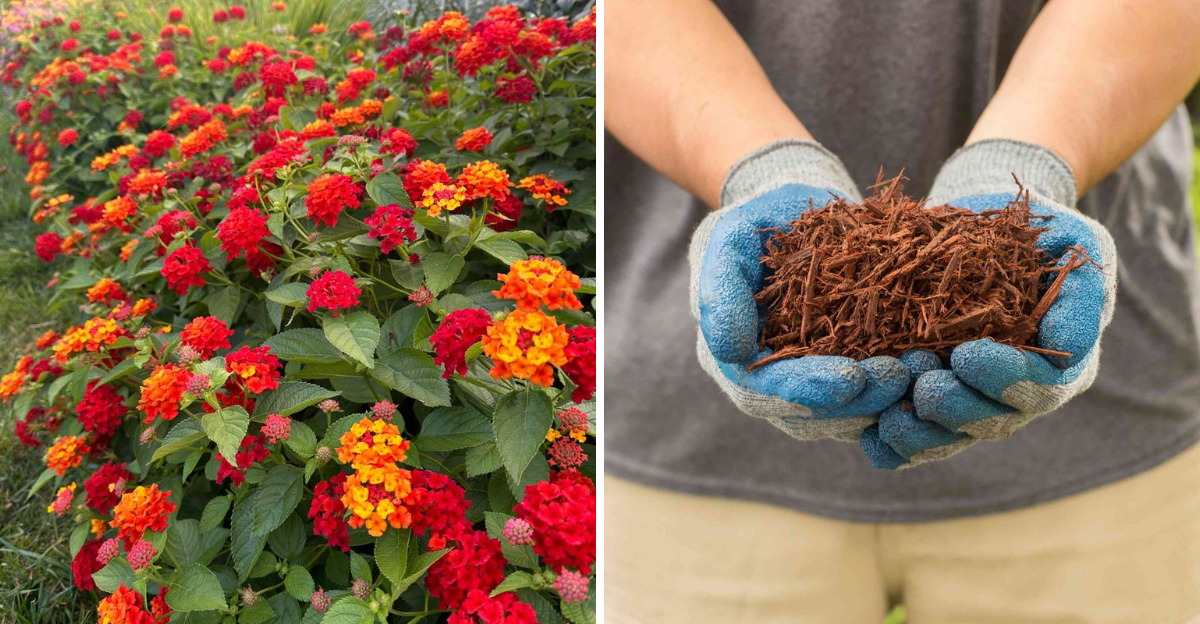
Lantana is one of the toughest plants in Texas, but even the toughest plants perform better with a little preparation before the season gets serious.
The stretch of time right before brutal heat sets in is actually one of the most valuable windows you have to set your lantana up for a strong summer.
Once temperatures lock in and stay high, your options for influencing how the plant performs narrow considerably.
What you do now, from pruning and feeding to soil prep and watering adjustments, directly affects how much color you get and how well the plant holds up when conditions get extreme.
Lantana that goes into summer heat unprepared tends to get woody, bloom less consistently, and struggle to recover from the stress.
A little focused effort before that window closes makes a noticeable difference all season long and keeps your lantana looking the way it should through even the hottest months Texas can throw at it.
1. Prune Away Winter Damage
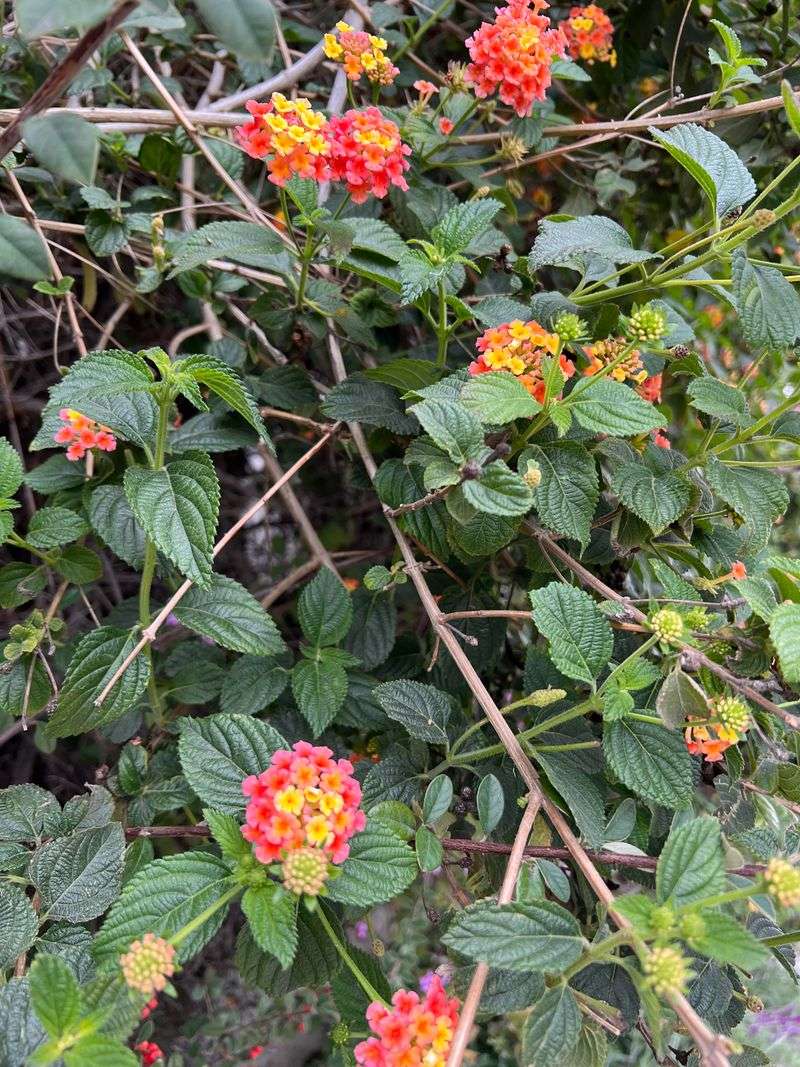
Grab your pruning shears and take a good look at your lantana after winter. You will likely notice brown, dry, or brittle stems that did not survive the cooler months. Cutting those away is one of the best things you can do before summer heat arrives.
Start by removing any stems that snap easily or look completely dried out. Then look for weak, spindly growth that seems unlikely to support heavy flowering.
Pruning these back encourages the plant to push energy into strong, healthy new shoots instead of wasting resources on damaged ones.
Many gardeners are surprised by how aggressively they can prune lantana. You can safely cut the plant back by about one-third to even one-half without hurting it. Lantana is incredibly resilient and bounces back fast once warmer weather settles in.
Pruning also improves airflow through the plant, which helps prevent fungal problems that can sneak in during humid spring weather. Better airflow means fewer disease issues heading into summer.
That is a win before the heat even begins. After pruning, clean your shears with rubbing alcohol to avoid spreading any disease from plant to plant. Sharp, clean tools make cleaner cuts that heal faster.
Your lantana will reward the extra care with fuller, bushier growth and a much heavier bloom load throughout the entire summer season.
2. Water Deeply But Infrequently
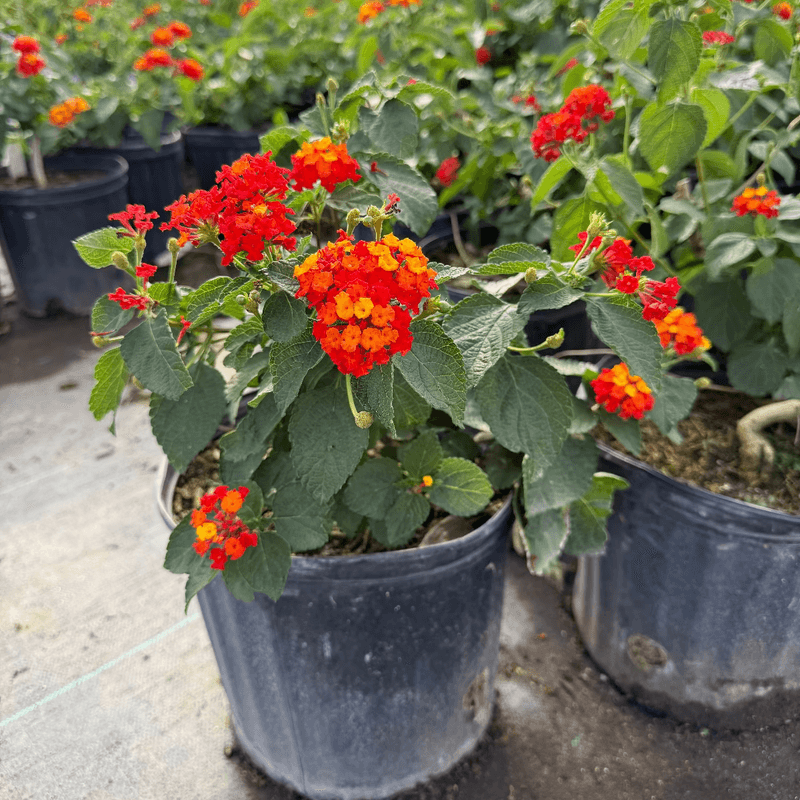
Most people water their plants a little every day and think that is enough. For lantana, that approach can actually work against you.
Shallow, frequent watering keeps roots near the surface, where they are most vulnerable to the scorching Texas heat.
Deep watering, on the other hand, trains roots to grow downward into cooler, more stable soil.
This makes the plant far more capable of handling drought conditions once summer temperatures spike. Doing this before the brutal heat arrives gives roots time to establish at a deeper level.
A good rule of thumb is to water slowly and thoroughly, allowing moisture to soak at least six to eight inches into the soil. Then wait until the top two inches of soil feel dry before watering again.
Your Texas Garden Changes Every Week. Your Plan Should Too.
Gardening in Texas changes quickly throughout the season. Every Friday you’ll receive a simple weekly plan showing exactly what to plant, prune, fertilize, harvest, and protect so you never miss the right timing.
That cycle usually works out to about once a week in spring, depending on rainfall. Using a soaker hose or drip irrigation system makes deep watering much easier and more efficient.
These methods deliver water directly to the root zone without wasting moisture on leaves or surrounding soil. Less water waste also means a lower water bill, which is always a bonus.
Did you know lantana actually blooms more heavily when it experiences a little stress between waterings? Slight drought stress signals the plant to flower rather than just push leafy growth.
So watering deeply but infrequently does double duty by building strong roots and encouraging a more impressive bloom display all summer long.
3. Add Mulch Around The Base
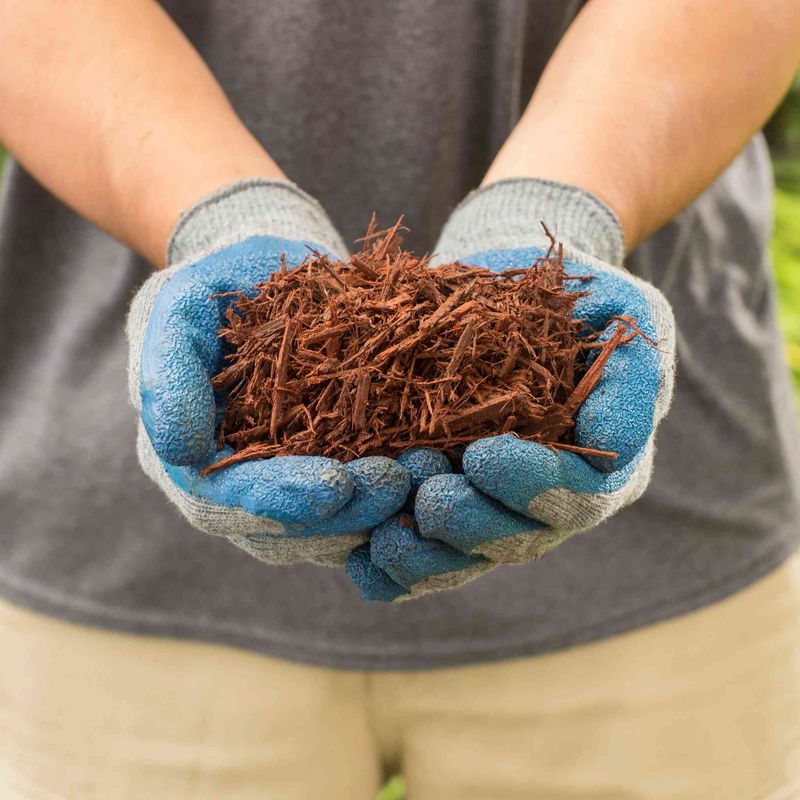
One of the simplest and most effective things you can do for any garden plant in Texas is add a fresh layer of mulch before summer hits. For lantana, mulching around the base makes a noticeable difference in how well the plant handles extreme temperatures.
Mulch acts like a blanket for the soil. It slows down moisture evaporation so the ground stays consistently moist longer after each watering.
In a Texas summer, where the sun can bake exposed soil in just a few hours, that moisture retention is incredibly valuable.
Spread about two to three inches of mulch around the base of each plant, keeping it a few inches away from the main stem.
Mulch piled directly against the stem can trap moisture and encourage rot. A small gap around the stem lets air circulate freely and keeps things healthy.
Cedar mulch is a popular choice in Texas because it also has a natural ability to repel certain insects. Pine bark mulch works well too and breaks down slowly, adding organic matter to the soil over time.
Both options are widely available at local garden centers and are easy to apply. Refreshing your mulch layer every spring also helps suppress weeds, which compete with lantana for water and nutrients.
Fewer weeds mean less work for you and more resources for your plants. A little mulching effort now pays off in big ways once those triple-digit Texas temperatures start rolling in during the peak of summer.
4. Place Plants In Full Sun
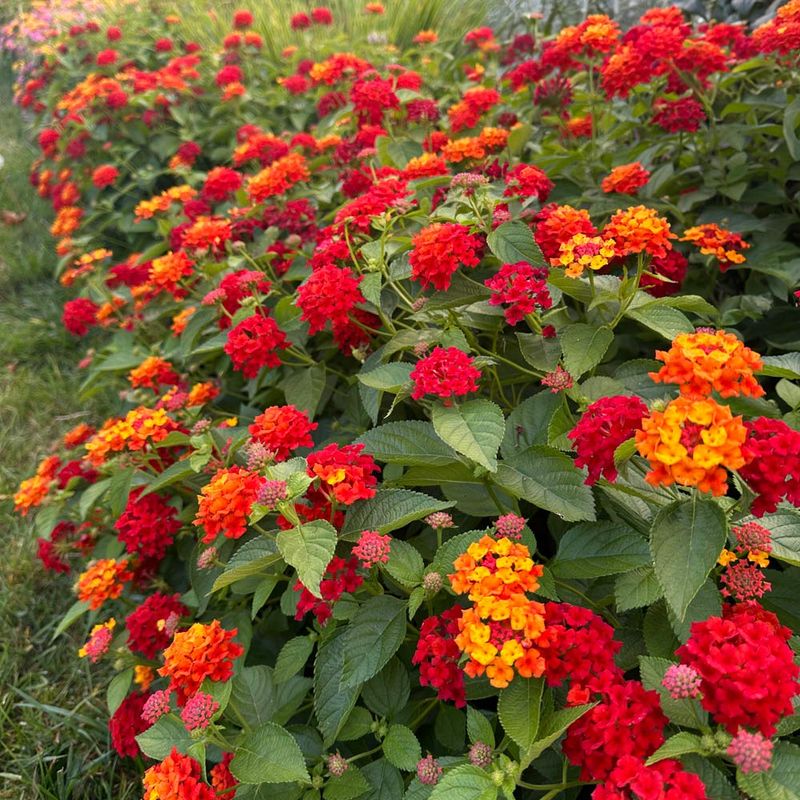
Lantana and sunshine have a relationship that most other plants would envy. The more direct sun this plant gets, the happier and more colorful it becomes.
If your lantana is currently sitting in partial shade, moving it before summer is one of the smartest things you can do.
Full sun means at least six to eight hours of direct sunlight each day. In Texas, that is rarely hard to find.
A south or west-facing garden bed with no overhead tree cover is usually ideal. The more sun exposure your lantana receives, the more flower clusters it will produce throughout the season.
Lantana planted in too much shade tends to grow leggy and stretched out as it reaches toward the light. Flowering becomes sparse, and the plant looks scraggly rather than full and lush.
Relocating a shaded plant to a sunnier spot before summer growth kicks into gear gives it time to adjust and settle in.
When transplanting, dig a generous hole, loosen the root ball gently, and water the plant thoroughly after replanting. Give it a few days in its new sunny location before the temperatures climb too high.
Early spring is the perfect window for this kind of move. Here is something worth knowing: lantana actually uses intense sunlight to produce the vibrant pigments in its flowers. More sun literally means more color.
So placing your plants in the sunniest spot available is not just good for growth, it is the key to getting those stunning, eye-catching blooms that make lantana such a beloved Texas garden staple.
5. Avoid Heavy Fertilizing
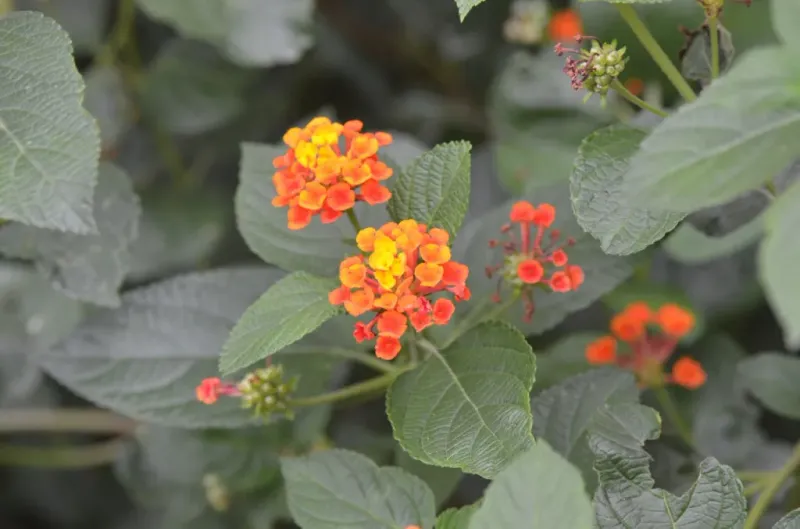
It feels natural to want to feed your plants well before a tough season, but with lantana, less is definitely more when it comes to fertilizer.
Pouring on a heavy dose of nitrogen-rich fertilizer before summer is actually one of the most common mistakes Texas gardeners make.
High-nitrogen fertilizers push plants to grow lots of lush, dark green leaves. That sounds great, but for lantana, all that leafy growth comes at a cost.
The plant channels its energy into foliage instead of flowers, and your summer bloom display ends up looking underwhelming and thin.
Lantana actually thrives in soil that is not overly rich. It evolved in tough, lean conditions and performs best when it has to work a little for its nutrients. If your soil is reasonably healthy, you may not need to fertilize at all before summer.
If you do want to give your lantana a boost, choose a low-nitrogen, bloom-boosting fertilizer with a higher phosphorus content.
A product labeled something like 5-30-5 encourages root development and flowering without triggering excessive leafy growth. Apply it sparingly and only once in early spring.
Slow-release granular fertilizers are a good option because they deliver nutrients gradually over several weeks rather than all at once. This prevents the sudden surge of growth that liquid fertilizers can trigger.
Think of it like feeding your plant a steady, balanced meal rather than one giant feast. Your lantana will respond with consistent, colorful blooms instead of a tangle of green leaves with barely a flower in sight.
6. Check For Early Spider Mite Problems
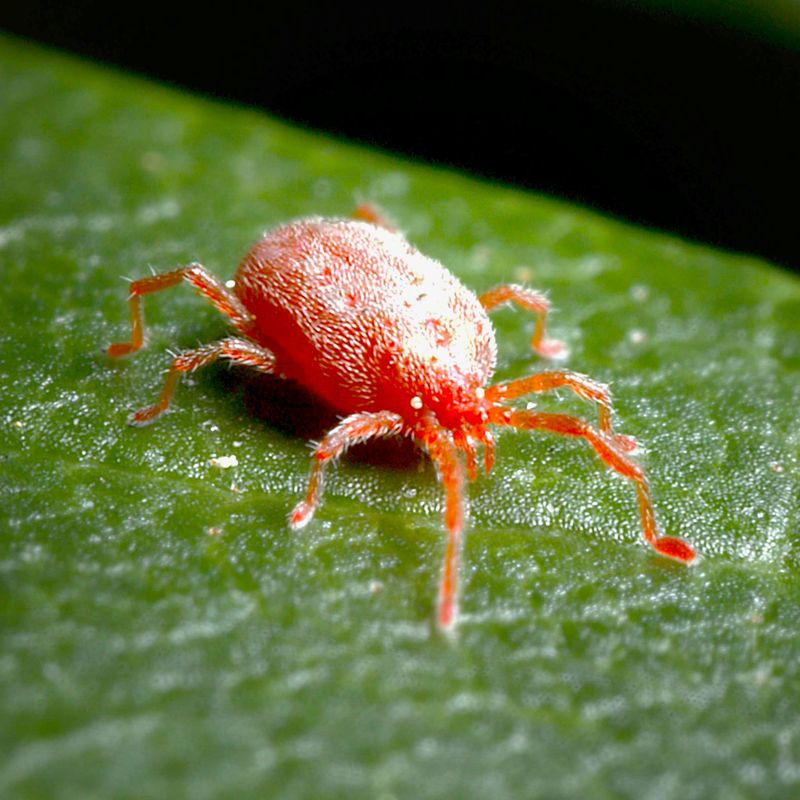
Spider mites are sneaky little troublemakers that love hot, dry weather. By the time most gardeners notice them, the damage is already well underway.
Checking your lantana for early signs of infestation before summer heat arrives gives you a real advantage in keeping your plants healthy.
These pests are incredibly tiny, barely visible to the naked eye, but the damage they leave behind is easy to spot. Look for leaves that appear dusty, faded, or covered in tiny yellowish or whitish dots.
Flip a leaf over and look for fine webbing on the underside, which is a telltale sign that mites have moved in.
Early spring is actually when populations start building, even before temperatures get extreme. Catching them now means you can treat the problem with simple methods before it spirals into a full infestation.
A strong blast of water from a garden hose directed at the undersides of leaves can knock mites off and significantly reduce their numbers.
Neem oil spray is another highly effective and garden-friendly option. Mix it according to the label directions and apply it in the early morning or late evening to avoid leaf scorch. Repeat the treatment every seven to ten days for best results.
Keeping plants well-watered also helps because spider mites thrive on stressed, dry plants. A lantana that is consistently hydrated and healthy is naturally more resistant to mite damage.
Staying proactive now means you spend less time troubleshooting pest problems and more time enjoying your beautiful blooming lantana throughout the entire summer season ahead.