These Are The 10 Foliage Plants That Keep Ohio Yards Colorful Across The Seasons
Most people chase color with flowers, and then wonder why their yard looks bare for half the year. Flowers are great, but they come and go, and before you know it you’re staring at a whole lot of green, or worse, nothing at all.
Foliage plants play a completely different game. The right mix brings color in spring, summer, fall, and even winter without asking much from you at all.
Ohio yards can look stunning in every single season, and it has nothing to do with planting more flowers. It comes down to picking plants with leaves that do the heavy lifting year-round.
Start with these and your yard will never look like it’s stuck between seasons again.
1. Boxwood Keeps Winter Borders Green
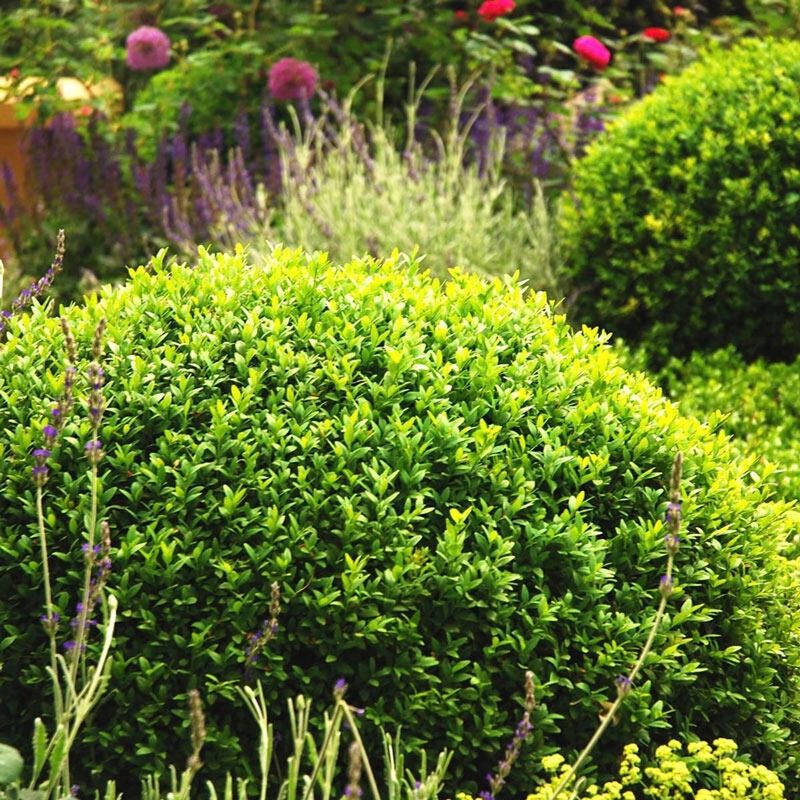
Walk past most Ohio yards in January and you will see a lot of bare soil, brown stems, and empty beds. Boxwood is one of the few shrubs that holds its deep green color through all of that.
It makes a reliable anchor for borders, foundation beds, and formal edges when everything else looks dormant.
It grows best in well-drained soil with good airflow around the leaves. Poor drainage and tight spacing can invite disease, so give each plant enough room to breathe.
Boxwood is widely used in foundation plantings and formal garden designs across the state because it holds its shape well and responds to shearing cleanly.
One real concern worth knowing about is boxwood blight, a fungal disease that has been confirmed in Ohio. Choosing resistant varieties and avoiding overhead watering can reduce that risk.
Winter burn, which shows up as bronzing or browning on exposed leaves, can also happen in harsh winters, especially on plants in windy spots. Planting in a sheltered location and choosing cold-hardy varieties helps.
Despite those challenges, boxwood remains one of the most practical evergreen foliage plants for adding structure and green color during the coldest months of the year.
2. Inkberry Holly Adds Native Evergreen Color
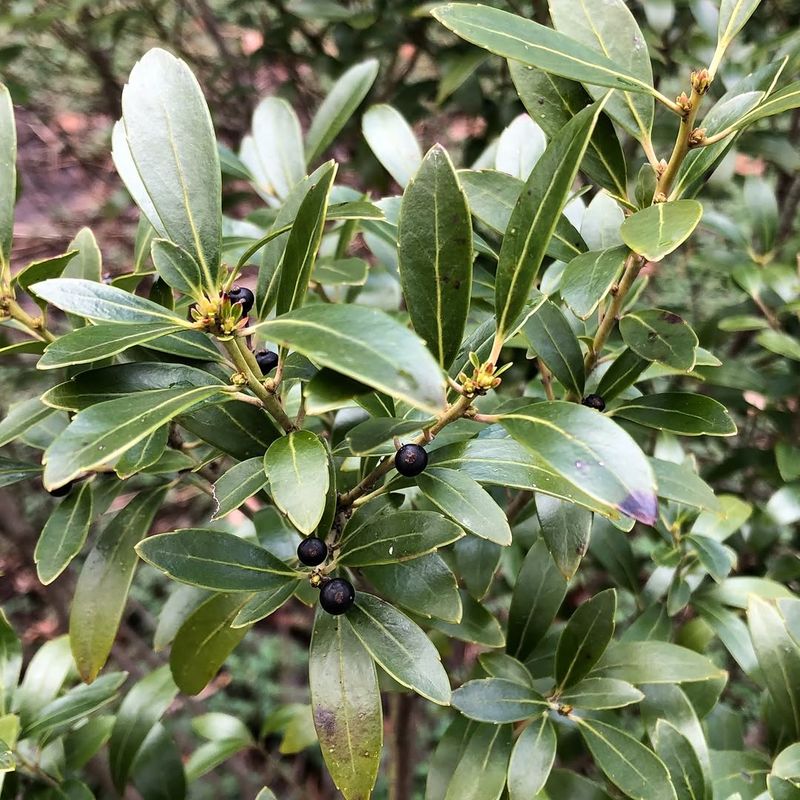
Not every evergreen shrub in a yard needs to be a tidy clipped hedge. Inkberry holly brings a more relaxed, natural look with its dark, glossy green leaves and a growth habit that fits right into native-friendly landscapes.
It is a broadleaf evergreen native to eastern North America, and it holds up well in many parts of this state through winter.
It works well in foundation plantings, shrub borders, and naturalistic beds where you want evergreen foliage without a rigid formal look. Inkberry prefers acidic, moist, well-drained soil.
It can handle occasional wet conditions better than many shrubs, which makes it useful in spots that stay a little damp. Female plants produce small black berries in fall that birds appreciate.
One honest note: inkberry can become bare and leggy at the base if it is planted in a spot with too much shade or left without any pruning attention.
Compact cultivars like Shamrock or Gem Box tend to stay fuller and more manageable in home landscapes.
Thoughtful placement and occasional shaping keep it looking its best. For gardeners who want an evergreen native that earns its place through winter, inkberry holly is a solid and underused choice.
Your Ohio Garden Changes Every Week. Your Plan Should Too.
Gardening in Ohio changes quickly throughout the season. Every Friday you’ll receive a simple weekly plan showing exactly what to plant, prune, fertilize, harvest, and protect so you never miss the right timing.
3. Coral Bells Brighten Spring And Fall Beds
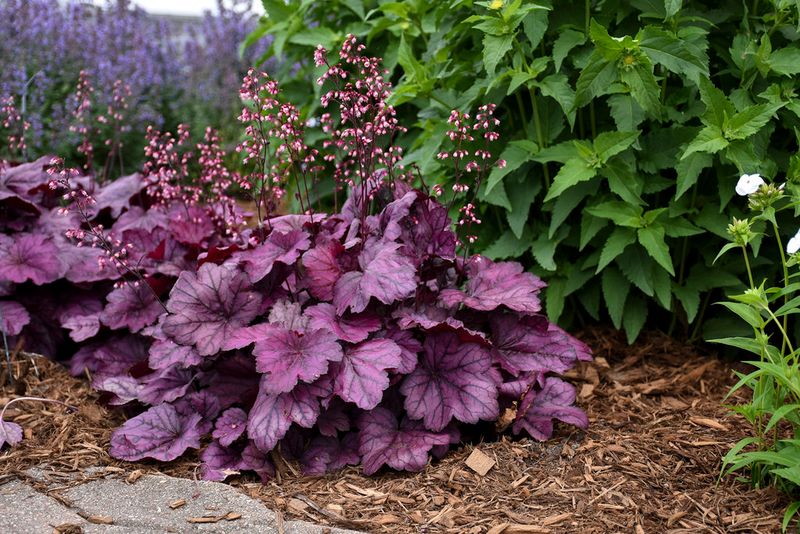
Few perennials pack as much leaf color into a part-shade bed as coral bells. Depending on the variety, the leaves can come in deep burgundy, rich purple, warm caramel, bright lime, soft silver, or layered combinations of those tones.
That range of color makes coral bells one of the most versatile foliage perennials for mixing into borders, containers, and shaded beds.
Spring is when coral bells really pop. Fresh new growth emerges with vivid color, and that intensity often carries through fall before the plants settle in for winter.
Summer heat in more exposed spots can sometimes fade the leaf color or stress the plant, so afternoon shade is helpful in warmer parts of the state. Consistent moisture and well-drained soil keep the roots healthy through the growing season.
Winter appearance varies quite a bit depending on the variety and the exposure. Some coral bells hold their leaves well into winter and look decent through mild cold snaps.
Others look ragged by February. Mulching lightly around the crown helps protect the shallow roots.
Planting in a spot with some shelter from harsh winds also improves winter survival. For spring-to-fall leaf color in a shaded or partly shaded bed, coral bells consistently deliver strong results across many seasons.
4. Christmas Fern Brings Native Green To Shade
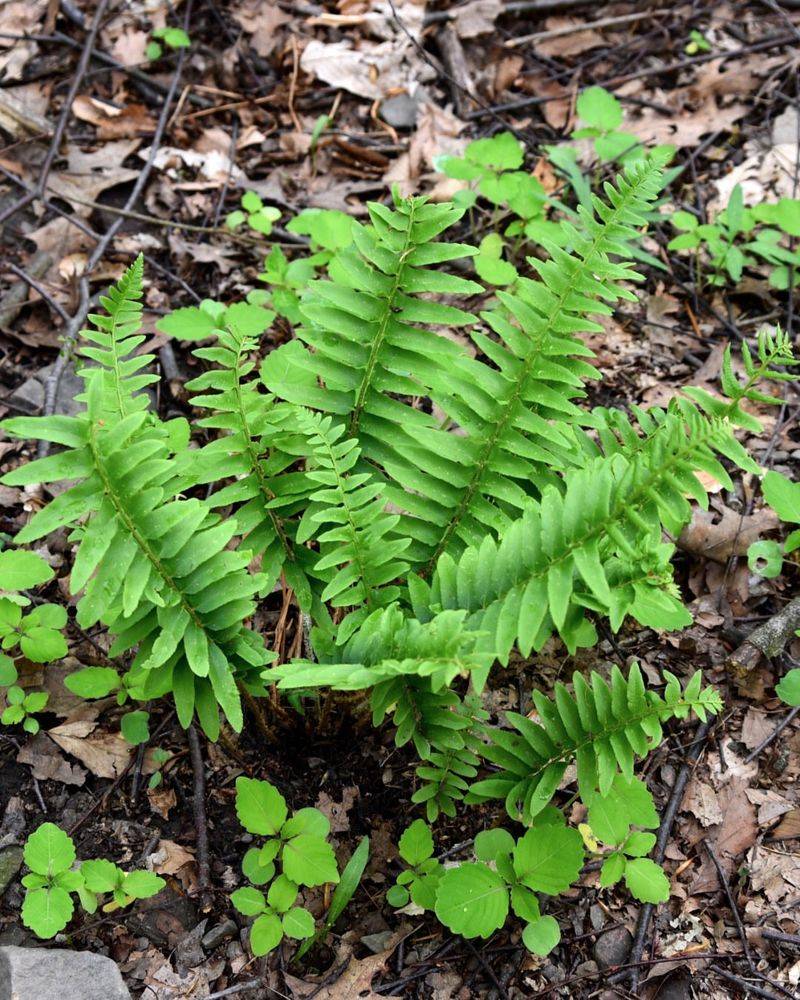
Shaded spots in a yard can be some of the hardest places to keep looking green, especially in winter when most perennials have completely disappeared.
Christmas fern is one of the few native plants that holds its deep green fronds through cold weather, which is part of how it got its name.
Early settlers reportedly used it for holiday decorations because it stayed green when little else did.
It is a native fern found naturally in woodland edges and shaded slopes across much of eastern North America, and it adapts well to home shade gardens. It prefers part shade to full shade and thrives in moist, well-drained soil that is rich in organic matter.
Planting it under trees or along shaded foundation beds where it gets consistent moisture gives it the best start.
Compared to some of the showier nonnative ferns, Christmas fern has a quieter look. But that quiet texture is exactly what works so well in naturalistic plantings alongside native wildflowers, foamflower, and sedges.
It is semi-evergreen in some years and conditions, meaning the older fronds may flatten in heavy snow but new growth emerges reliably in spring.
For a low-maintenance native option that brings green to shade through much of the year, it is hard to beat.
5. Hostas Add Bold Leaf Color In Shady Summer Beds
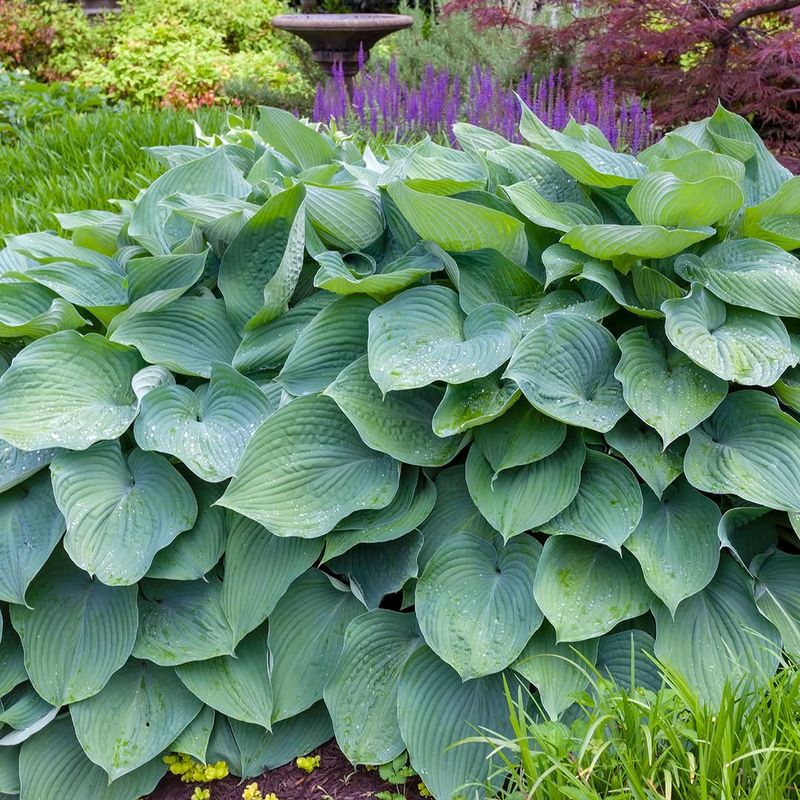
Summer shade beds can feel flat without something with real visual weight. Hostas solve that problem with broad, layered leaves that come in blue-green, chartreuse, deep green, golden yellow, and striking variegated combinations.
A well-placed hosta clump can anchor a shaded corner of a yard and hold its bold texture from late spring through early fall.
They prefer rich, moist, well-drained soil and do best with protection from hot afternoon sun. Morning light with afternoon shade is a classic setup that works well across most of the state.
Hostas are not evergreen, and they disappear completely below ground in winter.
Pair them with evergreen companions like Christmas fern or coral bells to help fill colder-season gaps.
Two common challenges are worth planning around. Deer find hostas very appealing and will browse them heavily if given access.
Slugs can also damage the leaves, especially in wet years or heavily mulched beds. Choosing thicker-leaved varieties offers some resistance to slug feeding.
Despite those challenges, hostas remain one of the most reliable and widely grown shade foliage plants in home landscapes. The range of sizes, from compact mounds to giant specimen plants, means there is a hosta that fits almost any shaded space.
6. Coleus Fills Containers With Bright Summer Leaves
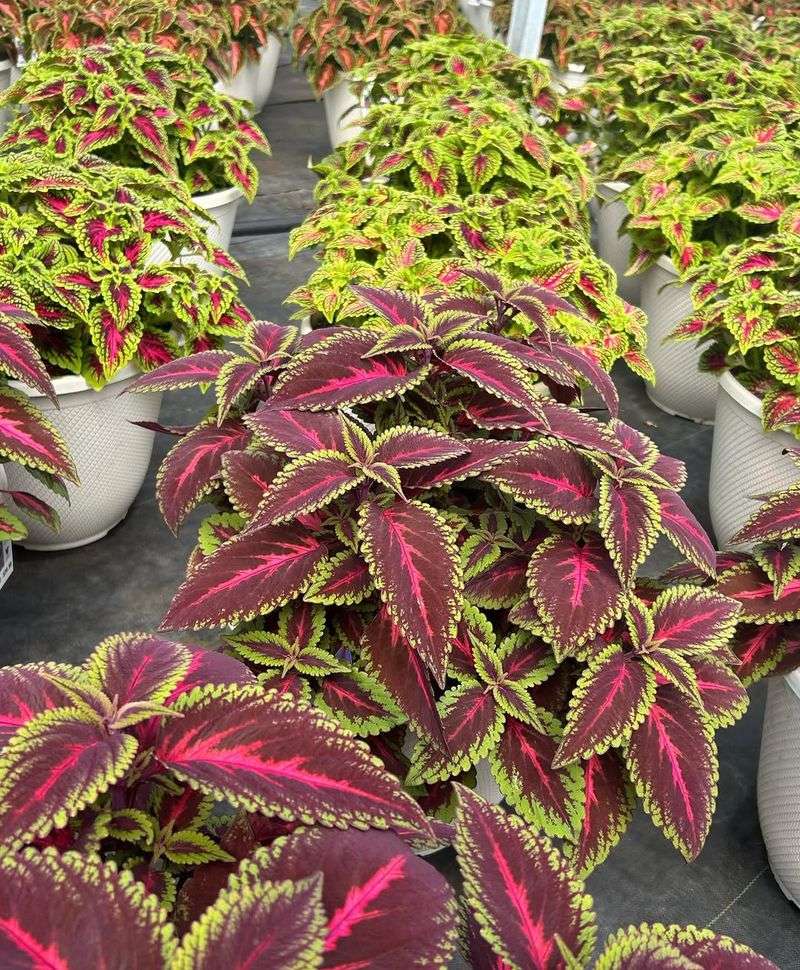
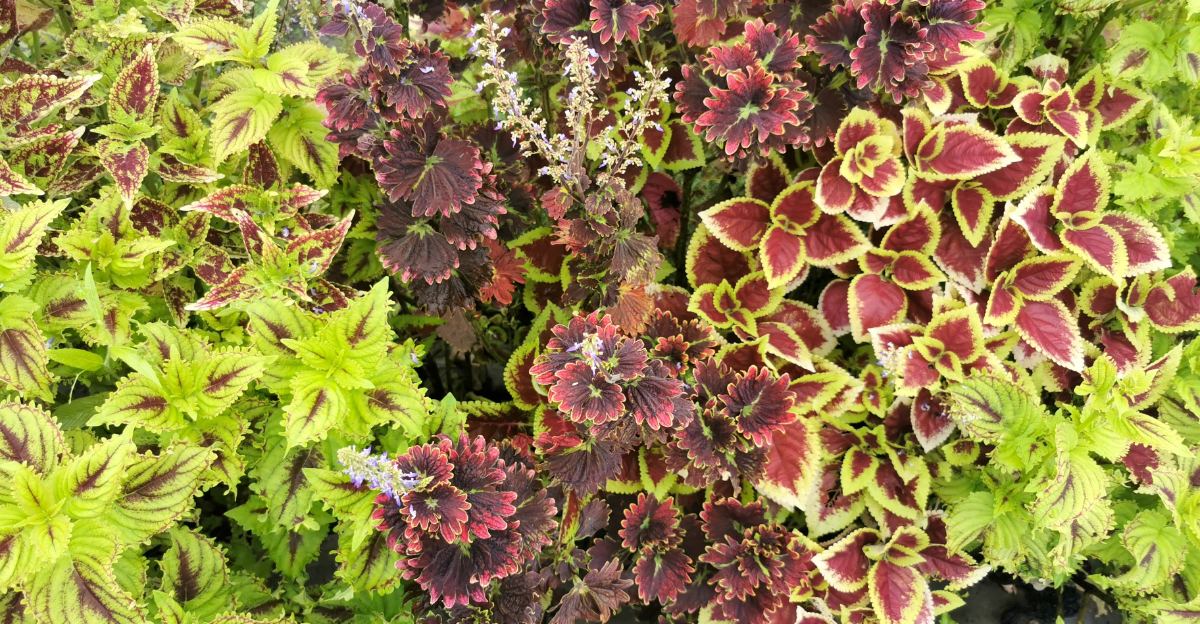
If you have ever walked past a porch in July and stopped to look at a container that seemed almost too colorful to be real, there is a good chance coleus was involved. This warm-season annual is grown entirely for its foliage.
Its leaf patterns in containers, porch pots, and summer beds are hard to match with almost any other plant.
Coleus varieties now span an enormous range of colors, including deep red, electric lime, burgundy, copper, pink, and intricate multicolor combinations.
Modern breeding has also produced varieties that tolerate more sun than older types, so gardeners should read labels carefully when choosing plants.
Sun-tolerant types hold their color better in bright spots, while shade-preferring varieties can fade or scorch if placed in too much direct light.
Warm weather is essential for coleus to thrive. It sulks in cool temperatures and should not go into containers or beds until nighttime temps are consistently above 50 degrees.
Regular moisture keeps it looking fresh, and pinching back tall stems encourages bushier, fuller growth. Coleus does not survive frost, so it is treated as an annual here.
For pure summer leaf color in a container or porch pot, few plants compete with what coleus can deliver from June through September.
7. Caladium Lights Up Warm-Season Shade
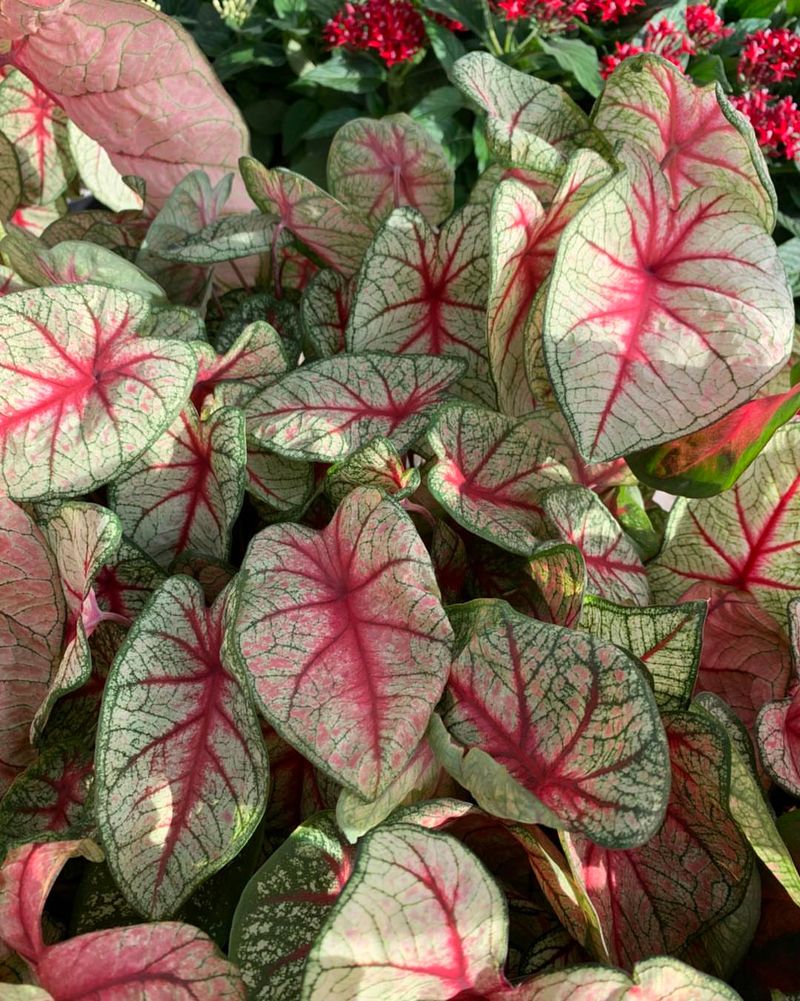
Shade containers can be tricky to fill with real color, especially in the heat of summer when many plants struggle. Caladium is one of the most dramatic solutions for that problem.
Its large, heart-shaped leaves come in combinations of white, pink, red, and green.
They can make a shaded porch corner or a filtered-light bed look genuinely striking from mid-summer into early fall.
Caladiums need warm soil to establish well. Planting too early in cool soil leads to poor sprouting and rotting tubers, so waiting until soil temperatures are consistently above 65 degrees is important.
Nighttime temperatures matter too. Consistent warm nights signal to the plant that it is safe to grow.
In most parts of this state, that means late May to early June is the right window for planting outdoors.
They are tender tropical plants and will not survive winter in the ground here. Gardeners who want to save the tubers can lift them after the first cold snap, let them dry, and store them in a cool, dry location until the following season.
Many people simply treat them as annuals and replant each year. Either way, caladiums earn their place with some of the boldest shade foliage color available for warm-season containers and protected beds.
8. Ornamental Cabbage Carries Color Into Cold Weather
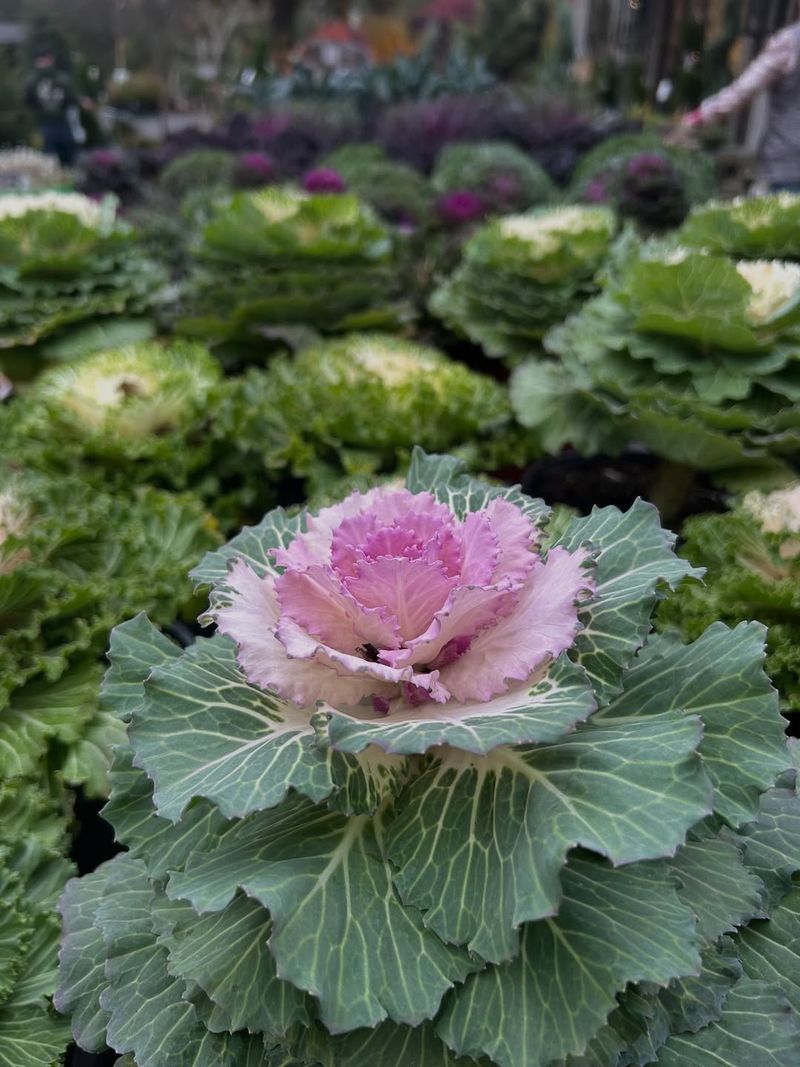
By mid-October, most summer annuals are finished. The coleus has collapsed, the caladiums are done, and the porch pots look empty.
Ornamental cabbage and kale step in right at that moment and carry the visual interest through fall and into the first cold weeks of the season.
Their rosette-shaped leaves come in purple, white, pink, and green, and they actually look better as temperatures drop.
Cool weather intensifies the leaf color, especially the pink and purple tones in the center of each rosette.
Plants that go in during warm September weather may look a little dull at first, but once nighttime temperatures fall into the 40s and 50s, the color deepens noticeably.
They hold up through light frosts and can even survive brief dips into the upper 20s in a sheltered spot.
Ornamental cabbage and kale are cool-season plants, not perennials. They will not come back next year and are not meant to be a year-round garden feature.
They are a bridge, a way to keep containers and beds looking intentional and colorful from late September through November. Pairing them with mums, pansies, and late-season grasses in fall containers creates a layered look.
That combination holds up beautifully through the seasonal transition into colder weather.
9. Foamflower Adds Spring Foliage With Native Charm
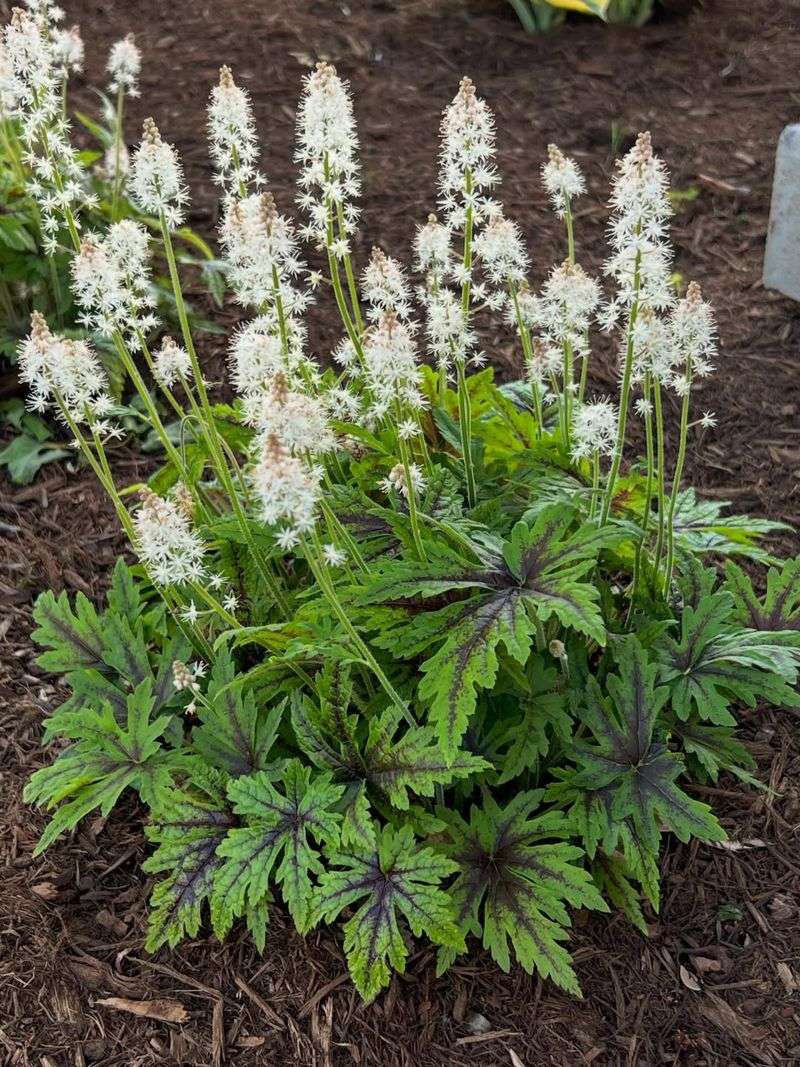
Spring in a shaded garden can feel slow to wake up. Foamflower is one of the native plants that helps change that.
Its lobed, often patterned leaves emerge in early spring with real energy.
Many varieties carry burgundy markings or deep veining that gives the foliage a layered, almost artistic quality through the season.
Foamflower is native to eastern North American woodlands and fits naturally into shade beds, woodland edges, and native plant gardens. It prefers part shade to full shade with moist, well-drained soil that is rich in organic matter.
Consistent moisture through summer keeps it looking healthy. In dry or sunny spots, the leaves can scorch and the plant tends to struggle, so placement matters.
It works especially well alongside Christmas fern, coral bells, sedges, and native wildflowers in layered shade plantings. Some varieties spread slowly by runners to form a soft ground cover, which can be useful in larger shaded areas.
Others stay in tidy clumps. The foliage is the main attraction across most of the growing season, with delicate white or pink flower spikes appearing in spring as a pleasant bonus.
For a native plant that brings texture and pattern to shade beds, foamflower is a thoughtful and rewarding choice.
10. Little Bluestem Turns Coppery For Fall And Winter Interest
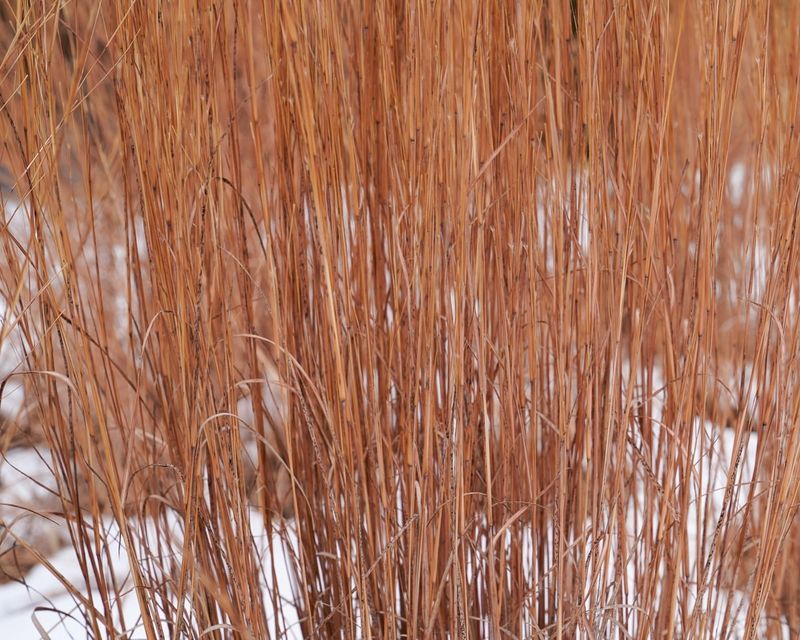
Most ornamental grasses are at their most dramatic when summer perennials have faded and the growing season starts wrapping up. Little bluestem earns its place in a yard precisely at that moment.
Through summer, its upright blades carry a blue-green or grayish-green tone that blends well in sunny borders. Then, as fall arrives, the foliage shifts into warm copper, bronze, and tawny orange tones that hold through winter.
That fall and winter color is where little bluestem really sets itself apart. When most of the yard looks brown or bare, a clump of little bluestem in full copper color adds genuine warmth and movement.
The seed heads catch light in late afternoon and add fine texture to the winter landscape. It is a native warm-season grass found naturally across much of North America, and it is well suited to this state’s growing conditions.
Full sun and well-drained soil are non-negotiable for this grass. It does not perform well in wet, shaded, or heavy clay spots.
Cutting it back to a few inches in late winter or early spring before new growth starts keeps the clump tidy and healthy. Little bluestem is not a plant for every corner of the yard.
In the right sunny, well-drained spot, its fall and winter foliage color is genuinely hard to replicate with anything else.