The Tomato Planting Mistake Most Ohio Gardeners Make In Late May
Late May feels like the green light every Ohio gardener has been waiting for. Warm days, soft soil, and that itch to finally get tomatoes in the ground.
So people plant, and they plant fast. And then somewhere around mid-June, the questions start.
Why do my tomatoes look stunted? Why aren’t they taking off like my neighbor’s?
The plants are alive, but something is clearly off. Most Ohio gardeners have been through this at least once, and a big chunk of them never connect it back to what happened on planting day.
There’s a mistake that’s incredibly common this time of year, and it’s not about the variety you chose or the fertilizer you used.
It happens right at the moment you put the plant in the ground, and it costs you weeks of growth before you even realize something went wrong.
1. Do Not Trust The Calendar More Than The Soil
Flip through any gardening magazine and you will find planting charts that make everything look simple. Plant tomatoes after the last frost date.
In much of this state, that window falls somewhere in mid to late May. The problem is that a date on a chart cannot tell you what your soil actually feels like six inches underground.
Many gardeners head to the garden center, pick up a flat of tomato transplants, and put them in the ground because it is late May and that is what late May is for.
But warm-season crops like tomatoes need warm soil to grow well, not just warm air temperatures.
Planting into soil that has not warmed up enough can stall root development and slow the entire plant down for weeks.
Late May can absolutely be a great time to plant tomatoes in many parts of the state. The key is making sure your specific garden is ready, not just the calendar.
Soil in a raised bed in a sheltered backyard may be ready well before a heavy clay plot in a low-lying open field.
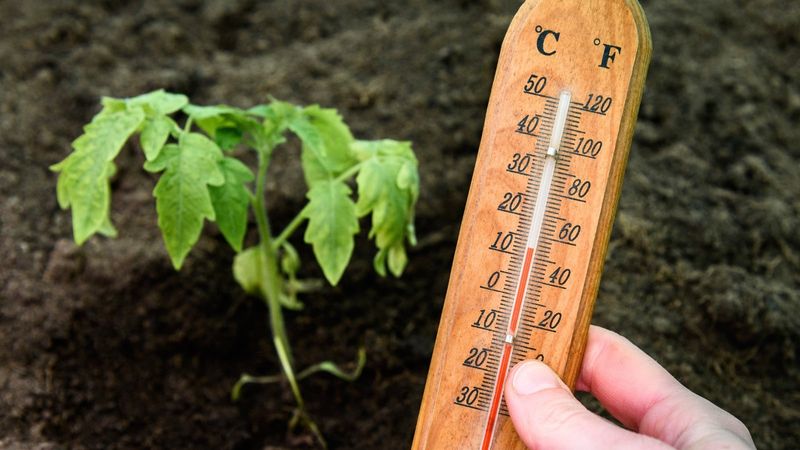
A few simple checks take only a few minutes and can save you weeks of frustration. Look at your recent weather, feel the soil, and check the actual soil temperature before you plant.
Planting at the right moment, even if it means waiting a few extra days, gives your tomatoes the best possible start. The calendar is a helpful guide, but your soil tells the real story.
2. Cold Soil Can Stall Young Tomato Plants
Reaching into the soil after a stretch of cool, rainy weather in late May can feel like reaching into a refrigerator. The surface may look dry, but just a few inches down, the ground can still hold a lot of cold from a wet, chilly week.
Tomato roots do not like that kind of environment.
Tomatoes are warm-season crops that evolved in warm climates. Their roots need soil temperatures of at least 60 degrees Fahrenheit to function well, and they really get moving at 65 degrees and above.
Your Ohio Garden Changes Every Week. Your Plan Should Too.
Gardening in Ohio changes quickly throughout the season. Every Friday you’ll receive a simple weekly plan showing exactly what to plant, prune, fertilize, harvest, and protect so you never miss the right timing.
When transplants go into soil that is colder than that, root activity slows way down. The plant cannot pull up water and nutrients efficiently, and growth stalls even if the air above feels pleasant.
Ohio gardeners sometimes blame the transplant or the variety when they see plants sitting without much new growth for two or three weeks after planting. Cold soil is often the real reason.
Plants may look fine at first but show stress signs later, including yellowing lower leaves, slow stem growth, or a general lack of vigor.
Cool rain, several cloudy days in a row, or a stretch of chilly nights can all push soil temperatures back down just when you thought spring had arrived for good. After any cool stretch, give the soil a few days to recover before planting.
A quick temperature check in the morning gives you the most accurate read.
That is before the sun has had a chance to warm the surface your roots will actually experience.
3. Warm Days Do Not Always Mean Warm Roots
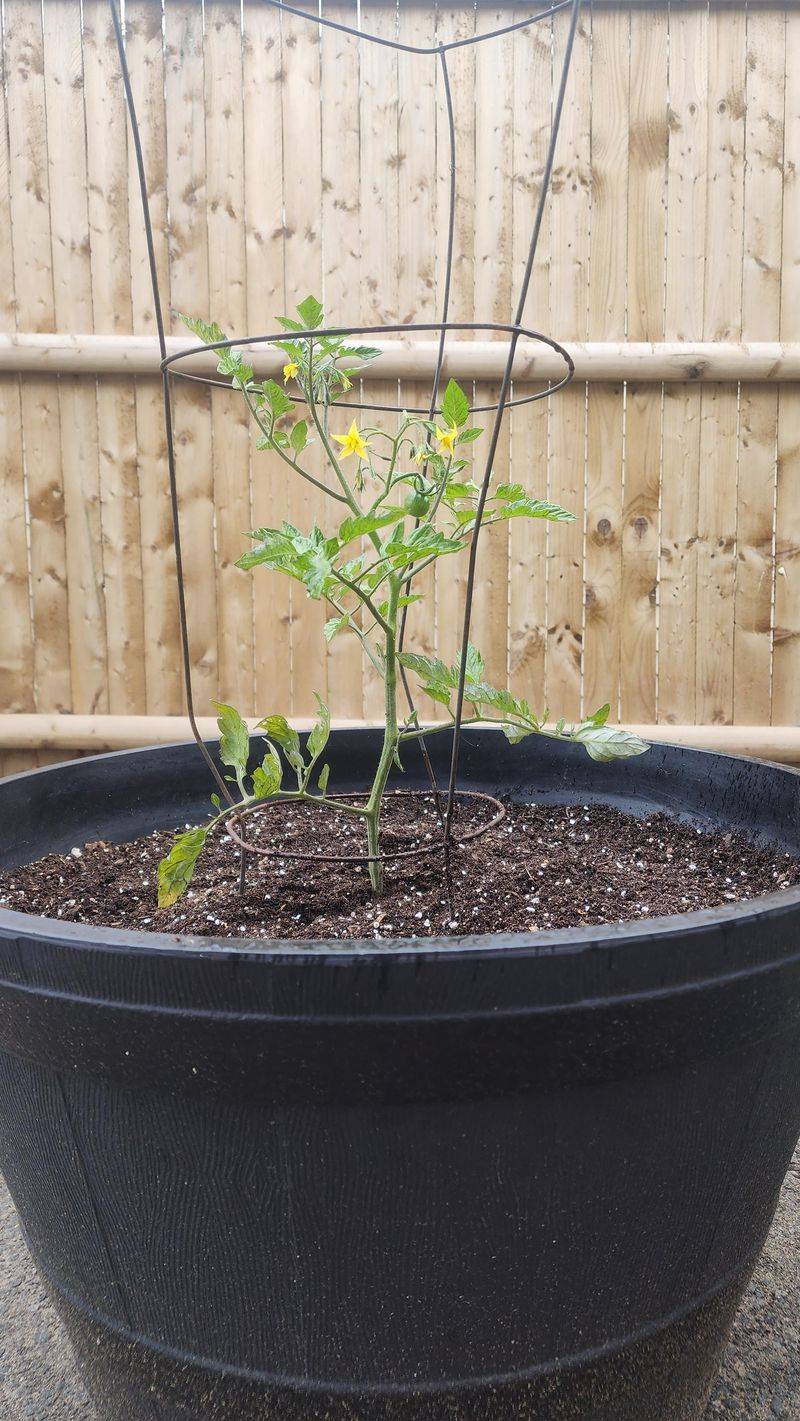
Standing in the garden on a sunny late May afternoon can feel downright summery. The air is warm, the sky is bright, and everything looks ready for tomatoes.
But step back inside and check your soil thermometer, and you might be surprised by what you find a few inches underground.
Air temperature and soil temperature are two very different things. The surface of dark garden soil can warm up quickly on a sunny day.
But four to six inches down, where tomato roots will actually live, the temperature may still be much cooler. Clay soils, shaded beds, and low-lying spots in the garden hold cold longer than raised beds, sandy soils, or south-facing spots with good sun exposure.
Raised beds tend to warm faster because they drain more quickly and have more surface area exposed to sunlight. Dark-colored containers can warm up quickly too.
If your tomatoes are going into a heavy clay border or a bed that gets morning shade, the root zone may lag behind the air temperature.
That lag can last by several degrees, sometimes for weeks.
Checking soil temperature at planting depth, roughly four to six inches deep, gives you a much more honest picture of what your transplants will experience.
Do this in the morning before the sun has warmed the surface, and check a few different spots in your garden.
You may find that one bed is ready while another still needs a few more warm days. Knowing the difference helps you plant smarter, not just earlier.
4. Frost Pockets Can Still Surprise Late-May Gardens
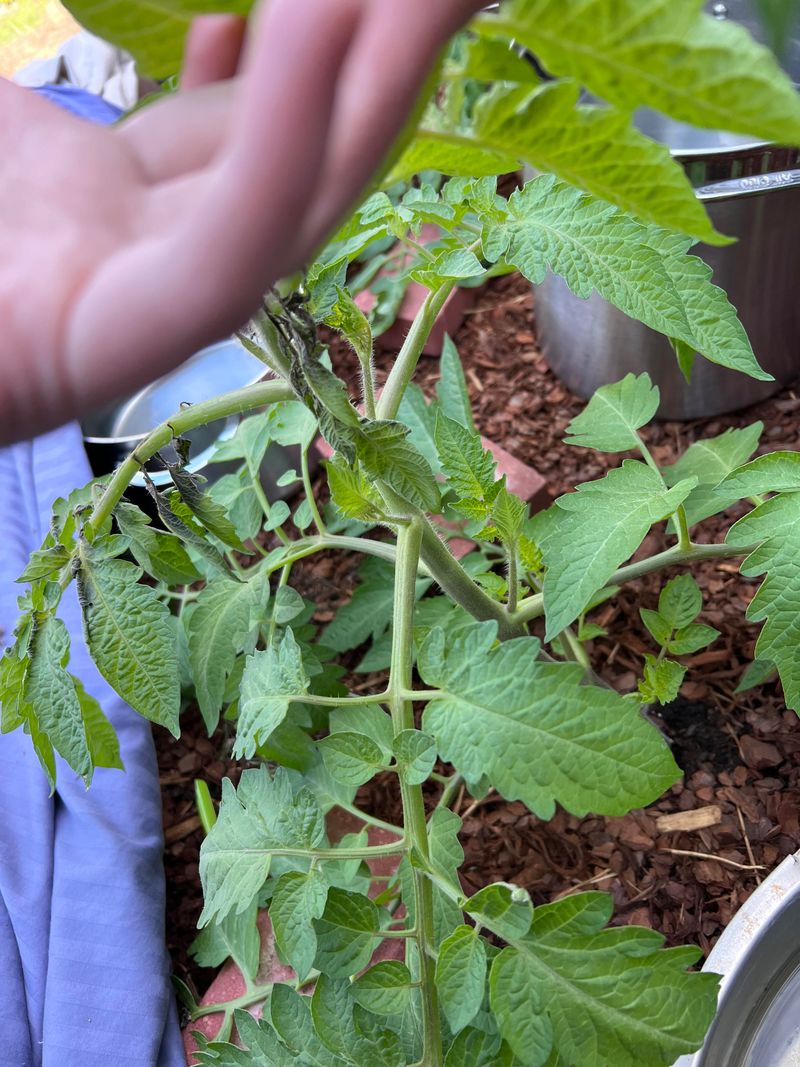
Most gardeners know about the last frost date, but not everyone thinks about where cold air actually settles in their yard.
Cold air is heavier than warm air, and on calm, clear nights it flows downhill and collects in low spots, valleys, and open areas with no windbreak.
These frost pockets can stay several degrees colder than a nearby raised bed or a protected corner of the yard.
In northern parts of the state and in rural areas away from city heat, late May frost events are not unheard of. Lake Erie-influenced areas and elevated inland spots can see surprise cold snaps even after several warm days.
A garden in a sheltered urban backyard surrounded by buildings and pavement may be several degrees warmer on a cold night than an open rural garden just a few miles away.
Walk your yard on a cool morning before you plant and pay attention to where frost lingers longest. Those spots are your frost pockets, and they need more caution in late May than the rest of your garden.
South-facing slopes, protected corners near fences or walls, and beds near the house tend to stay warmer. Low open areas, the bottom of a slope, or spots far from any windbreak tend to run cooler.
Check your local forecast for overnight lows before you commit to planting. If temperatures are expected to drop below 50 degrees on any night in the coming week, give your frost-prone spots a little more time.
Patience in late May often pays off with stronger plants by mid-June.
5. Hardening Off Matters Before Tomatoes Go Outside
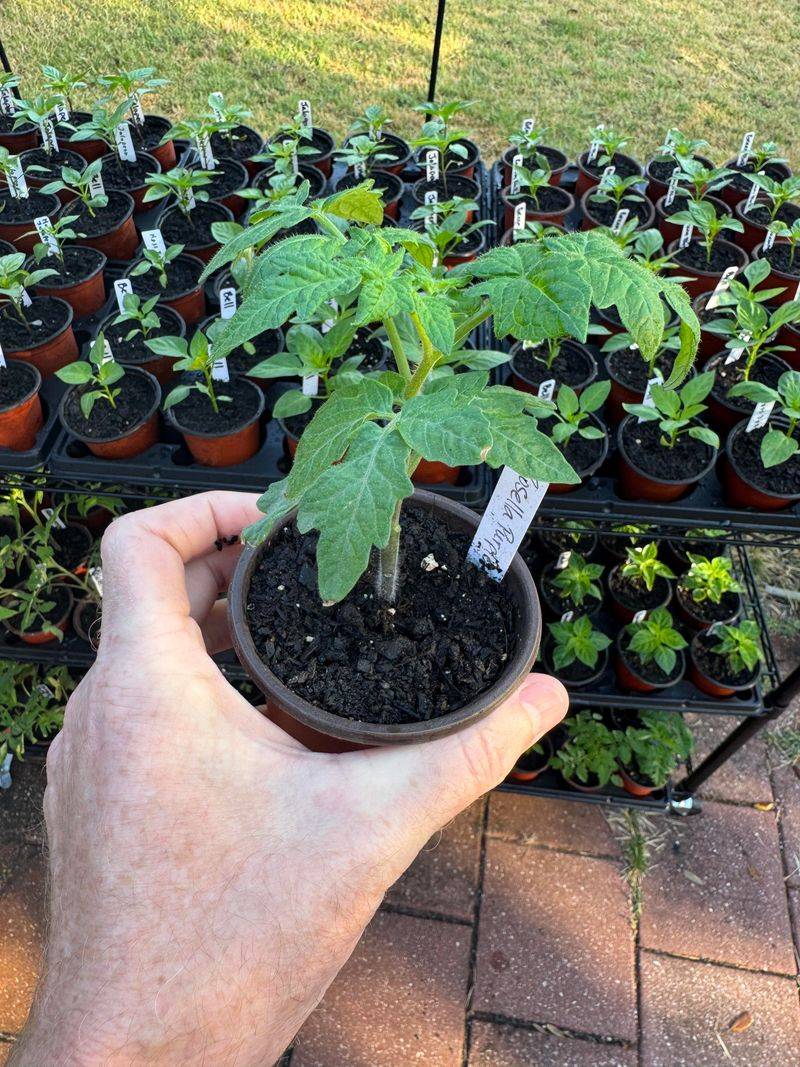
Picture a tomato seedling that has spent its whole life indoors under grow lights or in a warm greenhouse. The temperature has been steady, the wind has been zero, and the light, while bright, has been filtered.
Now imagine taking that plant and setting it directly into a garden bed on a breezy, sunny afternoon in late May. That is a serious shock for a young plant.
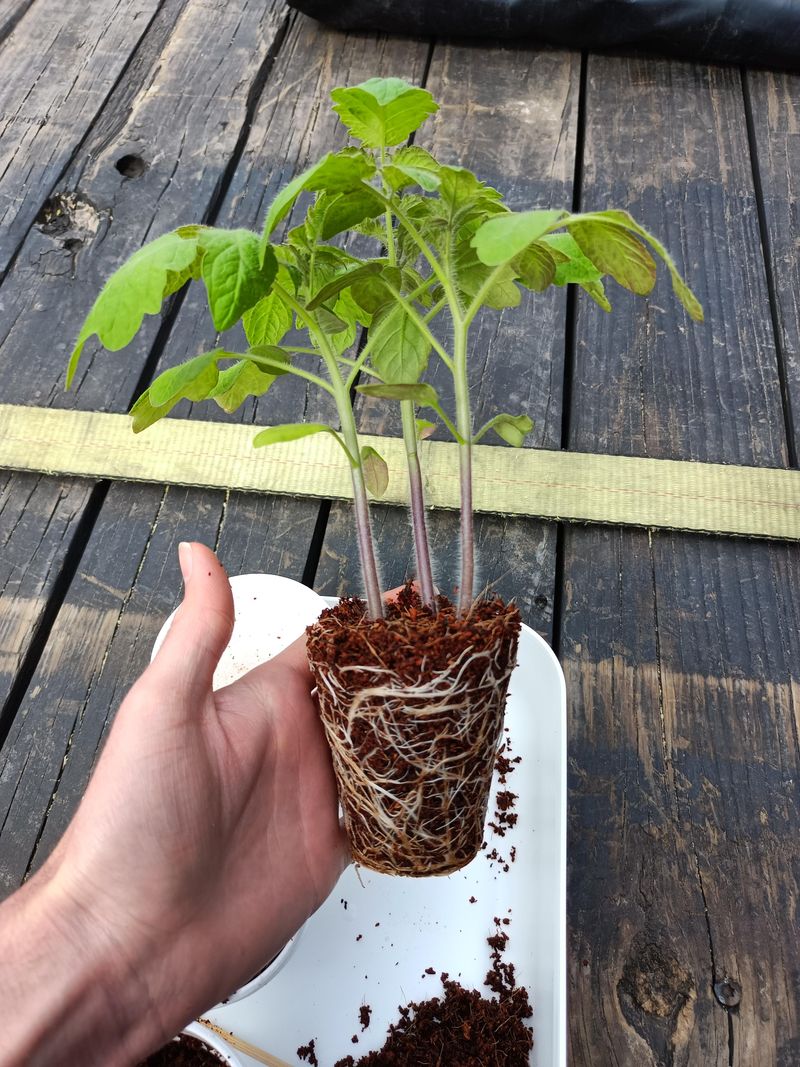
Hardening off is the process of gradually introducing indoor-grown or greenhouse transplants to outdoor conditions. It usually takes about seven to ten days.
Set plants outside for a few hours at a time, starting in a shaded or sheltered spot.
Then slowly increase their exposure to sun, wind, and temperature changes.
Skipping this step, or rushing through it, can stress transplants even when the soil is warm and the forecast looks perfect.
Signs of transplant shock include wilting, sunscald on leaves, leaf curl, or a general slowdown in growth after planting. Sometimes plants bounce back within a week or two, but they lose valuable growing time during that recovery.
A well-hardened transplant, by contrast, adjusts quickly and starts putting on new growth within days of going into the ground.
If you bought transplants from a garden center that kept them in a covered greenhouse, ask whether they have been hardened off. Many have not been fully hardened.
Give them a few days of outdoor exposure before planting, even if the soil temperature and forecast both look good. That small extra step protects your investment and keeps your plants moving forward from day one.
6. Mulch Too Early Can Keep Soil Cooler
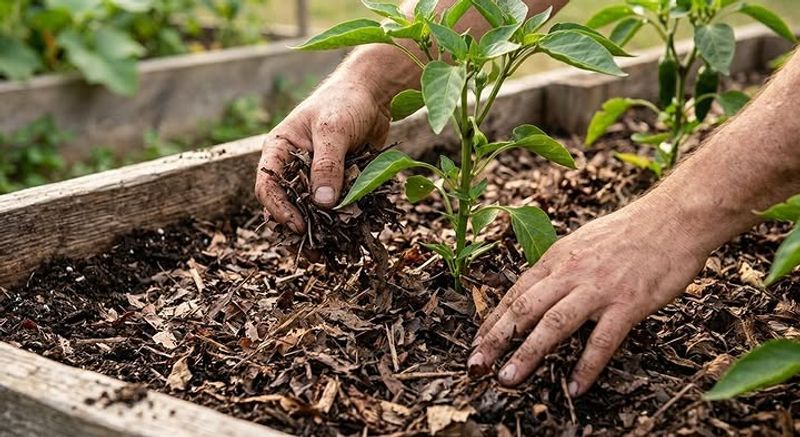
Mulch is one of the best tools a vegetable gardener has. It holds moisture, reduces weeds, keeps soil from splashing onto lower leaves, and evens out soil temperature swings during the heat of summer.
But timing matters, and applying thick mulch too early in the season can actually work against you.
In late May, soil may still be working its way up to a good planting temperature.
A thick layer of straw, wood chips, or shredded leaves can act like a blanket that keeps the cold in. Mulch blocks sunlight from reaching the soil surface and slows the natural warming process.
If you mulch heavily right after planting into borderline-cool soil, you may extend the cold root zone problem rather than solving it.
A better approach is to wait until soil is consistently warm and your transplants have put on a few inches of new growth before applying a heavier mulch layer.
By that point, the soil has had time to warm up fully, and the mulch will help you hold that warmth and moisture rather than trapping cold.
Light mulch, just an inch or so, is a reasonable compromise if you want some weed control right away without blocking too much heat.
Dark-colored plastic mulch is sometimes used specifically to warm soil before planting, which is a different situation. That technique can help in cool springs, but it requires planning ahead.
For most home gardeners using organic mulch, holding off until early to mid-June gives the soil the warm-up time it needs.
That helps support strong tomato root growth through the rest of the season.
7. A Soil Thermometer Prevents The Guesswork
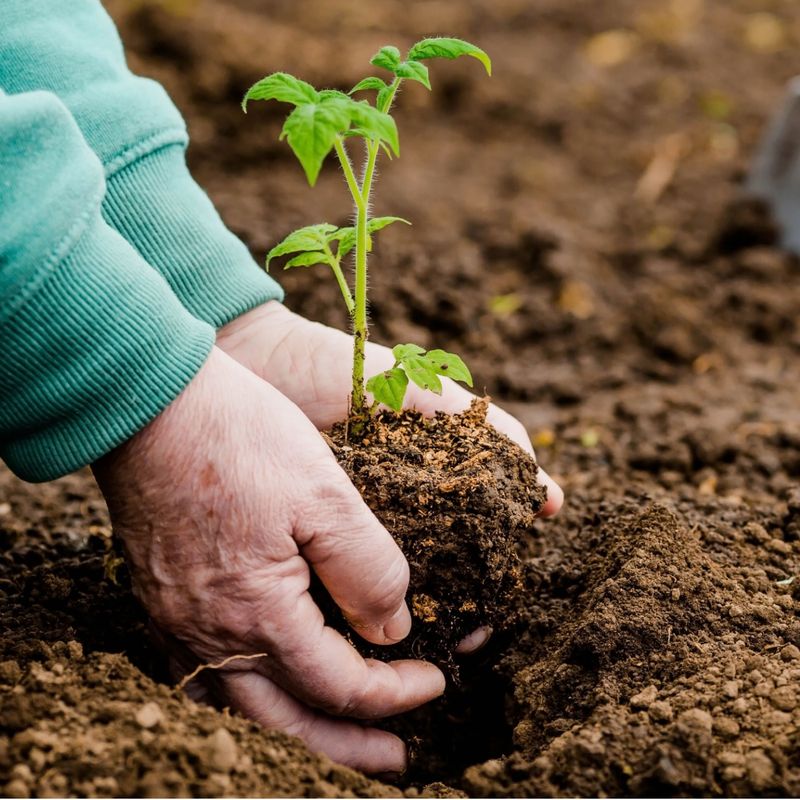
For less than fifteen dollars, a basic soil thermometer can change the way you plant every spring. It takes the guesswork out of one of the most important decisions of the gardening season.
It gives you real information instead of assumptions based on how the air feels or what week it is.
Push the probe four to six inches into the soil, which is roughly the depth where tomato roots will spend most of their time after planting.
Check the temperature in the morning before the sun has warmed the surface, since morning readings give you a more accurate baseline than afternoon readings.
A single warm afternoon can push surface soil up quickly, but it does not represent what roots will experience overnight or on a cloudy day.
Most extension guidance suggests waiting until soil reaches at least 60 degrees Fahrenheit before planting tomatoes.
For strong early growth, 65 degrees is a more comfortable target. Check several spots in your garden, because temperatures can vary by several degrees between a raised bed, a clay border, and a low-lying area.
One warm reading in one spot does not mean the whole garden is ready.
Combine your soil temperature reading with a look at the five-day forecast. If overnight lows are expected to stay above 50 degrees and your soil is consistently at 60 to 65 degrees or warmer, you have a solid green light for planting.
Add a hardened-off transplant and a well-prepared bed, and your tomatoes will have every advantage they need to grow strong from the moment they go into the ground.