These Are The Plants California Experts Say You Should Remove Before June
Some plants look harmless for most of the year, then California’s dry season gives them a very different meaning.
A shrub near the house, a vine along the fence, or a tree with messy buildup can become a bigger concern once heat and wind settle in. That is why CAL FIRE urges homeowners to think carefully about what grows close to their homes before June arrives.
The goal is not to strip a yard bare or make it look dull. It is about spotting plants that can create extra risk when they dry out, shed too much, or grow too close to structures.
Some of the worst offenders are surprisingly common in California landscapes, which is what makes this topic so important.
A plant that seemed useful in spring may not be so welcome by summer. Before fire season gets more intense, it is worth knowing which plants deserve a second look.
1. Struggling Shrubs Can Become Summer Fuel
Most people do not realize how fast a struggling shrub can turn into a fire risk once summer heat arrives.
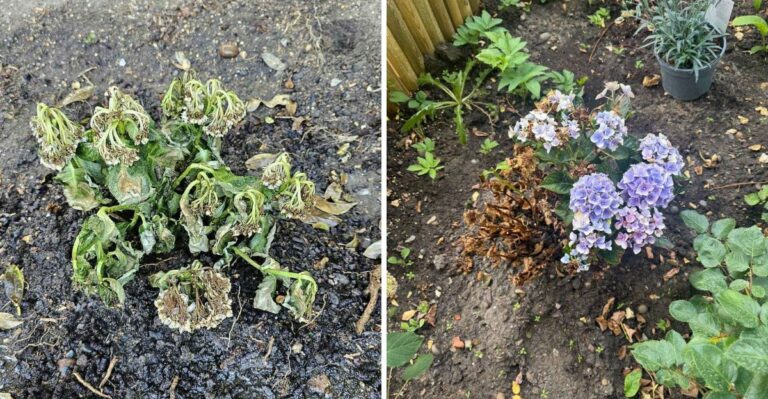
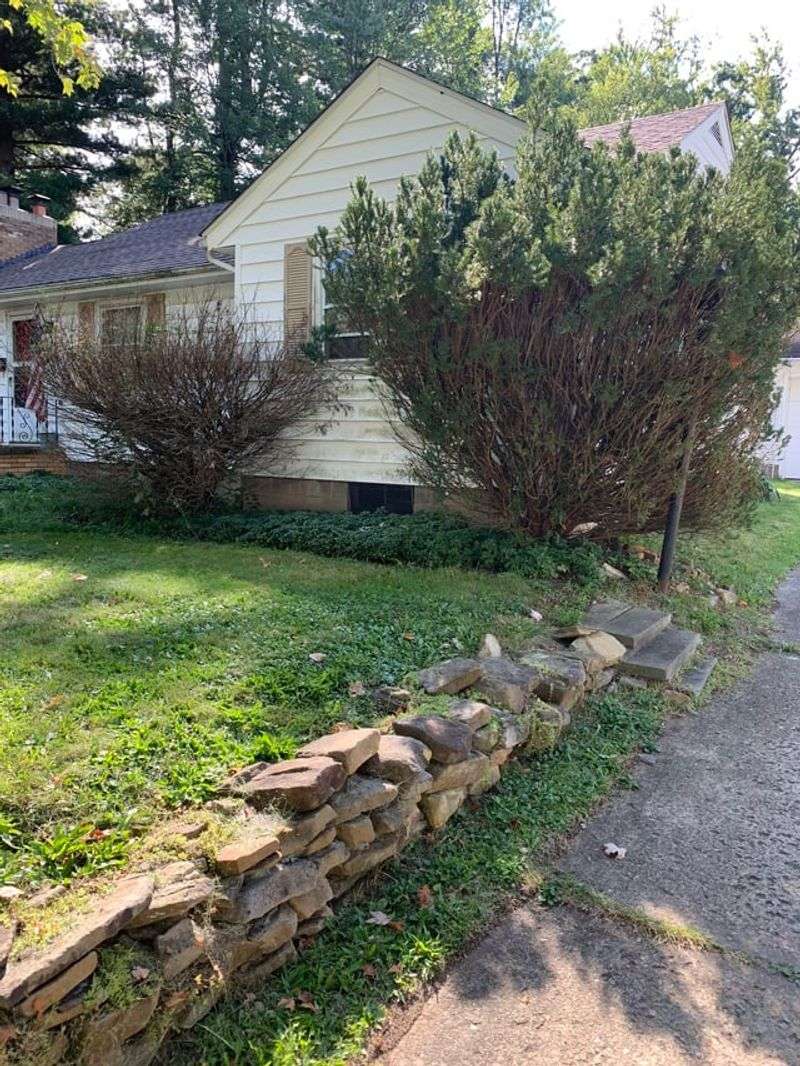
Shrubs that are already showing signs of stress, like brown leaves, brittle branches, or patchy growth, are much more flammable than healthy green plants. Experts recommend walking your yard now and checking every shrub carefully.
When a shrub has more withered wood than live growth, it is time to act. You can try cutting it back hard to see if new growth comes in. But if the plant does not respond within a few weeks, removal before June is the safer choice.
Keeping struggling shrubs in place through summer is a gamble that many homeowners regret.
Dry, woody material catches quickly in high heat and wind. Removing these plants also frees up water and nutrients for the healthier plants nearby.
A good rule of thumb is to clear any shrub that sits within 30 feet of your home if it looks more gone than alive.
Chip the removed material or haul it away rather than leaving it in a pile. Small actions like this can make a measurable difference when fire season starts in earnest.
2. Dry Ornamental Grasses Should Be Cut Back
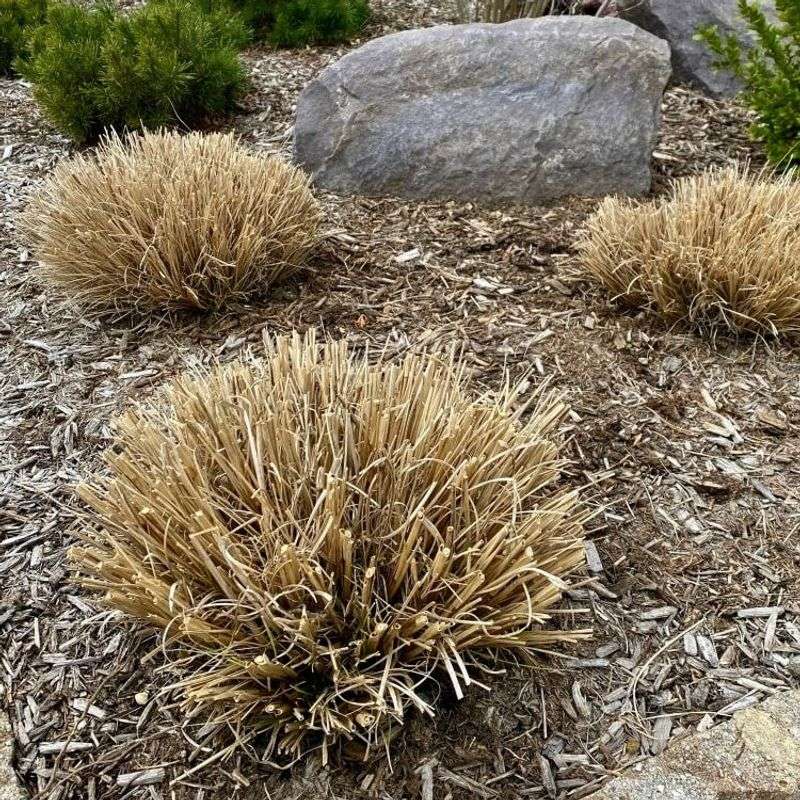
Few plants look as dramatic and beautiful as ornamental grasses in their prime. But once they go dormant and dry out, those same tall, flowing blades become a serious fire concern.
By late spring, many ornamental grasses in our state are nothing but dry, papery material waiting for a spark.
Cutting them back before June is one of the most recommended tasks by fire safety experts and landscape professionals alike.
The good news is that most ornamental grasses are incredibly resilient. Cut them down close to the base, and they will bounce back with fresh green growth as the season progresses.
Use sharp hedge shears or a reciprocating saw for thicker clumps. Tie the blades together before cutting to make cleanup easier. Bag or haul away the dried material right away, since leaving it on the ground still poses a risk.
Your California Garden Changes Every Week. Your Plan Should Too.
Gardening in California changes quickly throughout the season. Every Friday you’ll receive a simple weekly plan showing exactly what to plant, prune, fertilize, harvest, and protect so you never miss the right timing.
Popular varieties like pampas grass, feather grass, and fountain grass are especially prone to drying out fast. Pampas grass in particular can grow massive and hold an enormous amount of dry fuel.
Many local fire departments actually list it as one of the top plants to manage before the warm months arrive. Staying on top of this one task can genuinely protect your property.
3. Rosemary Hedges Need Fire-Smart Pruning
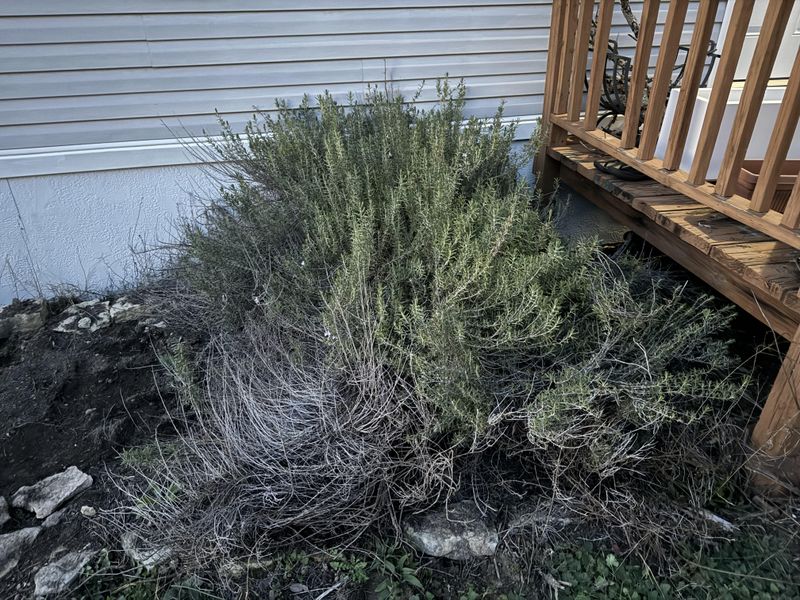
Rosemary smells amazing and looks lush in cooler months, but it has a lesser-known quality that makes experts nervous come summer.
The oils that give rosemary its signature scent are also highly flammable. A dense, unpruned rosemary hedge is essentially a row of natural kindling sitting right next to your home.
Fire-smart pruning means more than just trimming the tips. You want to remove the dry, woody interior branches that do not carry any live growth.
Thinning out the plant allows air to move through it and reduces the amount of dry fuel packed inside.
Keep rosemary hedges away from fences, eaves, and wooden structures if possible. If they are already planted close to your house, maintaining a regular pruning schedule becomes even more critical.
Experts suggest cutting back about one-third of the plant before June to keep it manageable.
Do not compost fresh rosemary trimmings in a pile near your home since the oils linger even in cut material.
Bag them up and put them out with green waste instead. Rosemary is a wonderful plant for our climate and does not need to be removed entirely.
With the right maintenance, it can stay beautiful and safe all year long. A little effort now goes a long way.
4. Overgrown Junipers Can Hold Too Much Dry Growth
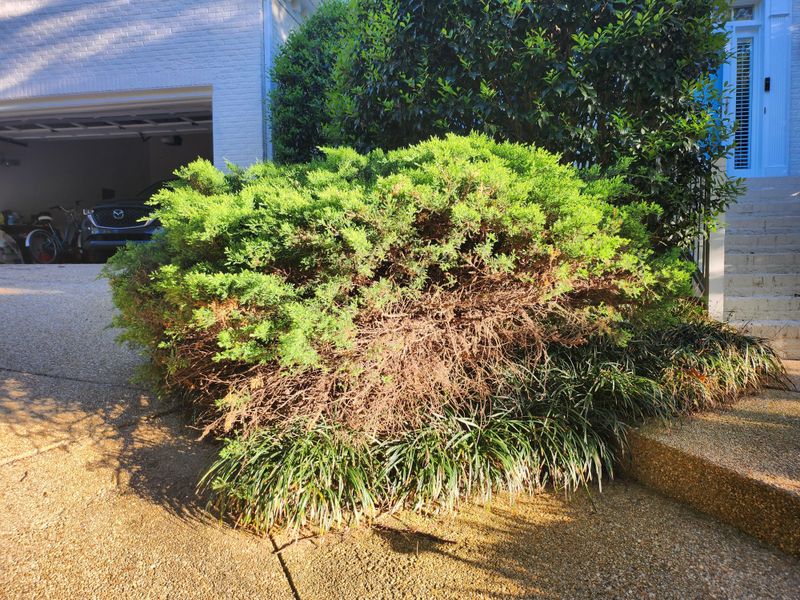
Junipers are one of the most common landscaping plants across our state, and for good reason.
They are drought-tolerant, low-maintenance, and come in dozens of shapes and sizes. But that same dense, layered growth that makes them so attractive also makes them dangerous when not properly managed.
The inside of a mature juniper can hide years of dry material that never gets enough airflow or sunlight to break down naturally. From the outside, the plant may look full and green. But reach inside and you will often find a thick mat of brown, crackly debris that burns fast and hot.
Experts recommend pulling out the withered interior growth by hand or with gloves and pruning shears before summer arrives.
You should also trim back any branches that are touching the ground, since ground contact creates a direct path for fire to travel up into the plant.
Spacing matters too. Junipers planted too close together create a connected line of fuel that fire can move through quickly. If you have a row of them, make sure there is at least a few feet of clear space between each plant.
Removing the most overgrown ones entirely may be the right call in some cases. Talk to a local fire-wise landscaper if you are unsure about the best approach for your specific yard.
5. Old Palm Fronds Should Come Down
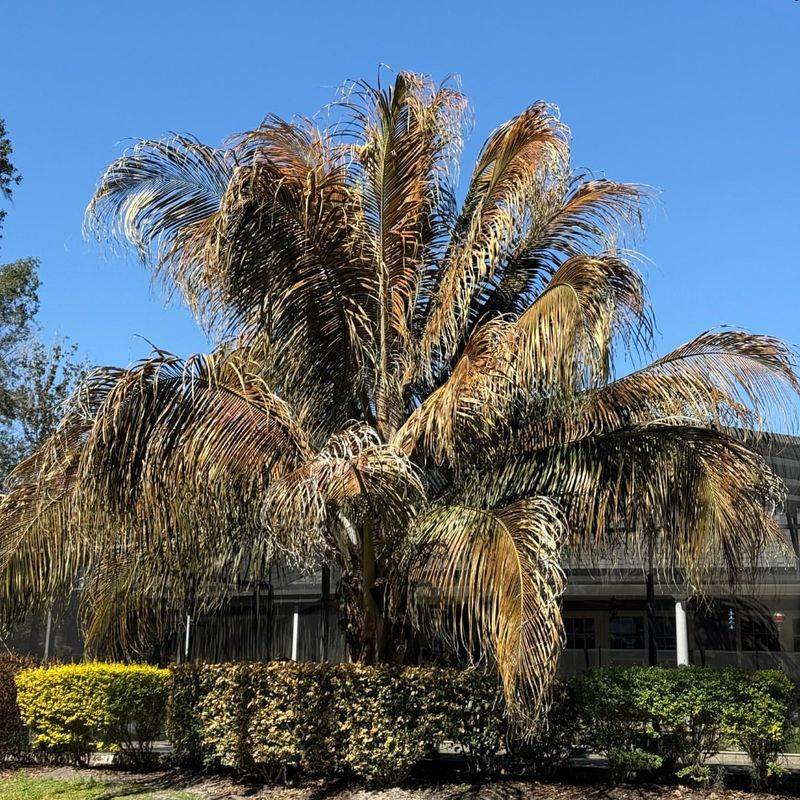
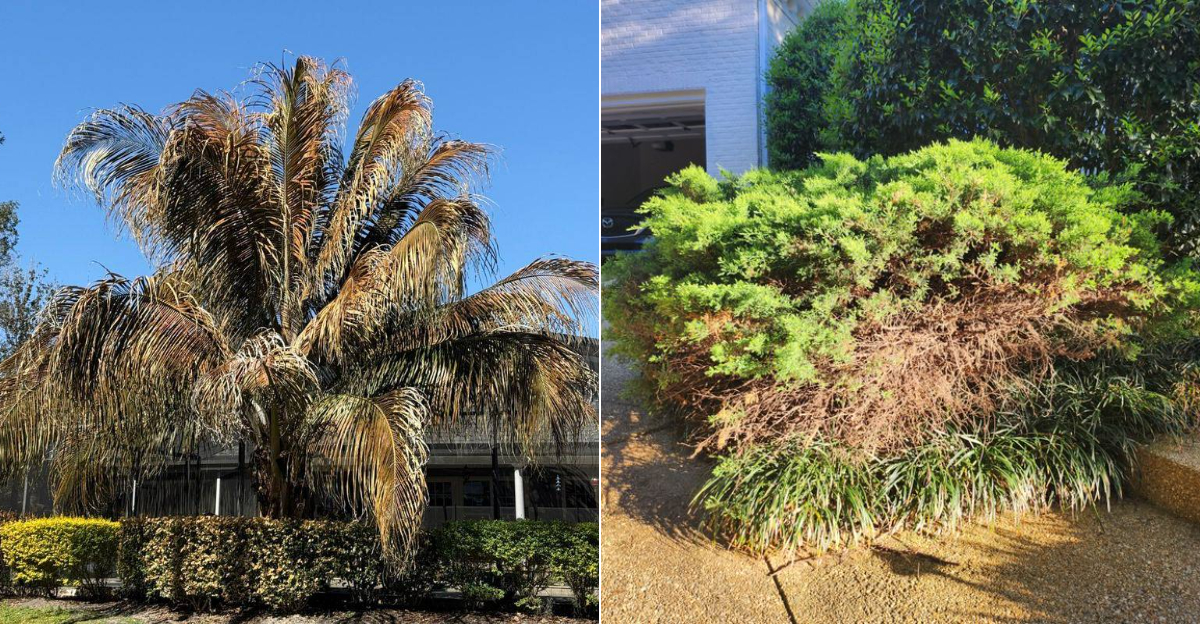
Palm trees are one of the most iconic sights in our state, lining streets and standing tall in backyards from the coast to the inland valleys.
But those long, drooping brown fronds that hang beneath the green canopy are more than just an eyesore. They are a well-documented fire hazard that experts urge homeowners to address every spring.
Withered palm fronds are dry, fibrous, and incredibly flammable. They also tend to trap other debris like leaves and bird nests, which adds even more fuel to the mix.
When embers land in a cluster of old fronds during a wildfire or a dry windstorm, the results can be dramatic and fast-moving.
Removing old fronds before June is a task that should be on every palm tree owner’s spring checklist.
For shorter palms, a sturdy ladder and a pruning saw may be enough. For taller varieties, hiring a licensed arborist is the safest route since working at height around palms carries real risk.
Only remove the fronds that are clearly brown and hanging down. Do not cut green fronds that are still growing horizontally or upward, as that can stress the tree.
Clean frond removal gives your palm a neat, healthy look while significantly lowering the fire risk it presents. It is one of the easiest wins you can score before summer.
6. Climbing Vines Can Carry Flames Up Fences And Walls
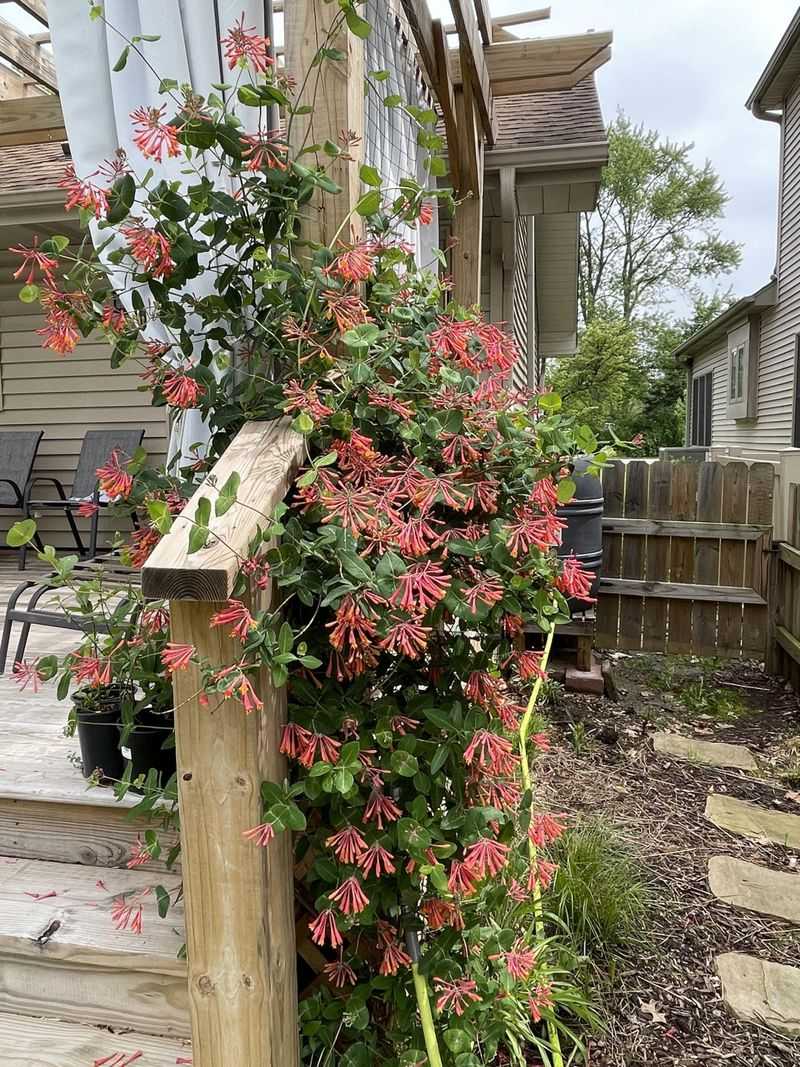
Climbing vines can make a California yard look lush and finished, especially when they soften fences, pergolas, trellises, and blank exterior walls.
But once spring growth gets thick, those same vines can become a hidden fire concern. The problem is not always the fresh green leaves people notice first.
It is the dry stems, trapped leaves, old flowers, and tangled inner growth that build up underneath.
Vines can also act like a ladder for flames. When they climb a wooden fence, wrap around a deck railing, or reach toward the side of a house, they can give fire an easy path upward and across structures.
During wildfire weather, windblown embers can land in the dry material caught inside the vine mass and start smoldering before a homeowner even realizes there is a problem.
Before summer, take a hard look at any vine growing on or near fences, sheds, walls, gates, or pergolas.
Thin it back so it is not packed with dry interior growth. Remove dry stems, fallen leaves, and debris caught at the base.
If a vine is growing directly against the house, consider cutting it back or training it onto a separate trellis with space behind it.
The goal is not necessarily to remove every vine in the yard. It is to keep climbing plants from becoming a bridge between ground-level fuel and your home.
7. Dry Rose Canes And Leaf Litter Should Be Cleared
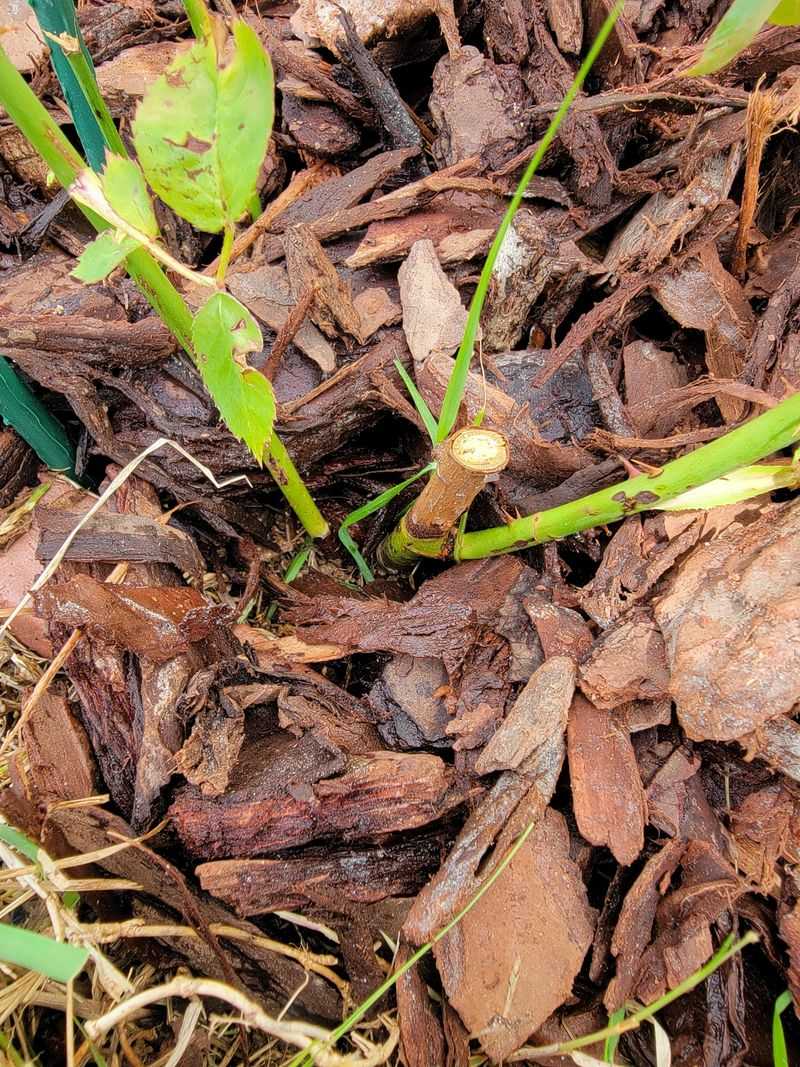
Roses are a classic part of California gardens, and by late spring many have already put on their first big show.
But once those early blooms fade, rose beds can start collecting exactly the kind of material homeowners should not ignore before summer.
Dry canes, fallen petals, old leaves, and twiggy prunings can gather beneath the plant and create fine fuel around the base.
This is especially important near fences, walkways, decks, and the sides of the house. Rose leaves affected by disease often drop and collect under the shrub, while spent blooms can dry quickly in warm weather.
Add in crossing canes, old woody stems, and crowded growth, and the center of the plant can become both messy and harder to maintain.
Clearing rose beds before summer is a simple but useful fire-smart habit. Start by removing dry leaves, fallen petals, and old clippings from beneath each plant. Cut out canes that are clearly dry, damaged, or rubbing against other stems.
Thin crowded growth lightly so air can move through the plant, but avoid a harsh summer prune that shocks the rose just as heat is building.
Once the bed is clean, keep mulch modest and away from the crown of the plant. A tidy rose bed looks better, reduces disease pressure, and removes small fuels before they become part of a bigger summer problem.
8. Shrubs Touching The House Should Be Cut Back
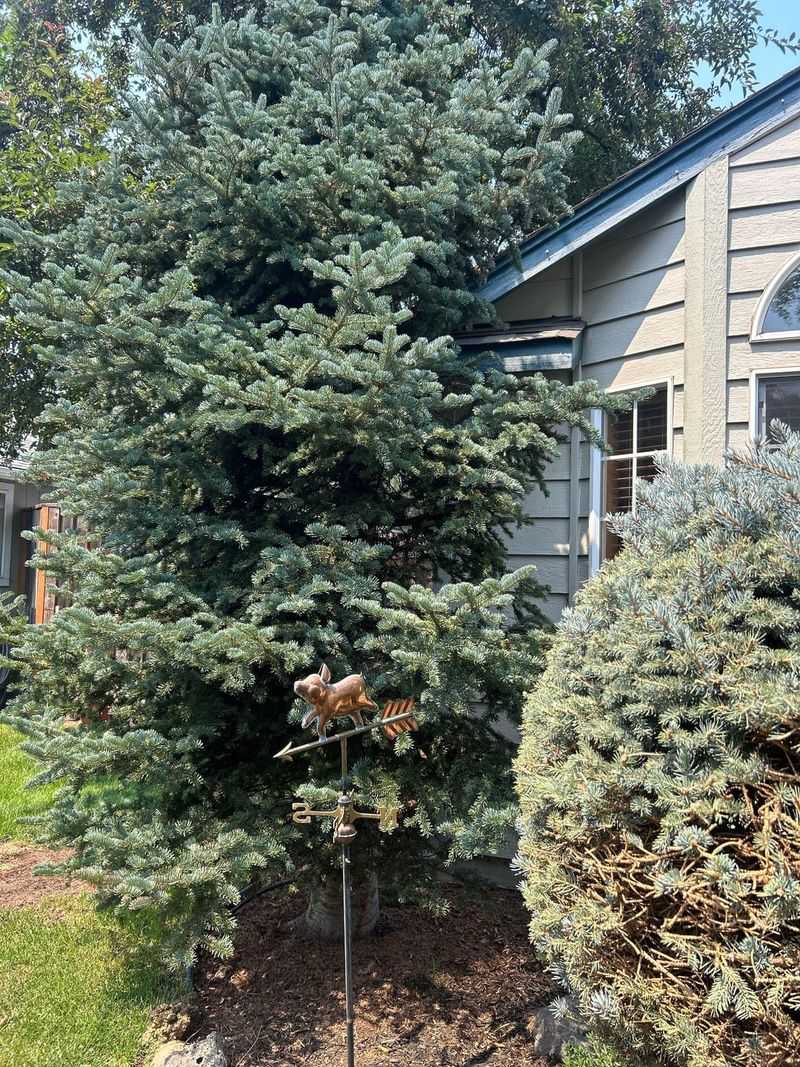
Shrubs planted close to the house can look polished and intentional in spring, especially when they frame windows, soften foundations, or hide bare walls.
But once the weather turns dry, dense shrubs pressed against siding become more than a landscaping choice.
They can hold dry leaves, twiggy growth, and hidden debris right where homeowners least want extra fuel.
This is one of the simplest defensible space issues to overlook because the plants may still look healthy from the outside.
The concern is what is happening inside and underneath the shrub. Old leaves, broken stems, and dry interior growth can collect where sprinklers do not reach and where cleanup is easy to skip.
If embers blow into that pocket during a wildfire, the plant can become a direct threat to the structure.
Before summer, walk around the house and look for shrubs touching siding, vents, decks, stairs, or windows.
Cut them back so there is open space between the plant and the building. Remove dry debris from underneath, thin out crowded stems, and avoid letting branches grow into vents or under eaves.
You do not have to strip the yard bare. The goal is to break contact between plants and the home so a pretty foundation planting does not become a fire pathway.