The Most Common Mistakes North Carolina Gardeners Make With Tomatoes Every Single Summer
Tomatoes are the most grown vegetable in North Carolina home gardens, and they are also the most troubleshot.
Every summer the same problems show up across the state, blossom drop during heat waves, cracked fruit after heavy rain, yellowing leaves that spread faster than expected, and harvests that fall short of what the plants seemed capable of delivering in spring.
Most of these outcomes trace back to a short list of mistakes that repeat themselves year after year, often made by experienced gardeners who know better in theory but fall into familiar habits anyway.
North Carolina’s specific combination of heat, humidity, and unpredictable summer rain makes certain mistakes more damaging here than they would be in a more forgiving climate.
Understanding which ones matter most is the fastest way to change what ends up coming off the vine this season.
1. Planting Tomatoes Too Close Together Creates Major Disease Problems
Walk through almost any North Carolina backyard garden in June, and you will probably spot it right away. Tomato plants crammed together so tightly that their leaves overlap, their stems touch, and the air between them barely moves.
It looks like a lush, productive garden, but underneath all that green growth, trouble is already building.
Poor airflow between tomato plants is one of the biggest reasons gardeners lose crops to fungal disease every single summer. When leaves cannot dry out after morning dew or afternoon storms, moisture sits on the foliage for hours.
That prolonged wetness creates perfect conditions for early blight, Septoria leaf spot, and other common tomato diseases that thrive in warm, humid weather.
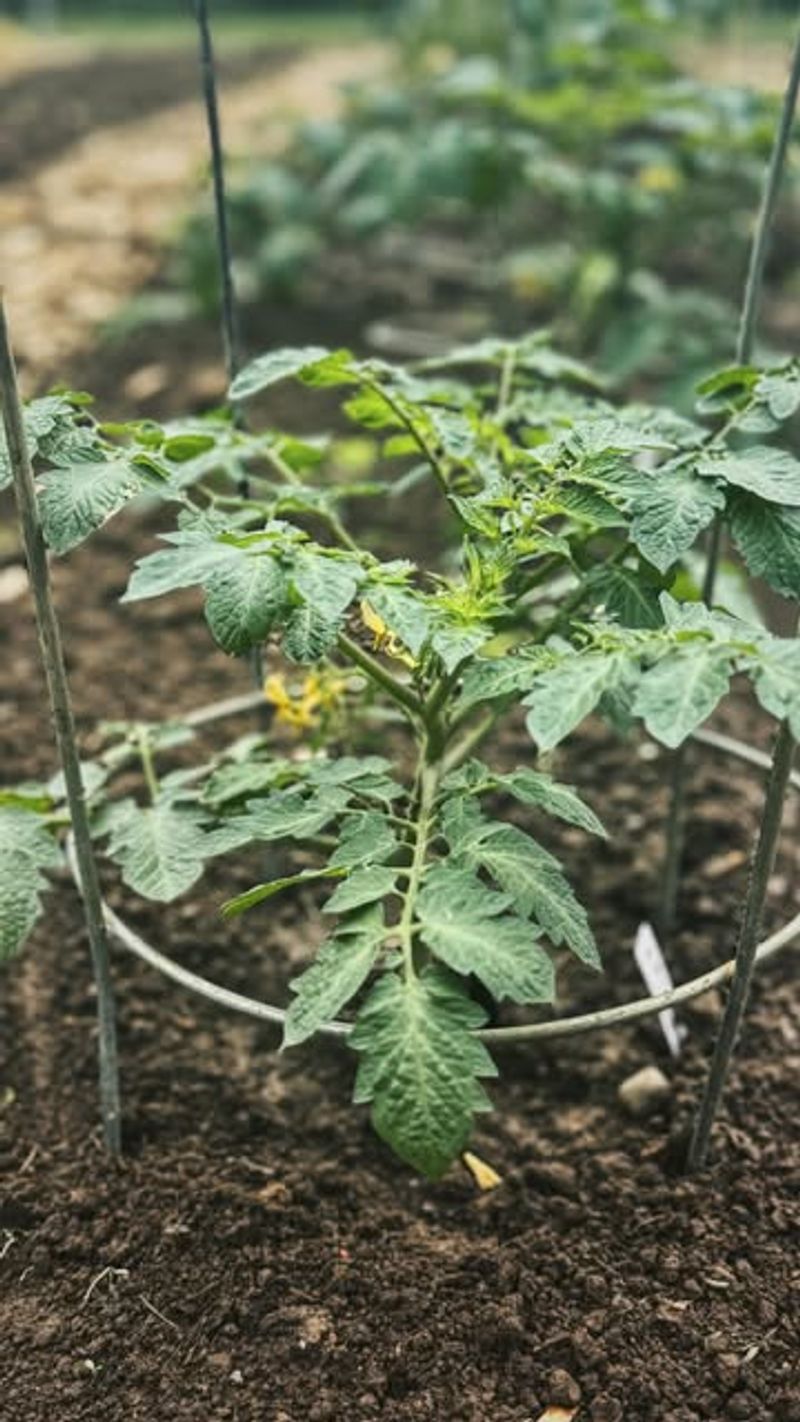
For most caged tomato varieties, spacing plants at least 24 to 30 inches apart in rows gives enough airflow to help leaves dry faster after rain. Indeterminate varieties, which keep growing all season, need even more room, often 36 to 48 inches between plants.
In raised beds, resist the urge to squeeze in extra plants just because space feels limited.
Wider spacing also means more sunlight reaches the lower parts of the plant, which helps reduce disease pressure from the ground up. Fewer plants with better spacing almost always outperform a crowded garden in North Carolina summers.
Give your tomatoes room to breathe, and they will reward you with stronger plants and a much healthier harvest.
2. Watering Tomato Leaves In The Evening Encourages Fungal Disease
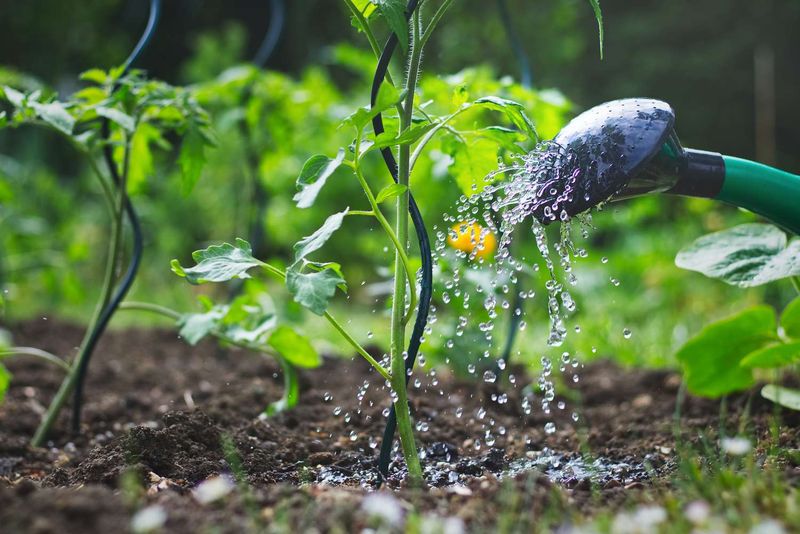
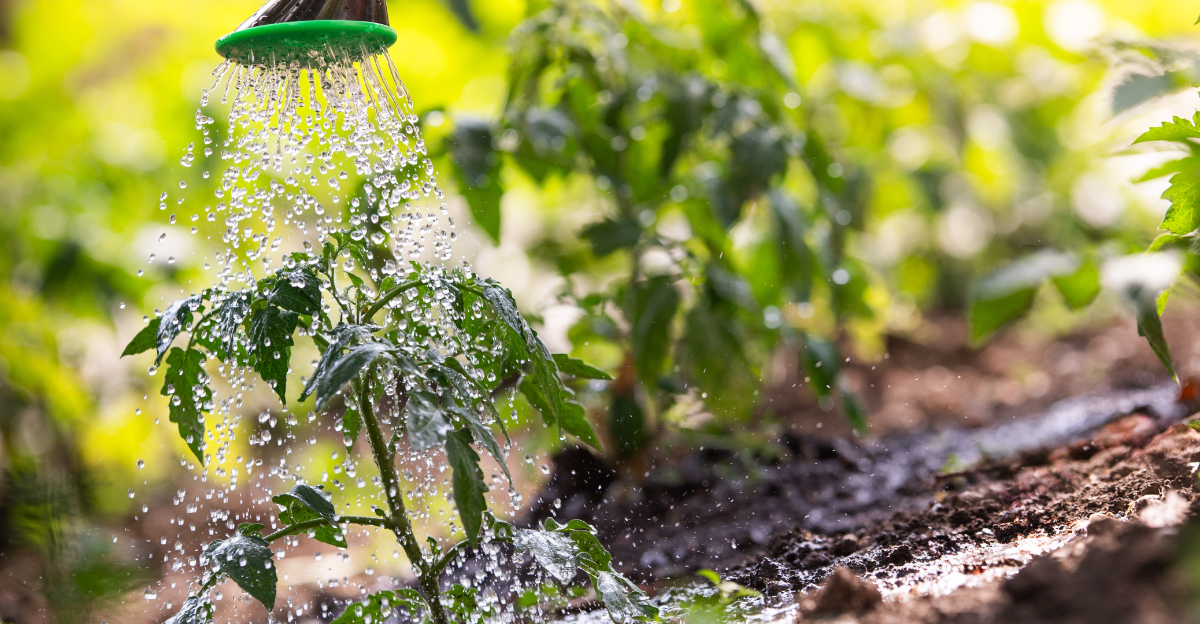
Grab a hose on a hot evening and spray your tomato plants from above, and you have just handed fungal disease exactly what it needs to spread.
Wet leaves overnight in North Carolina summers are practically an invitation for black spot, early blight, and late blight to take hold.
The combination of warm temperatures and prolonged moisture on foliage creates conditions that fungal spores absolutely love.
Many gardeners water in the evening simply because it feels cooler and more comfortable after a long workday. That logic makes sense for the gardener but works against the tomatoes.
Leaves that stay wet from sundown until mid-morning the next day have far more exposure to disease pressure than plants watered earlier in the day when sunshine can quickly dry the foliage.
Your North Carolina Garden Changes Every Week. Your Plan Should Too.
Gardening in North Carolina changes quickly throughout the season. Every Friday you’ll receive a simple weekly plan showing exactly what to plant, prune, fertilize, harvest, and protect so you never miss the right timing.
Morning watering is always the better choice for tomatoes in North Carolina. Watering between 6 and 9 in the morning gives plants plenty of moisture before the heat peaks, and any water that splashes on leaves dries quickly once the sun climbs higher.
Keeping the water aimed at the soil rather than the foliage makes an even bigger difference.
Soaker hoses and drip irrigation are two of the best tools a tomato gardener can use. They deliver water directly to the root zone without wetting leaves at all.
Pair either option with a 2 to 3 inch layer of mulch around the base of each plant, and you will see a noticeable improvement in plant health throughout the summer.
3. Letting Tomato Plants Stay Wet After Summer Storms Leads To Trouble
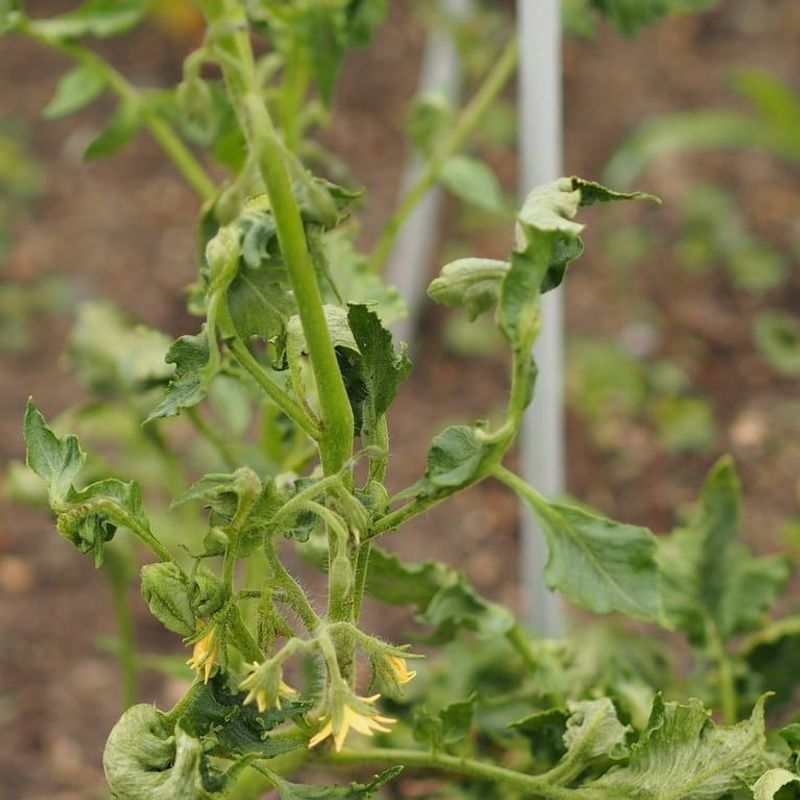
North Carolina summers bring some serious rainstorms, and they can roll through fast and hard. One afternoon thunderstorm can dump an inch or more of rain on your garden in under an hour, leaving your tomato plants soaking wet from top to bottom.
Most gardeners see that rainfall as a good thing, but the aftermath is where the real problems begin.
When tomato plants stay wet for extended periods after storms, the combination of soggy soil, wet foliage, and warm humid air creates ideal conditions for fungal outbreaks.
Diseases like early blight and Septoria leaf spot can spread rapidly when spores from the soil splash up onto lower leaves during heavy rain.
Without good drainage and airflow, that moisture lingers far too long.
Mulching around tomato plants with 2 to 3 inches of straw or wood chips helps reduce soil splash significantly. When raindrops hit bare soil, they send tiny particles of dirt and fungal spores flying upward onto the lowest leaves.
A thick mulch layer absorbs that impact and keeps the splash contained.
Pruning lower branches so no foliage touches the soil also reduces how quickly disease moves from the ground to the plant. Staking and caging plants properly keeps vines off the ground after storms, which improves airflow through the canopy.
If your garden has drainage issues, consider raising your beds or improving the soil structure with compost so water moves through rather than pooling around your tomato roots after every summer storm.
4. Many North Carolina Gardeners Underestimate Tomato Hornworms
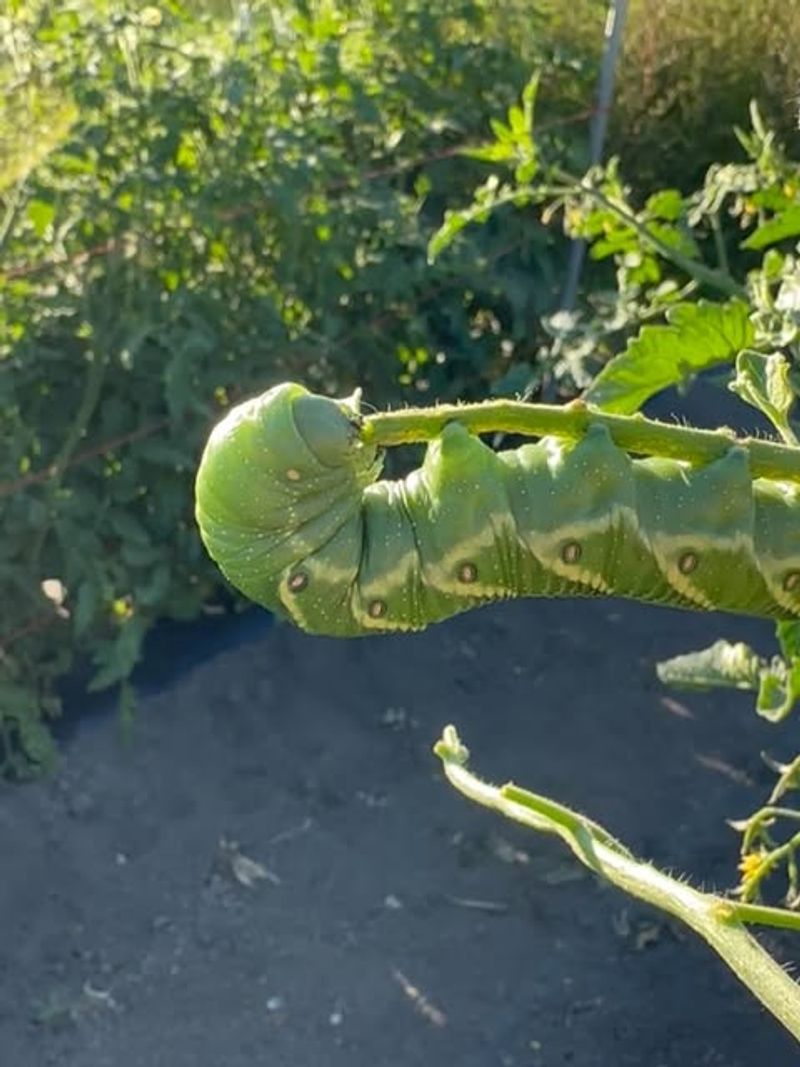
Tomato hornworms are sneaky. These caterpillars can grow up to four inches long and still be almost impossible to spot on a plant because their bright green color matches tomato foliage almost perfectly.
By the time most gardeners notice the damage, a hornworm has already stripped entire branches clean of leaves and moved on to the next section of the plant.
North Carolina summers are prime time for hornworm activity. The warm soil temperatures encourage the pupae to emerge earlier, and the lush tomato growth gives them plenty to feed on.
A single large hornworm can cause shocking amounts of damage in just a couple of days, which is why early detection matters so much.
The best way to find hornworms is to inspect your plants carefully two or three times per week, especially checking the undersides of leaves and along the main stem.
Look for dark green or black droppings on the leaves below, which is often the first sign that a hornworm is feeding somewhere above.
Shine a UV flashlight on plants at night and hornworms will glow under the light, making them much easier to spot.
Hand removal works well for small infestations. Drop any caterpillars you find into a bucket of soapy water.
Encouraging natural predators like parasitic wasps also helps keep hornworm populations in check over the season. These tiny wasps lay eggs inside hornworms, and you can recognize affected caterpillars by the small white cocoons that appear on their backs.
Leave those parasitized hornworms in the garden so the wasps can complete their cycle.
5. Heavy Nitrogen Fertilizer Creates Huge Plants With Fewer Tomatoes
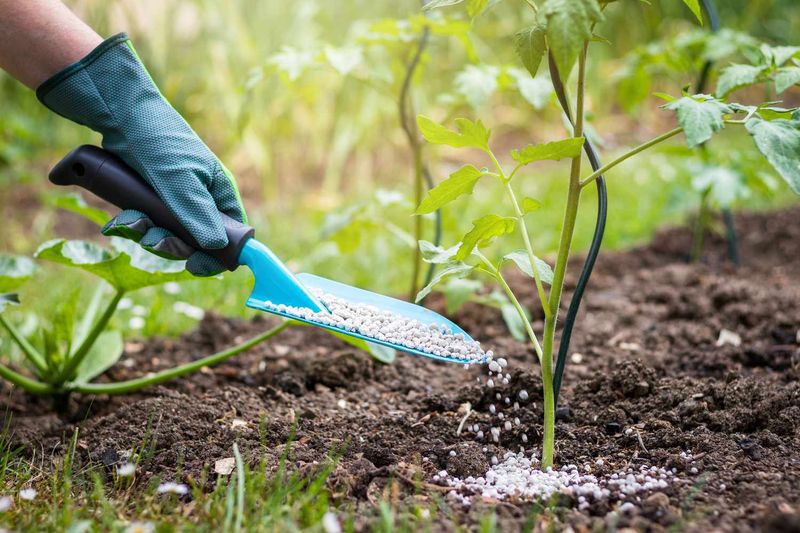
There is something satisfying about watching a tomato plant shoot up fast and fill out with thick, dark green leaves. It feels like success.
But when that lush growth comes from too much nitrogen fertilizer, those beautiful plants often produce far fewer tomatoes than expected, and the growing season can feel like a big letdown by August.
Nitrogen is the nutrient that drives leafy, vegetative growth in plants. Tomatoes need some nitrogen, especially when they are young and establishing their root systems.
The problem starts when gardeners keep applying high-nitrogen fertilizers well into the flowering and fruiting stage, which pushes the plant to keep producing leaves instead of focusing its energy on setting and developing fruit.
A balanced approach to fertilizing tomatoes works much better in North Carolina gardens. At planting time, mixing compost into the soil provides a gentle nutrient base.
Once plants start flowering, switching to a fertilizer with a lower first number and higher phosphorus and potassium levels, something like a 5-10-10 formula, encourages blooming and fruit development rather than more foliage.
Feeding tomatoes every two to three weeks during the growing season is usually sufficient. Avoid the temptation to apply extra fertilizer just because plants look a little pale after a rainy stretch.
Yellowing lower leaves in mid-summer are often a normal part of the plant maturing rather than a sign of nutrient deficiency. Consistent, balanced feeding throughout the season produces far better results than heavy applications of nitrogen-rich fertilizer.
6. Ignoring Mulch Causes More Water Stress And Disease
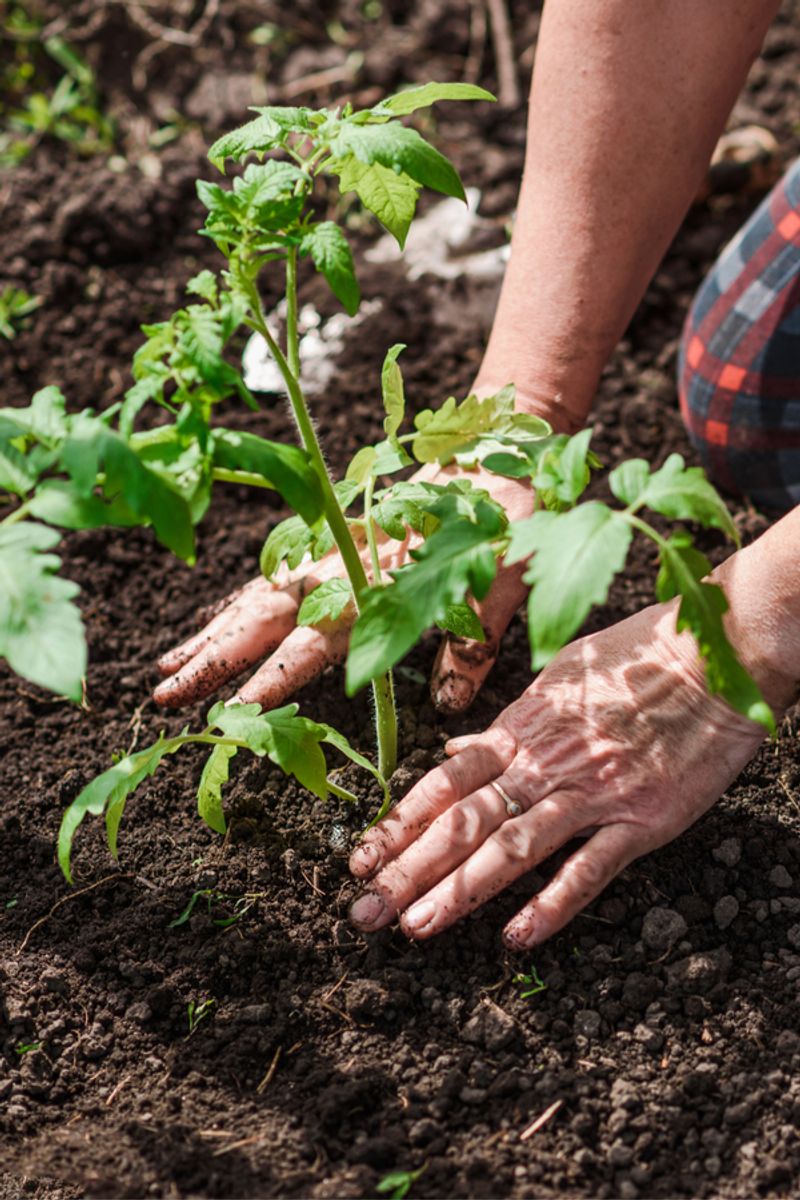
Skipping mulch might seem like a small decision, but in a North Carolina summer it can have a surprisingly big impact on your tomato plants.
Bare soil in a hot garden bakes quickly, loses moisture fast, and creates the perfect launchpad for soil-borne disease spores to splash up onto lower leaves every time it rains or you run the hose.
Mulch does several important jobs at once. It holds moisture in the soil so roots stay more consistently hydrated between waterings, which matters a lot during the hot stretches that hit North Carolina from July through September.
It also acts as a physical barrier between the soil surface and your plant, dramatically reducing how much disease-carrying soil splashes upward during rain events.
Straw is one of the most popular mulch choices for tomato gardens because it is lightweight, easy to apply, and breaks down slowly enough to last through the season. Wood chips and shredded leaves also work well.
Avoid using fresh grass clippings in thick layers since they can mat together and restrict airflow near the soil surface.
Apply mulch to a depth of about 2 to 3 inches around each plant, keeping it a few inches away from the main stem to prevent moisture from sitting directly against the base of the plant. Mulching right after transplanting gives your tomatoes the best start possible.
Gardeners who mulch consistently tend to water less often, see fewer disease outbreaks, and deal with far fewer weeds competing with their tomato plants throughout the summer.
7. Leaving Lower Tomato Leaves Touching The Soil Spreads Disease Faster
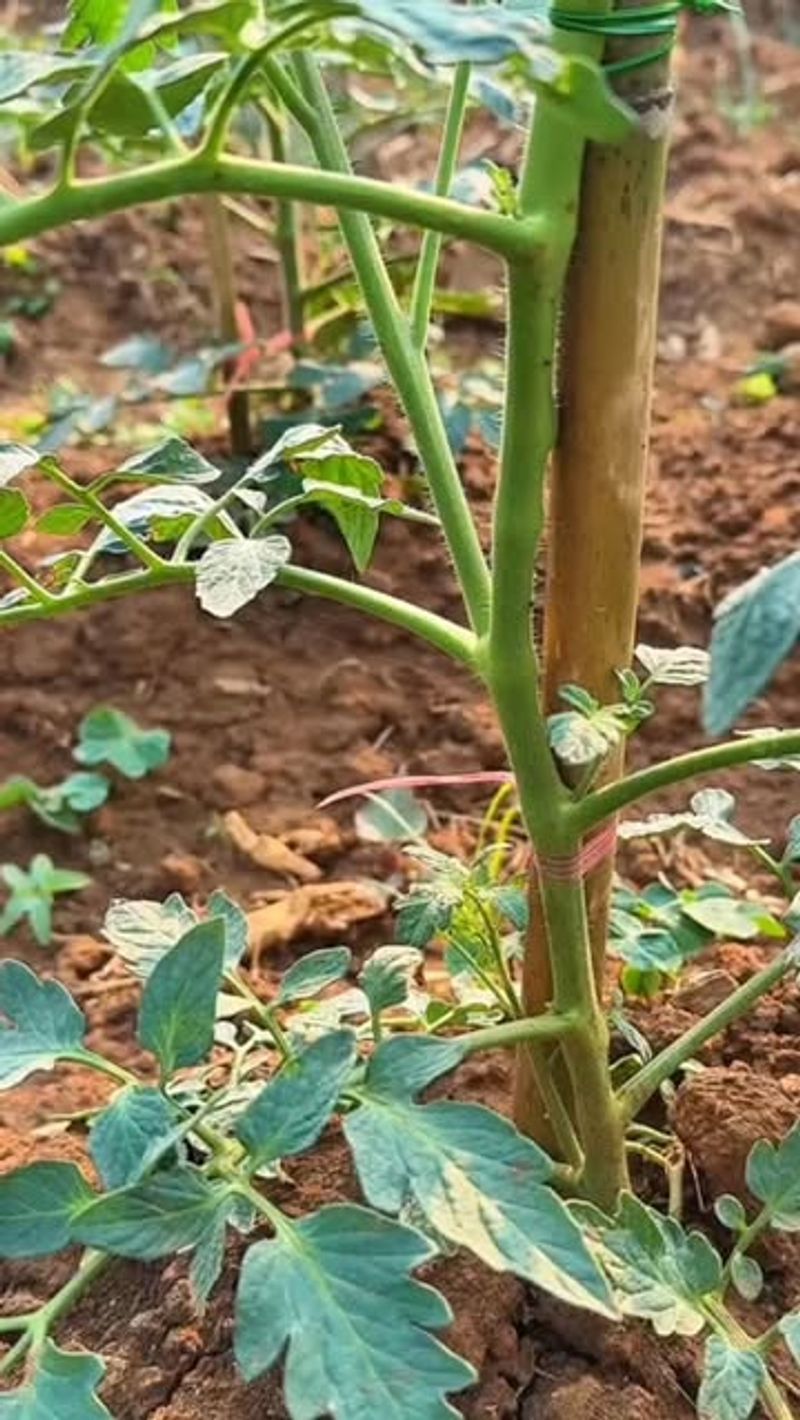
One of the fastest ways to introduce disease into a healthy tomato plant is to let the lower branches drag along the soil surface.
It happens gradually as plants grow and get heavier, and many gardeners do not notice until those bottom leaves start turning yellow or developing dark spots. By that point, disease has often already begun moving up the plant.
Soil in a North Carolina summer garden is full of fungal spores, especially after a wet spring or a series of heavy summer rainstorms. When tomato leaves make direct contact with damp soil, those spores have an easy pathway right onto the plant tissue.
From there, diseases like early blight and Septoria leaf spot can spread upward through the canopy surprisingly quickly.
Removing the lowest 6 to 12 inches of foliage from each tomato plant is one of the most effective and underused practices in home gardening.
Use clean pruning shears or scissors and cut branches cleanly rather than tearing them off, which can leave ragged wounds that are harder for the plant to recover from. Pruning in the morning gives cuts time to dry out during the day.
Removing lower leaves also improves airflow near the base of the plant, which helps the soil surface and lower stem dry faster after rain or irrigation.
Pair this practice with a good layer of mulch and consistent staking, and you will notice a real improvement in how long your tomato plants stay healthy and productive through the peak of our summer.
8. Waiting Too Long To Stake Or Cage Tomatoes Creates A Summer Mess
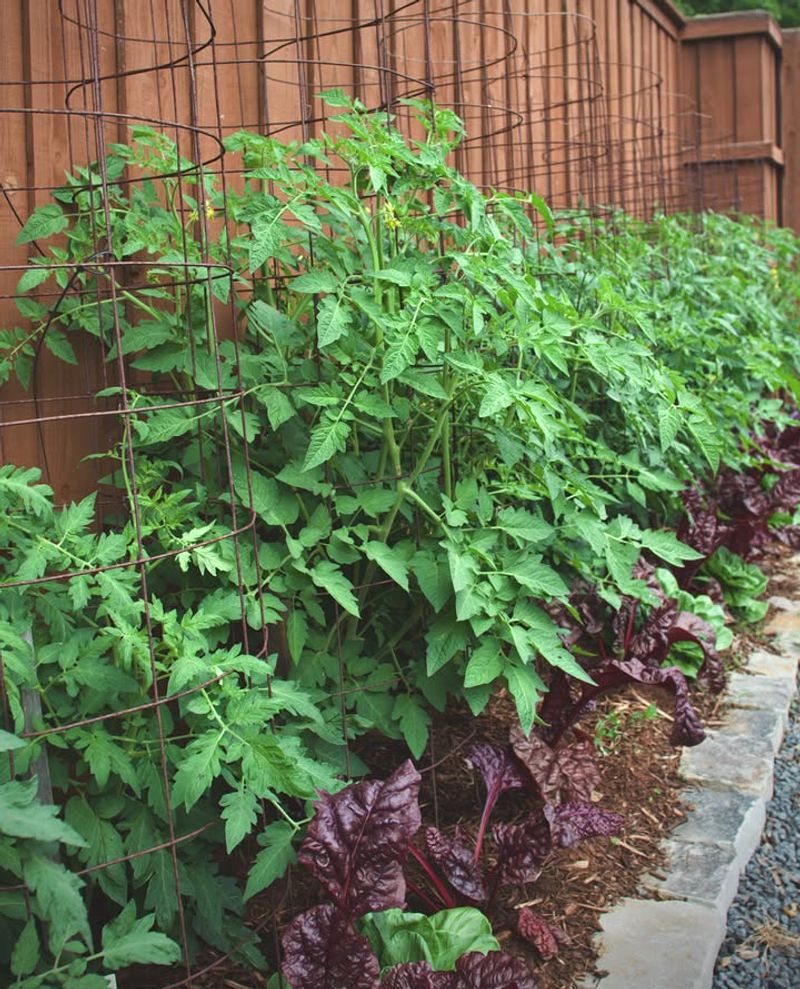
Tomato plants in North Carolina can grow fast once the summer heat kicks in, and if you have not put your support structures in place early enough, things can get out of hand quickly.
Vines that sprawl across the ground or flop over neighboring plants trap humidity underneath them, restrict airflow, and make it genuinely difficult to harvest fruit without bending and searching through a tangled mess of stems and leaves.
The best time to cage or stake tomatoes is at planting time or within the first week or two after transplanting. At that stage the plants are small, the roots are not yet spread wide, and you can place cages or stakes without risking damage to the root system.
Waiting until plants are already two or three feet tall makes the job harder and increases the chance of snapping branches or disturbing roots.
Standard wire tomato cages from garden centers work reasonably well for compact, determinate varieties.
Indeterminate tomatoes, which keep growing all season and can reach six feet or more, need heavier-duty support like large diameter wire cages, sturdy wooden stakes, or a trellis system.
Thin bamboo stakes often bend or snap under the weight of a large indeterminate plant loaded with fruit.
Tying vines to supports with soft garden twine or fabric strips every 8 to 10 inches as they grow keeps plants upright and opens up the canopy for better airflow. Supported plants are also much easier to inspect for pests and disease.
Getting your support system in place early is one of the simplest steps you can take for a more manageable and productive tomato season.
9. Inconsistent Watering Causes Cracked Fruit And Blossom End Rot
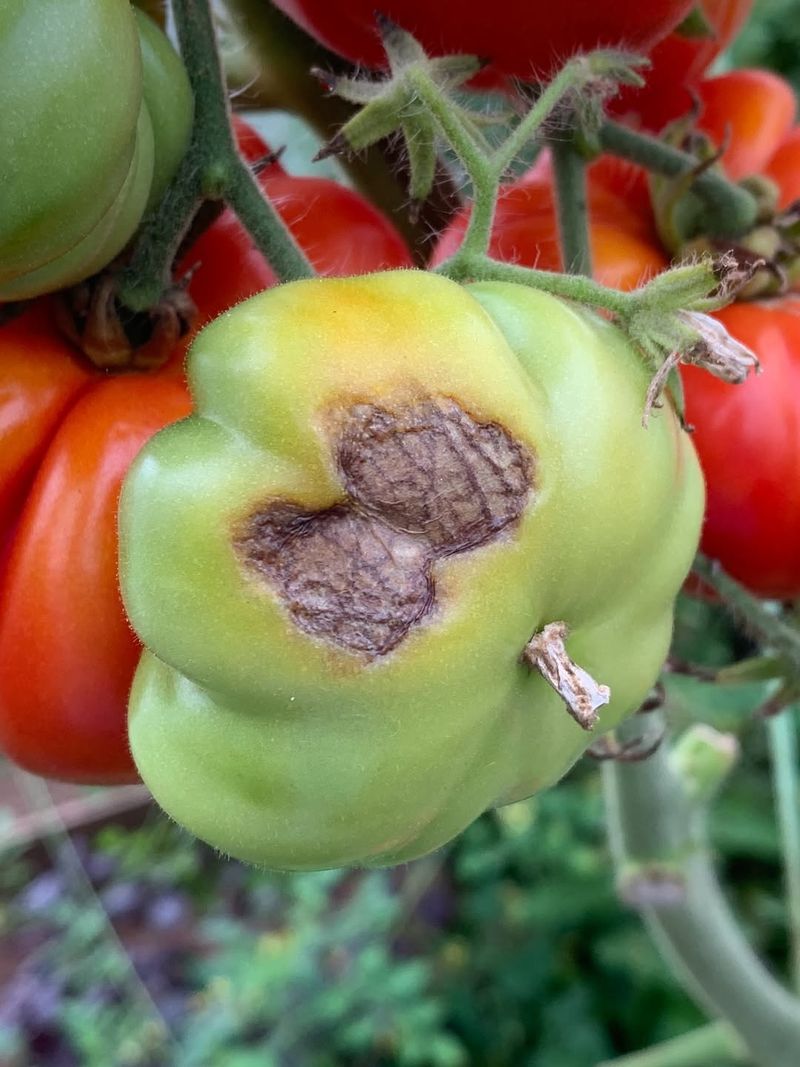
Few things are more frustrating than pulling a beautiful, almost-ripe tomato off the vine only to find it split wide open or covered with a dark, leathery patch on the bottom.
Cracked fruit and blossom end rot are two of the most common tomato problems North Carolina gardeners face in summer, and both of them trace back to the same root cause: inconsistent watering.
Blossom end rot shows up as a sunken, dark brown or black patch on the bottom of the fruit. It is caused by a calcium uptake problem in the plant, which happens when soil moisture fluctuates wildly between wet and dry.
When plants cannot absorb water steadily, they struggle to move calcium efficiently to developing fruit. The result is that characteristic damage on the blossom end.
Fruit cracking happens when a long dry stretch is followed by a heavy rain or sudden overwatering. The plant takes up water rapidly, the fruit swells quickly, and the skin splits because it cannot expand fast enough to accommodate the sudden surge of moisture.
Both problems are largely preventable with steady, consistent watering habits.
Aim to give tomatoes about 1 to 1.5 inches of water per week, spread evenly rather than in one large dose. Clay soils common in the Piedmont region hold moisture longer, so water less frequently but more deeply.
Sandy soils found in coastal areas drain faster and need more frequent watering. Containers and raised beds dry out faster than in-ground beds and may need daily attention during the hottest weeks of summer.
10. Many Gardeners Keep Growing The Same Disease Prone Tomato Varieties
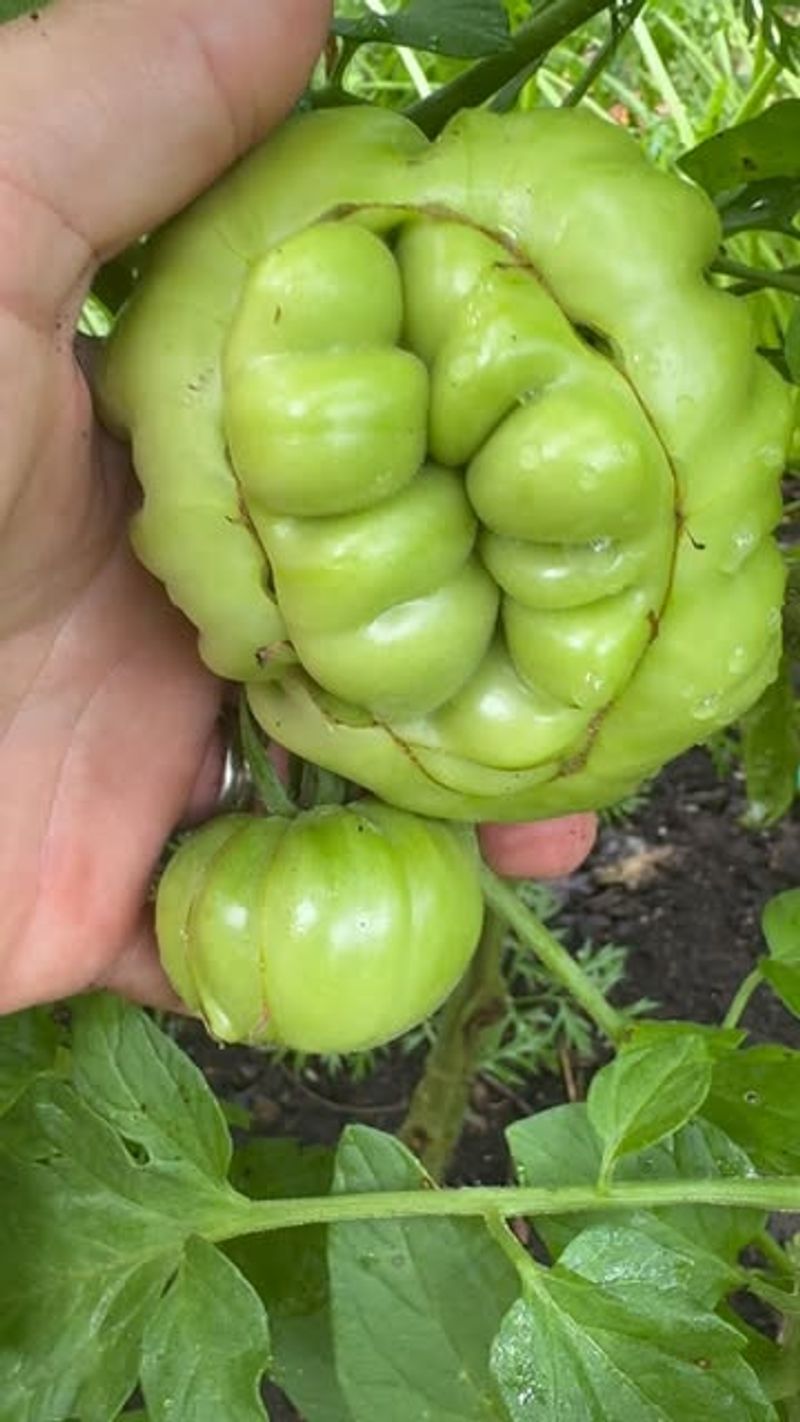
Loyalty to a favorite tomato variety is understandable. Maybe your grandmother grew Beefsteak tomatoes, or you had one great season with a particular heirloom and have been chasing that memory ever since.
But if your tomatoes struggle every summer with blight, wilt, or poor fruit set, the variety itself might be a big part of the problem.
North Carolina summers are genuinely tough on tomatoes. High humidity, frequent rain, and heat that pushes well past 90 degrees Fahrenheit create conditions that certain varieties simply were not bred to handle well.
Some popular heirloom types, while delicious, have little to no built-in resistance to the fungal diseases that run rampant in humid southeastern gardens.
Disease-resistant varieties carry letter codes on their seed packets and plant tags that tell you what they can handle.
The letters V, F, N, T, and A indicate resistance to Verticillium wilt, Fusarium wilt, nematodes, Tobacco mosaic virus, and Alternaria stem canker respectively.
For North Carolina gardens, varieties with multiple resistance codes tend to perform far more reliably through the full summer season.
Mountain Fresh Plus, Celebrity, Juliet, and Carolina Gold are among the varieties that consistently perform well across different parts of North Carolina.
In the western mountains, where cooler nights can limit fruit set, shorter-season varieties like Early Girl also do well.
Coastal and Piedmont gardeners often find that heat-tolerant types with strong disease resistance deliver the most consistent harvests from June through September.
Trying a new disease-resistant variety alongside your favorite is a low-risk way to see the difference for yourself.