These Are The Best Vegetable Plants To Grow In Pots In California
Whoever said you need a big backyard to grow your own food clearly never met a California gardener with a sunny balcony and a serious determination to make it work.
Container vegetable gardening in California is not just possible, it is actually a lot of fun once you get going.
The sunshine is generous, the growing season is long, and the flexibility of pots means you can grow fresh food on a patio, a doorstep, or even a narrow side yard that would otherwise just sit there doing nothing.
Got clay-heavy soil that is basically concrete? Not your problem anymore. Pots let you skip all of that and go straight to the good stuff, which is harvesting vegetables you actually grew yourself.
A few well-chosen containers can honestly produce more than you would expect.
1. Tomatoes Thrive In Pots With The Right Support
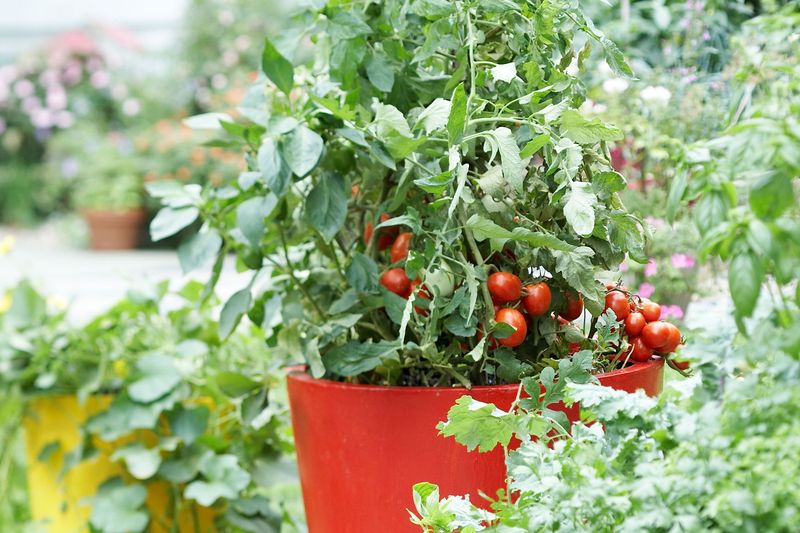
Sunny patios across California are practically made for growing tomatoes in containers, and with the right setup, a single potted plant can produce a solid harvest all season long.
Tomatoes are vigorous growers, so choosing a large container matters more than almost anything else.
A pot holding at least 15 to 20 gallons gives the roots enough room to spread, supports steady moisture retention, and helps the plant stay stable as it gets taller and heavier.
Compact or determinate varieties tend to do especially well in pots because they stay more manageable and don’t require as much staking.
That said, many gardeners also grow indeterminate types successfully by using a strong cage or tying stems to a sturdy support anchored directly in the container.
Without support, heavy fruit clusters can bend stems or tip the whole pot over.
Container tomatoes in California dry out faster than in-ground plants, especially during inland heat waves, so checking soil moisture daily during summer is a smart habit. A well-draining potting mix with added compost gives the plant a nutritious start.
Feeding with a balanced fertilizer every couple of weeks during the growing season keeps production going strong through California’s long, warm summers.
2. Peppers Stay Productive In Sunny Containers
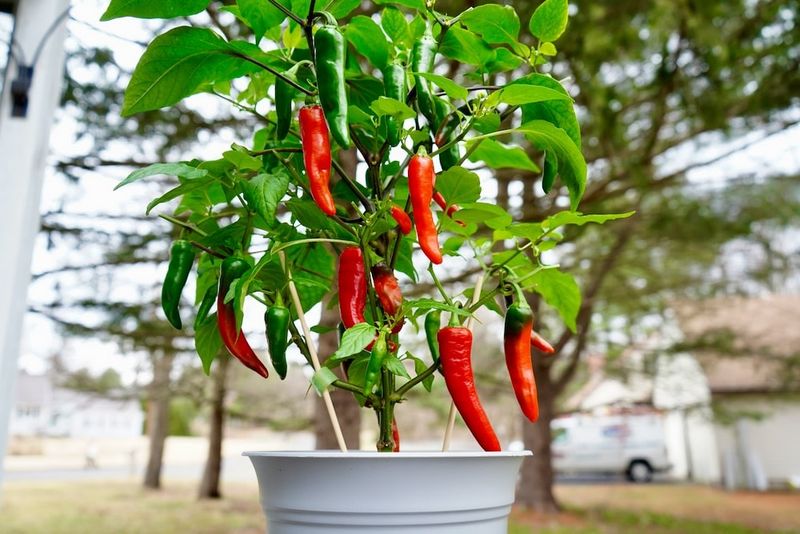
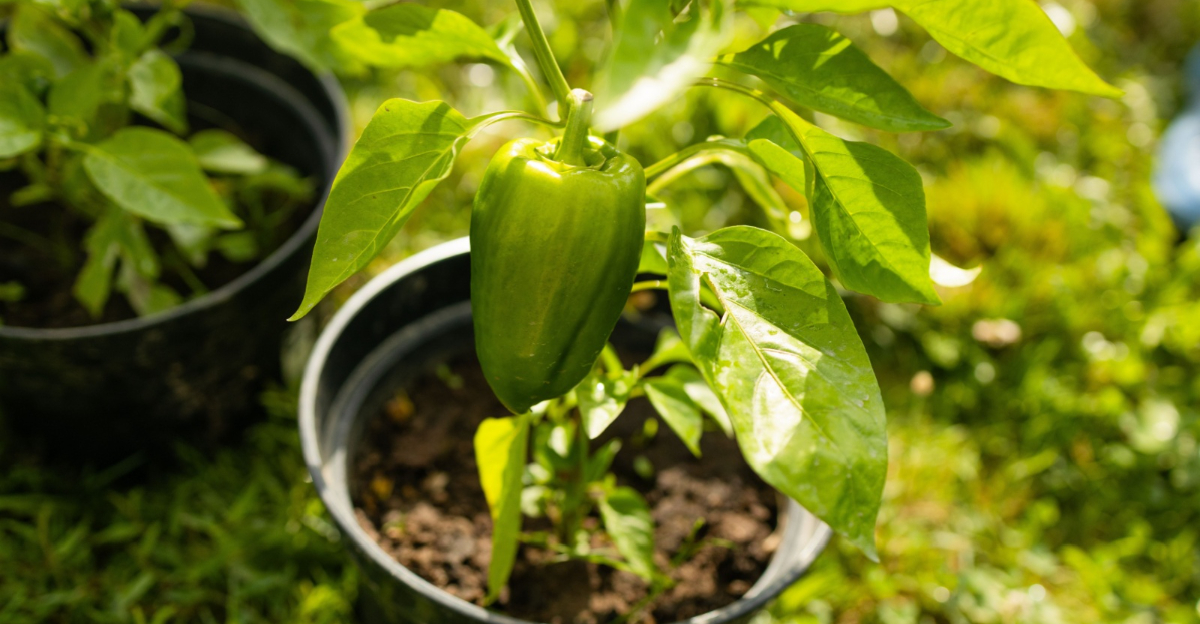
Few vegetables soak up California sunshine quite like peppers do, and they translate that warmth into a long, productive growing season when grown in containers.
Both sweet bell peppers and hot chili varieties perform well in pots, making them a flexible choice whether you prefer mild flavors or something with a little fire.
Peppers generally do well in containers holding around 5 gallons, though larger pots give the plant more room to develop a stronger root system.
One thing container gardeners notice quickly is that peppers like consistent warmth at the root zone.
Dark-colored containers can help retain heat in cooler coastal areas, while lighter pots may suit hotter inland locations where overheating the roots becomes a real concern.
Placing pots where they receive at least six hours of direct sun daily encourages steady flowering and fruit development.
Peppers are fairly drought-tolerant compared to some other vegetables, but container soil still dries out quickly, so regular watering keeps the plants from dropping flowers or developing thin-skinned fruit.
Your California Garden Changes Every Week. Your Plan Should Too.
Gardening in California changes quickly throughout the season. Every Friday you’ll receive a simple weekly plan showing exactly what to plant, prune, fertilize, harvest, and protect so you never miss the right timing.
A light feeding with a low-nitrogen fertilizer once fruit sets helps the plant put energy into pod production rather than leafy growth.
With good sun and consistent care, container peppers in California can produce from late spring well into fall.
3. Eggplant Grows Beautifully In Large Pots
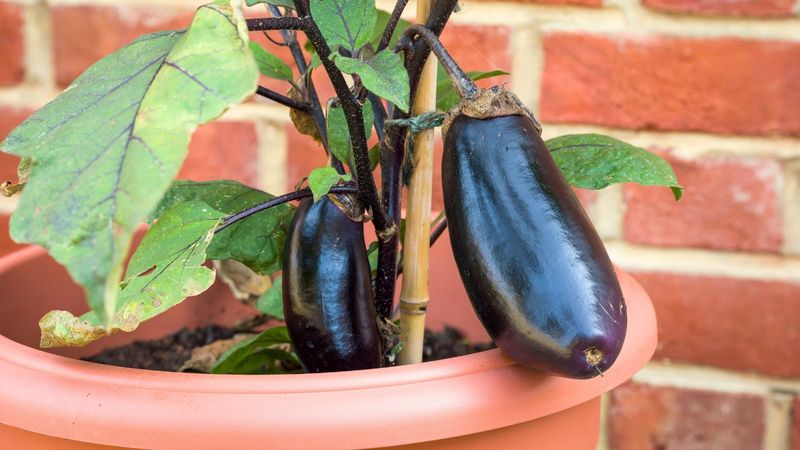
Warm soil and long sunny days are exactly what eggplant craves, which makes California an excellent place to grow this vegetable in containers.
Eggplant is a heat-loving crop that tends to struggle in cooler climates, but in much of California’s Central Valley and warmer inland areas, a potted eggplant can thrive from late spring through early fall with minimal fuss.
Even in coastal California, a well-placed container in a warm, sheltered spot often produces a satisfying harvest.
Container size makes a real difference with eggplant. A pot of at least 5 gallons works for smaller varieties, but larger plants benefit from containers holding 10 gallons or more.
The extra soil volume holds moisture longer and gives roots space to anchor the plant as it grows tall and heavy with fruit.
Using a quality potting mix that drains well while retaining some moisture helps the plant stay consistently hydrated without sitting in waterlogged soil.
Eggplant benefits from staking or light support once it starts bearing fruit, since the glossy, heavy vegetables can weigh branches down. Regular feeding with a balanced fertilizer encourages flowering and steady fruit set throughout the season.
Container-grown eggplant often surprises gardeners with how productive it can be when given enough sun, warmth, and consistent watering attention.
4. Lettuce Keeps Coming In Small-Space Containers
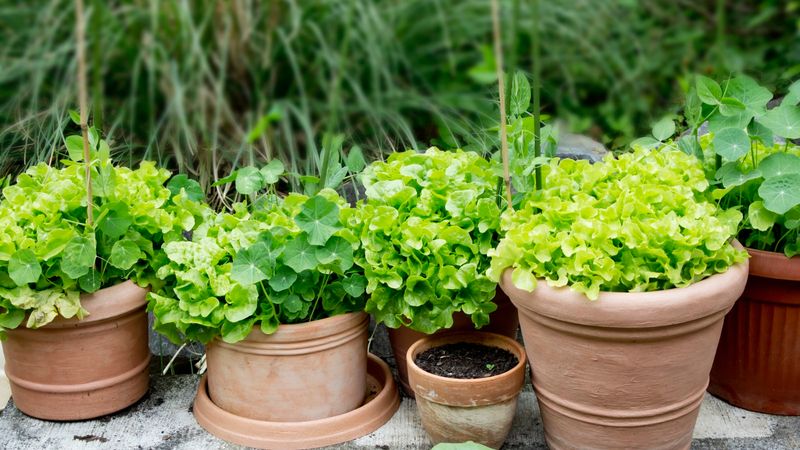
Leafy and fast-growing, lettuce is one of the most rewarding vegetables to grow in containers, especially for gardeners working with limited patio or balcony space. A wide, shallow pot or window box is all you really need to get started.
Lettuce roots are fairly shallow, so a container that is at least 6 to 8 inches deep gives the plants enough room to establish without needing a deep or heavy pot.
One of the best things about growing lettuce in containers is the cut-and-come-again harvest method. Snipping outer leaves while leaving the center intact encourages the plant to keep producing new growth, stretching a single planting over several weeks.
Loose-leaf varieties tend to respond especially well to this approach and are a popular choice among California container gardeners who want a steady supply of fresh salad greens.
Lettuce prefers cooler temperatures and can struggle in intense summer heat, which makes it a natural fit for California’s fall, winter, and early spring seasons in warmer regions, or nearly year-round in cooler coastal areas.
Placing the container where it receives morning sun but afternoon shade during warmer months helps extend the harvest before the plant bolts.
Keeping the soil evenly moist encourages tender, flavorful leaves throughout the growing period.
5. Spinach Fits Easily Into Cool-Season Pots
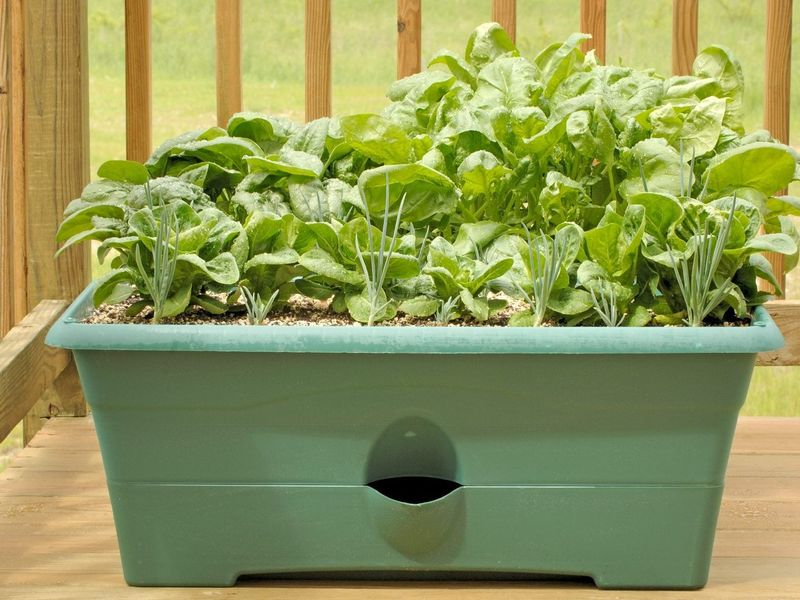
Cool mornings and mild winters across much of California make spinach a natural fit for container growing during the cooler months of the year. Spinach is a nutritious leafy green that doesn’t need a large pot to produce well.
A container that is at least 6 to 8 inches deep with good drainage works well for a small cluster of plants, and a wider pot allows you to grow several plants together for a more generous harvest.
Spinach grows relatively quickly from seed, often reaching harvest size in around 40 to 50 days depending on the variety and growing conditions.
Sowing seeds directly into the container and thinning seedlings as they develop is a straightforward approach that works well on a patio or balcony.
Gardeners in mild coastal regions can often grow spinach from fall through spring without much trouble, while those in hotter inland areas may find success mainly in the cooler fall and winter months.
Keeping the soil consistently moist without letting it become waterlogged is key to healthy spinach growth. The plant tends to bolt quickly when temperatures rise, so timing your planting to avoid the hottest weeks of the year makes a meaningful difference.
Harvesting outer leaves regularly encourages the plant to keep producing tender new growth for several weeks before the season ends.
6. Radishes Grow Fast In Small Containers
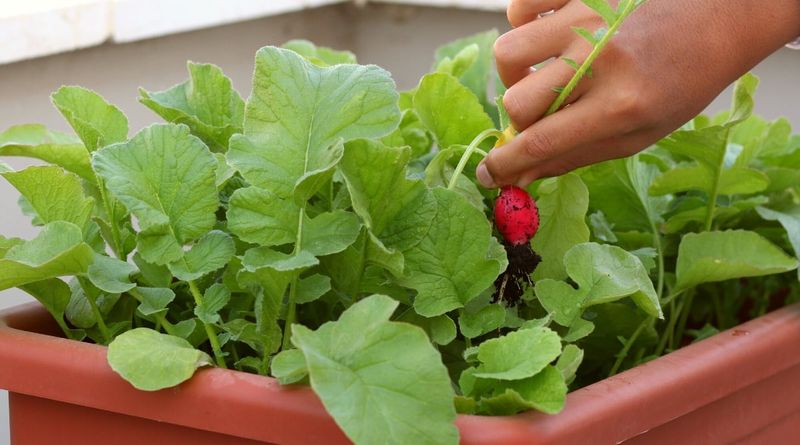
If you have ever wanted to grow something from seed to harvest in just a few weeks, radishes are the crop that delivers that satisfaction better than almost anything else in the vegetable garden.
Most radish varieties are ready to pull in as little as 25 to 30 days, which makes them an exciting option for container gardeners who want quick results.
A small pot or even a window box works well because radish roots are compact and don’t need much depth, typically around 6 to 8 inches depending on the variety.
Radishes prefer cooler growing conditions, which suits California’s fall and spring seasons particularly well. In coastal California, the mild climate allows for multiple plantings throughout much of the year.
Inland gardeners generally get the best results by planting in early spring before heat arrives or again in fall as temperatures drop. Succession planting every couple of weeks keeps a steady supply coming without overwhelming the harvest all at once.
Container radishes need consistent moisture to develop smooth, crisp roots. Irregular watering can cause the roots to crack or become pithy rather than tender.
A lightweight potting mix that drains well while holding some moisture gives radishes the growing conditions they prefer. They are also a great choice for filling gaps between slower-growing container vegetables on a patio or balcony.
7. Green Onions Make Container Growing Easy
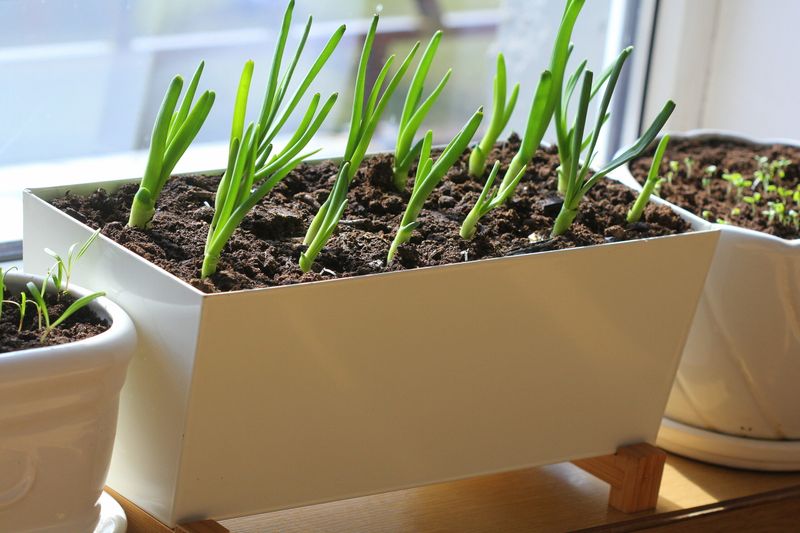
Growing your own green onions in a small container is one of the simplest and most practical things a California home gardener can do.
These slender, mild-flavored plants take up almost no space, grow quickly, and can be harvested repeatedly without replanting each time.
A container as small as 4 to 6 inches deep is enough to support a healthy cluster, making them ideal for apartment balconies, kitchen windowsills, or tight patio corners where larger pots simply won’t fit.
Green onions grow well from seeds or from the root ends of store-bought bunches placed in a little water to regrow.
Once established in a pot with good potting mix and adequate drainage, they need relatively little attention beyond regular watering and occasional feeding.
In California’s mild climate, green onions can be grown in containers throughout much of the year, with cooler seasons often producing the crispest and most flavorful stalks.
Snipping the green tops as needed while leaving the white base intact allows the plant to continue producing new growth over an extended period. This makes green onions a low-effort, high-reward crop that fits naturally into any container garden.
They also pair well with other vegetables in mixed planters, using vertical space efficiently while adding a fresh, edible element to the container garden throughout the growing season.
8. Chard Keeps Producing In Roomy Pots
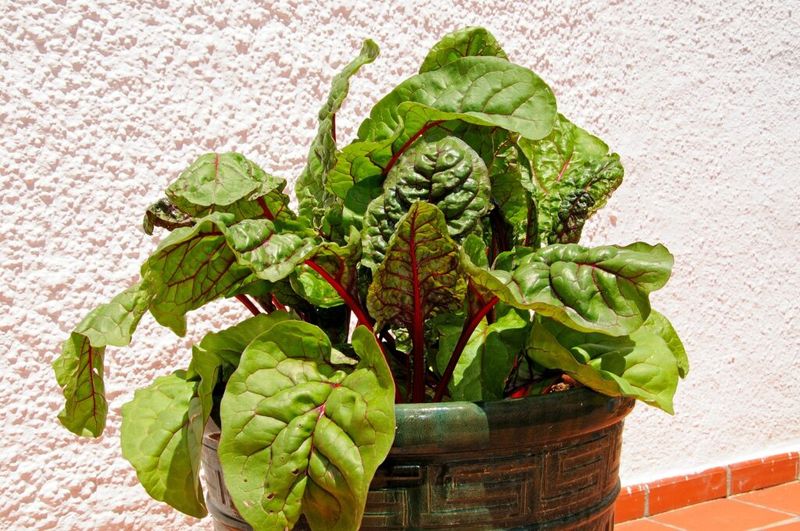
Swiss chard is the kind of vegetable that rewards patient container gardeners with weeks of steady harvests.
The colorful stems in shades of red, yellow, and orange make it one of the most visually striking plants you can grow on a patio or balcony, and the flavor is mild enough to work well in salads, stir-fries, and cooked dishes alike.
Chard prefers a roomy container, with a pot holding at least 5 gallons giving the roots enough space to support strong, upright growth.
One of chard’s biggest advantages in a container garden is its tolerance for both cooler and warmer temperatures.
In California, it can be grown through fall, winter, and spring in many regions, and in cooler coastal areas it often continues producing well into summer.
This extended season makes chard a dependable crop for gardeners who want consistent leafy greens without constantly replanting throughout the year.
Regular harvesting encourages chard to keep pushing out new leaves from the center of the plant. Cutting outer stalks at the base while leaving the inner growth intact is the most effective way to extend the productive life of the plant.
Keeping the soil evenly moist and feeding occasionally with a balanced fertilizer supports steady leaf production. Container chard in California is a reliable, colorful, and genuinely useful addition to any edible patio garden.
9. Beans Grow Well With A Little Vertical Help
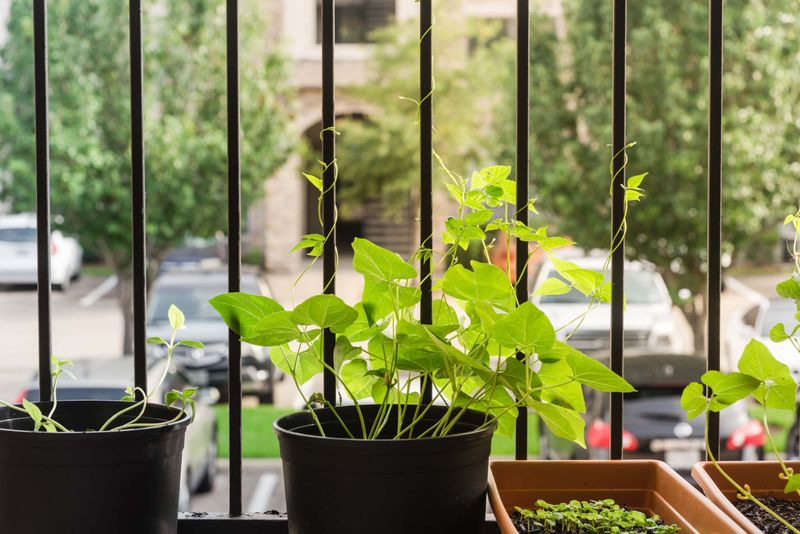
Vertical growing is one of the smartest strategies for container gardeners working with limited floor space, and beans take to it naturally.
Bush beans and pole beans both perform well in containers, though pole beans especially benefit from a simple trellis, bamboo stakes, or a small frame placed directly in the pot.
The upward growth habit means you can get a productive plant without it sprawling across the patio and taking up space you need for other containers.
Beans prefer warm soil and full sun, which suits California’s spring and summer growing conditions well.
A container holding at least 5 gallons provides enough soil volume for a healthy root system, and deeper pots tend to perform better because beans develop moderately deep roots compared to leafy greens or radishes.
Using a well-draining potting mix and watering consistently keeps the plants producing steadily once they begin flowering.
One thing to watch for with container beans in California is heat stress during peak summer temperatures.
Inland gardeners may find that beans slow their production during the hottest weeks of summer, picking back up as temperatures ease in early fall.
Keeping the container in a spot with afternoon shade during heat waves can help. Harvesting pods regularly while they are still tender encourages the plant to continue setting new flowers and pods throughout the season.
10. Cucumbers Climb Well In Large Containers
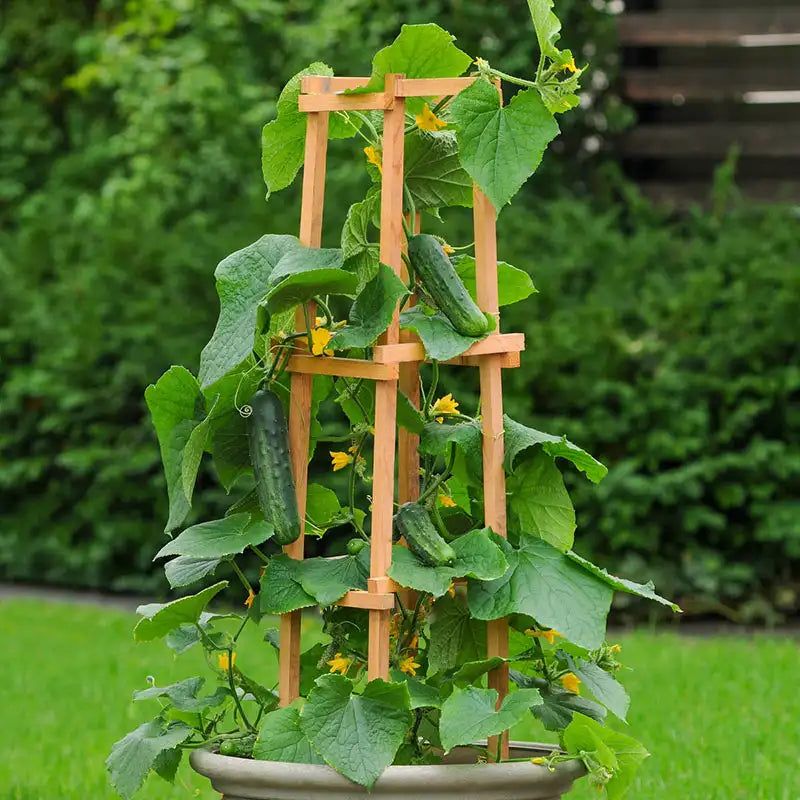
A warm patio wall or sunny fence line in California is an ideal backdrop for container-grown cucumbers, especially when you give the vines something to climb.
Cucumbers are vigorous and fast-growing, so they need a large container, typically 10 gallons or more, to support the root system and maintain steady moisture levels.
A sturdy trellis or vertical support anchored in or behind the pot allows the vines to grow upward rather than outward, making the most of limited patio or balcony space.
California’s warm summers suit cucumbers well, and many gardeners find that container cucumbers planted in late spring begin producing within about 50 to 70 days depending on the variety.
Bush-type cucumber varieties tend to be more compact and manageable in containers, while vining types can produce more fruit when given adequate support and space.
Either way, the key is consistent watering because cucumbers are mostly water and the fruit quality drops noticeably when the soil dries out unevenly.
Container cucumbers benefit from feeding with a balanced fertilizer once flowering begins, which supports steady fruit development through the summer.
Harvesting cucumbers while they are young and firm encourages the plant to keep setting new fruit rather than putting energy into maturing oversized pods.
With enough sun, water, and vertical support, a single container cucumber plant can deliver a solid harvest across several summer weeks.