Plant These 9 Shrubs Instead Of Boxwood In California Yards
Boxwood may be a classic choice, but it is not always the easiest or smartest fit for California yards. Between heat, dry spells, and the challenge of keeping shrubs looking fresh year round, many homeowners are starting to look for better options.
The good news is that plenty of shrubs can give you that same neat, polished feel while handling California conditions with far less fuss.
Some bring dense evergreen structure, some offer softer texture, and others add flowers or richer foliage color along the way.
A few are even better suited to low-water landscapes, which makes them especially appealing in a state where water-wise planting matters. Swapping out boxwood does not mean giving up on a tidy, finished look.
It just opens the door to shrubs that can stay attractive, practical, and much more comfortable in a California garden.
1. Ceanothus
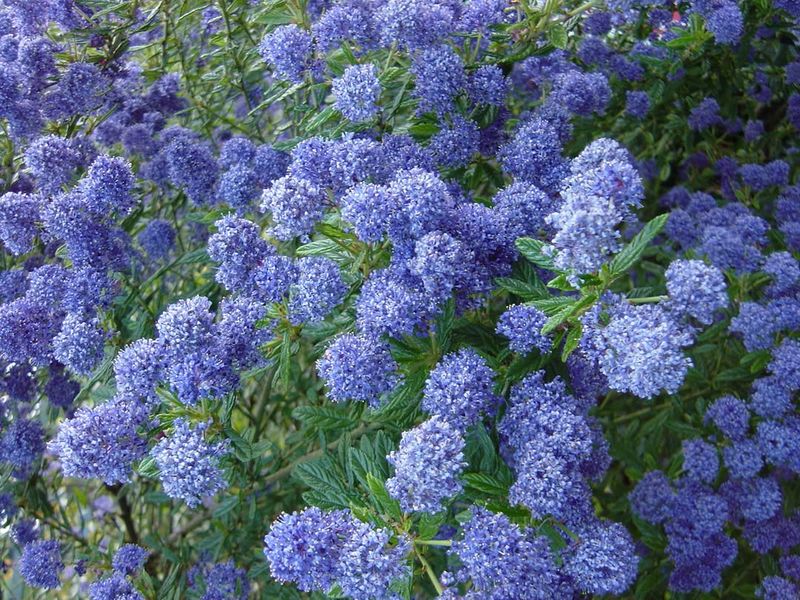
Few shrubs put on a show quite like Ceanothus. Also called California lilac, this native beauty bursts into clouds of blue, purple, or white flowers each spring, turning any California yard into something worth stopping to look at.
It grows fast, fills space quickly, and handles the state’s dry summers without much fuss.
Ceanothus thrives in full sun and well-drained soil, making it a natural fit for the slopes, hillsides, and sunny borders common across California. Once established, it needs very little water, which is a huge plus in drought-prone areas.
Many varieties stay compact and tidy, so you can use them as hedges or foundation plantings just like boxwood.
Birds and bees absolutely love this shrub. It supports pollinators during bloom season and provides cover for small wildlife year-round.
Most varieties are evergreen, so your yard stays green through winter too. With sizes ranging from ground-hugging spreaders to six-foot-tall specimens, there is a Ceanothus for almost every California garden spot.
It is tough, gorgeous, and genuinely easy to grow.
2. Coffeeberry
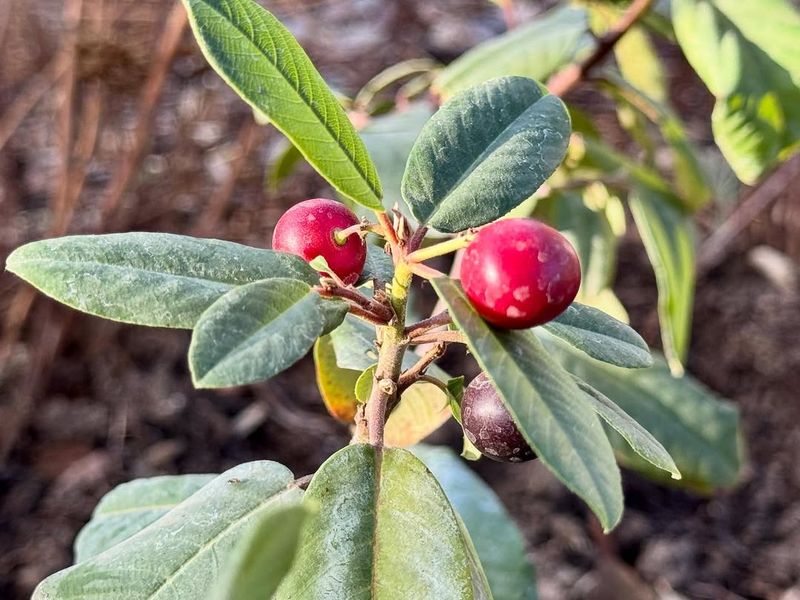
Not every great shrub needs flashy flowers to earn its spot in the yard. Coffeeberry, known scientifically as Frangula californica, is a California native that wins people over with its clean, dark green foliage and eye-catching berries that shift from red to deep purple to black as they ripen.
It looks polished without any fuss.
This shrub adapts to a wide range of conditions across California, from coastal gardens to inland hillsides. It handles full sun and partial shade equally well, and once it gets settled in, it needs very little irrigation.
That makes it a smart pick for water-conscious gardeners who still want a lush, full-looking landscape.
Coffeeberry is also a wildlife magnet. Birds flock to the berries, and the dense foliage gives them shelter throughout the year.
It grows into a naturally rounded shape that holds up well without heavy pruning, much like boxwood does in traditional gardens. Sizes vary by variety, so you can find compact forms for smaller spaces or larger types for screening and privacy.
For California yards, it checks every practical box while looking genuinely beautiful doing it.
3. Toyon
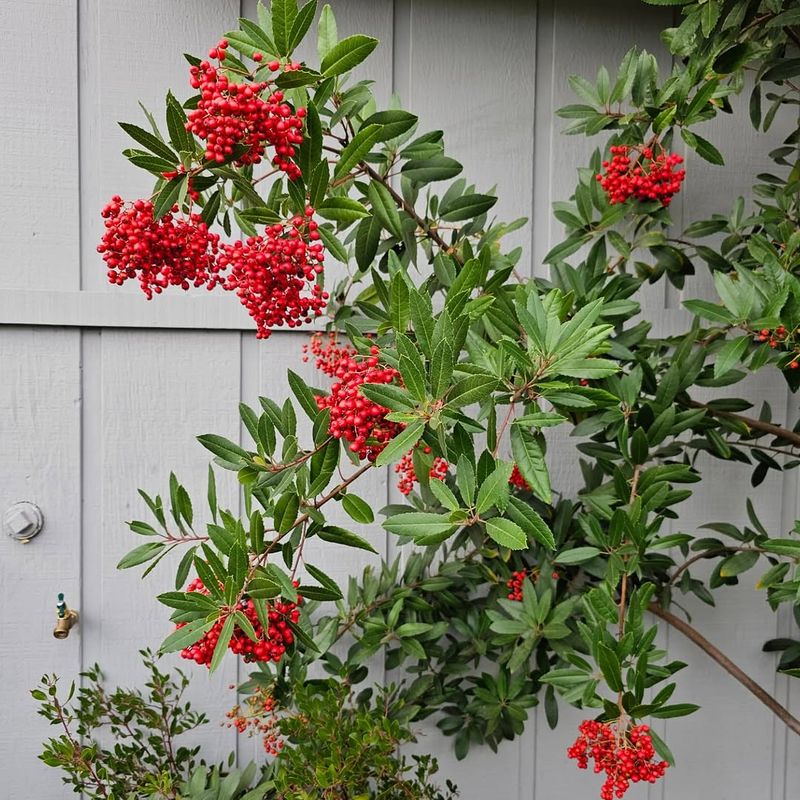
There is a reason Toyon is sometimes called the Hollywood plant. Legend has it that this California native, with its brilliant clusters of red berries, inspired the name of one of the world’s most famous neighborhoods.
Your California Garden Changes Every Week. Your Plan Should Too.
Gardening in California changes quickly throughout the season. Every Friday you’ll receive a simple weekly plan showing exactly what to plant, prune, fertilize, harvest, and protect so you never miss the right timing.
Toyon, or Heteromeles arbutifolia, is a tough, handsome evergreen shrub that grows beautifully across California without needing much help.
It thrives in full sun and handles dry, rocky soil with ease. Once established, Toyon is extremely drought-tolerant, which makes it a practical and responsible choice for California homeowners dealing with water restrictions.
The white summer flowers give way to those iconic red berries in fall and winter, giving your yard seasonal color when many other plants look dull.
Wildlife absolutely loves Toyon. Cedar waxwings, robins, and many other bird species visit regularly to feed on the berries.
It also provides thick cover and nesting spots for local birds throughout the year. Toyon can grow quite large, reaching ten to fifteen feet tall, but it responds well to pruning and can be kept as a tidy hedge or screen.
For a native, low-maintenance alternative to boxwood in California, Toyon is hard to beat.
4. Coyote Brush
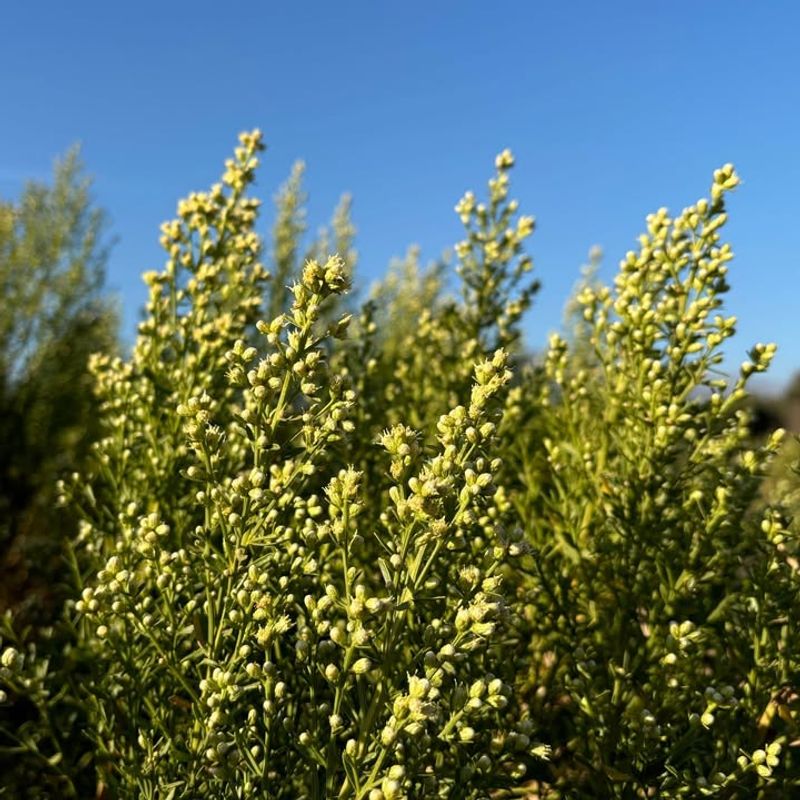
Tough, reliable, and deeply Californian, Coyote Brush is the kind of plant that thrives where others struggle. Baccharis pilularis is a native evergreen shrub built for the California landscape, from coastal bluffs to hot inland slopes.
It handles poor soil, strong winds, salt air, and serious drought without missing a beat.
Dwarf varieties like Baccharis pilularis ‘Twin Peaks’ stay low and spreading, making them excellent ground covers or low border plants. Larger forms work well as informal hedges or privacy screens.
The foliage is dense and green year-round, giving your yard structure and coverage similar to what boxwood provides in more traditional garden styles.
One of Coyote Brush’s best qualities is how little attention it demands. After the first season or two of regular watering to help it establish, it basically takes care of itself.
It does not need fertilizer, rarely needs pruning, and shrugs off most pests and diseases. The small white flowers that appear in fall attract native bees and beneficial insects, adding ecological value to your yard.
For California gardeners who want a truly low-maintenance alternative to boxwood, Coyote Brush earns a top spot on the list every time.
5. Manzanita
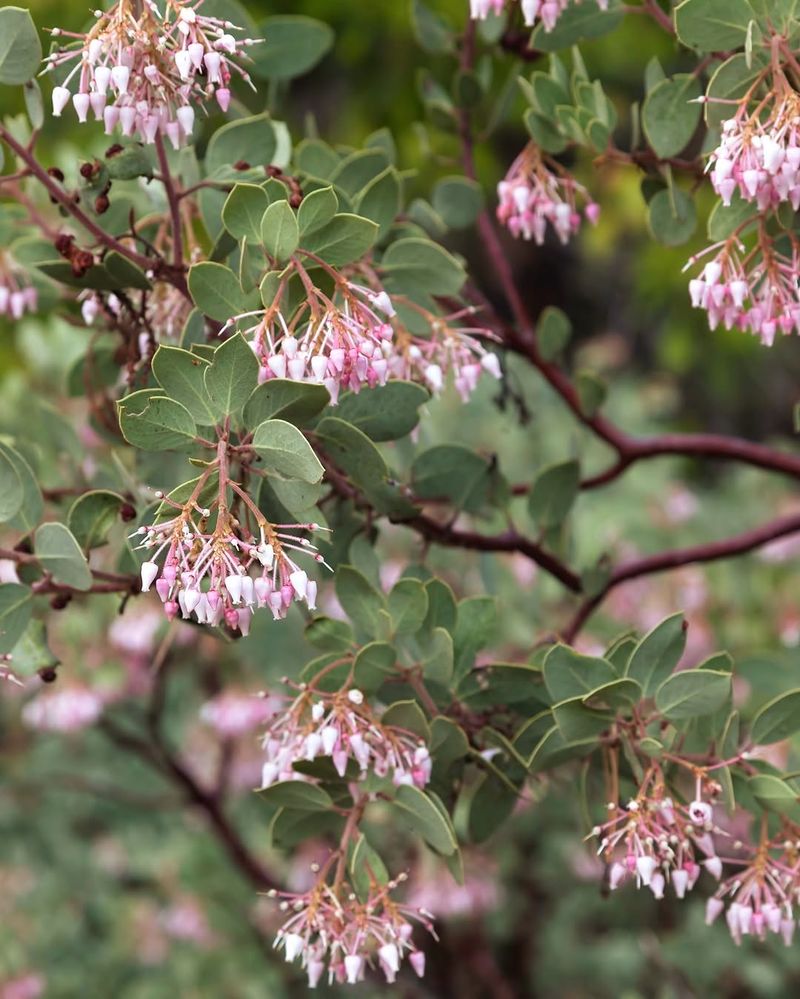
Walk through almost any wild stretch of California and you will spot Manzanita. Its smooth, rich reddish-brown bark is one of the most striking features in the native plant world, and it looks just as stunning in a home garden.
Manzanita belongs to the genus Arctostaphylos, and California is home to dozens of species and varieties, ranging from low ground covers to tall, sculptural shrubs.
Most Manzanitas love full sun and sharp, well-drained soil. They are built for California’s dry summers and do not appreciate overwatering once established.
The delicate, urn-shaped flowers that appear in late winter and early spring are a favorite for hummingbirds and native bees, making Manzanita both beautiful and ecologically valuable in any California yard.
For gardeners replacing boxwood, compact varieties like ‘Howard McMinn’ or ‘Sentinel’ work especially well as structured hedges or border shrubs. The evergreen foliage stays neat and attractive throughout the year.
Manzanita is also long-lived and surprisingly tough once it finds its footing in the right spot. If you give it good drainage and plenty of sun, it will reward you with decades of beauty and almost zero maintenance demands in your California landscape.
6. Rockrose
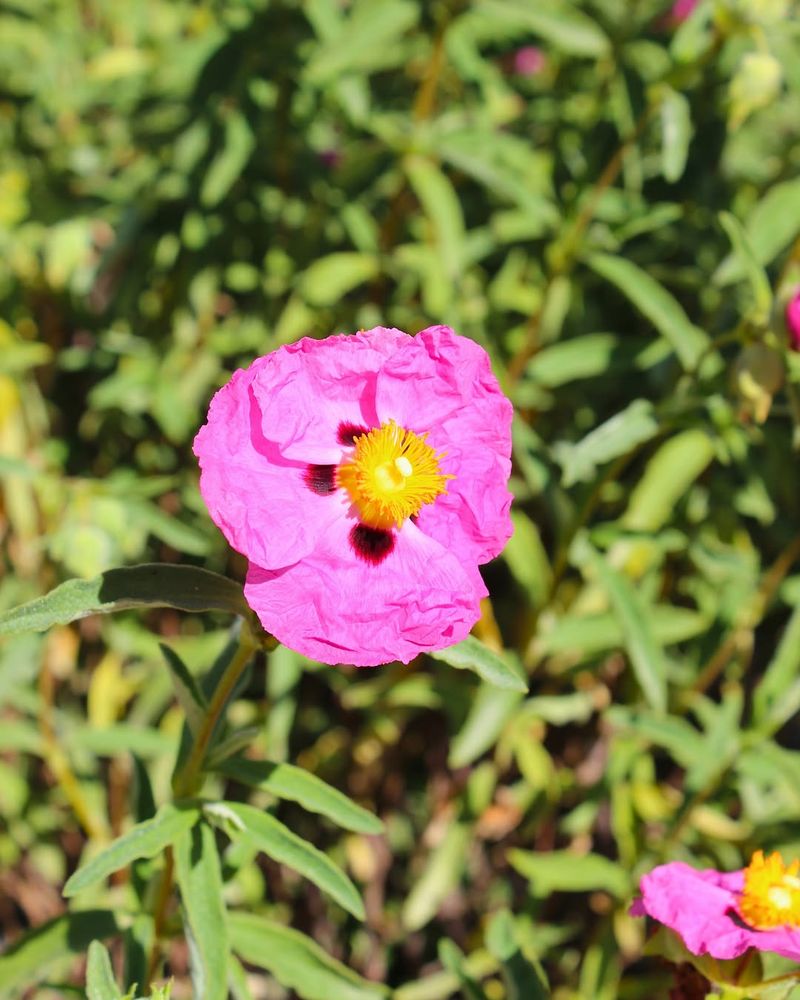
If you have ever wanted a shrub that looks like it belongs on a Mediterranean hillside, Rockrose is exactly that. Cistus, as it is known botanically, is a sun-loving evergreen shrub that produces gorgeous, tissue-paper-thin flowers in shades of pink, white, and magenta.
It blooms generously in spring and early summer, brightening up California yards with very little effort from the gardener.
Rockrose is exceptionally drought-tolerant, which makes it a natural fit for the dry, warm regions of California. It thrives in poor, sandy, or rocky soil and actually performs better when you do not fuss over it too much.
Overwatering and overfertilizing are the quickest ways to cause problems with this plant, so a hands-off approach works best.
Sizes vary by species, but many Rockroses grow into rounded, bushy forms two to five feet tall, making them useful as low hedges, slope covers, or border plants. The foliage is aromatic, which adds a pleasant sensory element to the garden.
Rockrose is also notably resistant to deer browsing, a common concern for California homeowners in suburban and semi-rural areas. For a carefree, colorful alternative to boxwood, Rockrose delivers season after season in California gardens.
7. Dwarf Olive
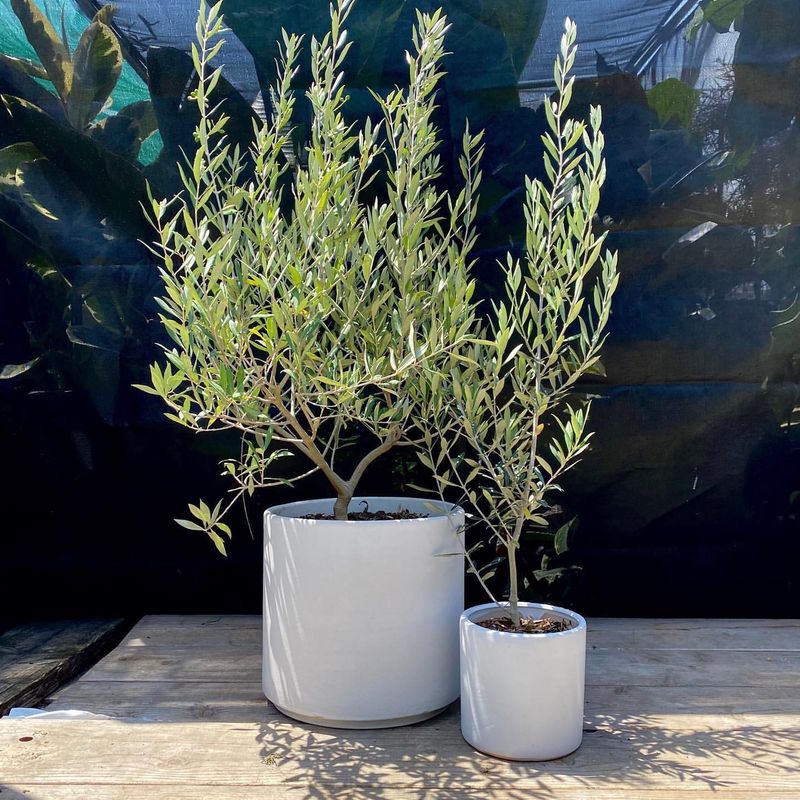
Elegant and easygoing, the Dwarf Olive brings a Mediterranean charm to California yards that is hard to replicate with any other plant. Varieties like Olea europaea ‘Little Ollie’ stay compact and tidy, growing into dense, rounded shrubs perfect for hedges, borders, or container planting.
The narrow, silvery-green leaves shimmer in the California sun and stay on the plant year-round.
Dwarf Olive is made for California’s climate. It loves heat, handles drought well once established, and adapts to a wide range of soil types as long as drainage is decent.
Unlike full-sized olive trees, these compact varieties do not produce messy fruit, which makes them much easier to manage in a residential yard without the cleanup headaches.
Pruning is simple and satisfying with Dwarf Olive. It responds well to shaping and holds its form neatly between trims, much like boxwood does in formal garden settings.
It is also tolerant of coastal conditions, including salt air and wind, making it a versatile pick across many parts of California. Deer tend to avoid it, and it has few serious pest or disease problems.
For a sophisticated, low-water hedge plant in California, Dwarf Olive is a genuinely smart swap.
8. Chilean Myrtle
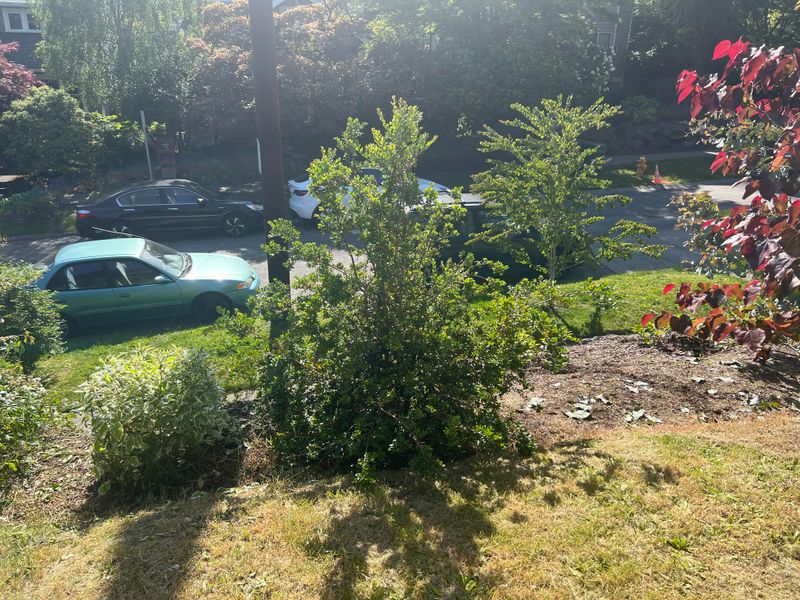
Chilean Myrtle, or Luma apiculata, is one of those plants that garden enthusiasts tend to get genuinely excited about. The standout feature is its bark, which peels away in patches to reveal a gorgeous mix of cinnamon, cream, and orange tones underneath.
Even in winter, when flowers are gone, the trunk and branches keep this shrub looking like a piece of living art in any California yard.
The small, glossy, dark green leaves are dense and evergreen, giving Chilean Myrtle a full, lush appearance year-round. In late summer, it produces clusters of small white flowers with a subtle fragrance, followed by dark purple berries that birds enjoy.
It grows at a moderate pace and responds well to pruning, making it an excellent choice for formal hedges or shaped garden structures.
Chilean Myrtle prefers a spot with good sunlight and regular moisture, especially during its first couple of years in the ground. Once established in California’s coastal or mild inland areas, it becomes more self-sufficient and easier to maintain.
It is not as drought-hardy as some other alternatives on this list, but for gardeners with access to regular irrigation, it offers unmatched ornamental value and a truly unique look that boxwood simply cannot match.
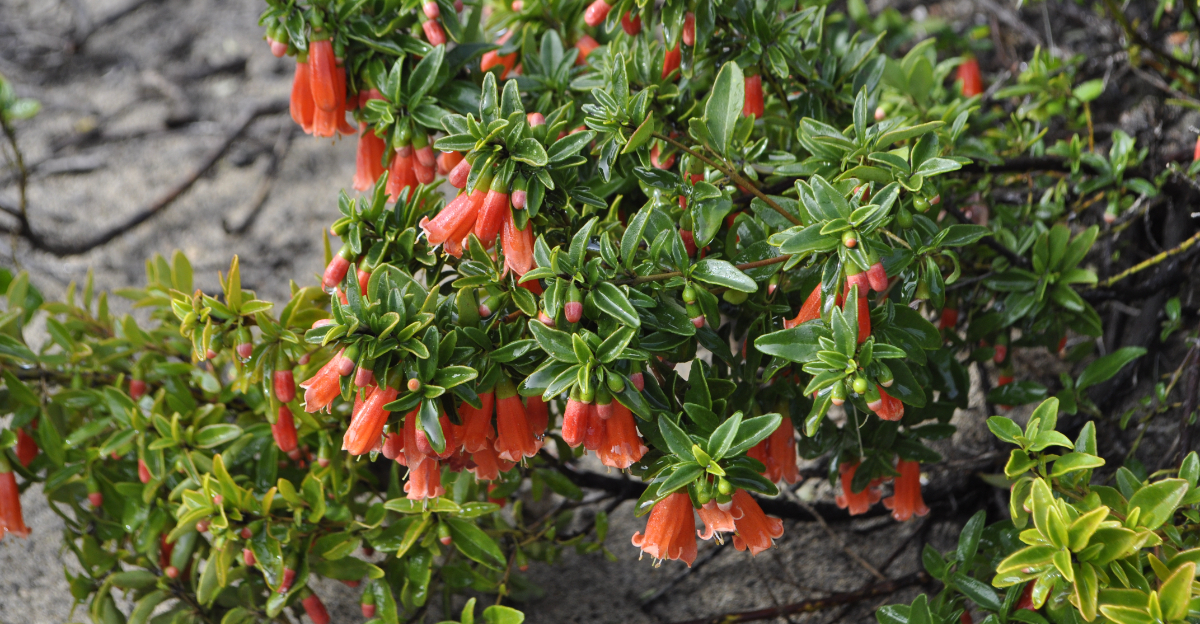
9. Correa
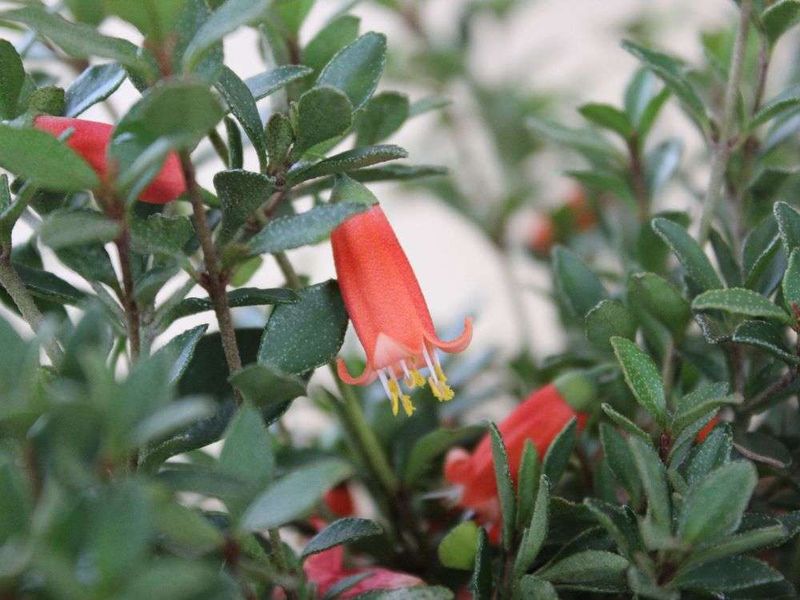
Not enough California gardeners know about Correa, and that is a real shame. This Australian native, sometimes called Australian Fuchsia, is one of the most reliable and charming evergreen shrubs you can grow in a California yard.
It produces pendulous, tubular flowers in shades of red, pink, white, and coral, and it blooms during fall and winter when most other plants have nothing to offer.
Correa grows best in coastal and mild inland areas of California, where it appreciates good drainage, moderate sun, and occasional deep watering. It is not as drought-tolerant as some true California natives, but it is far less thirsty than many traditional garden shrubs.
Most varieties stay between two and five feet tall, making them ideal for low borders, foundation plantings, or mixed shrub beds.
Hummingbirds are drawn to the tubular flowers almost immediately after they open, making Correa a fantastic choice for wildlife-friendly California gardens. The foliage is dense, evergreen, and stays tidy without constant pruning.
It has good resistance to most common pests and diseases and adapts reasonably well to different soil types. For gardeners who want winter color, hummingbird activity, and a neat, compact form as a boxwood substitute, Correa is a genuinely rewarding plant to grow.