9 Plants That Give Your California Yards Privacy Without Spending A Fortune
Let’s be real for a second. Nobody moves to California dreaming of waving hello to their neighbors every single time they step outside.
Privacy is one of those things you do not think about until you suddenly do not have it, and then it is basically all you can think about. The great news is that you do not need to spend a fortune on landscaping to fix it.
California is home to some seriously impressive shrubs, vines, and natives that can build a real, lush screen over time, starting from small and surprisingly affordable nursery plants.
The right plant in the right spot can completely transform how your yard feels, turning an exposed, open space into something that actually feels like yours.
Your outdoor retreat is closer than you think.
1. Westringia Creates A Clean Affordable Screen
Bare fences along a California side yard can feel uninviting, and Westringia is one of the most reliable shrubs you can use to fix that problem without overspending.
This Australian native thrives in the kind of dry, sunny conditions that are common across much of coastal and inland California.
It handles heat, reflected light, and low water once established, making it a practical choice for homeowners who want a tidy screen without heavy maintenance.
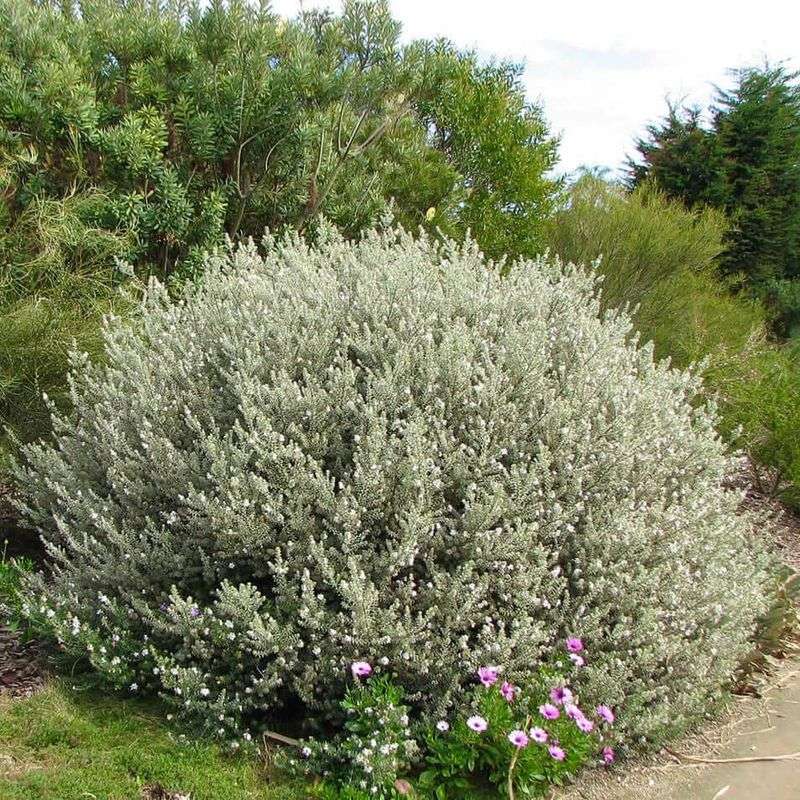
Westringia typically grows into a rounded shrub that can reach around four to six feet tall and wide, depending on the variety and how often it is trimmed.
The fine-textured, silvery-green foliage stays on the plant year-round, giving you consistent evergreen coverage along a fence or property line.
Small white or lavender flowers appear through much of the year, adding a quiet decorative touch without being showy.
Starting with smaller plants keeps the cost down considerably. Given a bit of time and regular irrigation while getting established, Westringia fills in steadily and requires only occasional shaping to stay looking neat.
It works well in rows along fences or as informal hedging in front yards where a clean, low-maintenance look is the goal.
2. Toyon Builds Privacy With A California Native Look
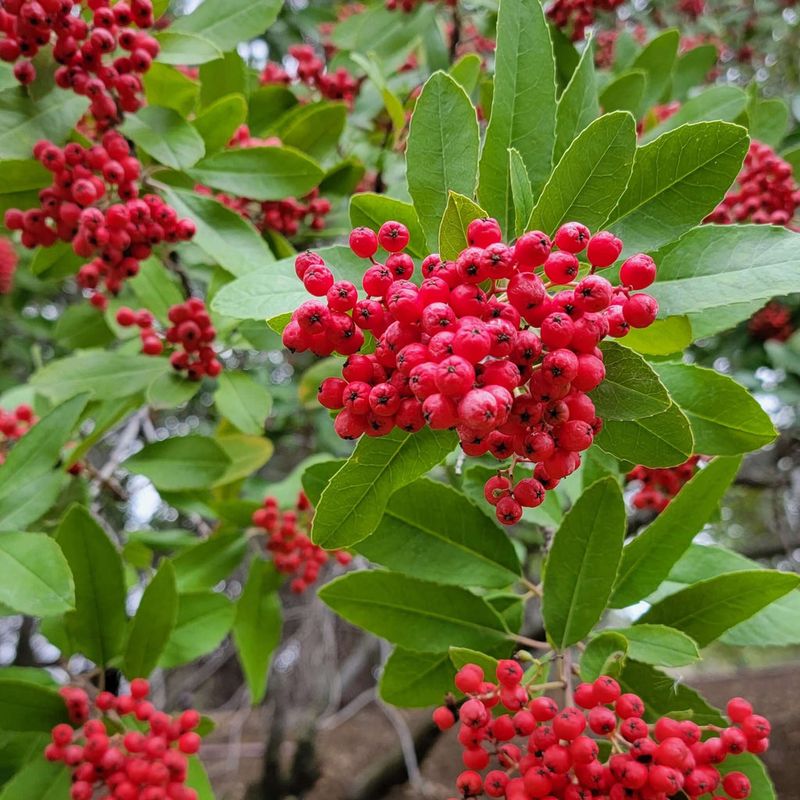
Few plants feel as genuinely Californian as Toyon, the native shrub that gave Hollywood its name. Growing naturally across coastal bluffs, foothills, and chaparral landscapes, Toyon brings an authentic regional character to any yard that wants privacy with a sense of place.
It is also one of the more budget-friendly choices when purchased as a small gallon-size plant from a native plant nursery.
Toyon can eventually reach eight to twelve feet or more over many years, forming a dense, multi-stemmed screen that blocks sightlines effectively.
The deep green leaves stay on the plant year-round, and clusters of bright red berries appear in winter, attracting birds and adding seasonal interest.
Because it is adapted to California’s dry summers, established Toyon needs very little supplemental water once it gets settled into the ground.
Spacing plants around six to eight feet apart gives each one room to fill out naturally without crowding. Toyon works especially well along back fences, rear property lines, or sloped areas where a natural-looking screen fits the setting.
Your California Garden Changes Every Week. Your Plan Should Too.
Gardening in California changes quickly throughout the season. Every Friday you’ll receive a simple weekly plan showing exactly what to plant, prune, fertilize, harvest, and protect so you never miss the right timing.
It tends to grow more slowly in its first year or two but picks up pace once the root system is established, rewarding patient gardeners with a sturdy and long-lasting privacy planting.
3. Coffeeberry Fills In With Dense Evergreen Coverage
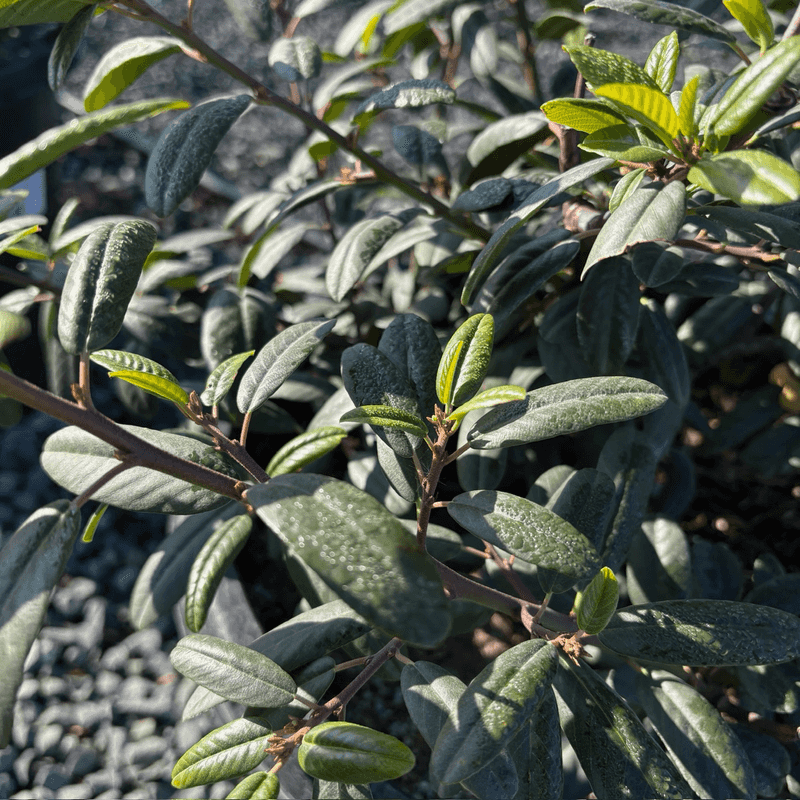
Not every privacy plant needs flashy flowers or fast growth to earn its place in a California yard. Coffeeberry, a California native shrub, works quietly and steadily, building dense evergreen coverage that fills in fence lines and side yards with surprisingly little fuss.
Its glossy, dark green leaves stay on the plant year-round, giving the yard a sense of enclosure even during dry summer months when many other plants look stressed.
Depending on the variety, Coffeeberry can range from compact forms around three feet tall to larger shrubs reaching ten feet or more.
This range makes it versatile enough for tight side yards, back fence lines, or mixed native plantings where different heights are useful.
The berries that appear in late summer ripen through shades of red and deep purple before turning nearly black, offering seasonal color and wildlife value at the same time.
One of the practical advantages of Coffeeberry is its tolerance for a range of conditions, from full sun to partial shade and from clay soils to well-drained slopes.
Watering needs drop significantly after the first year or two, which helps keep ongoing maintenance costs low.
Starting with smaller plants from a native nursery keeps upfront spending modest while still delivering a rewarding long-term screen.
4. Ray Hartman Ceanothus Grows Fast And Screens Well
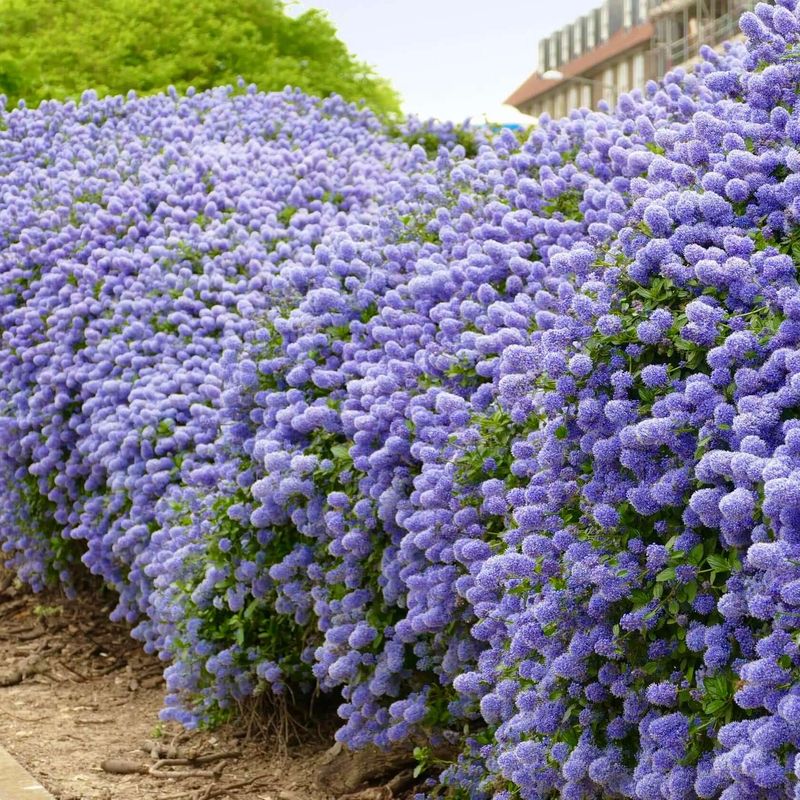
When a California backyard needs screening in a reasonable amount of time without a big budget, Ray Hartman Ceanothus deserves serious consideration.
This large native shrub or small tree is one of the most vigorous Ceanothus varieties available, capable of reaching twelve to twenty feet tall with an upright, multi-stemmed form that creates real visual barriers along fence lines and property edges.
In spring, Ray Hartman puts on a dramatic show of deep blue-purple flower clusters that cover the plant and draw pollinators by the dozens. The dark green leaves stay on the plant year-round, maintaining the screen even after the flowers fade.
Because it is a California native, it is well suited to dry summers and does not need much water once it has had a full season to establish its roots in the ground.
Growth during the first few years can be noticeably fast compared to many other native shrubs, especially with some supplemental irrigation in the early stages.
Planting smaller specimens from a nursery keeps costs manageable, and their relatively quick pace means the wait for real privacy is shorter than with slower-growing options.
Ray Hartman works best in spots with good sun exposure and room to spread, making it a strong candidate for back and side yard screening.
5. Lilac Vine Covers Fences Without Taking Much Space
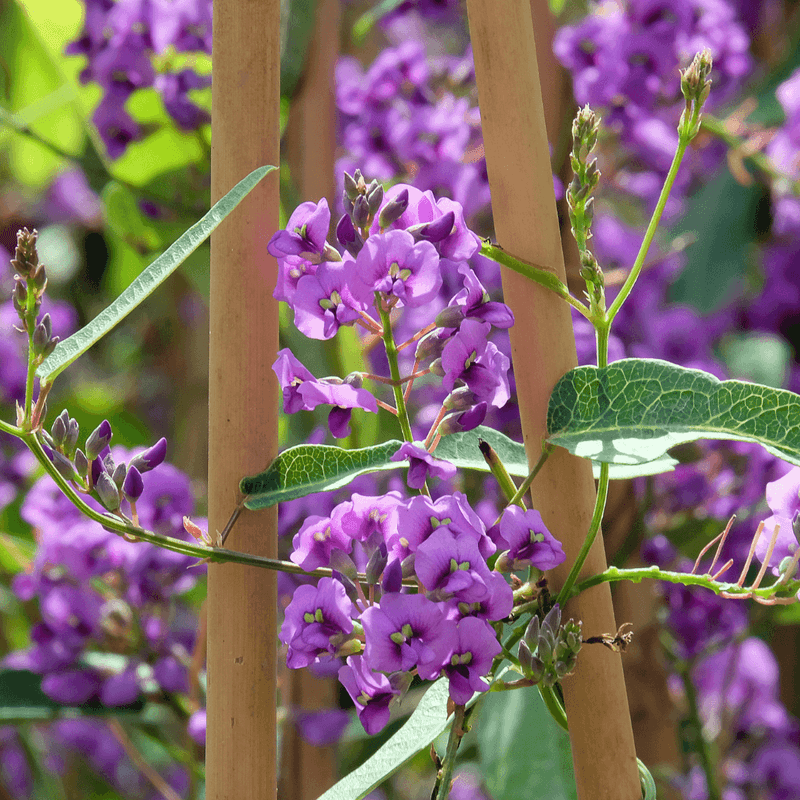
Tight planting strips between a fence and a driveway leave almost no room for a spreading shrub, and that is exactly where Lilac Vine earns its reputation.
Known botanically as Hardenbergia violacea, this Australian vine grows along fences, trellises, and walls with a slender, twining habit that takes up very little horizontal space.
It is one of the more practical choices for yards where the planting area is narrow but the need for screening is real.
The evergreen foliage provides year-round coverage, and in late winter to early spring the plant bursts into cascades of small, deep purple flowers that look striking against a plain fence or wall.
Once established, Lilac Vine handles California’s dry summers with minimal supplemental water, though it appreciates some irrigation during extended dry spells.
It grows in full sun to partial shade, which gives it flexibility across many yard orientations.
Training the vine along a fence from the start helps it fill in evenly and prevents gaps in the coverage. Nursery plants are generally affordable and establish fairly quickly once planted in well-drained soil.
Lilac Vine is not a heavy feeder and does not need frequent pruning to stay tidy, which keeps the long-term care commitment low and makes it a smart budget-friendly option for California fence screening.
6. Star Jasmine Adds Evergreen Privacy And Fragrance
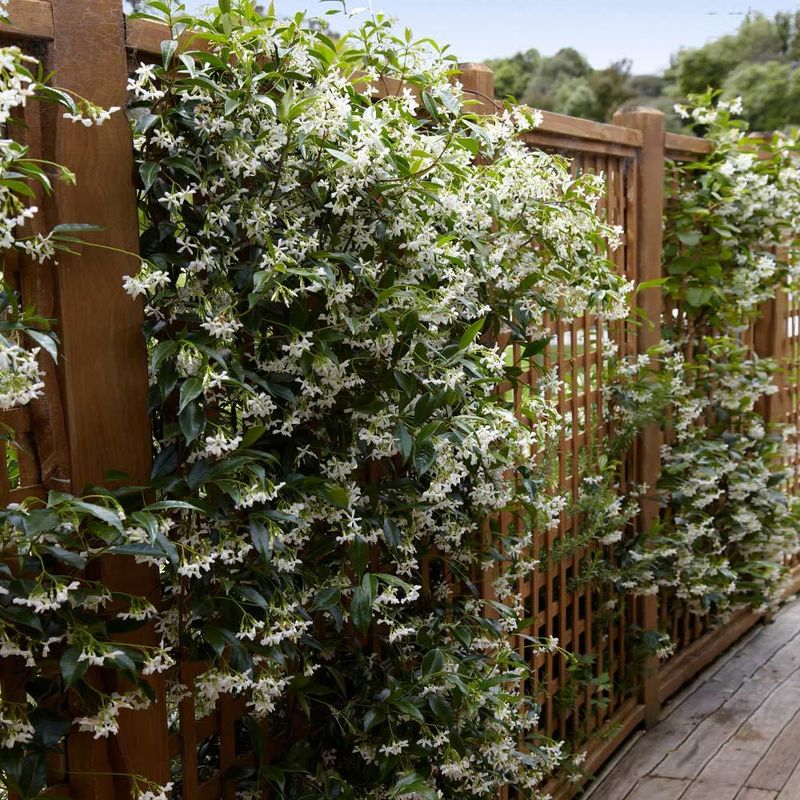
Walking past a fence covered in Star Jasmine on a warm evening is one of those small yard pleasures that is hard to replicate with any other plant.
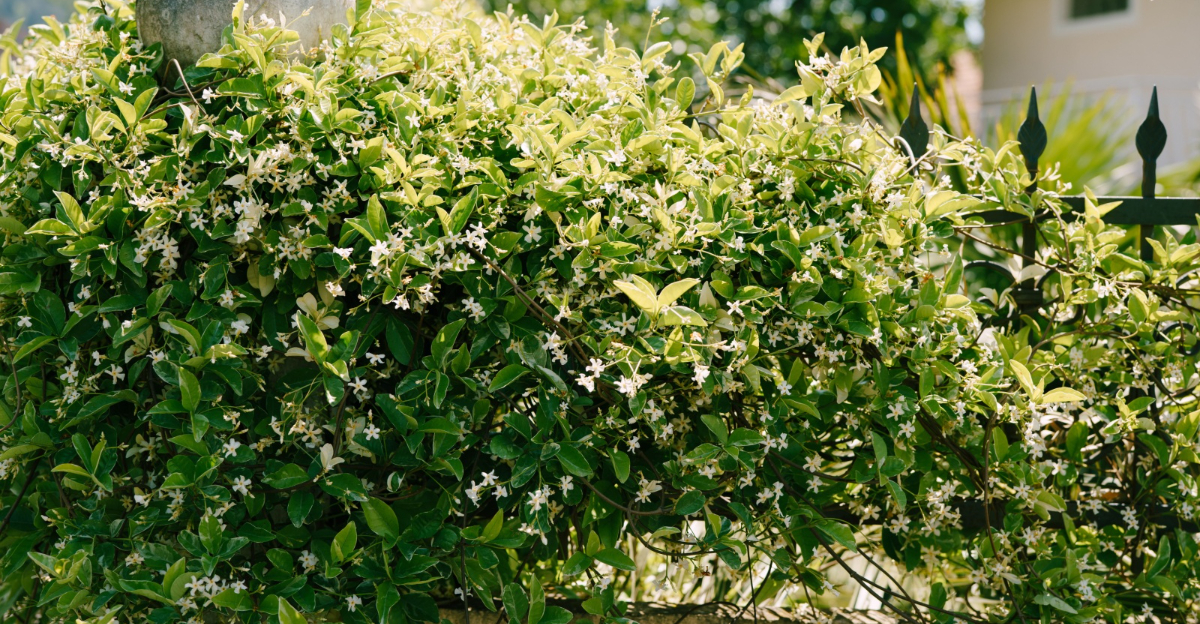
The fragrance from the small white flowers is genuinely noticeable and pleasant, and it fills outdoor spaces in late spring and early summer when the blooms are at their peak.
Beyond the scent, Star Jasmine earns its place as a practical evergreen screen that covers fences, walls, and trellises with dense, glossy foliage year-round.
Trachelospermum jasminoides, as it is formally known, is widely available at California nurseries and is typically sold at very affordable prices in smaller pot sizes.
It grows at a moderate pace, filling in a fence line steadily over two to three seasons with regular watering and occasional feeding.
The dark green leaves hold their color through summer heat and cooler winter months, maintaining a clean, attractive look through the year.
Star Jasmine works well trained along a fence with basic wire or trellis support, or it can be allowed to grow as a sprawling ground cover in areas where vertical coverage is not the priority. Pruning once or twice a year keeps it tidy and encourages denser growth.
For homeowners who want both privacy and a fragrant yard feature, this vine offers a lot of return for a modest investment.
7. Pink Jasmine Brings Fast Coverage And Spring Scent
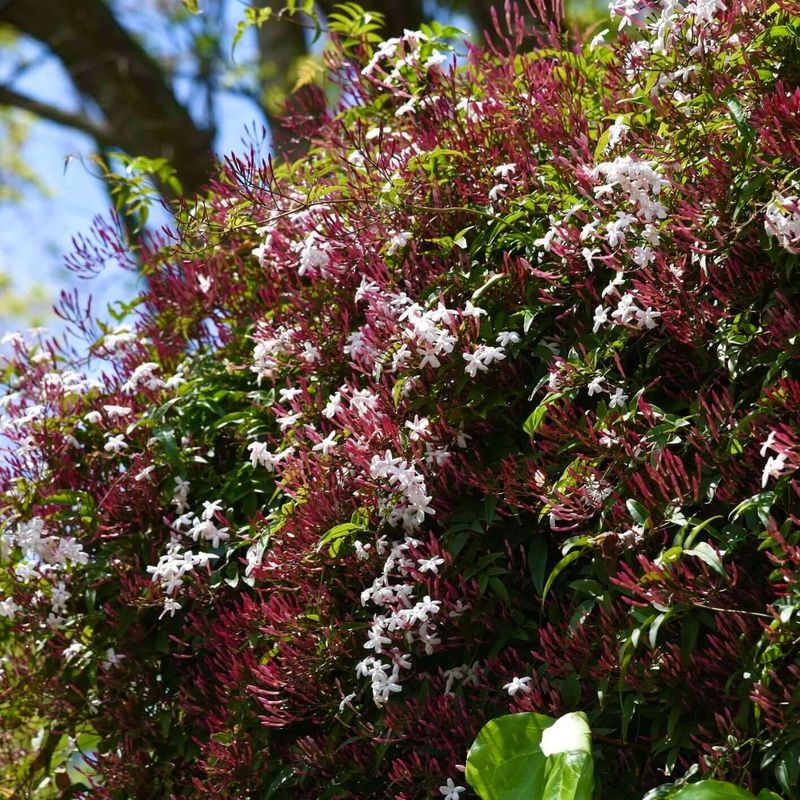
If there is one vine that gardeners mention when the conversation turns to fast fence coverage, Pink Jasmine comes up often.
Jasminum polyanthum grows with noticeable energy once it settles in, sending out long, twining stems that climb fences, walls, and trellises with little encouragement.
By the second or third season, a single plant can cover a substantial stretch of fencing, creating a leafy green screen that feels lush and inviting rather than structured or formal.
Spring is when Pink Jasmine really shows what it can do. Masses of small pink buds open into white flowers that release a sweet, heady fragrance that carries across a backyard patio or through an open window.
The flowering period typically runs from late winter into spring in many California climates, giving the yard an early seasonal lift before summer heat arrives. After the flowers fade, the fine-textured foliage continues to provide solid evergreen coverage.
Pink Jasmine is widely available at California nurseries and garden centers at modest prices, especially in smaller containers. It grows in full sun to partial shade and appreciates regular watering while young.
Once established, it becomes more drought tolerant, though some irrigation through dry summers keeps it looking its best. Pruning after the flowering period helps manage growth and keeps the coverage full rather than sparse at the base.
8. Mountain Mahogany Creates Privacy In Narrow Spaces
Narrow side yards are notoriously difficult to plant well. The space is often tight, the sun exposure can be intense, and most large shrubs simply take up too much room to be practical.
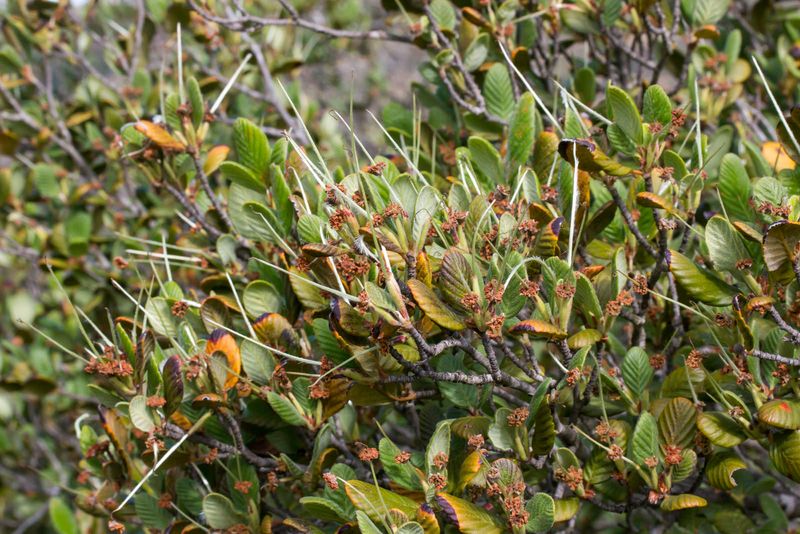
Mountain Mahogany, a California native shrub in the genus Cercocarpus, fits these conditions surprisingly well, growing in an upright, relatively narrow form that suits tight spaces without overwhelming them.
The plant is semi-evergreen to evergreen depending on the local climate and conditions, with small, leathery leaves that hold on through most of the year.
In late summer and fall, the seeds develop long, feathery, spiraling tails that catch the light and add an unexpected ornamental quality to what is otherwise a quiet, understated plant.
The overall effect in a side yard or along a fence is a natural-looking screen with a bit of seasonal character.
Mountain Mahogany is well adapted to California’s dry summers and rocky or lean soils, making it a low-maintenance option once established. It does not need rich soil or heavy fertilizing to perform well, which keeps the care routine simple.
Starting with smaller plants from a native nursery is the most affordable approach, and while growth is not rapid, the plant builds a reliable structure over time that holds up well in California’s climate without demanding much in return.
9. Hopseed Bush Makes Privacy Screens Feel Easy
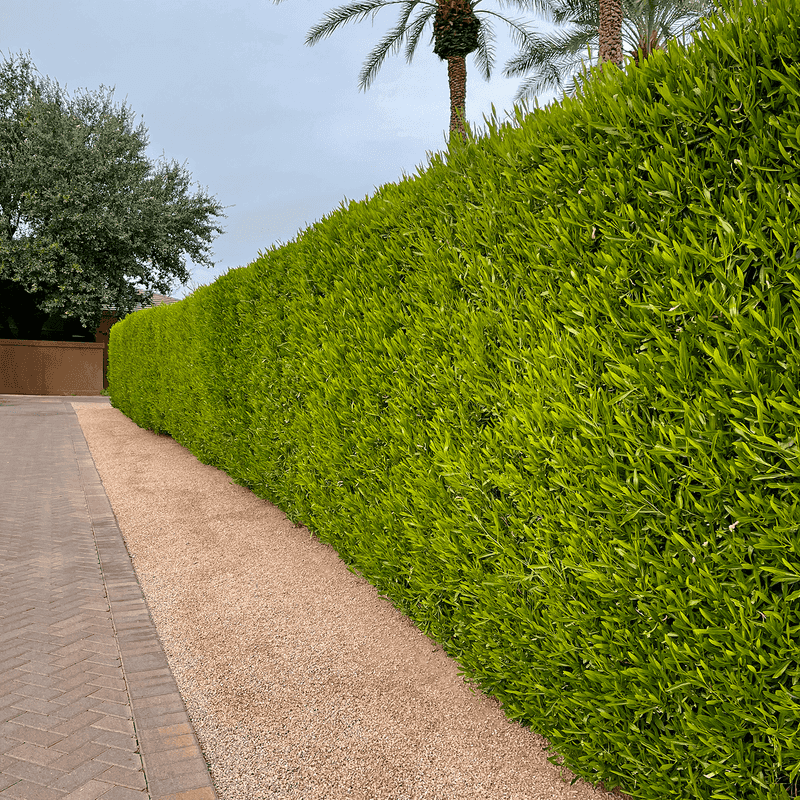
Some plants just work without much drama, and Hopseed Bush is one of them.
Dodonaea viscosa is a fast-growing, adaptable shrub that has become a go-to choice for homeowners who want a tall, dense privacy screen without spending heavily on large specimens or waiting endlessly for results.
Its upright, multi-stemmed growth habit allows it to reach eight to twelve feet relatively quickly compared to many other screening options.
The narrow, lance-shaped leaves have a slightly bronzy or reddish tint, especially in cooler months or when the plant experiences some stress, which gives the hedge a bit of visual warmth compared to standard green-leafed shrubs.
Papery, winged seed clusters appear in summer and add a subtle texture to the plant without being messy or difficult to manage.
The overall look is informal but tidy, which suits California backyards that want screening without a highly manicured hedge feel.
Hopseed Bush handles heat, drought, wind, and a range of soil types with reasonable tolerance, making it one of the more forgiving privacy plants available at California nurseries.
Planting in rows with spacing of around four to six feet apart encourages the plants to fill in and create a continuous screen over time.
Starting with one-gallon or five-gallon plants keeps costs manageable, and the growth rate means the investment pays off within a few seasons.