The Fire-Resistant Groundcovers Oregon Homeowners Are Planting Instead Of Bark Mulch
Bark mulch is common in Oregon yards, but it is not always the best fit near a home once dry weather settles in.
It can shift, fade, and leave bare spots where weeds happily move in like tiny squatters. Fire safety adds another reason to rethink it.
Many homeowners are now looking at living groundcovers that stay low and help cover soil without creating the same dry, loose layer.
These plants can make a yard feel softer while still looking clean and planned. They also bring more life to tricky spaces near paths, slopes, and open beds.
The key is choosing groundcovers that behave well and suit Oregon’s changing seasons. Some stay green through much of the year.
Others add small blooms that make the yard feel less plain. Bark mulch may be easy, but living coverage can do more than sit there looking brown.
1. Woodland Strawberry
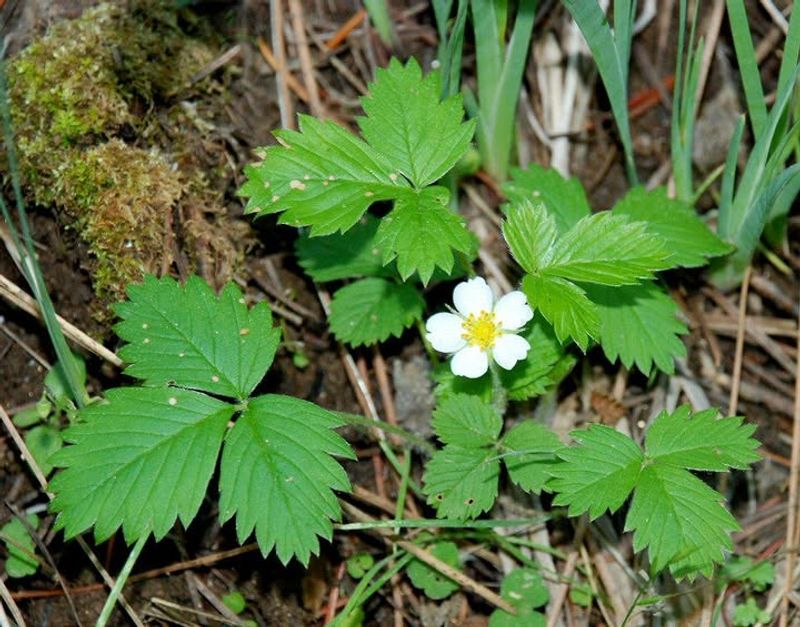
Few groundcovers earn their spot in a yard quite like the woodland strawberry. Not only does it look charming with its bright green leaves and tiny white flowers, but it also produces small, sweet berries that birds and people both enjoy.
It is one of the most practical and beautiful alternatives to bark mulch available to homeowners in this state.
Woodland strawberry spreads quickly through runners, filling in bare soil with a dense mat of low-growing foliage.
That dense mat is key for fire resistance. Living plants hold moisture in their leaves and stems, making them far less likely to catch and carry a flame than dry bark mulch.
The thicker the mat, the better the protection. This plant thrives in both sunny and partially shaded spots, making it a flexible choice for many different yard layouts.
It handles the wet winters and dry summers of the Pacific Northwest without much fuss. Water it occasionally during the driest months to keep it looking full and healthy.
Plant it along pathways, under trees, or on gentle slopes where erosion is a concern. It is native to western North America, so it fits right into naturalistic garden designs.
Homeowners who have made the switch often say it is one of the most rewarding groundcovers they have ever grown, combining beauty, function, and fire safety all in one low-growing, easy-care package.
2. Creeping Oregon Grape
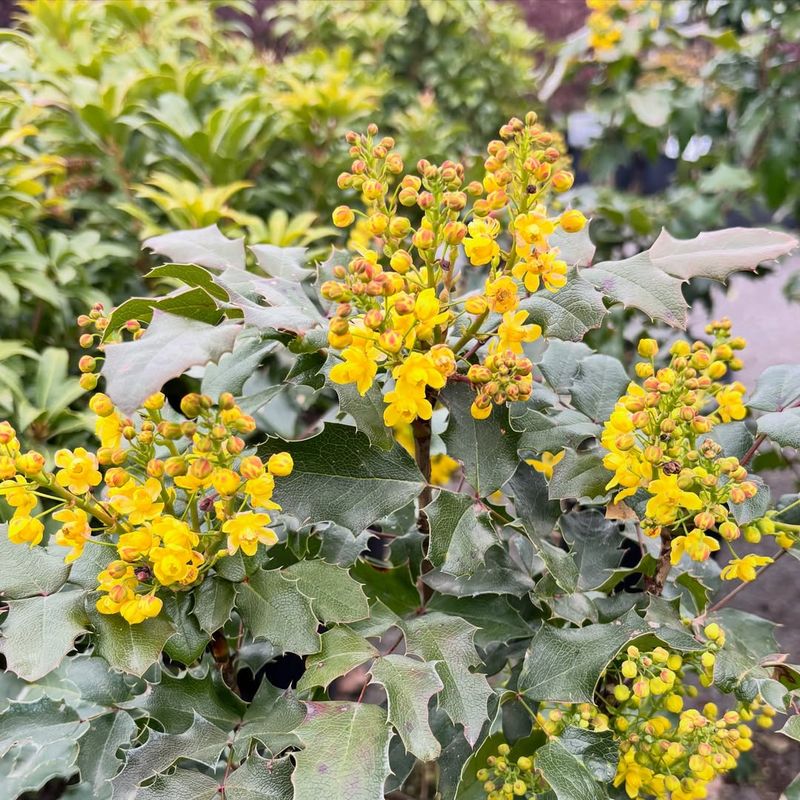
There is something quietly tough about creeping Oregon grape. It has glossy, holly-like leaves that stay green all year long, clusters of cheerful yellow flowers in spring, and deep blue berries in late summer.
It looks polished and intentional in any garden bed, and it asks for very little in return. As a fire-resistant groundcover, it checks all the right boxes.
The leaves are thick and moisture-retaining, which makes them slow to ignite. The plant grows low to the ground, usually no taller than twelve inches, spreading steadily outward to cover bare soil.
Once established, it forms a dense, weed-suppressing mat that reduces maintenance time significantly.
Creeping Oregon grape is a true native of this region, found naturally in forests and shaded hillsides throughout the state.
Your Oregon Garden Changes Every Week. Your Plan Should Too.
Gardening in Oregon changes quickly throughout the season. Every Friday you’ll receive a simple weekly plan showing exactly what to plant, prune, fertilize, harvest, and protect so you never miss the right timing.
Because of that, it is extremely well-suited to our climate. It tolerates dry shade better than almost any other groundcover on this list, making it ideal for spots under large conifers where little else will grow.
Plant it along shaded pathways, beneath tall shrubs, or along the north-facing side of a house. It pairs beautifully with ferns and wild ginger for a layered, woodland-style look. Birds love the berries, adding even more life to your yard.
If you want a low-effort, high-impact groundcover that also boosts your home’s fire resilience, this native plant is an excellent place to start.
3. Redwood Sorrel
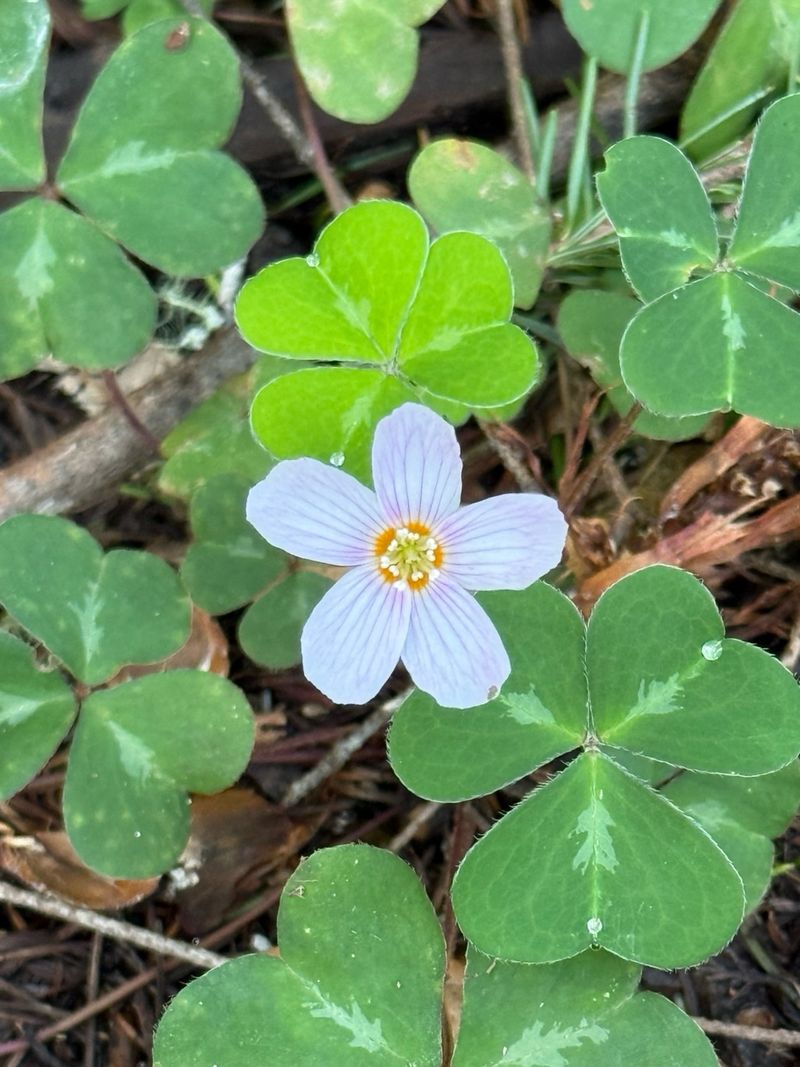
Walk through any old-growth forest in western parts of this state and you will almost certainly find redwood sorrel carpeting the ground beneath the trees.
Its heart-shaped leaves fold gently downward in bright light, giving it an almost shy, delicate appearance. But do not let that fool you.
This plant is remarkably resilient and surprisingly practical for home landscapes. Redwood sorrel thrives in deep shade, which makes it perfect for the darkest corners of a yard where most groundcovers struggle.
It spreads through underground rhizomes, forming a soft, lush mat that stays green even through dry spells.
Because it retains moisture well and grows close to the ground, it resists fire far better than bark mulch does in the same conditions.
The leaves come in beautiful shades of green with purplish undersides, adding color and texture to shaded beds.
In spring, small pink or white flowers appear above the foliage, giving the planting a gentle, woodland charm.
Redwood sorrel pairs wonderfully with ferns, bleeding heart, and native mosses for a fully shaded garden design.
It does not do well in full sun or very dry soils, so keep that in mind when choosing a planting spot.
For homeowners with big trees and lots of shade, this groundcover is a genuine solution that brings beauty, moisture retention, and natural fire resistance together in one elegant, low-maintenance plant that truly belongs in this region.
4. Wild Ginger
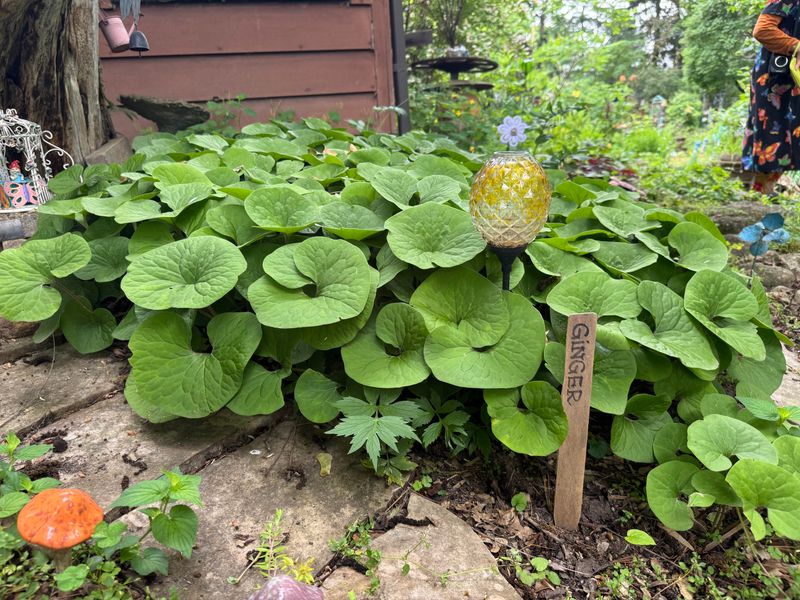
Bold, dark, and beautifully architectural, wild ginger is one of the most striking groundcovers you can plant in a shaded yard. Its large, heart-shaped leaves overlap to form a thick carpet that completely hides the soil beneath.
That dense coverage is exactly what makes it such a strong fire-resistant choice for homeowners looking to replace bark mulch.
Native to the forests of the Pacific Northwest, wild ginger is perfectly at home in the cool, moist shade found on the west side of houses, under large trees, or along north-facing slopes.
It spreads slowly but steadily, filling in over time with a reliable, weed-suppressing mat. The leaves hold moisture well, staying hydrated even during dry summer months when fire risk is at its peak.
One fun detail about wild ginger: it produces small, reddish-brown flowers in spring that hide beneath the leaves near the soil surface.
Most people never notice them, but pollinators do. The plant is not related to culinary ginger, but it does have a faint ginger scent when the leaves are crushed.
That aromatic quality adds a sensory bonus to the garden experience. Wild ginger pairs beautifully with ferns, trillium, and redwood sorrel for a layered, native woodland planting. It is slow to establish, so patience is needed in the first season or two.
Once it gets going, though, it is nearly unstoppable and wonderfully low-maintenance for busy homeowners.
5. Self-Heal
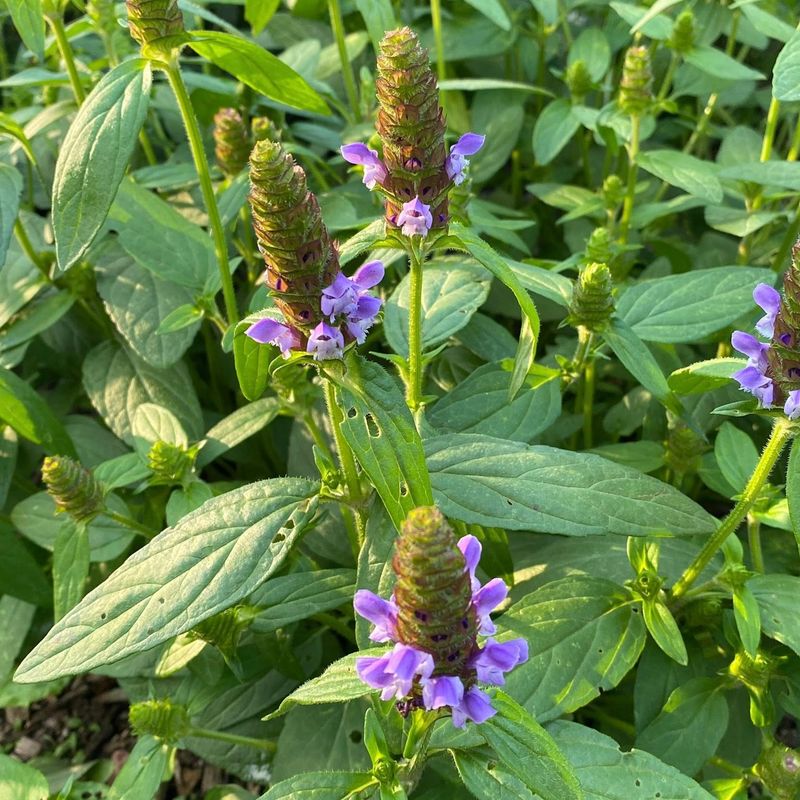
Self-heal might be one of the most underrated plants in the Pacific Northwest. It grows naturally in meadows, roadsides, and open woodlands across the region, yet most homeowners walk right past it without a second glance.
Once you understand what it can do for your yard, that is likely to change. Also known as Prunella vulgaris, self-heal is a low-growing perennial that forms a dense, mat-like coverage over the ground.
It produces small but pretty purple flower spikes from late spring through summer, which attract bees and butterflies in impressive numbers.
The plant stays green through much of the year and holds moisture in its compact foliage, making it a solid fire-resistant option for sunny to partially shaded areas.
One of the best things about self-heal is how adaptable it is. It tolerates foot traffic reasonably well, making it a popular choice as a lawn alternative or pathway edging plant.
It can handle both moist and moderately dry soils, and it spreads steadily to fill in gaps over time.
Homeowners in this state have been using it as a low-mow lawn substitute with great results.
Mow it occasionally to keep it tidy, or let it grow freely for a more naturalistic look. It requires no fertilizer and very little supplemental watering once established.
For a tough, pollinator-friendly, fire-resistant groundcover that practically takes care of itself, self-heal earns a well-deserved spot on this list.
6. Oregon Stonecrop
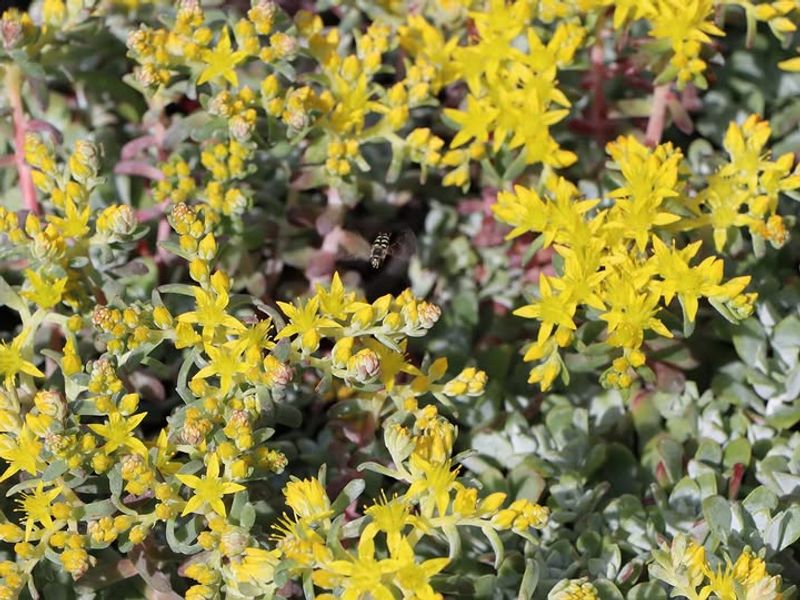
Rocky outcroppings, sunny hillsides, and dry exposed slopes are where Oregon stonecrop feels most at home.
This native succulent is built for tough conditions, and its ability to store water in its thick, fleshy leaves makes it one of the most fire-resistant groundcovers you can plant.
Dry bark mulch ignites easily in late summer heat, but Oregon stonecrop just keeps storing moisture and staying green.
The plant grows in low, spreading mats that hug the ground tightly. In late spring, clusters of small yellow flowers appear above the foliage, creating a cheerful display that attracts native bees and other pollinators.
The leaves often take on red or bronze tints in full sun or during dry periods, adding an unexpected layer of color to the garden.
Oregon stonecrop is a true native of this state and the broader Pacific Northwest, found growing naturally on rocky cliffs and open prairies.
Because it evolved here, it needs no fertilizer, very little water once established, and almost no care at all. It thrives in poor, rocky, or sandy soils where other plants struggle.
Plant it on sunny slopes, along stone pathways, in rock gardens, or anywhere bark mulch would normally be placed.
It works especially well in defensible space zones around homes in fire-prone areas. If your yard gets full sun and has well-drained soil, Oregon stonecrop is one of the smartest, toughest, and most beautiful groundcover choices available to you.
7. Sedum / Stonecrop
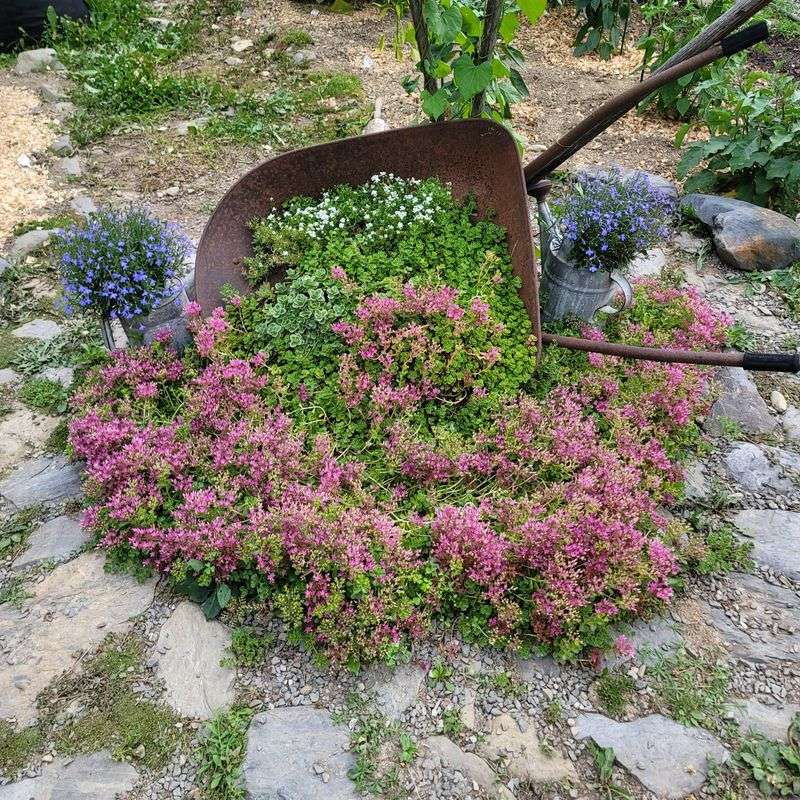
Succulents are having a major moment in fire-safe landscaping, and sedum is leading the charge.
Known widely as stonecrop, sedum is a broad family of succulent plants that store water in their thick, rubbery leaves. That stored moisture is exactly what makes them so resistant to fire.
A well-watered sedum mat simply does not burn the way dry organic mulch does. Dozens of sedum varieties work beautifully as groundcovers.
Low-growing types like Sedum spurium, Sedum acre, and Sedum rupestre spread across the ground in colorful mats of green, gold, red, and bronze.
They stay under six inches tall, making them ideal for planting between stepping stones, along driveways, on sunny slopes, or in rock gardens.
Many varieties turn brilliant shades of red and orange in fall, adding seasonal interest to the yard.
Sedum is incredibly drought-tolerant once established, which is a major plus for homeowners dealing with the dry summers common throughout this state.
It needs well-drained soil and full to partial sun to perform at its best. Avoid planting it in wet, shaded areas where it may rot over winter.
Divide and replant sections every few years to keep it looking full and tidy. Sedum is also a favorite among pollinators, with flat-topped flower clusters that bees absolutely love.
For a bold, colorful, fire-resistant groundcover that thrives in sun and drought, sedum is a reliable and rewarding choice for almost any yard layout.
8. Creeping Thyme
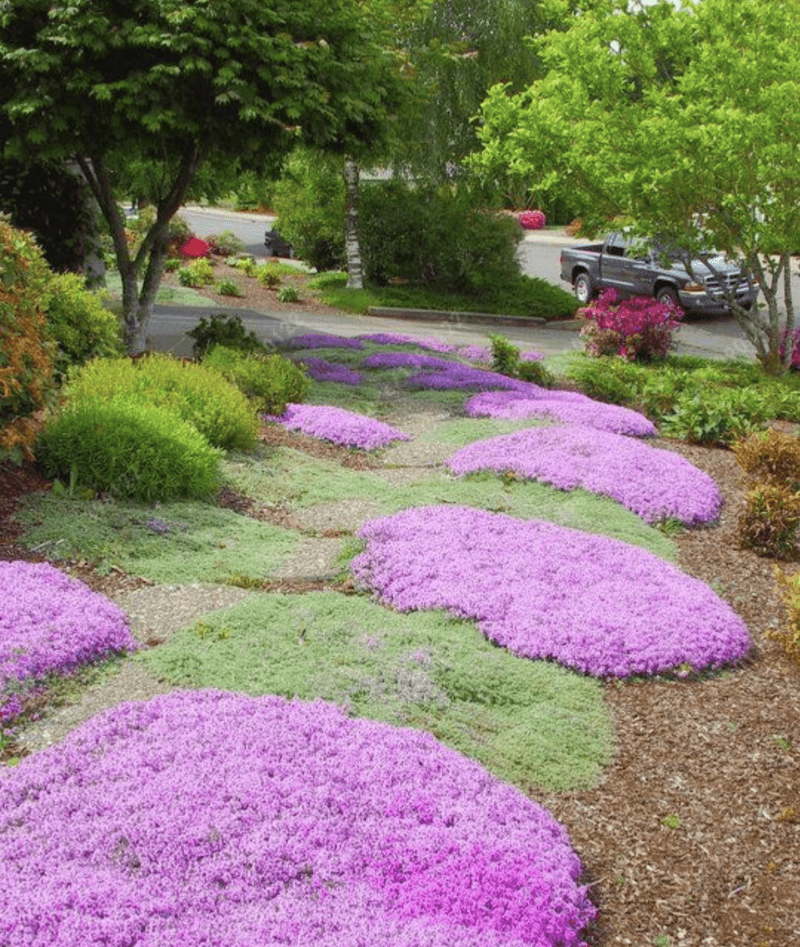
There is something almost magical about walking across a patch of creeping thyme on a warm summer day.
Each step releases a wave of fresh, herby fragrance that fills the air around you. Beyond that sensory pleasure, creeping thyme is one of the hardest-working, most fire-resistant groundcovers available for sunny yards in this region.
Creeping thyme grows in a tight, wiry mat that rarely exceeds three inches in height. It is semi-evergreen, holding its tiny leaves through most of the year.
In late spring and early summer, it erupts in a carpet of small pink or purple flowers that draw bees and butterflies by the dozens.
The foliage contains natural oils that, while fragrant, actually help the plant retain moisture and slow ignition compared to dry mulch materials.
This plant is incredibly tough. It handles foot traffic well, making it a popular choice for planting between stepping stones or along garden pathways.
It loves full sun and well-drained soil, thriving in the hot, dry summers that many parts of this state experience.
Once established, it needs almost no supplemental watering and zero fertilizer. It also suppresses weeds effectively, reducing garden maintenance overall.
Creeping thyme comes in several varieties, including red-flowered and white-flowered types, so you can mix and match for a colorful, textured effect.
For a fragrant, flower-filled, fire-resistant groundcover that practically takes care of itself, creeping thyme is a standout performer in any sunny landscape.
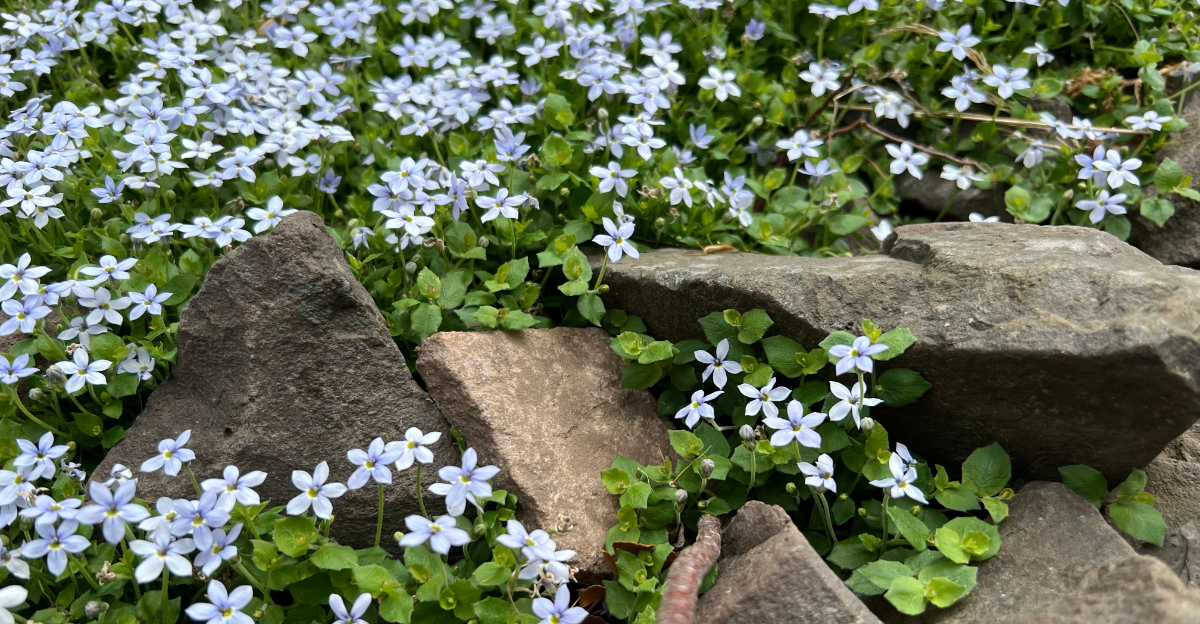
9. Blue Star Creeper
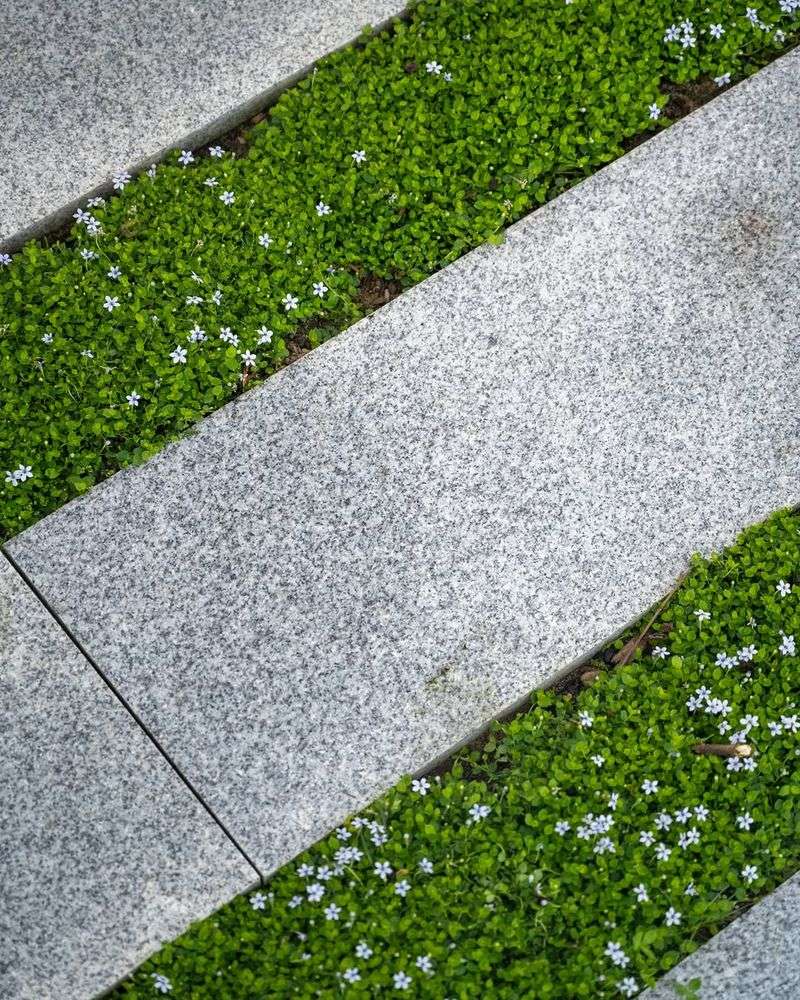
If you have ever wanted a groundcover that looks like a miniature wildflower meadow, blue star creeper is it.
This low-growing perennial produces a continuous flush of tiny, star-shaped blue flowers from spring through early fall.
The effect is stunning, especially when it spreads between stepping stones or along the edge of a garden path.
Blue star creeper forms a dense, moisture-retaining mat that stays close to the ground, usually under two inches tall.
That low profile and moisture content make it a smart fire-resistant choice compared to flammable bark mulch.
It handles light foot traffic well and spreads at a moderate pace, filling in bare soil over one to two growing seasons without becoming invasive.
Originally from Australia and New Zealand, blue star creeper has found an enthusiastic following among Pacific Northwest gardeners because it performs so well in our mild, moist climate.
It prefers partial shade to full sun and does best with regular moisture, especially during the dry summer months. In cooler, wetter parts of this state, it may stay green year-round.
Pair it with creeping thyme or sedum for a mixed groundcover tapestry that covers different light conditions across the yard.
It works especially well in formal garden settings where a tidy, low-growing carpet look is desired.
Homeowners who have tried it often describe it as one of the most visually rewarding groundcovers they have ever planted, combining constant color with practical fire-safe performance.
10. Dwarf Yarrow
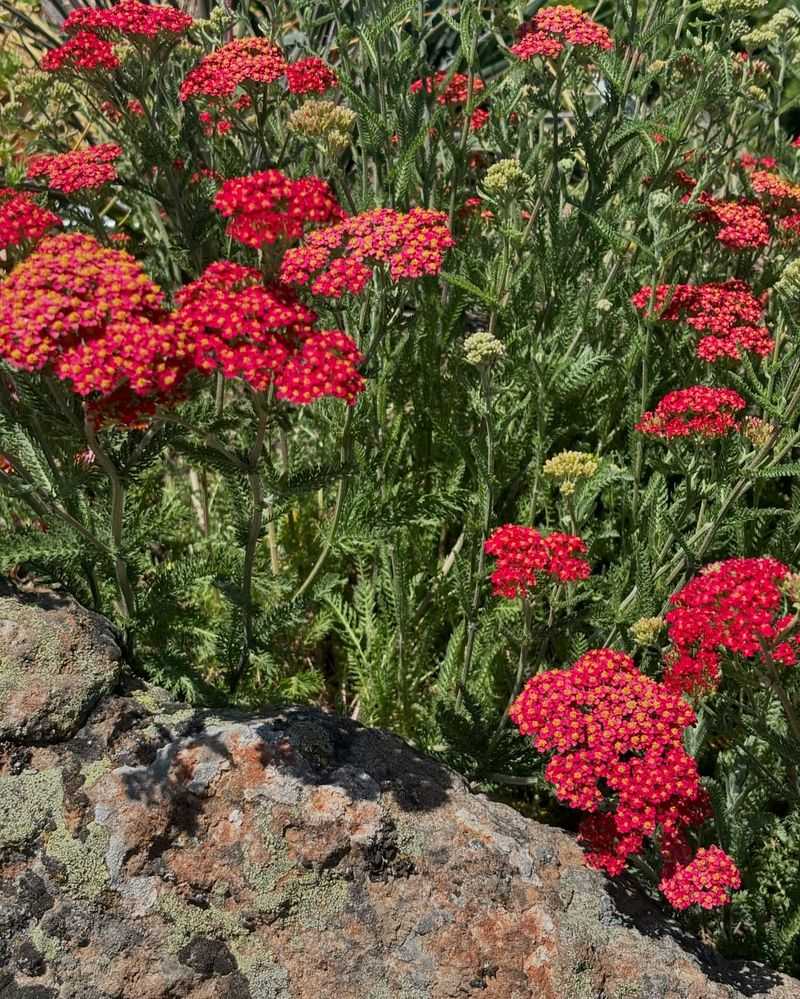
Yarrow has been a beloved garden plant for centuries, and the dwarf varieties bring all of that classic charm to a compact, groundcover-sized package.
Feathery, silver-green leaves spread in a low mat across the soil, topped with flat clusters of tiny flowers in shades of white, yellow, or pink from late spring through summer. It is a plant that earns genuine admiration from anyone who sees it.
From a fire-safety standpoint, dwarf yarrow has a lot going for it. The leaves are finely textured and moisture-retaining, and the plant grows densely enough to shade out weeds and cover soil thoroughly.
Dense, moisture-rich living plants are far less likely to carry a flame than the dry, loose structure of bark mulch. In fire-prone areas, that difference can matter a great deal.
Dwarf yarrow thrives in full sun and well-drained soil, making it ideal for the hot, dry slopes and open garden beds common in many parts of this state.
It is extremely drought-tolerant once established and needs little to no fertilizer. It also spreads gradually over time, filling in gaps without becoming aggressive.
Bees, butterflies, and beneficial insects are drawn to the flowers, making it a strong choice for pollinator-friendly yards.
Mow or shear it back lightly after flowering to encourage fresh new growth and keep the planting looking neat.
For a tough, beautiful, and fire-resistant groundcover with deep roots in garden history, dwarf yarrow delivers on every level.