Why Your Tomatoes Are Splitting In Oregon And How To Stop It Before It Gets Worse
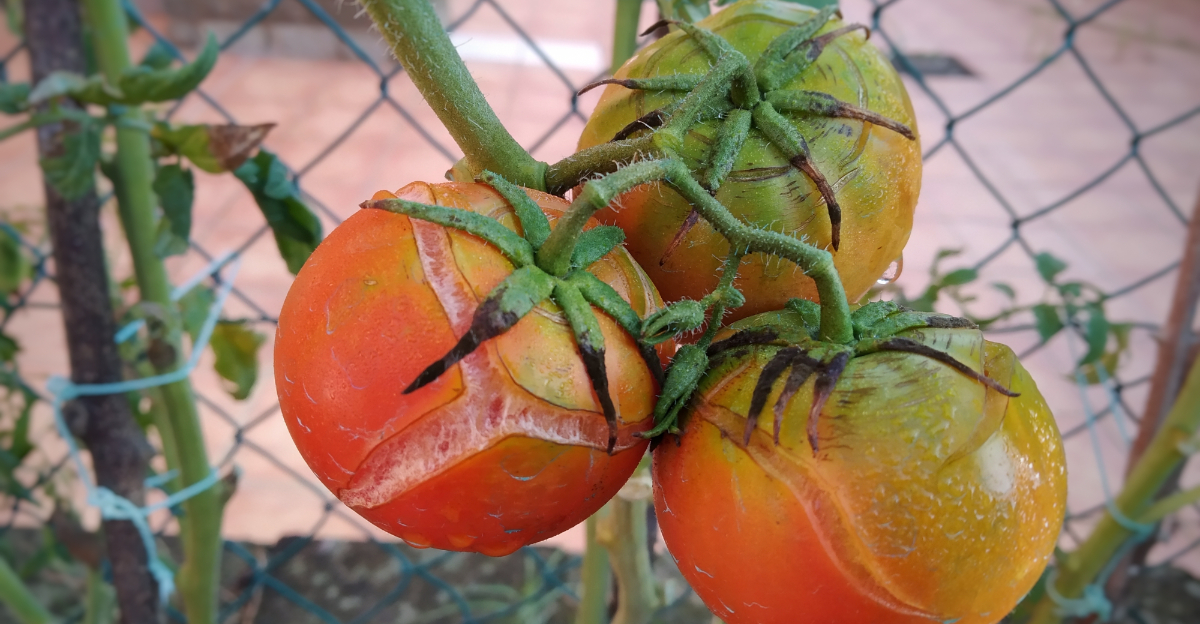
Oregon tomatoes can be a little dramatic once summer starts playing games with moisture. One week the soil is dry, the next rain rolls through, and suddenly your best looking tomato has a crack across its skin. Rude timing, honestly.
Splitting usually shows up just when the fruit is getting close to harvest, which makes it extra frustrating.
The plant may look healthy, so the cracked tomatoes can feel like a mystery. But the real story often starts with uneven moisture around the roots.
Tomato skins can only stretch so much before they give in. Oregon gardeners also deal with cool nights, warm afternoons, and surprise weather shifts that can make ripening even less predictable.
A split tomato is not always a lost cause, but it is a sign to pay attention. Catch the problem early, and you can help the next round of fruit stay smoother.
1. Uneven Watering Causes Most Splitting
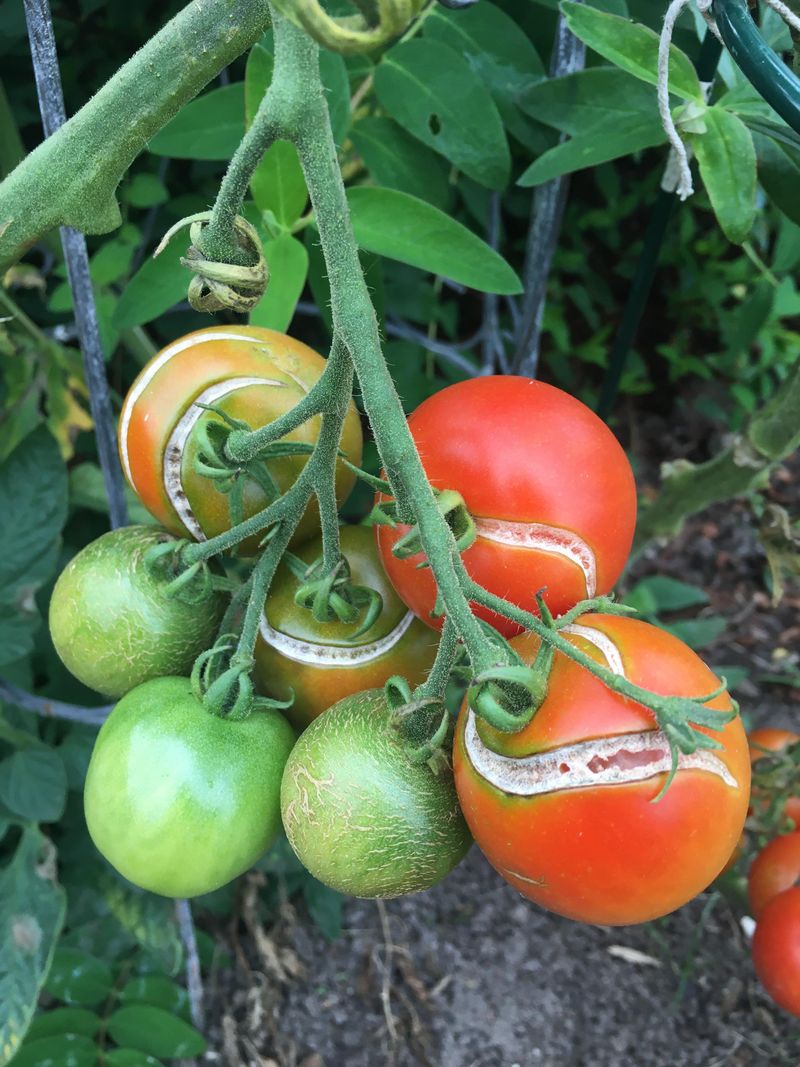
Most cracked tomatoes come down to one simple problem: the plant gets too little water for a while, then suddenly gets too much.
When tomatoes go through dry spells, the skin tightens and becomes less flexible. Then, when a big drink of water arrives, the inside of the fruit grows fast but the skin cannot stretch fast enough.
That pressure from the inside is what causes the crack. Watering your tomatoes on a consistent schedule makes a huge difference.
Try to water at the same time every day or every other day, depending on how hot it is. Drip irrigation systems are great for this because they deliver a slow, steady amount of water directly to the roots.
You do not have to spend a lot of money to set one up. A simple timer connected to a soaker hose can do the job well.
Check the soil before you water by sticking your finger about an inch deep. If it feels dry, it is time to water.
If it still feels moist, wait another day. Keeping that moisture level steady is the single most effective thing you can do to stop splitting before it starts.
Many gardeners in our state find that switching to a drip system cuts their splitting problem by more than half in just one season.
2. Rain After Dry Soil Can Crack Fruit
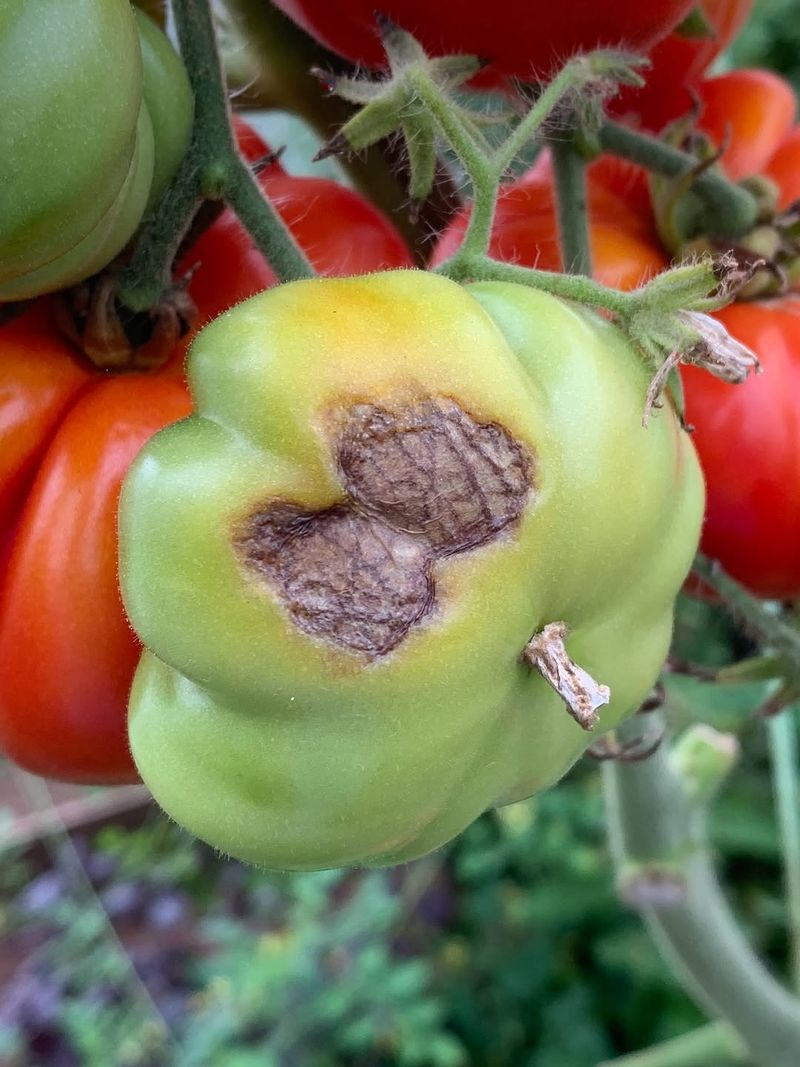
Heavy rain after a long dry stretch is one of the fastest ways to end up with a garden full of cracked tomatoes.
The soil soaks up water quickly when it has been dry, and the roots send that moisture straight up into the fruit. The tomato swells from the inside faster than the skin can handle, and that is when you see those deep cracks appear.
Our state is known for dry summers followed by sudden fall rains, which makes this a very real problem for local gardeners.
You cannot stop the rain, but you can prepare your garden for it. One of the best strategies is to keep your soil from getting too dry in the first place.
Your Oregon Garden Changes Every Week. Your Plan Should Too.
Gardening in Oregon changes quickly throughout the season. Every Friday you’ll receive a simple weekly plan showing exactly what to plant, prune, fertilize, harvest, and protect so you never miss the right timing.
When the soil is already at a steady moisture level, it absorbs rainwater more slowly and the fruit does not get flooded with moisture all at once.
You can also use row covers or simple plastic sheeting during heavy rain events to reduce how much water hits the soil directly.
It sounds like extra work, but it takes only a few minutes to set up. Another helpful trick is to check your tomatoes right after a big rain and pick any that are close to ripe.
Getting them off the vine before they absorb too much extra water gives you a much better chance of saving them from cracking.
3. Thin-Skinned Tomatoes Split First
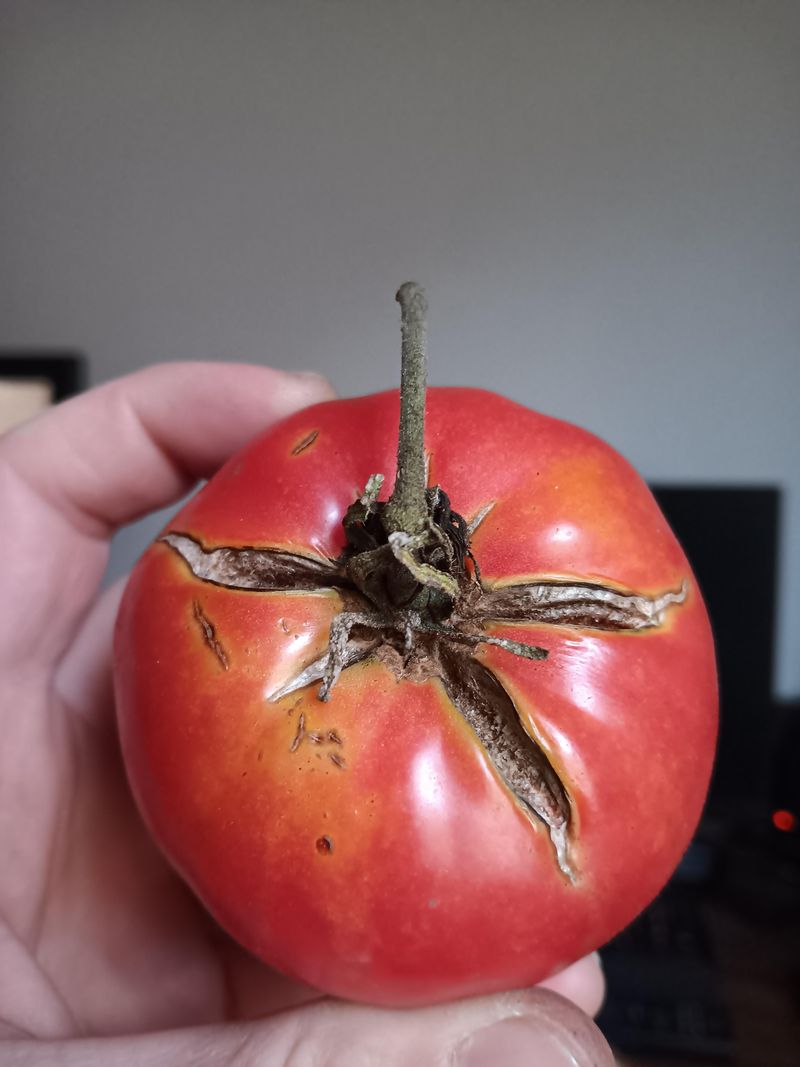
Not all tomatoes are built the same. Some varieties have thick, tough skins that hold up well under moisture swings, while others have paper-thin skins that crack at the first sign of stress.
If you keep seeing splits in your garden year after year, the variety you are growing might be part of the problem.
Heirloom tomatoes are famous for their amazing flavor, but many of them have very thin skins.
Varieties like Brandywine and Cherokee Purple are delicious, but they are also among the most likely to crack. That does not mean you have to stop growing them.
It just means you need to be extra careful with watering and try to harvest them a little before they reach full ripeness.
If splitting is a serious issue for you, consider mixing in some crack-resistant varieties alongside your favorites.
Types like Mountain Fresh Plus, Jet Star, and Celebrity are bred specifically to resist splitting. They still taste great and hold up much better when moisture levels change.
You can grow both kinds in the same garden. Just pay closer attention to the thin-skinned ones and pick them a day or two earlier than you normally would.
Choosing the right variety for your growing conditions is one of the smartest decisions you can make before the season even begins, and it saves a lot of frustration later on.
4. Overripe Fruit Cracks On The Vine
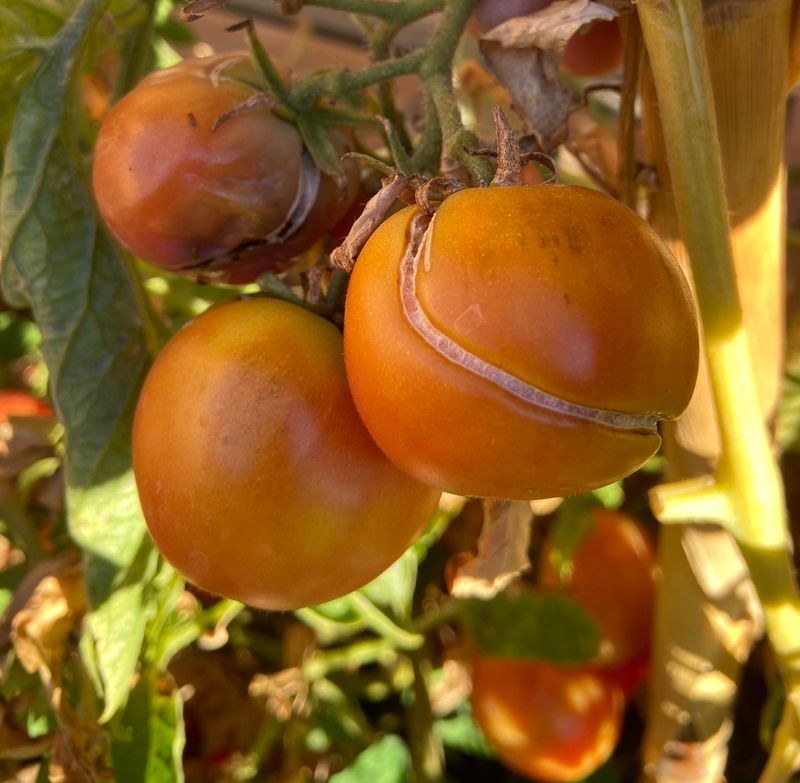
Leaving tomatoes on the vine too long is a habit that leads to a lot of wasted fruit. Once a tomato reaches full ripeness, the skin becomes softer and weaker.
Any change in moisture at that point, even a small one, can cause it to crack almost immediately.
The fruit has already done its job of ripening, and it simply cannot handle more pressure. A lot of gardeners wait until tomatoes look picture-perfect before picking them.
That makes sense, but it is actually better to harvest them just before they hit peak ripeness.
A tomato that is mostly red but still has a little firmness will finish ripening perfectly well on your kitchen counter. It will taste just as good and will not end up cracked and wasted in your garden.
Getting into the habit of checking your plants every two to three days during the peak of the season makes a big difference.
Look for any fruit that has turned fully red or is starting to feel soft when you gently squeeze it. Pick those right away.
You will reduce waste, protect the rest of the plant, and actually end up with more usable tomatoes overall.
Overripe fruit also attracts pests and disease, so removing it promptly keeps the whole plant healthier. A quick daily or every-other-day walk through your garden during harvest season is one of the easiest habits you can build.
5. Container Tomatoes Need Steadier Moisture
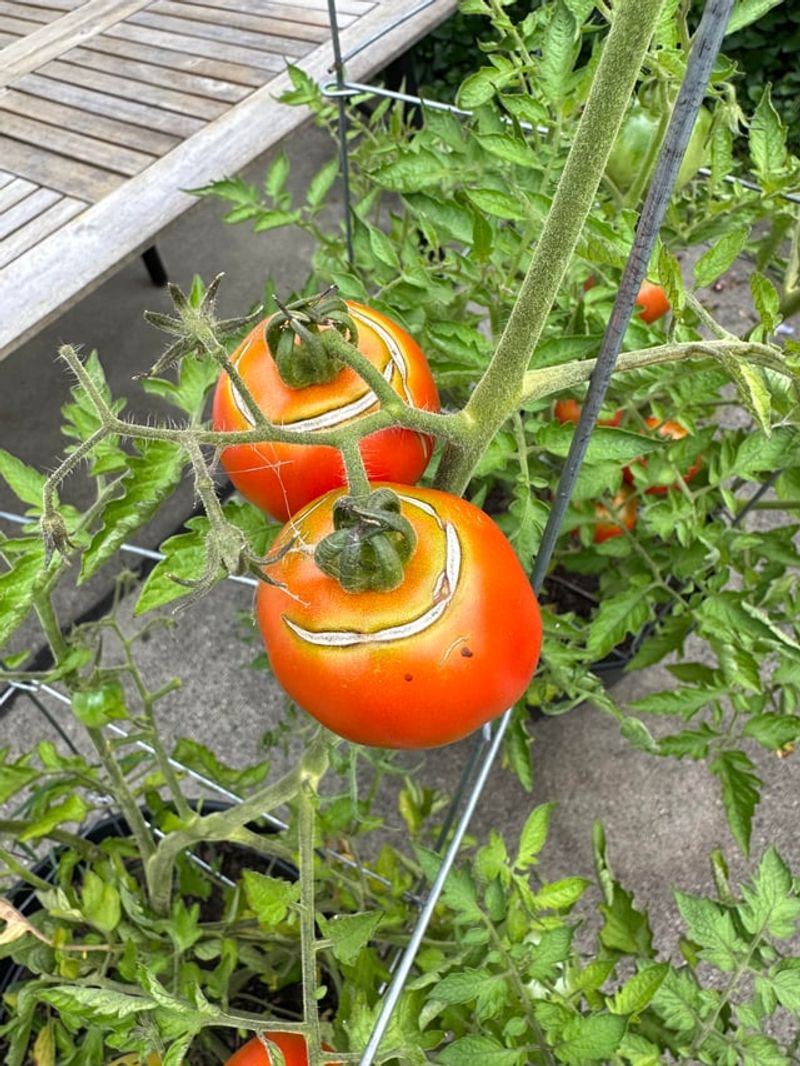
Growing tomatoes in pots and containers is popular for good reason. You can control the soil, move the plants around, and grow great tomatoes even in a small space.
But containers come with one big challenge: they dry out much faster than garden beds.
When a container dries out and then gets a big watering, the moisture change is even more extreme than it would be in the ground.
Container tomatoes need more frequent watering, especially during warm weather. On hot days, a large pot can dry out completely in just 24 hours. Checking your containers every single day is important.
Lift the pot slightly if you can. If it feels light, it needs water. You can also push a wooden skewer into the soil and pull it out.
Dry soil means it is time to water. Self-watering containers are a great investment if you grow tomatoes in pots regularly.
They have a built-in reservoir at the bottom that releases water slowly as the soil dries out. This keeps moisture much more consistent without you having to water twice a day.
You can also add water-retaining crystals to your potting mix at the start of the season. These crystals absorb water and release it slowly, which helps buffer against those sudden wet-dry swings that cause splitting.
Container gardening takes a little more attention, but with the right setup, your potted tomatoes can be just as healthy and crack-free as anything grown in the ground.
6. Mulch Keeps Soil From Swinging Dry To Wet
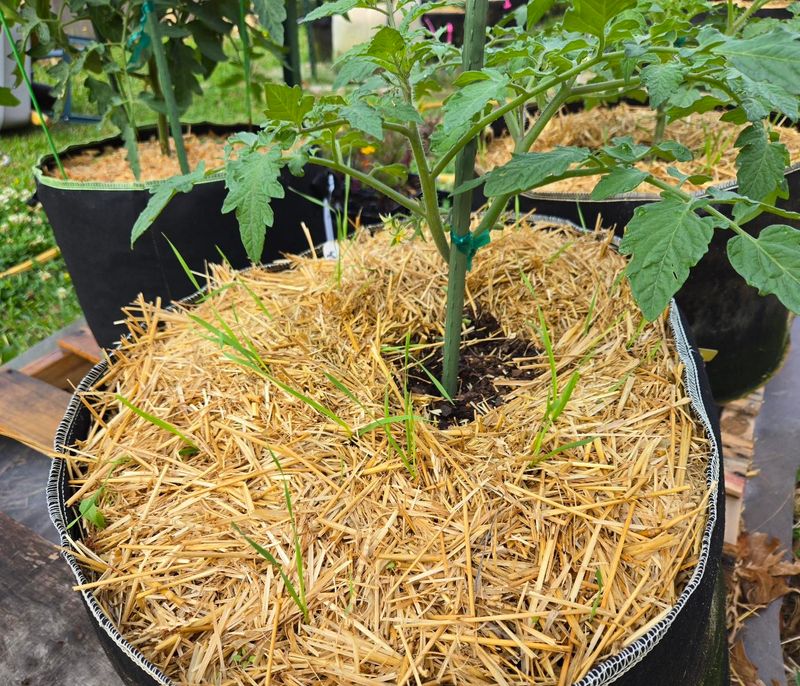
Mulch might be the most underrated tool in the tomato gardener’s toolkit. A good layer of mulch around your plants acts like a buffer between the soil and the outside world. It slows down evaporation on hot days, which means the soil stays moist longer.
And when rain falls, it slows down how fast that water soaks into the ground, giving the roots time to absorb it gradually.
Straw is one of the best mulch options for tomatoes. It is cheap, easy to find, and does a great job of holding moisture. Spread it about two to three inches deep around the base of each plant.
Keep it a few inches away from the main stem so it does not trap too much moisture right against the plant.
Wood chips and shredded leaves also work well and are often free if you have trees in your yard.
Mulching also keeps weeds down, which is a nice bonus. Weeds compete with your tomatoes for water and nutrients, so fewer weeds means your plants get more of what they need.
In our state, where temperatures can swing quite a bit between morning and afternoon, mulch helps keep the soil temperature more stable too.
That stability is really good for root health. Healthy roots absorb water more evenly, which leads directly to less fruit splitting.
Adding mulch is one of the simplest and most effective steps you can take, and it costs very little time or money to do right.
7. Deep Watering Helps Prevent Sudden Cracks
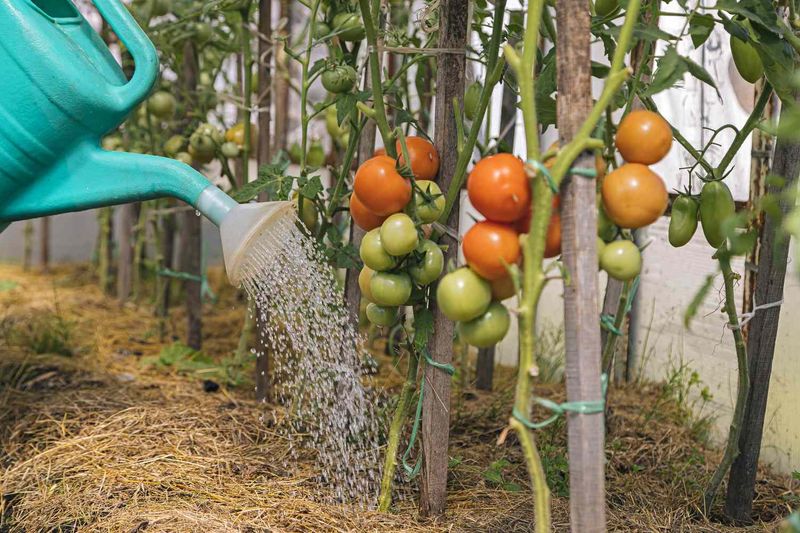
Shallow watering is a common mistake that makes splitting worse over time. When you water lightly and quickly, only the top inch or two of soil gets wet.
The roots stay near the surface looking for moisture, and when the top dries out fast, the plant goes through stress cycles over and over.
Those repeated dry and wet cycles are exactly what cause the skin of the fruit to crack.
Deep watering means getting moisture down six to eight inches into the soil. This encourages roots to grow deeper, where the soil stays more consistently moist.
Deep roots are much better at pulling up a steady, even supply of water. That evenness is what keeps the inside of the tomato growing at a slow, steady pace instead of in sudden bursts.
To water deeply, slow down your watering pace. Use a soaker hose or drip system and let it run for 20 to 30 minutes.
If you water by hand, water slowly and stay in each spot for a full minute before moving on. You can also do a simple test by digging a small hole near your plant after watering to see how deep the moisture went.
Aim for at least six inches. Deep watering once or twice a week is almost always better than light watering every day.
Your plants will be stronger, your soil will stay more balanced, and your tomatoes will have a much better chance of staying crack-free all the way to harvest.
8. Harvest Early Before Rain Or Heat Swings
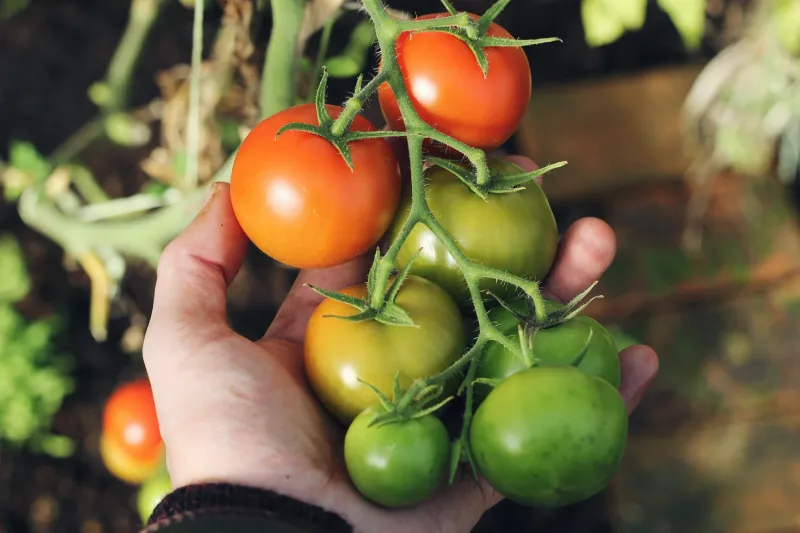
Watching the weather forecast is one of the smartest habits a tomato grower can build. When you know a big rainstorm is coming or a heat wave is on the way, that is your signal to go out and pick any tomatoes that are close to ripe.
Waiting just one more day in those conditions can mean the difference between a perfect tomato and a cracked one.
Tomatoes do not need to be fully red to be picked. A tomato that has started to turn color and feels slightly firm will ripen beautifully indoors. Set it on your counter away from direct sunlight and it will be ready to eat in a day or two.
The flavor is nearly identical to vine-ripened fruit, and you avoid all the risk that comes with leaving it outside during unstable weather.
In our state, late summer and early fall bring some of the most unpredictable weather of the year.
Temperatures can drop sharply overnight, and rain can arrive with very little warning. Getting ahead of those changes by harvesting early is not giving up on your garden.
It is being smart about it. Keep a small basket near your garden so picking is easy and quick. Make it part of your routine to check the forecast every few days during peak season.
A little planning goes a long way toward protecting your harvest and making sure all that hard work you put in actually ends up on your plate instead of cracked on the vine.