Spring Garden Trends That Look Great Online But Don’t Work In Oregon
Spring garden trends can look almost too perfect online. A tiny patio becomes a jungle overnight, raised beds sparkle like magazine props, and every plant seems to behave for the camera. Then Oregon weather enters the chat.
Cool soil, long rainy spells, and surprise gray weeks can turn some pretty ideas into soggy little regrets.
What works in a sunny video may struggle fast in a yard that stays damp until afternoon. Some trends also ask for more upkeep than they admit, which is not exactly charming once spring chores pile up.
The tricky part is that many of these ideas look simple enough to copy. That is how gardeners end up buying plants, pots, or setups that never quite fit the local season. Oregon gardens can be beautiful, but they do not always follow internet rules.
Before copying the latest spring look, it helps to know which trends may disappoint once real weather gets involved.
1. All-White Beds Show Every Mud Splash
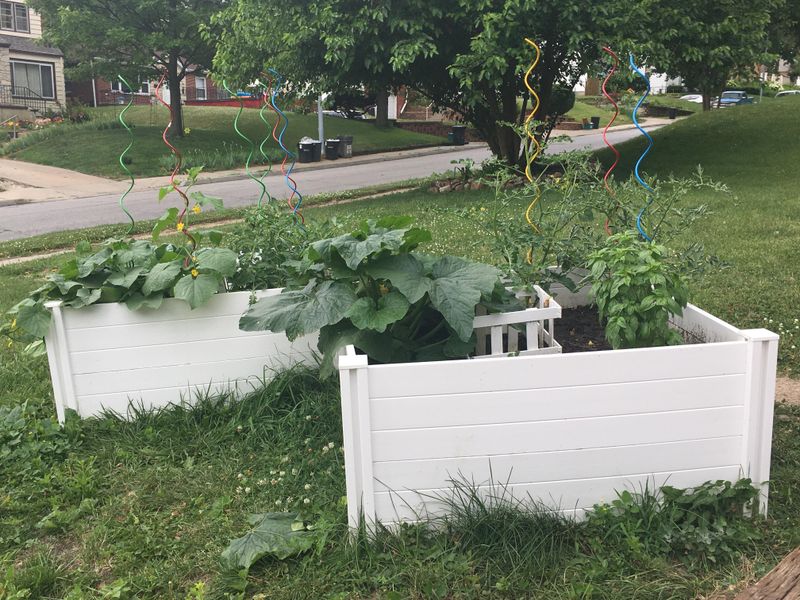
White flower beds look absolutely magical in magazine photos. The clean, bright blooms pop against green foliage and make any garden feel elegant and polished. It is easy to see why so many gardeners fall for this trend online.
Here in the Pacific Northwest, though, rain is a near-constant companion from fall through late spring.
Every heavy shower sends mud splashing upward onto low-growing white blooms. Petals that looked pristine in the morning can look dingy and spotted by afternoon.
White flowers like alyssum, white tulips, and white impatiens are especially prone to picking up soil stains after rainfall.
The problem gets worse when you factor in our clay-heavy soils. Clay tends to splash higher and sticks more stubbornly than sandy soil. Even a light drizzle can leave a visible film on white petals.
Cleaning them is not really an option since blooms are fragile. A smarter approach is to mix white flowers with silvery foliage plants like dusty miller or lamb’s ear.
The silver tones hide minor splashing and keep the pale color scheme intact. Raised beds also help because they lift plants away from the worst of the mud splash zone.
Adding a thick layer of dark mulch around the base of white plants makes any splashing less visible and keeps the bed looking tidy even after a wet week.
2. Bare Soil Turns Into Weeds Fast
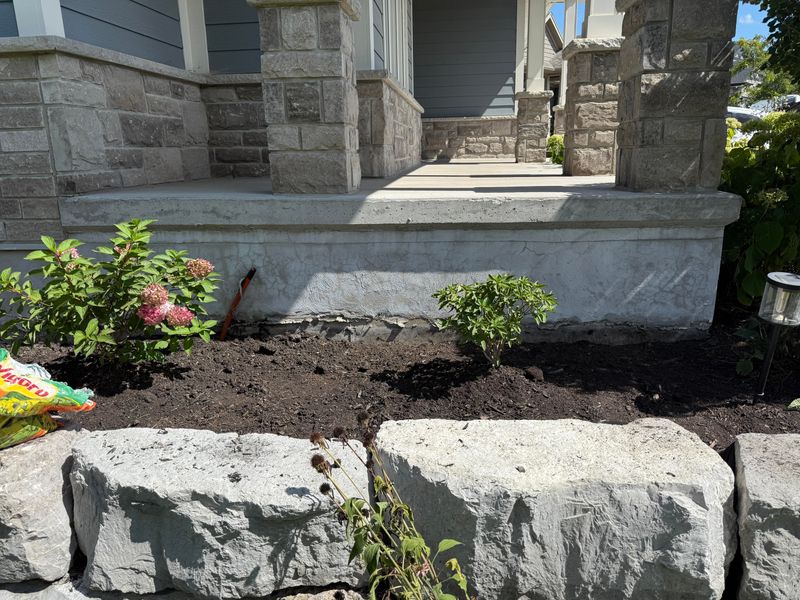
One of the most popular garden aesthetics right now features plants spaced far apart with clean, bare soil between them.
It looks structured, modern, and intentional in photos. Real life in the Pacific Northwest tells a very different story.
Our wet winters and mild springs create near-perfect conditions for weed seeds to sprout. Bare soil is basically an open invitation.
Within two weeks of planting, you can watch a tidy bed transform into a carpet of chickweed, hairy bittercress, and oxalis.
These weeds are fast, aggressive, and incredibly hard to fully remove once they take hold. Moss is another issue that does not show up in online garden inspiration.
Your Oregon Garden Changes Every Week. Your Plan Should Too.
Gardening in Oregon changes quickly throughout the season. Every Friday you’ll receive a simple weekly plan showing exactly what to plant, prune, fertilize, harvest, and protect so you never miss the right timing.
Our damp conditions encourage moss to spread across any exposed soil, which can look pretty in certain settings but competes with your plants for nutrients and water. Many homeowners are surprised by how quickly it takes over.
Mulching is genuinely one of the best things you can do for a Pacific Northwest garden. A two to three inch layer of wood chip mulch or bark dust suppresses weeds, retains moisture during dry spells, and keeps the soil temperature more consistent.
Ground cover plants like creeping thyme, ajuga, or low-growing sedums also work well to fill gaps between larger plants.
Keeping soil covered is not just about looks. It is one of the most practical things you can do to reduce your weekly maintenance time significantly.
3. Tiny Plants Leave Too Much Empty Space
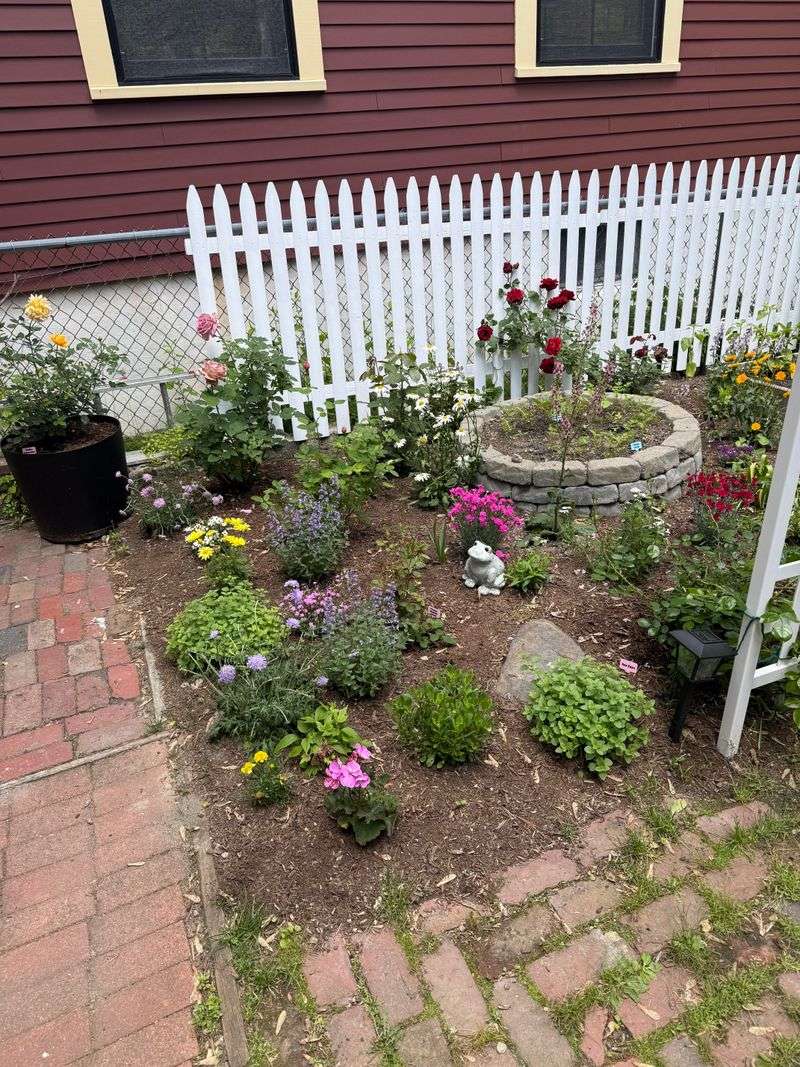
Social media garden posts often show beautifully styled beds with small starter plants placed at wide intervals.
The idea is that the plants will eventually fill in and create a lush, layered look. That concept works well in climates with long, warm growing seasons.
Our state has a shorter window of reliable warm weather. Many plants that are supposed to spread and fill a space by midsummer simply do not have enough heat or sun hours to get there.
The result is a bed that looks sparse and unfinished for most of the season. And while those gaps stay open, weeds move right in.
Tiny plants also struggle with our spring rain patterns. Heavy downpours can physically flatten small seedlings or wash them sideways in loose soil.
Young root systems have not had time to anchor properly, which makes them vulnerable to both wind and waterlogging.
Losing a third of your new plantings to these conditions is not unusual. A better strategy is to start with larger, more established plants whenever your budget allows.
Gallon-sized perennials have stronger root systems and bounce back more reliably after rough spring weather.
You can also use fast-growing annuals like marigolds or calendula to fill gaps while slower perennials establish themselves.
Planning for density from the start, rather than waiting for plants to spread, saves a lot of frustration and gives your garden a finished look much sooner in the season.
4. Gravel Gardens Fail In Wet Corners
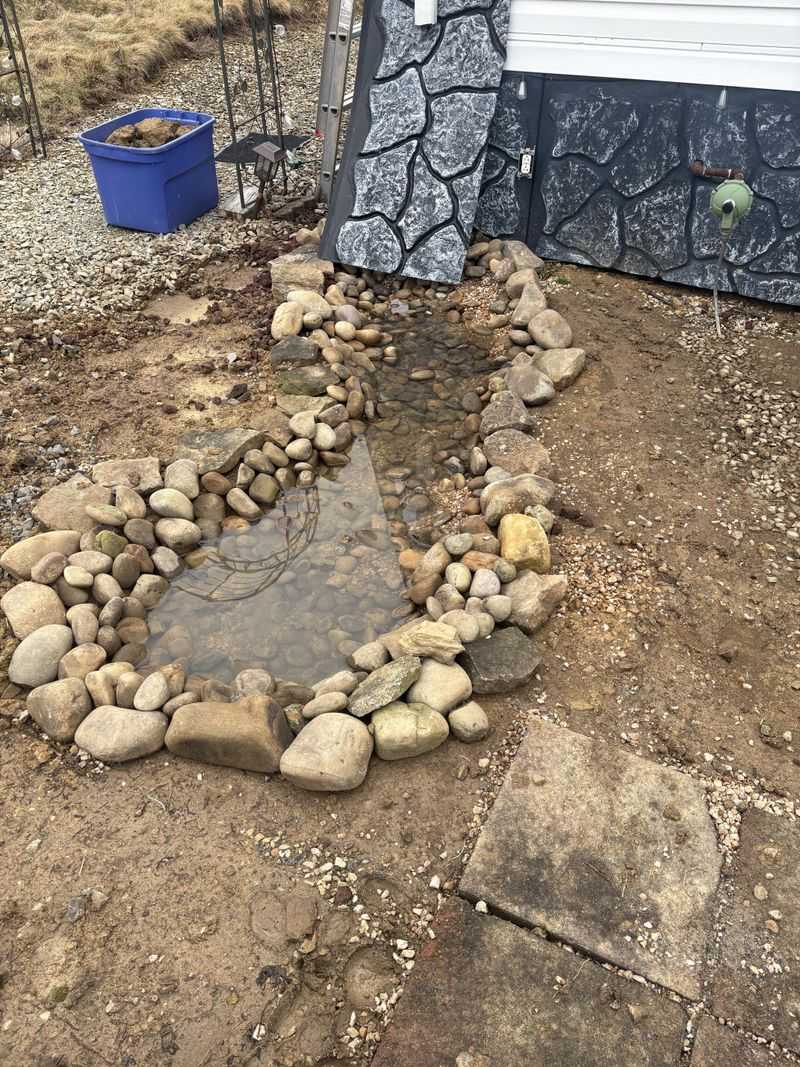
Gravel gardens have a sharp, modern look that photographs extremely well. Clean lines, low maintenance, and drought-tolerant plants nestled in pale stone make for a very appealing aesthetic.
No wonder this trend has exploded on gardening platforms over the last few years. The catch is that gravel gardens were largely designed for dry climates.
Mediterranean-inspired planting schemes with lavender, ornamental grasses, and succulents thrive in fast-draining, gritty soil with low rainfall.
Our wet winters are the opposite of what those plants need, and gravel does not solve the underlying drainage problem if your soil is clay-based.
In shady, low-lying corners of a yard, gravel can actually trap moisture and create a soggy mess.
Moss and algae quickly colonize the stones, turning a clean aesthetic into a slippery, green-tinted surface.
Lavender, which is a staple of this style, tends to rot at the crown when it sits in wet soil for extended periods. Many gardeners in this region have lost entire gravel plantings over a single wet winter.
If you love the look, focus on the sunnier, more elevated parts of your yard and choose plants that can handle moisture, like certain ornamental grasses, hardy sedums, or creeping Jenny.
Always amend the soil with grit and compost before laying gravel. For problem wet corners, rain gardens planted with native sedges and rushes are a much more honest and attractive long-term solution.
5. Tropical Patios Need More Heat Than Oregon Gives
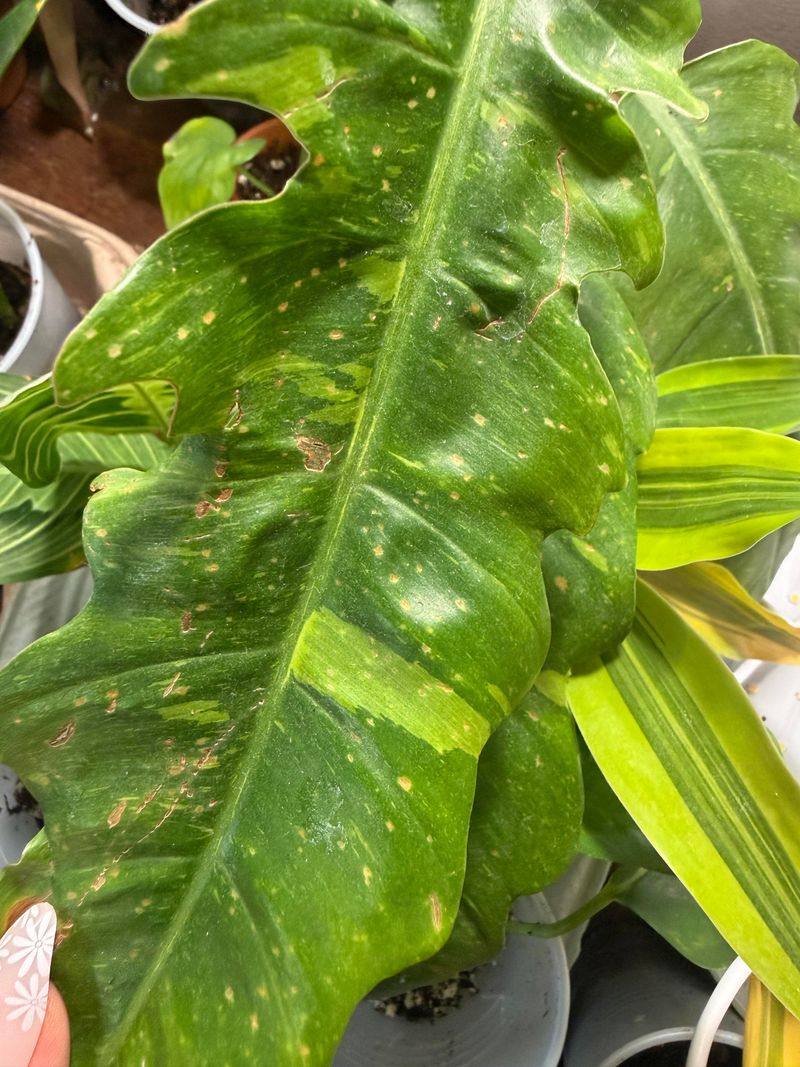
Nothing looks more exciting in a spring garden haul video than a cart full of tropical plants. Elephant ears, bird of paradise, cannas, and banana plants create that lush, resort-style patio vibe that racks up thousands of likes online.
The appeal is completely understandable. Our summers, while pleasant, are simply not hot enough or long enough to make most tropical plants truly thrive.
Our state sits in a marine climate zone where July and August bring mild warmth rather than the sustained heat that tropical species need to put on a real show.
Many of these plants spend our entire summer just trying to adjust rather than actually growing.
Elephant ears, for example, need consistently warm soil and air temperatures to produce those dramatic oversized leaves.
In cooler summers, they tend to stay small and look underwhelming compared to the lush specimens you see in online photos. Cannas can struggle similarly, producing few flowers before the season ends.
Bringing these plants indoors every fall adds significant time and effort to your routine. Hardy alternatives can give you a tropical feel without the constant battle.
Gunnera manicata, a bold-leaved plant that loves our wet conditions, creates impressive drama in moist garden spots.
Tree ferns and large-leaved hostas also deliver a lush, exotic look that is genuinely suited to our climate.
Focusing on texture and leaf size rather than tropical species gets you a similar effect with far less effort and expense year after year.
6. Boxwood Borders Struggle In Damp Shade
Formal boxwood borders have been a garden staple for centuries, and they still dominate inspiration boards today.
Clipped into neat spheres or low hedges, they add structure and a sense of timeless elegance. Many homeowners plant them expecting years of low-maintenance beauty.
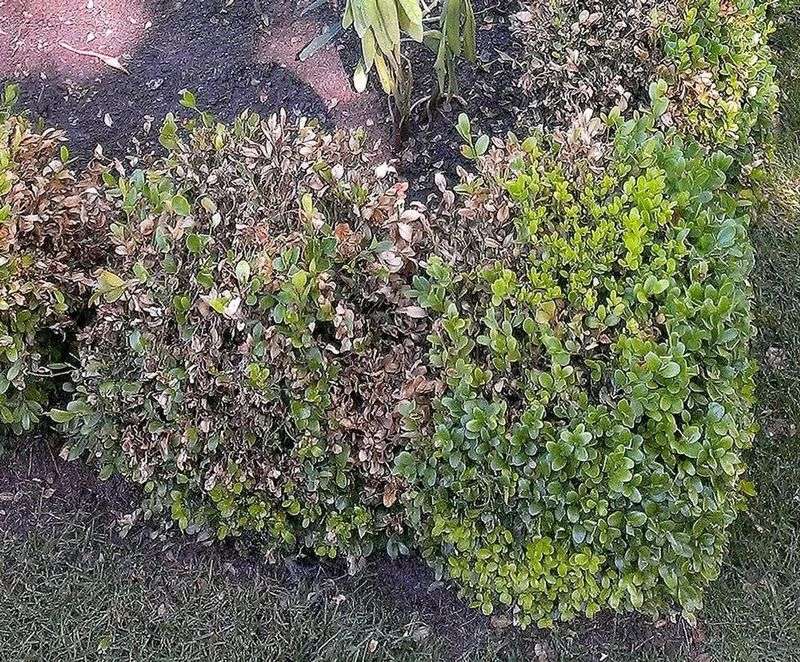
Boxwood blight is a serious fungal disease that has become increasingly widespread across the country, and our damp, humid springs create near-ideal conditions for it to spread.
The disease causes brown patches, leaf drop, and a generally ragged appearance that is nearly impossible to reverse once established.
Infected plants often need full removal, which is both costly and disheartening after years of careful trimming.
Beyond blight, boxwoods in shaded spots with poor air circulation tend to develop root rot and other fungal problems in our wet climate.
Clay soils that hold water around the roots make the situation worse. Even healthy boxwoods can look yellowish and stressed during our long rainy seasons if they are not in a well-drained, reasonably sunny spot.
Switching to alternatives like Japanese holly, Sarcococca, or native evergreen huckleberry gives you a similar structured look with much better resilience in damp conditions.
These plants handle shade, moisture, and our mild winters without the disease pressure that makes boxwood such a gamble here.
Using them along pathways or as low borders delivers the same clean, formal effect without the annual anxiety of checking for signs of blight every spring.
7. Pollinator Mixes Need Structure, Not Just Seeds
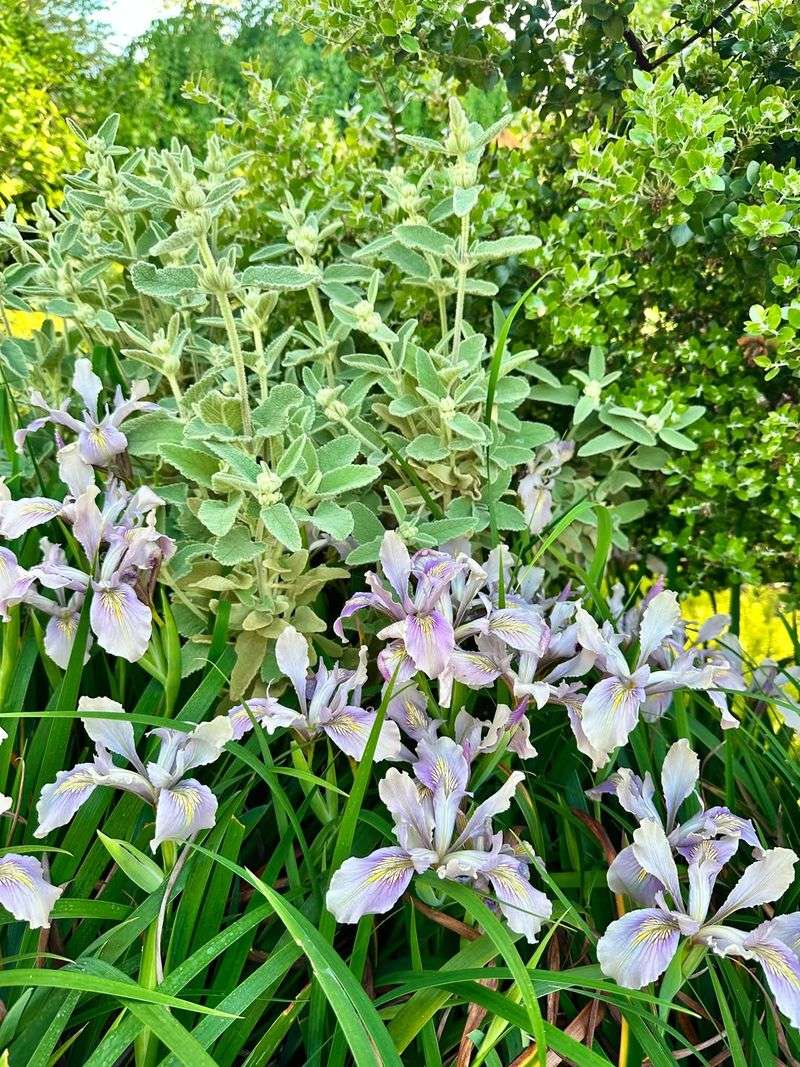
Broadcast wildflower seed mixes for pollinators are marketed as the easiest possible garden upgrade.
Tear open a bag, scatter the seeds, water occasionally, and watch a meadow of colorful blooms attract butterflies and bees all season long. The concept is genuinely appealing and the photos are gorgeous.
Reality hits differently in our climate. Many of the seed mixes sold at big box stores are formulated for drier, sunnier regions.
Seeds from those mixes that prefer well-drained, warm soil struggle to germinate properly in our cool, wet spring ground.
The ones that do sprout often get overtaken by our fast-growing native weeds before they have a chance to establish.
Without any structure or planning, a scattered seed mix in this region tends to look patchy, weedy, and unfinished for most of the growing season.
Gardeners who expected a meadow often end up with a confusing tangle that neighbors and family members mistake for neglect. That is a frustrating outcome after genuine effort and excitement.
A more reliable approach is to start with plugs or potted pollinator plants rather than seeds.
Native species like Oregon sunshine, camas, and native asters are already adapted to our conditions and establish much more reliably.
Mixing them with sturdy perennials like echinacea and salvia gives structure to the planting while still supporting pollinators.
Adding a simple edge border around the bed signals that the wild planting is intentional, which makes a big difference in how the space is perceived by others.
8. Cottage Borders Can Turn Into A Mildew Mess
Cottage garden borders are having a major moment right now. Overflowing with roses, delphiniums, phlox, and hollyhocks, they look romantic, abundant, and beautifully imperfect in photos.
It is one of the most shared garden aesthetics across every platform right now. Our humid, often overcast springs and summers create a breeding ground for the fungal diseases that target cottage garden favorites.
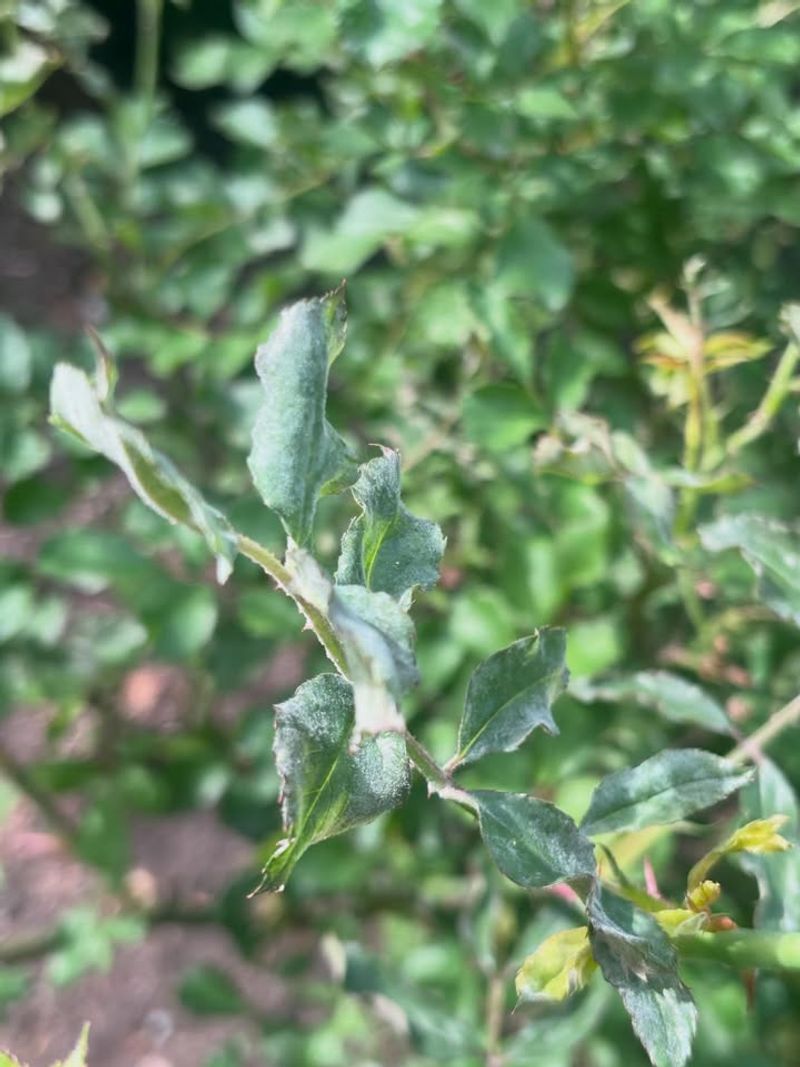
Powdery mildew coats the leaves of phlox and bee balm with a chalky white film. Black spot ravages rose foliage, causing leaves to yellow and drop well before fall.
Delphiniums, which need good air circulation and dry foliage to stay healthy, frequently collapse into a soggy, mildewed heap by midsummer.
The dense, layered planting style that makes cottage gardens look so lush also traps moisture and restricts airflow.
That combination is almost a recipe for fungal trouble in a climate like ours. Many gardeners end up spending more time managing disease than actually enjoying the garden they worked so hard to create.
Choosing mildew-resistant varieties makes a significant difference. Look for disease-resistant rose cultivars bred specifically for wet climates, like some of the David Austin shrub roses.
Replace traditional phlox with tall garden phlox varieties labeled as mildew-resistant. Spacing plants a little further apart than a classic cottage style suggests improves airflow considerably.
Watering at the base rather than overhead and doing so in the morning keeps foliage drier and reduces fungal pressure throughout the growing season.