This Growth On Oregon Trees Is More Important Than It Looks
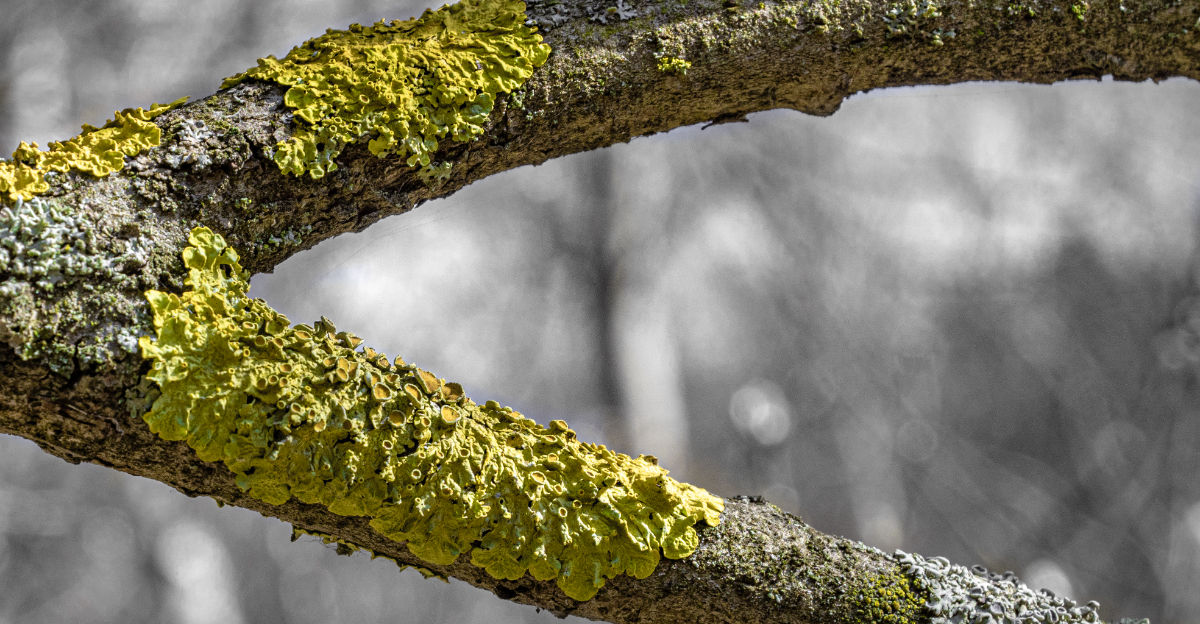
It shows up quietly on trunks and branches all over Oregon, and plenty of homeowners barely give it a second thought.
That soft, crusty, sometimes moss-like growth is lichen, and it is doing a lot more than making trees look old or mysterious.
In many cases, lichen is a sign of decent air quality and a normal part of the local environment, especially in a state known for damp weather and lush landscapes. It also creates tiny habitats for insects and adds another layer of life to the garden.
The surprise is that people often mistake it for a serious tree problem when it usually is not the real issue at all.
Once you understand what lichen is telling you, that odd little growth on your Oregon trees starts to look a lot more interesting and a lot less alarming.
1. What Lichen Really Is
© crownhillfoundation
Lichen looks like a simple plant, but it is actually two living things working together as one. A fungus and an algae team up to form lichen, sharing resources in a partnership that scientists call symbiosis.
The fungus provides structure and shelter, while the algae makes food from sunlight. Together, they create something neither could survive as alone.
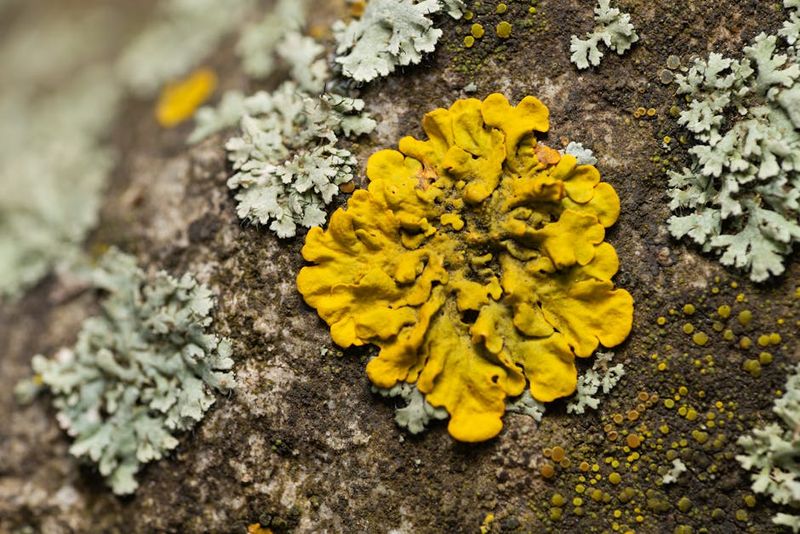
You can find lichen in many shapes and colors across Oregon. Some look crusty and flat against bark.
Others look leafy, almost like tiny lettuce leaves. Some hang like pale green curtains from branches in old-growth forests.
Oregon has hundreds of lichen species, and many are found nowhere else in the world.
Lichen grows incredibly slowly, sometimes just a few millimeters per year. That means a patch the size of your hand could be decades old.
Recognizing this helps you appreciate just how ancient some of the lichen you see on Oregon trees really is. It is not just decoration.
It is a living record of time.
2. Why Oregon Trees Grow So Much Of It
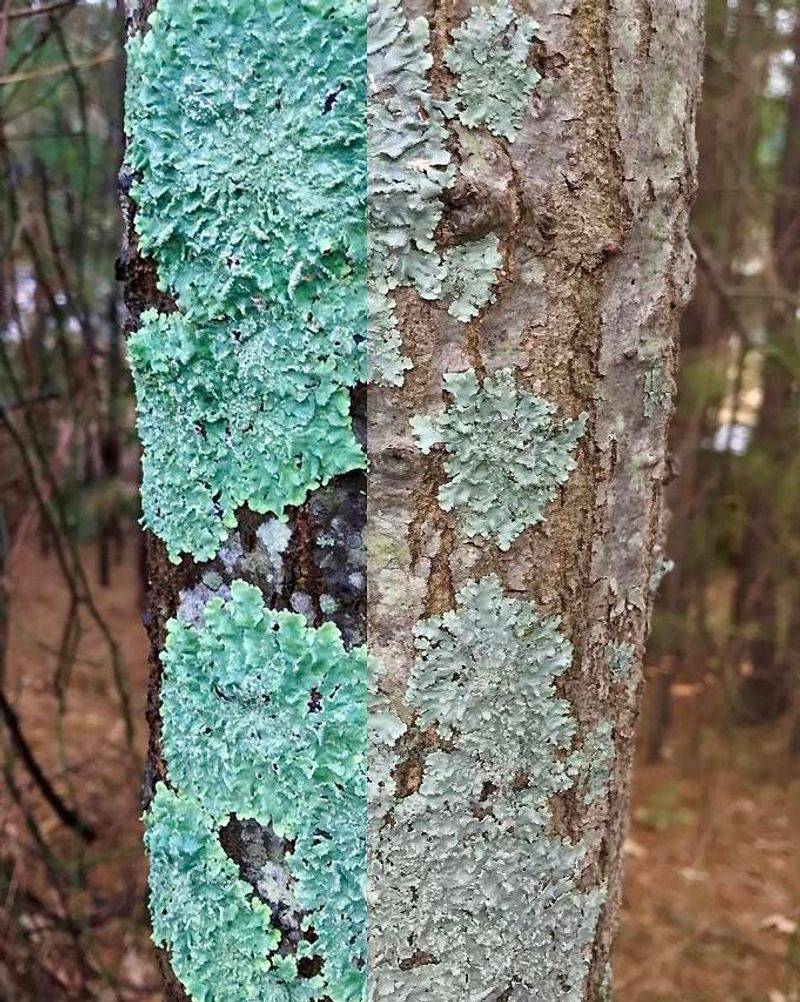
Oregon is one of the best places in North America for lichen to grow, and the reasons come down to climate, forest age, and tree variety. The Pacific Northwest offers mild temperatures year-round, and Oregon’s coastal and mountain forests rarely experience the kind of extreme heat or cold that would stress lichen.
That stability lets lichen communities build up over many years.
Old-growth forests in Oregon provide the most lichen diversity. Trees like Douglas-fir, big-leaf maple, and red alder have rough, textured bark that gives lichen a perfect surface to anchor onto.
The more varied the bark texture, the more lichen species can move in and set up home. Younger trees with smoother bark tend to host far less.
Forest canopy also plays a big role. Oregon’s dense tree cover creates shade and reduces wind, helping lichen stay moist longer after rainfall.
Areas along the Oregon Coast Range and the western slopes of the Cascades are especially rich in lichen because of how perfectly the conditions line up. If you have ever hiked in those areas, you have probably seen lichen absolutely everywhere.
Your Oregon Garden Changes Every Week. Your Plan Should Too.
Gardening in Oregon changes quickly throughout the season. Every Friday you’ll receive a simple weekly plan showing exactly what to plant, prune, fertilize, harvest, and protect so you never miss the right timing.
3. Moist Air Helps It Thrive
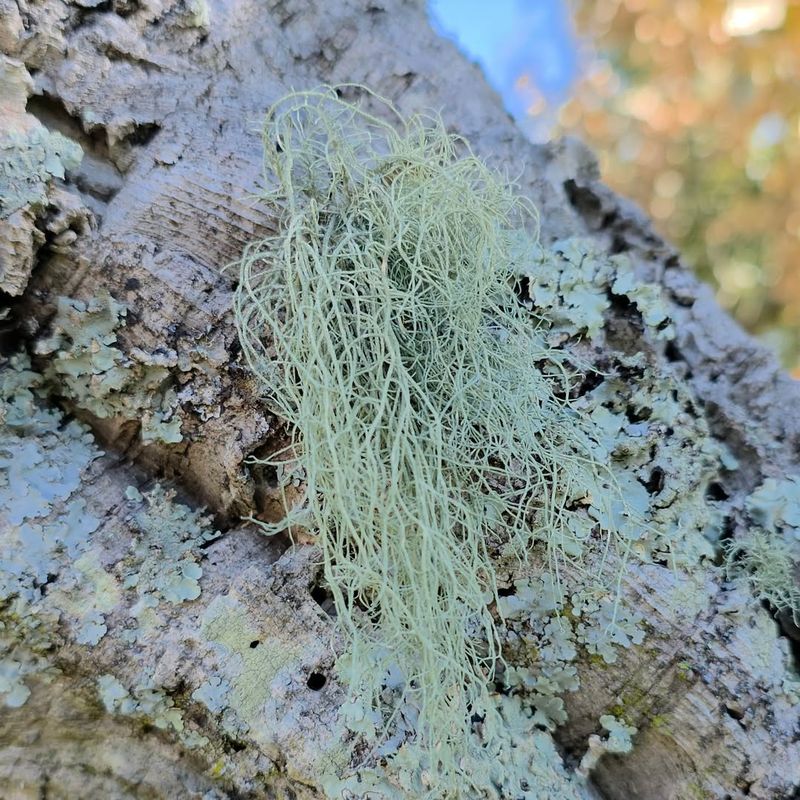
Moisture is the single biggest reason Oregon trees carry so much lichen. Lichen does not have roots, so it cannot pull water from the soil.
Instead, it absorbs moisture directly from the air around it. Oregon’s famous rainy seasons and coastal fog create exactly the kind of damp environment that lichen loves most.
When the air is humid, lichen wakes up and becomes active. It starts making food, growing, and contributing to the ecosystem around it.
During dry stretches, lichen simply goes dormant and waits. It can survive long dry periods without any lasting harm, then bounce back quickly once moisture returns.
That flexibility makes it incredibly well-suited to Oregon’s wet winters and drier summers.
The Oregon Coast gets some of the highest rainfall totals in the entire state. Forests there tend to drip with lichen hanging from nearly every branch.
Even in drier parts of eastern Oregon, lichen still appears wherever moisture gathers, like in creek canyons or shaded north-facing slopes. Moisture truly is the key that unlocks lichen’s potential on Oregon trees.
4. It Is Not Feeding On Your Tree
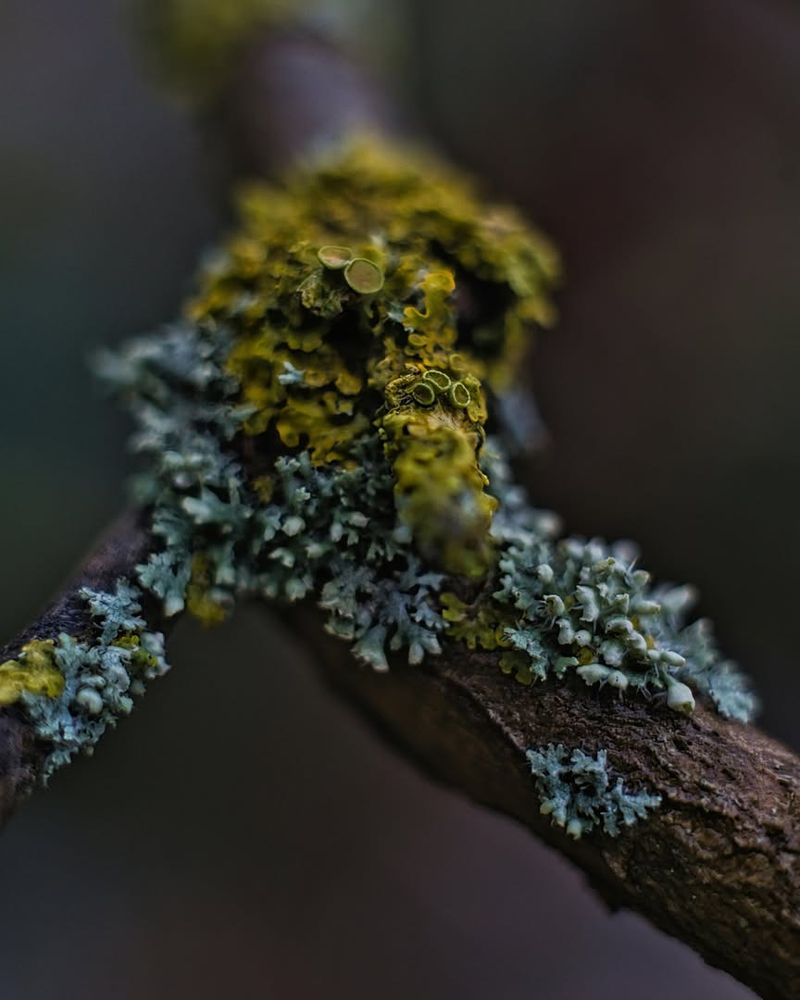
One of the most common worries homeowners and gardeners in Oregon have is that lichen is hurting their trees. It is easy to understand why.
The growth looks unusual, and anything unfamiliar on a tree can feel like a warning sign. But lichen is not a parasite.
It does not feed on the tree beneath it at all.
Lichen uses the tree only as a surface to rest on, the same way a bird uses a branch as a perch. The tree provides a stable platform and nothing more.
Lichen makes its own food through photosynthesis, using sunlight and air. It does not tap into the tree’s nutrients, sap, or water supply in any way that causes harm.
Research from Oregon State University and other institutions has confirmed that lichen presence does not cause tree decline. If a tree in Oregon looks unhealthy while carrying lichen, something else is usually responsible, such as drought stress, soil issues, or pest damage.
Blaming lichen for a struggling tree is like blaming the moss on a rock for the rock cracking. The two things are simply not connected in that way.
5. Older Branches Show It First
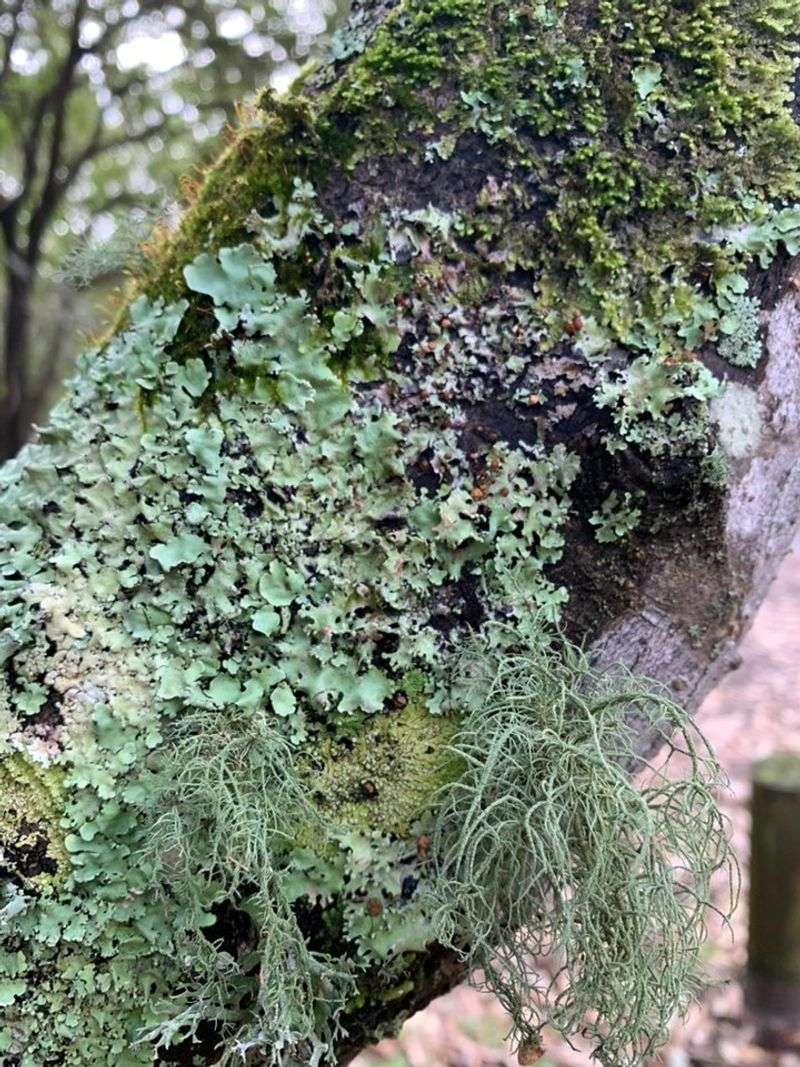
Next time you look at a tree in Oregon, notice which branches carry the most lichen. Almost always, it will be the older, lower branches rather than the young growth near the top.
That pattern is not random. It tells you something interesting about how lichen spreads and settles over time.
Older branches have rougher, more textured bark. That texture gives lichen tiny crevices to grip onto.
Young bark is smooth and tight, making it harder for lichen to anchor itself. As branches age and their outer bark loosens or develops grooves, lichen finds it much easier to take hold and grow.
So seeing heavy lichen on a branch is actually a sign of that branch’s age and maturity.
In Oregon’s older forests, entire trunks can become coated in lichen from base to mid-canopy. Species like Lobaria oregana, sometimes called Oregon lungwort, often colonize the oldest, most established branches first.
Spotting heavy lichen growth on a tree in an Oregon forest is often a clue that you are standing near a genuinely old tree. That rough, lichen-covered bark has taken decades to develop, and it deserves a moment of real appreciation.
6. Lichen Can Signal Clean Air
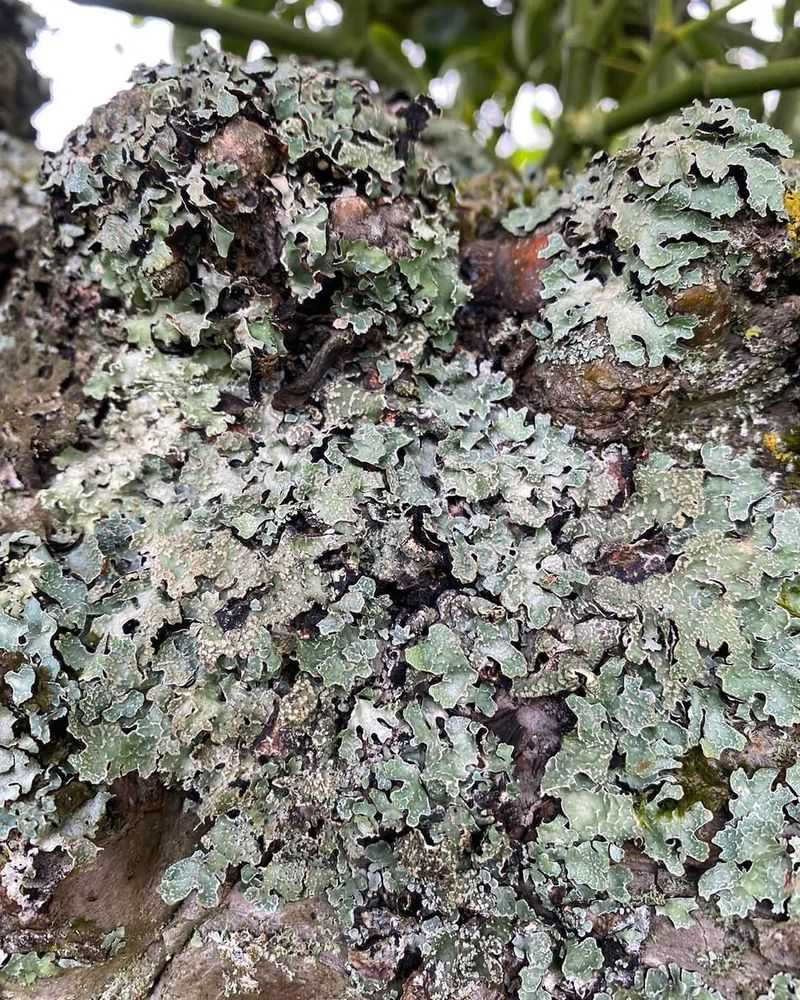
Here is something surprising about lichen: it works like a natural air quality monitor. Lichen is extremely sensitive to air pollution, especially sulfur dioxide, which comes from car exhaust and industrial emissions.
When air pollution levels rise, many lichen species simply cannot survive. They fade away quietly and disappear from the area.
Scientists have used lichen surveys for decades to map air quality across different regions. Areas with rich, diverse lichen communities tend to have cleaner air.
Areas where lichen has disappeared or thinned out often show higher pollution levels. In Oregon, the abundance of lichen in forests away from major highways and cities is a strong indicator that the air quality in those areas remains healthy.
Urban areas in Oregon, like parts of Portland, tend to have fewer lichen species than rural forests. That difference reflects real differences in air quality.
When conservation groups in Oregon want to track environmental health over time, lichen surveys are one of the tools they reach for. So when you spot a tree draped in lush, varied lichen during a hike in the Oregon Cascades or Coast Range, take it as a good sign.
The air you are breathing is genuinely clean.
7. When It Is Worth A Closer Look
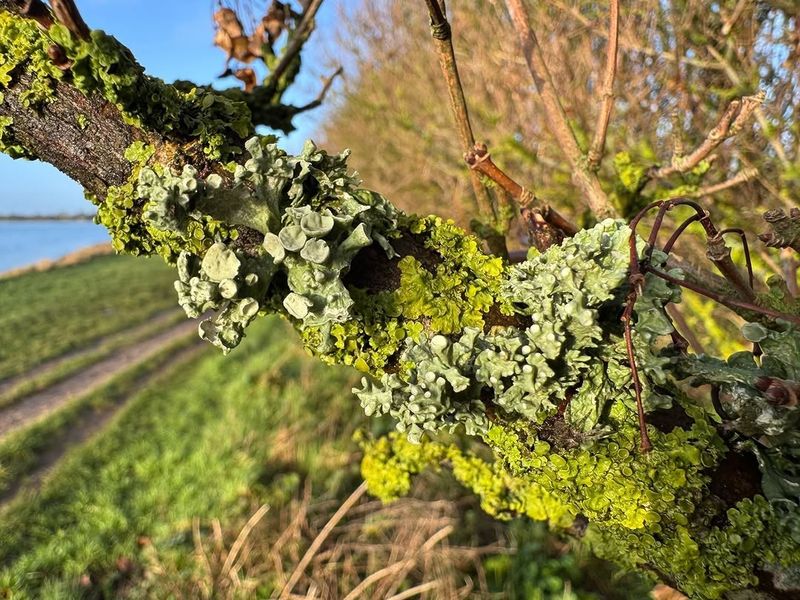
Most of the time, lichen on Oregon trees is completely normal and nothing to worry about. But there are a few situations where taking a closer look makes good sense.
Knowing the difference between harmless lichen and a real tree problem can save a lot of unnecessary stress and help you make better decisions about your trees.
Pay attention if lichen seems to appear suddenly in large amounts on a tree that previously had very little. Rapid lichen growth on its own is not harmful, but a sudden change in a tree’s appearance can sometimes point to reduced canopy density.
If a tree is losing leaves or needles, more sunlight reaches the bark, which can encourage faster lichen spread. The lichen itself is not the problem, but the change in light might signal that the tree is struggling for another reason.
Also watch for branches that look bare or brittle alongside heavy lichen patches. In Oregon’s wetter regions, very thick lichen buildup on already weakened branches can add extra weight during heavy rain or snow.
Checking those branches for structural soundness is smart. A certified arborist familiar with Oregon’s tree species can help you figure out whether a tree needs attention or whether everything is simply part of healthy forest life.
8. What Oregon Gardeners Should Do Next
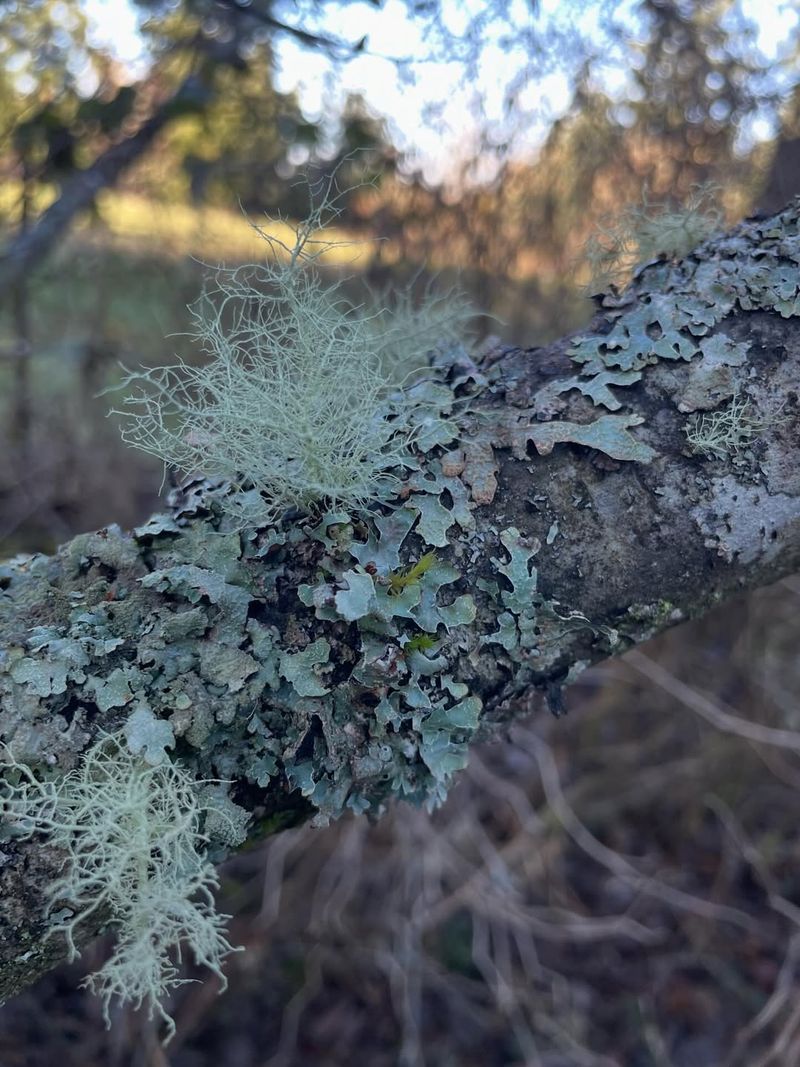
If you have trees in your Oregon yard or garden, the best starting point is simply to change how you think about lichen. Rather than seeing it as a problem to fix, try seeing it as a feature worth understanding.
Lichen on your trees is a sign of age, stability, and often good air quality in your neighborhood. That is something to feel good about, not worried about.
Avoid scrubbing or scraping lichen off your trees. Removing it does not benefit the tree and can actually damage the outer bark, leaving it open to moisture loss or minor injury.
Lichen will return on its own anyway, because the conditions that allowed it to grow in the first place have not changed. Trying to remove it is a lot of effort for no real gain.
Oregon gardeners who want to support healthy trees should focus on proper watering during dry summers, mulching around tree bases, and avoiding soil compaction near roots. Those steps make a genuine difference in tree health.
If you ever feel unsure about something you see on your trees, Oregon State University Extension Service offers free advice and tree identification resources for home gardeners across the state. Use those tools. They are there to help.