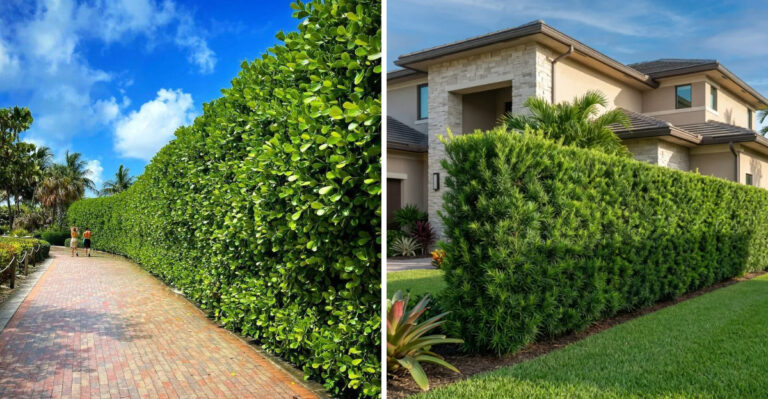
These Are The Plants Florida Gardeners Use To Keep Ticks Away From Their Yards

One tick on your dog. One on your kid.
Suddenly the backyard doesn’t feel so relaxing anymore. Florida’s heat keeps ticks active practically year-round, and chemical sprays can only do so much before you start questioning what else they’re affecting in your yard.
That’s exactly why more Florida gardeners have started looking at their landscaping differently. Certain plants contain natural compounds that ticks find genuinely unpleasant, making treated areas far less inviting than bare mulch or open lawn.
Not a magic fix, not a guarantee, but a real and fragrant first line of defense that pulls double duty. Your yard gets more beautiful, and ticks have better reasons to set up shop somewhere else.
A smarter yard starts with smarter plant choices. And a few strategic additions to your landscape might just tip the odds back in your favor.
1. Use Rosemary In Sunny Well-Drained Borders
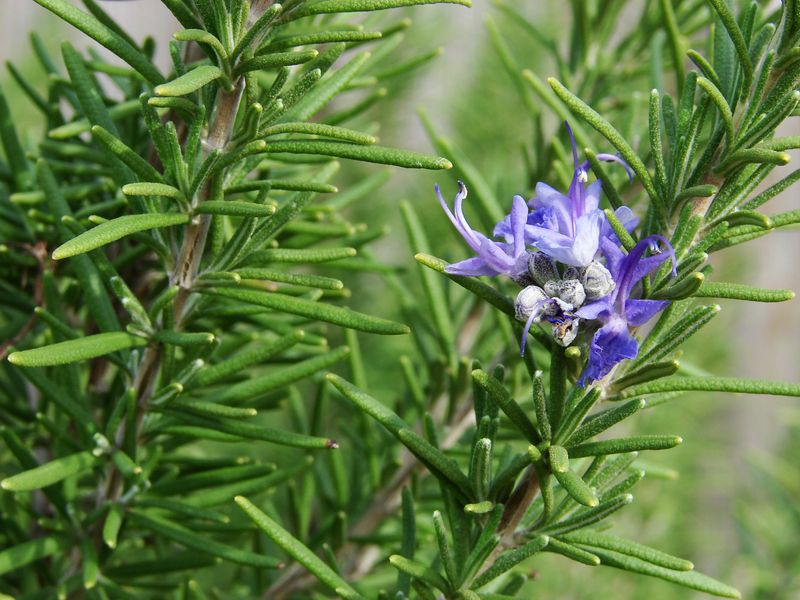
A strong herbal edge can make a path feel more intentional, and rosemary is one of the most reliable plants for doing exactly that in sunny, well-drained spots. Its needle-like leaves release a sharp, piney scent whenever they are brushed or trimmed.
That is part of what makes it popular near walkways, patio edges, and dry herb beds. Rosemary has been used in gardens for centuries, and gardeners in warm regions have long appreciated it for both its kitchen value and its bold fragrance.
In this state, rosemary needs a few things to perform well. Full sun is non-negotiable, and the soil must drain quickly because standing water or soggy ground will cause problems fast.
Good airflow around the plant also matters, especially during the rainy season when humidity can encourage fungal issues if plants are crowded or poorly placed.
Upright varieties can form tidy, low hedges along borders, while trailing types work well spilling over raised beds or garden walls. Both types bring texture and year-round greenery that many annuals cannot offer.
Pruning after flowering helps keep plants bushy and manageable rather than woody and sparse.
From a tick-smart gardening perspective, rosemary’s aromatic foliage may help make certain areas less inviting, though it should not be treated as a standalone solution.
Pairing it with regular mowing near yard edges, leaf-litter removal, and other tick-smart habits gives you a much stronger overall approach.
UF/IFAS Extension and Florida-Friendly Landscaping guidance both support using fragrant, low-water plants like rosemary. In sunny borders, they can be part of thoughtful landscape design.
Think of it as a plant that earns its place in more than one way, bringing scent, structure, culinary use, and strategic placement value to the edges of your yard.
2. Plant Lavender Only Where Drainage Stays Sharp
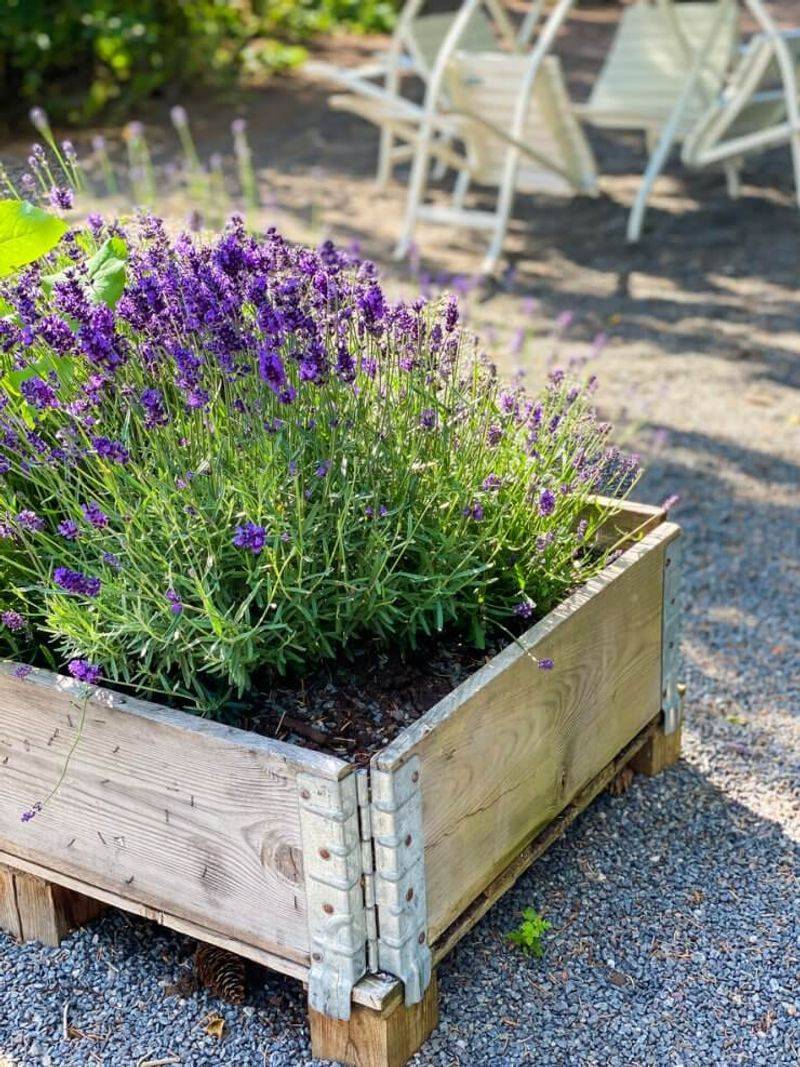
Fragrance works best when the plant actually likes the site, and lavender is a perfect example of why site selection matters more than wishful thinking.
Known for its calming scent and soft purple flowers, lavender is beloved in gardens across the country.
But it does not always take to humid climates without some careful planning. Gardeners in this state who want to grow it successfully need to be honest about what it requires.
Your Florida Garden Changes Every Week. Your Plan Should Too.
Gardening in Florida changes quickly throughout the season. Every Friday you’ll receive a simple weekly plan showing exactly what to plant, prune, fertilize, harvest, and protect so you never miss the right timing.
Lavender demands full sun, sharp drainage, good airflow, and soil that never stays wet.
In many parts of our state, the combination of heavy summer rain, high humidity, and clay-heavy or compacted soil makes growing lavender in the ground a real challenge.
Raised beds, containers, or very fast-draining sandy spots give it the best chance of thriving without root problems or fungal stress.
Spanish lavender tends to handle heat and humidity a bit better than English varieties, making it a smarter starting point for local gardeners.
Spacing plants generously and avoiding overhead watering also helps reduce the moisture-related issues that can shorten its life in warm, wet seasons.
Trim spent flower spikes to encourage reblooming and keep the plant tidy.
As a scent-layer plant near patios or sunny sitting areas, lavender can be a useful part of a tick-smart yard when it is growing well and in good health.
Its fragrance is strong and distinctive, and placing it near paths or seating areas adds both beauty and aromatic interest.
That said, no fragrant plant replaces tick checks, proper clothing, or other prevention habits recommended by public health guidance.
Lavender earns its spot through beauty, scent, and pollinator value, with tick-smart planting as one added benefit worth considering in the right location.
3. Try Lemongrass In Large Managed Clumps
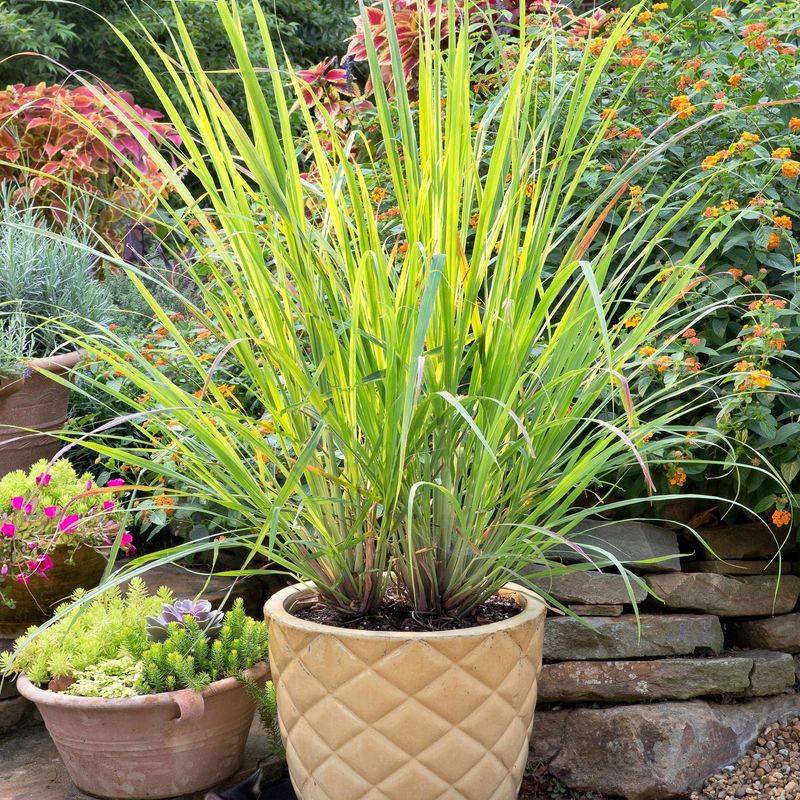
A large clump can shape the edge of an outdoor space in a way that few other plants can match. Lemongrass does this with bold structure and a scent that most people find genuinely pleasant.
Its strong citrus fragrance comes from the same natural oils found in many insect-repellent products. That is why it has a reputation as a useful plant near outdoor seating areas, sunny garden edges, and large borders.
The scent is released most strongly when the leaves are cut or brushed.
Lemongrass grows fast and loves the heat, which makes it well-suited for warm yards across the state. It can reach impressive sizes in a single growing season, forming thick clumps that bring both visual weight and fragrance to a landscape.
That vigorous growth is also the reason gardeners need to plan carefully before planting it in the ground.
Without regular management, lemongrass can spread and take up more space than originally intended. Dividing clumps every season or two keeps them tidy and prevents them from crowding nearby plants.
Large containers are another smart option, especially for gardeners who want the fragrance and texture without committing to a permanent in-ground planting. Using containers also makes it easy to move the plant if your layout changes.
From a tick-smart gardening standpoint, lemongrass may help make areas less inviting when it is placed thoughtfully near spaces where people gather outdoors.
It is not a guaranteed repellent, and it works best as one part of a broader strategy that includes mowing, barrier management, and tick checks.
Still, lemongrass is a bold, fragrant, manageable clump plant with real visual impact. It is a practical and attractive choice for sunny yards that need both scent and structure along outdoor edges.
4. Grow Garlic Chives Near Paths And Edges
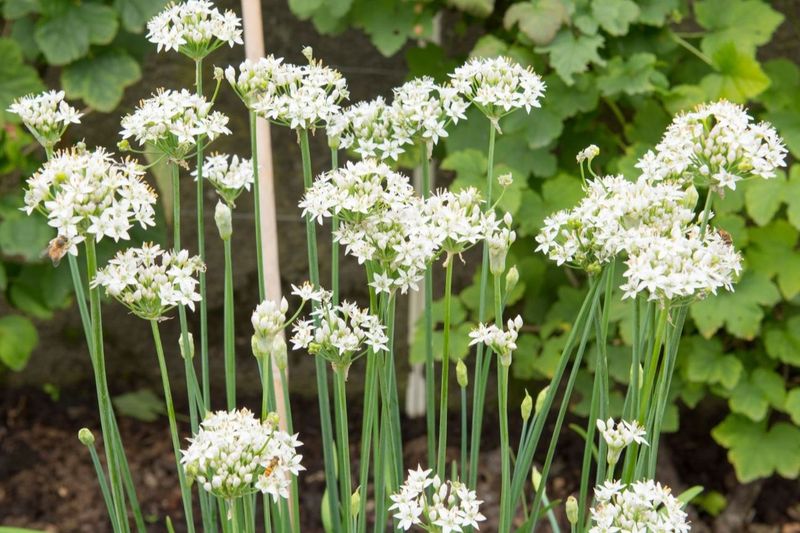
Edible plants can do more than fill the kitchen, and garlic chives are a great example of a plant that pulls its weight in multiple ways.
With flat, grass-like leaves and a sharp onion-garlic scent, garlic chives bring fragrance and texture to paths, vegetable beds, herb gardens, and sunny border edges.
The scent is released when the leaves are trimmed or brushed, making them especially useful near spots where people walk or work regularly.
Unlike regular chives, garlic chives have a distinctly garlicky flavor that works well in cooking.
The leaves can be snipped and used fresh in salads, stir-fries, dumplings, and other dishes, which makes them a genuinely productive addition to an edible garden.
When allowed to bloom, they produce clusters of small white flowers that attract pollinators and add a light ornamental quality to the planting.
One thing to manage is reseeding. Garlic chives can spread readily from seed if flower heads are left to mature and drop.
Trimming the flowers before they fully seed out helps keep plants contained and prevents them from popping up in unwanted spots across the garden. This is a simple step that makes them much easier to work with long-term.
As a scent-layer plant near paths and edges, garlic chives may help make those areas feel less inviting to ticks as part of a layered yard approach.
They are not a replacement for tick checks, regular mowing, or other prevention habits, but they add real value through fragrance, edibility, and easy ornamental use.
Pairing them with other aromatic herbs along a garden path creates a layered planting that smells great and looks tidy. It also gives you something useful to harvest on the way to the vegetable bed.
5. Add Marigolds For Seasonal Scent And Color
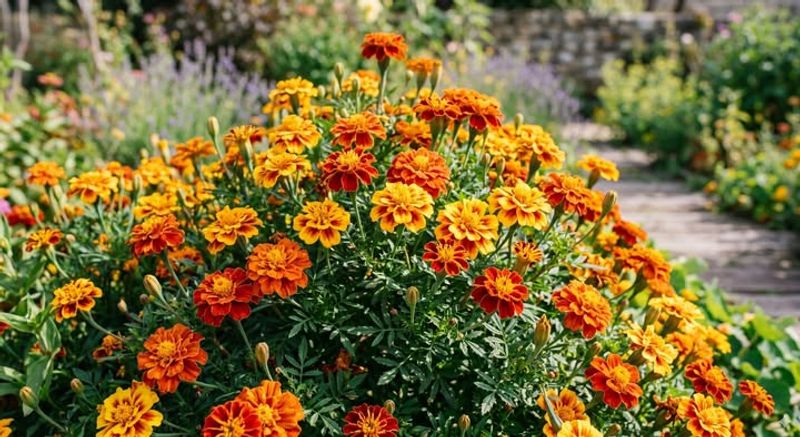
Seasonal flowers bring more than color to a sunny bed, and marigolds have been earning their place in gardens for a very long time. Their bright orange and yellow blooms are cheerful and easy to spot.
But it is their distinctive, slightly pungent scent that makes them interesting from a gardening strategy perspective.
That scent comes from natural compounds in the foliage and flowers, and it is strong enough to notice when you brush past a plant or work nearby.
Marigolds are not native to our state and should be treated as seasonal annuals rather than permanent landscape plants.
They perform best during the cooler months here, typically fall through spring, when temperatures are more manageable and humidity is lower.
Planting them in summer heat and heavy rain can lead to short-lived results. Timing your planting to the cooler season gives them the best chance to thrive and bloom well.
They fit naturally near vegetable beds, along container edges, and in sunny borders where you want both color and fragrance. French marigolds tend to stay compact and manageable, while African marigolds grow taller with larger flower heads.
Both types are easy to find at local nurseries and garden centers during the right planting season.
From a tick-smart gardening standpoint, marigolds should not be presented as a pest-control solution or a guaranteed repellent. Their scent may contribute to a less inviting environment near garden edges.
But they work best as a cheerful, fragrant layer alongside other habits like mowing, leaf management, and tick checks. What they do reliably is bring color, attract pollinators, and add a season of easy beauty to beds and containers.
That alone is a good reason to plant them in the sunniest spots of your yard.
6. Use Society Garlic For A Strong-Scented Border
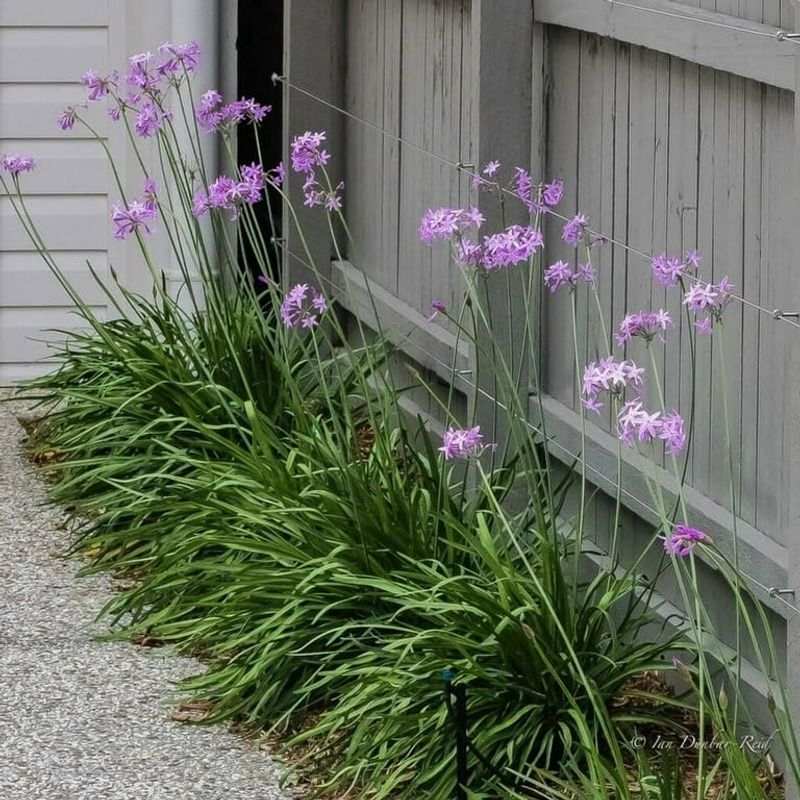
A tidy scented border can help define a walkway while adding real ornamental value, and society garlic does this with quiet confidence. Despite its name, society garlic is not true garlic and is not typically grown as a food crop.
It is a clumping perennial with slender, grass-like leaves, a noticeable garlic scent, and clusters of soft purple flowers that bloom on tall stems above the foliage.
That combination of scent, flower, and tidy structure makes it one of the more practical border plants for sunny spots in warm yards.
Society garlic is much easier to use ornamentally than actual garlic because it does not require the same planting, curing, and harvesting process. It grows as a low, manageable clump that stays in place without aggressive spreading.
That makes it a reliable edging choice along paths, driveways, patios, and garden borders. It handles heat well and is generally considered drought-tolerant once established.
That fits nicely with Florida-Friendly Landscaping principles around using low-water plants in the right spots.
The scent is most noticeable when the foliage is disturbed or trimmed. Placing it along a frequently used path means the fragrance gets released naturally as people walk by.
That ongoing aromatic presence is part of what makes it a useful scent-layer plant near areas where you spend time outdoors. The purple flowers also attract pollinators, adding another layer of garden value beyond just fragrance and structure.
As part of a tick-smart yard, society garlic may help make bordered paths and edges feel less appealing to ticks. It is not a guaranteed solution and works best alongside regular mowing, leaf-litter removal, and other tick-prevention habits.
Think of it as a plant that looks good, smells interesting, and earns its place along a garden edge in more than one way.
7. Use Basil Around Sunny Vegetable Beds
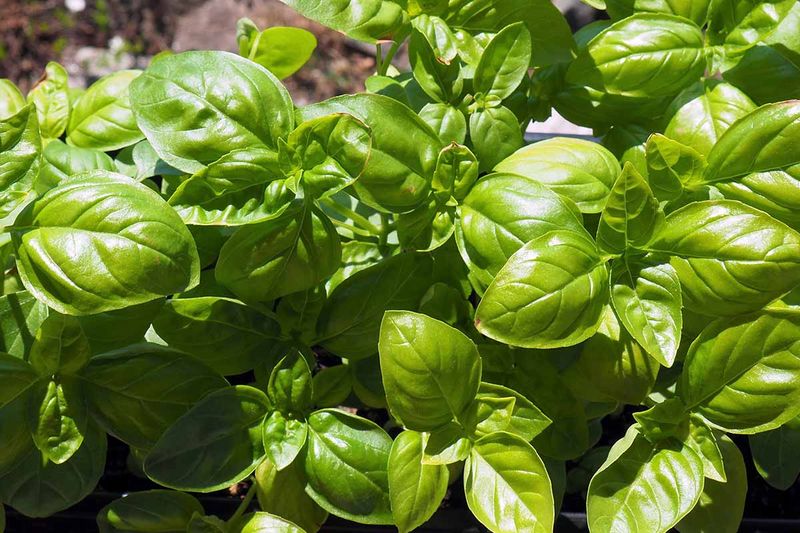
A useful herb earns its place in more than one way, and basil is one of those plants that gardeners tend to reach for without overthinking it. Its strong, sweet-savory scent is instantly recognizable.
That fragrance is part of why it has a reputation as a companion plant near vegetable beds and patio containers.
Planting it near spaces where you spend time outdoors means you get the kitchen benefit and the aromatic presence at the same time.
Basil loves heat and sunshine, which means warm yards are a natural fit for it during the right season.
It grows quickly in good conditions, and regular harvesting actually encourages the plant to stay bushy and productive rather than bolting straight to flower.
Pinching off flower heads as they form keeps the leaves flavorful and the plant focused on producing fresh foliage rather than going to seed too quickly.
The challenge with basil in this state is managing it through the rainy season and high humidity. Heavy rain, soggy soil, and poor airflow can cause fungal issues that shorten the plant’s productive life.
Containers with good drainage, raised beds, or well-prepared garden soil with organic matter can all help extend the growing season and keep plants healthier longer.
Replacing plants as needed throughout the warm season keeps the fragrance and harvest going.
From a tick-smart gardening perspective, basil’s scent near vegetable beds and patio areas may contribute to a less inviting environment. It works best as part of a broader layered approach.
It is seasonal, needs regular care, and certainly does not repel ticks on its own. But basil is a fragrant, productive, easy-to-grow herb that fits naturally into sunny edible gardens.
It brings genuine value to the spots where gardeners spend the most time outdoors. That makes it worth planting with intention.