6 Yard Mistakes Making Tick Problems Worse For Virginia Homeowners This Spring And How To Fix Them
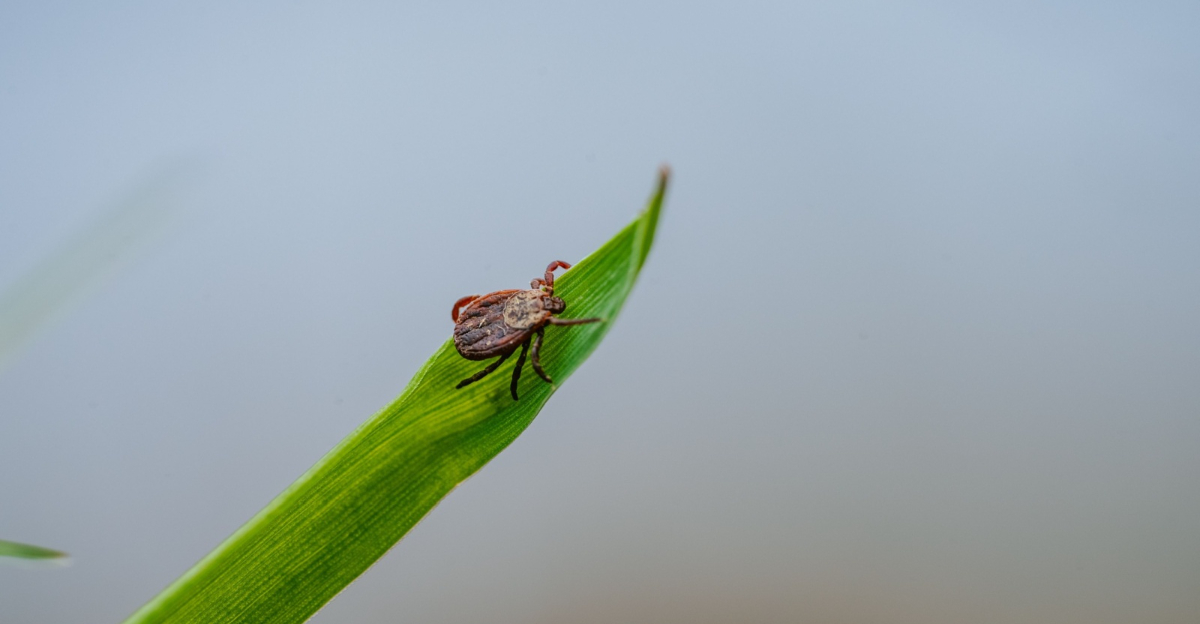
Spring in Virginia means blooming dogwoods, longer evenings, and unfortunately, ticks.
Lots of them.
And while you are out there mowing, planting, and finally enjoying your yard again, you might be making it significantly easier for ticks to move in.
The worst part is that most of those mistakes are ones you would never think to question.
The thing is, most of the mistakes are surprisingly common and fixable.
You do not need to hire anyone or overhaul your entire lawn.
You just need to know what to stop doing.
These are the yard habits that are quietly making your tick problem worse.
And once you know what they are, fixing them is easier than you think.
Leaving Leaf Litter And Yard Debris Piled Up
Ticks do not need a forest to survive.
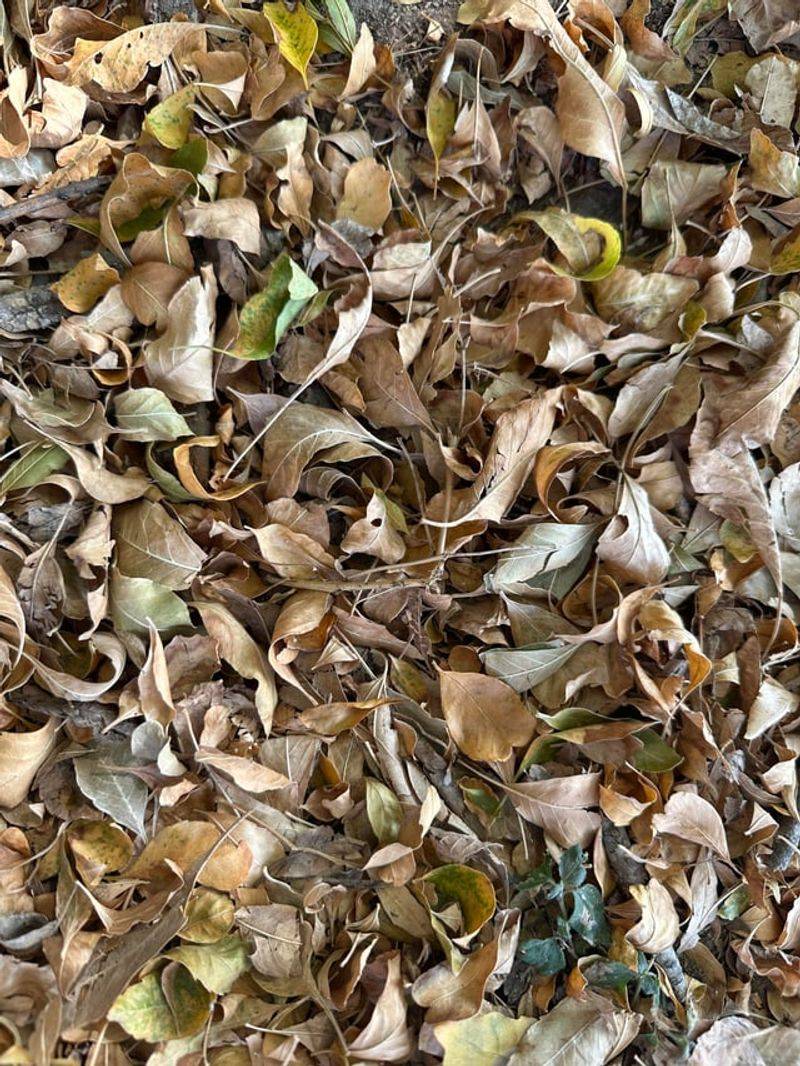
A soggy pile of leaves sitting in the corner of your yard is practically a five-star hotel for them.
Leaf litter holds moisture and creates a cool, shaded layer that ticks absolutely love.
They burrow into that debris to stay hydrated and protected, waiting for a warm body to brush past.
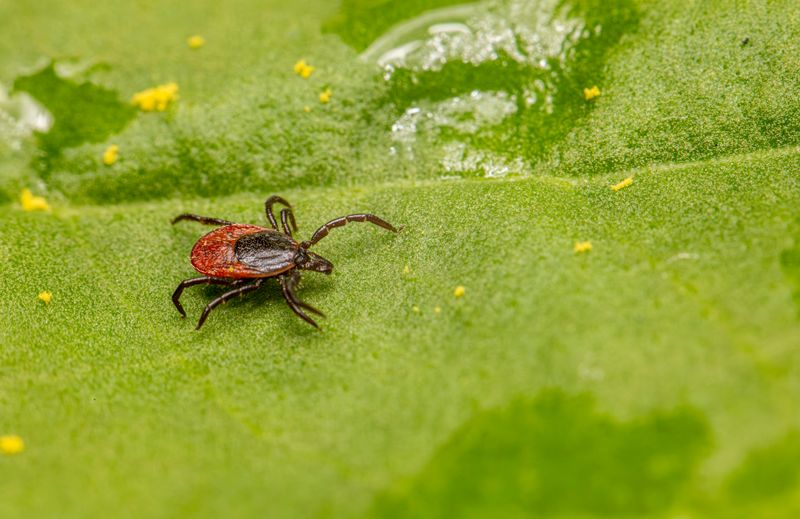
Deer ticks, also called black-legged ticks, are especially skilled at hiding in this kind of clutter.
Most homeowners think leaving leaves until spring cleanup is no big deal.
But by March and April, those piles are already teeming with activity.
Tick eggs laid in spring begin hatching as temperatures warm through summer, and debris gives the larvae a perfect hiding spot.
Clearing out leaf piles, old branches, grass clippings, and other organic waste from your yard is one of the fastest ways to reduce tick habitat.
Bag the debris or compost it in a sealed bin far from your main living area.
Do not just move the pile to another corner of the yard.
Stick to a schedule.
Rake and remove debris every few weeks throughout spring, not just once at the start of the season.
Pay special attention to shaded spots near fences, garden beds, and the base of trees.
Those low-light corners stay damp longer and attract ticks more than open sunny areas.
A clean yard is not just about looks.
Removing tick problems from the ground up starts with eliminating the places they call home.
Letting Grass And Weeds Grow Too Long
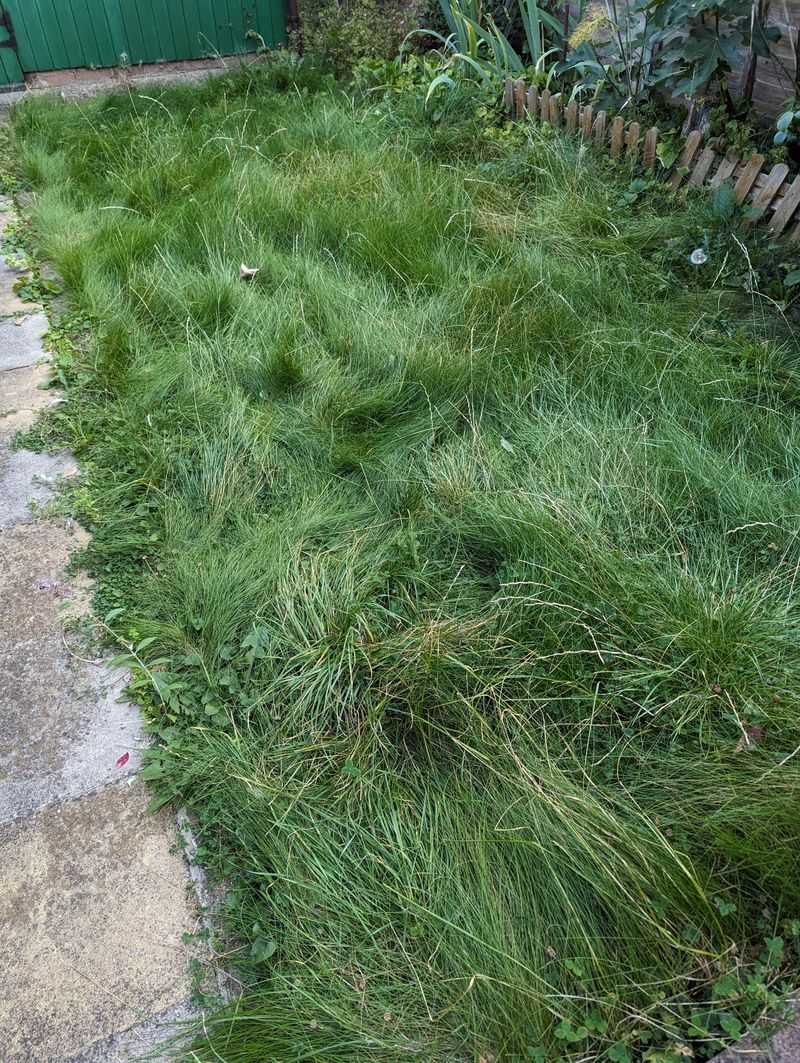
Tall grass is basically a tick highway.
These creatures climb up grass blades and weed stems to wait for passing hosts, a behavior called questing.
When your lawn gets shaggy, you are handing ticks the perfect ambush setup.
They stretch out their front legs from the tip of a grass blade, ready to latch onto anything warm that brushes by.
Kids, dogs, and bare ankles are all fair game.
The longer the grass, the more surface area ticks have to work with.
Mowing regularly during spring is one of the most underrated forms of tick control.
Aim to keep your lawn at about three inches or shorter.
That short, open turf dries out faster in the sun and removes the shaded, humid microclimate ticks need to survive.
Your Virginia Garden Changes Every Week. Your Plan Should Too.
Gardening in Virginia changes quickly throughout the season. Every Friday you’ll receive a simple weekly plan showing exactly what to plant, prune, fertilize, harvest, and protect so you never miss the right timing.
Weeds are just as problematic as grass.
Wild violets, clover patches, and tall broadleaf weeds along fence lines and garden borders create dense, moist zones that mimic woodland conditions.
Pulling or trimming these regularly makes a noticeable difference.
Do not forget about areas you might skip during routine mowing, like around tree bases, along the edges of garden beds, and near the foundation of your house.
These spots often get overlooked and turn into tick hotspots without anyone realizing it.
Staying on top of lawn care does not require a landscaping crew or expensive equipment.
A consistent mowing schedule can dramatically shrink the tick population living right outside your back door.
A few minutes of weed control each week helps even more.
Short grass means fewer hiding spots, and fewer hiding spots means fewer ticks.
Ignoring The Edges Where Your Lawn Meets Wooded Areas

That strip where your mowed lawn fades into the woods is not just a visual boundary.
Scientists actually call it a transition zone, and it is the single most tick-dense area on most residential properties.
Ticks thrive in that in-between space because it gives them everything they need.
Shade from the tree canopy keeps moisture levels high.
Fallen leaves and ground cover provide shelter.
And the steady parade of wildlife moving between the woods and your yard means there is always a host nearby.
Deer, raccoons, and squirrels all travel these edges regularly.
Many homeowners in wooded areas simply ignore this border, assuming it is too wild to manage.
That mindset turns a manageable tick problem into a serious one.
A three-foot wood chip or gravel barrier placed between your lawn and the tree line can act as a physical buffer that ticks are reluctant to cross.
The dry, open material creates an inhospitable gap.
Trim back any overhanging branches or shrubs that extend from the wooded area onto your lawn.
Low-hanging vegetation acts like a bridge, letting ticks travel from the wild zone directly into your yard without touching the ground.
You do not have to clear-cut your property to make a difference.
Even a modest effort to define and maintain that edge significantly reduces how many ticks migrate from the woods into your outdoor living space.
A barrier of mulch or stone, or even just consistent trimming, is often all it takes.
Ticks know exactly where that border is.
It is time you did too.
Overwatering Your Lawn And Garden
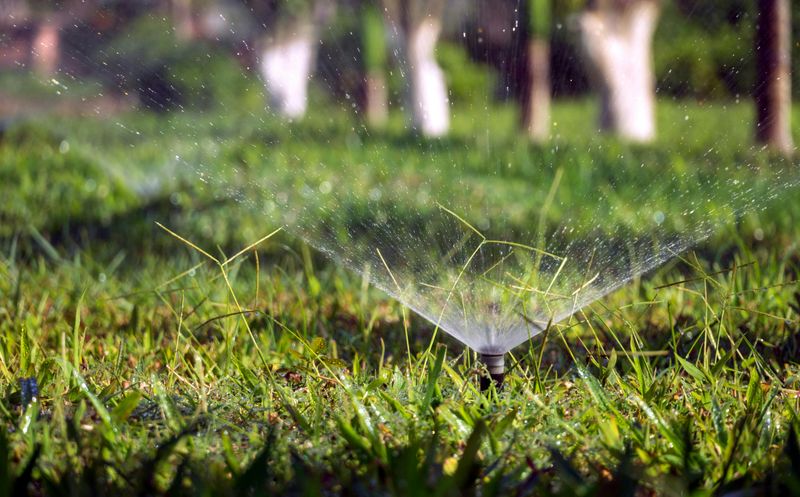
Image Credit: © Q.
Soggy ground is tick paradise.
Most homeowners think about overwatering in terms of plant health.
What they do not realize is that those same moisture levels have a direct impact on how well ticks survive and reproduce.
Ticks are extremely sensitive to dehydration.
Without consistent moisture, they dry out and struggle to survive.
When you overwater your lawn or garden, you are essentially creating a humid microenvironment that keeps ticks comfortable all season long.
Damp soil, wet mulch, and waterlogged garden beds are all conditions that extend tick activity well into the warmer months.
Sprinkler systems set to run too frequently or for too long are a common culprit.
Many homeowners set their systems in early spring and never adjust them, even when rainfall is already adequate.
That excess water sits in shaded spots and keeps the ground moist long after it should have dried out.
Adjust your watering schedule based on actual weather conditions.
Water deeply but less often, which encourages deeper root growth in plants while allowing the soil surface to dry between sessions.
Aim for early morning watering so the sun can dry the surface before ticks become most active during peak outdoor hours.
Check your garden beds too.
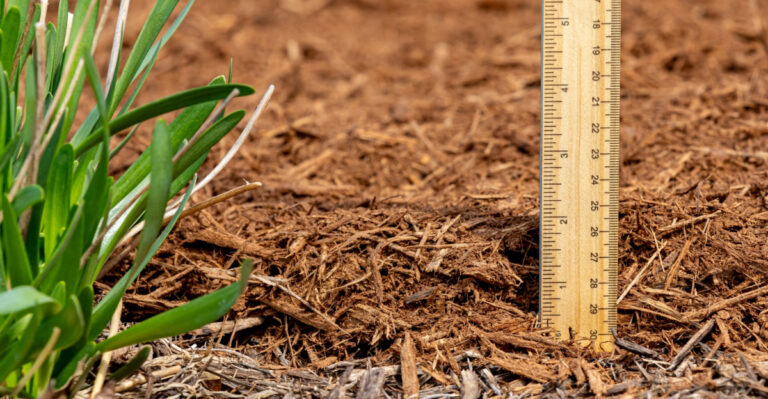
Thick layers of wet mulch trap moisture underneath and create ideal conditions near the ground where ticks hide.
Fluffing mulch regularly and keeping layers to about two to three inches helps with drainage and reduces that damp, dark environment.
Ticks do not need an invitation, but excess moisture is about as close as it gets to one.
Not Managing Wildlife That Carries Ticks Into Your Yard
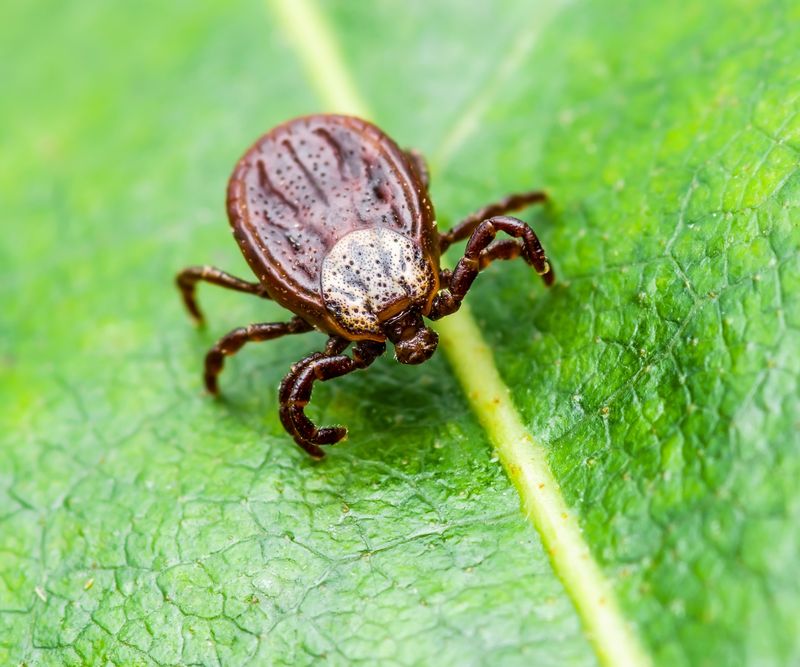
Deer are beautiful, but every one that wanders through your yard can easily be carrying dozens of ticks, dropping them onto your grass as they go.
White-tailed deer are the primary host for adult black-legged ticks, and they roam through suburban neighborhoods far more often than most people realize.
It is not just deer, though.
Squirrels, raccoons, opossums, and even mice play a massive role in spreading ticks.
Mice are one of the primary reservoirs for Lyme disease bacteria, meaning ticks that feed on infected mice can then pass that bacteria to people.
A mouse nest near your home can contribute significantly to the local tick population.
Discouraging wildlife from entering your yard takes a few consistent efforts.
Fencing around garden areas can reduce deer browsing and limit how often they travel through your space.
Motion-activated sprinklers are another low-effort deterrent that startles deer and other animals without harming them.
Do not leave food sources out that attract wildlife.
Fallen fruit from trees, accessible compost bins, and open pet food dishes all bring animals closer to your home.
The closer wildlife comes, the more ticks get deposited near your doors and pathways.
Keeping mice out of your yard is equally important.
Seal gaps in sheds and outbuildings, remove clutter that provides nesting spots, and keep firewood stacked neatly off the ground.
Mice gravitate toward messy, undisturbed areas, so a tidy yard is a strong deterrent.
Ticks need a ride to get to your yard.
Taking away the shuttle service goes a long way.
Placing Bird Feeders And Wood Piles In The Wrong Spots
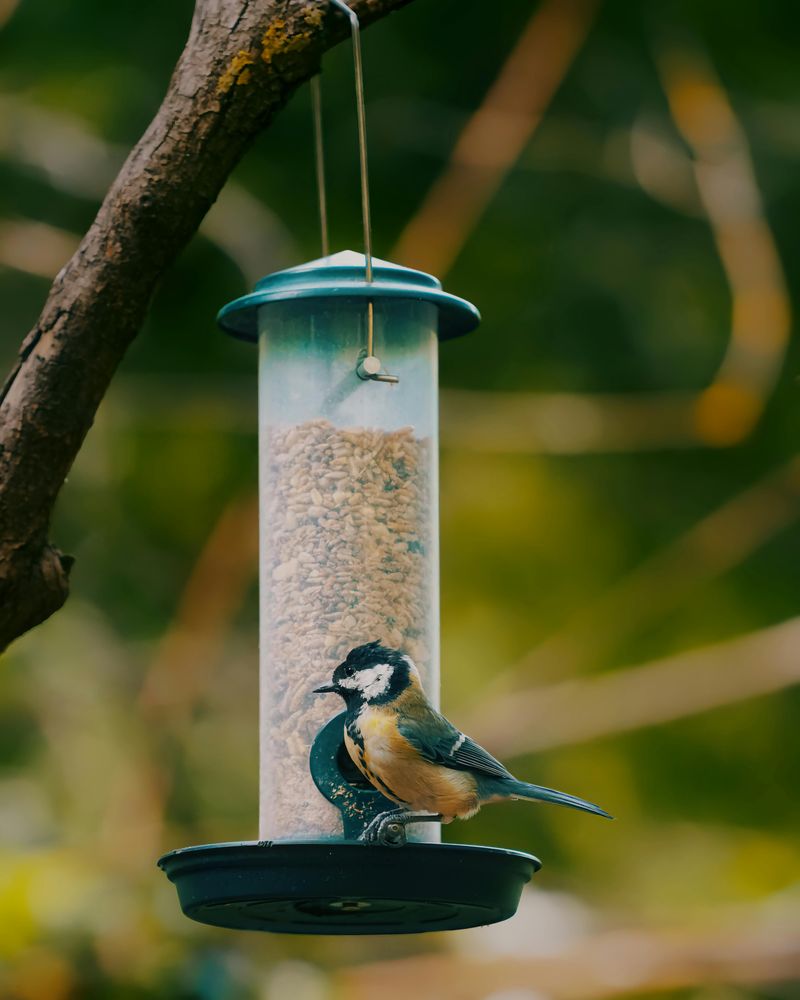
Most people never connect their bird feeder to a tick problem.
But where you place that feeder, and where you stack your firewood, matters a lot more than you might expect.
Bird feeders draw birds, which is great.
But they also attract squirrels, deer, raccoons, and mice that feed on spilled seed beneath them.
All of those animals carry ticks.
When you place a feeder right next to your patio, play area, or back door, you are essentially inviting tick-carrying wildlife in.
Your highest-traffic outdoor spaces end up becoming theirs too.
Move bird feeders to the far edges of your property, away from areas where your family spends time.
Place them near the tree line if possible, so wildlife activity stays concentrated away from your home.
Clean up spilled seed regularly, since accumulation on the ground is what really draws in the ground-level animals that carry ticks.
Firewood piles are a separate but related issue.
Mice love nesting in loosely stacked wood, especially when it sits directly on the ground.
A wood pile near your house becomes a tick nursery when mice move in and bring their hitchhikers along.
Stack firewood on a raised rack, at least six inches off the ground.
Keep it in a sunny spot rather than a shaded corner, since warmth discourages mice from nesting.
Store it as far from your home as practical, ideally at least twenty feet away from doors and windows.
You do not have to get rid of the bird feeder.
You just have to stop putting it where ticks want to be.
How To Fix These Mistakes And Take Back Your Yard This Spring
Good news: fixing tick problems in your yard does not require expensive treatments or a total landscape overhaul.
Most of the changes are straightforward, and many cost nothing at all.
Start by walking your yard with fresh eyes.
Look for debris piles, overgrown edges, soggy spots, and areas where wildlife might be visiting.
Once you can see the problem zones clearly, you can tackle them one at a time without feeling overwhelmed.
Create a spring yard routine that covers the basics consistently.
Mow weekly, clear debris every couple of weeks, and check your watering schedule once a month.
Trim back the border between your lawn and any wooded areas, and lay down a dry mulch or gravel barrier to discourage ticks from crossing over.
Relocate bird feeders and wood piles to safer spots farther from your home.
Seal up any gaps in sheds or outbuildings where mice might nest.
These steps address the wildlife factor that most tick prevention advice tends to skip over.
For an extra layer of protection, consider applying a tick-control product along the perimeter of your yard.
Pay special attention to that transition zone near the tree line, it is the first place ticks will try to cross.
Granular products designed for residential use can be applied by homeowners and work well when combined with good yard habits.
Tick problems do not have to define your spring and summer in Virginia.
A few consistent habits, applied week after week, create a yard that is genuinely less hospitable to ticks and more enjoyable for everyone in your family.
Take back your outdoor space one small step at a time, starting this weekend.