Is This Popular Shrub Actually Wrong For Your New Jersey Garden
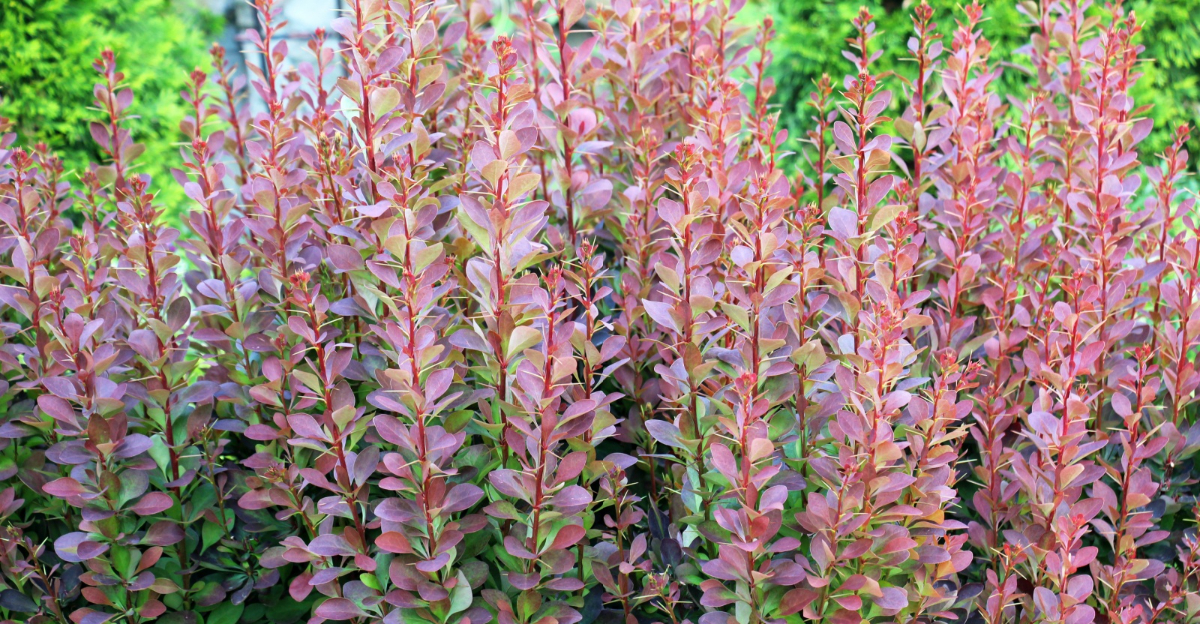
Your front yard might be harboring an ecological troublemaker.
That neat little shrub with tiny red berries has fooled homeowners for decades with its tidy appearance and vibrant color.
But beneath those delicate leaves, something troubling is unfolding. This shrub alters soil chemistry, crowds out native plants, and creates the perfect humid shelter for ticks to thrive.
Researchers have linked dense barberry patches to significantly higher tick populations, raising real concerns about Lyme disease risk.
State officials across New Jersey are now encouraging homeowners to remove it from their properties. The plant spreads readily, and once established, it is notoriously difficult to control.
What seems like a low-maintenance landscaping choice can quietly reshape an entire yard’s ecosystem. If your garden hosts this deceiving shrub, New Jersey experts say now is the time to take a closer look.
It’s Officially Banned In New Jersey
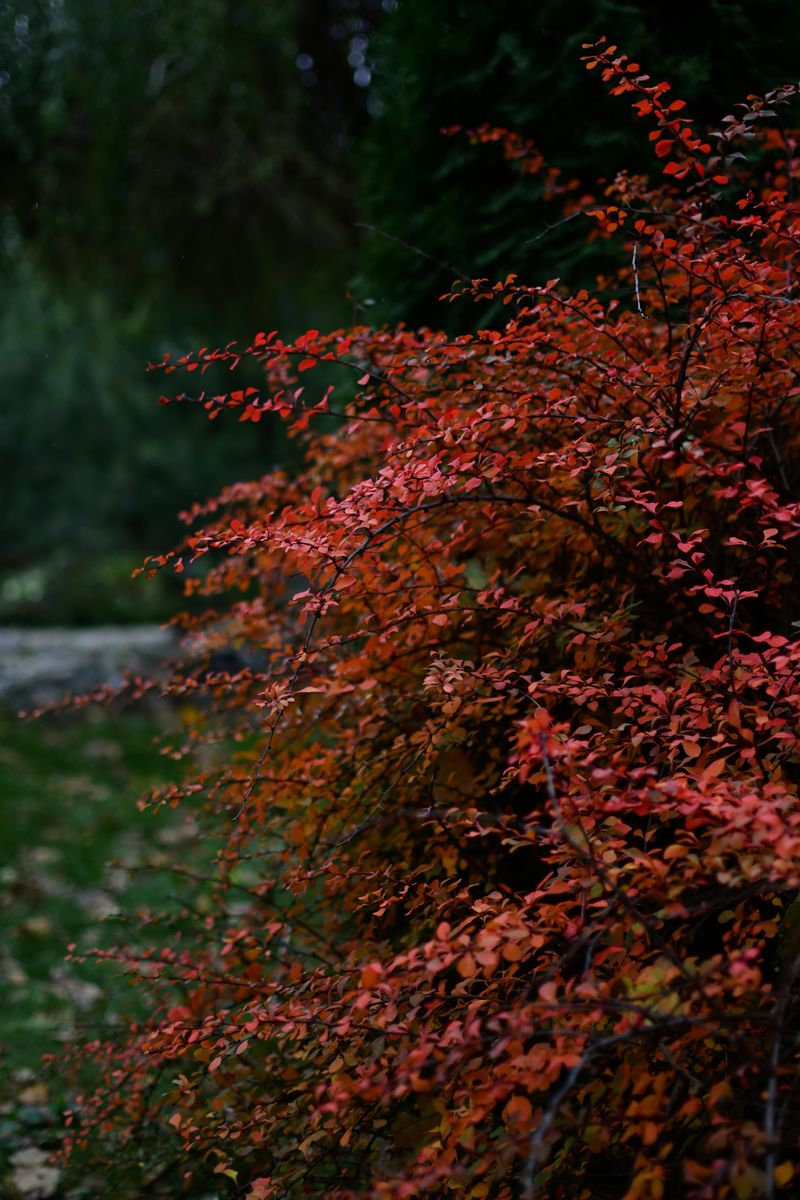
Japanese barberry is not just frowned upon in New Jersey. It is officially banned.
And that ban catches a lot of homeowners completely off guard.
The law targets one of the most commonly planted ornamental shrubs in the entire region.
For years, garden centers stocked it by the thousands because it looked great and needed almost no care.
Homeowners loved its compact shape, its thorny branches, and its bright red berries.
But behind that tidy appearance was a plant silently wrecking local ecosystems.
The New Jersey Department of Agriculture classified Japanese barberry as a Class B invasive species.
That classification means it poses a documented threat to native habitats and natural areas.
Garden centers that continue selling it face real legal consequences.
If you already have one in your yard, you are not getting a fine, at least not yet.
But officials are strongly encouraging removal as part of a broader conservation push.
Knowing it is banned is the first step toward understanding why it matters so much to act.
It Spreads Rapidly Into The Wild
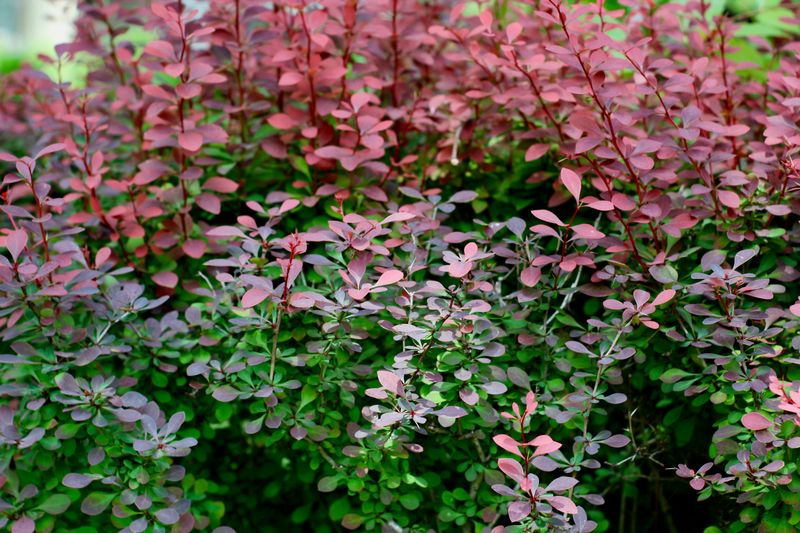
One shrub in your yard can turn into hundreds across a nearby forest, and that is not an exaggeration.
Japanese barberry spreads at a pace that shocks most people who study invasive plants.
A single mature plant can produce thousands of seeds each season.
Those seeds travel easily, carried by water, wind, and especially animals.
Once they land in a natural area, they sprout quickly and start competing with everything around them.
The plant has almost no natural enemies in North America, so nothing slows it down.
What makes this spread so concerning is how fast it transforms a healthy woodland edge.
Within just a few years, a lightly invaded area can become a dense wall of barberry.
Native wildflowers, shrubs, and tree seedlings simply struggle to compete with its rapid growth habit.
Researchers have documented barberry invasions in forests across the entire northeastern United States.
New Jersey state parks and wildlife refuges have reported significant losses of native understory plants.
Every shrub left in a home garden increases the odds of new invasions nearby.
Your New Jersey Garden Changes Every Week. Your Plan Should Too.
Gardening in New Jersey changes quickly throughout the season. Every Friday you’ll receive a simple weekly plan showing exactly what to plant, prune, fertilize, harvest, and protect so you never miss the right timing.
Removing it from your property is one of the most direct ways to protect the wild spaces around you.
It Creates A Tick Hotspot
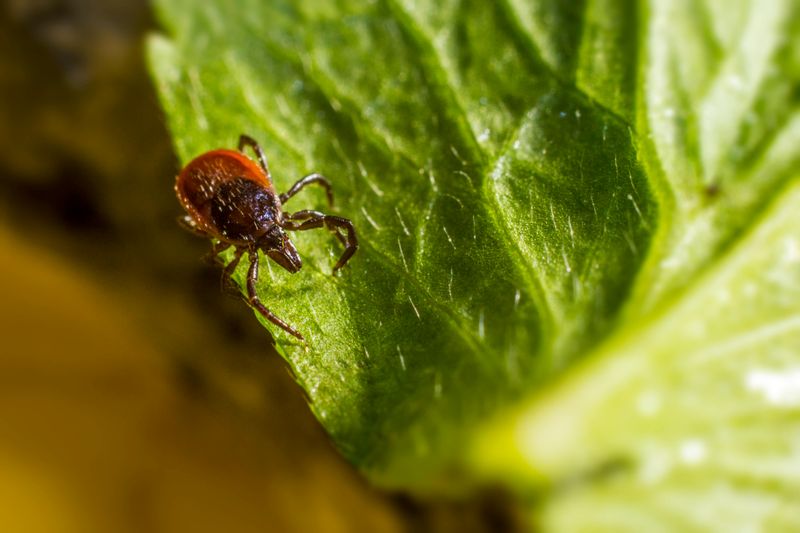
Scientists discovered something worth noting inside barberry thickets.
Tick populations are significantly higher there than in surrounding areas.
A study from Connecticut found that blacklegged tick numbers were significantly higher in barberry-infested spots.
That is not a small difference, and it has serious health implications for anyone spending time outdoors.
Barberry creates the perfect tick habitat without anyone realizing it.
Its dense, thorny branches hold moisture and shade the ground beneath, keeping humidity high.
Ticks thrive in exactly those damp, sheltered conditions.
The shrub also attracts white-tailed deer and small rodents like mice, which are prime hosts for blacklegged ticks.
When those animals rest or feed near barberry, ticks drop off and lay eggs in the moist leaf litter below.
The cycle repeats season after season.
Lyme disease cases in New Jersey are among the highest in the country.
Having a barberry hedge near your lawn could be contributing to that problem in a very direct way.
Removing the shrub reduces the shelter ticks need to survive and reproduce.
Your backyard might feel safe, but a barberry bush near the fence line could be changing that reality quietly.
It Disrupts The Natural Balance Of The Soil
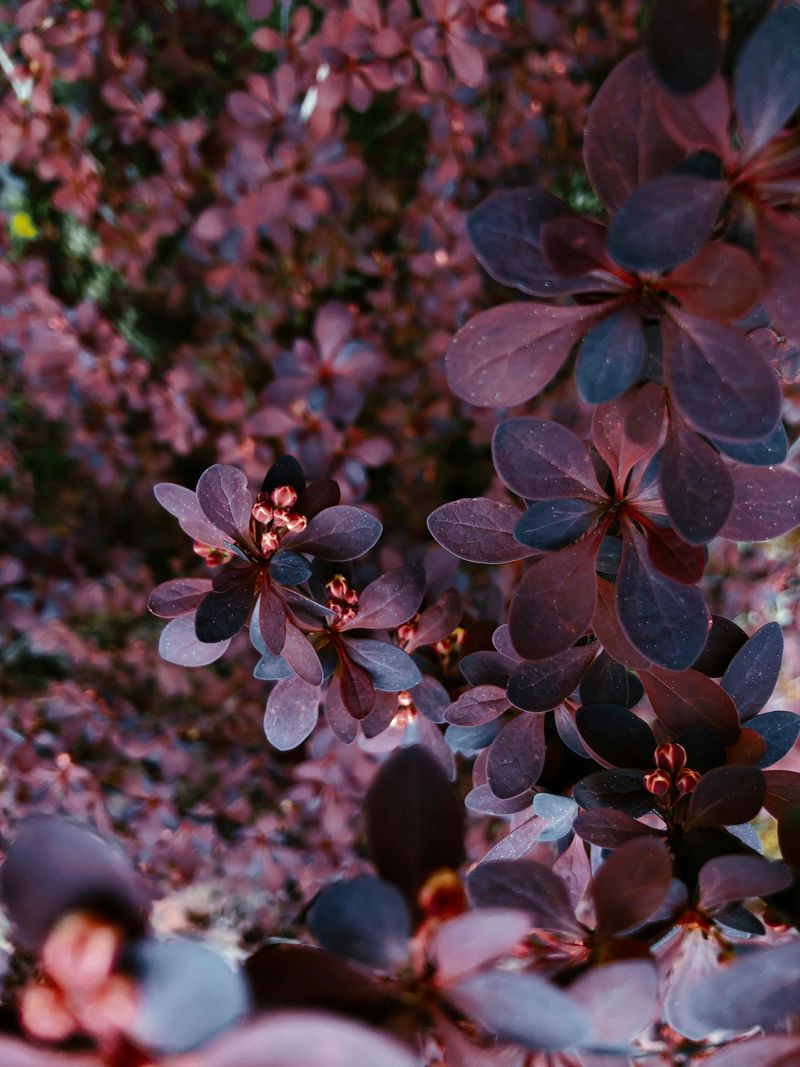
Most people think of invasive plants as a problem above ground, but barberry does its worst damage underground.Research has shown that Japanese barberry significantly raises the nitrogen levels in soil around its roots.
That chemical shift sounds harmless, but it fundamentally changes which plants can grow in that spot.
Higher nitrogen favors fast-growing weeds and non-native grasses over slower native wildflowers and tree seedlings.Once the soil chemistry shifts, even removing the barberry does not automatically fix things.
The changed conditions can persist for years, giving other invasive species an easy foothold.
Barberry also alters soil pH and microbial communities in ways scientists are still studying.The leaf litter it drops decomposes differently than native plant matter, changing how nutrients cycle through the ground.
Over time, the whole soil ecosystem around a barberry patch starts functioning differently.
Gardeners who pull out barberry and immediately plant natives sometimes find those plants struggling.The soil simply is not ready for them yet, and that can be discouraging.
Patience and sometimes soil amendment are needed to restore what the barberry disrupted.
Understanding this underground impact makes it clear why barberry removal is just the beginning of healing a landscape.
It Crowds Out Native Plants
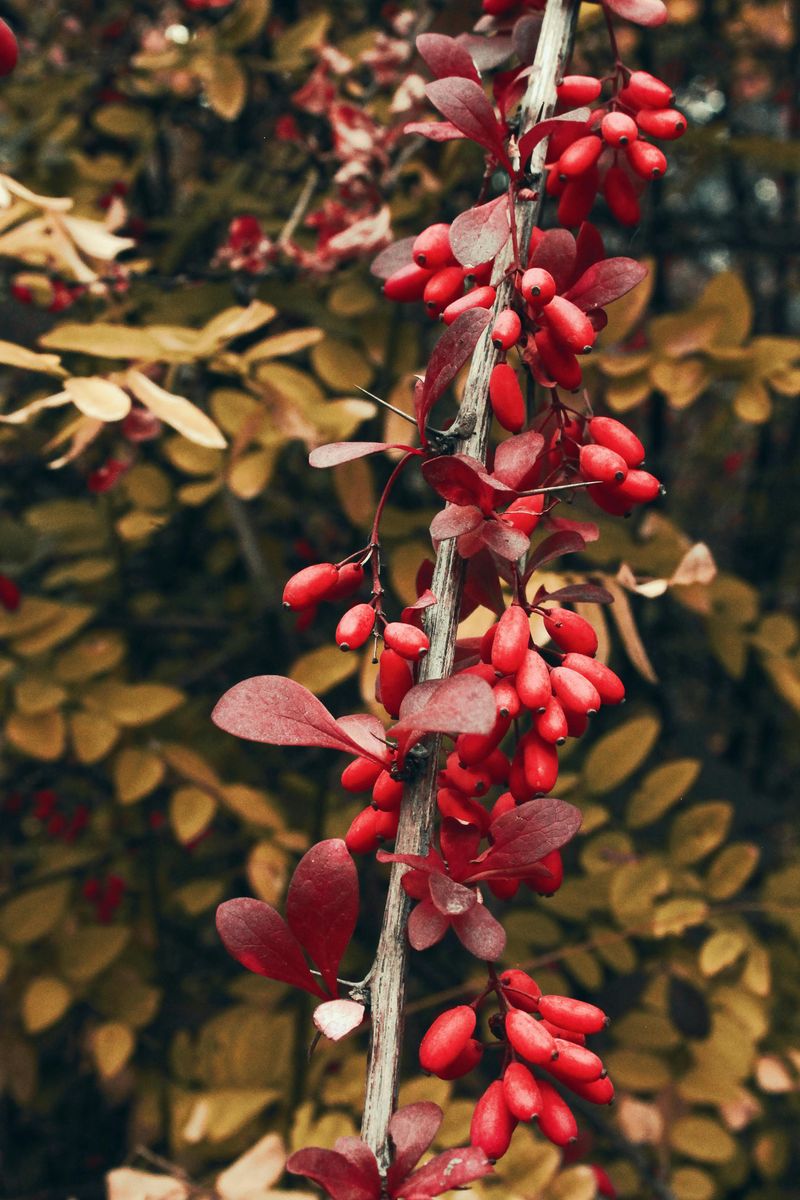
Picture a forest floor once covered in trillium, wild ginger, and native ferns, and then picture it empty.
That is what happens when Japanese barberry moves in and takes over the understory layer of a forest.
It blocks sunlight, draws heavily on water, and simply outcompetes everything that was there before.
Native plants are the foundation of local food webs.
Birds, insects, and mammals depend on specific native species for food and shelter throughout the year.
When those plants disappear, the animals that rely on them start disappearing too.
Barberry leafs out earlier in spring and holds its leaves later into fall than most native shrubs.
That extended growing season gives it a massive advantage over native competitors.
By the time native plants get started, barberry has already claimed the light and nutrients.
Pollinators like native bees and butterflies are hit especially hard by this shift.
Many of them are specialists, meaning they can only use certain native plant species to survive.
When those plants vanish, entire pollinator populations in an area can decline significantly.
There is one more reason to keep children and pets away from this shrub.
Japanese barberry berries contain berberine, a naturally occurring compound that can be mildly toxic when consumed in larger amounts.
While a berry or two is unlikely to cause serious harm, the risk is real enough to warrant caution in family gardens.
Replacing barberry with native shrubs like spicebush, arrowwood viburnum, or inkberry gives local wildlife a genuine lifeline.
It Is Stubborn And Difficult To Remove
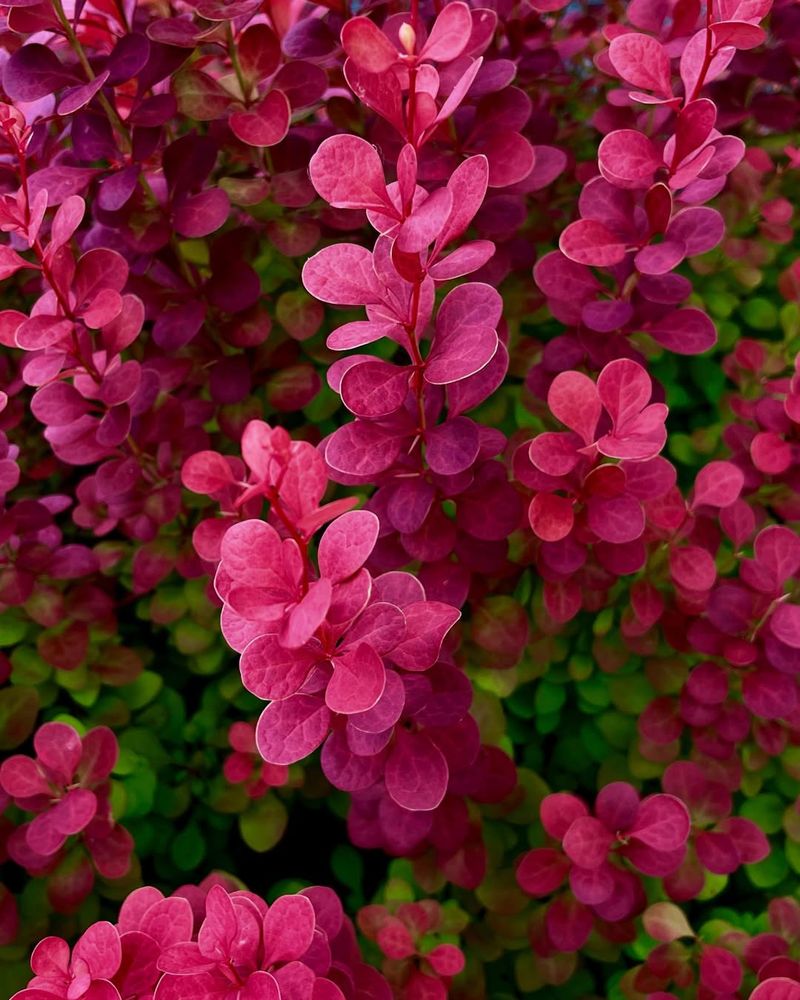
Pull one out today, and you might find three growing back next season.Japanese barberry is notoriously stubborn, and anyone who has tried to remove an established plant knows the frustration firsthand.
Its root system runs deep and branches out in ways that make complete removal genuinely difficult.
Even small root fragments left in the ground can regenerate into new plants.That means a casual yanking job often does more harm than good by breaking roots and spreading viable pieces.
Proper removal requires digging out the entire root ball, which takes real effort and the right tools.
Wearing thick gloves is non-negotiable since the thorns are sharp enough to puncture skin easily.Many homeowners find that a mattock or a heavy-duty garden fork works better than a standard shovel.
For large, old specimens, professional help or repeated cutting and herbicide treatment may be necessary.
The timing of removal matters too.Early spring before the plant leafs out or late fall after leaves drop makes the root system easier to spot and access.
Dispose of all plant material in sealed bags, not a compost pile, to prevent any accidental spread.
Removing barberry is a commitment, but every plant taken out is a genuine win for your yard and your neighborhood.
Birds Spread Its Seeds Everywhere
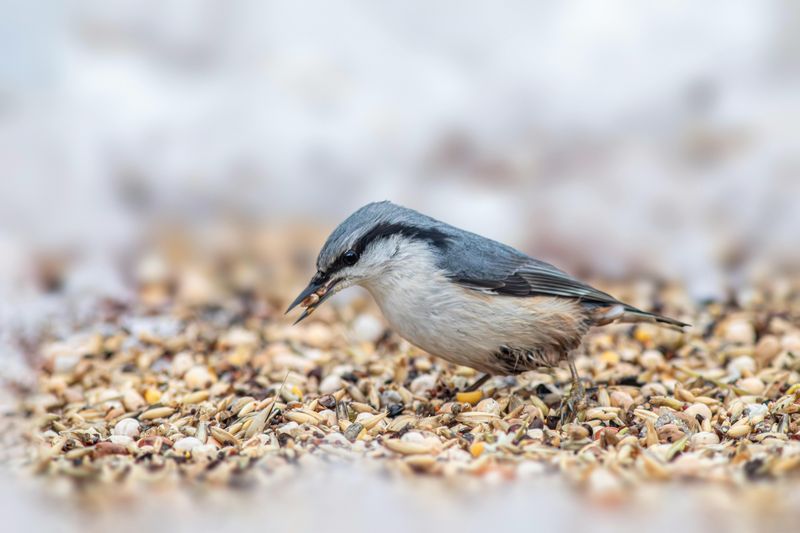
Here is the twist that makes barberry so hard to contain: birds absolutely love its berries.Species like robins, cedar waxwings, and starlings gorge on the bright red fruits throughout fall and winter.
They then fly off and deposit the seeds far from the original plant through their droppings.
A single bird can carry seeds miles away from your yard in a matter of hours.Forest edges, meadow borders, and stream banks are favorite landing spots, which happen to be exactly where native plants are most vulnerable.
This is how a single backyard shrub becomes a forest-wide problem over just a few years.
Birds are not doing anything wrong, they are just eating what is available.But the plant has essentially outsmarted the local ecosystem by producing fruit that wildlife eagerly distributes.
No native predator, disease, or competitor in North America has evolved to check its spread.
Replacing barberry with native fruiting shrubs like American beautyberry, native viburnums, or serviceberry gives birds equally appealing food.Those alternatives support the ecosystem instead of damaging it.
Birds still get their berries, and your yard becomes part of the solution instead of the problem.
It Forms Dense, Impenetrable Thickets
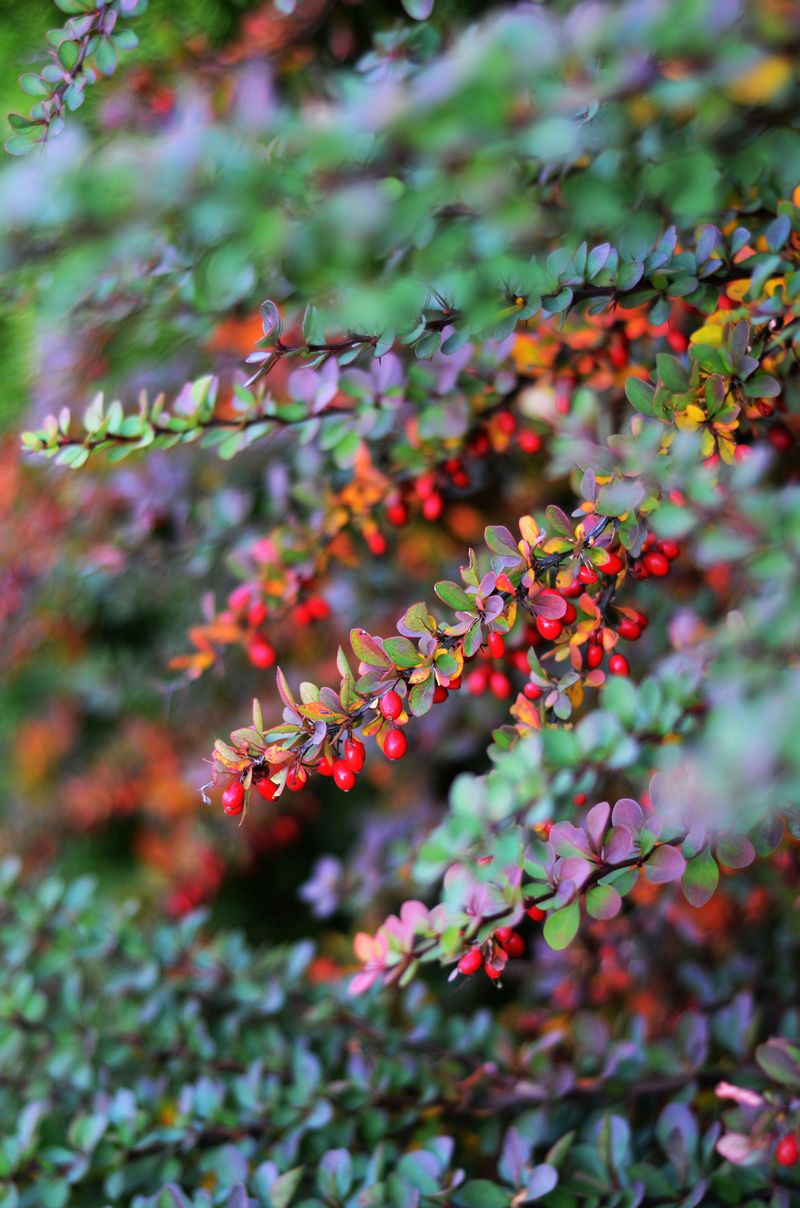
Walk into a barberry thicket and you will understand immediately why wildlife managers call it a serious land management challenge.
The branches are densely packed, covered in sharp thorns, and grow in overlapping layers that block almost all movement.
Animals that cannot navigate through the thicket simply stop using that part of the forest.
Ground-nesting birds like ovenbirds and veeries are particularly affected.
They need open, leafy forest floors to build nests and forage for food.
When barberry fills that space wall to wall, those birds lose critical habitat and breeding success drops.
White-tailed deer actually make the problem worse in an unexpected way.
Deer browse heavily on native shrubs and tree seedlings but tend to avoid barberry because of its thorns.
This selective grazing gives barberry an even bigger competitive edge, letting it fill gaps that deer create.
Hikers and trail workers in New Jersey state parks have reported sections of trails becoming nearly impassable due to barberry encroachment.
Maintenance crews spend significant time and resources cutting it back, only to see it grow back quickly.
The thickets do not just look bad, they actively change how an entire ecosystem functions.
Healthy forests need open understories, and barberry is systematically closing them off one yard at a time.
Seeds Persist In Soil For Years
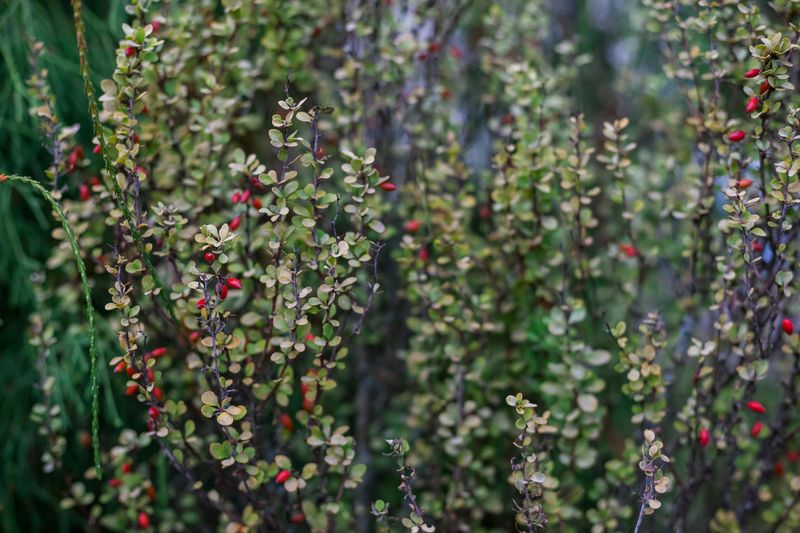
Removing Japanese barberry from your property is a great start, but the work does not end there.
Barberry seeds can remain viable in the soil for up to five years after the parent plant is gone.
That means new seedlings can keep popping up long after you thought the problem was solved.
Soil scientists call this a seed bank, and barberry builds an impressive one.
Every berry that falls to the ground adds to that underground reserve of future plants.
A heavily infested area can have thousands of dormant seeds per square foot waiting for the right conditions to sprout.
This is why follow-up monitoring after removal is so important and so often skipped.
Homeowners pull out the shrub, plant something new, and then wonder why barberry seedlings keep appearing for years.
Spotting and removing seedlings early, before they develop deep roots, is far easier than tackling mature plants.
Mulching the area after removal can help suppress germination by blocking light from reaching seeds near the surface.
A thick layer of wood chip mulch, about three to four inches deep, makes a noticeable difference.
Combining physical removal with consistent follow-up is the only reliable way to truly reclaim a barberry-infested spot.
Japanese barberry demands persistence, but with the right approach, your yard can genuinely recover.