These Are The Oregon Native Shrubs That Outcompete Invasive Plants Without Any Help
Invasive plants love an easy opening. A bare corner, a messy slope, or a tired fence line can turn into prime real estate before you even notice. Oregon gardeners know the feeling.
One season the yard looks fine, and the next season some pushy plant is spreading like it pays property tax.
Native shrubs can help change that story. Some grow thick enough to shade the ground, hold their space, and make it harder for weeds to move in.
The best part is that they already fit Oregon’s weather, so they do not need constant babying once settled.
They can bring flowers, berries, and shelter for wildlife while doing quiet work in the background. That is the kind of garden helper everyone wants.
Instead of fighting invasives over and over, many homeowners are planting shrubs that can stand their ground. Strong native growth can be a beautiful kind of defense.
1. Salal
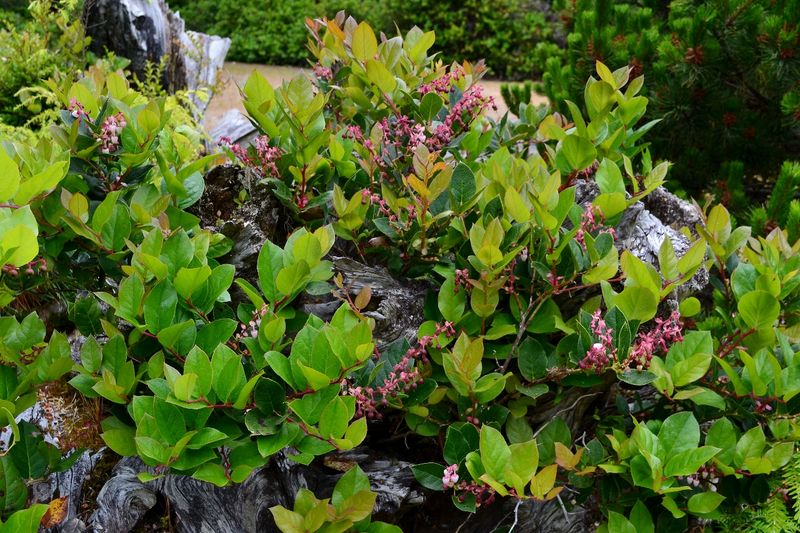
Few plants in the Pacific Northwest are as quietly powerful as salal. This low-growing evergreen shrub has been thriving in coastal forests and shaded hillsides for thousands of years.
Its thick, leathery leaves form a dense mat that blocks sunlight from reaching the soil below, making it nearly impossible for invasive seedlings to get started.
Salal spreads through underground rhizomes, meaning it expands steadily without needing any help from you.
Once established, it creates a living carpet that holds soil in place and reduces erosion on slopes. English ivy and other aggressive invaders struggle to compete once salal gets a foothold.
Florists have long used salal’s glossy leaves in bouquets and arrangements, so it has commercial value too. The dark purple berries it produces in late summer are edible and were a traditional food source for many Indigenous peoples of this region. Birds and small mammals love them as well.
Salal grows best in partial to full shade and prefers the moist, acidic soils found throughout western parts of this state.
It does not need fertilizer, rarely needs pruning, and handles dry summers better than most shade plants.
If you have a shady spot under Douglas firs or big-leaf maples where nothing else seems to grow well, salal is the answer. Plant it once, and it will quietly take over in the best possible way.
2. Low Oregon Grape
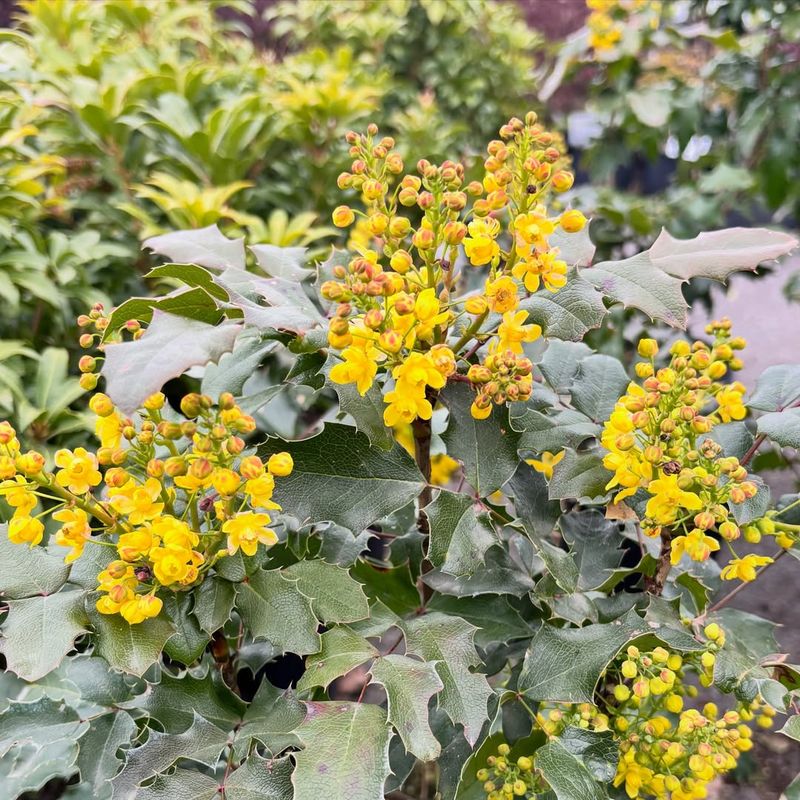
There is something almost defiant about low Oregon grape. Its spiky, holly-like leaves look tough because they are tough.
This compact native shrub grows just one to two feet tall, forming dense thickets that invasive plants find nearly impossible to push through.
It is one of the most resilient ground-level plants in the entire state. Low Oregon grape thrives in dry shade, which is one of the hardest conditions for any plant to handle.
Under large conifers where the soil stays dry and acidic, most invasive species cannot survive.
But this shrub does more than survive; it spreads slowly and steadily, filling gaps and locking out competition.
In early spring, clusters of bright yellow flowers appear, providing some of the first nectar of the season for native bees and butterflies.
Your Oregon Garden Changes Every Week. Your Plan Should Too.
Gardening in Oregon changes quickly throughout the season. Every Friday you’ll receive a simple weekly plan showing exactly what to plant, prune, fertilize, harvest, and protect so you never miss the right timing.
By late summer, those flowers become clusters of blue-purple berries that birds go absolutely wild for. Waxwings, robins, and thrushes flock to these shrubs during berry season.
The roots of this plant contain berberine, a natural compound with antimicrobial properties that has been used in traditional medicine for centuries.
It is the state flower of Oregon, which makes planting it feel like a small act of local pride. Low-maintenance and drought-tolerant once established, it asks for almost nothing after the first year. For shady, dry areas where other plants fail, this shrub is a quiet champion.
3. Tall Oregon Grape
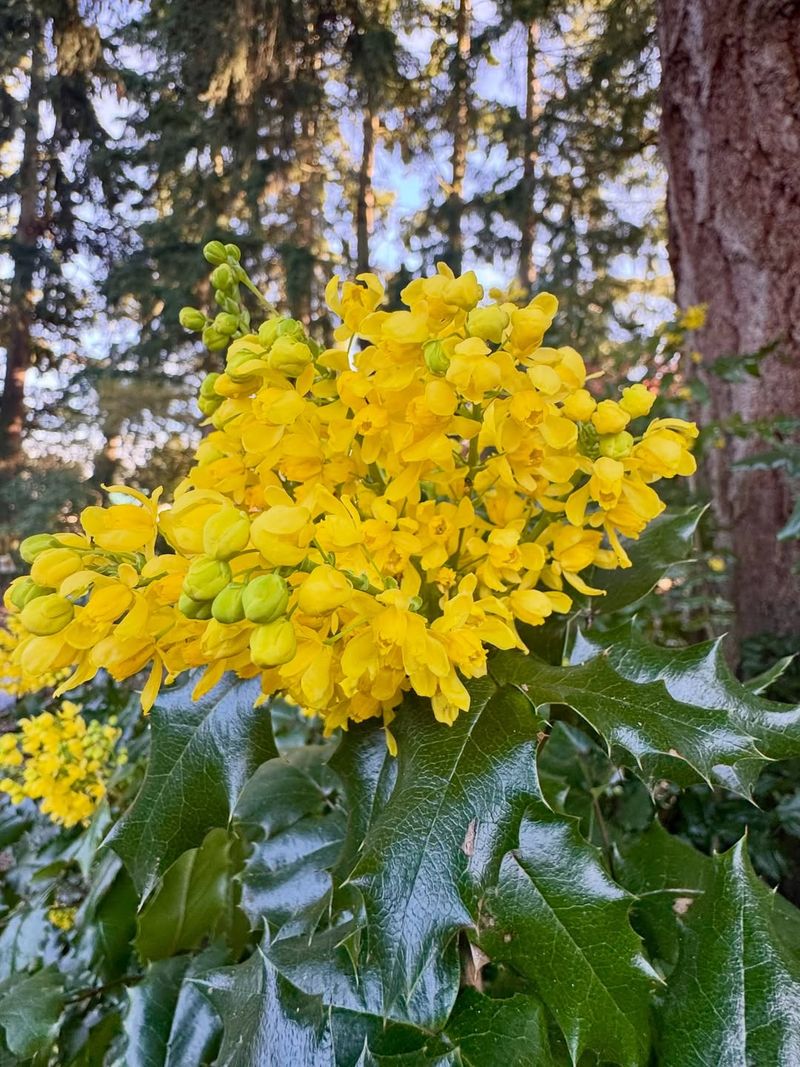
Bold and architectural, tall Oregon grape can reach up to six feet in height, creating a dramatic vertical presence in the landscape.
Unlike its shorter cousin, this shrub works as a mid-story plant, filling the space between ground covers and trees.
That layered structure is exactly what makes it so effective at blocking invasive species from getting established.
The large compound leaves are stiff and spiny, creating physical barriers that discourage weedy plants from spreading underneath.
Its root system also releases compounds into the soil that suppress certain competing plants, a natural strategy called allelopathy.
Essentially, this shrub is chemically and physically defending its territory at the same time.
Tall Oregon grape produces long, upright clusters of yellow flowers in early spring that attract native bees, especially bumblebees.
The flowers are followed by large clusters of dark blue berries that are popular with many bird species. The berries are tart but edible and have been used to make jams and jellies.
This plant is highly adaptable and grows well in both sun and shade across a wide range of elevations.
You will find it in coastal forests, dry interior valleys, and even into the foothills of the Cascades. It handles drought once established and needs no supplemental watering in most years.
Planting tall Oregon grape along fence lines or woodland edges creates a natural, wildlife-friendly barrier that looks great year-round without demanding much from the gardener.
4. Evergreen Huckleberry
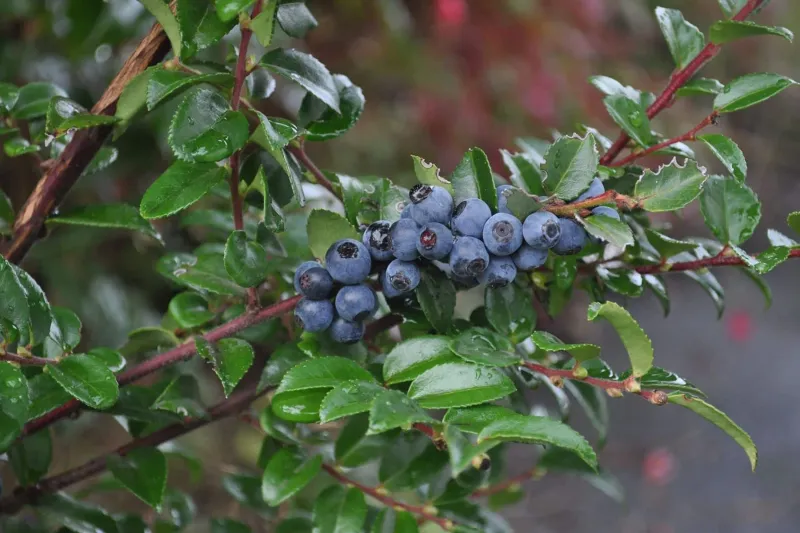
Ask any Pacific Northwest forager about their favorite native shrub and evergreen huckleberry will almost always come up.
This elegant, slow-growing evergreen produces small, intensely flavored berries that are far superior to anything you will find at a grocery store.
But beyond its culinary appeal, this plant is a powerhouse when it comes to outcompeting invasive species.
Evergreen huckleberry grows best in the coastal regions and wetter western valleys of this state, where it forms dense multi-stemmed thickets over time.
Its thick canopy of small, glossy leaves shades the ground so effectively that invasive annuals and weedy seedlings cannot get the light they need to grow. The result is a clean, lush understory that practically maintains itself.
The plant grows slowly at first, but patience pays off. Once established, it spreads into a reliable, attractive mass that can reach four to eight feet tall.
It tolerates heavy shade under large conifers, making it useful in spots where most shrubs struggle.
It also grows well in containers if space is limited. Pollinators adore the small pink bell-shaped flowers that appear in spring.
Come late summer and fall, the berries ripen into dark blue-black clusters that attract thrushes, waxwings, and band-tailed pigeons. For wildlife gardeners, this shrub is a top choice.
Plant it in a shady or partly shady spot with moist, acidic soil, and it will reward you for decades with minimal effort required on your part.
5. Red-Flowering Currant
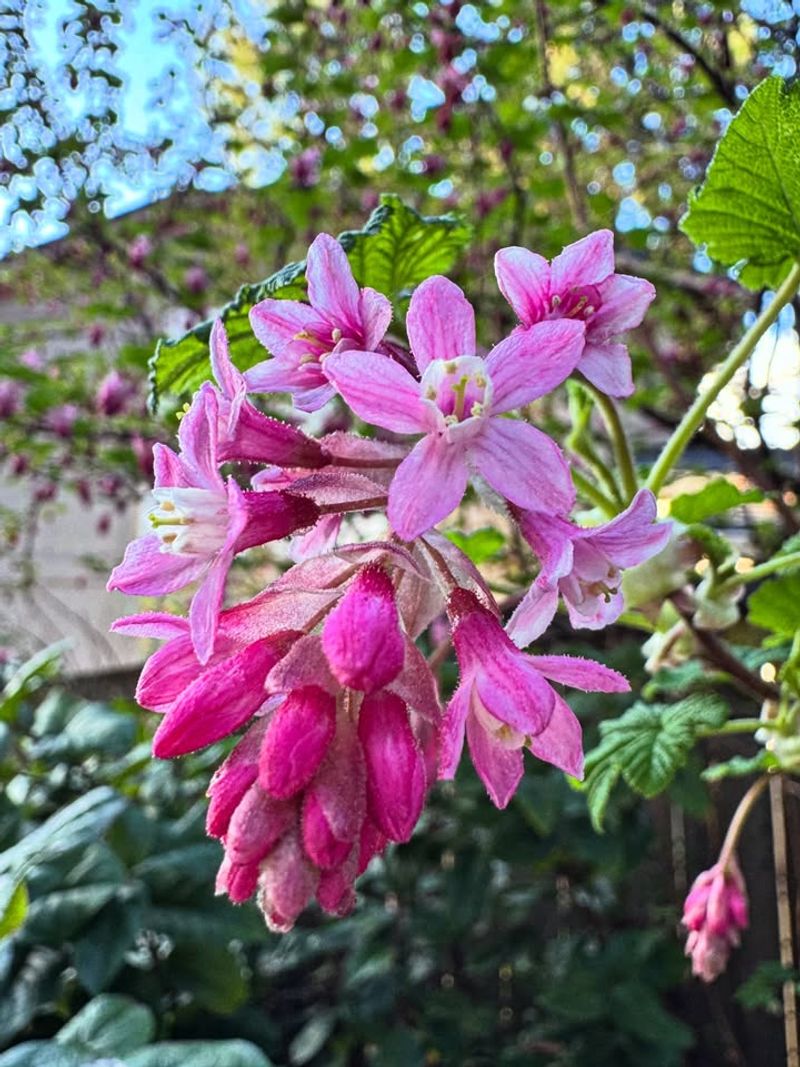
When late winter still feels gray and cold, red-flowering currant bursts into color like nothing else in the native plant world.
The cascading clusters of deep pink to red flowers appear as early as February, long before most other plants even think about blooming.
That early show makes it one of the most beloved native shrubs in this state, and hummingbirds absolutely cannot resist it.
Beyond its stunning looks, red-flowering currant is a fierce competitor. It grows vigorously in a wide range of conditions, from full sun to partial shade, and adapts to both dry and moist soils.
Once it gets going, it spreads steadily and forms dense multi-stemmed clumps that leave little room for invasive species to move in.
The shrub reaches four to ten feet tall depending on conditions, and its maple-shaped leaves provide good summer cover for nesting birds.
After the flowers fade, small blue-black berries develop that are technically edible but quite tart. Wildlife, however, enjoy them just fine, and many bird species feed on them through late summer.
Pruning is rarely necessary, and the plant handles drought well once roots are established. It works beautifully as a hedge, a slope stabilizer, or a standalone specimen plant. Gardeners in both coastal and inland areas of this state have had great success with it.
If you want one native shrub that delivers color, wildlife value, and competitive muscle all at once, this is a top contender.
6. Pacific Ninebark
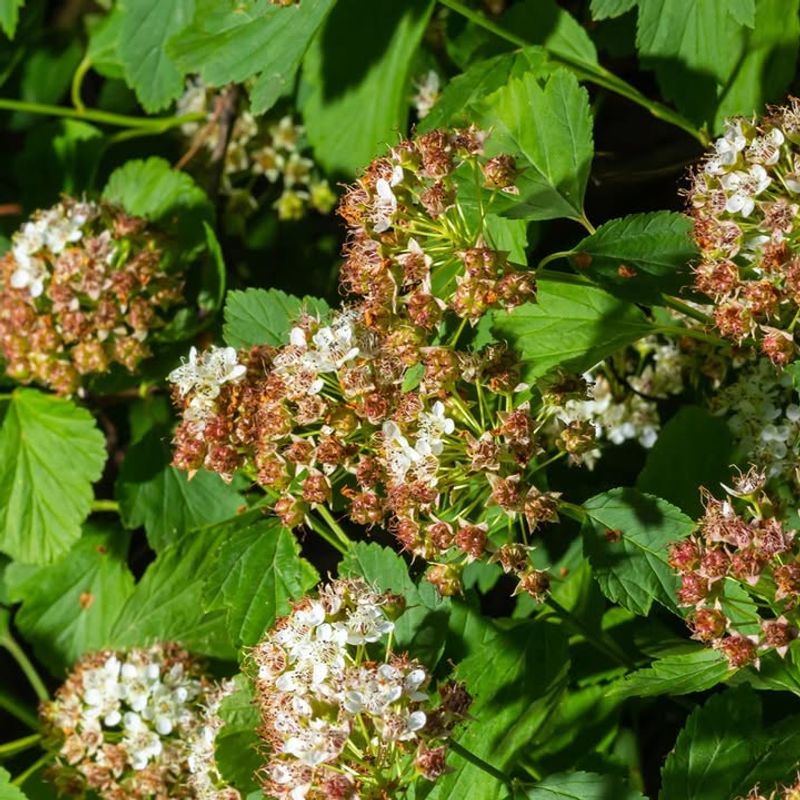
Pacific ninebark is the kind of plant that earns respect the longer you know it. Named for its distinctive bark that peels back in multiple layers, this native shrub is as tough as it looks.
It thrives in riparian zones, stream banks, and wet meadows, exactly the kinds of places where invasive species like reed canary grass and purple loosestrife tend to take over.
Along waterways across this state, Pacific ninebark acts as a natural line of defense. Its dense root system stabilizes stream banks and prevents erosion during heavy rains.
The thick branching structure shades the water surface and the surrounding soil, making it hard for sun-loving invasives to gain ground.
It is a genuinely strategic plant.
In late spring and early summer, the shrub is covered in clusters of small white flowers that attract native bees and beneficial insects.
Later, the seed capsules turn reddish and persist through fall, adding visual interest and providing food for birds. The multi-layered peeling bark adds texture to the winter garden when leaves are gone.
Pacific ninebark can grow six to twelve feet tall and equally wide, so give it space to do its thing. It tolerates flooding, compacted soils, and even moderate drought once established. That kind of flexibility is rare and valuable.
For restoration projects, rain gardens, or any wet spot in the yard that seems impossible to manage, this shrub is one of the most reliable choices available in the Pacific Northwest.
7. Snowberry
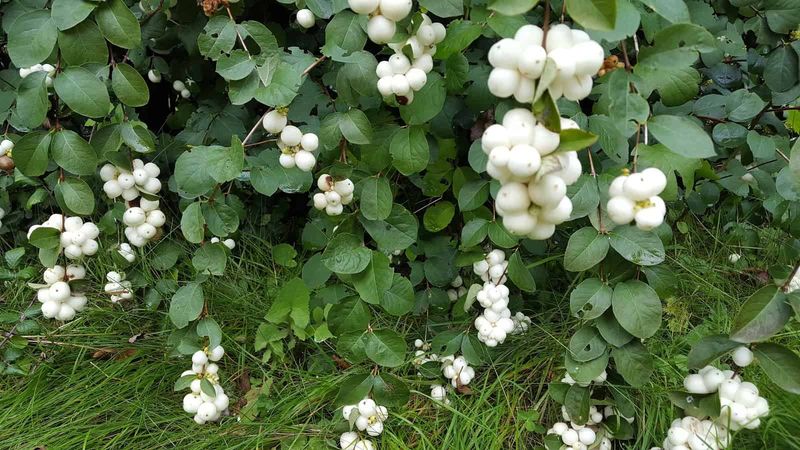
Snowberry might just be the most underrated native shrub in the entire Pacific Northwest. It does not have flashy flowers or dramatic height, but what it lacks in showiness it more than makes up for in toughness.
This low-growing, arching shrub spreads aggressively through root sprouts, forming dense colonies that are remarkably effective at shutting out invasive plants.
It grows almost anywhere. Dry shade under big trees? No problem. Rocky slopes with poor soil? Fine. Disturbed roadsides and forest edges?
Snowberry handles all of it. That adaptability is exactly what makes it such a valuable tool for anyone trying to reclaim ground from invasive species. It simply outgrows the competition.
The small pink flowers in summer are modest but beloved by native bees and hummingbirds.
What really makes this plant stand out are the clusters of bright white berries that appear in fall and persist well into winter. They look almost artificial, like little white pearls hanging from arching stems.
While the berries are mildly toxic to humans, birds and deer rely on them as a winter food source.
Snowberry grows three to six feet tall and spreads wider over time as it sends up new shoots from its roots.
That spreading habit is a feature, not a bug, when your goal is to cover ground and block invasives. It is also excellent for erosion control on slopes.
Plant it in challenging spots where other shrubs give up, and snowberry will simply keep going.
8. Nootka Rose
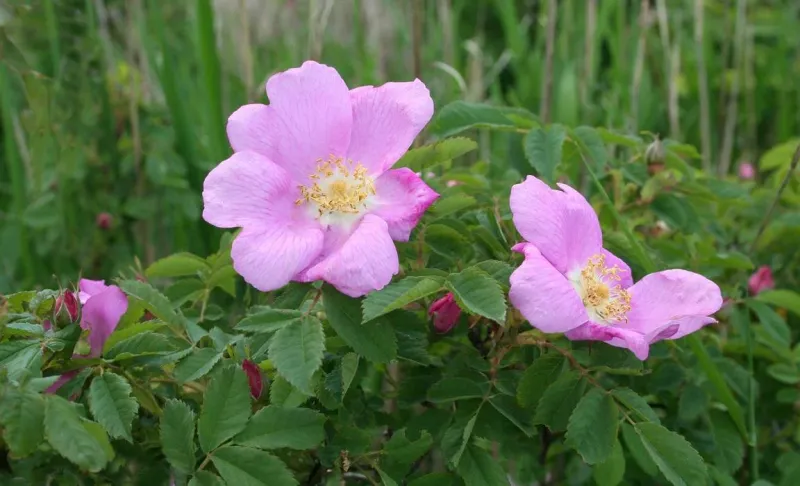
There is a wild, untamed beauty to Nootka rose that no cultivated garden rose can quite match.
Its large, single pink flowers open in late spring and early summer with a light, sweet fragrance that carries on the breeze.
But beneath that beauty lies a seriously competitive plant that has been carving out territory in Pacific Northwest landscapes for thousands of years.
The thorny, arching canes of Nootka rose form impenetrable thickets over time. Nothing wants to push through a wall of curved thorns, and that includes Himalayan blackberry, one of the most aggressive invasive plants in this state.
When planted in masse, Nootka rose can actually outcompete blackberry by shading it out and physically blocking its spread.
After the flowers fade, large red rose hips develop and stay on the plant through fall and winter.
These hips are packed with vitamin C and are a critical food source for birds during lean winter months. Black-tailed deer, elk, and small mammals also browse the canes.
Few native shrubs offer this level of wildlife value across multiple seasons. Nootka rose grows six to ten feet tall and spreads by root sprouts, so it works best in larger spaces where it can roam freely.
It handles wet soils, dry summers, and everything in between. Riparian areas, woodland edges, and open sunny slopes are all fair game.
For anyone serious about using native plants to push back invasives, this rose belongs in the plan.
9. Thimbleberry
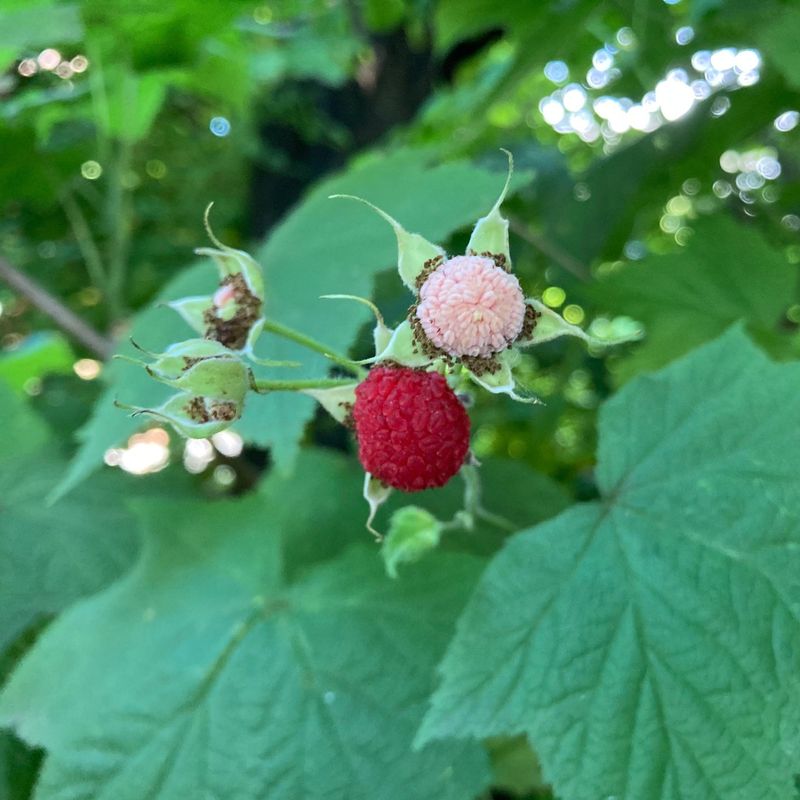
Soft, velvety leaves the size of dinner plates and bright red berries that practically melt in your mouth: thimbleberry is one of the most distinctive native shrubs in this part of the country.
It grows along forest edges, roadsides, and stream banks from the coast all the way up into the mountains. Wherever there is disturbed ground or an opening in the canopy, thimbleberry moves in fast.
That aggressive colonizing habit is exactly what makes it so useful against invasive species. Thimbleberry spreads through underground rhizomes, sending up new canes every season until it forms a dense, leafy thicket.
The enormous leaves create deep shade at ground level, blocking sunlight from invasive seedlings trying to get started.
It is one of the fastest native shrubs to establish on bare or disturbed soil. The large white flowers that appear in late spring attract a wide variety of native pollinators.
The berries that follow in midsummer are beloved by bears, birds, and humans alike. They are fragile and do not travel well, which is why you rarely see them in stores.
Eating them fresh off the cane on a summer hike is one of the small joys of living in this region.
Thimbleberry grows four to eight feet tall and thrives in partial shade to full sun. It prefers moist soil but tolerates drier conditions once established.
For restoration plantings, trail edges, or any area where you need fast-spreading native coverage to outpace invasives, thimbleberry delivers results quickly and beautifully.