8 Oregon Garden Plants That Create A Cool And Peaceful Outdoor Escape
Many Oregon gardeners keep chasing that elusive backyard feeling. The one where you step outside, and the air just feels different. Cooler. Quieter. Like something ancient settled into the space around you.
They buy the pergolas, the shade sails, the misting fans… They get close, but never quite land it.
The answer has nothing to do with structures or furniture. It lives in the ground itself, and it has been growing wild across Oregon for thousands of years.
Native plants that the state’s forests have spent centuries perfecting, quietly doing something that no patio umbrella ever could. Here is what surprises most people. These plants are not locked inside remote wilderness.
They are adaptable, garden-ready, and far more accessible than most homeowners realize. Low maintenance, wildlife-friendly, and perfectly matched to Oregon’s dry summers and mild winters.
Some of them will completely stop you in your tracks the first time you walk past them. And once you know what they are, you cannot unsee them.
1. Vine Maple Can Transform A Backyard Into A Woodland Retreat
Some trees demand attention. Vine maple earns it quietly. Acer circinatum is not the kind of tree that shows off. It leans.
It arches. It tucks itself gracefully into a corner and somehow makes everything around it look more intentional. This is a plant that knows how to play it cool, literally.
Native to the Pacific Northwest, vine maple grows naturally along stream banks and forest edges from British Columbia down through Oregon into northern California. In a garden, it works as a small multi-stemmed tree or a sprawling arching shrub.
Height ranges from ten to twenty-five feet, depending on conditions and how much you let it do its thing.
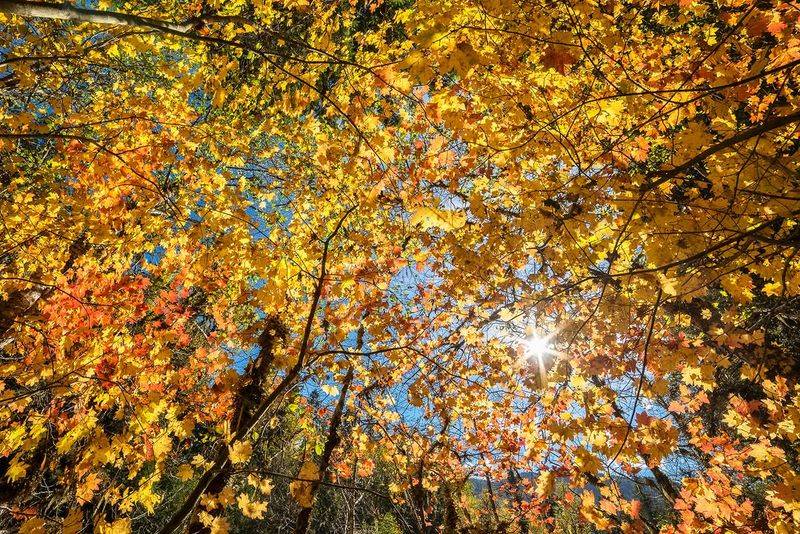
Those round, deeply lobed leaves create a layered canopy that filters sunlight instead of blocking it. Sit beneath one on a hot afternoon, and you will feel the difference.
Dappled shade reduces direct sun exposure on the ground below, and the temperature drops in a way that feels almost magical.
Moist, well-drained, slightly acidic soil keeps it happy. Then fall arrives, and vine maple absolutely steals the show. Leaves turn brilliant orange, red, and yellow.
Plant it near a seating area. Let those arching branches form a natural canopy right above your favorite chair.
Pair it with sword ferns and salal below for a complete woodland scene. And that’s all it takes, really.
2. Sword Ferns Might Be Oregon’s Most Underrated Cooling Plant
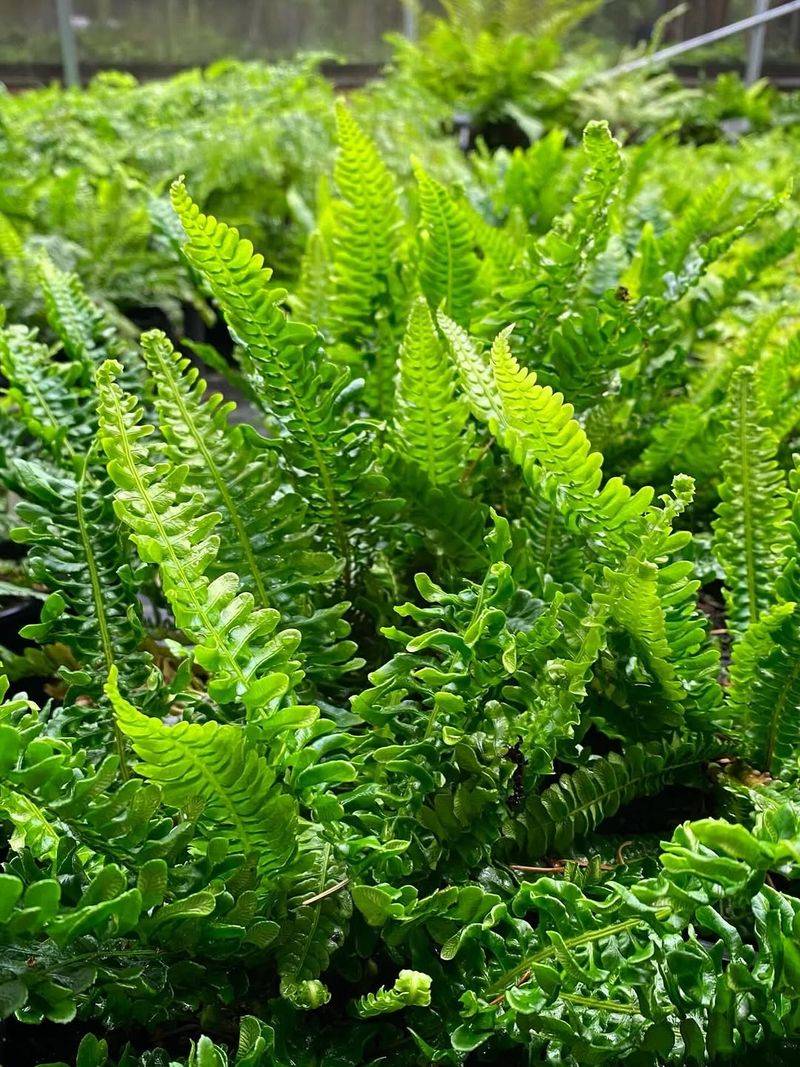
Walk through any Oregon forest, and sword ferns will find you before you find them. Polystichum munitum is everywhere in the Pacific Northwest, and that ubiquity is not a coincidence. This plant has figured something out.
It knows how to thrive in the places other plants abandon. Deep shade under a dense conifer canopy? Sword fern is already there, completely unbothered. Those long, arching fronds stay green all year. Cold winters, grey skies, relentless rain.
None of it fazes them. A healthy clump reaches four to five feet tall and spreads just as wide.
Your Oregon Garden Changes Every Week. Your Plan Should Too.
Gardening in Oregon changes quickly throughout the season. Every Friday you’ll receive a simple weekly plan showing exactly what to plant, prune, fertilize, harvest, and protect so you never miss the right timing.
The effect is lush, full, and genuinely generous. This is a plant that gives you a lot without asking for much in return. A fair frond-ship if there ever was one.
The deep green color of the fronds absorbs light rather than bouncing it back. That quality creates a visual softness that is hard to manufacture with other plants.
On warm days, a mass planting of sword ferns keeps the surrounding air noticeably more humid and cool. They can act almost like natural air conditioners with far better aesthetics.
Maintenance is almost laughably minimal. Once established in well-drained, humus-rich soil, sword ferns need very little supplemental water in shaded spots.
Just remember to remove old fronds in late winter before new growth pushes through in spring. That is genuinely the most demanding thing this plant asks of you.
Mass plant them along a shaded fence line or beneath large conifers, and the woodland floor effect is immediate.
3. Salal Tends To Thrive Where Most Other Plants Give Up
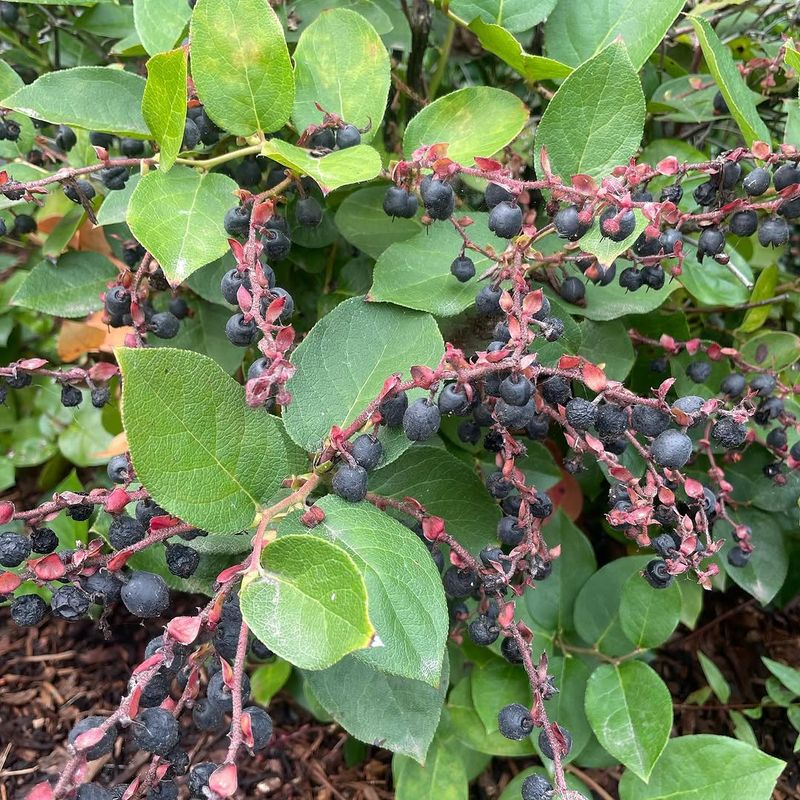
Florists have known about salal for decades. It is time your garden caught up. Gaultheria shallon has those deep, glossy, leathery leaves that look expensive without trying.
Professional flower arrangers pull them off stems and put them in bouquets because they are simply that good-looking.
In a garden, that same quality translates into a plant that makes every edge it touches feel polished and intentional.
Salal works as a low to medium shrub or a spreading groundcover. In deep shade, it stays lower and spreads more horizontally, which makes it perfect for filling awkward corners. Got a spot that feels unfinished? Salal will handle it without complaint.
The real headline is dry shade tolerance. Most gardeners know dry shade as the impossible zone. The spot under the overhang.
The area beneath a shallow-rooted tree where nothing survives. Salal shrugs at all of it. Once established, it holds its own through dry summers without much watering.
Late spring brings small urn-shaped flowers in pink to white. Dark purple-black berries follow, and birds lose their minds over them.
For best results, plant salal along path edges or beneath large shrubs. Then pair it with sword ferns and vine maple, and you get a layered planting that softens every hard line in sight.
4. Oregon Wood Sorrel Can Make Any Garden Floor Feel Magical
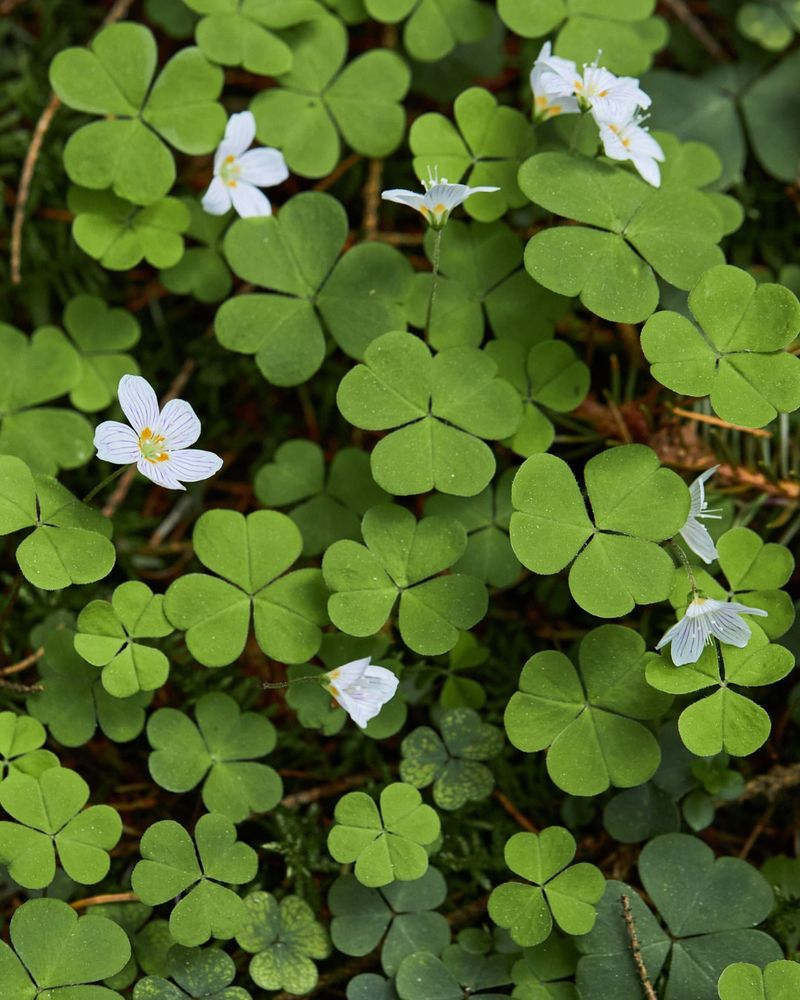
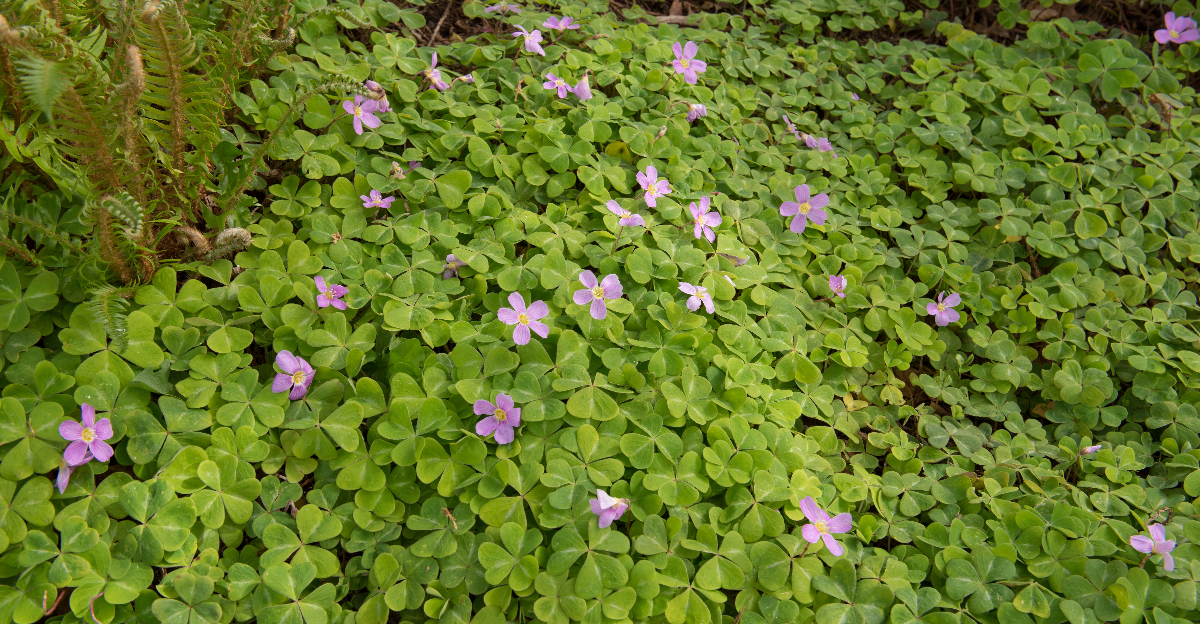
Some plants whisper. Oregon wood sorrel is one of them. Oxalis oregana spreads across the ground in quiet, unhurried sheets of emerald green. The leaves are made of three heart-shaped leaflets that sit low and soft against the soil.
Stand over a patch of it, and the whole mood of the garden shifts downward into calm. Small white to pale pink flowers with purple veins appear from spring through early summer. They are modest and understated, which is exactly right.
This plant is not trying to compete. It is trying to create an atmosphere, and it does that with remarkable skill.
Oregon wood sorrel grows naturally on forest floors throughout the coastal and western regions. It prefers consistently moist, humus-rich soil and does best under a canopy that shelters it from direct afternoon sun.
In the right conditions, it spreads by rhizomes, filling bare soil in a way that feels natural rather than invasive.
Here is the detail that will make you love it. The leaflets fold downward in bright light and at night, a movement called nyctinasty. Watch them closely as evening settles in.
Plant it beneath deciduous trees or large ferns. Combine with Pacific bleeding heart for a spring display that feels truly wild.
Oregon wood sorrel never oversells itself, and somehow that makes it even more sorrel-y satisfying.
5. Bleeding Heart Might Be What Your Shady Spots Are Missing
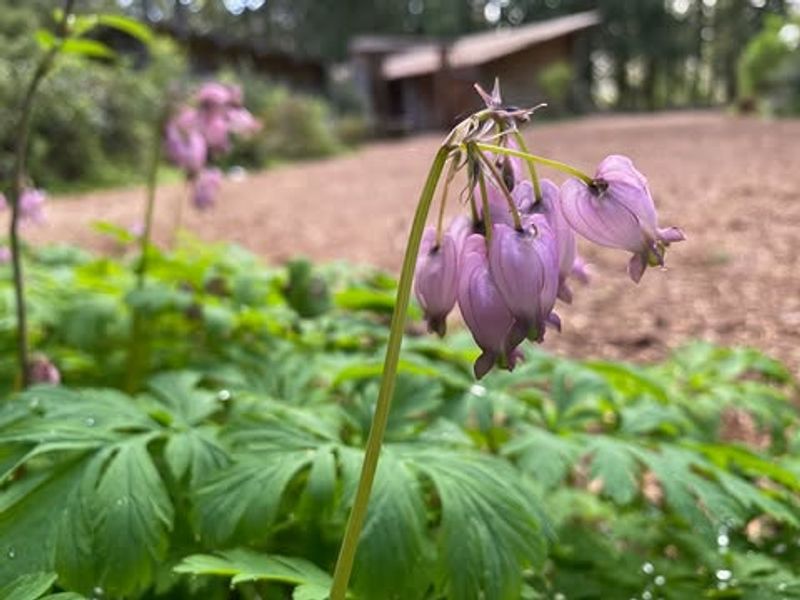
Tiny, pink, and shaped like hearts. Pacific bleeding heart does not play it subtle, and we are here for it.
Dicentra formosa carries its pendant blooms on arching stems that sway in the lightest breeze. Each cluster has a gentle, almost musical quality, as though the plant is quietly performing for whoever happens to walk past.
The foliage is equally worth your attention. Finely cut, blue-green, and feathery in texture, the leaves read as cool and airy even on warm spring days.
The whole plant has a lightness to it that is hard to find in other shade perennials. It blooms from March through early summer, arriving right when shaded spots are most in need of color and life.
Native to moist, shaded forests and stream banks in western Oregon, Pacific bleeding heart wants consistently moist soil rich in organic matter. In gardens with dry summers, the foliage goes dormant by midsummer.
That is completely natural. Plant late-emerging perennials or ferns nearby to fill that gap without skipping a beat.
Hummingbirds visit the tubular flowers regularly, which makes this plant a genuine two-for-one deal. Beauty and wildlife in one easy package.
Tuck clumps along a shaded path or at the base of a vine maple. Let them self-seed into nearby areas over time.
The result is a relaxed feel that looks like you planned it for years, even if you planted it last spring.
6. Evergreen Huckleberry Tends To Surprise You All Year Long
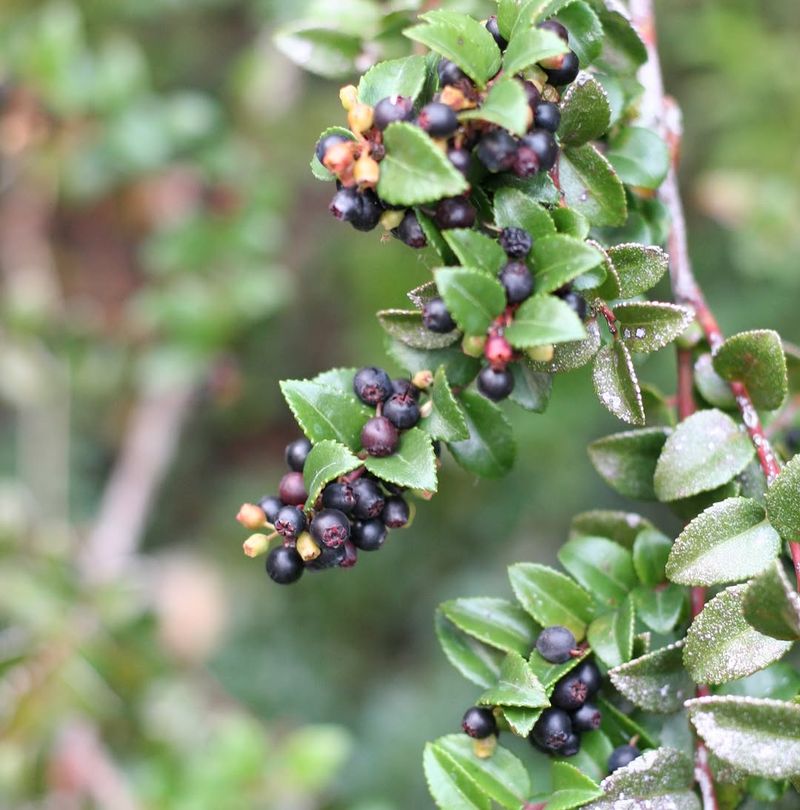
Beautiful, wildlife-friendly, and occasionally edible. Evergreen huckleberry is the total package, and it knows it.
Vaccinium ovatum keeps its small, glossy leaves year-round. The plant always looks neat and composed, which suits both naturalistic garden designs and more structured ones.
Spring brings a subtle seasonal shift worth watching. New foliage emerges with a warm bronze-red tint before maturing into deep, lustrous green. No drama. Just quiet elegance doing its thing.
Native to coastal forests and the western slopes of the Cascades, evergreen huckleberry wants acidic, well-drained soil and grows best in partial to full shade.
The first two summers call for regular watering to build a strong root system. After that, the plant largely takes care of itself.
Mature shrubs reach three to eight feet in height. That range makes them genuinely versatile.
Use them to fill sheltered corners, build soft, low hedges, or add quiet structure along a garden border. They fit wherever you need something that looks good without requiring constant management.
Spring flowers are small, urn-shaped, and pink. Then, late summer and fall deliver clusters of dark blue-black berries.
Thrushes and waxwings descend on those berries with great enthusiasm. Plant this near a bench or garden seat, and you get a front-row view of the whole show. Foliage, flowers, fruit, and feathered visitors included.
Pair with salal and Oregon grape for a layered native shrub planting that stays full of subtle interest through almost every single month of the year.
7. Oregon Grape Could Be The Quiet Backbone Your Garden Needs
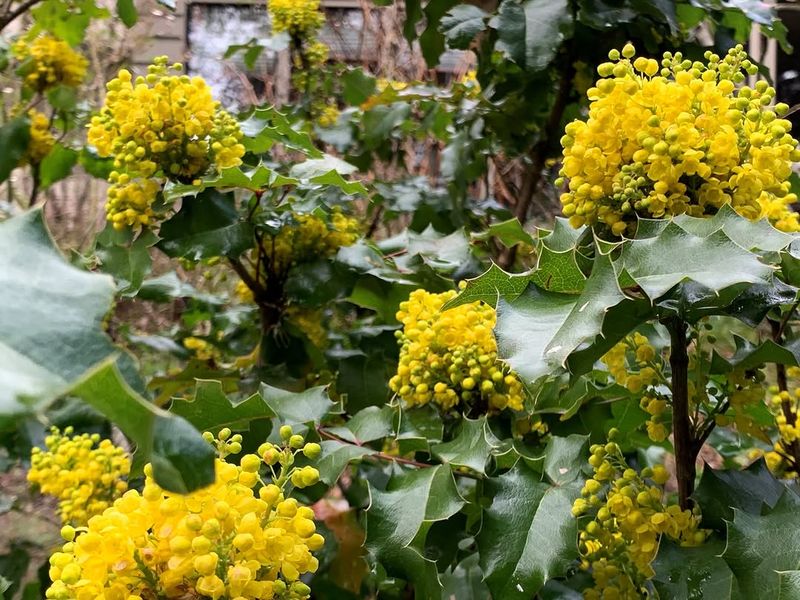
Oregon grape does not ask for recognition. It just quietly holds the whole garden together. Mahonia aquifolium is bold, architectural, and present through every season without ever becoming overbearing.
The stiff compound leaves resemble holly, with spiny leaflets that catch light beautifully. They even hold their deep green color from January straight through December. This is a plant that never really clocks out.
Late winter to early spring brings clusters of bright yellow flowers before almost anything else in the garden has stirred. However, that early timing matters.
A garden that feels lively in February is a garden that feels genuinely cared for. Oregon grape delivers that without any prompting, which feels apt for Oregon’s own state flower.
It grows well across a wide range of conditions. Full sun to deep shade. Dry soil once established. Exposed positions or sheltered corners.
Oregon grape adapts rather than complains. In shadier spots, the foliage deepens to a rich, dark green. In more exposed positions, winter brings reddish-purple tints that add warmth to the garden palette.
Dark blue-black berries follow the flowers in summer. Robins, cedar waxwings, and band-tailed pigeons all take notice. The garden becomes a genuinely active place when the Oregon grape is fruiting.
Use it as the structural backbone of a mixed native border. Place it behind lower groundcovers like salal or wood sorrel.
Its upright habit and evergreen presence anchor the whole planting visually. Every season looks intentional when it’s holding things together in the background. Truly the unsung-berry hero of the Pacific Northwest garden.
8. Osoberry Often Blooms Before Everything Else Even Stirs
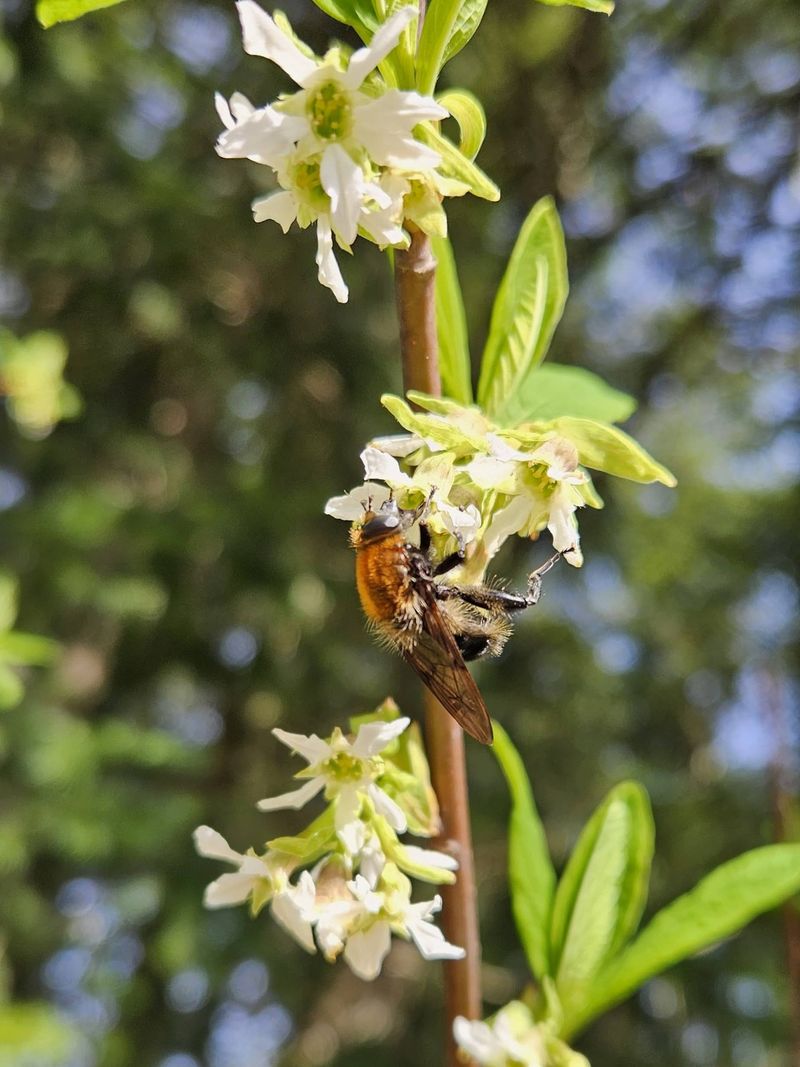
Most plants are still asleep in February. Osoberry has already been up for hours. Oemleria cerasiformis is one of the earliest flowering native shrubs in Oregon, sometimes blooming as early as February in mild coastal areas.
Small clusters of white flowers open on bare branches just as the first bright green leaves begin to unfurl.
The combination of fresh foliage and delicate blooms on otherwise empty stems has a quality that feels almost urgent. Like the plant simply could not wait any longer. The flowers carry a faint plum scent. Step close on a still morning, and you will catch it.
After a long winter, that small sensory detail lands with surprising force. This is a plant that wakes the garden up rather than waiting for the garden to wake it.
Native to streamside thickets and moist woodland edges throughout western Oregon, the osoberry prefers moist, well-drained soil in partial shade to full sun.
Mature shrubs reach six to fifteen feet, forming upright multi-stemmed clumps that add real vertical structure to a mixed planting.
However, there’s one detail worth knowing before you plant. Osoberry is dioecious, meaning male and female flowers grow on separate plants.
So, planting both ensures fruit production. Small plum-like fruits ripen to dark purple in early summer and disappear fast.
Band-tailed pigeons, robins, and waxwings treat them like a seasonal event, because honestly, they are.
Place osoberry at the back of a mixed native border or along a fence line. Underplant with sword ferns or Pacific bleeding heart below.
And just like that, the layered spring scene feels alive from the very first warm day of the year… Which is exactly the kind of garden moment worth designing toward, right?