Mistakes Texas Gardeners Make With Bougainvillea Every Summer
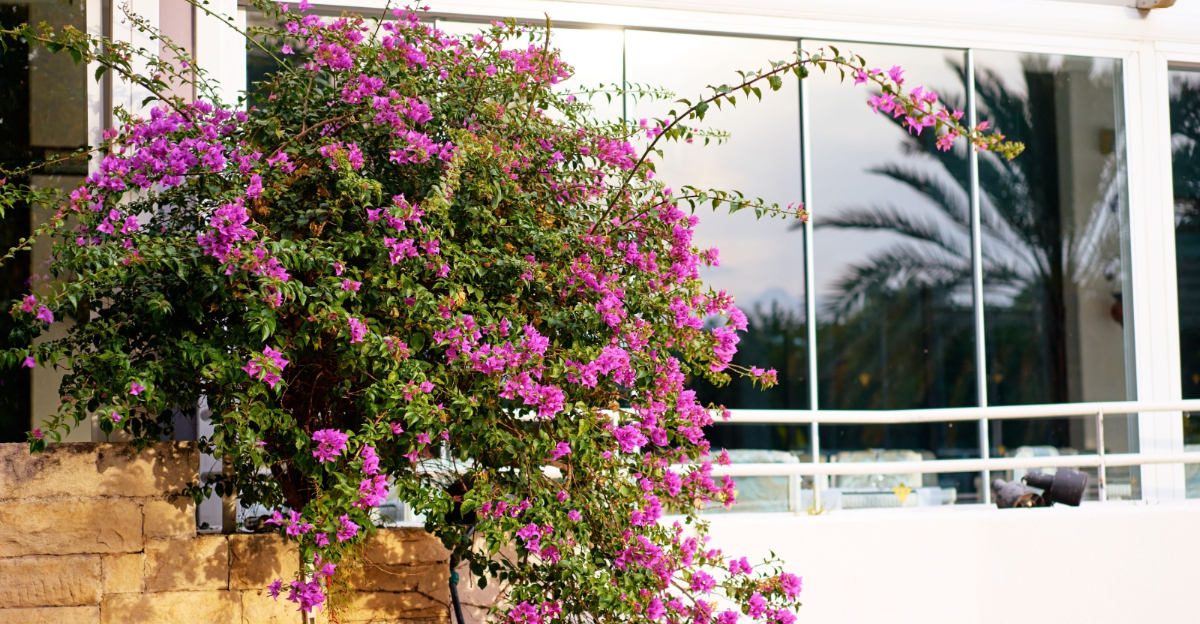
Bougainvillea had one job this summer: put on a spectacular color show. And yet, somehow, it’s just sitting there looking like a confused pile of green leaves.
If that sounds familiar, you are definitely not alone. This plant is one of the showiest things you can grow in Texas, but summer has a sneaky way of exposing every little care mistake you’ve been making.
The heat is intense, the sun is relentless, and the soil dries out faster than you’d expect. So naturally, most gardeners do what feels logical: water more, feed more, prune a little here and there.
Reasonable instincts, wrong moves. Bougainvillea is actually pretty specific about what it wants during a Texas summer, and once you stop accidentally working against it, the results can be genuinely jaw-dropping.
1. Not Enough Sun Can Mean Fewer Bright Bracts
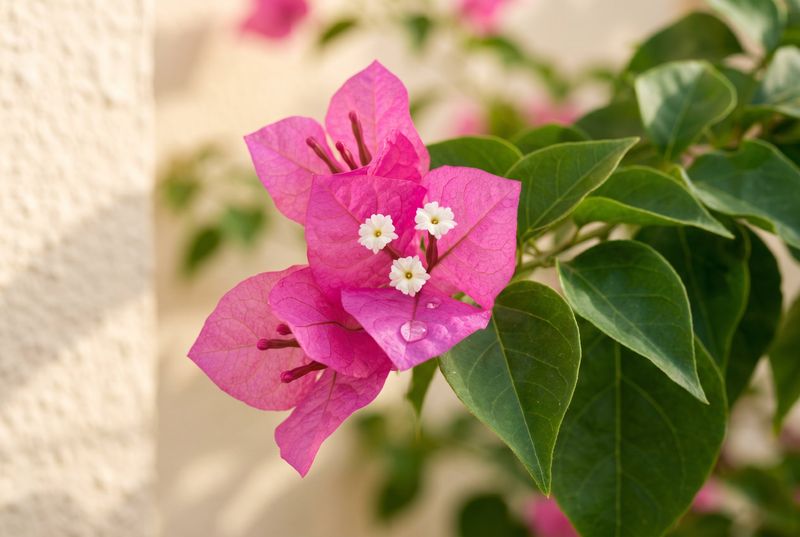
Sun-baked patios are actually where bougainvillea tends to feel most at home, and moving one to a shadier spot is one of the quickest ways to lose that brilliant color.
Bougainvillea is a sun-loving plant that needs several hours of direct light each day to produce the papery bracts that make it so eye-catching.
When it ends up in a partially shaded corner of the yard or under a large tree canopy, the plant shifts its energy toward growing leaves instead of pushing out color.
Many gardeners assume that shielding bougainvillea from the harsh afternoon sun will help it during the hottest months, but the plant is surprisingly tough and actually responds well to full sun exposure.
A south or west-facing wall, fence, or porch railing in Texas can give bougainvillea the intense light it craves.
Placing it somewhere that gets fewer than six hours of direct sun each day often leads to weak growth and disappointing bloom performance.
If your bougainvillea is producing lots of lush green foliage but very few bracts, low light could easily be the reason. Gradually moving the plant to a sunnier location rather than shifting it all at once can help it adjust without too much stress.
Strong, consistent sunlight is one of the most reliable ways to encourage a full, colorful display on a Texas patio or garden fence.
2. Too Much Water Can Wash Out The Color Show
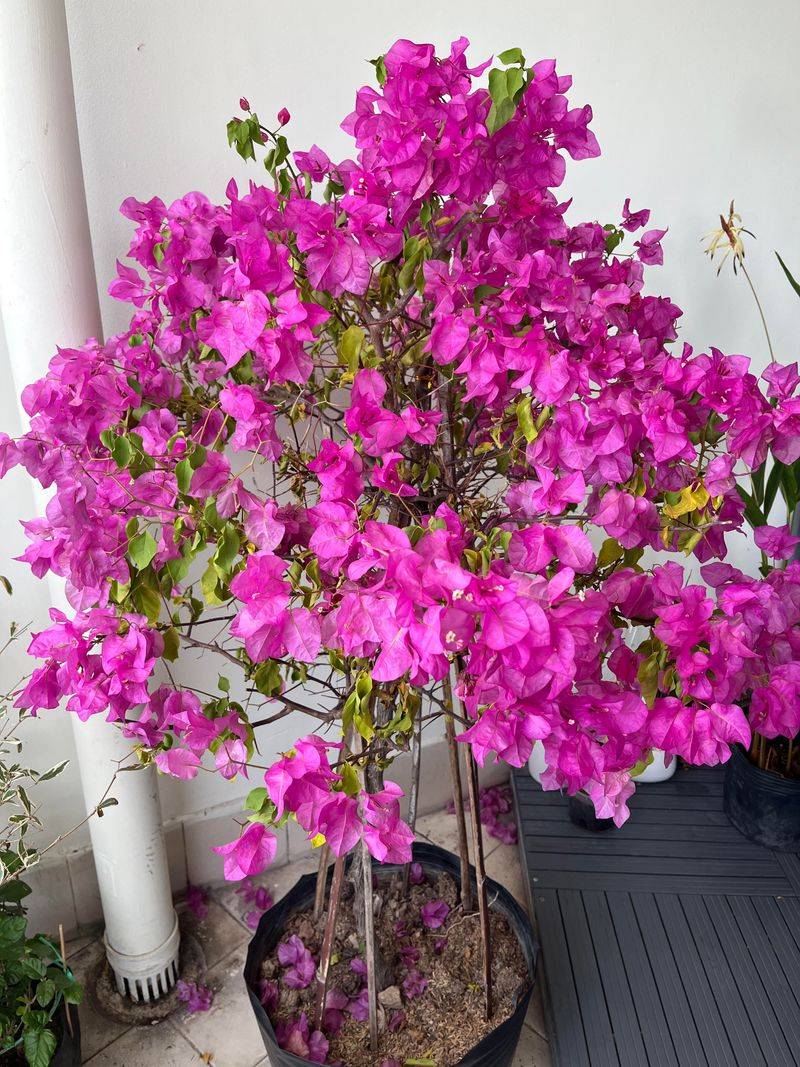
Bright bracts on a bougainvillea are often a sign that the plant has experienced just a little stress, and one of the most effective forms of that stress is a controlled dry-down period between waterings.
Gardeners who water their bougainvillea on a fixed schedule, regardless of what the soil actually feels like, often find that the plant produces far less color than expected.
Keeping the root zone consistently moist signals to the plant that there is no need to bloom, so it focuses on leafy growth instead.
Bougainvillea has its roots in dry, coastal regions where water is not always abundant, and that background shapes how the plant responds to moisture.
In Texas landscapes and containers, giving the soil or potting mix a chance to dry out partially between waterings can actually encourage the plant to set more bracts.
Your Texas Garden Changes Every Week. Your Plan Should Too.
Gardening in Texas changes quickly throughout the season. Every Friday you’ll receive a simple weekly plan showing exactly what to plant, prune, fertilize, harvest, and protect so you never miss the right timing.
Overwatered bougainvillea may also develop yellowing leaves, which is a common sign that something is off with the watering routine.
Cutting back on water during periods when you want to encourage blooming is a well-known technique among experienced gardeners.
Letting the plant get slightly dry before the next watering, rather than keeping the soil constantly wet, tends to produce better results in summer gardens.
Watching the plant and the soil rather than following a rigid calendar is a smarter approach for keeping color strong through the hottest months.
3. Shallow Watering Leads To Weaker Summer Performance
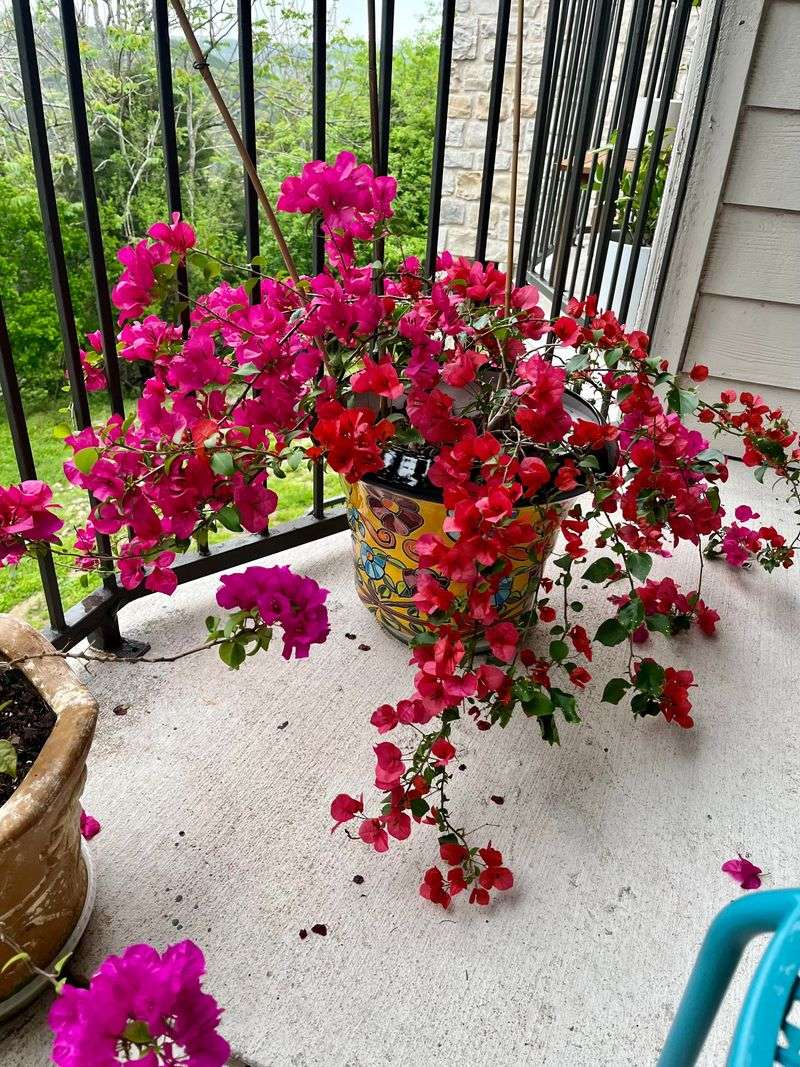
A quick sprinkle of water on a hot afternoon might feel like you are helping your bougainvillea, but shallow watering is one of the sneakier habits that can hold the plant back over an entire season.
When water only wets the top inch or two of soil, roots have little reason to grow deeper, and a shallow root system is far less equipped to handle the stress of a Texas summer.
Plants with deep, well-established roots tend to be more resilient when temperatures climb and the sun beats down hard for days at a time.
Deep watering means soaking the soil thoroughly so moisture reaches well below the surface, then waiting until the top portion of the soil has dried before watering again.
This approach encourages roots to follow the moisture downward, creating a stronger foundation for the plant.
In containers on a porch or patio, deep watering also helps flush out any salt buildup that can accumulate from regular fertilizer use.
Many gardeners find it helpful to water slowly and thoroughly, giving the water time to soak in rather than run off the surface. For bougainvillea planted in the ground, a slow trickle from a garden hose placed near the base for several minutes can work well.
Checking the soil a few inches down before watering again is a simple habit that can noticeably improve how your bougainvillea performs through the long summer heat.
4. Soggy Soil Can Trip Up Bougainvillea Fast
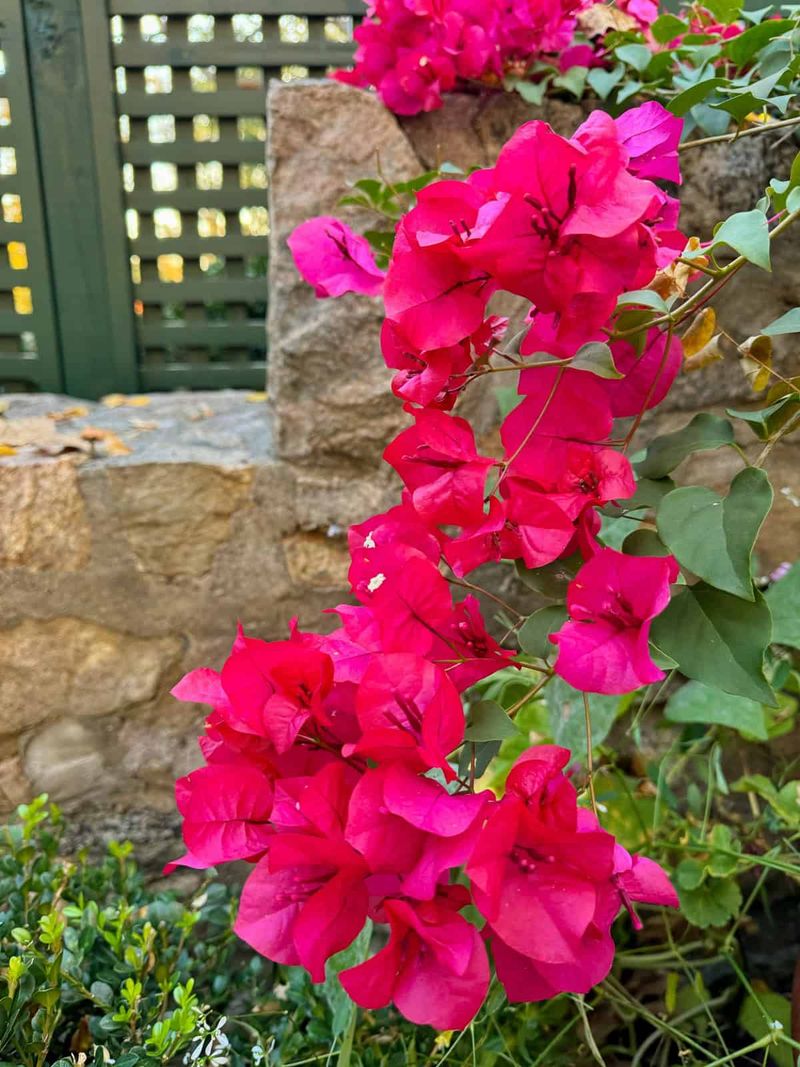
Few things slow down a bougainvillea faster than soil that stays wet for too long, and in Texas, where summer rains can be intense and unpredictable, poor drainage is a real concern.
Bougainvillea roots need oxygen as much as they need water, and when soil stays soggy, those roots struggle to function properly.
Root problems from waterlogged conditions can show up as wilting, even when the soil is clearly wet, which sometimes confuses gardeners into adding even more water.
Heavy clay soils, which are common in many parts of Texas, hold moisture longer than the plant prefers. Amending garden beds with compost or coarse material can help improve drainage over time.
Raised beds or mounded planting areas are also useful strategies for gardeners working with slower-draining native soils in Texas landscapes.
Container-grown bougainvillea on a porch or patio faces a similar risk if the pot lacks adequate drainage holes or if a saucer underneath catches and holds water for extended periods.
Using a well-draining potting mix rather than dense garden soil in containers makes a meaningful difference.
Emptying saucers after heavy rain or watering sessions is a small but effective habit.
Bougainvillea generally performs much better when its roots can breathe between waterings, and keeping drainage in good shape is one of the most straightforward ways to protect it through a wet summer stretch.
5. Heavy Feeding Can Turn Color Into Leaf Growth
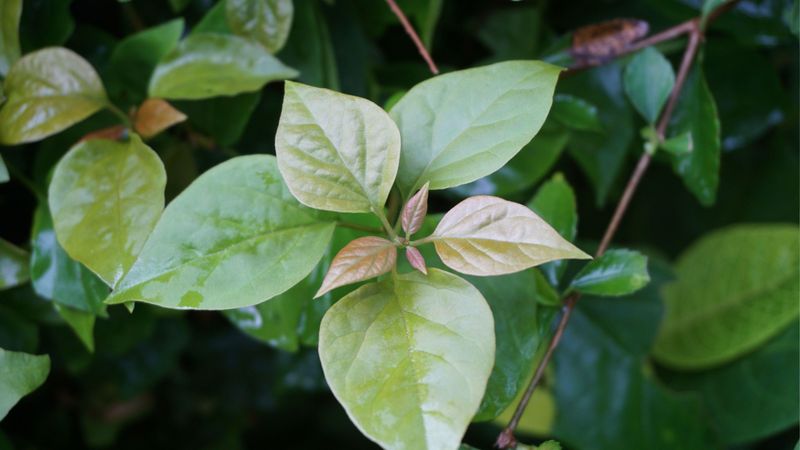
Walking past a bougainvillea that is bursting with green leaves but almost no color is a familiar disappointment for gardeners who have been generous with fertilizer.
Feeding bougainvillea too much, or too often, tends to push the plant into a vigorous leafy growth mode rather than encouraging the blooming cycle that produces those vibrant bracts.
The plant essentially puts all its energy into building stems and leaves when nutrients are overly abundant, and flowering takes a back seat.
Bougainvillea is not a heavy feeder by nature, and in Texas, where the growing season is long and warm, it can be tempting to keep pushing the plant with regular applications.
A light feeding schedule with a balanced fertilizer during the growing season is generally more useful than frequent heavy doses.
Spacing out fertilizer applications and paying attention to how the plant responds gives you more control over whether it focuses on color or foliage.
Some gardeners find that pulling back on fertilizer for a few weeks when the plant is not blooming can help trigger a new flush of bracts. Bougainvillea tends to bloom in cycles, and giving it a rest from heavy feeding between those cycles can work in your favor.
Observing the plant carefully rather than sticking to a rigid feeding schedule is a practical way to keep it leaning toward color rather than endless leafy growth all summer long.
6. Extra Nitrogen Can Push Blooms To The Background
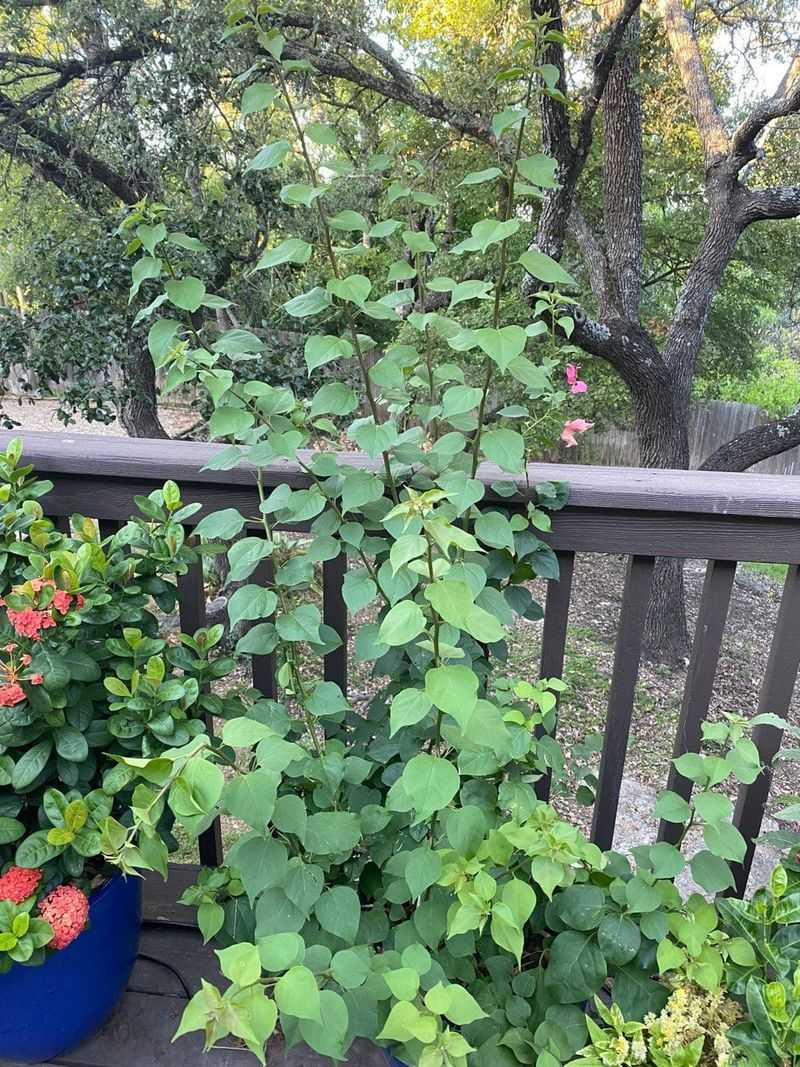
Out of all the fertilizer mistakes gardeners make with bougainvillea, reaching for a high-nitrogen product is one of the most common and one of the most counterproductive.
Nitrogen is the nutrient most responsible for pushing leafy, green growth, and while that sounds helpful for many plants, bougainvillea responds to excess nitrogen by producing thick, lush foliage at the expense of its signature color.
Gardeners who accidentally use lawn fertilizer or other nitrogen-heavy products near their bougainvillea often notice a surge of green growth followed by very little blooming.
Fertilizers with a higher middle or last number in the nutrient ratio, meaning higher phosphorus or potassium relative to nitrogen, tend to support better bloom development in bougainvillea.
Products marketed for flowering plants or tropicals are often a better fit than general-purpose or lawn fertilizers.
Reading the label before applying anything near your bougainvillea in a garden bed or container is a simple step that can prevent weeks of disappointing results.
If you suspect too much nitrogen has already been applied, easing off fertilizer entirely for a stretch and making sure the plant is getting plenty of direct sun can help it shift back toward blooming.
Flushing container soil with plain water a few times can also help move excess nutrients through the drainage holes.
Giving the plant time to work through the imbalance, combined with strong Texas sunlight, often brings the color back around within a few weeks.
7. Poor Pruning Timing Can Cut Into Color
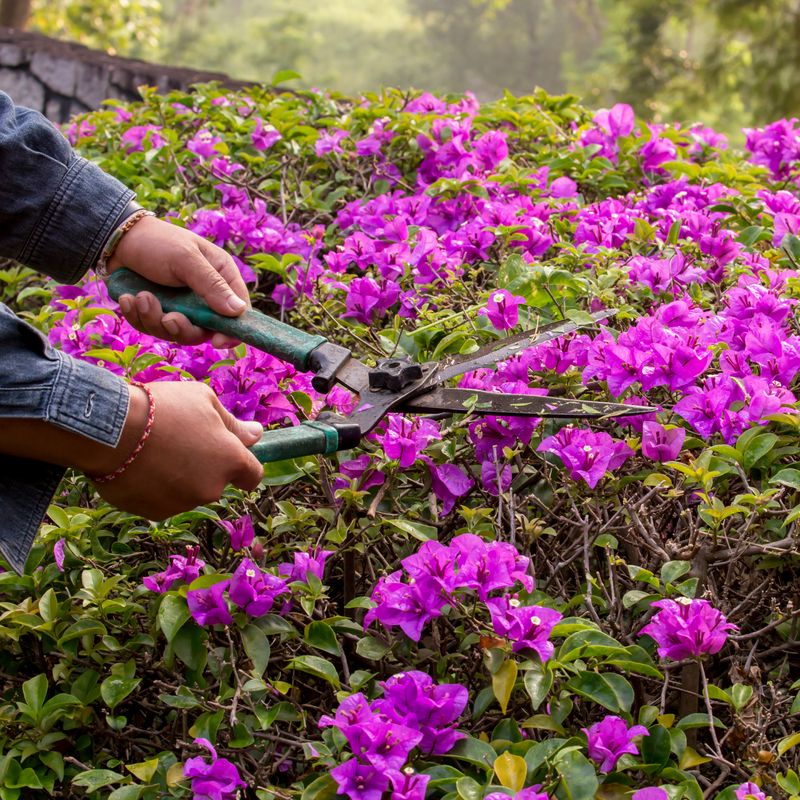
Pruning bougainvillea at the wrong time of year is one of those mistakes that shows up slowly, and by the time you notice the color is gone, it is already deep into summer with fewer weeks left to recover.
Bougainvillea blooms on new growth, but that new growth needs time to mature before it can produce bracts.
Cutting the plant back heavily right before or during a bloom cycle removes the very stems that were about to deliver color, which can set the plant back significantly in a Texas summer.
Light shaping and trimming after a bloom cycle has finished tends to work better than heavy pruning mid-season.
Removing spent growth and long, unruly stems once the bracts have faded encourages the plant to push out fresh growth that can lead to the next flush of color.
In Texas, where bougainvillea can go through multiple bloom cycles in a warm year, timing those pruning sessions thoughtfully pays off across the whole season.
Heavy pruning is generally better suited for late winter or very early spring before the plant breaks out of dormancy.
Major cuts made during the summer growing season can slow the plant down at a time when you want it putting energy into color rather than recovery.
Keeping pruning sessions light and well-timed throughout the summer is a straightforward habit that helps maintain a steady rotation of fresh, colorful bracts on your plant.
8. Texas Container Bougainvillea Needs Smarter Summer Care
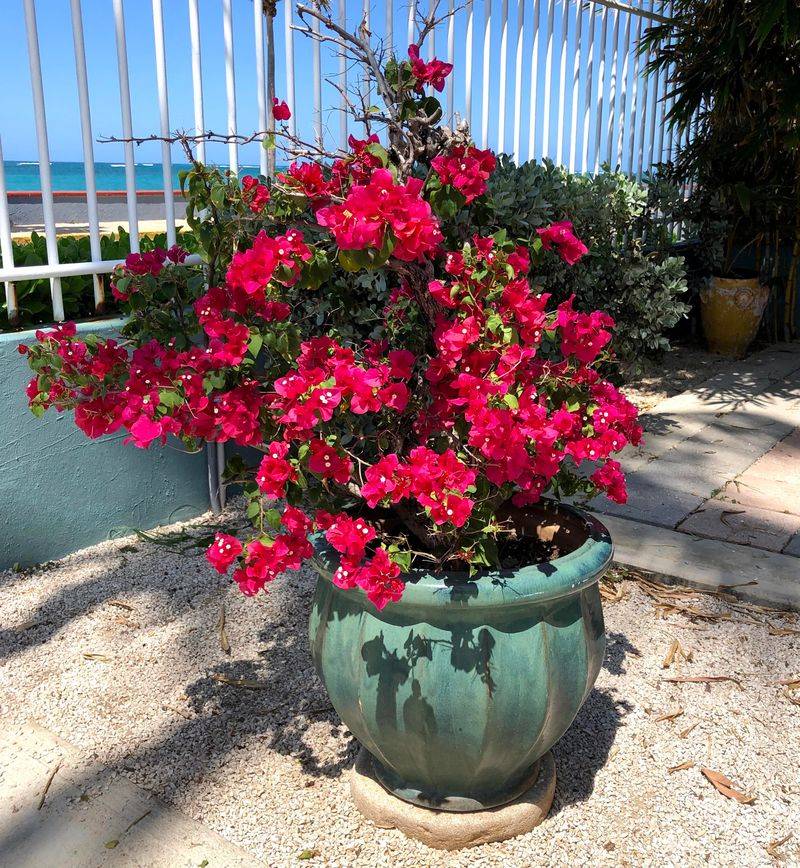
Growing bougainvillea in a container on porch or patio adds a layer of challenge that in-ground plants do not face quite as intensely. Pots heat up fast under the Texas sun, and that heat accelerates how quickly the potting mix dries out.
A container that feels adequately moist in the morning can be bone dry by late afternoon on a scorching July day, which means gardeners need to check soil moisture more frequently than they might expect.
At the same time, containers that hold water too long create the soggy root conditions that bougainvillea handles poorly.
Choosing a pot with multiple drainage holes and a well-draining potting mix rather than dense garden soil gives the plant a much better environment to work with.
Terracotta pots are a popular choice because they allow some air exchange through the walls, though they do dry out faster and may need more frequent monitoring during peak summer heat.
Container bougainvillea also tends to show fertilizer or salt buildup sooner than in-ground plants, since there is no large soil volume to buffer those concentrations. Flushing the pot with plain water occasionally helps clear out any accumulation.
Positioning the container where it receives strong morning sun and some shelter from the most brutal late-afternoon heat can help balance the plant’s needs.
That way, your bougainvillea keeps getting the light it relies on to produce those vivid, eye-catching bracts that make Texas patios look so impressive in summer.