The Best Herbs To Grow Near Patios In Michigan To Help Deter Ticks
Ticks in Michigan have become harder to ignore with each passing season. They show up earlier in spring, linger later into fall, and seem unfazed by the kind of summers that used to slow them down.
Most people reach for sprays or treated clothing when spending time outside, and those things help. But there is another layer of protection that works quietly in the background without any effort once it is in place.
Certain herbs release compounds through their leaves and roots that ticks find genuinely unpleasant. Planted close to a patio or seating area, they create a natural buffer that works all season long.
They also look good, smell wonderful, and most of them can go straight into a meal before the evening is over.
1. Lavender
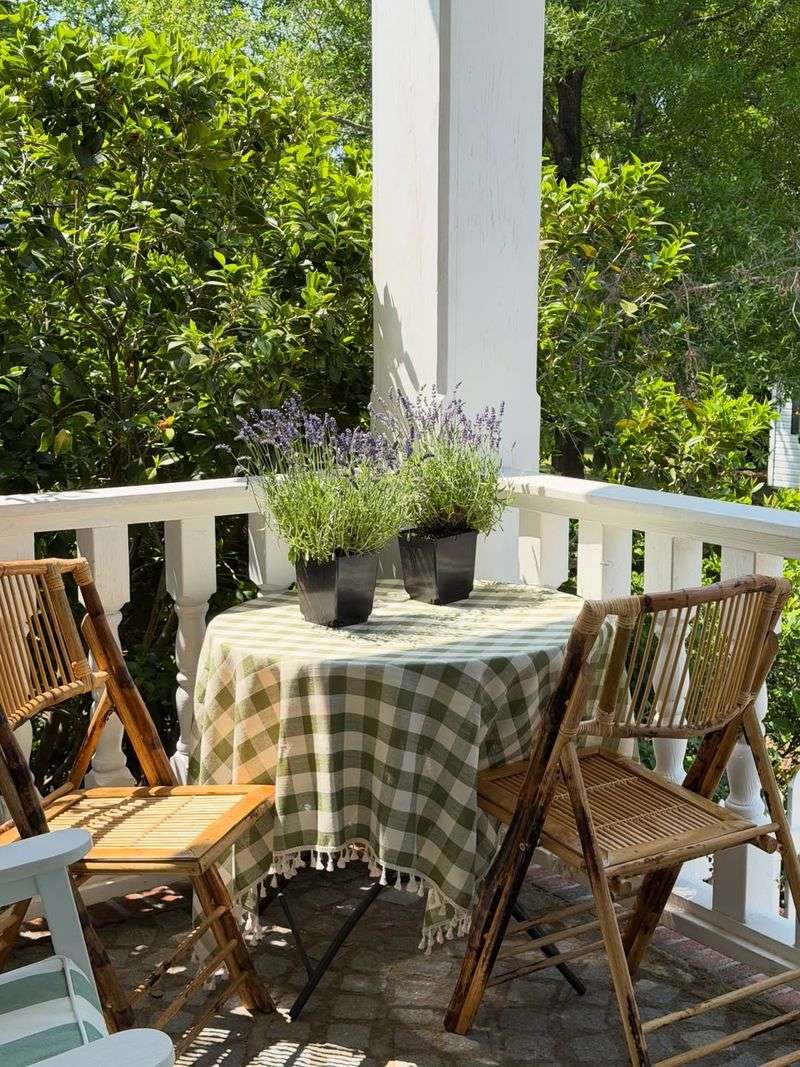
Few plants smell as instantly calming as lavender, and that same powerful fragrance is exactly what makes it worth planting near your Michigan patio.
The strong, distinctive scent becomes even more noticeable when the sun warms the leaves or someone brushes against the plant.
Many gardeners believe this aroma helps make the surrounding area less inviting to ticks, though it works best as part of a broader pest management approach.
Lavender thrives in full sun and needs excellent drainage to survive Michigan winters. Sandy or well-amended soil works far better than heavy clay.
Raised beds and containers are great options, especially since they allow you to move plants indoors before hard freezes arrive.
When placing lavender near your patio, position it along edges, steps, or sunny borders where foot traffic naturally brushes the foliage. Varieties like Hidcote or Munstead are more cold-hardy and better suited for our conditions.
Avoid overwatering because soggy roots are the fastest way to lose the plant. Trim spent blooms after flowering to encourage fresh growth and keep the plant looking tidy.
Even if you never harvest a single stem, having lavender nearby means your outdoor space smells wonderful all season long. That alone makes it worth every bit of effort you put into growing it well.
2. Rosemary
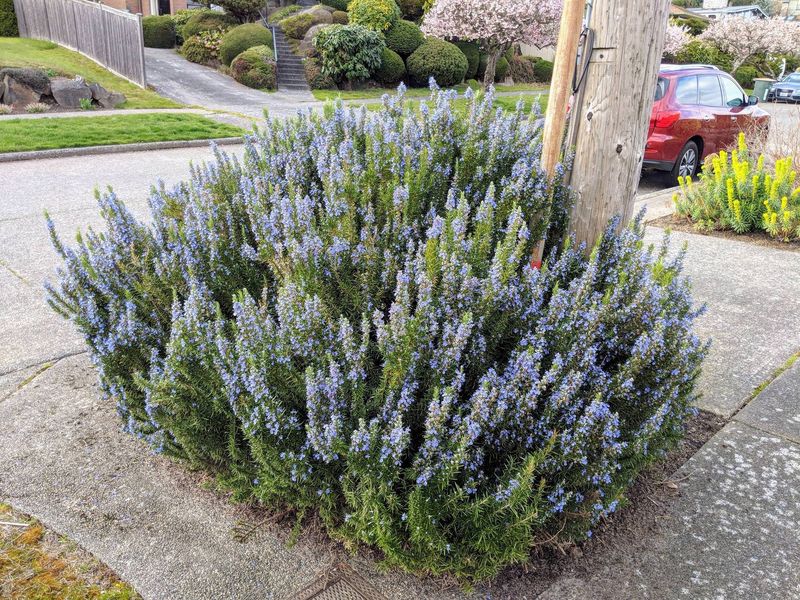
Rosemary is one of those herbs that earns its spot in the garden twice over. First, it smells incredible.
Second, it gives you fresh flavoring for roasted vegetables, grilled chicken, and homemade bread all summer long.
The sharp, piney fragrance released when you brush its needle-like leaves is something ticks reportedly find unappealing, making it a smart choice for container placement around seating areas.
Michigan gardeners should treat rosemary as a container plant since most varieties are not reliably cold-hardy below Zone 6. Growing it in pots gives you the flexibility to move it onto the patio during warm months and bring it indoors before the first frost hits.
Place it near a sunny window through winter, and it will come back strong the following season.
Full sun is non-negotiable for rosemary. It needs at least six hours of direct light daily and soil that drains quickly.
Water only when the top inch of soil feels dry, since overwatering leads to root problems far more often than underwatering. Upright varieties like Tuscan Blue make excellent patio statement plants, while trailing types work beautifully in hanging baskets.
Your Michigan Garden Changes Every Week. Your Plan Should Too.
Gardening in Michigan changes quickly throughout the season. Every Friday you’ll receive a simple weekly plan showing exactly what to plant, prune, fertilize, harvest, and protect so you never miss the right timing.
Keep in mind that rosemary alone will not replace thorough tick checks, but as part of a thoughtful patio planting plan, it genuinely pulls its weight in fragrance and function.
3. Sage
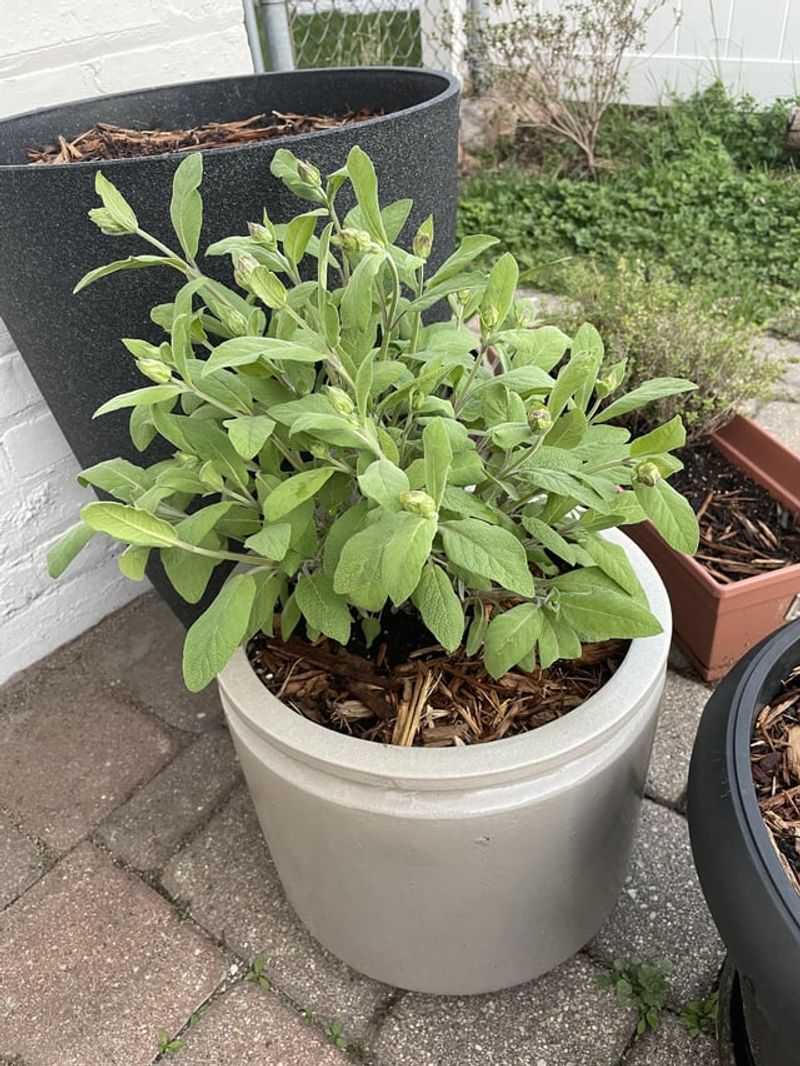
Sage has been a garden staple for centuries, and for good reason. Its soft, velvety leaves carry a bold, earthy scent that fills the air around any patio where it grows.
Many gardeners plant sage along walkways and patio borders specifically because that fragrance gets released every time someone walks past and grazes the foliage.
Once established, sage is surprisingly tough. It handles dry spells without much fuss, which makes it ideal for sunny patio edges where the soil tends to dry out faster.
Good drainage and full sun are the two most important things sage needs to perform well. Heavy, waterlogged soil will cause problems quickly, so amending with compost or planting in raised beds helps a lot in Michigan gardens with dense soil.
Pruning sage regularly does two things at once. It keeps the plant from becoming too woody and leggy, and it encourages fresh, fragrant new growth all season.
Trim stems back by about one-third after the plant flowers in late spring. Common sage is reliably hardy in much of Michigan and will overwinter in the ground with minimal protection.
Pollinators absolutely love the purple flower spikes, so you get the bonus of attracting bees and butterflies too. Harvest leaves for cooking anytime, and enjoy the fact that a well-grown sage plant looks just as beautiful as it smells.
4. Thyme
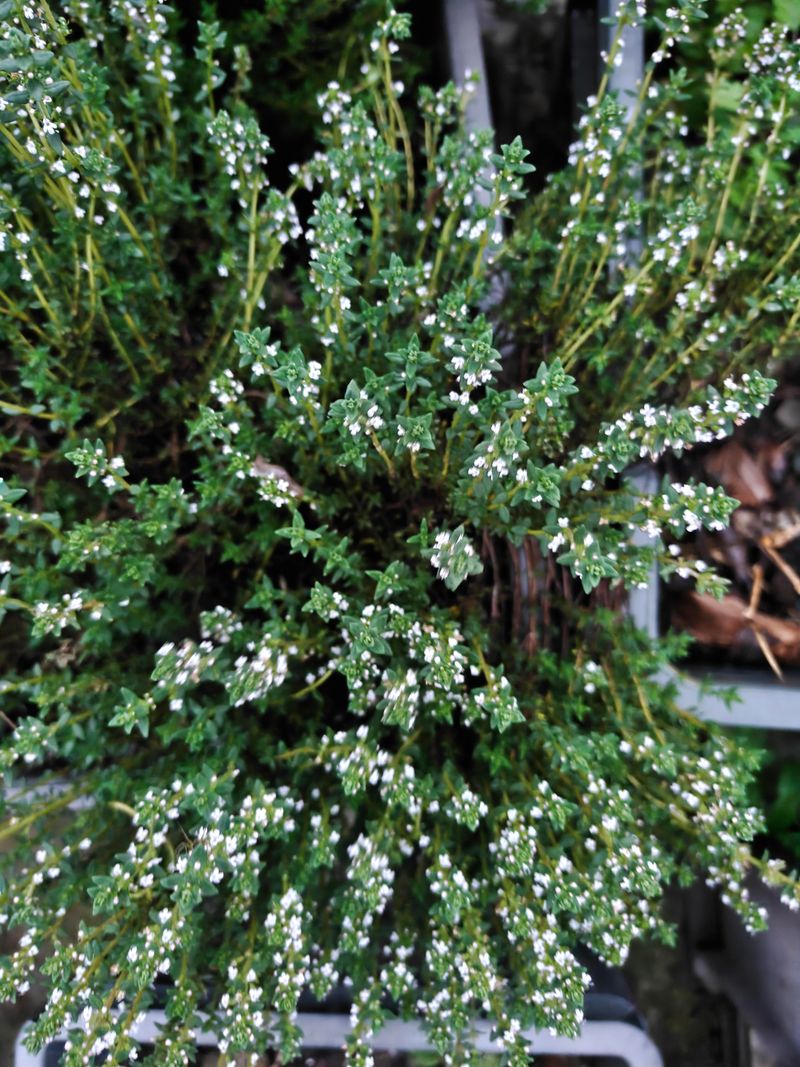
Thyme might be small, but it brings serious fragrance to any outdoor space. Tucking thyme between patio pavers or planting it along sunny border edges creates a carpet of scent that gets activated every time someone walks across it.
That aromatic quality is part of why many gardeners choose thyme specifically to make their patios feel fresher and less attractive to pests like ticks.
Growing thyme in Michigan is genuinely straightforward. It loves full sun, tolerates poor and dry soil better than most herbs, and actually prefers conditions that would stress other plants.
Rich, wet soil is thyme’s worst enemy, so skip the heavy fertilizing and make sure water drains freely. Raised beds, rock gardens, and containers all work beautifully.
Creeping thyme varieties handle light foot traffic surprisingly well, which makes them excellent for filling gaps between stepping stones near patios. Upright culinary thyme works better in containers or herb beds where you plan to harvest regularly.
Pinch back stems often to prevent woody growth and encourage bushy, fragrant new shoots. Most thyme varieties are cold-hardy enough to survive winters with minimal fuss, especially when planted in well-drained spots that do not collect standing water.
Beyond pest deterrence, thyme brings real culinary value to your kitchen too. Fresh thyme elevates everything from soups to roasted potatoes, so every plant near your patio serves double duty beautifully.
5. Peppermint
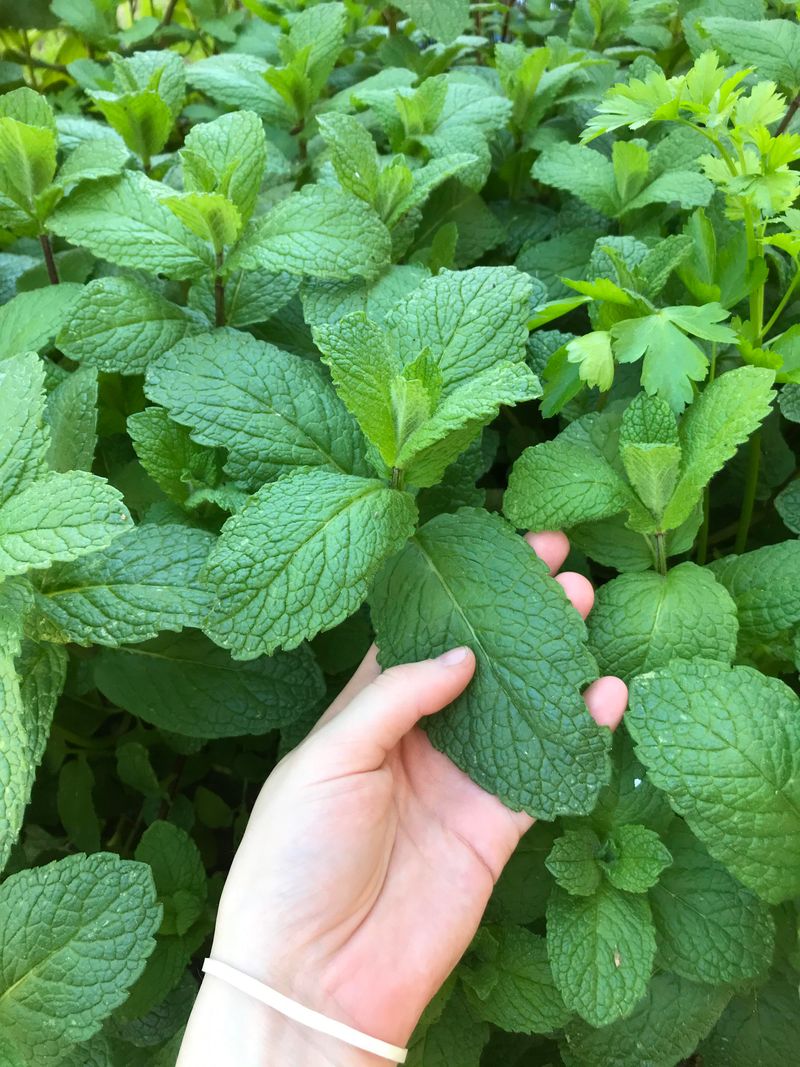
Peppermint might just be the boldest-smelling herb you can grow near a patio. That intense, cooling fragrance is unmistakable, and it becomes even stronger when leaves are brushed, pinched, or harvested on a warm afternoon.
Many gardeners swear that the sharp minty scent helps discourage certain insects, including ticks, from hanging around seating areas during the summer months.
There is one very important thing gardeners need to know about peppermint before planting: it spreads aggressively. Left unchecked in a garden bed, mint will take over neighboring plants within a single season.
The smartest solution is to grow it exclusively in containers. A large pot on the patio keeps the roots contained while still letting you enjoy all the fragrance and fresh leaves you want.
Peppermint grows happily in full sun or partial shade, which gives you flexibility for placement around your outdoor space.
Keep the soil consistently moist but never waterlogged, and water more frequently during hot Michigan summers when containers dry out faster.
Harvest stems regularly to keep the plant bushy and productive rather than tall and floppy. Pinching off flower buds as they appear helps maintain the strongest leaf flavor and fragrance.
Peppermint is not cold-hardy enough to survive winters in pots left outdoors, so bring containers inside before frost arrives. With just a little attention, peppermint rewards you generously all season long.
6. Lemon Balm
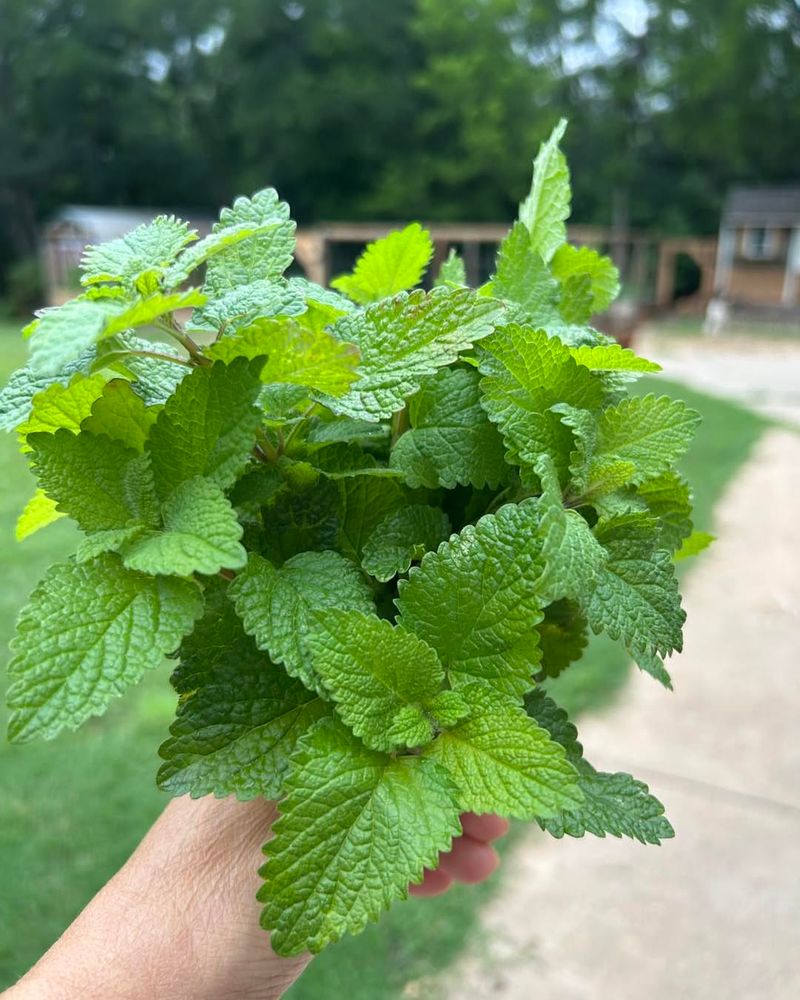
Lemon balm has a cheerful, citrusy fragrance that genuinely brightens any outdoor space. When you rub a leaf between your fingers, the fresh lemon scent releases immediately, and that same quality is what makes it appealing near patios during tick season.
The aroma becomes more noticeable in warm weather, especially when the plant is brushed during normal outdoor activity.
Like mint, lemon balm spreads enthusiastically once it settles into a garden bed. Growing it in containers is the easiest way to enjoy the benefits without dealing with a plant that takes over your entire patio border.
A medium-sized pot works perfectly, and you can move it wherever the fragrance seems most useful, whether that is near seating, a doorway, or along a pathway.
Lemon balm grows well in both full sun and partial shade, making it one of the more adaptable herbs on this list. Michigan summers suit it nicely, though the plant appreciates regular watering during hot, dry stretches.
Prune it back hard mid-season if it starts looking overgrown, and it will bounce back quickly with fresh, fragrant growth. Harvest leaves often for herbal teas, which have a genuinely lovely mild lemon flavor.
Lemon balm is a perennial in many parts of Michigan, so it often returns each spring from established roots. That combination of fragrance, versatility, and low maintenance makes it a genuinely smart patio plant choice.
7. Catmint
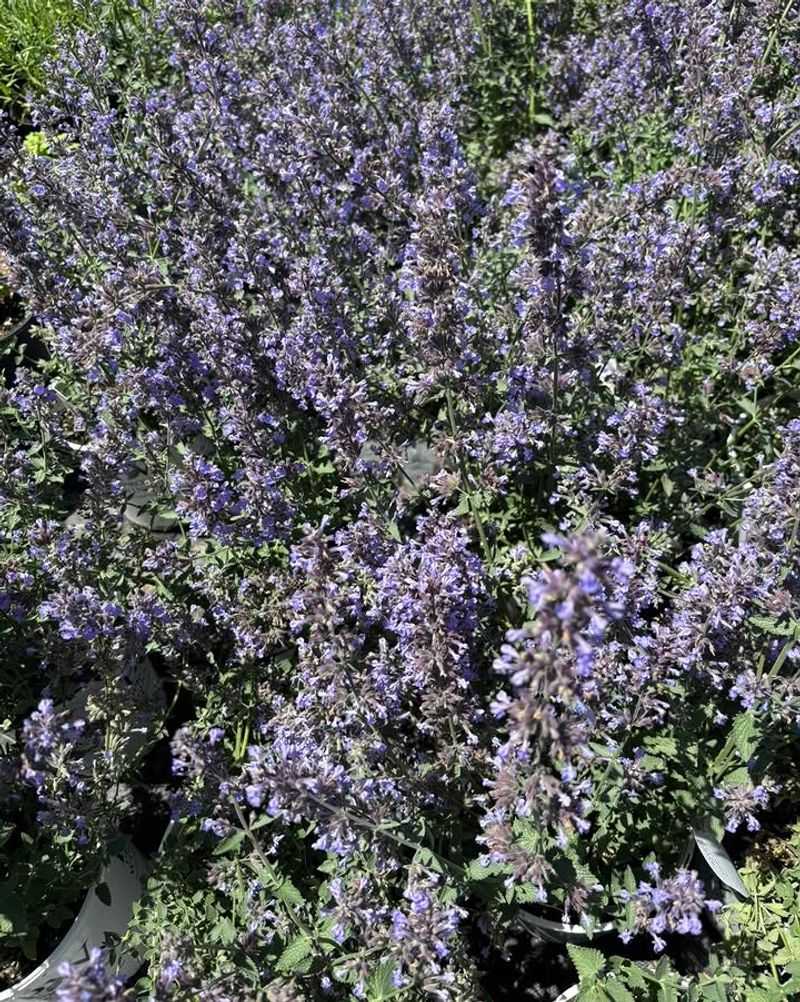
Catmint is one of those plants that looks stunning, smells wonderful, and practically takes care of itself once established.
The soft, gray-green foliage releases a strong herbal fragrance when touched, and the long-lasting purple-blue flower spikes light up patio borders from late spring all the way through summer.
Many gardeners plant catmint specifically around outdoor seating areas because of how aromatic the foliage stays throughout the growing season.
Nepetalactone, the compound responsible for catmint’s signature scent, is also found in catnip and has been studied for its potential to deter certain insects.
While catmint should not replace proper tick prevention habits, planting it generously around patio edges adds both beauty and a fragrant barrier that may help make the space a bit less hospitable to ticks.
Catmint is a tough, cold-hardy perennial that handles Michigan winters reliably. It thrives in full sun with well-drained soil and shows impressive drought tolerance once the roots establish during the first season.
Space plants about 18 to 24 inches apart to allow good airflow and prevent crowding. After the first big flush of blooms fades, cut the plant back by about half to encourage a second round of flowers in late summer.
Pollinators absolutely flock to catmint, so expect bees and butterflies to visit constantly. That pollinator activity adds another layer of life and movement to your patio garden all season long.
8. Garlic Chives
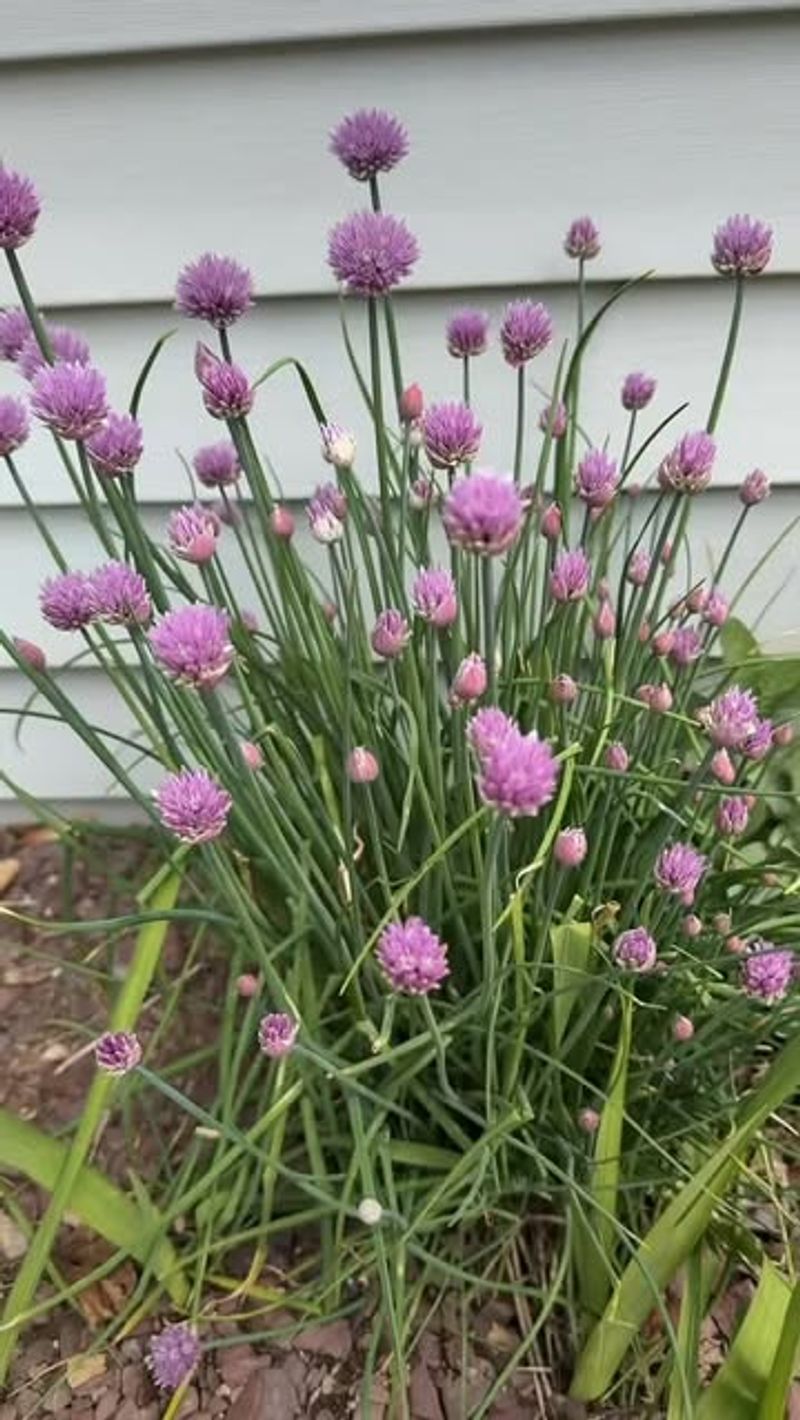
Garlic chives bring something a little unexpected to the patio herb garden. Unlike regular chives, garlic chives carry a mild onion-garlic fragrance in both the flat, strap-like leaves and the pretty white flowers that bloom in late summer.
That strong scent is exactly why many gardeners tuck them into raised beds and borders near seating areas, since the smell is thought to be off-putting to various insects, including ticks.
Beyond pest deterrence, garlic chives are genuinely useful in the kitchen. The leaves add a mild garlicky flavor to salads, stir-fries, dumplings, and egg dishes.
The flowers are edible too and look beautiful as a garnish. Having a plant this versatile growing a few steps from your patio door is just practical, smart gardening.
Growing garlic chives in Michigan is easy. They prefer full sun but tolerate partial shade reasonably well, and they are not picky about soil quality as long as drainage is decent.
Water regularly during dry spells, especially in containers. One thing to watch: garlic chives self-seed prolifically if you allow the flowers to mature fully.
Remove spent blooms before seeds set to prevent the plant from spreading more than you want. Divide clumps every few years to keep plants vigorous and productive.
Garlic chives are reliably perennial in Michigan, meaning they return each spring without any replanting effort on your part.
9. Basil
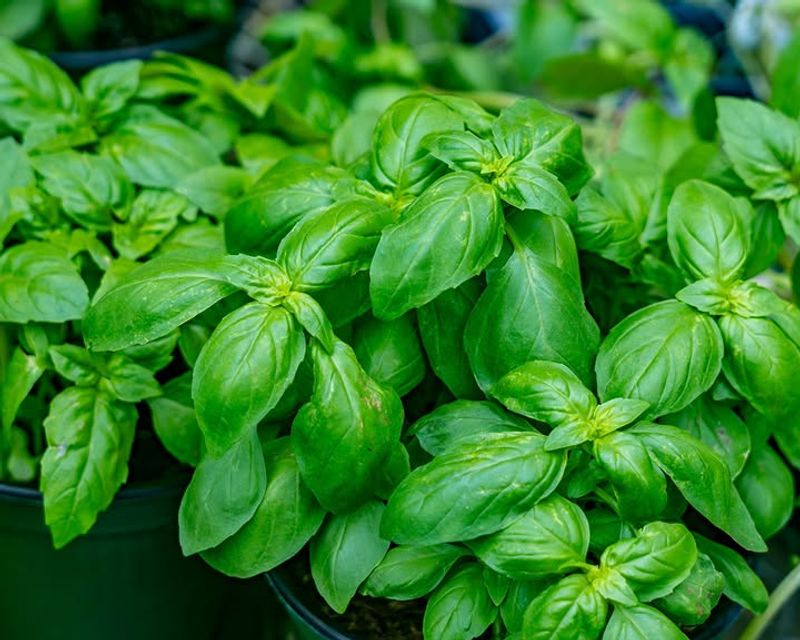
Something almost magical happens when you brush a basil leaf on a warm afternoon. That rich, spicy-sweet fragrance bursts into the air immediately, and it is a scent that many gardeners associate with both great food and a lively summer garden.
Placing basil containers around your patio seating area means that fragrance surrounds you naturally whenever people move past or reach down to harvest a few leaves.
Basil is a warm-season annual in Michigan, which means it thrives during the hottest months and needs to be replanted each year after the last frost date passes, typically around late May in most of the state.
It grows best in full sun with at least six hours of direct light daily. Containers work exceptionally well because they warm up faster than garden beds and can be moved to shelter if an unexpected cool night threatens.
Water basil consistently, keeping the soil moist but never soggy. Inconsistent watering leads to stress and early bolting, which weakens both the flavor and the fragrance.
Pinch off flower buds as soon as they appear to keep the plant producing lush, aromatic leaves all summer. Harvest stems regularly from the top down to encourage bushy, full growth rather than a single tall stalk.
Basil pairs beautifully with tomatoes in the garden as well as on the plate, so consider grouping it with your vegetable containers for a patio setup that is both fragrant and productive.
10. Oregano
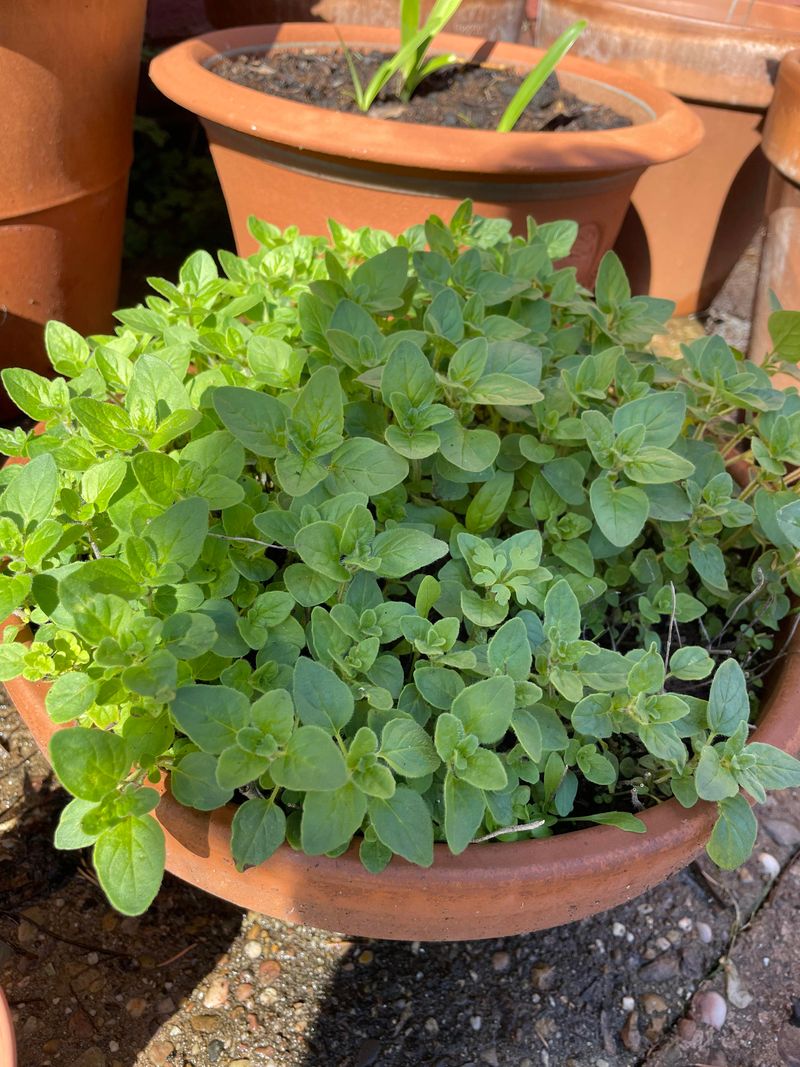
Oregano is tougher than it looks. This low-growing, spreading herb handles dry conditions, poor soil, and strong Michigan sun without complaint, making it one of the most reliable aromatic herbs you can plant along a sunny patio edge.
The pungent, earthy fragrance it releases when touched or warmed by sunlight is part of what makes it valuable near outdoor living spaces during tick season.
Greek and Italian oregano varieties tend to carry the strongest fragrance and are the best choices for planting near patios where aromatic impact matters most.
Both varieties grow well in Michigan gardens and are hardy enough to overwinter in the ground in most parts of the state with minimal protection.
Plant in full sun with fast-draining soil, and avoid adding too much compost or fertilizer, since lean soil actually produces more intensely scented leaves.
Trim oregano back by about one-third in midsummer to prevent the stems from becoming overly woody and bare at the base. After trimming, fresh growth comes in quickly and the plant looks tidy and full again through fall.
The small white or pink flower clusters that appear in mid to late summer attract bees and other pollinators reliably. Allow a few flowers to open for the pollinators, then trim back before the plant sets too much seed.
Fresh or dried, oregano from your own patio garden tastes far better than anything from a grocery store spice jar, which is reason enough to grow it generously.