Pennsylvania Plants To Divide Before May Ends And Ones To Leave Alone Entirely
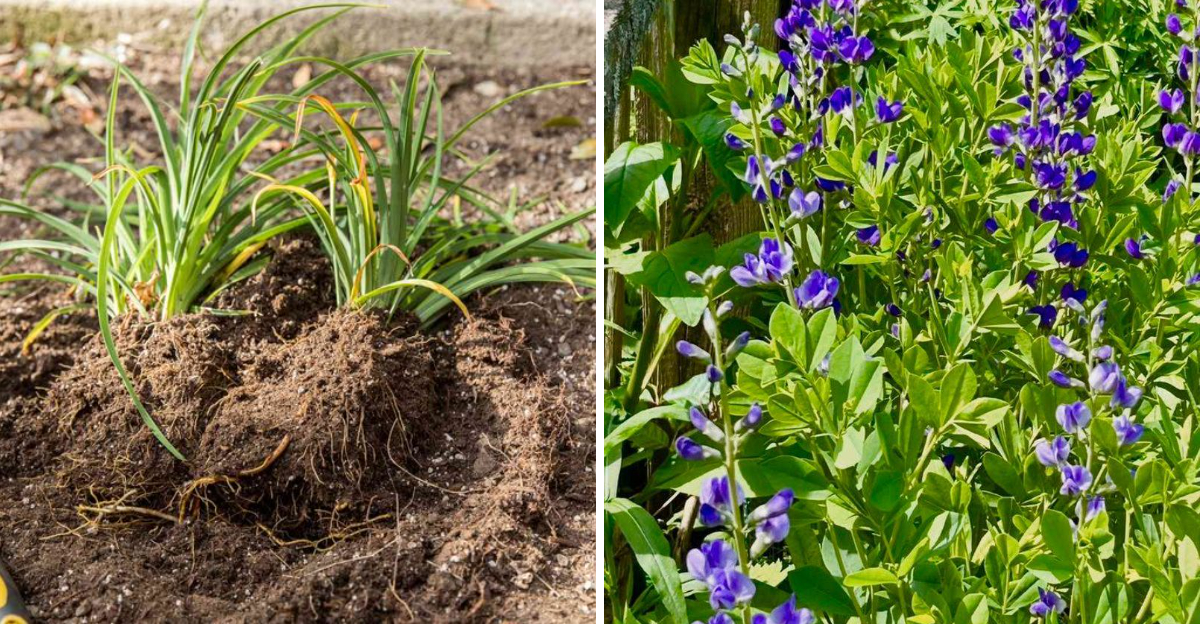
May is one of the most active months in a Pennsylvania garden, and for perennial division it represents a closing window rather than a wide open one.
The cool soil and mild temperatures that make spring division successful are already starting to shift, and once the heat of summer settles in, dividing most perennials becomes a stressful process for the plant and a frustrating one for the gardener.
Getting the right plants divided before May ends gives them time to root in and recover before they have to face summer conditions.
The part most guides leave out is that some perennials should not be divided at this time of year no matter how tempting it looks, and others should not be divided at all, full stop.
Pushing those plants will cost you blooms, set back growth, or damage root systems that take years to recover. Knowing which category each plant falls into is the most useful thing you can walk away with this time of year.
1. Hosta
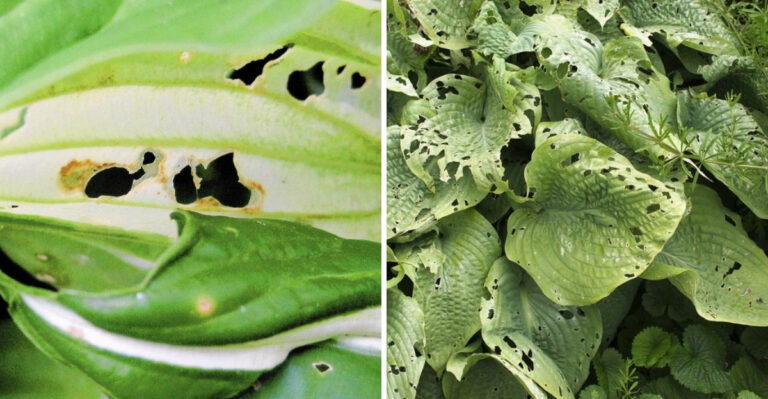
Few plants are as forgiving and rewarding as the hosta. Walk through almost any Pennsylvania neighborhood in spring, and you will spot these bold, leafy beauties popping up in shady corners and garden beds everywhere.
Hostas are tough, dependable, and they actually love being divided every few years. When hosta clumps get too big, the leaves start to look crowded and smaller than usual. The center of the clump may even stop producing new growth altogether.
Dividing them before May ends gives each section enough time to settle in and put out strong new roots before summer heat arrives.
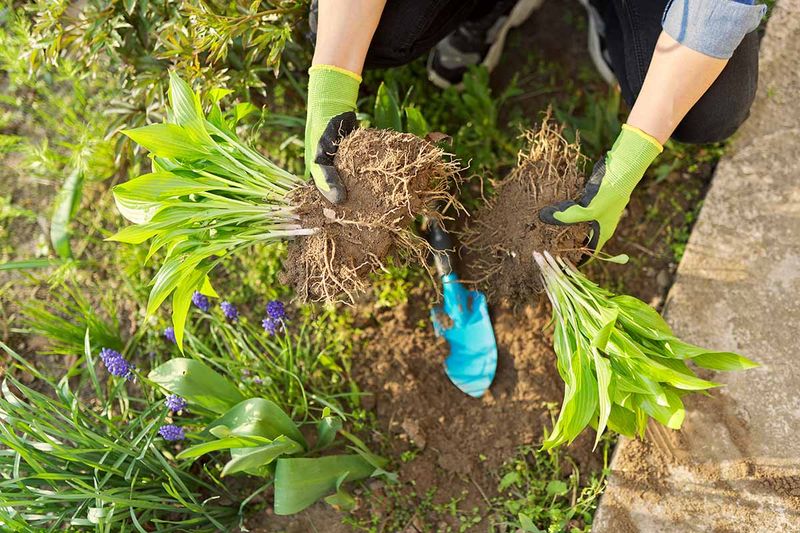
To divide a hosta, use a sharp spade or garden fork to dig up the entire clump. Then slice it into sections, making sure each piece has several healthy shoots attached.
Replant the divisions at the same depth they were growing before, and water them well right away.
Hostas bounce back quickly after division. Within just a few weeks, the new sections will start pushing out fresh leaves and filling in nicely. You can use the extra divisions to fill bare spots in your yard or share them with neighbors.
Pennsylvania gardeners love hostas because they handle shade so well. Most other plants struggle in low-light spots, but hostas thrive.
Dividing them regularly keeps the foliage looking full, healthy, and vibrant all through the growing season.
2. Daylily
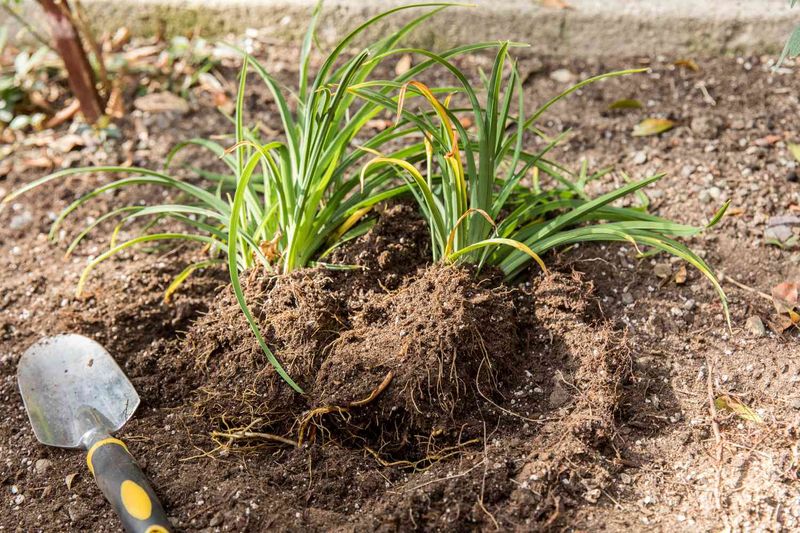
Daylilies are one of those plants that seem almost impossible to mess up. They spread eagerly, bloom in stunning colors, and come back faithfully every single year.
But here is the thing: when daylilies get too crowded, they actually start blooming less. That is your signal to grab a shovel.
Overcrowded daylily clumps put most of their energy into survival rather than flowering. The blooms get smaller, the stems get weaker, and the whole plant just looks tired.
Dividing them before the end of May gives the new sections a full growing season to establish themselves and build up energy for next year’s flowers.
Your Pennsylvania Garden Changes Every Week. Your Plan Should Too.
Gardening in Pennsylvania changes quickly throughout the season. Every Friday you’ll receive a simple weekly plan showing exactly what to plant, prune, fertilize, harvest, and protect so you never miss the right timing.
Start by digging up the entire clump with a garden fork. The roots will be thick and tangled, so you may need to use two forks back-to-back to pry the sections apart.
Each division should have three to five healthy fans of foliage attached to a good root system.
Replant the divisions about 18 inches apart in a sunny spot with well-drained soil. Water them deeply right after planting and keep the soil moist for the first couple of weeks. Daylilies are tough, and most divisions recover quickly with minimal fuss.
One fun fact: a single daylily plant can be divided many times over its life. Some gardeners have been dividing and sharing the same original plant for decades. It is a great way to fill your garden with color without spending a dime.
3. Bee Balm
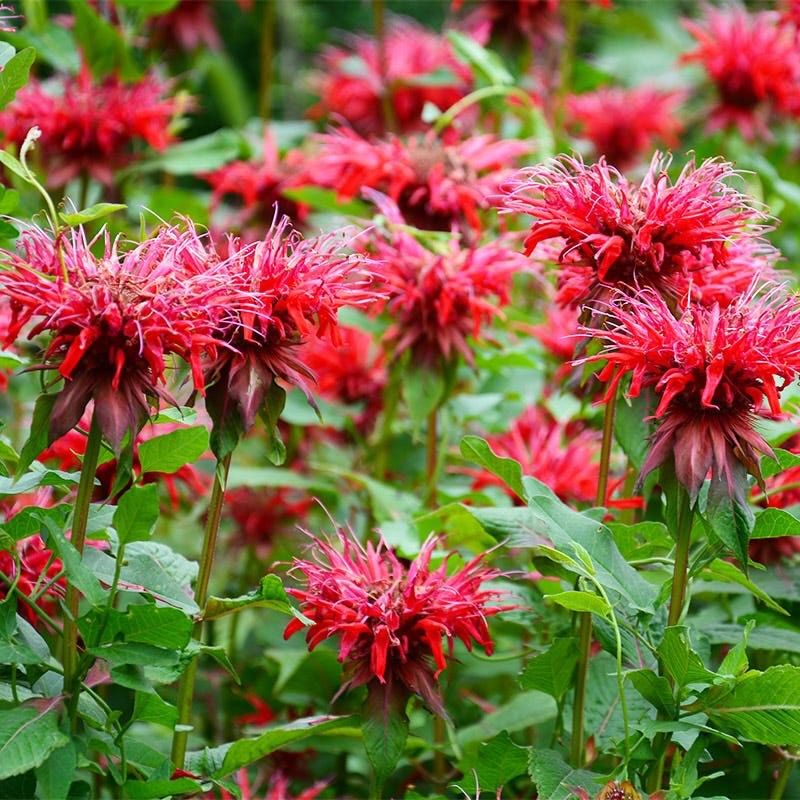
Bee balm is a showstopper in any Pennsylvania garden. Its bright red, pink, or purple flower heads light up the yard and attract hummingbirds, bees, and butterflies like crazy. But bee balm has a sneaky problem: it spreads fast and gets very crowded very quickly.
When bee balm clumps become too dense, airflow between the stems drops dramatically. That trapped moisture creates the perfect conditions for powdery mildew, a white fungal coating that makes the leaves look chalky and unhealthy.
Dividing bee balm every two to three years is one of the best ways to fight this problem naturally.
The good news is that bee balm is easy to divide. Use a garden fork to lift the clump out of the ground in late April or early May.
You will notice that the center of older clumps often looks woody and hollow. Toss that center section on the compost pile and replant only the fresh, vigorous outer sections.
Space the new divisions about 18 to 24 inches apart to give each plant plenty of breathing room.
Good air circulation around the stems goes a long way toward preventing mildew from coming back. Water the new divisions well and they will take off quickly.
Bee balm also spreads by underground runners, so keep an eye on it after replanting. A little management each spring keeps it looking tidy and performing at its best throughout the whole blooming season.
4. Shasta Daisy
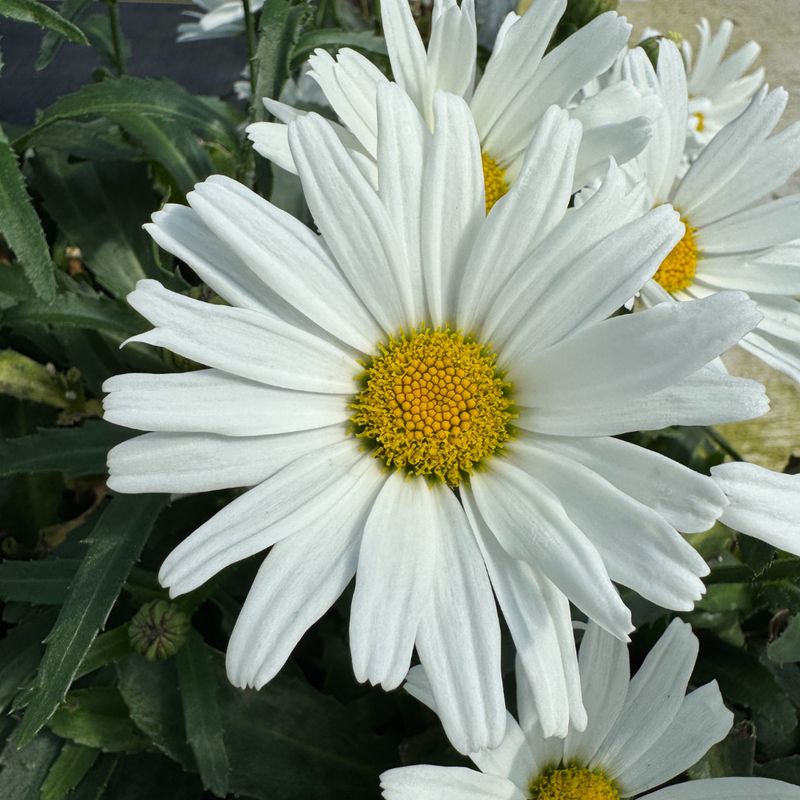
There is something cheerful and timeless about a patch of Shasta daisies. Those crisp white petals and sunny yellow centers just make any garden feel alive and happy.
Pennsylvania gardeners have been growing them for generations, and for good reason: they are reliable, beautiful, and relatively easy to care for.
Over time, Shasta daisy clumps grow outward while the center gradually becomes woody and unproductive. When that happens, the plant produces fewer blooms and starts to look ragged.
Dividing older clumps in late spring breathes new life into them and actually encourages heavier blooming the following year.
To divide Shasta daisies, dig up the whole clump with a sharp spade. You will see right away that the outer edges are full of young, healthy growth while the center looks tough and spent.
Pull or cut the clump into smaller sections, keeping only the fresh outer portions for replanting.
Each new division should have a good cluster of foliage and healthy roots. Replant them at the same depth in well-drained soil with plenty of sunlight. Shasta daisies love full sun, so avoid shady spots if you want the best bloom performance.
Water the new divisions regularly for the first few weeks until they get established. Once they settle in, Shasta daisies are fairly drought-tolerant and low-maintenance.
Expect a stunning flush of blooms come midsummer that will make all that springtime digging feel completely worth it.
5. Baptisia
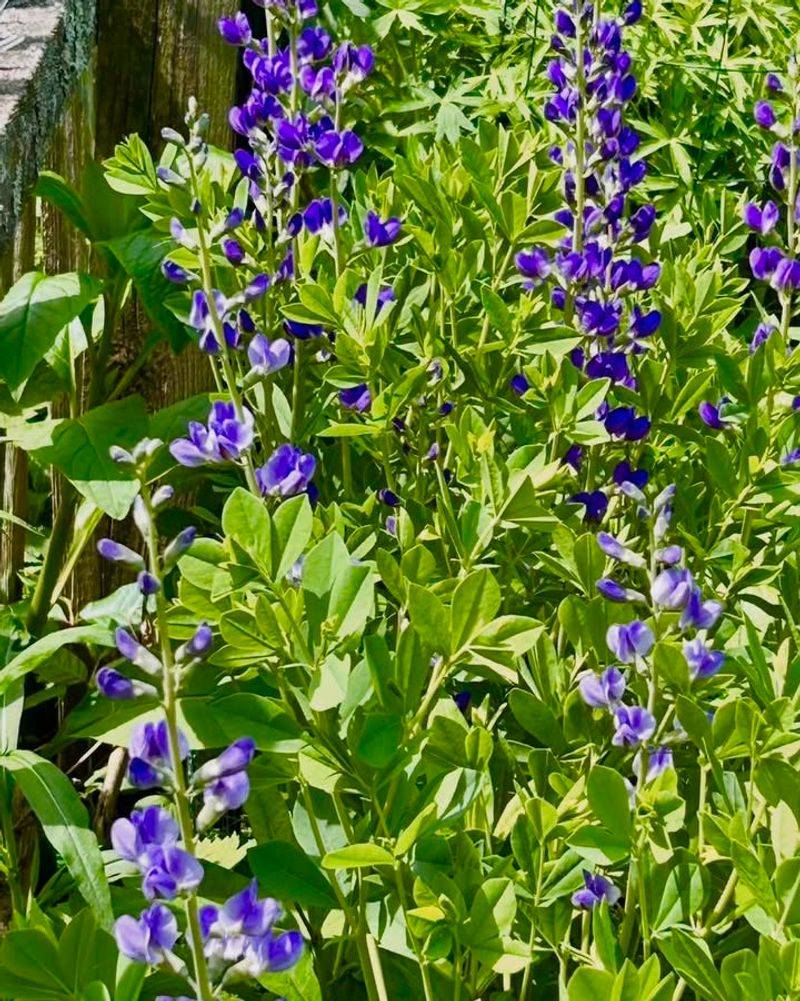
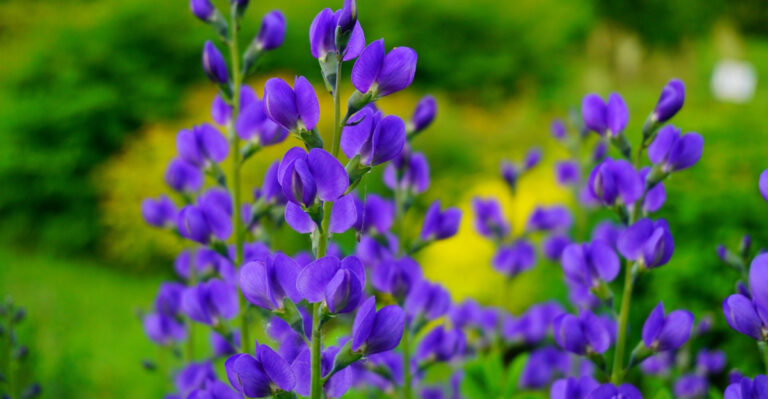
Baptisia, also called wild blue indigo, is one of the most stunning native perennials you can grow in Pennsylvania.
Its tall spikes of deep blue-purple flowers show up in late spring and look absolutely spectacular. But here is the deal: once Baptisia is happy in a spot, you should leave it completely alone.
Over many years, Baptisia develops an enormous taproot that reaches deep into the soil. That root system is what makes the plant so long-lived and drought-tolerant, but it also means the plant hates being moved or disturbed.
Attempting to divide Baptisia almost always ends badly, with the plant struggling for years or failing to recover at all.
Unlike many other perennials that get better after division, Baptisia actually performs best when left undisturbed for decades.
A well-established plant can live for 20 years or more in the same spot, growing larger and more impressive with every passing season. Patience is the real secret to success with this plant.
If you want more Baptisia plants, the better option is to collect seeds in the fall or purchase new transplants from a nursery. Trying to divide or transplant a mature plant is rarely worth the effort or the risk of losing it.
Choose your planting location carefully from the start. Give Baptisia full sun and well-drained soil, and then step back and let it do its thing.
Year after year, it will reward you with one of the most breathtaking floral displays in any Pennsylvania garden.
6. Butterfly Weed
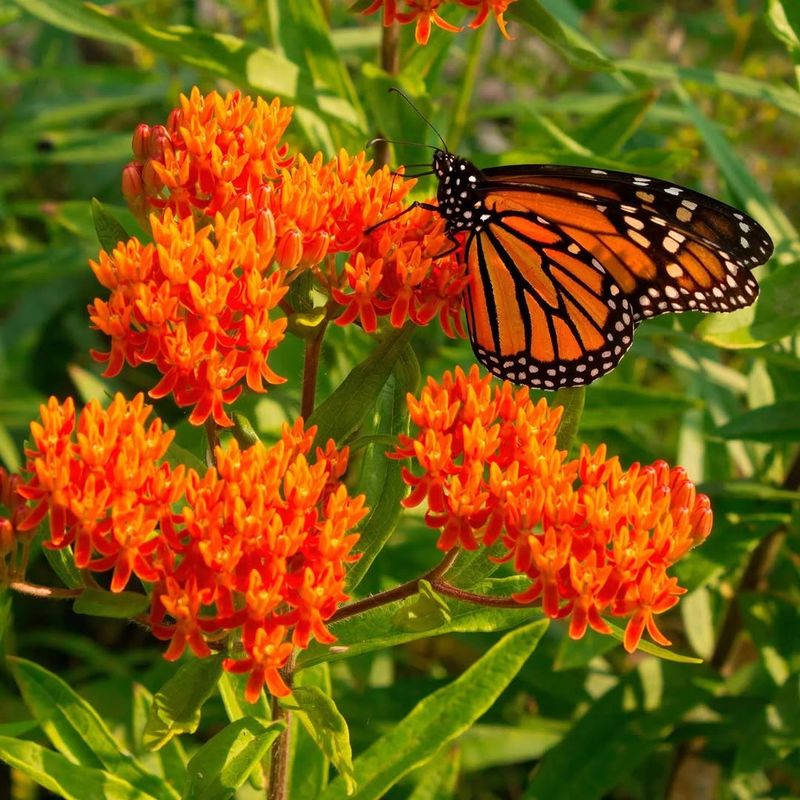
Butterfly weed might just be one of the most important native plants you can grow in Pennsylvania.
Its brilliant orange flower clusters are like a beacon for monarch butterflies, and it plays a critical role in supporting pollinators throughout the summer. But for all its toughness above ground, butterfly weed is surprisingly sensitive below it.
Much like Baptisia, butterfly weed grows a deep, thick taproot that anchors it firmly in the soil. That taproot is how the plant survives hot, dry summers with almost no extra watering.
The problem is that disturbing or cutting that root causes serious setbacks. Division almost always results in the plant struggling badly or not coming back at all.
Many gardeners make the mistake of trying to move or divide butterfly weed because it looks like it should be easy. The plant is compact and tidy above the soil, so the root system surprises people.
Once you cut into that taproot, the plant loses its main lifeline and has a very hard time recovering.
The smartest approach is to plant butterfly weed where you want it permanently and leave it alone. Choose a sunny spot with dry to medium, well-drained soil.
Avoid clay-heavy areas where water pools after rain, since wet roots are the one thing butterfly weed truly cannot handle.
If you want more plants, start fresh from seed in early spring. Butterfly weed seeds germinate reliably and grow into strong plants within a couple of seasons. That is a much safer path than risking your existing plants by trying to divide them.
7. Peony
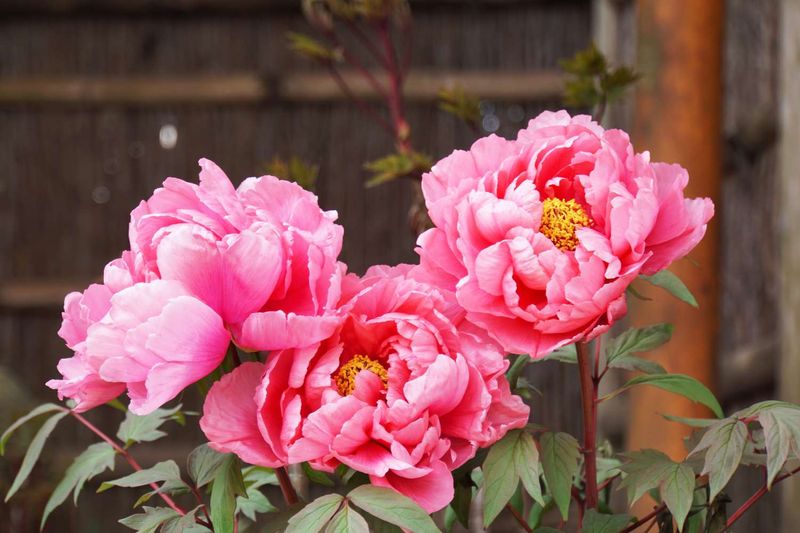
Peonies are the royalty of the spring garden. Their enormous, fragrant blooms in shades of pink, white, red, and coral are the kind of flowers people stop and stare at.
Pennsylvania gardeners treasure peonies, and many of the plants growing in local yards today were planted by grandparents or even great-grandparents decades ago.
That longevity tells you something important: peonies absolutely do not need to be divided. In fact, disturbing an established peony is one of the fastest ways to lose its blooms for years.
After division, peonies often go silent, producing only foliage with no flowers for three to five years while they recover. That is a long time to wait for something that was blooming beautifully before.
Peonies are deeply sensitive to planting depth. The buds, called eyes, must sit no more than one to two inches below the soil surface for the plant to bloom properly.
When you divide and replant, it is very easy to accidentally bury them too deep, and then you end up with lush green leaves and zero flowers season after season.
Unless a peony clump is extremely old and clearly declining, there is really no good reason to divide it. A healthy peony left alone in the right spot will outlive most other plants in your yard by many, many years.
Focus instead on giving your peonies good drainage, full sun, and a light application of balanced fertilizer in early spring. Treat them right, and they will keep putting on a spectacular show without any intervention from you.