This Is What Arizona Roses Need Before The Heat Gets Brutal
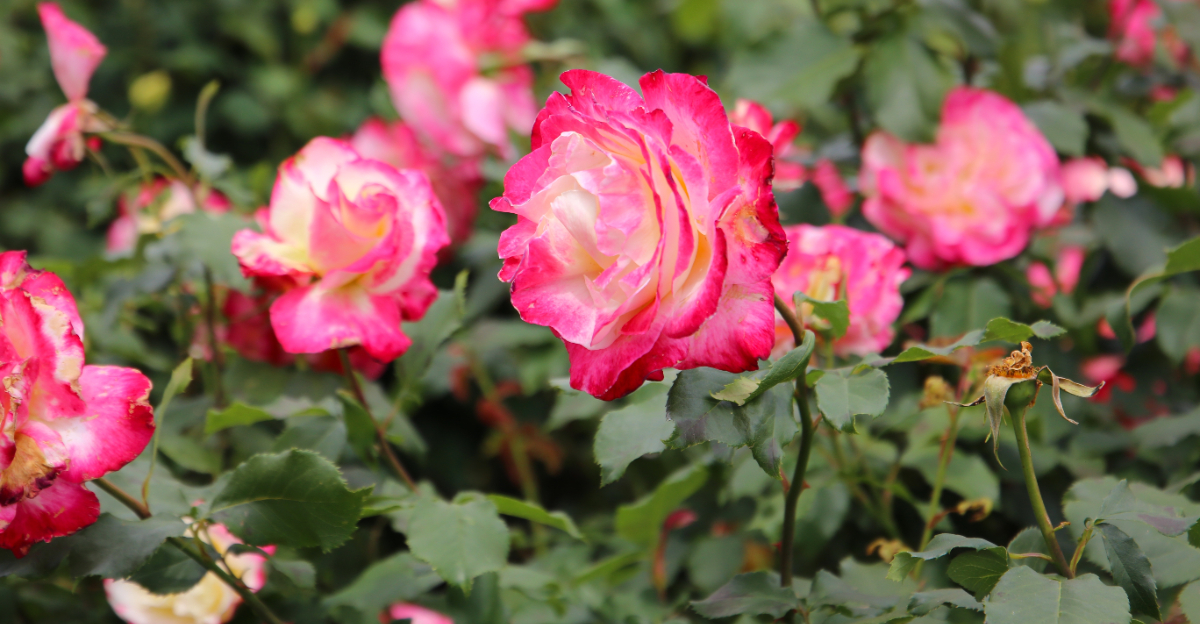
Summer can turn on roses fast in Arizona. One stretch of extreme heat is sometimes enough to leave blooms faded and foliage looking stressed much earlier than expected.
Plants that looked strong in spring may suddenly struggle once hot evenings stop giving them any relief.
Dry soil becomes a much bigger problem during this stage of the season. Roots heat up quickly near gravel, block walls, and sunny walkways.
Water also disappears faster once temperatures stay high day after day.
Healthy roses usually enter peak summer with thicker mulch, steadier moisture, and less crowded growth around the center of the plant.
Small problems are easier to manage before brutal heat fully settles in. Strong preparation now often decides how roses look for the rest of summer.
1. Deep Watering Helps Roots Stay Strong Longer
Shallow watering is one of the biggest mistakes desert rose growers make. When water only reaches the top few inches of soil, roots stay near the surface.
Surface roots are the first to suffer when ground temperatures spike.
Watering deeply encourages roots to push further down into cooler, more stable soil. A deep root system gives the plant access to moisture even when the top layer dries out fast.
That kind of root structure is what keeps a rose alive and blooming through brutal heat.
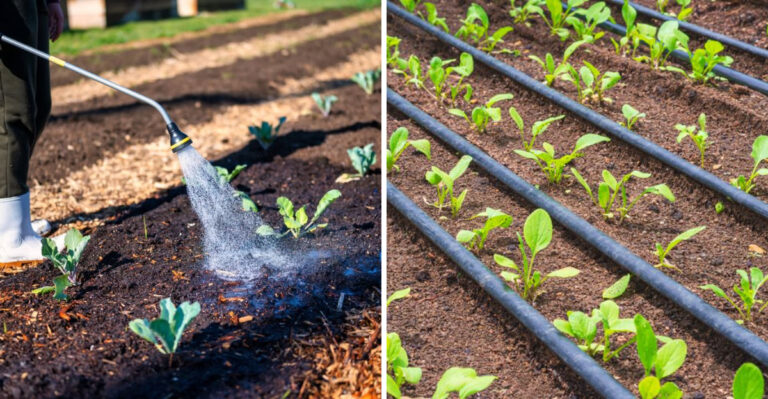
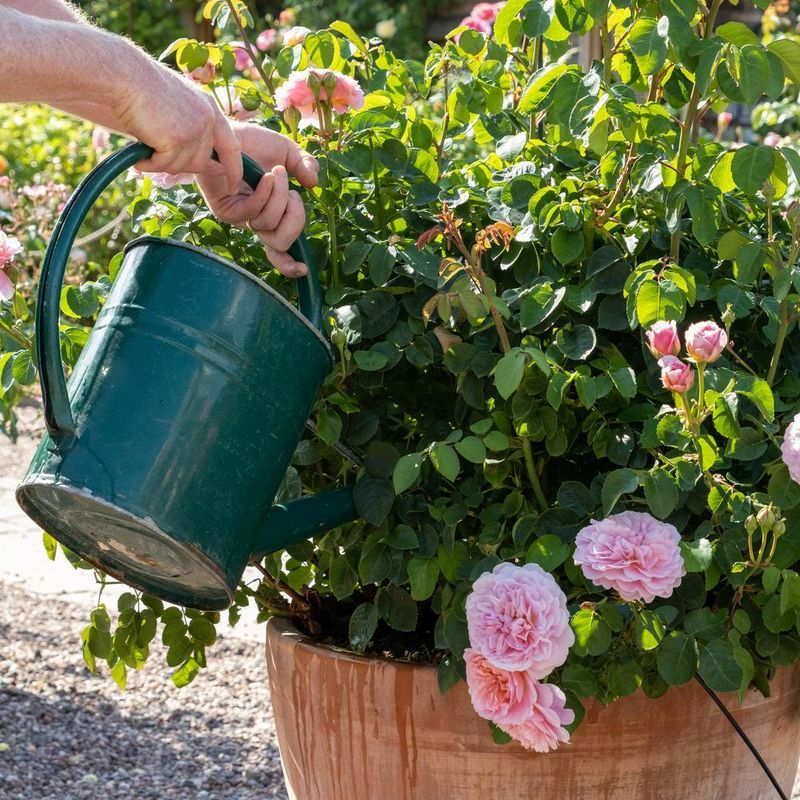
Aim to water slowly and steadily at the base of each plant. Drip irrigation works well because it delivers water directly to the root zone without waste.
Running a slow soak for 30 to 45 minutes once or twice a week is far more effective than a quick daily spray.
Sandy desert soil drains quickly, so consistent deep watering needs to become a habit before summer hits. Starting this routine in early spring trains roots to grow downward rather than sideways.
Once roots are established deep in the ground, the plant handles heat stress much better.
2. Thick Mulch Shields Soil From Harsh Afternoon Sun
Bare soil in a desert garden heats up fast. On a 110-degree afternoon, unprotected ground near your roses can reach temperatures that damage shallow roots quickly.
Mulch acts like a blanket that blocks that intense heat from reaching the root zone.
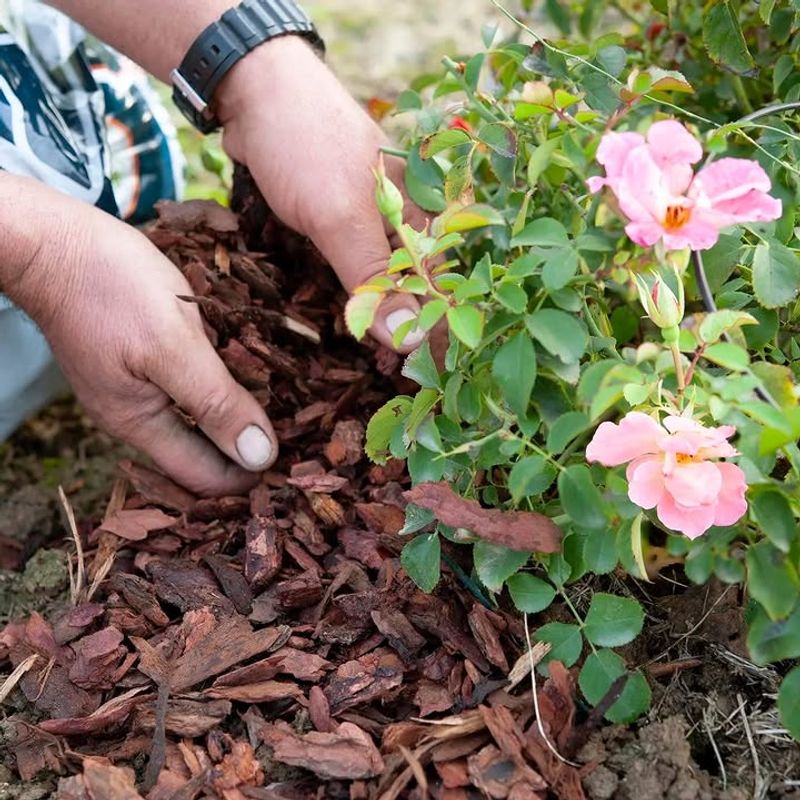
A three to four inch layer of organic mulch around each plant makes a noticeable difference. Wood chips, shredded bark, and straw are all solid choices.
Avoid piling mulch directly against the canes, since that can trap moisture and lead to rot or fungal problems.
Mulch also slows down water evaporation. In a dry climate, every drop of moisture counts.
Keeping the soil damp longer between waterings means roots stay hydrated without needing constant irrigation adjustments.
Apply fresh mulch before temperatures climb in late spring. Waiting until summer is already in full swing means the soil has already been stressed.
Getting it down early gives the ground time to stabilize before the hardest heat arrives.
Inorganic options like gravel or decomposed granite are popular in desert landscaping, but they do not improve soil quality over time. Organic mulch breaks down slowly and adds nutrients back into the ground.
Your Arizona Garden Changes Every Week. Your Plan Should Too.
Gardening in Arizona changes quickly throughout the season. Every Friday you’ll receive a simple weekly plan showing exactly what to plant, prune, fertilize, harvest, and protect so you never miss the right timing.
3. Roses Handle Morning Sun Better Than Harsh Afternoon Heat
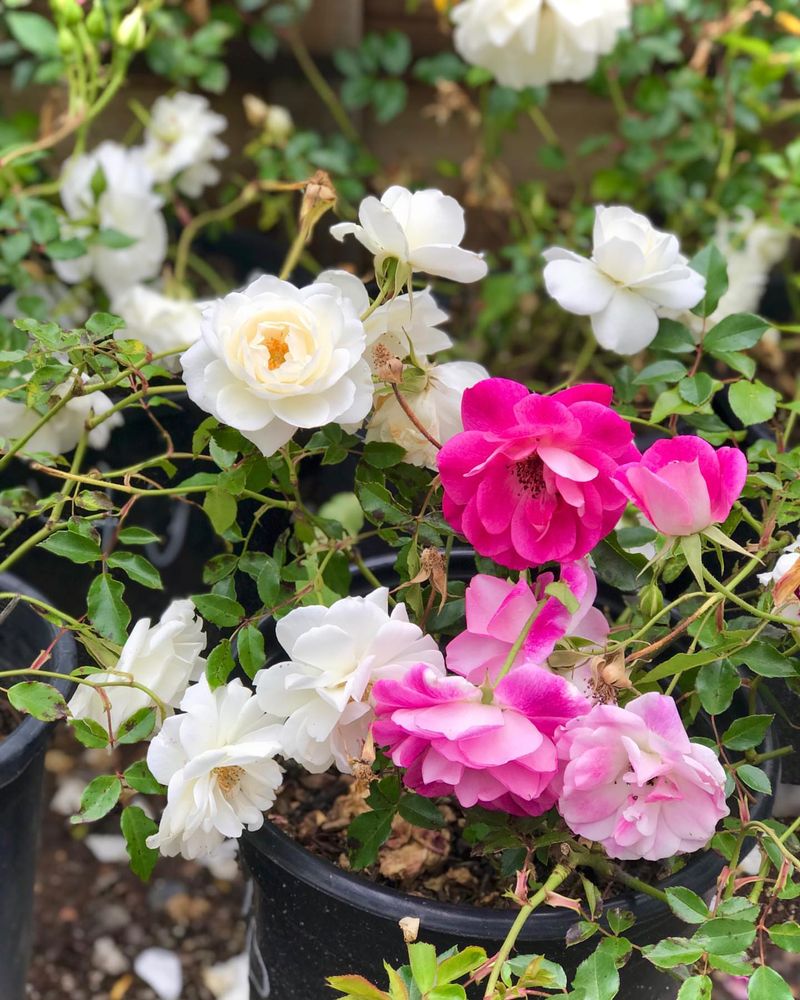
Sunlight in the morning feels completely different to a rose than afternoon sun does. Morning rays are gentler and cooler, which lets leaves photosynthesize without overheating.
Afternoon sun in a desert climate is intense enough to scorch foliage and bleach petals.
Positioning matters more than most gardeners realize. Roses planted where they catch eastern exposure get strong morning light and natural shade by early afternoon.
That combination supports healthy growth without the stress of prolonged direct heat.
If your roses are already planted in a full-sun western exposure, shade cloth can help during the hottest months. A 30 to 40 percent shade cloth placed over plants during peak afternoon hours reduces leaf temperature noticeably.
It is a simple, affordable fix that protects plants without blocking growth entirely.
Leaf scorch shows up as brown, crispy edges on otherwise healthy foliage. It usually means the plant is losing moisture faster than it can absorb it.
Afternoon shade reduces that imbalance and keeps leaves looking cleaner through summer.
Roses need at least six hours of sunlight daily to bloom well. Morning light delivers that requirement without the added heat load.
Planning around natural sun patterns is one of the easiest ways to support rose health in a hot climate.
4. Cleaning Interior Canes Improves Airflow Around Foliage
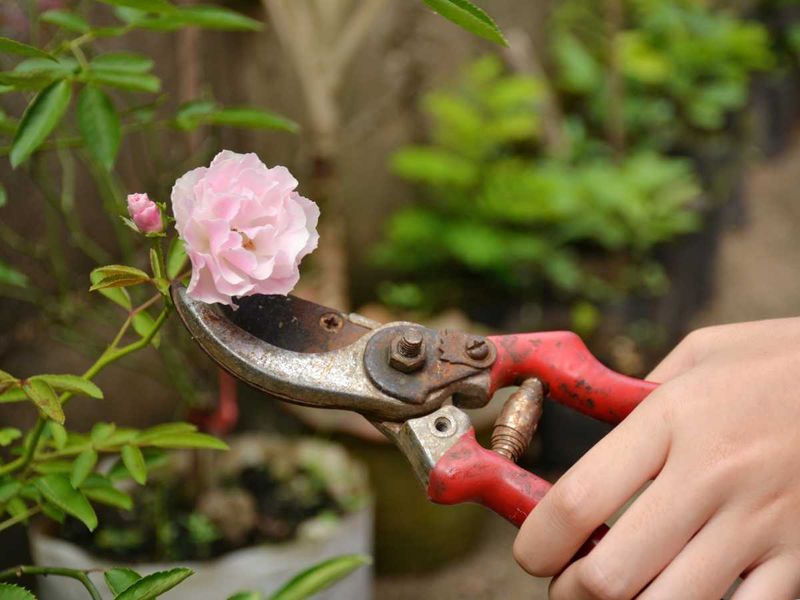
Crowded canes are a hidden problem that gets worse as summer approaches. When the center of a rose bush is packed with thin, crossing branches, air cannot move freely through the plant.
Poor airflow creates warm, stagnant pockets that invite fungal issues and pest buildup.
Opening up the interior of each plant is a straightforward task that pays real dividends. Remove any canes that cross through the center or rub against each other.
Cut them back cleanly at the base using sharp, clean pruning shears.
Prioritize removing growth that is thinner than a pencil. Weak canes rarely produce strong blooms and mostly just crowd the plant.
Getting rid of them redirects the plant’s energy toward sturdy, productive growth.
Good airflow also helps leaves dry faster after watering. Wet foliage that stays damp for extended periods is more prone to powdery mildew, especially when nights stay warm.
Keeping the canopy open reduces that risk significantly.
Spring is the ideal time to do this kind of cleanup before new growth hardens. Pruning cuts made in spring heal quickly because the plant is actively growing.
Waiting until summer to clean up interior canes means working in intense heat and risking slower wound recovery.
5. Light Feeding Encourages Healthier Pre-Summer Growth
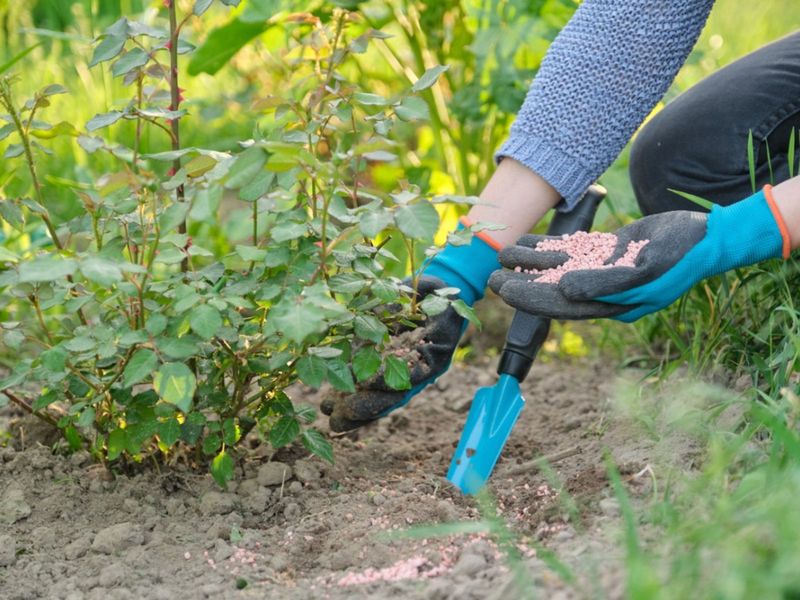
Feeding roses before summer is about timing and restraint. A light application of balanced fertilizer in early spring supports strong new growth before conditions get harsh.
Overfeeding at this stage pushes out too much tender new growth that struggles in intense heat.
Look for a fertilizer with a balanced ratio, something close to 10-10-10 or a formula specifically made for roses. Slow-release granular options are especially useful because they feed gradually over several weeks.
That steady supply is easier on the plant than a sudden surge of nutrients.
Avoid high-nitrogen fertilizers right before summer. Nitrogen drives leafy, soft growth that wilts quickly under heat stress.
A more balanced or slightly phosphorus-forward formula encourages stronger stems and better root development instead.
Apply fertilizer after a thorough watering, not on dry soil. Concentrated nutrients hitting dry roots can cause burning.
Water first, apply the fertilizer, and then water lightly again to help it absorb into the soil.
Stop feeding about six to eight weeks before peak summer heat sets in. Late feeding encourages new growth at exactly the wrong time.
Soft new leaves and shoots that emerge in extreme heat often suffer more than established foliage.
6. Irrigation Gaps Can Leave Important Roots Too Dry
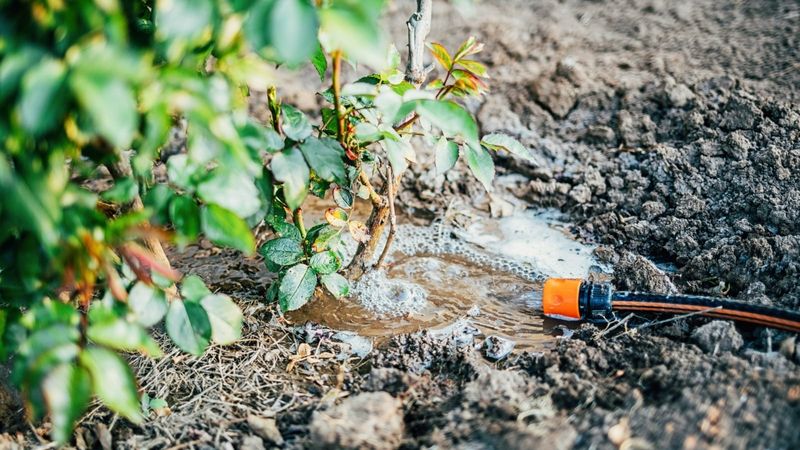
Skipping even one watering during a heat wave can push a rose into serious stress. In sandy desert soil, moisture disappears fast.
A gap of two or three days without water during hot weather can leave roots struggling to function properly.
Drip irrigation is the most reliable way to keep watering consistent in a desert garden. Automated timers remove the guesswork and ensure plants get water even when schedules get busy.
Set the system to run during early morning hours so moisture soaks in before heat builds.
Check emitters regularly for clogs or misalignment. A single blocked emitter can leave one plant severely under-watered while others get plenty.
Inspecting the system monthly takes only a few minutes and prevents avoidable problems.
Roses in containers face an even greater challenge. Pots dry out much faster than in-ground plants, especially when placed on concrete or stone surfaces that radiate heat.
Container roses may need daily watering during peak summer months to stay properly hydrated.
Watch for wilting in the early morning as a warning sign. Roses that look droopy before the sun gets intense are telling you something is wrong with their water supply.
Afternoon wilting is normal in extreme heat, but morning wilting signals a real deficit.
7. Spent Blooms Should Be Cleared Before Plants Slow Down
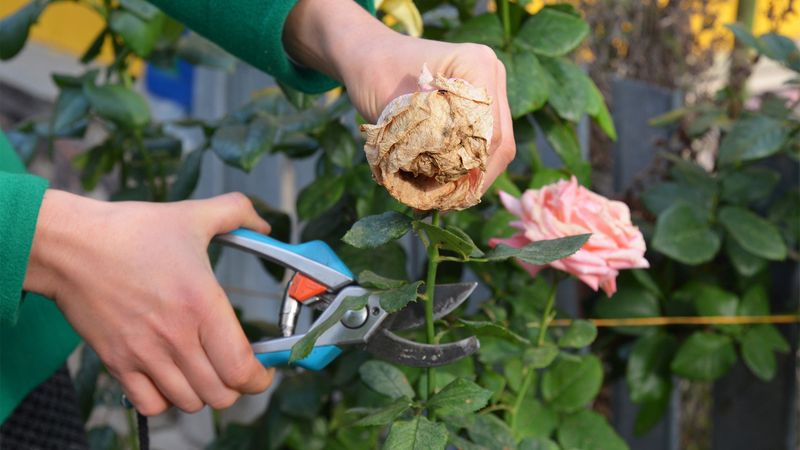
Faded blooms left on the plant are not just an eyesore. When spent flowers stay attached, the plant puts energy into forming seed hips instead of producing new blooms.
Removing them redirects that energy back into growth and future flowering.
Deadheading is simple once you know where to cut. Find the first set of five-leaflet leaves below the spent bloom and cut just above it at a slight angle.
Clean cuts heal faster and reduce the risk of disease entry.
In a desert climate, doing this consistently through spring and early summer keeps plants productive during the cooler window before extreme heat arrives.
Once temperatures stay consistently above 105 degrees, most roses slow down on their own regardless of care.
Getting as many bloom cycles as possible before that point is the goal.
Use clean, sharp bypass pruners rather than scissors or dull blades. Crushed stems are slower to heal and more vulnerable to pests.
Some gardeners skip deadheading in late summer intentionally. Allowing hips to form toward the end of the season signals the plant to begin hardening off for cooler weather.
In the desert Southwest, that shift typically happens in early fall when night temperatures start dropping.