8 Most Productive Fruit Trees For Virginia’s Hot, Humid Climate
Virginia’s summers are something else entirely. The heat builds slowly, the humidity settles in, and the growing season stretches long and generous.
For backyard gardeners, that kind of climate is an opportunity. The right fruit trees respond to all that warmth with vigor, pushing out heavy harvests year after year with surprisingly little fuss. Knowing which trees belong here makes all the difference.
Some varieties tend to sulk in the heat, demanding extra care just to get by. Others seem almost grateful for it, growing stronger and more productive with each passing season. Virginia rewards patience and good plant choices in equal measure.
Pick trees that suit the climate and your backyard orchard can become one of the most satisfying projects you ever take on. Fresh fruit, shade, and beauty, all growing together right outside your door. The best time to start is sooner than you think.
1. Pawpaw
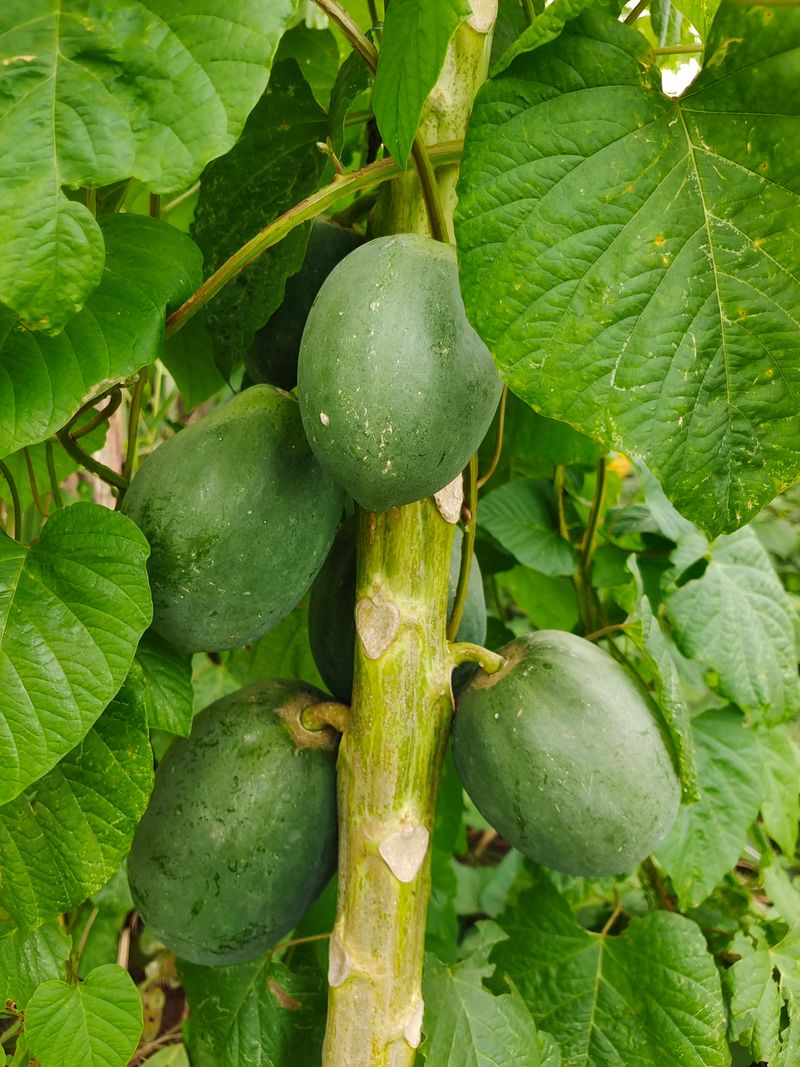
North America’s largest native fruit grows wild in Virginia’s forests. Most people have never tasted one.
The pawpaw produces a custard-like fruit that tastes like a cross between a banana and a mango. It sounds exotic, but this tree is about as local as it gets.
Pawpaws are perfectly adapted to the Mid-Atlantic climate, thriving in the same heat and humidity that makes other fruit trees struggle. They prefer partial shade when young but produce best fruit in full sun once established.
That flexibility alone makes them a standout choice for home growers. Plant at least two different varieties for cross-pollination, because a single tree will give you flowers but very little fruit.
Varieties like Shenandoah, Susquehanna, and Wabash are top performers with extra-large fruits and rich flavor.
Once your trees are established, they need almost no spraying or chemical treatments. Deer tend to avoid pawpaw leaves, and the tree has very few serious pest problems.
That makes it one of the lowest-maintenance fruit trees you can grow in the region.
Harvests usually happen in late August through October, depending on the variety. The fruit does not ship well, which is exactly why you almost never see it in grocery stores.
Growing your own is the only reliable way to enjoy it fresh.
If you want a conversation-starting tree that produces abundantly with minimal fuss, the pawpaw earns its place at the top of this list.
2. American Persimmon
Few fruit trees earn their place quite like the American persimmon.
Native to the Southeast, it has been feeding wildlife and people here for centuries.
Unlike the Asian varieties sold in grocery stores, the American persimmon is built for exactly the kind of hot, humid summers Virginia throws at it.
This tree handles drought, poor soil, and periods of neglect better than most fruit trees.
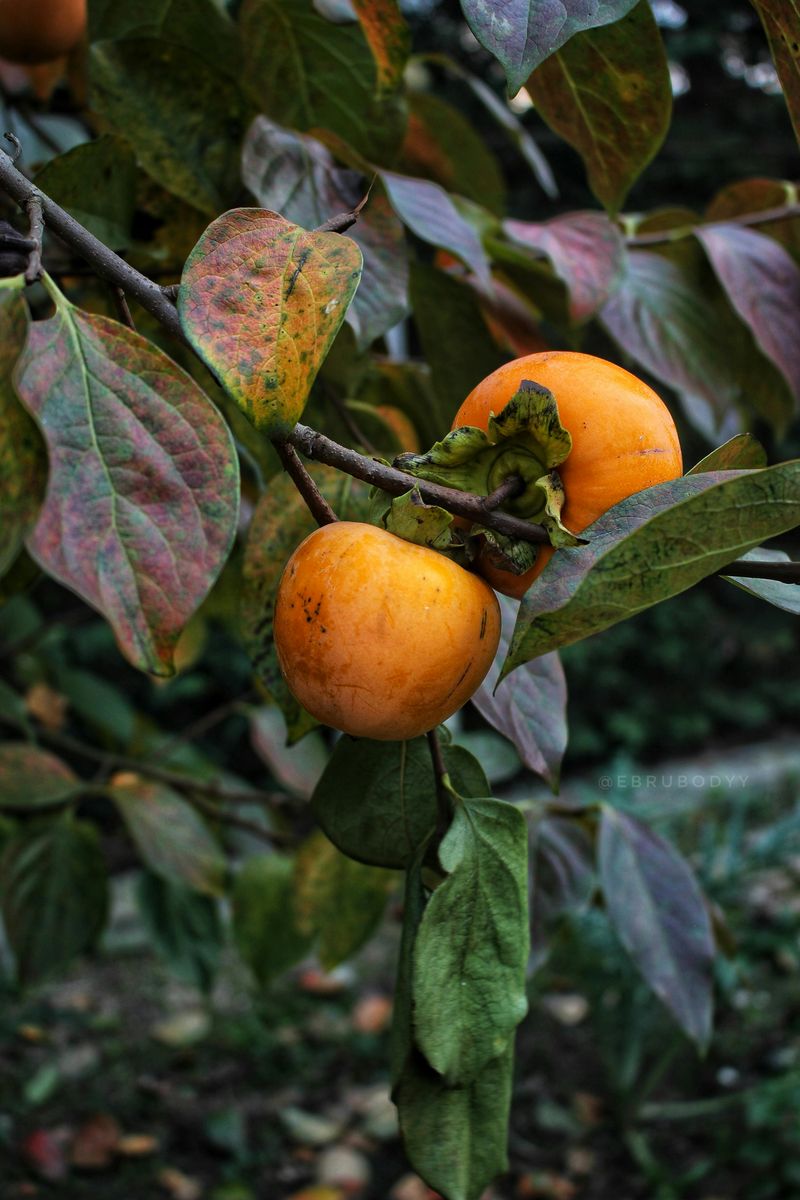
The fruits ripen in fall, turning from green to deep orange, and they taste like sweet honey mixed with spiced pumpkin after the first frost softens them up.
Eat one before it is fully ripe and the astringency will catch you off guard.
Your Virginia Garden Changes Every Week. Your Plan Should Too.
Gardening in Virginia changes quickly throughout the season. Every Friday you’ll receive a simple weekly plan showing exactly what to plant, prune, fertilize, harvest, and protect so you never miss the right timing.
Timing your harvest matters with this one. Native persimmons grow into medium to large trees, so give them room to spread.
Varieties like Meader and Yates are popular for home orchards because they produce reliably and have better fruit size than wild trees. You will want at least one male tree nearby for pollination, although some varieties are self-fertile.
Pest and disease pressure on American persimmons is remarkably low compared to apples or peaches. You can skip the spray schedule almost entirely and still get a solid harvest most years.
Wildlife absolutely loves the fruit, so expect competition from deer, raccoons, and birds once the season hits. A tree that feeds both your family and the local ecosystem is a rare and special thing to have in your yard.
3. Fig
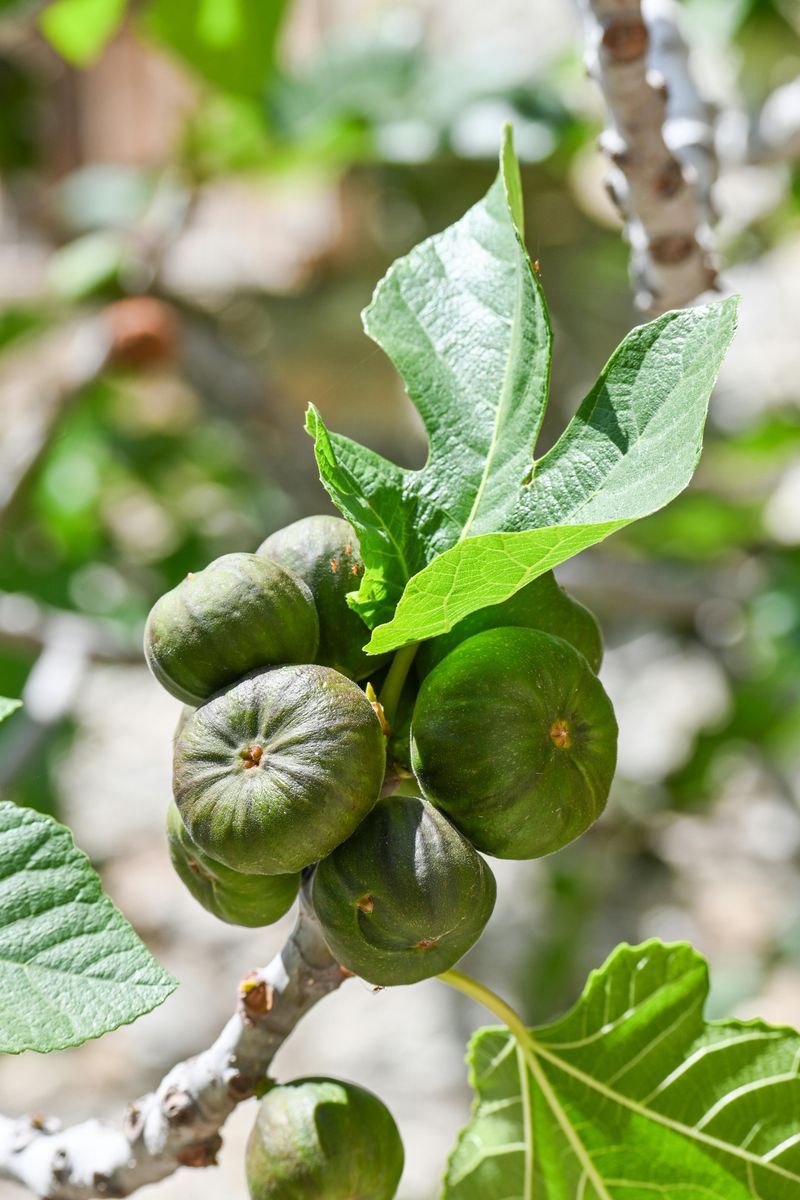
Figs have a way of making any backyard feel like a Mediterranean hillside, and they absolutely love Virginia summers.
The heat and humidity that makes other trees wilt actually pushes fig trees into overdrive, producing two full crops in a single season if conditions cooperate.
That kind of productivity is hard to beat.
The Brown Turkey fig is the most popular variety in the region, known for its cold hardiness and reliable fruiting even after a rough winter.
Celeste and Violette de Bordeaux are two other favorites that ripen beautifully in the Southern heat.
Plant your fig in the warmest, most sheltered spot in your yard, ideally against a south-facing wall that absorbs and reflects heat.
Fig trees can be damaged by hard freezes, but they bounce back from the roots with impressive speed. Many growers in colder parts of the state wrap their trees in burlap for winter protection just to be safe.
Once summer arrives, figs need very little from you beyond some water during dry spells. There are no serious pest sprays required, and the trees resist most common diseases on their own.
Fresh figs taste nothing like the dried ones in a cookie.
They are soft, jammy, and sweet in a way that feels almost indulgent straight off the branch. Few things compare to eating a warm fig picked right from your own tree on a hot August afternoon.
4. Red Mulberry
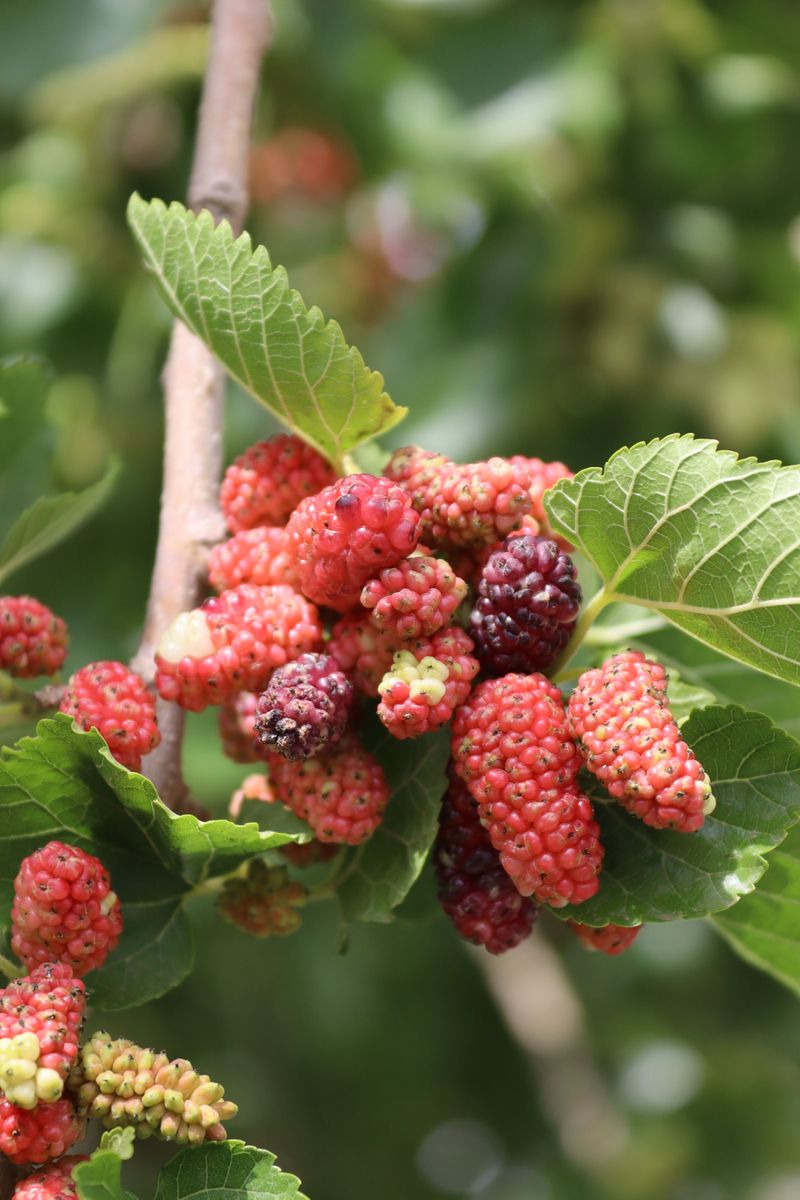
When it comes to speed and abundance, the red mulberry stands in a category of its own.
This native species grows fast, tolerates a wide range of soils, and produces enormous quantities of sweet, dark berries every June without asking much in return.
A mature tree can produce very large quantities of fruit in a single season. Red mulberries thrive in Virginia’s heat and handle the humidity without breaking a sweat.
They are native to the Eastern United States, so they are essentially already at home before you even plant them.
The berries look like elongated blackberries and taste like a mix of blackberry and grape with a hint of tartness. One thing to know upfront is that the fruit stains everything it touches.
Your hands, your driveway, your shoes, and your kids will all turn purple during harvest season.
Plant this tree away from patios and walkways for that reason.
Birds go absolutely wild for mulberries, and many gardeners plant them specifically to draw wildlife into the yard. If you want the fruit for yourself, act fast because nature will compete hard for every berry.
The red mulberry is also a larval host plant for several native moth species, making it a powerhouse for the local ecosystem. A tree this productive, this wildlife-friendly, and this low-maintenance is genuinely hard to find anywhere else in the fruit world.
5. Jujube
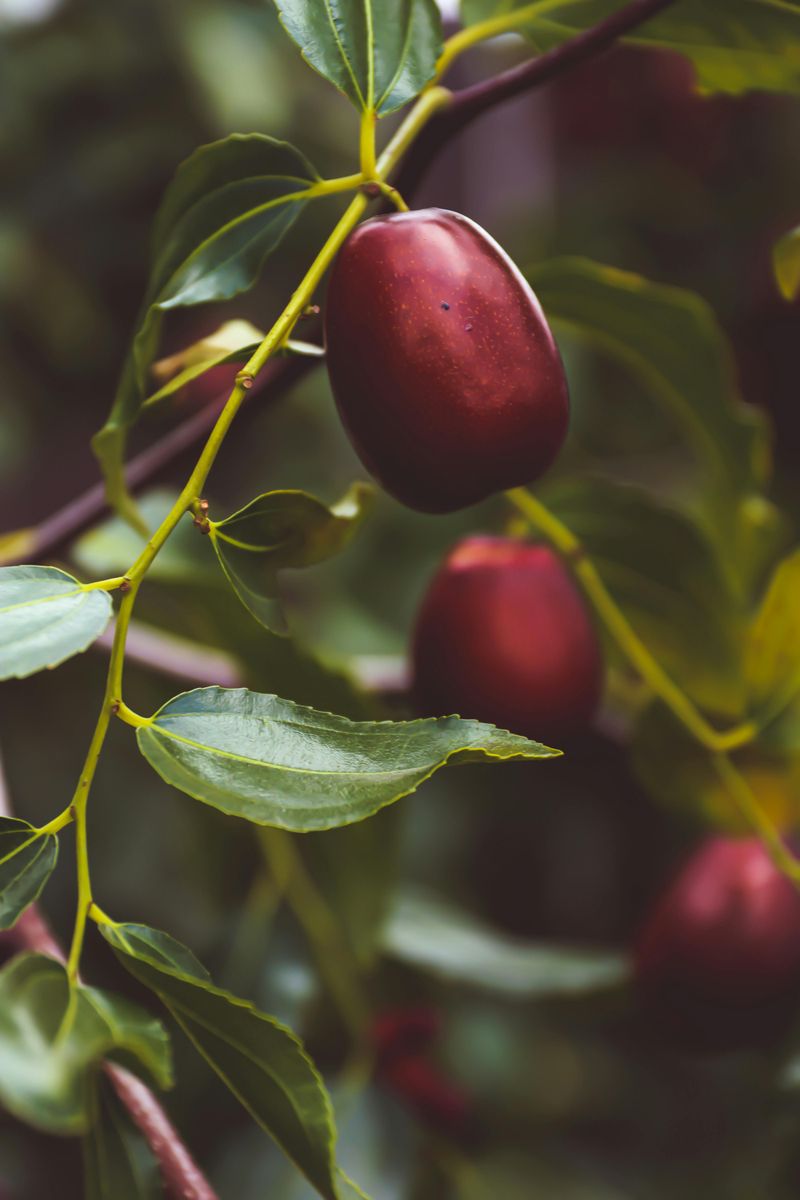
The jujube is one of those trees that most people discover late and immediately wish they had planted sooner.
Originally from China, jujubes have been cultivated for over four thousand years and are now proving themselves as one of the best-performing fruit trees in hot, humid climates like Virginia’s.
The fruit starts out green and crisp like an apple, then ripens to a dark reddish-brown with a sweet, date-like flavor. You can eat them fresh, dry them, or use them in baked goods and teas.
The versatility alone makes them worth growing. Jujube trees handle summer heat with ease and are surprisingly drought-tolerant once established, even in Virginia’s sticky conditions.
Varieties like Li, Lang, and Honey Jar are top picks for the Mid-Atlantic region because of their large fruit size and consistent production. These trees are also remarkably pest and disease resistant.
You will not need a spray program, and the trees rarely need much pruning to stay productive. Jujubes begin producing fruit within just two to three years of planting, which is much faster than many other fruit trees.
That quick turnaround is a huge advantage for anyone who does not want to wait a decade for results.
Once you taste a warm, sun-ripened jujube straight from the branch, it is easy to see why they are gaining fans across the South.
6. Serviceberry
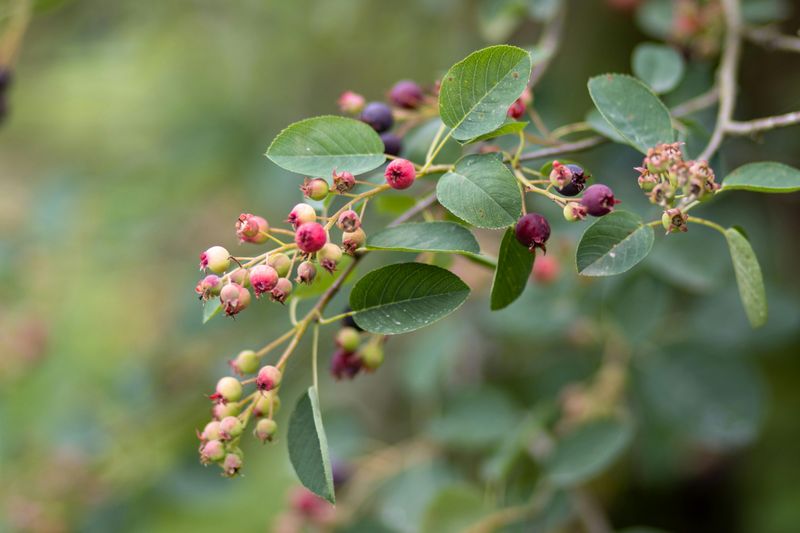
The serviceberry is a three-season performer.
Blossoms in spring, fruit in summer, and stunning color in fall make it one of the most rewarding trees you can plant.
It is practically a four-season showpiece that also happens to feed you. That is a rare combination in any landscape plant.
The berries ripen in late May to early June, making serviceberry one of the earliest fruit trees to produce in the season. They taste like a blueberry crossed with a mild cherry, and they are loaded with antioxidants.
Use them in pies, jams, smoothies, or just eat them by the handful straight off the branch. Serviceberries are native to the Eastern United States and handle Virginia’s humidity and heat without complaint.
They also tolerate part shade, which makes them useful in spots where other fruit trees would fail completely.
Varieties like Autumn Brilliance and Regent are especially popular for home orchards because of their reliable fruit set and manageable size.
Birds are the main competition for your harvest, and they will find the berries before you do if you are not paying attention.
Netting the tree during the fruiting window is a smart move if you want a meaningful harvest for yourself.
Serviceberries grow as either a multi-stemmed shrub or a small tree, giving you flexibility in how you use them in your landscape design.
Few plants offer this much beauty and bounty in such a compact, easy-to-manage package.
7. American Plum
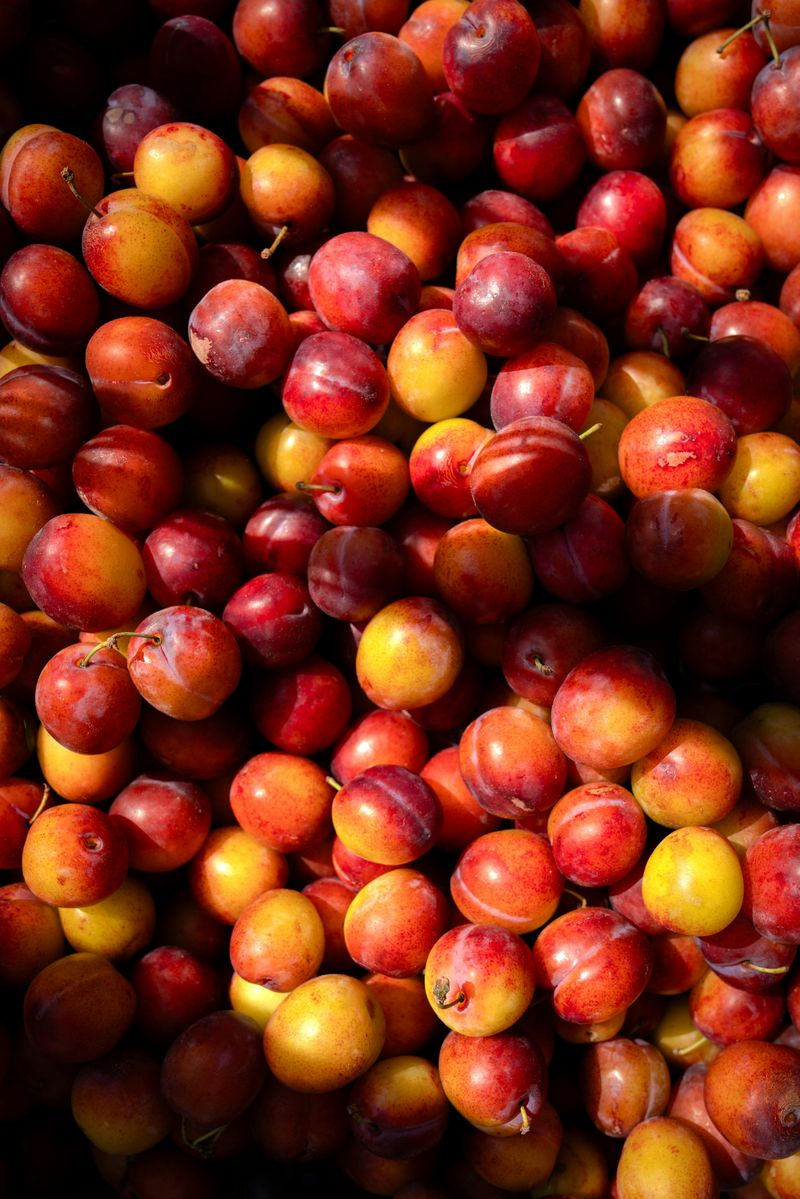
Wild and a little untamed, the American plum is one of the toughest fruit trees you can plant in the Mid-Atlantic region.
It grows naturally along roadsides, forest edges, and creek banks across Virginia, which tells you everything you need to know about its adaptability. This tree was built for the real world, not a pampered orchard setting.
The fruits are small, about the size of a large cherry, and they range from yellow to deep red depending on the individual tree. Flavor ranges from sweet to pleasantly tart, and they make outstanding jams, jellies, and fruit butters.
Fresh off the tree, they have a wild, complex flavor that store-bought plums cannot match.
American plums are self-fertile to a degree, but planting two or more trees dramatically increases your yield. They spread by root suckers, forming thickets over time, which can be a feature or a maintenance challenge depending on your space.
In a larger yard or along a property edge, that spreading habit creates a productive living hedge full of wildlife value.
The trees bloom early in spring with clouds of white flowers that are breathtaking and also attract huge numbers of native pollinators. Pest pressure is relatively low compared to hybrid plum varieties, though brown rot can affect the fruit in especially wet years.
For a tree that requires so little input and gives back so much, the American plum deserves far more attention than it typically gets from home growers.
8. Chickasaw Plum
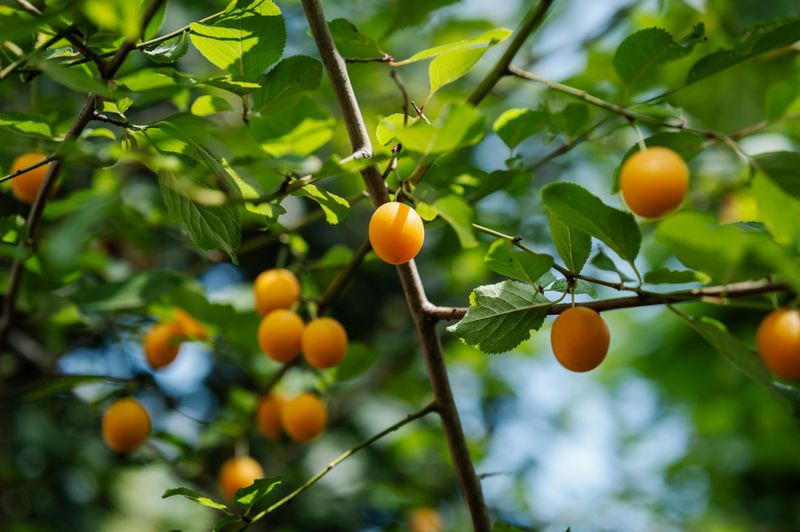
Ever heard of a fruit tree that actually gets better the hotter it gets? The Chickasaw plum is that tree.
It is a heat-tolerant plum that can work in Virginia, especially in sunny, well-drained sites.
Native to the Southeastern United States, this compact tree has been producing food for people and wildlife for thousands of years. It earned its place on this list the hard way.
Chickasaw plums ripen in June and July, earlier than most other fruit trees, giving you a fresh harvest right when summer is heating up.
The fruits are small, about the size of a grape, and come in shades of red, yellow, and orange with a bright, tangy sweetness that is absolutely addictive.
They make some of the best plum jelly you will ever taste. These trees are extremely heat and drought tolerant once established, and they handle clay soils far better than most fruit trees can.
They also spread by suckers, forming dense thickets that serve as excellent wildlife habitat and windbreaks along property edges.
The spring bloom is a spectacular cloud of white flowers that pollinators absolutely swarm. Chickasaw plums are highly resistant to the diseases and pest problems that plague hybrid plum varieties in humid climates.
That toughness means you can spend your time enjoying the fruit instead of fighting problems in the orchard.
For anyone wanting a productive, low-input fruit tree that thrives in Virginia heat and humidity, the Chickasaw plum is a wildly underrated gem worth every inch of space you give it.