Garden Habits That Attract Fireflies To Georgia Backyards
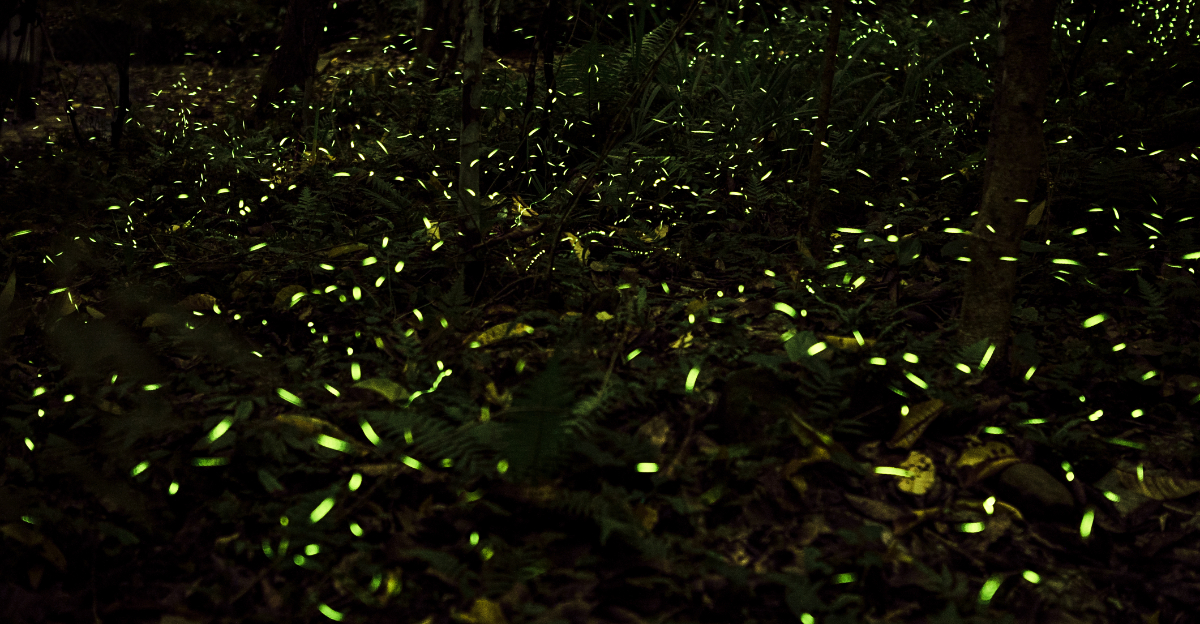
Warm nights change the feel of a backyard across Georgia once fireflies start showing up again. Tiny flashes drift through the dark and suddenly the whole yard feels calmer and more alive.
Some gardens seem full of them every summer while others barely see a few lights near the grass.
That difference often comes from small habits people do without thinking about. A yard does not need to look wild or messy to attract more fireflies, but certain choices quietly make a huge impact once summer settles in.
Bright porch lights, short grass, and constant cleanup can slowly push them away. Meanwhile, a few simple changes create the kind of backyard where fireflies keep returning night after night.
Many gardeners do not even realize their everyday routines are shaping how many fireflies appear once evenings turn warm and humid again.
1. Turning Off Extra Backyard Lights Earlier At Night
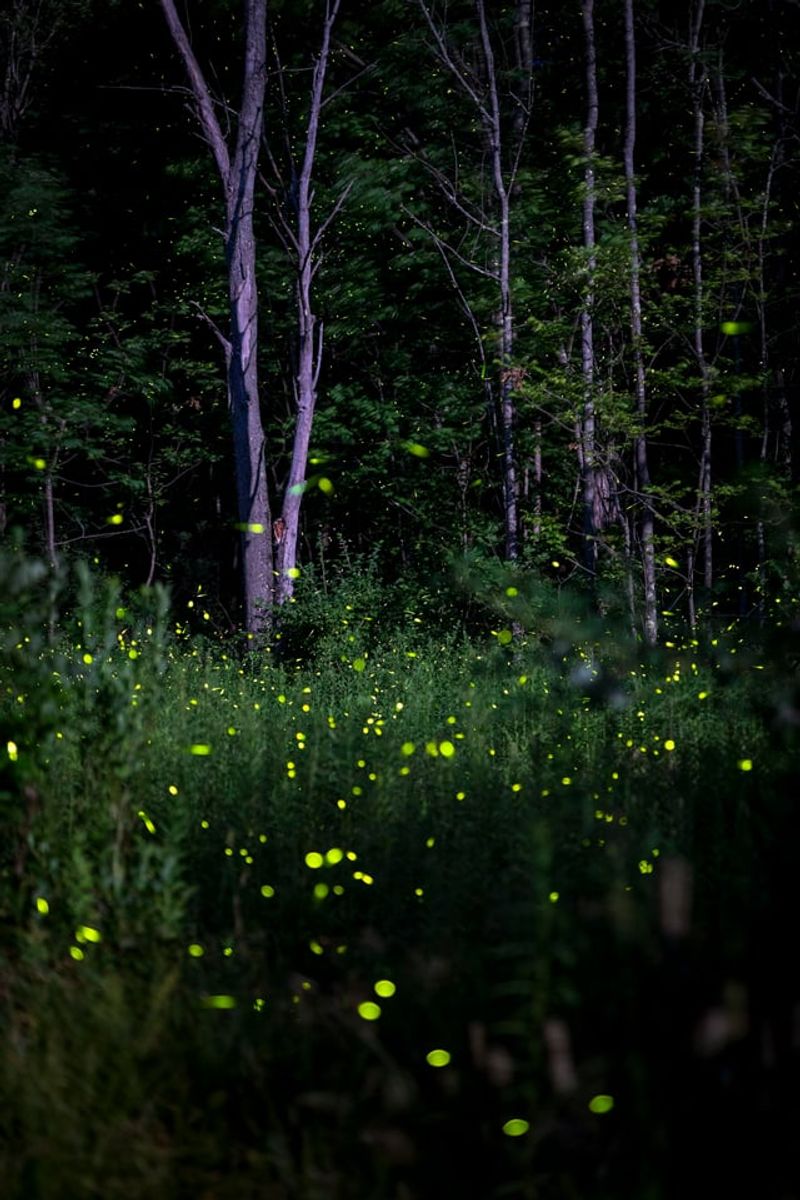
Artificial light is one of the biggest reasons firefly numbers have dropped in residential yards. Fireflies use their bioluminescent flashes to find mates, and bright outdoor lighting completely scrambles that signal.
When your yard stays lit all night, fireflies simply move on to darker places.
Porch lights, string lights, and floodlights all interfere with the flashing patterns fireflies rely on. Even low-wattage bulbs can cause problems if they stay on during peak activity hours, usually between 8 and 11 PM.
Cutting lights earlier gives fireflies the darkness they need to communicate.
Motion-sensor lights are a practical middle ground if security matters to you. They only activate when needed, keeping the yard dark most of the night.
Switching to amber or red bulbs also helps, since those wavelengths interfere less with firefly vision than white or blue light does.
Start small by turning off one or two unnecessary lights each evening and see what happens within a few nights. Fireflies often return to darker yards faster than most people expect.
Backyards in suburban areas can still attract decent numbers when artificial light is managed thoughtfully and consistently throughout the summer months.
2. Letting Fallen Leaves Stay Beneath Trees And Shrubs

Leaf litter is basically a firefly nursery. Firefly larvae spend months living in the soil and decaying leaf layer, feeding on small insects, slugs, and worms they find there.
Raking everything up and hauling it away removes the exact habitat they depend on to grow.
Leaving a natural layer of leaves under trees and shrubs costs nothing and requires zero extra effort. It actually saves you work while creating a protected zone for firefly larvae to develop over fall and winter.
Moist, decomposing leaves hold humidity and support the small invertebrates larvae feed on.
Not every inch of the yard needs to stay leafy. Keeping leaf litter concentrated under trees, along fence lines, and around shrub borders is enough to make a real difference.
Those areas tend to stay cooler and shadier anyway, which firefly larvae prefer over open, sunny ground.
Avoid blowing or vacuuming these areas with loud equipment during early spring, when larvae are most active near the surface. Disturbing the leaf layer too aggressively at that time can displace developing larvae before they mature.
Your Georgia Garden Changes Every Week. Your Plan Should Too.
Gardening in Georgia changes quickly throughout the season. Every Friday you’ll receive a simple weekly plan showing exactly what to plant, prune, fertilize, harvest, and protect so you never miss the right timing.
A hands-off approach to shaded leaf zones throughout the cooler months pays off noticeably when firefly season arrives in late spring and early summer.
3. Leaving Small Areas Of Taller Grass Near Yard Edges
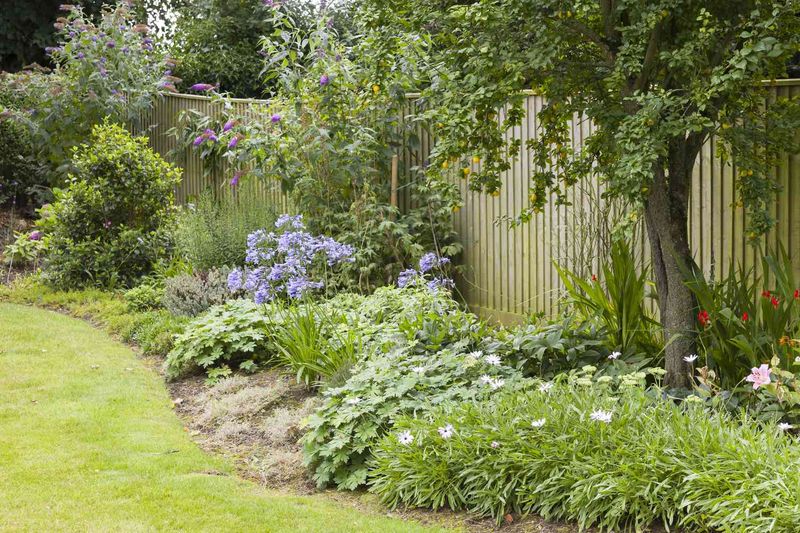
Short, manicured grass offers fireflies almost nothing useful. Adult fireflies rest in tall vegetation during the day and perch on grass blades at night to flash and watch for responses.
A yard mowed to golf-course length gives them nowhere comfortable to land or signal from.
Leaving a strip of taller grass along fence lines, property edges, or garden borders takes very little space but provides big benefits. Even a two-foot-wide strip of grass left at four to six inches tall gives fireflies resting spots and protection from wind.
It also supports the small prey insects that firefly larvae hunt in the soil below.
You do not need a wild, overgrown yard to make this work. A few deliberately unmowed patches near the edges look intentional when kept tidy around the borders.
Neighbors rarely notice a narrow strip along a back fence, especially if the rest of the lawn is neatly maintained.
Avoid mowing these edge strips too often during peak firefly season from late May through July. Frequent mowing removes resting adults and disturbs larvae in the soil below.
Letting these small zones grow a little wild consistently makes a measurable difference in firefly activity over a single season.
4. Watering Garden Beds So Soil Stays Damp After Sunset
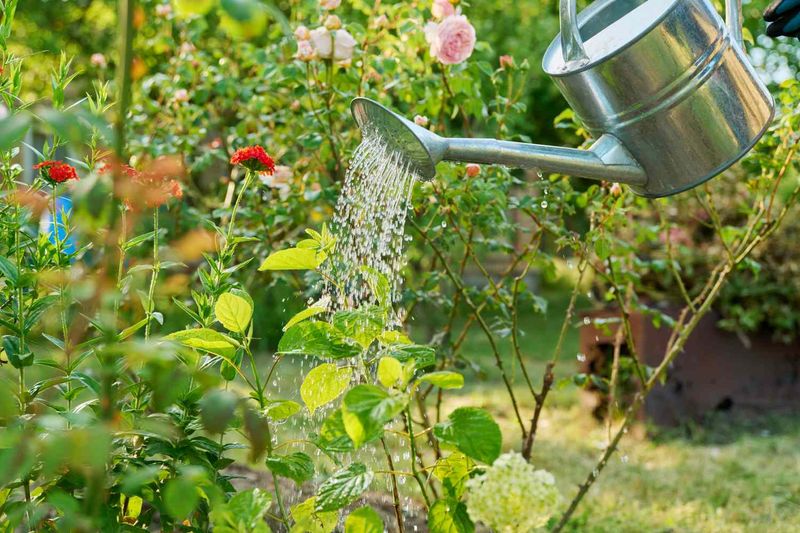
Moisture is something fireflies absolutely need, and not just for adult comfort. Firefly larvae live in soil and require consistent dampness to move, hunt, and survive through their development.
Dry, compacted ground makes it nearly impossible for them to thrive underground.
Evening watering keeps the soil surface moist through the night, which is exactly when adult fireflies are most active near the ground. It also draws earthworms and small slugs closer to the surface, giving larvae an accessible food source.
Consistent moisture levels encourage larvae to stay in your yard rather than migrating toward wetter spots elsewhere.
Drip irrigation or soaker hoses work better than overhead sprinklers for this purpose. They deliver water directly to the soil without disturbing adult fireflies resting on nearby plants.
Overhead sprinklers can knock adults off vegetation and disrupt their signaling behavior during peak evening hours.
Sandy soils common in parts of the state drain quickly and may need more frequent watering to stay adequately moist. Adding organic matter like compost to garden beds improves water retention significantly over time.
Aim for soil that feels like a wrung-out sponge at nightfall rather than bone dry or waterlogged.
5. Avoiding Heavy Mosquito Sprays During Peak Evening Activity
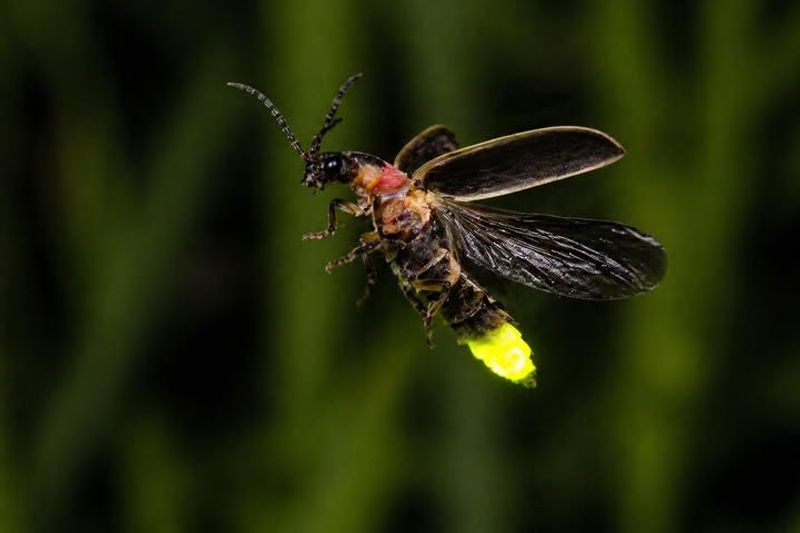
Broad-spectrum mosquito sprays do not just target mosquitoes. Pyrethroids and similar chemicals used in yard foggers affect a wide range of insects, including fireflies and the small invertebrates their larvae feed on.
Spraying heavily during evening hours hits fireflies directly at the time they are most active and visible.
Many pest control services apply treatments at dusk, which is precisely when fireflies begin flashing. Even a single application during peak season can noticeably reduce firefly numbers in your yard for days afterward.
Repeated treatments throughout summer compound that impact significantly.
Spot treatments for mosquitoes work better than whole-yard fogging if firefly habitat is a priority. Targeting standing water, dense shrub interiors, and shaded resting spots for mosquitoes reduces populations without blanket chemical exposure.
Biological controls like Bti dunks in water features are another option that poses far less risk to beneficial insects.
Fans on patios and decks can deter mosquitoes near seating areas without any chemical use at all. Mosquitoes are weak fliers and avoid areas with consistent airflow.
Reducing standing water sources around the yard cuts mosquito breeding opportunities before they become a problem.
6. Keeping Small Brush Piles In Less-Disturbed Corners
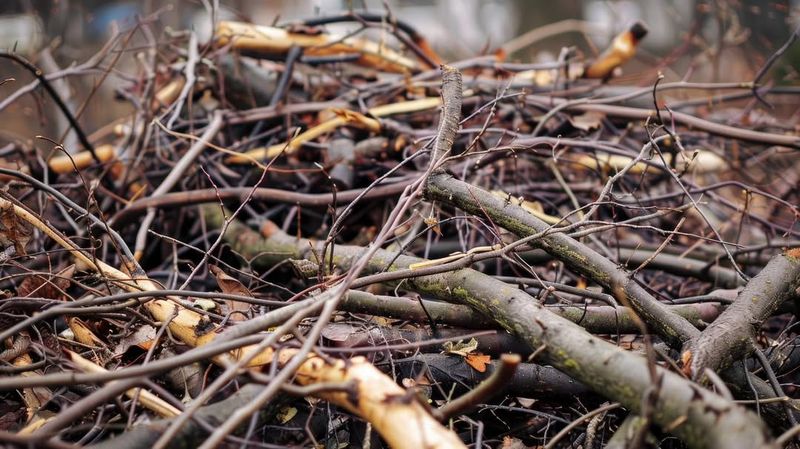
Brush piles look messy to some people, but fireflies see them as prime real estate. Rotting wood, decomposing bark, and layered sticks create the dark, moist microhabitats that firefly larvae actively seek out.
A small pile tucked into a back corner can quietly support an entire local population over multiple seasons.
Logs and sticks break down slowly, releasing moisture and supporting fungi that in turn feed the small organisms larvae consume. Even a modest pile of branches left from pruning provides this benefit without requiring any special materials or setup.
The key is leaving it undisturbed once it is in place.
Placement matters more than size. Shaded corners near fence lines, behind garden beds, or under large shrubs work best.
Full-sun locations dry out too quickly to hold the moisture firefly larvae prefer. Shade keeps decomposition active and humidity levels higher throughout warm months.
Resist the urge to clean these areas out each spring. Disturbing a brush pile during early spring disrupts larvae that may be developing just beneath the surface.
Letting the pile stay undisturbed gives fireflies time to complete their full life cycle.
7. Allowing Mulch To Build Up Around Shaded Garden Areas
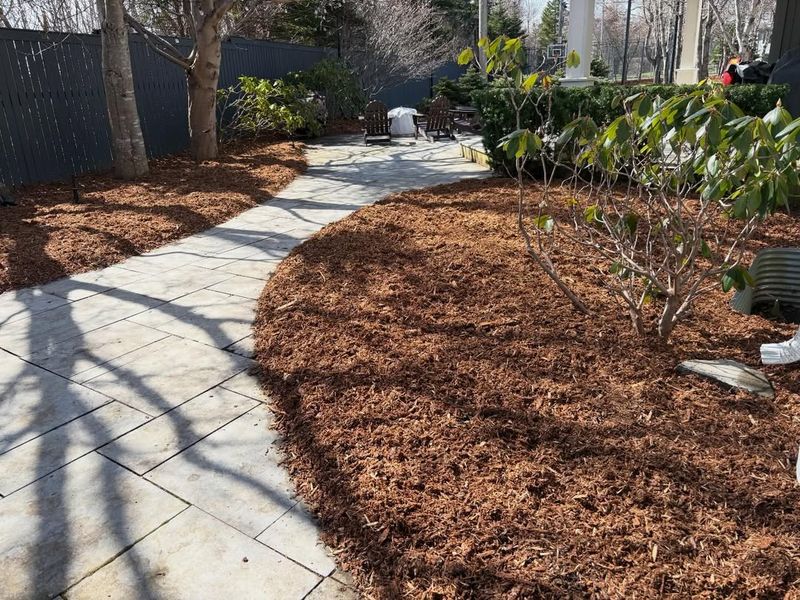
A thick layer of organic mulch does more than suppress weeds around garden beds. It holds moisture, moderates soil temperature, and creates a loose, hospitable layer that firefly larvae can move through easily.
Bare soil bakes hard in summer heat and becomes nearly impenetrable for small larvae trying to navigate underground.
Wood chip mulch, shredded bark, and leaf-based mulch all work well. Avoid rubber or synthetic mulch entirely since those materials offer no organic benefit and do not support the soil life firefly larvae depend on.
Organic mulch breaks down gradually and feeds the microorganisms that larvae hunt as they develop.
Depth matters here. Aim for two to three inches of mulch in shaded garden areas rather than a thin scattering.
Deeper mulch retains moisture longer after rain and stays cooler during the hottest parts of summer afternoons. Firefly larvae tend to concentrate in these cooler, moister zones beneath the mulch surface.
Refresh mulch once a year rather than removing and replacing it entirely. Letting older layers remain underneath preserves the decomposing organic matter that supports larvae and soil invertebrates.
Shaded areas under large trees and north-facing garden beds are especially valuable spots to build mulch depth.
Across Georgia, fireflies tend to gather most in garden areas that stay shaded, moist, and heavily mulched through summer.