The Best Drought-Tolerant Arizona Plants For Full Sun Slopes That Stay Green Through Summer
Arizona slopes do not exactly roll out the welcome mat for plants. They are hot, rocky, windy, and often tilted just enough to make water run off before roots get a decent sip.
Add gravel, block walls, and triple-digit afternoons, and suddenly that slope feels less like a garden bed and more like a plant endurance test.
Still, some desert-smart plants are built for this kind of drama. They stay green, grip the soil, soften harsh edges, and make steep spaces look intentional instead of forgotten.
A good slope planting can turn a tricky bank into one of the best-looking parts of the yard.
The secret is choosing plants that can handle full sun, fast drainage, and Arizona heat without needing constant pampering. Tough, tidy, and useful is the sweet spot here.
1. Trailing Indigo Bush Holds Slopes In Heat
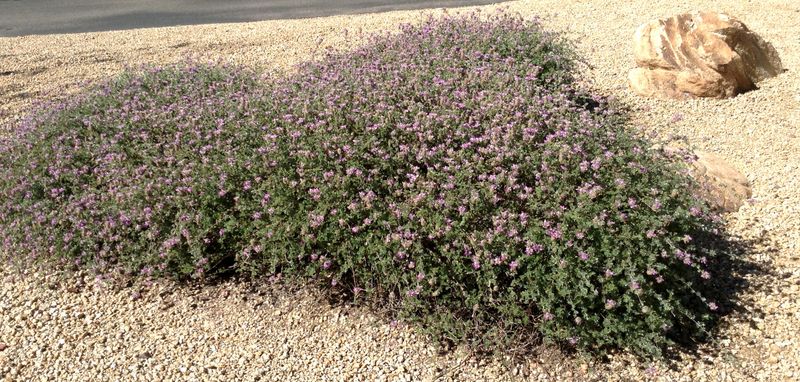
On a gravel bank baking under the Arizona sun, trailing indigo bush earns its reputation fast. This low-growing, spreading shrub is a native plant in the Southwest and handles steep, dry slopes with impressive staying power.
Its fine-textured green foliage stays on the plant through summer, providing ground-level coverage that helps hold soil in place during monsoon rains.
Trailing indigo bush spreads outward rather than growing tall, which makes it a smart choice for slopes where you want coverage without bulk.
It produces small purple to violet flowers in spring and sometimes again after summer rains, adding seasonal color to an otherwise tough landscape.
The plant typically reaches about one foot in height while spreading several feet wide.
In Arizona landscapes, it fits naturally into rock gardens, gravel beds, and low-water slopes where erosion is a concern. During establishment, regular irrigation helps the roots anchor into rocky soil.
Once settled in, occasional deep watering through dry stretches supports healthy foliage. Avoid overwatering, as this plant prefers lean, well-drained conditions.
It rarely needs pruning and handles reflected heat from walls and paving without much stress.
2. Damianita Adds Green Cover And Yellow Blooms
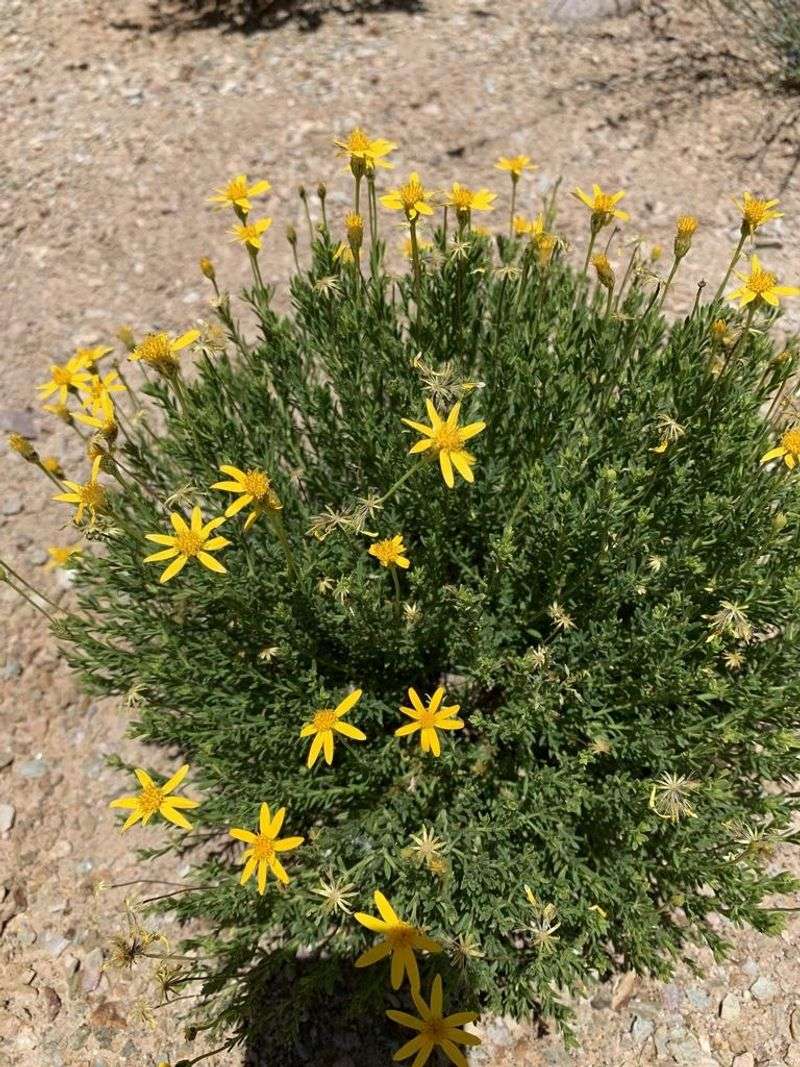
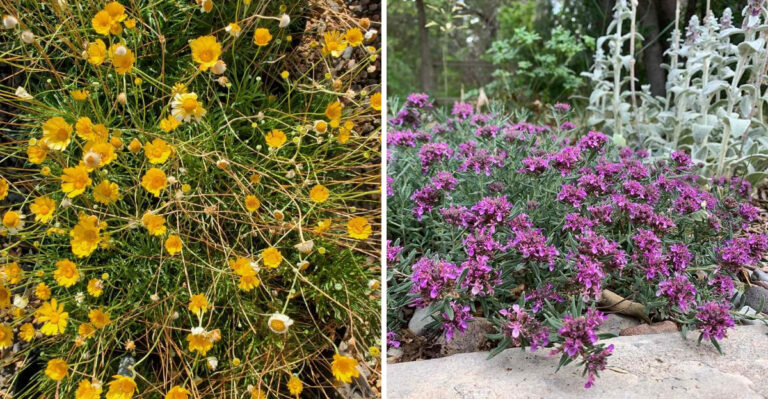
Few low-growing plants match damianita when it comes to combining reliable greenery with cheerful yellow flowers on a hot Arizona slope.
This compact, mounding shrub is native to the Chihuahuan Desert region and handles full sun, rocky soils, and reflected heat without complaint.
Its needle-like foliage stays green through summer, even when temperatures are consistently above 100 degrees.
Damianita blooms heavily in spring and often puts on a second show after summer monsoon rains arrive. The bright yellow, daisy-like flowers cover the plant and attract pollinators, making it a lively addition to any Arizona xeriscape.
Mature plants typically reach one to two feet tall and spread about two feet wide, forming a dense mound that suppresses weeds and helps stabilize slopes.
This plant works well along driveway edges, retaining wall tops, rock gardens, and gravel slopes where drainage is excellent. It tolerates poor, alkaline soils common across Arizona without needing amendments.
During the first growing season, consistent irrigation helps roots establish in fast-draining ground. After that, deep but infrequent watering through dry spells keeps it healthy.
Your Arizona Garden Changes Every Week. Your Plan Should Too.
Gardening in Arizona changes quickly throughout the season. Every Friday you’ll receive a simple weekly plan showing exactly what to plant, prune, fertilize, harvest, and protect so you never miss the right timing.
Damianita rarely needs pruning, though a light trim after flowering can encourage a tighter, tidier shape.
3. Trailing Rosemary Spills Over Sunny Slopes
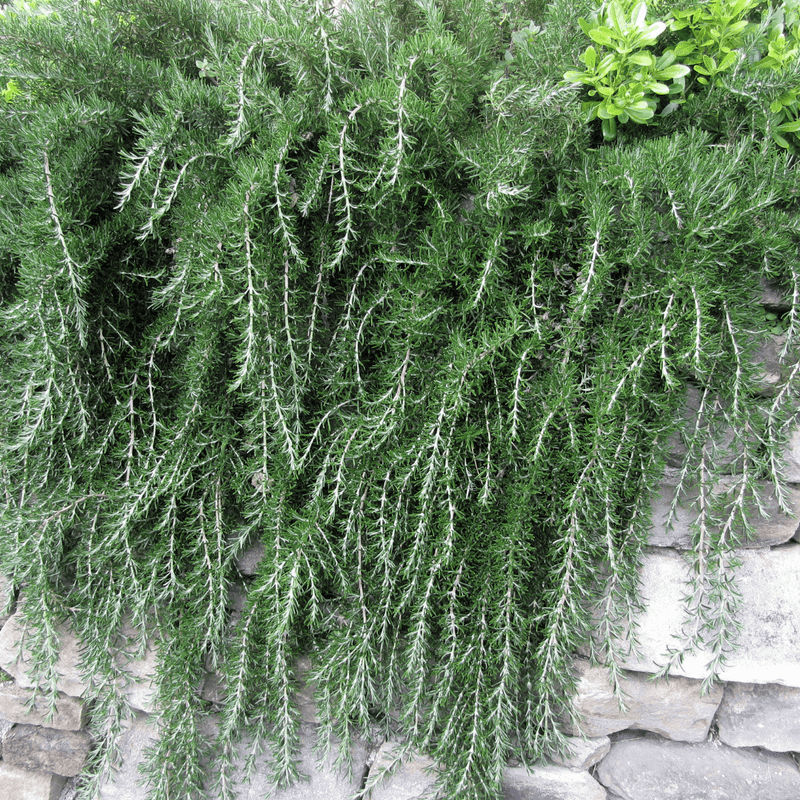
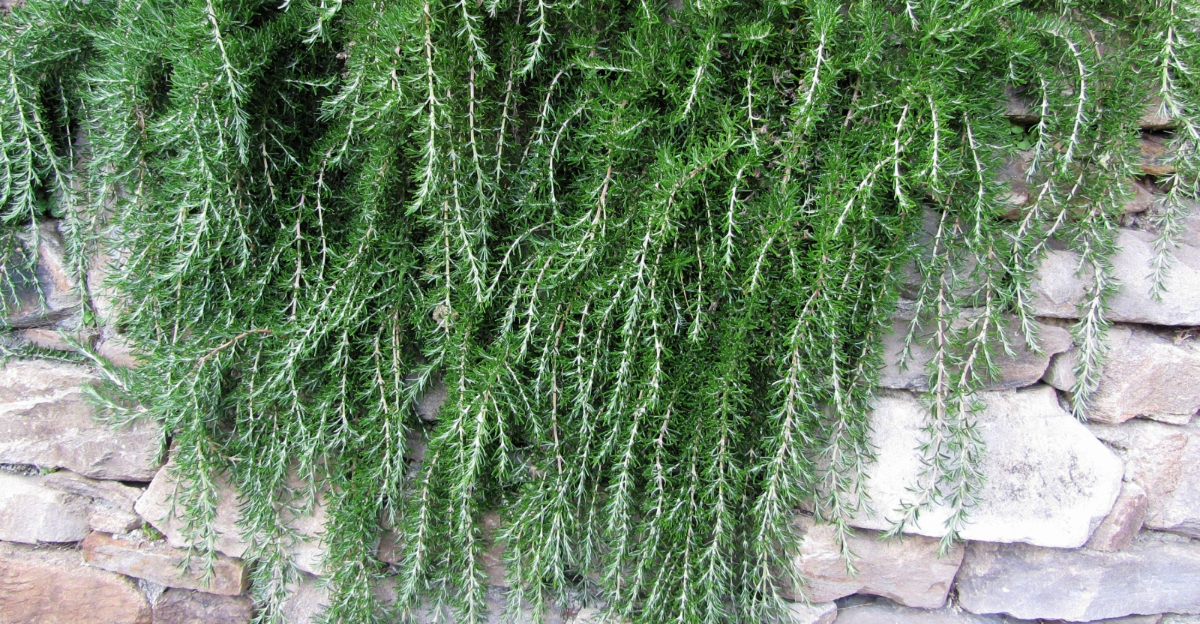
Spilling over the edge of a retaining wall or tumbling down a gravel slope, trailing rosemary brings a Mediterranean charm that fits right into Arizona’s dry landscape style.
Unlike upright rosemary varieties, this low-growing form spreads horizontally, making it a natural fit for banks, raised beds, and slopes where you want a plant that flows rather than stands upright.
Its narrow, aromatic leaves stay a rich green color even during the hottest Arizona summers.
Trailing rosemary produces small blue to lavender flowers mainly in late winter and spring, though scattered blooms can appear at other times of year.
The fragrance is pleasant and the foliage is deer-resistant, which is a welcome bonus in areas where wildlife browsing is a concern.
Plants spread several feet wide while staying low to the ground, providing meaningful soil coverage on erosion-prone slopes.
In Arizona, trailing rosemary performs best in full sun with excellent drainage. Rocky or sandy soils suit it well, and clay-heavy spots should be amended before planting.
New plants benefit from regular irrigation during the establishment period, typically the first one to two growing seasons.
Once roots are established, deep and occasional watering during dry stretches is enough to maintain healthy, green foliage throughout summer.
4. Blue Euphorbia Brings Blue-Green Texture
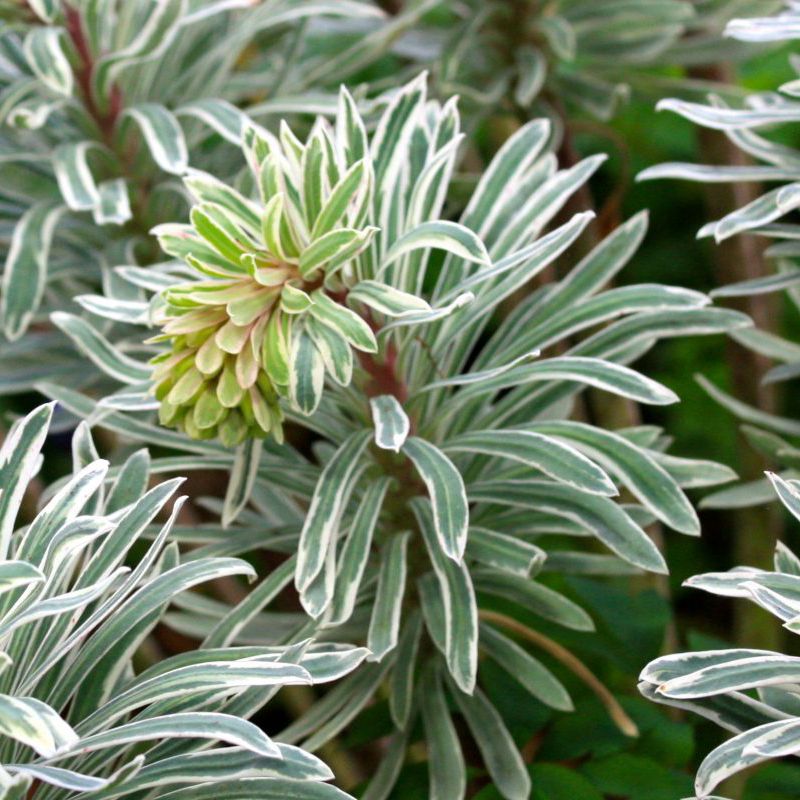
When summer heat radiates off a gravel slope and most plants look stressed, blue euphorbia stands out for all the right reasons.
Its thick, waxy, blue-green leaves have a sculptural quality that adds bold texture to Arizona landscapes, and the color holds up well even during the most intense heat of July and August.
This plant has a mounding, somewhat spreading habit that makes it useful for covering ground on dry slopes without growing out of control.
Blue euphorbia is a succulent-like shrub that stores moisture in its stems and leaves, giving it a natural advantage in Arizona’s dry climate. It handles reflected heat from walls, paving, and gravel beds better than many traditional shrubs.
The plant produces small yellow flowers in spring, though its foliage is the real attraction throughout the year. Mature plants generally reach two to three feet tall and wide.
Excellent drainage is essential for blue euphorbia in Arizona, as standing water or overly moist soil can cause root problems. It works well in raised rock gardens, gravel slopes, and dry banks where water moves through quickly.
Irrigation during establishment supports strong root development. After roots are settled, this plant is quite self-sufficient and needs only occasional deep watering during extended dry periods to maintain its striking appearance.
5. Turpentine Bush Stays Compact And Tough
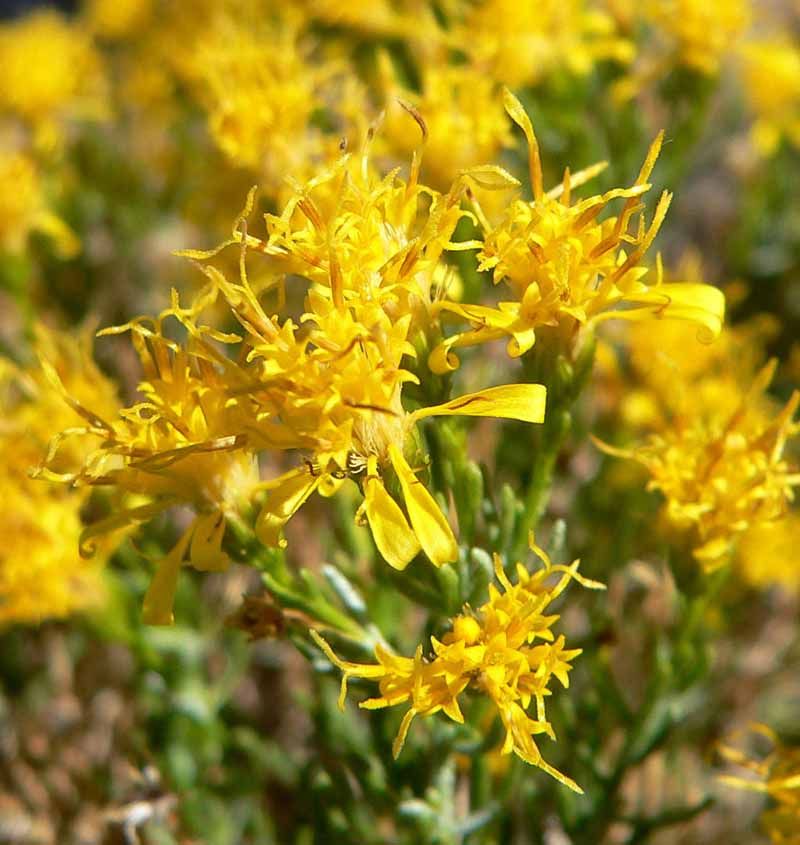
Rocky hillsides and exposed gravel banks across the Sonoran and Chihuahuan Desert regions are natural home territory for turpentine bush.
This compact, upright shrub gets its common name from the resinous scent released when its leaves are brushed or crushed.
Despite that pungent quality, it is a low-maintenance, hardy plant that earns its place on Arizona slopes by staying green and holding its shape through summer without much fuss.
Turpentine bush blooms in fall with clusters of small golden-yellow flowers that brighten up the landscape when many other plants have finished for the season.
The timing of those blooms makes it a standout in Arizona rock gardens and gravel slopes where late-season color is rare.
Plants typically grow two to four feet tall and wide, forming a tidy mound that does not need regular pruning to stay looking neat.
Full sun and well-drained soil are the main requirements for turpentine bush in Arizona. It adapts to rocky, alkaline soils without needing soil amendments or fertilizer.
New plants need consistent irrigation to establish their root systems in fast-draining ground. Once established, turpentine bush handles dry conditions with minimal supplemental watering.
It also holds soil on slopes effectively and shows good resistance to browsing deer in areas where that is a common concern.
6. Texas Sage Handles Full Sun Slopes
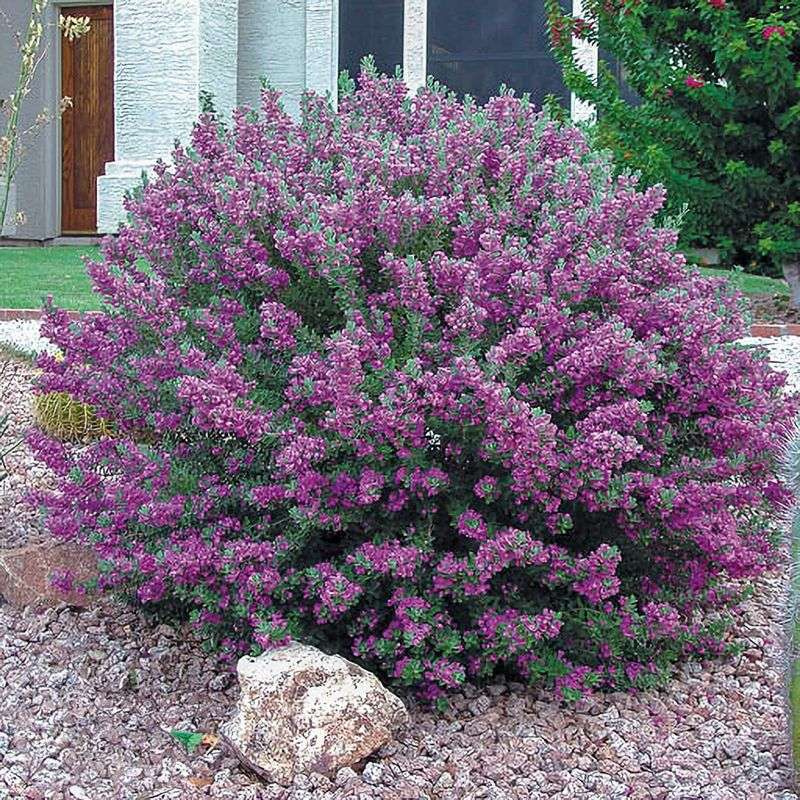
Walk through almost any established Arizona neighborhood and you are likely to spot Texas sage growing along a slope, driveway edge, or retaining wall.
Also known as cenizo or purple sage, this tough shrub has silvery-gray foliage that reflects heat and light, helping it stay cooler than darker-leaved plants during Arizona’s most intense summer days.
Its compact, rounded shape works naturally on slopes where a tidy, low-maintenance appearance matters.
Texas sage is most famous for its purple to magenta flowers, which often burst open after humidity rises ahead of summer monsoon rains. In Arizona, that connection to moisture in the air has earned it the nickname barometer bush in some circles.
Flowering can be dramatic and sudden, covering the plant in color almost overnight. Plants generally grow four to six feet tall and wide, though smaller cultivars are available for tighter spaces.
Full sun and fast-draining soil are essential for Texas sage to look its best in Arizona. It handles reflected heat from walls and paving well and tolerates the alkaline soils common across the state.
During establishment, regular watering helps roots anchor into rocky or sandy ground. Once established, deep and infrequent irrigation through extended dry periods helps maintain foliage density.
Avoid overwatering, as soggy conditions can lead to leggy growth and reduced flowering.
7. Chihuahuan Sage Adds Silver-Green Structure
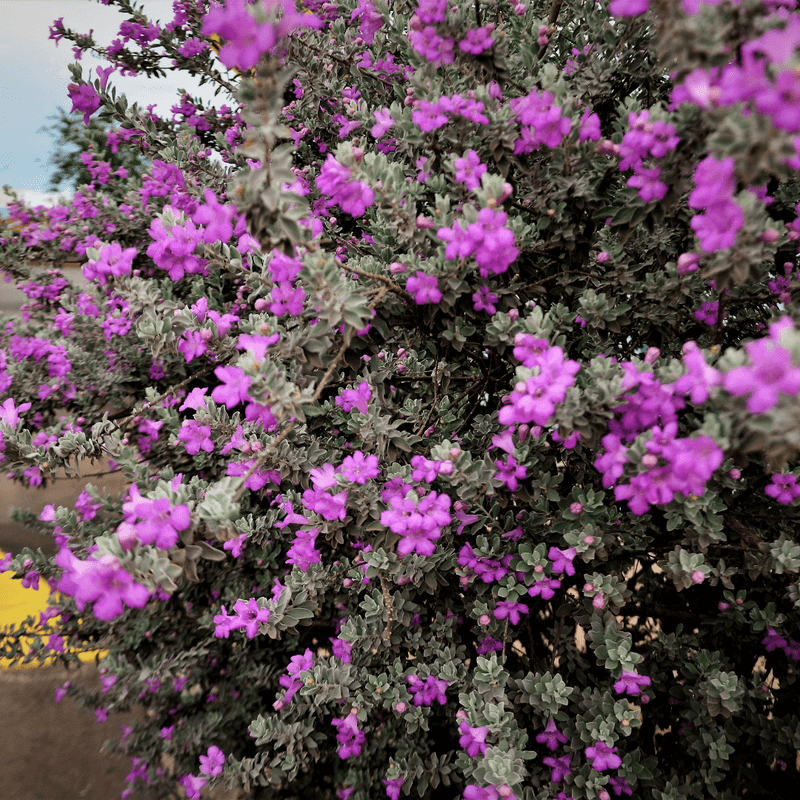
Silver-green foliage that catches the light on a dry Arizona bank is one of the most appealing qualities Chihuahuan sage brings to a landscape.
This upright, aromatic shrub has narrow, soft leaves covered in fine hairs that give the plant its distinctive pale color and help reduce moisture loss in dry, windy conditions.
On full-sun slopes where reflected heat and low humidity are constant challenges, that adaptation is genuinely useful.
Chihuahuan sage blooms in late spring and early summer with spikes of small white to pale lavender flowers that attract native bees and butterflies. After flowering, the silver-green foliage remains the main visual draw through the rest of the summer.
Plants typically reach three to five feet tall and spread two to four feet wide, providing solid visual structure on gravel banks and rock gardens without overwhelming surrounding plantings.
In Arizona, Chihuahuan sage performs best in well-drained, lean soils with full sun exposure. It handles the alkaline conditions typical across much of the state without needing soil amendments.
During the establishment period, consistent irrigation helps roots develop in rocky or sandy ground. Once the plant is settled in, occasional deep watering during prolonged dry stretches is enough to keep foliage looking healthy and full.
Light pruning after flowering helps maintain a tidy, structured shape on slopes.
8. Jojoba Stays Evergreen In Dry Heat
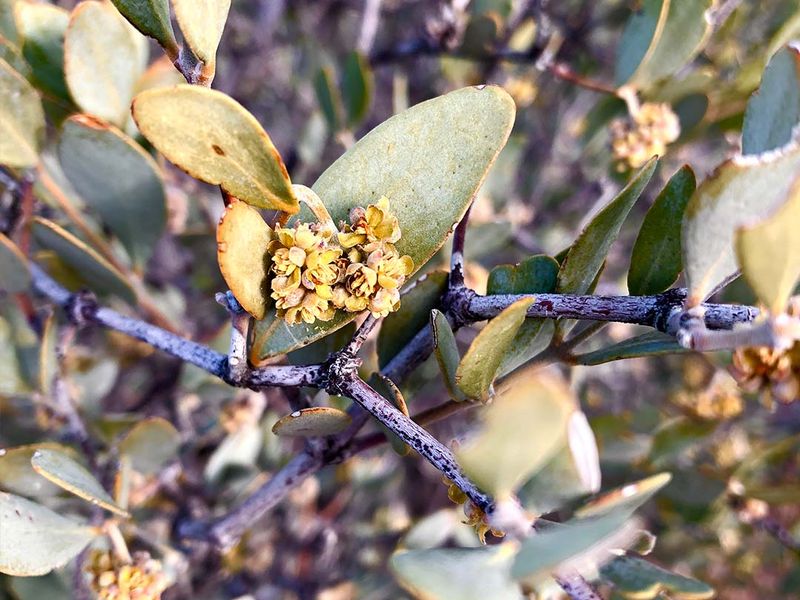
Year-round greenery on a hot, dry Arizona slope is something gardeners genuinely appreciate, and jojoba delivers that without demanding much in return.
This native Sonoran Desert shrub has thick, leathery leaves that stay on the plant through every season, making it one of the most reliable evergreen choices for slopes, banks, and gravel landscapes across Arizona.
The leaves have a waxy coating that helps the plant manage moisture loss during intense summer heat.
Jojoba is dioecious, meaning male and female plants are separate. Female plants produce small, acorn-like seeds that are well known for their use in cosmetic and skincare products.
Even without seeds, jojoba is a valuable landscape plant for its dense, rounded form and consistent foliage. Mature shrubs can reach six to ten feet tall and wide, so it works best on larger slopes where space allows for its full spread.
In Arizona, jojoba grows naturally on rocky hillsides and desert flats, which means it is already adapted to the conditions most homeowners are working with. It handles poor, alkaline soils and full sun exposure without needing special care.
New plants benefit from irrigation during establishment, especially through the first summer.
After roots are established, jojoba is remarkably self-sufficient and needs only occasional deep watering during extended dry stretches to maintain healthy, dense foliage.
9. Creosote Bush Thrives On Harsh Slopes
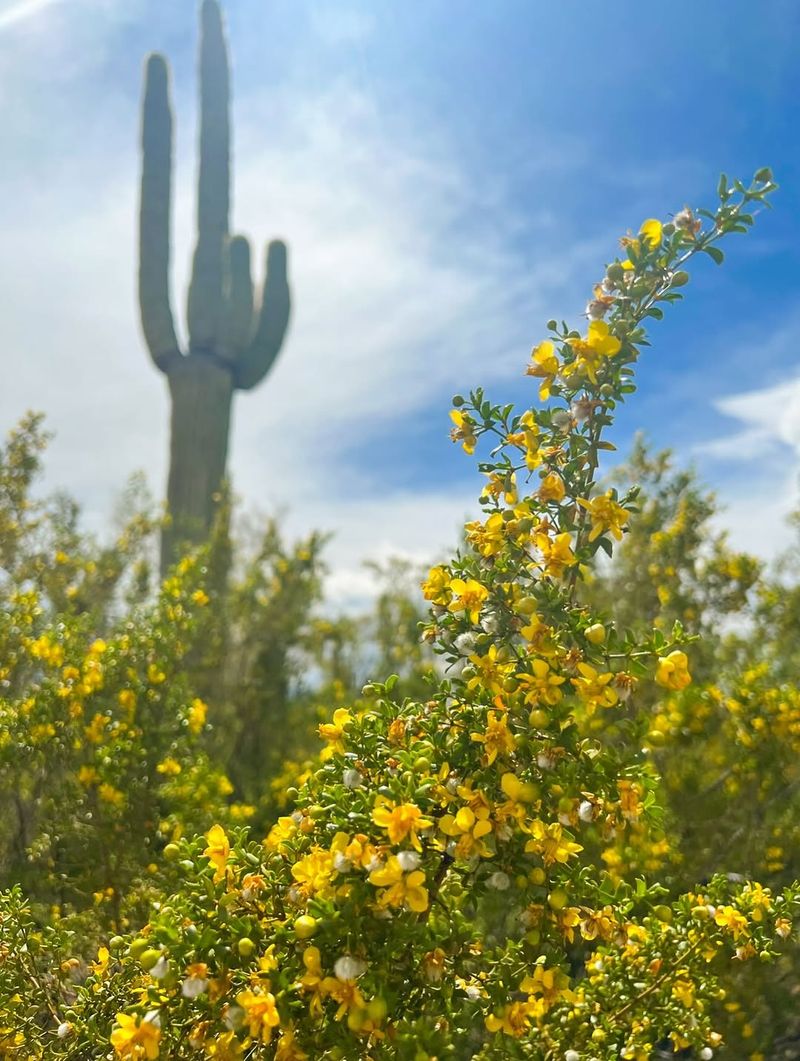
No plant says Arizona desert quite like creosote bush. Found across millions of acres of the Sonoran, Mojave, and Chihuahuan Deserts, this iconic shrub is one of the most drought-adapted plants in North America.
Its small, dark green, resinous leaves have a distinctive earthy smell after rain that many Arizona residents find deeply familiar and comforting. On a hot, exposed slope where other plants struggle, creosote bush holds its own with quiet confidence.
Creosote bush produces small yellow flowers in spring and sometimes again after monsoon rains, followed by fuzzy white seed heads that add texture to the plant.
The foliage stays on the plant year-round under most Arizona conditions, though extended extreme drought may cause some leaf drop.
Plants grow slowly and can eventually reach four to eight feet tall and wide, forming a loose, open canopy that provides partial shade at ground level.
For Arizona homeowners working with rocky banks, gravel slopes, or natural desert-style landscapes, creosote bush is a low-effort, high-reward choice.
It thrives in alkaline, fast-draining soils and handles reflected heat from rock and gravel surfaces without visible stress.
Young plants need irrigation to establish their deep root systems. Once roots are anchored, creosote bush manages extended dry periods with minimal supplemental water, making it one of the most self-sufficient slope plants available in Arizona.