The Low-Growing Oregon Natives That Suppress Weeds Better Than Anything You Can Buy
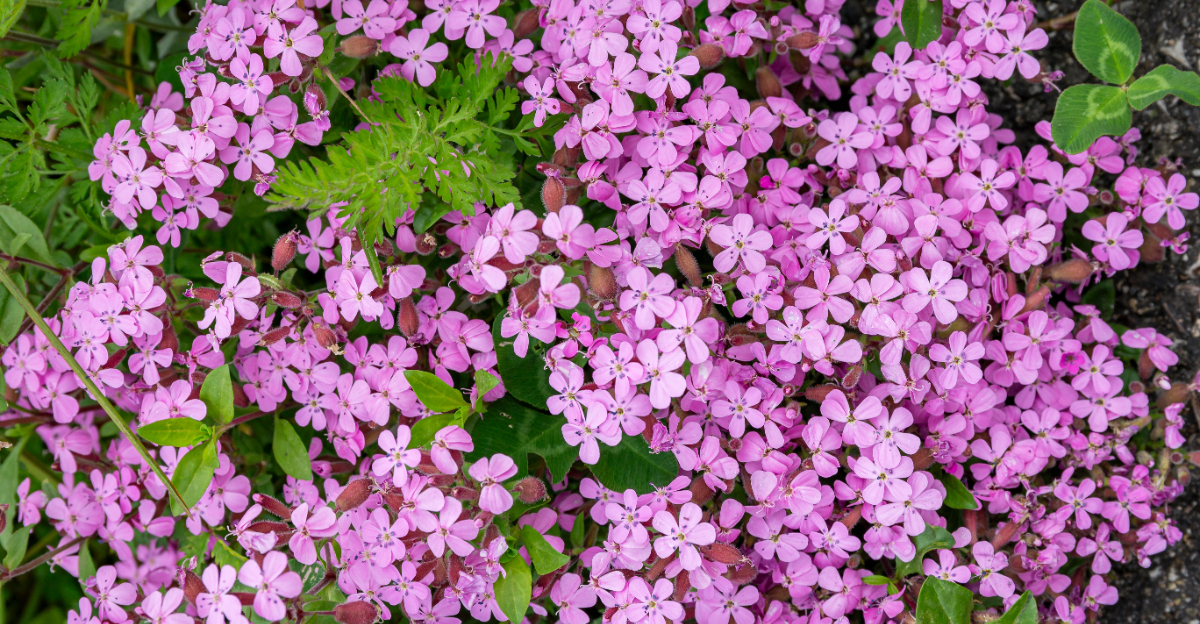
Weeds love bare soil, and they are not shy about moving in. Oregon gardeners know how fast a clean patch can turn into a green mess after a stretch of rain.
Store bought weed barriers may help for a while, but they can look stiff and wear out over time.
Low growing native plants offer a better kind of coverage. They spread across the ground, shade the soil, and make it harder for weed seeds to settle. That is not just useful.
It also looks way more alive than a sheet of fabric or a tired layer of mulch. Some native groundcovers stay tidy enough for front beds, while others work well under shrubs or along paths.
Once they settle in, they can handle Oregon’s seasons with much less fuss. A good native groundcover does not just fill space. It quietly guards it, like a tiny green bouncer with roots.
1. Western Starflower
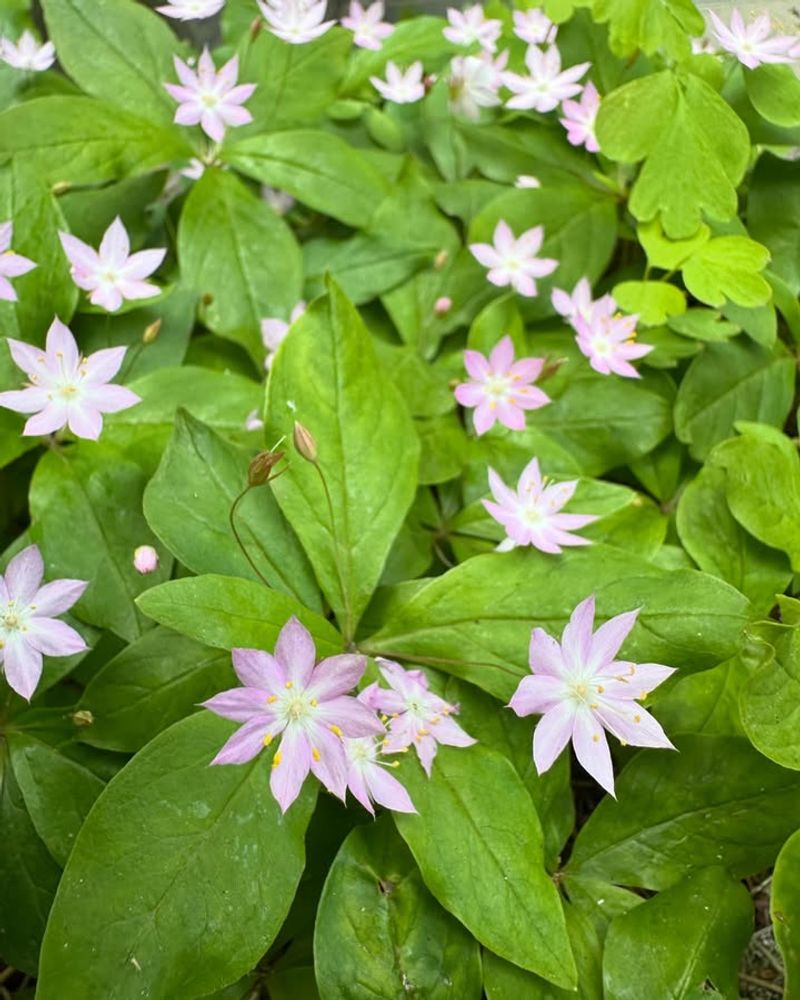
Few plants can match the quiet toughness of Western Starflower. Found naturally on shaded forest floors across the Pacific Northwest, this low-growing perennial spreads gently by underground tubers, filling in gaps that weeds love to exploit.
It rarely grows taller than six inches, making it an ideal living carpet beneath trees and shrubs.
What makes this plant special is how it handles shade. Most weed-suppressing groundcovers need at least partial sun, but Western Starflower thrives in deep shade where little else grows well.
Once it gets going, it forms a dense, connected mat that blocks weed seeds from reaching the soil.
The tiny pink or white star-shaped flowers that appear in spring are a bonus that pollinators really appreciate.
Planting it is straightforward. Space transplants or tubers about eight to ten inches apart in moist, well-drained soil with plenty of organic matter mixed in. Water regularly during the first season to help roots establish.
After that, it handles our wet winters and dry summers with very little help. Avoid planting it in full sun since the leaves will scorch and the plant will struggle. It pairs beautifully with sword ferns and native mosses for a layered forest garden look.
Western Starflower is a true low-maintenance performer that earns its place in any shaded native garden bed.
2. Threeleaf Foamflower
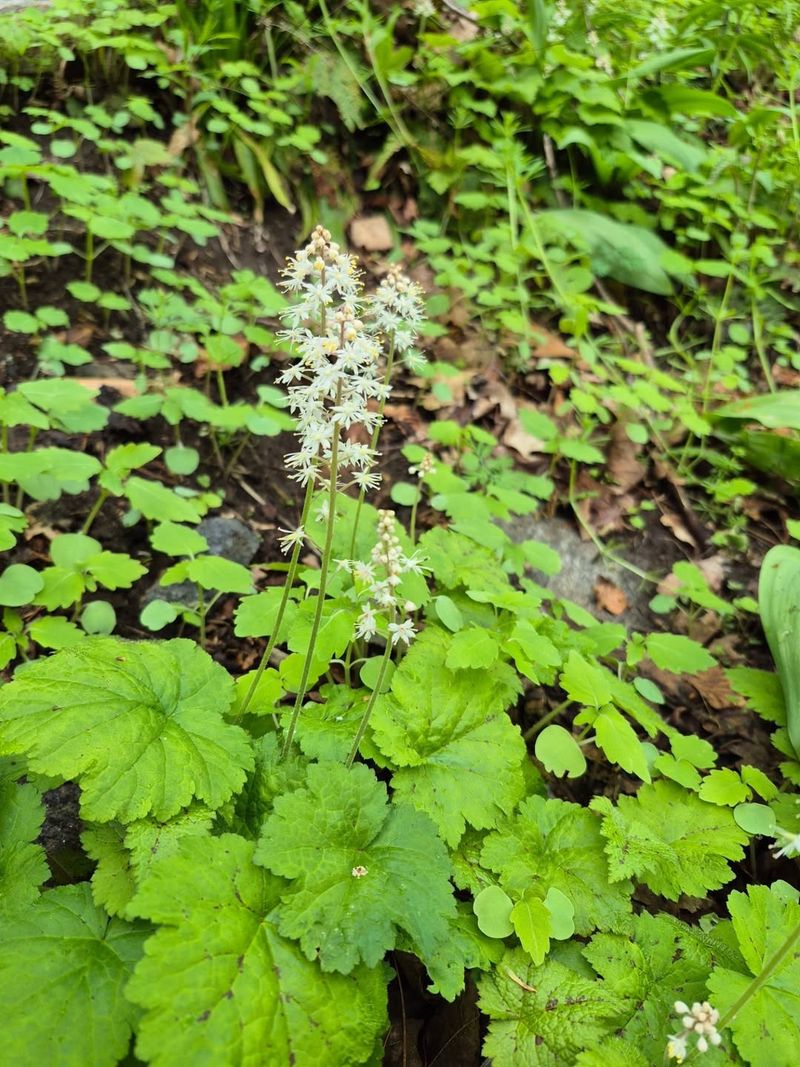
Walk through any shady ravine in the western Cascades and you will likely spot Threeleaf Foamflower doing its thing.
The delicate white flower spikes look soft and airy, but do not let that fool you. This plant is a tough, spreading groundcover that fills in garden beds so effectively that weeds barely get a chance to sprout.
The leaves are the real workhorse here. They grow in a thick, overlapping pattern that shades the soil almost completely. Weed seeds need light and warmth to germinate, and Threeleaf Foamflower cuts off both.
It spreads by stolons, which are above-ground runners that root as they go. Over time, a small planting can cover a surprisingly large area without any extra effort from you.
This plant prefers moist, humus-rich soil and partial to full shade. It does especially well under deciduous trees where leaf litter builds up naturally. Plant it about a foot apart, water it in well, and let it do its job.
Your Oregon Garden Changes Every Week. Your Plan Should Too.
Gardening in Oregon changes quickly throughout the season. Every Friday you’ll receive a simple weekly plan showing exactly what to plant, prune, fertilize, harvest, and protect so you never miss the right timing.
It tolerates wet winters without rotting, which is a big deal in western parts of this state. Threeleaf Foamflower also pairs well with native ferns, wild ginger, and bleeding heart for a layered understory planting.
Deer tend to leave it alone, and it rarely needs dividing. For shady spots that always seem to fill with weeds, this native is one of the smartest choices available.
3. False Lily-Of-The-Valley
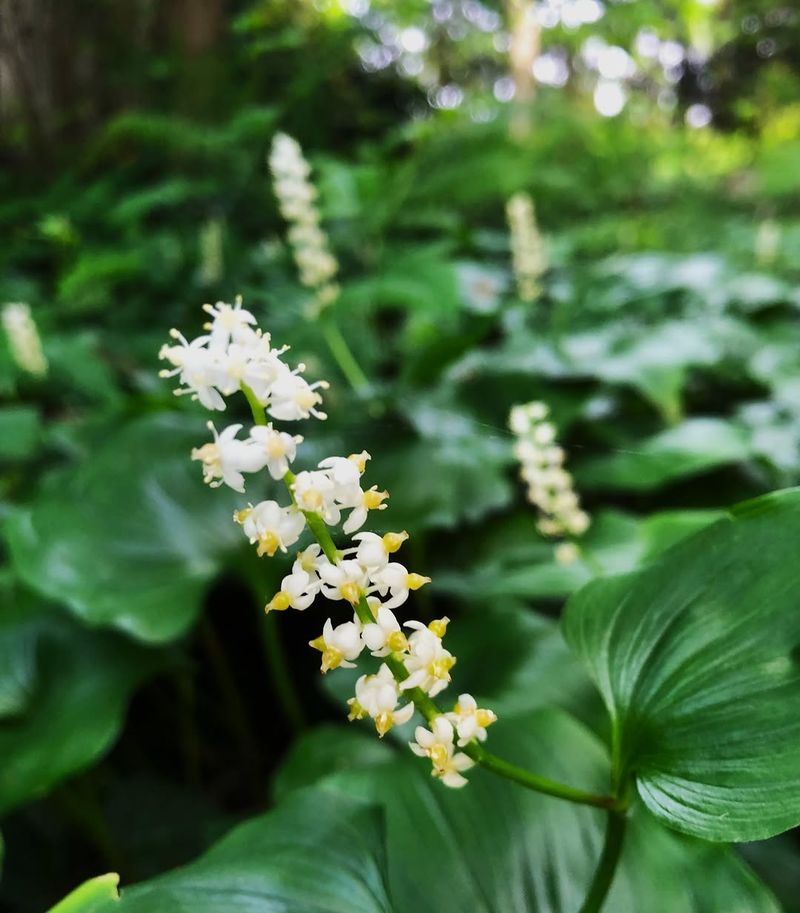
There is something almost magical about the way False Lily-of-the-Valley takes over a shady garden bed.
Give it a season or two, and it will carpet the ground so completely that weeds simply have nowhere to go. The broad, glossy leaves overlap tightly, blocking light and holding moisture in the soil below.
Native to moist forests along the Pacific Coast, this plant is perfectly tuned to the climate in western parts of our state.
It spreads through a network of underground rhizomes, expanding steadily outward each year. In spring, clusters of tiny white flowers appear above the foliage, followed by speckled red berries that birds enjoy.
The whole package makes it both functional and attractive in a naturalistic garden setting.
Plant False Lily-of-the-Valley in moist, shaded areas with rich, well-draining soil. It handles clay soils better than many groundcovers, which is a real advantage in yards with heavy soil.
Space plants about ten to twelve inches apart and water consistently during the first growing season.
Once established, it needs almost no supplemental irrigation in areas with normal rainfall. It can spread aggressively in ideal conditions, so give it room to roam or use a root barrier along edges where you want to keep it contained.
This plant is a powerhouse in shady spots, creek-side plantings, and rain gardens. Few native groundcovers can match its ability to completely eliminate weed pressure over time.
4. Slender Cinquefoil
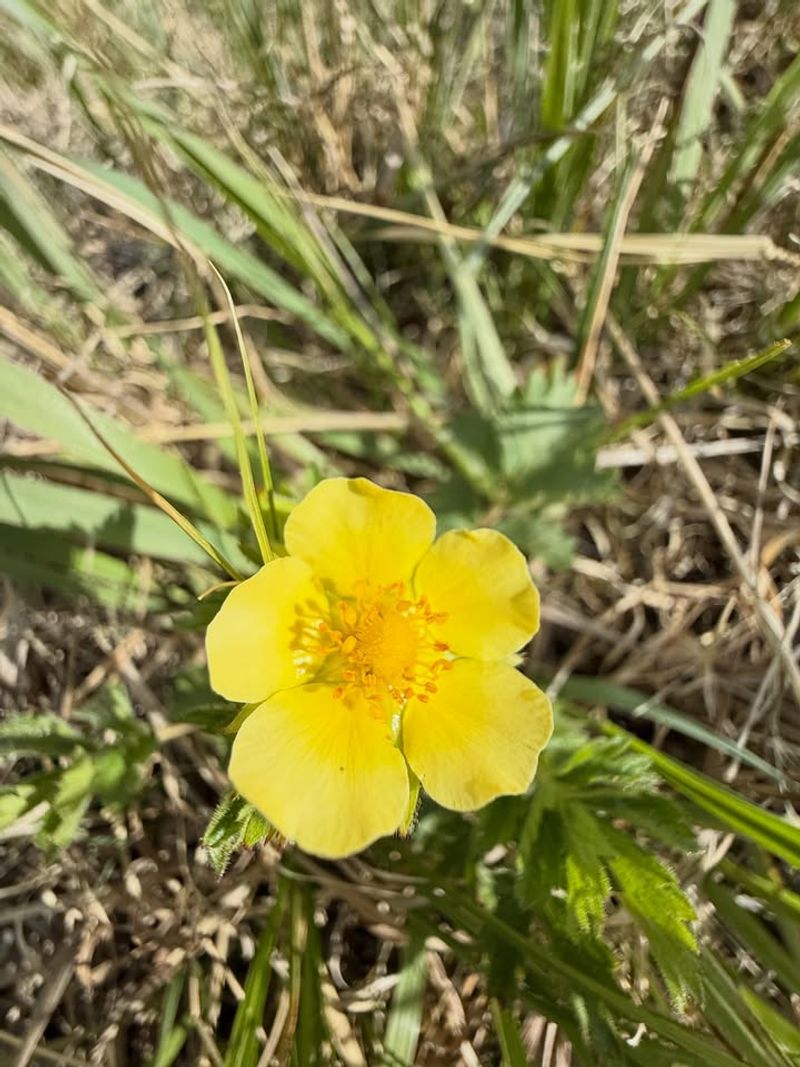
Sunny, dry, and rocky spots are usually where weeds run wild. But Slender Cinquefoil is right at home in those tough conditions, and it competes hard.
A native member of the rose family, this low-growing perennial forms spreading mats of finely divided leaves that cover bare soil fast.
The cheerful yellow flowers that bloom from late spring into summer are a nice perk for pollinators too.
What makes Slender Cinquefoil stand out is its drought tolerance. Once established, it requires almost no supplemental watering, even during dry summers common in eastern and southern parts of this state.
The dense leaf coverage shades out weed seeds and keeps the soil cooler, which slows germination of common invasive plants like thistle and bindweed.
It is a quiet but effective ground-level fighter. Plant it in well-drained soil with full sun for the best results.
It tolerates poor, rocky, or sandy soils well, which makes it useful in spots where other groundcovers refuse to grow. Space transplants about twelve inches apart and water lightly during the establishment period.
After the first season, back off on watering and let it adapt to natural rainfall patterns. Slender Cinquefoil works beautifully along dry garden edges, pathways, and slopes where erosion is a concern.
It also mixes well with native grasses and low-growing sagebrush relatives for a natural, low-water garden design that keeps weeds at bay all season long.
5. Springbank Clover
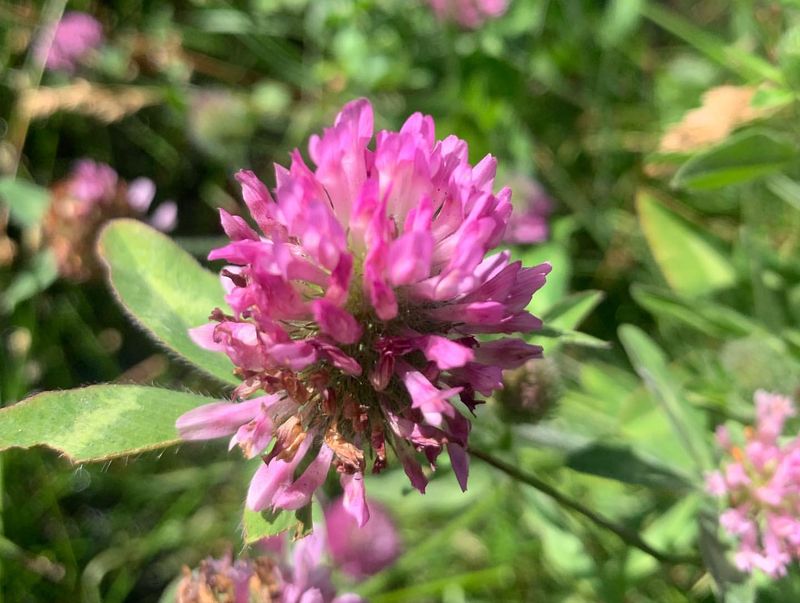
Springbank Clover has been used by Indigenous communities in this region for centuries, both as food and as a land management tool.
It is one of those plants that does multiple jobs at once. It fixes nitrogen in the soil, feeds pollinators, and spreads aggressively enough to outcompete most common weeds without any help from you.
This native clover grows low to the ground, usually under a foot tall, and spreads through both seeds and rhizomes.
The pink-purple flowers bloom through summer and attract bumblebees and other native pollinators in impressive numbers.
The dense leaf canopy shades the soil surface effectively, making it hard for weed seeds to find the light they need.
It is especially useful in moist meadow areas, streamside plantings, and low spots that stay wet in winter.
For best results, plant Springbank Clover in full sun to partial shade with consistently moist soil. It handles periodic flooding well, which sets it apart from most other native groundcovers.
Space plants about eight to ten inches apart and keep them watered during the dry season until roots are fully established.
After that, it largely takes care of itself. One thing to know is that it can spread widely over time, so plan accordingly when placing it near garden beds with smaller plants.
In a lawn alternative planting or a naturalistic meadow, though, its spreading habit is exactly what you want working in your favor.
6. Oregon Saxifrage
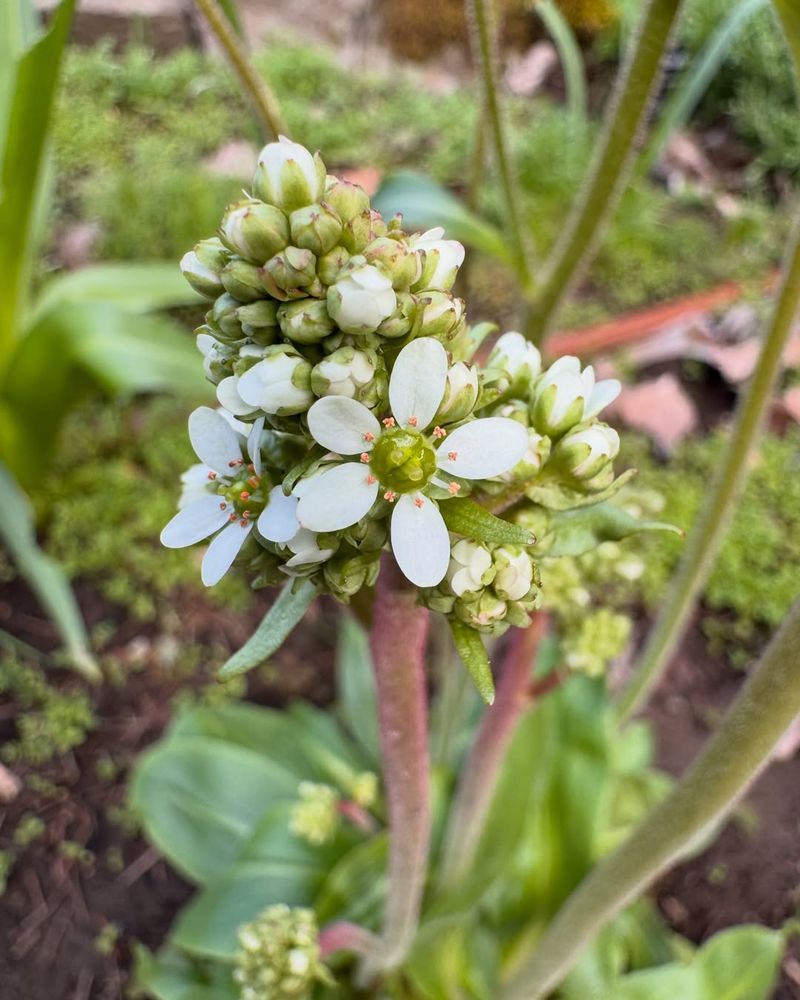
Rocky outcrops, wet meadows, and boggy garden spots are where Oregon Saxifrage truly shines.
Most groundcovers struggle in waterlogged areas, but this native perennial actually prefers them. It forms tight rosettes of dark green leaves that hug the ground closely, leaving almost no room for weeds to sneak in between plants.
The name saxifrage literally means rock-breaker, and that hints at just how tough this plant really is.
It evolved to grow in some of the most challenging environments in our state, from coastal bluffs to high-elevation seeps. That toughness translates directly into garden performance.
Once established, it holds its ground firmly against weeds and requires minimal care. The small white flower clusters that rise on slender stems in spring add a delicate, airy look to wet garden corners.
Plant Oregon Saxifrage in consistently moist to wet soil with partial shade or filtered sunlight.
It performs poorly in dry, well-drained sites, so match it carefully to the right location. Space rosettes about eight inches apart and press them gently into the soil to ensure good root contact.
Mulching lightly around new transplants helps retain moisture during establishment. This plant works particularly well along pond edges, rain gardens, and areas with poor drainage that are hard to plant with anything else.
It is also deer-resistant, which is a significant advantage in many parts of our state where deer pressure is high. A reliable, beautiful, and genuinely useful native plant.
7. Moss Campion
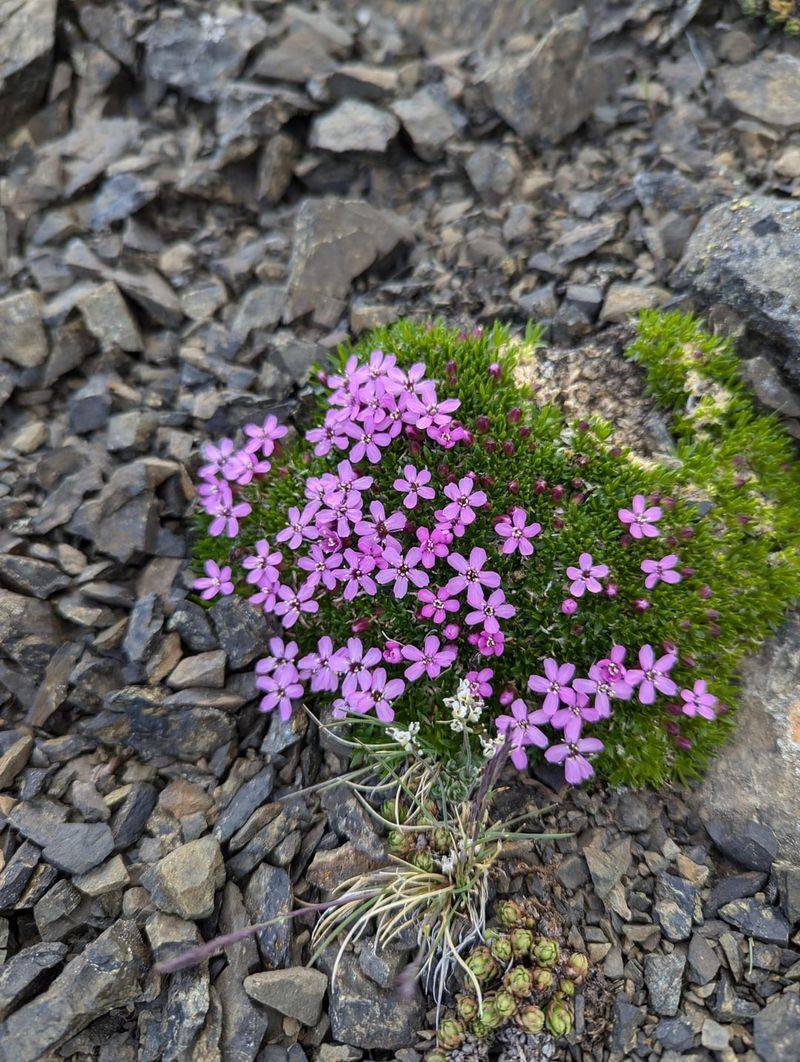
Few plants in the native plant world can match the sheer density of Moss Campion. It forms such a tight, compact cushion of tiny leaves that it looks almost more like moss than a flowering plant.
That density is exactly what makes it such a powerful weed suppressor, especially in rocky, well-drained garden spots where other groundcovers thin out.
Native to high-elevation and alpine zones in our mountains, Moss Campion has evolved to survive cold, wind, and nutrient-poor soils. In the garden, those adaptations mean it is nearly indestructible once established.
The cushion mats grow slowly but steadily, expanding outward and filling gaps in rock gardens and gravel paths.
In late spring and early summer, the whole cushion erupts in tiny bright pink flowers that look almost too perfect to be real.
Growing Moss Campion well comes down to one main rule: do not overwater it. It needs excellent drainage and is not suited for clay or waterlogged soils. Plant it in gritty, lean soil in a sunny or lightly shaded spot.
Space plants about six to eight inches apart and resist the urge to fertilize. Too much nutrients actually weakens the tight cushion habit that makes it so effective.
It is an outstanding choice for rock gardens, alpine-style beds, and areas between stepping stones.
In northern and higher-elevation gardens across this state, it is one of the most reliable low-growing weed suppressors you can find.
8. Showy Townsendia
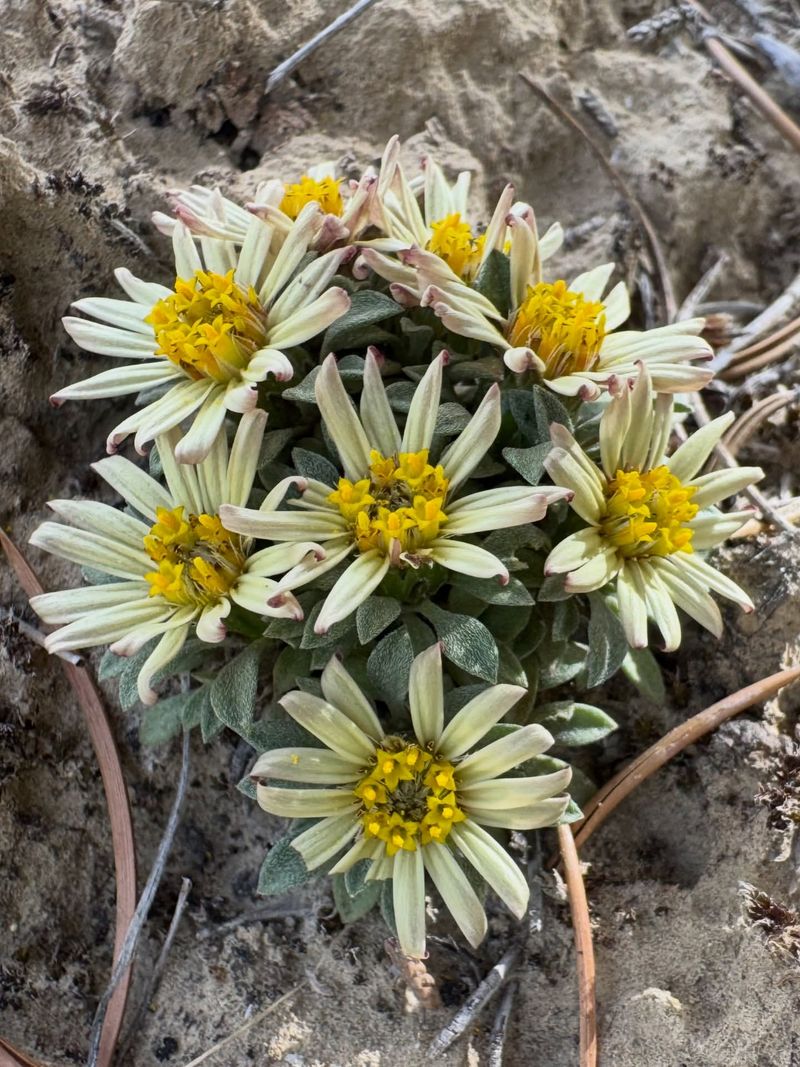
Out in the dry, open landscapes of eastern parts of this state, Showy Townsendia catches the eye immediately.
The flowers look like oversized daisies sitting almost flat on the ground, with petals ranging from white to lavender-pink surrounding a bright yellow center.
But beyond its good looks, this plant is a surprisingly tough weed-suppressor built for harsh, low-water conditions.
Showy Townsendia forms low rosettes of small, gray-green leaves that spread tightly across the soil surface. In areas where annual weeds like cheatgrass and mustard dominate, this native perennial holds its ground well.
The dense rosette habit shades bare soil and reduces the open patches that invasive plants need to get started.
It blooms in early spring, which means it is actively growing and covering ground right when weeds are most eager to sprout.
Plant it in full sun with fast-draining, sandy or rocky soil. It cannot tolerate wet feet, especially in winter, so raised beds or sloped sites work best in wetter areas of the state.
Space plants about ten inches apart and water sparingly after the first establishment season.
Showy Townsendia is a slow spreader compared to some others on this list, but its persistence and toughness in dry, neglected spots make it worth the wait.
It pairs well with other drought-tolerant natives like bitterroot and penstemon for a low-water planting that looks great and keeps weeds from taking over all season.
9. Lineleaf Daisy
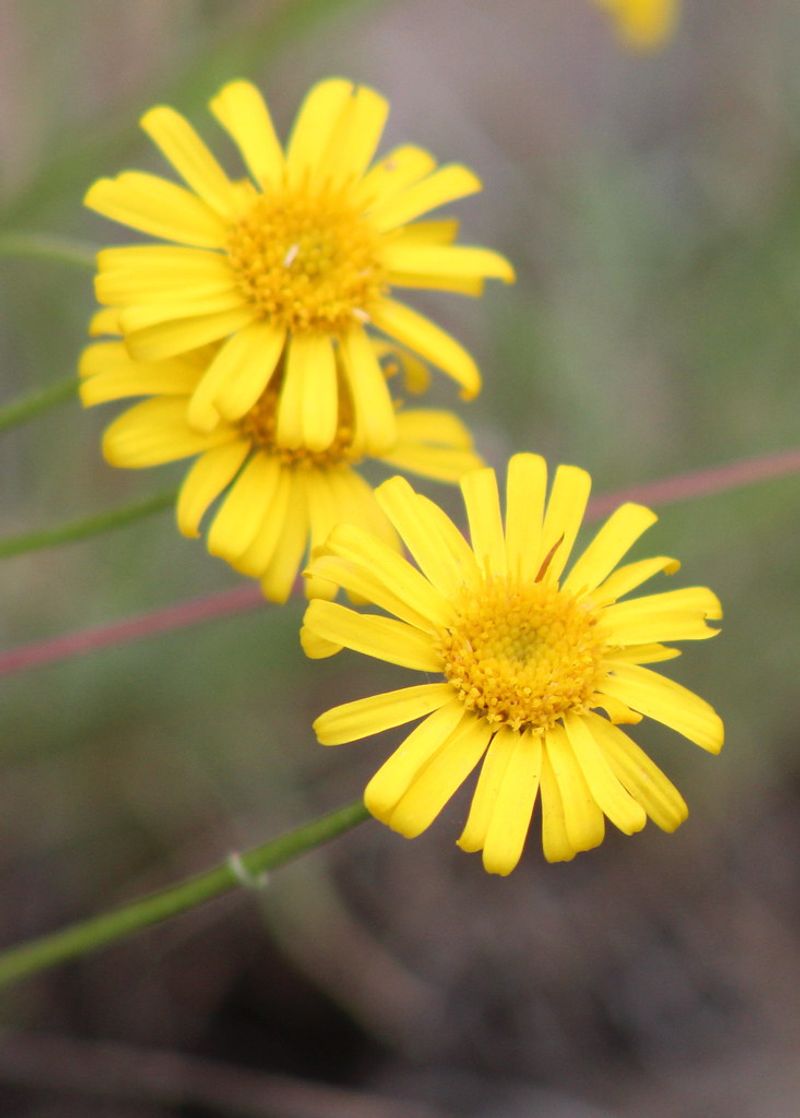
Dry slopes and rocky outcrops in our state’s interior are tough places to garden. The soil is thin, the summers are brutal, and most groundcovers give up fast. Lineleaf Daisy, though, was born for exactly those conditions.
This compact native perennial spreads into a low, wispy mat of narrow gray-green leaves that covers bare ground efficiently without needing any extra water or attention.
The bright yellow daisy flowers bloom in late spring and early summer, adding a cheerful pop of color to otherwise stark rock gardens.
But the real value of Lineleaf Daisy is in how it occupies space. The fine-textured foliage spreads steadily across the soil surface, blocking the bare patches where annual weeds get their start.
In areas where cheatgrass is a persistent problem, this plant offers genuine competition at the ground level.
Plant Lineleaf Daisy in full sun with very well-drained soil. Sandy, gravelly, or rocky substrates work best.
It struggles in heavy clay or consistently moist conditions, so choose the planting site carefully.
Space transplants about ten to twelve inches apart and water lightly during the first summer.
After that, natural rainfall is usually enough to keep it going. It works wonderfully along dry garden borders, gravel pathways, and rock gardens throughout the drier parts of this state.
Pair it with native bunch grasses or low-growing phlox for a layered, textural planting that looks natural and keeps weed pressure low all year long.