The Basil Problems Illinois Gardeners Face Every June (And Simple Ways To Avoid Them)
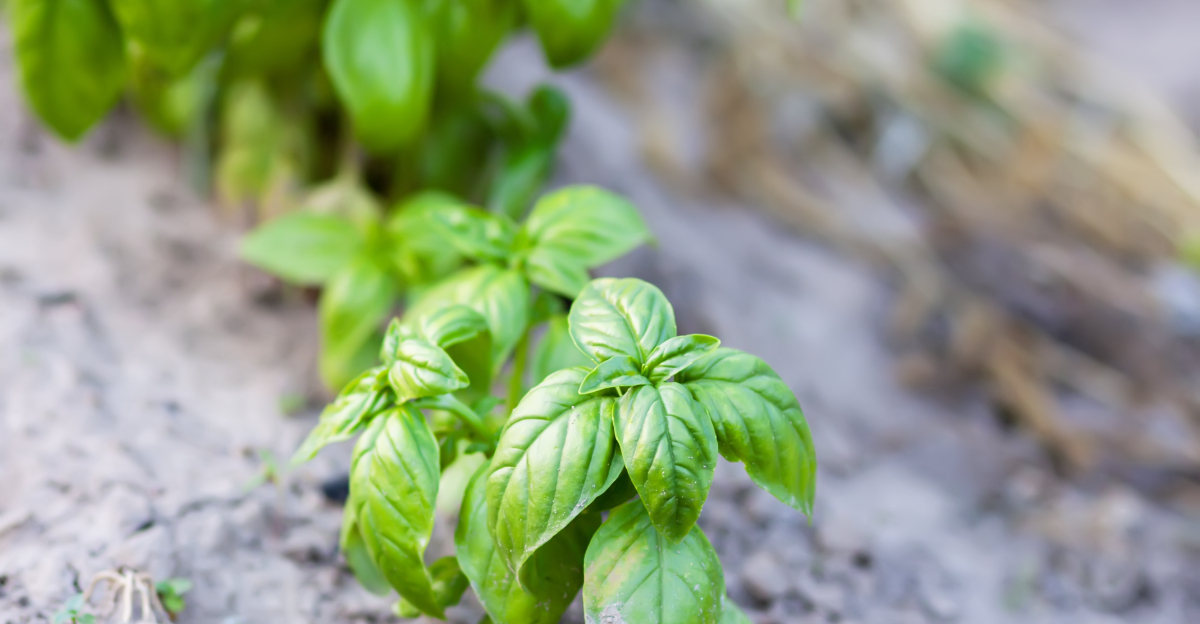
Basil has a reputation for being fussy, and Illinois summers have a reputation for being unpredictable.
Put them together in June and you’ve got a familiar story: healthy-looking transplants that slowly, stubbornly refuse to thrive.
The leaves start yellowing. The stems go woody too soon.
The whole plant seems to check out before summer even hits its stride.
The frustrating part is that June looks like the perfect month for basil on the surface.
Warm nights, long days, soil that has finally had enough time to settle.
So when things go wrong, most gardeners assume the plant is just difficult by nature and move on.
It isn’t. Basil is actually quite straightforward once you understand what stresses it out.
The problems that show up every June in Illinois tend to come from the same few sources, and none of them are hard to fix.
Knowing what to look for is most of the battle.
1. Ignoring June’s Weather Swings Sets Basil Back
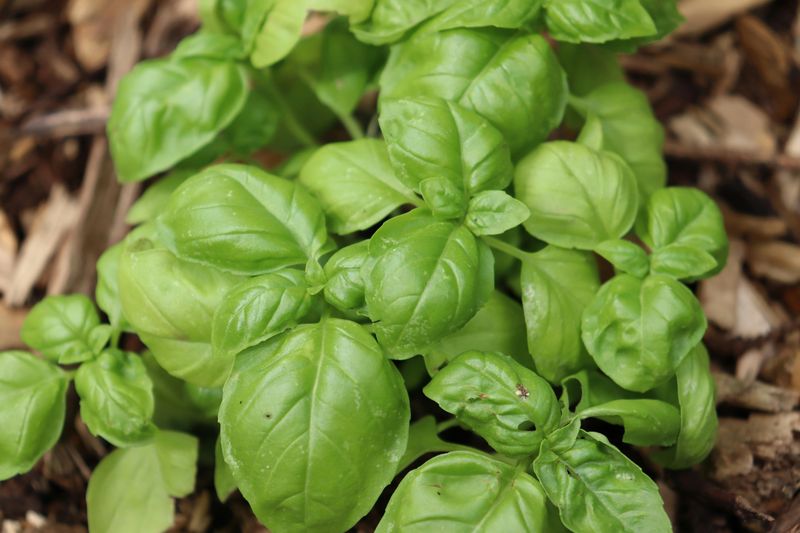
Every plant has a month that makes or breaks it, and for basil in Illinois, that month is June.
Not because June is harsh, but because June is deceptive.
The weather feels cooperative, the sun is strong, the nights are warm, and the soil has finally caught up after a slow spring.
Everything looks right, so most gardeners plant, water, and assume the hard part is over.
It isn’t.
June is when basil puts down its roots, establishes its structure, and decides whether it’s going to thrive or just survive.
The habits you build in June, how you water, when you harvest, how much sun you allow, follow the plant for the rest of the season.
Get them right and basil practically runs itself through July and August.
Get them wrong and you’ll spend the rest of summer wondering what happened.
Illinois makes this harder than it sounds.
The climate here doesn’t ease basil in gently.
June can swing from cool and overcast to brutally hot within the same week.
Humidity spikes without warning, and soil that drained fine in May can stay wet too long once temperatures climb.
Basil tolerates a lot, but it doesn’t tolerate inconsistency well.
That’s the real challenge of June in Illinois. Not any single problem, but the speed at which small mistakes compound.
A week of overwatering, a missed pruning, a planting date that was just a little too early.
None of them fatal on their own, but together they add up to a plant that never quite recovered.
June is when you set the tone, and everything that follows is easier if you get it right.
2. Planting Too Early
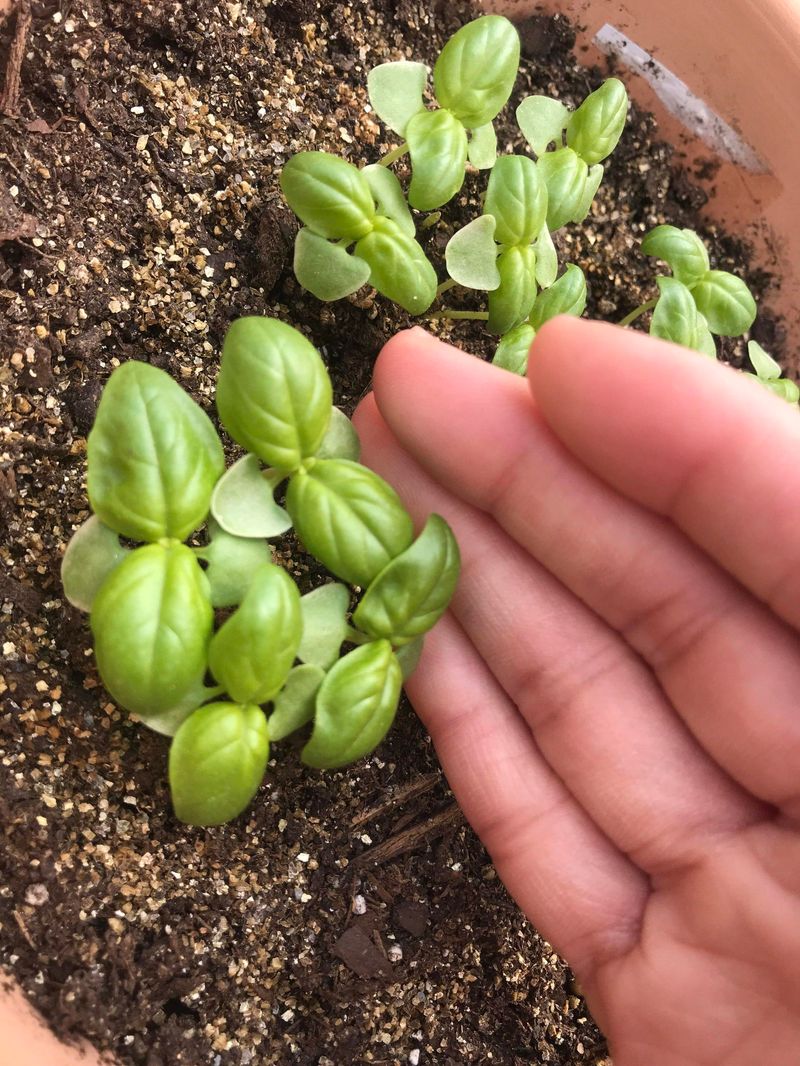
Plenty of eager gardeners make the same mistake every single spring: they rush.
The calendar says late May or early June and the nursery shelves are packed with basil starts.
The excitement of a new season takes over.
But planting too early is one of the fastest ways to set your basil up for failure before it even gets started.
Your Illinois Garden Changes Every Week. Your Plan Should Too.
Gardening in Illinois changes quickly throughout the season. Every Friday you’ll receive a simple weekly plan showing exactly what to plant, prune, fertilize, harvest, and protect so you never miss the right timing.
Illinois soil holds onto cold longer than you might expect, especially after a rainy spring.
Basil roots are incredibly sensitive to cold ground, and even a few nights below 50 degrees can cause what growers call cold shock.
Leaves turn black at the edges, growth stalls, and the plant never quite recovers its full momentum.
A simple soil thermometer costs less than ten dollars and can save an entire season.
Check the temperature at a depth of two inches before you plant, and wait until it reads a consistent 65 degrees or higher.
Patience here pays off in a big way when your neighbors are replanting and you are already harvesting.
Hardening off your seedlings also matters more than most people think.
Spend about a week setting them outside for a few hours each day before putting them in the ground.
This small habit toughens up the plant and dramatically reduces transplant shock.
The difference when moving day arrives is noticeable.
3. Overwatering In The Heat
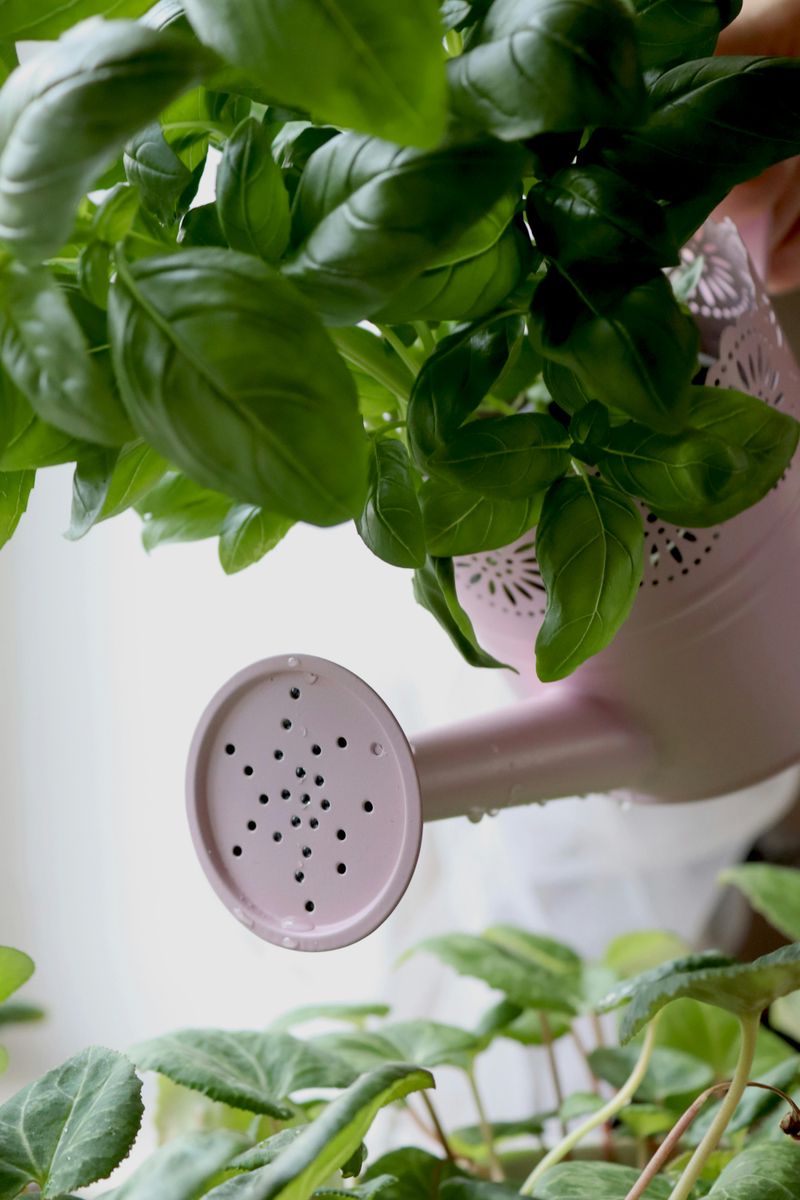
Soggy roots are a silent killer for basil, and overwatering is the number one mistake home gardeners make once the heat arrives.
It feels counterintuitive, because hot weather makes you want to water more. But basil actually prefers to dry out slightly between waterings.
Too much moisture at the roots creates the perfect environment for fungal rot to take hold.
Root rot does not show up overnight.
At first, you might notice lower leaves turning yellow and dropping off, which looks a lot like a nutrient problem.
By the time the stem starts to soften or turn brown near the soil line, the damage is already serious and hard to reverse.
A good rule of thumb is to water deeply but infrequently, every few days or so.
Sandy soil and containers may need more frequent attention than dense garden beds.
Stick your finger an inch into the soil before reaching for the watering can.
If it still feels damp, walk away and check again the next day.
Drainage matters just as much as how often you water.
Raised beds and containers with drainage holes give excess water somewhere to escape rather than pooling around the roots.
If your garden bed stays wet for more than a day after rain, improve with compost matter or use raised beds.
Your roots will thank you for it.
4. Skipping The Pinch
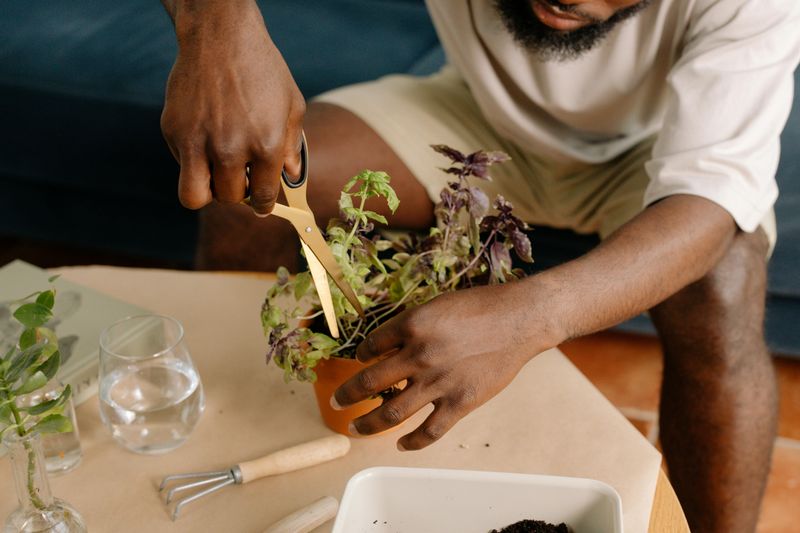
Skipping the pinch is probably the most common reason a basil plant turns bitter and woody by mid-July.
Once basil starts to flower, all of its energy shifts away from producing those lush, flavorful leaves and toward making seeds.
June is exactly when this transition begins, which makes it the most important month to stay on top of pruning.
Pinching is simple, fast, and almost impossible to mess up.
Use your fingers or a clean pair of scissors to remove the top two sets of leaves along with any flower buds you see forming.
Doing this once a week encourages the plant to branch outward, which means more leaves and a fuller, bushier shape overall.
Many gardeners are afraid they will hurt the plant by cutting it back.
That fear is completely understandable, but basil actually responds to pruning the way a good haircut works on hair: it comes back thicker and stronger.
The more you harvest, the more the plant produces, and that cycle can last well into September if you stay consistent.
Look for the small, pointed flower clusters forming at the top of each stem.
Those are your signal to act immediately.
Catch them early, before the buds open into full blooms. That small window makes all the difference.
5. Waiting Too Long To Harvest
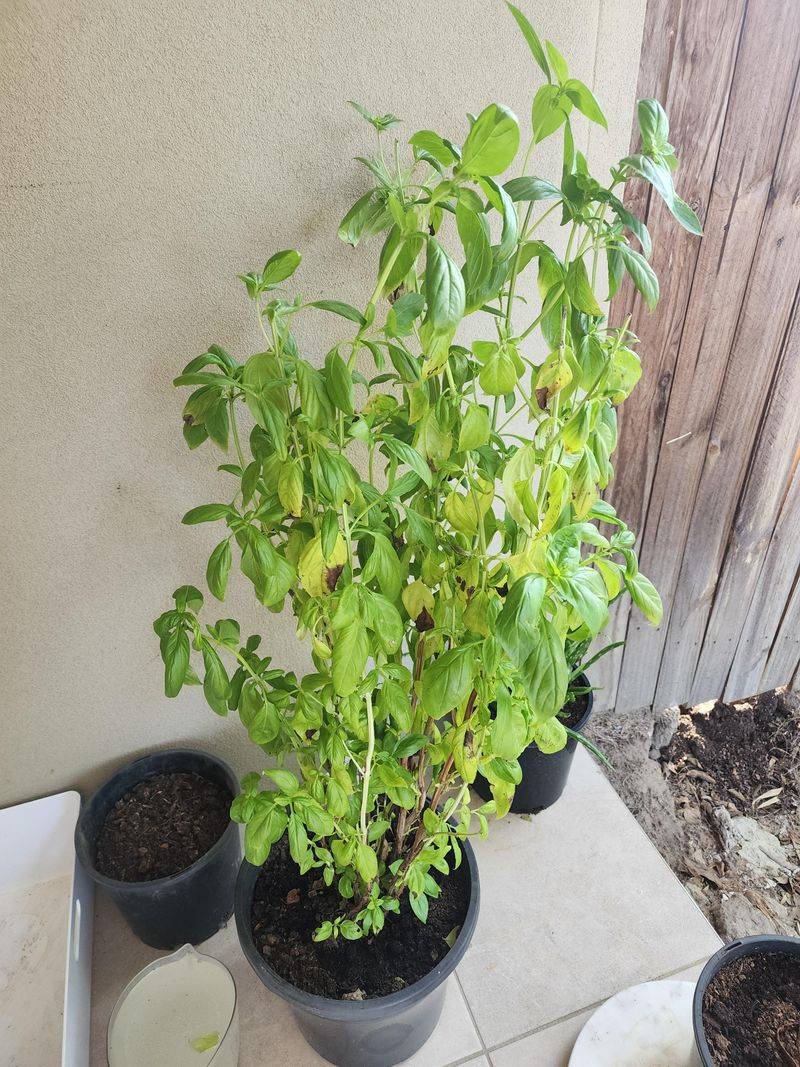
Most gardeners wait until they really need basil before they pick it.
That patience is exactly what works against you.
Basil doesn’t think like a gardener. It thinks like a plant trying to reproduce.
The moment it senses it has enough foliage to sustain itself, it shifts its energy toward flowering.
Leaves stop being the priority.
Seeds become the goal.
Once that switch flips, the flavor turns bitter, the stems toughen up, and the plant stops putting out the soft, fragrant leaves you actually want.
In Illinois, June heat speeds the whole process up considerably.
A plant that looked perfectly healthy on Monday can be mid-bolt by the weekend.
The frustrating part is that bolting looks like success at first.
The plant gets taller.
New growth appears at the top.
It seems like things are going well right up until they aren’t.
What you’re actually seeing is the plant preparing to flower, not thriving.
The fix is counterintuitive.
Harvest more, not less.
Picking leaves regularly sends a signal that the plant needs to keep producing foliage.
It delays flowering, maintains flavor, and can extend your harvest window by several weeks.
You don’t need a recipe lined up to justify picking.
Harvest a handful every few days regardless.
If you spot flower buds forming at the top of the stem, pinch them off immediately.
Every day you leave them, the leaves below get a little more bitter.
Don’t wait for the plant to tell you it’s ready.
By then, it’s already made other plans.
6. Getting The Sun Wrong
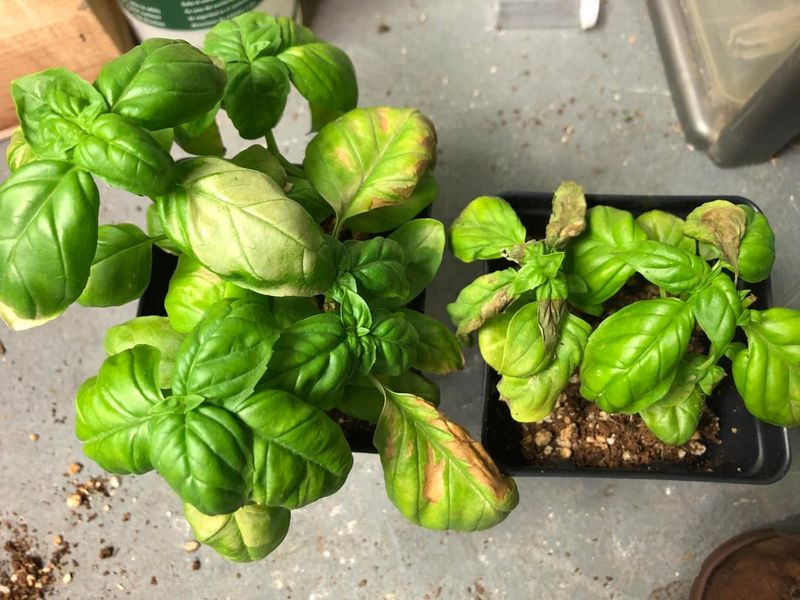
Most gardening guides will tell you basil loves full sun, and that is true, but only up to a point.
In Illinois, July and August afternoons can push temperatures well past 90 degrees.
That intense afternoon sun can scorch basil leaves faster than you would expect.
The leaves curl, develop brown edges, and lose much of their fresh flavor in the process.
The sweet spot for basil is morning sun with some afternoon shade.
A location that gets six hours of direct light before noon and then filtered or dappled shade from about 2 p.m. onward is close to perfect.
This setup keeps the plant energized without frying it during the hottest part of the day.
Container growers have a real advantage here because they can simply move their pots.
If you notice leaves starting to look pale or papery in the afternoons, shift the container to a spot with some natural shade from a fence, trellis, or nearby shrub.
A little afternoon cover goes a long way.
A few inches of adjustment can make a surprising difference in how the plant holds up through a heat wave.
Mulching around the base of in-ground plants also helps regulate soil temperature and reduce heat stress from below.
A thin layer of straw or wood chips keeps the roots cooler and holds moisture longer.
Combine that with smart placement, and your basil will handle the Illinois summer heat with far more grace.
7. Ignoring Pests That Peak In June
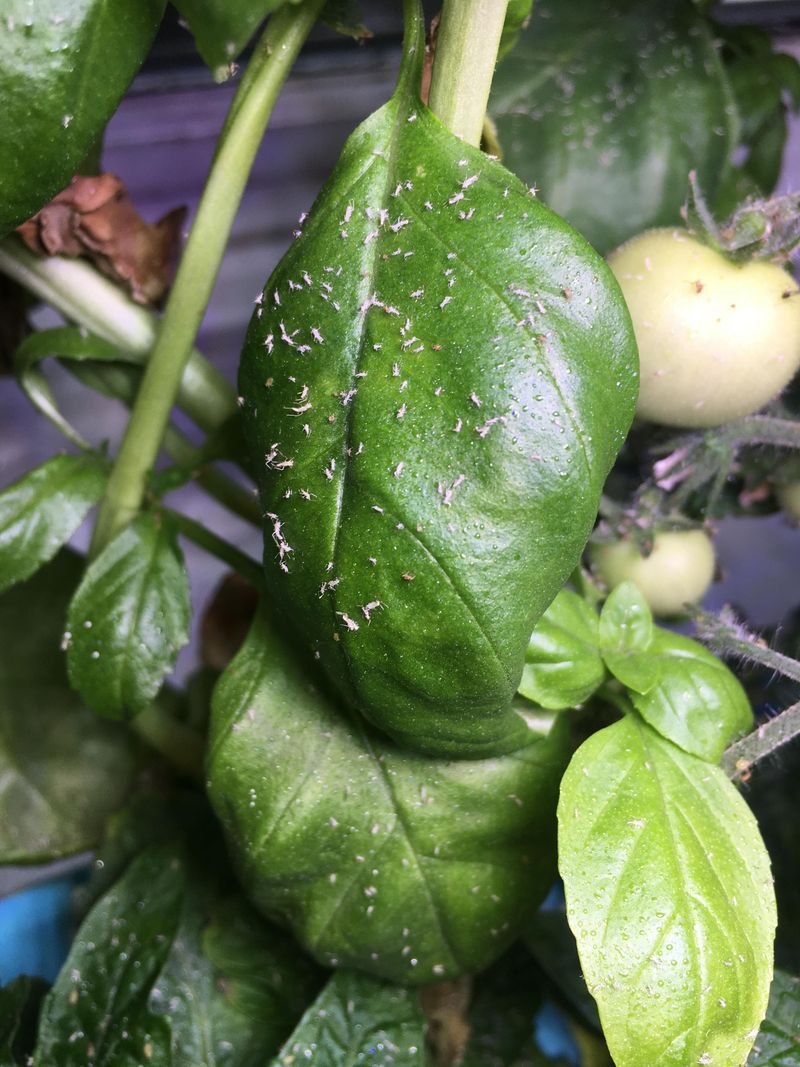
June is prime time for garden pests in the Midwest, and basil is not as pest-resistant as many gardeners assume.
Aphids, Japanese beetles, and slugs all become more active as temperatures rise.
A small infestation can strip a basil plant of healthy leaves in just a few days.
Catching the problem early makes all the difference between a minor setback and a total loss.
Aphids tend to cluster on the undersides of leaves, so flip a few leaves over when you check on your plants each morning.
They leave behind a sticky residue called honeydew, which can also attract ants and encourage mold growth on the leaf surface.
A strong spray of water from your garden hose is often enough to knock them off and disrupt their cycle.
Japanese beetles tend to arrive in late June and peak through July, chewing straight through leaves and moving quickly from plant to plant.
Hand-picking them into a bucket of soapy water in the early morning works well when populations are low.
Use only according to label directions, avoid spraying blooms, and apply when pollinators are not active.
Slugs tend to show up after heavy rain, leaving ragged holes in leaves overnight.
Sprinkle diatomaceous earth around the base of your plants to create a barrier they will not cross.
Staying consistent with these checks through June keeps your basil healthy and your harvest on track.
8. What Healthy Illinois Basil Actually Needs
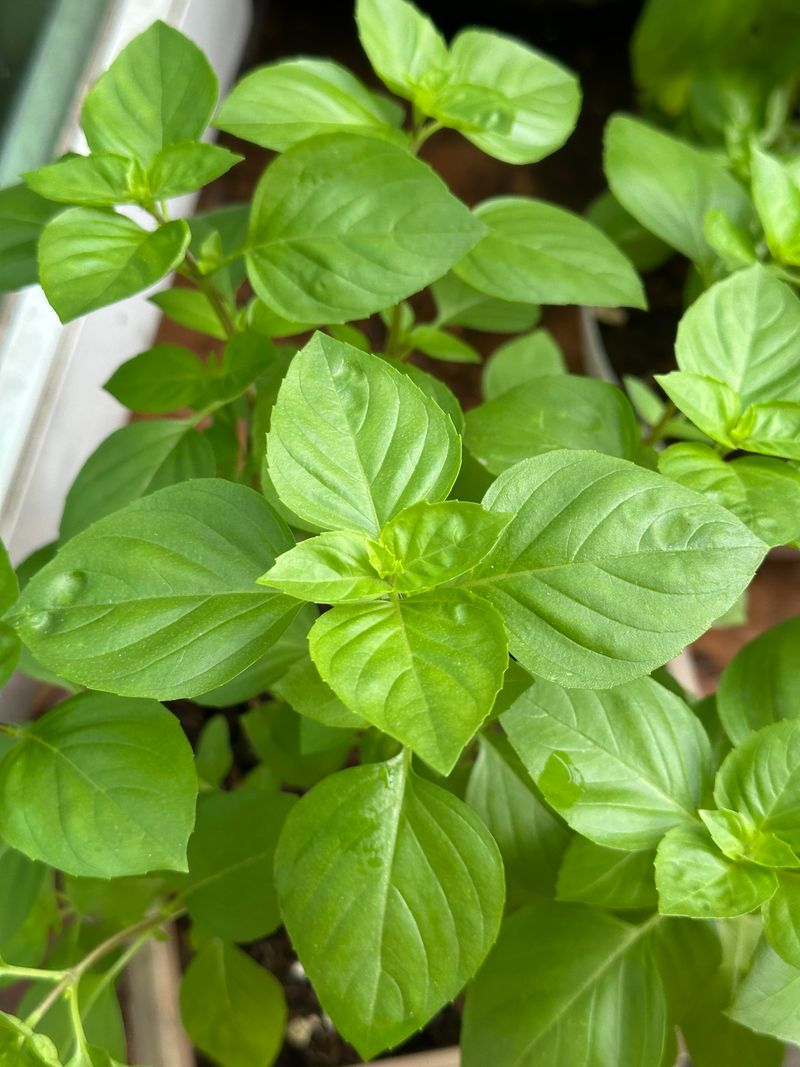
Basil problems in Illinois are almost always preventable when you combine a few smart habits into one consistent routine.
The gardeners who end up with the most flavorful, productive plants are not necessarily the most experienced ones.
They are simply the ones who show up regularly and pay attention to what the plant is telling them.
Start every morning check by scanning the leaves for pests, discoloration, or signs of stress.
Then feel the soil before you water.
Watering on a schedule rather than based on actual soil moisture is one of the most common errors.
Deep, infrequent watering beats shallow daily watering in almost every situation when it comes to building strong roots.
Pruning should happen at least once a week throughout June and into July.
Always cut just above a leaf node, which is the spot where two smaller leaves branch off from the main stem.
This technique encourages the plant to split into two new branches at that point, doubling its output over time.
Protecting your basil also means thinking ahead about weather.
Check your local forecast and cover plants with a light cloth if an unexpected cool night is on the way.
Water smart, pinch often, watch for pests, and get the sun right. Do those four things in June and your basil will take care of the rest.