What Georgia Blueberries Need In June For The Biggest Most Productive Summer Harvest
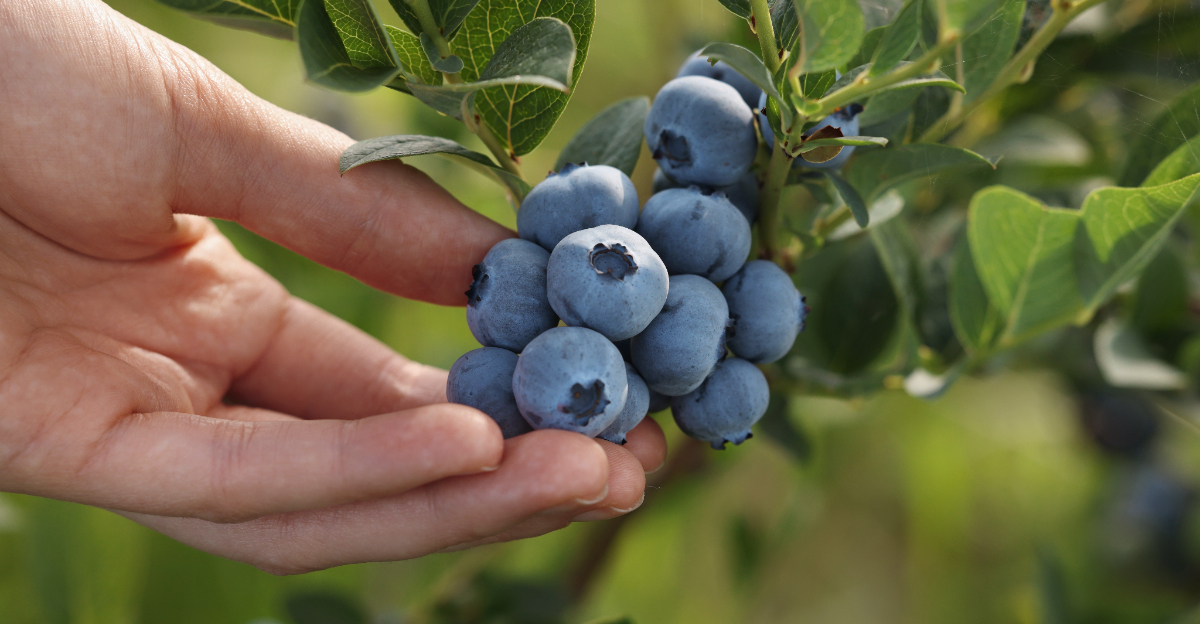
Blueberry bushes become hard to ignore in Georgia once June arrives. Branches start hanging lower with ripening fruit.
Bright berries begin filling the plant. Summer harvest season suddenly feels very close.
That is also when bushes start needing extra attention.
Hot weather can dry the soil much faster during this stage. Small berries, weak growth, and early fruit drop may start showing up once plants become stressed.
Birds also begin circling bushes more often as fruit ripens.
Heavy berry production puts pressure on the entire plant in June. Roots need steady moisture.
Leaves need airflow during long humid afternoons. Strong bushes usually stay productive much longer when conditions stay balanced through early summer.
A few simple habits now can help blueberry plants produce fuller harvests before peak summer heat arrives.
1. Deep Watering Matters More Once Temperatures Climb
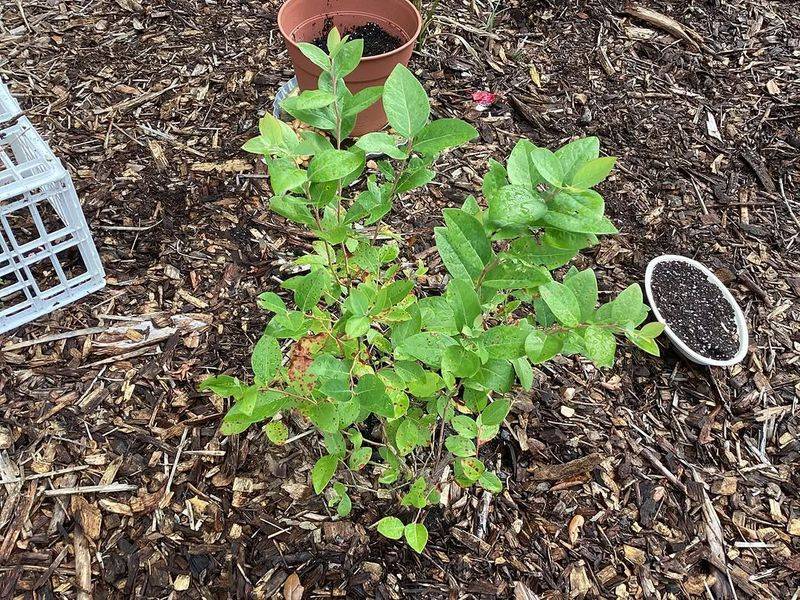
Shallow watering in June is a trap. Blueberry roots sit close to the surface, but when heat builds up fast, surface moisture evaporates before roots can use it.
Watering deeply and slowly pushes moisture down into the root zone where it actually counts. A slow soak of about an inch per week works better than quick daily sprinkles.
Sandy soils common in many parts of the Southeast drain fast. You may need to water more frequently to keep moisture consistent during peak summer heat.
Drip irrigation is worth considering if you have more than a few bushes. It delivers water directly to the base and reduces moisture on leaves, which helps cut down on fungal issues.
Morning watering is the best window. Water applied early has time to soak in before afternoon heat pulls it back out of the soil.
Check soil moisture by pushing a finger two inches deep. If it feels dry at that depth, your bushes need water right now, not tomorrow.
Mulching around blueberry bushes helps stabilize soil temperature and slows down evaporation during long stretches of summer heat.
Avoid letting water sit directly against the crown, since consistently wet stems can encourage rot and weaken the plant over time.
2. Pine Bark Mulch Keeps Shallow Roots Cooler
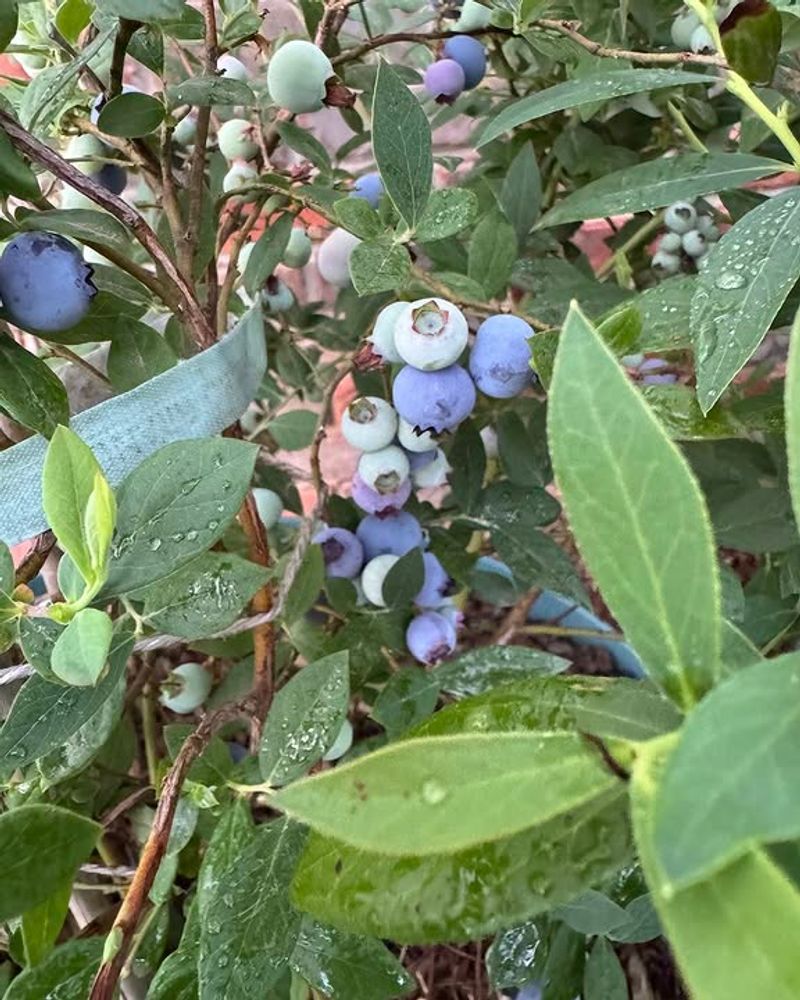
Bare soil around blueberry bushes in June is a problem waiting to happen. Without cover, soil temps can spike dramatically and stress roots that have nowhere to escape.
Pine bark mulch is one of the best options for blueberries specifically. It breaks down slowly, adds a bit of acidity as it decomposes, and keeps the root zone noticeably cooler on hot afternoons.
Apply a layer about three to four inches thick around each bush. Keep it pulled back slightly from the main stem to avoid moisture buildup against the bark.
Mulch also slows water evaporation between watering sessions. That means your irrigation efforts go further, especially during dry stretches in midsummer.
Pine straw works well too and is widely available across the Southeast. Both options outperform wood chips from non-acidic trees when it comes to long-term soil health for blueberries.
Refresh your mulch layer if it has thinned out from last season. A patchy layer loses most of its temperature and moisture benefits quickly once summer heat kicks in.
Your Georgia Garden Changes Every Week. Your Plan Should Too.
Gardening in Georgia changes quickly throughout the season. Every Friday you’ll receive a simple weekly plan showing exactly what to plant, prune, fertilize, harvest, and protect so you never miss the right timing.
Weed suppression is another bonus, since a thick mulch layer blocks light from reaching the soil surface and reduces competition for water and nutrients.
3. Netting Stops Birds From Stripping Bushes Early
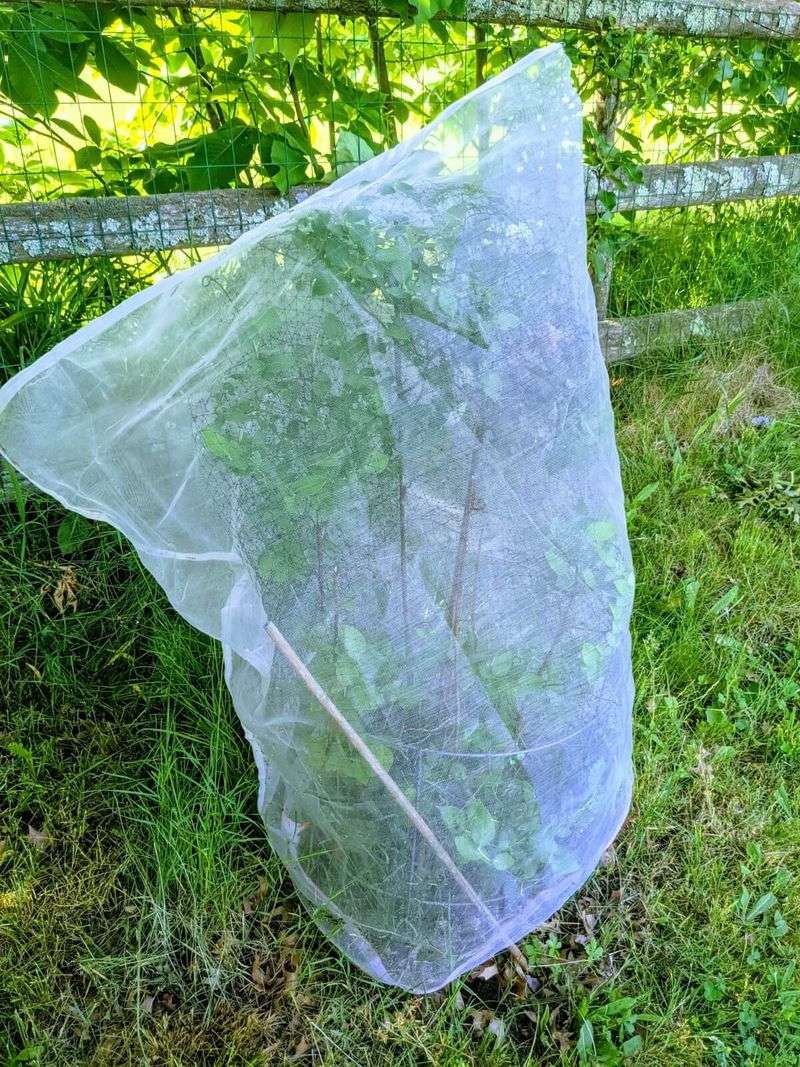
Birds will find your blueberries before you do. Robins, mockingbirds, and cedar waxwings can strip a bush in a single morning if nothing stops them.
Netting is the most reliable physical barrier available. It does not harm birds, it does not require chemicals, and it works immediately once installed correctly.
Use netting with a mesh size small enough to prevent beaks from reaching through. Larger mesh may slow birds down but will not keep determined ones out.
Drape netting loosely over the bush rather than pulling it tight. Tight netting allows birds to perch on top and still reach fruit through the mesh.
Secure the bottom edges with stakes or rocks so birds cannot slip underneath. A gap at the base defeats the whole purpose of putting netting up in the first place.
Reflective tape and fake owls can offer some short-term deterrence, but birds adapt quickly. Netting remains the most consistent and dependable option across most growing situations.
Put netting up before fruit starts turning blue. Once birds discover the bushes are producing, they return daily and become much harder to discourage.
4. Extra Nitrogen Can Lower Fruit Quality In Summer
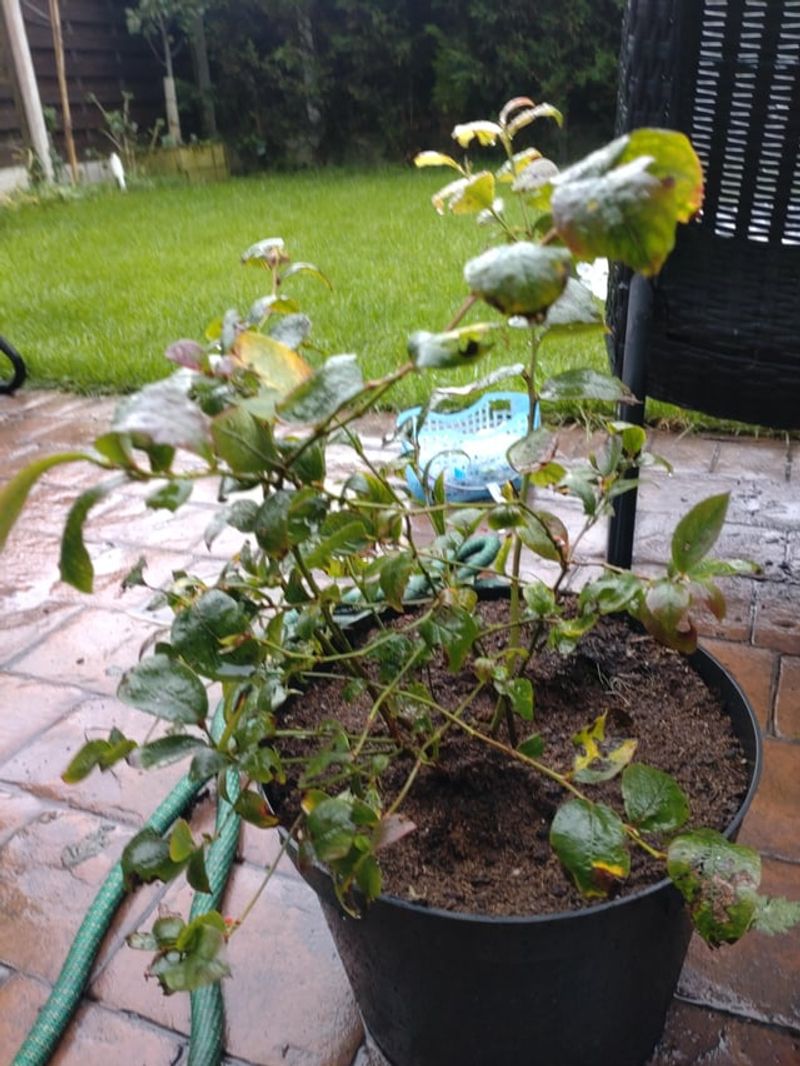
More fertilizer does not always mean more fruit. Pushing extra nitrogen onto blueberries in June often sends energy straight into new leaf growth instead of ripening berries.
Blueberries are light feeders compared to many garden plants. Overfeeding with high-nitrogen products during active fruiting can actually reduce berry size and sweetness.
Soft, lush new growth triggered by excess nitrogen also attracts aphids and other soft-bodied insects. More pest pressure in June is the last thing a productive bush needs.
If you fertilized correctly in early spring, your bushes likely have what they need to carry through the fruiting period. A second heavy feeding in June is usually unnecessary.
Soil pH matters more than fertilizer volume for blueberries. Nutrient uptake shuts down when pH drifts above 5.5, even when fertilizer is present in the soil.
Test your soil pH before adding anything. Amending with sulfur or using an acidifying fertilizer makes more sense than dumping extra nitrogen when uptake is already limited.
Signs of actual nitrogen deficiency include pale yellowing of older leaves and visibly weak growth.
In June, it is better to focus on maintaining steady soil moisture and plant balance rather than increasing feed strength.
5. Crowded Branches Benefit From Better Air Movement
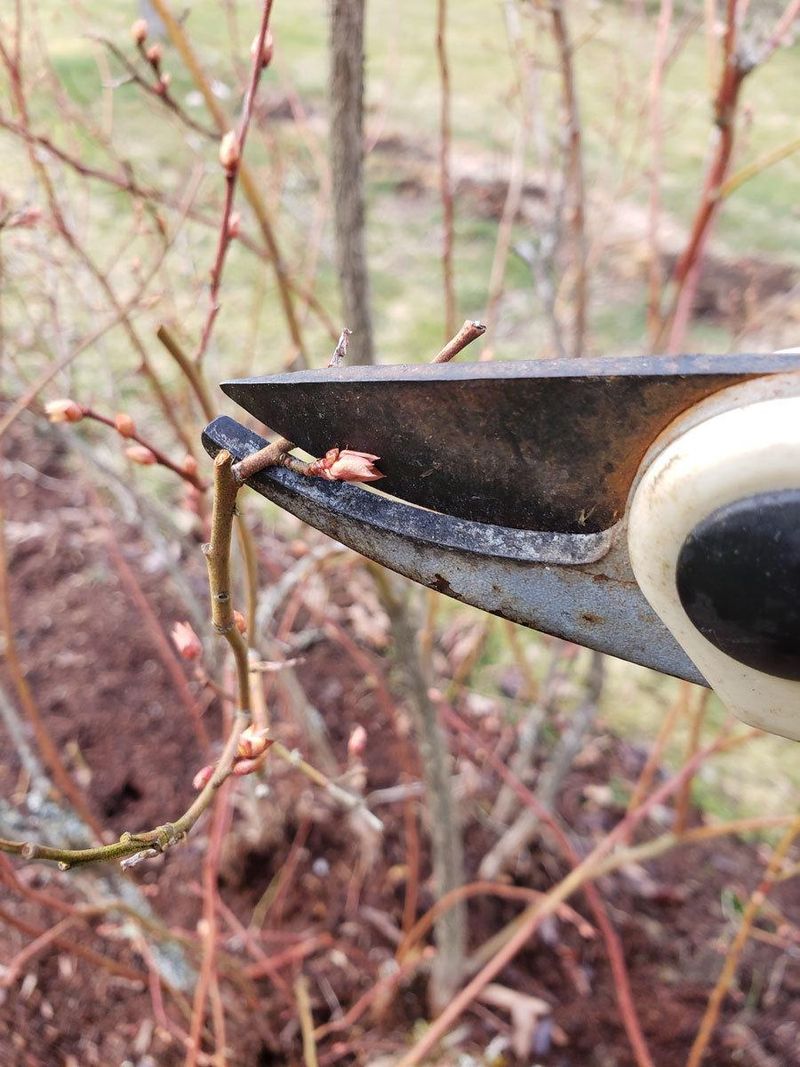
Thick, tangled canopies trap humidity. In a hot, humid summer climate, that trapped moisture creates perfect conditions for fungal problems to develop fast.
Light pruning in early June can open up the interior of the bush without stressing the plant during fruiting. Removing crossing branches and damaged wood improves airflow significantly.
Better airflow means foliage dries faster after rain or irrigation. Dry leaves are far less hospitable to fungal spores than wet ones sitting in stagnant, humid air.
Focus on branches that are rubbing against each other or growing inward toward the center of the plant. Outward-facing growth gets more sun and produces better fruit.
Avoid heavy pruning while berries are actively sizing up. Save major structural pruning for late fall or early winter when the plant is dormant and less vulnerable to stress.
Even a few strategic cuts in June can make a noticeable difference. Opening up dense spots lets sunlight reach interior fruit, which improves ripening and berry color.
Look for any branches with spotted or discolored leaves while you are pruning.
6. Morning Soil Moisture Influences Berry Development
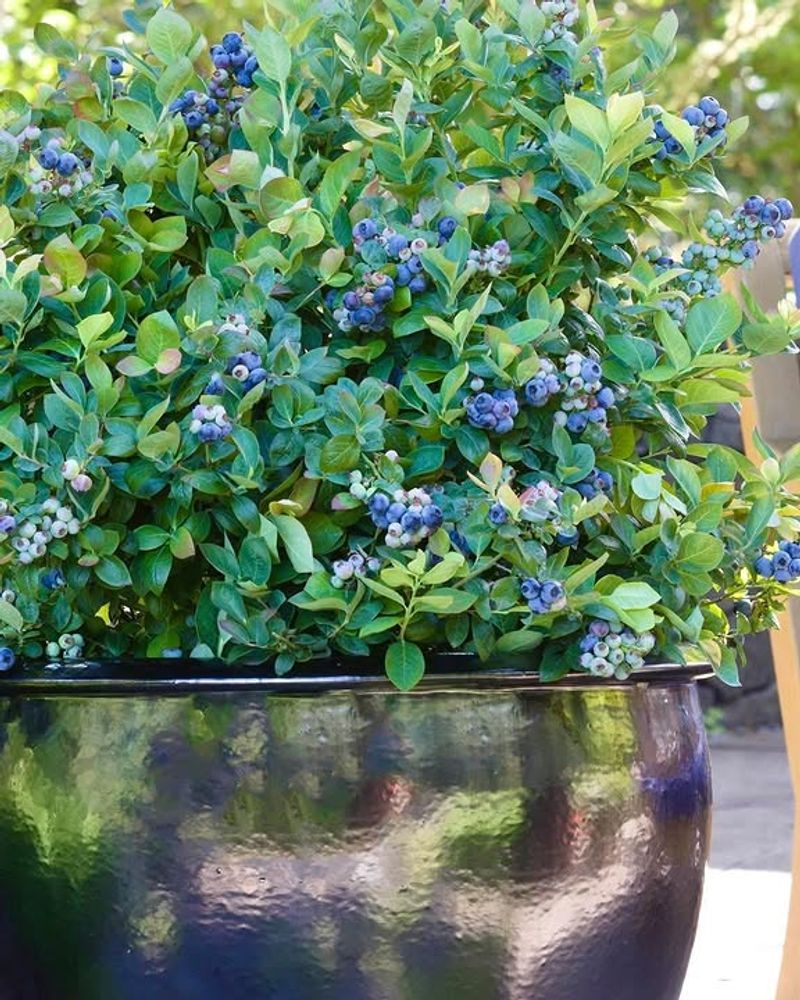
What the soil holds at sunrise shapes how the bush performs all day. Blueberries actively pull water and nutrients during the cooler morning hours before heat stress sets in.
Soil that is already dry by early morning puts the plant in a tough spot. Fruit development slows, cell expansion in the berries stalls, and the harvest window can shrink noticeably.
Check moisture levels first thing in the morning rather than waiting until afternoon. Afternoon checks often reveal dry soil that has already cost the plant several productive hours.
Consistent morning moisture supports steady berry sizing. Berries that expand at a reliable rate tend to be firmer, more uniform, and better flavored than those that develop in fits and starts.
Mulching the night before an expected dry stretch helps hold overnight moisture in the soil. That small step makes a real difference in what the roots have available at dawn.
Avoid overwatering to compensate for dry spells. Saturated soil suffocates roots just as effectively as drought does, and recovery takes time the plant does not have during active fruiting.
A simple rain gauge near your bushes helps track actual rainfall versus what you think fell.
7. Fallen Fruit Around Bushes Attracts More Pests
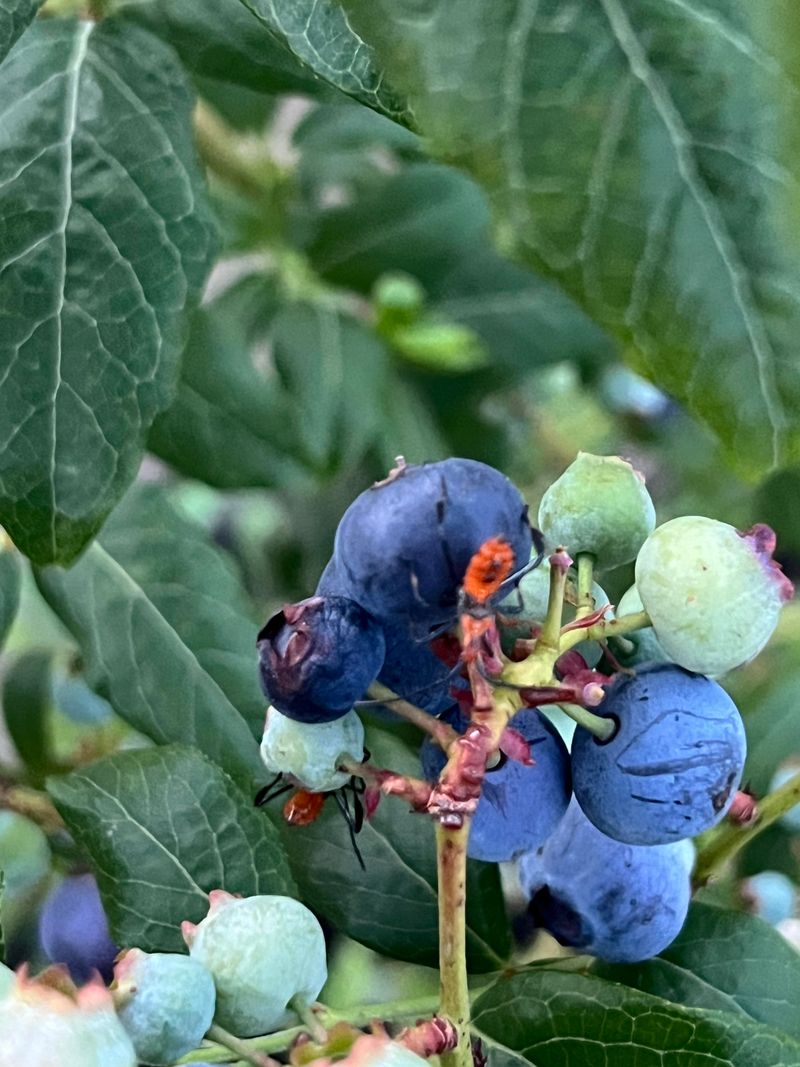
Rotting blueberries on the ground are a pest magnet. Spotted wing drosophila, fruit flies, and yellowjackets all zero in on fermenting fruit fast, especially in warm weather.
Cleaning up fallen fruit every few days is one of the simplest pest management steps you can take. It does not require any products, just a little time and consistency.
Pests that breed in fallen fruit can move from the ground back onto the bush. Larvae developing in dropped berries near the base of the plant create a cycle that gets harder to break as summer continues.
Do not leave collected fruit sitting in an open compost pile near your bushes. Bag it or bury it away from the garden to cut off the breeding cycle completely.
Yellowjackets drawn to fermenting fruit become aggressive by late summer. Keeping the ground clean reduces what attracts them in the first place, which makes harvesting much more comfortable.
Check for fruit that has split or shriveled on the bush too. Damaged berries that stay attached can attract the same pests as fallen ones and should be removed promptly.