The Weed Mistake That Makes Oregon Gravel Paths Worse Every Summer
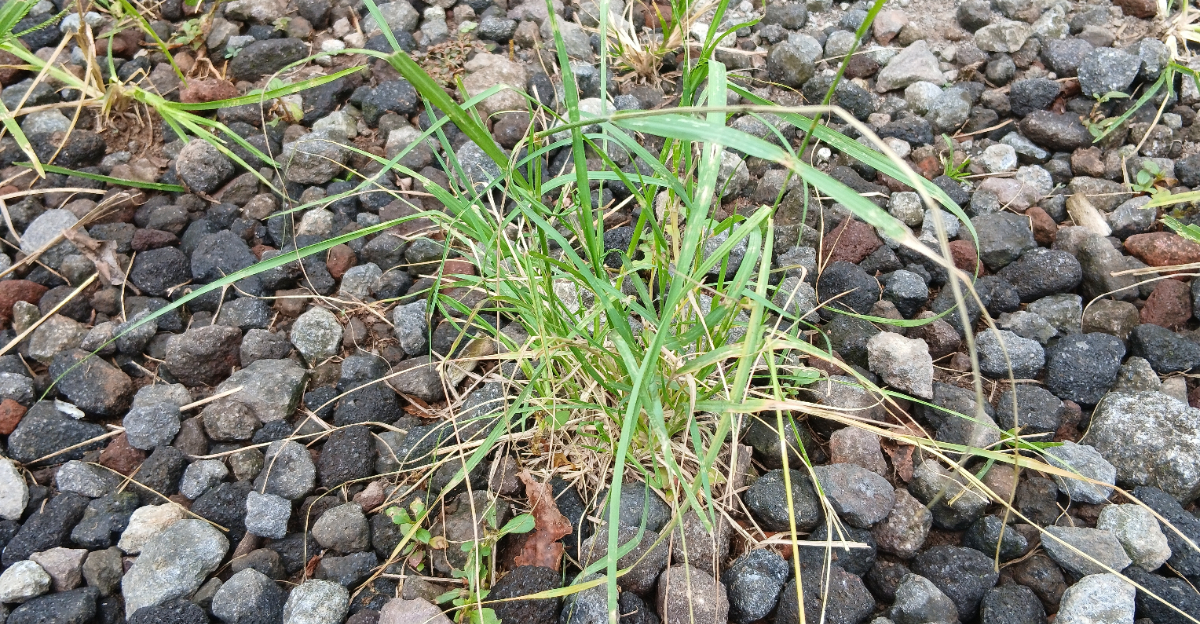
Gravel paths do not grow weeds on their own. They need a little help, and Oregon yards are very good at providing it.
Leaves fall, soil washes in, grass clippings scatter, and soon the clean gravel starts turning into a cozy little seed bed.
That is the mistake many gardeners miss. They pull weeds, spray cracks, or add more gravel, but the real problem keeps building on top. Once debris settles between the stones, weeds have something to root into.
Summer warmth then gives those tiny seeds the green light to cause trouble. A path that looked crisp in spring can look fuzzy by July, and not in a charming way. The fix starts before weeds take over.
Keep the surface clean, and gravel stays much harder for weeds to invade. Ignore the buildup, and the path quietly becomes a garden bed you never meant to plant.
1. The Mistake Is Letting Gravel Turn Into Soil
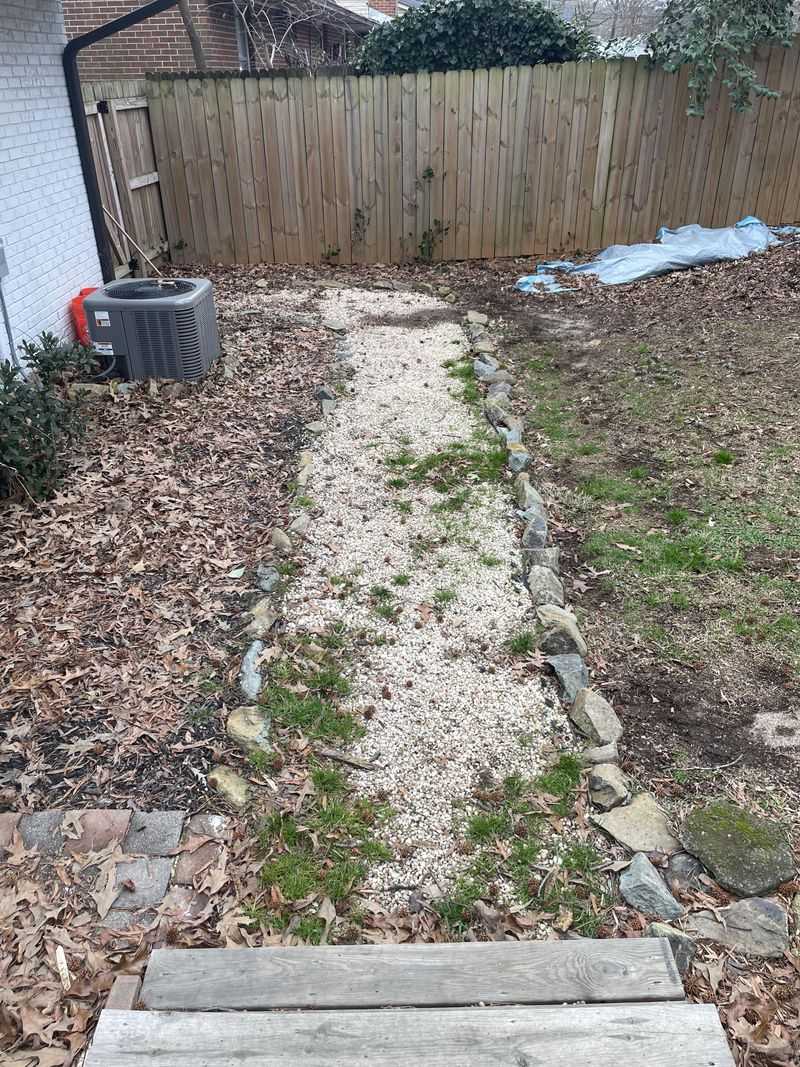
Over time, gravel paths stop being gravel paths. Dirt, decomposed leaves, and fine organic material slowly fill in the spaces between the rocks. Before long, that gravel layer starts to behave more like garden soil than a weed barrier.
This is the core mistake most homeowners make. They see gravel as a permanent solution, but gravel needs maintenance just like any other surface.
When organic matter builds up, it creates a growing medium that weed seeds absolutely love. Rain pushes the debris deeper into the rocks, and the cycle gets worse each year.
The wet climate in this state speeds up this process faster than people expect. A path that looked clean in the fall can have a thin soil layer forming by spring. That layer does not need to be thick to cause problems.
Even a quarter inch of organic buildup is enough for weed roots to grab hold and start growing.
The fix starts with understanding that gravel paths need regular refreshing. Pulling weeds is not enough on its own. You also need to remove the accumulated organic layer, either by raking it out or washing it away with a hose.
Adding a fresh layer of gravel every couple of years helps reset the surface. Keeping the path clean at the top level prevents that soil-like layer from forming in the first place.
2. Leaves And Dust Create A Weed Nursery
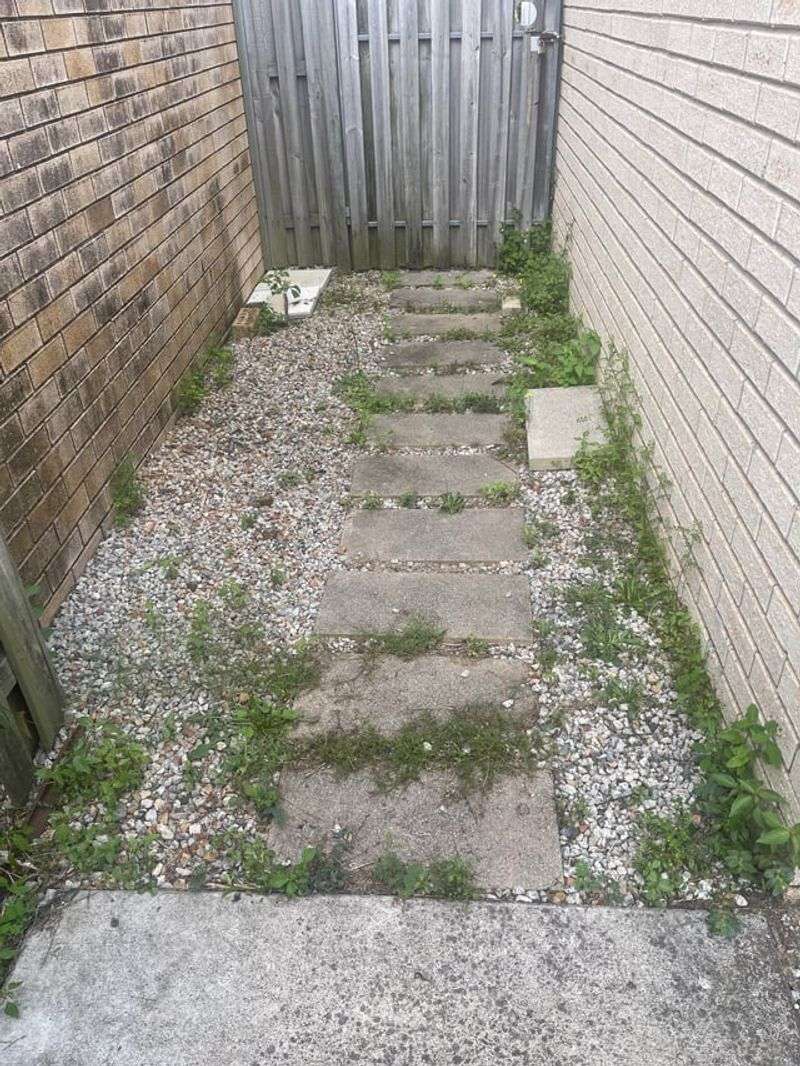
Most people rake leaves off their lawn but forget about the gravel path. Leaves settle into the gravel and start breaking down almost immediately.
Within a few weeks, they begin to decompose and mix with the fine dust that blows in from surrounding areas.
That combination of leaf matter and dust is basically free fertilizer for weeds. It fills the gaps between rocks with soft, nutrient-rich material.
Weed seeds, which are incredibly light and travel easily on the wind, land right on top of that layer and find perfect conditions to sprout.
In this state, the fall season is especially dangerous for gravel paths. Trees drop large amounts of leaves over a short period, and the frequent rain pushes that material down between the rocks quickly.
Your Oregon Garden Changes Every Week. Your Plan Should Too.
Gardening in Oregon changes quickly throughout the season. Every Friday you’ll receive a simple weekly plan showing exactly what to plant, prune, fertilize, harvest, and protect so you never miss the right timing.
By the time winter is over, the path has developed a thin but effective growing layer that summer weeds will take full advantage of.
Clearing leaves from your gravel path should be part of your regular fall routine. A leaf blower works well for this task and is much faster than raking. Try to clear the path every week or two during peak leaf fall season.
Keeping the surface free of organic debris is the most effective way to prevent that weed nursery from forming. A clean path in fall means far fewer weed problems when warmer weather arrives.
3. Grass Clippings Make The Problem Worse
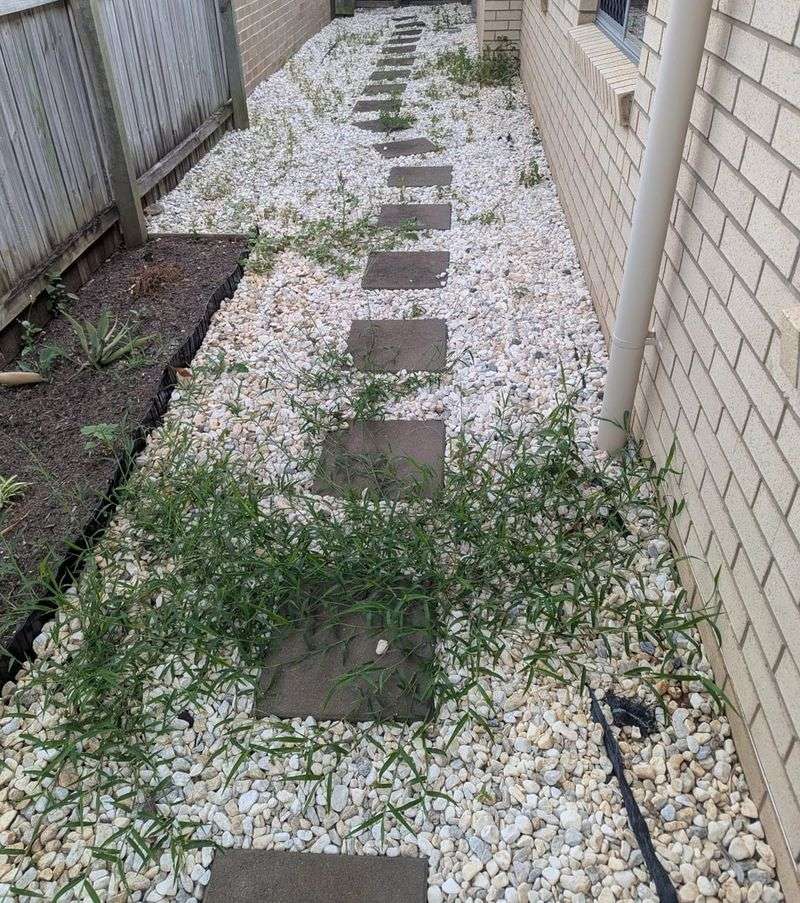
Mowing the lawn feels like a simple chore, but where those clippings land matters a lot. When grass clippings blow or get kicked onto a gravel path, they settle down between the rocks and start to decompose. This happens faster than most people realize.
Grass clippings are packed with nitrogen and other nutrients. As they break down, they enrich the organic layer already forming in the gravel. That makes the conditions for weed growth even better.
Clippings also hold moisture well, which keeps the surface damp longer after rain or irrigation stops.
Many homeowners do not connect their mowing habits to their weed problems. They mow in the same direction every week without thinking about where the discharge chute is pointed.
If it faces the gravel path, every mowing session is adding fuel to the weed problem. Changing the mowing direction or using a bag attachment can make a real difference.
After each mow, take a few minutes to blow or sweep any clippings off the gravel surface. It is a small step that pays off in a big way over time.
You can also create a small physical edge or border between the lawn and the gravel to help reduce how many clippings land on the path.
Keeping those two surfaces separate is one of the easiest ways to slow down organic buildup in your gravel path throughout the summer months.
4. Thin Gravel Gives Weed Seeds A Place To Root
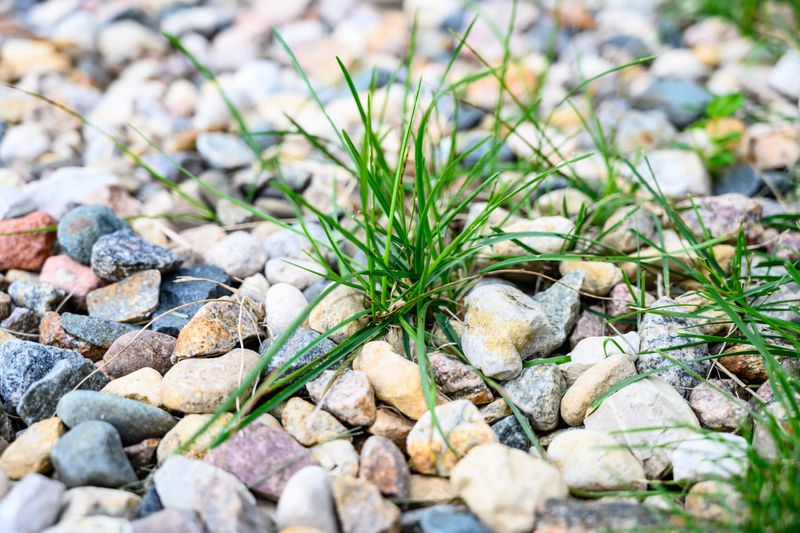
Gravel works as a weed barrier when it is thick enough. A layer that is too thin gives weed seeds easy access to the soil underneath.
Most experts recommend at least three to four inches of gravel depth for effective weed suppression on a garden path.
When gravel gets spread too thin, or when it shifts and thins out over time, bare spots start to appear. Those spots are open invitations for weeds. Seeds do not need much space to get started.
A small gap or a thin section is all it takes for a weed to push through and establish itself.
Gravel also moves. Foot traffic, rain runoff, and even wind can shift rocks around and create uneven spots.
Northern and western parts of this state get heavy rainfall, which is especially good at washing gravel to the edges of a path and leaving the center thin and exposed.
Walk your gravel path a couple of times a year and look for areas where the depth seems low.
If you can see the ground or the weed barrier fabric underneath, it is time to add more gravel. Topping off thin sections is one of the most effective and affordable ways to keep weeds from getting a foothold.
Buying a bag or two of matching gravel each season keeps your path at the right depth and makes a noticeable difference in how well it resists weeds over time.
5. Moss Holds Moisture Between The Rocks
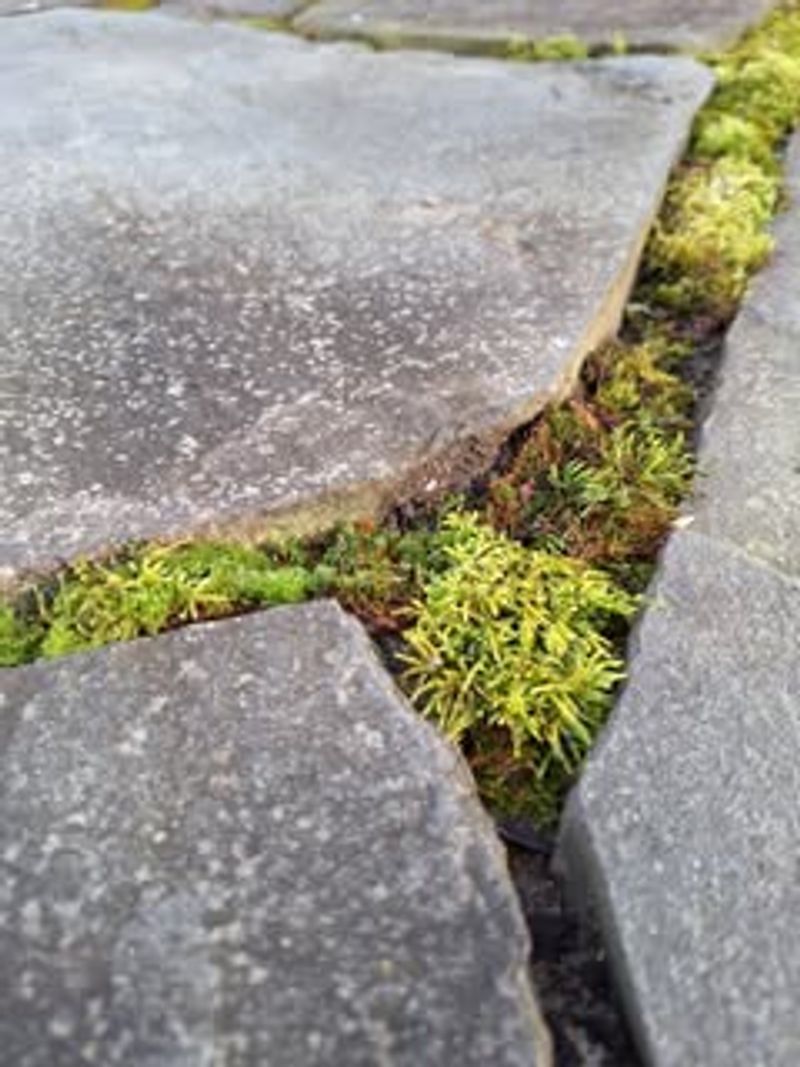
Moss is common on gravel paths in shaded or damp areas. It looks soft and harmless, but it causes real problems.
Moss acts like a sponge, holding moisture between the rocks long after rain has stopped. That constant dampness creates perfect conditions for weed seeds to germinate.
Beyond moisture, moss also traps organic debris. Leaves, dust, and other particles get caught in the moss layer and start to decompose right there on the path.
Over time, that decomposing material turns into a thin layer of rich organic matter sitting right on top of the gravel.
Weeds love it. Shaded paths are most at risk. Areas under trees or next to fences that block sunlight tend to stay damp much longer.
In this state, where overcast skies are common for much of the year, even paths that get some sun can develop moss problems.
The combination of shade and frequent rain makes moss growth almost inevitable without regular attention.
Removing moss from gravel is straightforward but requires consistency. A stiff-bristle broom or a power washer can break up and remove moss effectively.
Some homeowners use a diluted solution of white vinegar to treat mossy areas, which helps slow regrowth without harming surrounding plants.
Improving drainage or trimming back overhead branches to let in more light also helps a lot. Staying on top of moss means fewer weeds will take root in your gravel path each summer season.
6. Summer Weeds Start With Spring Debris
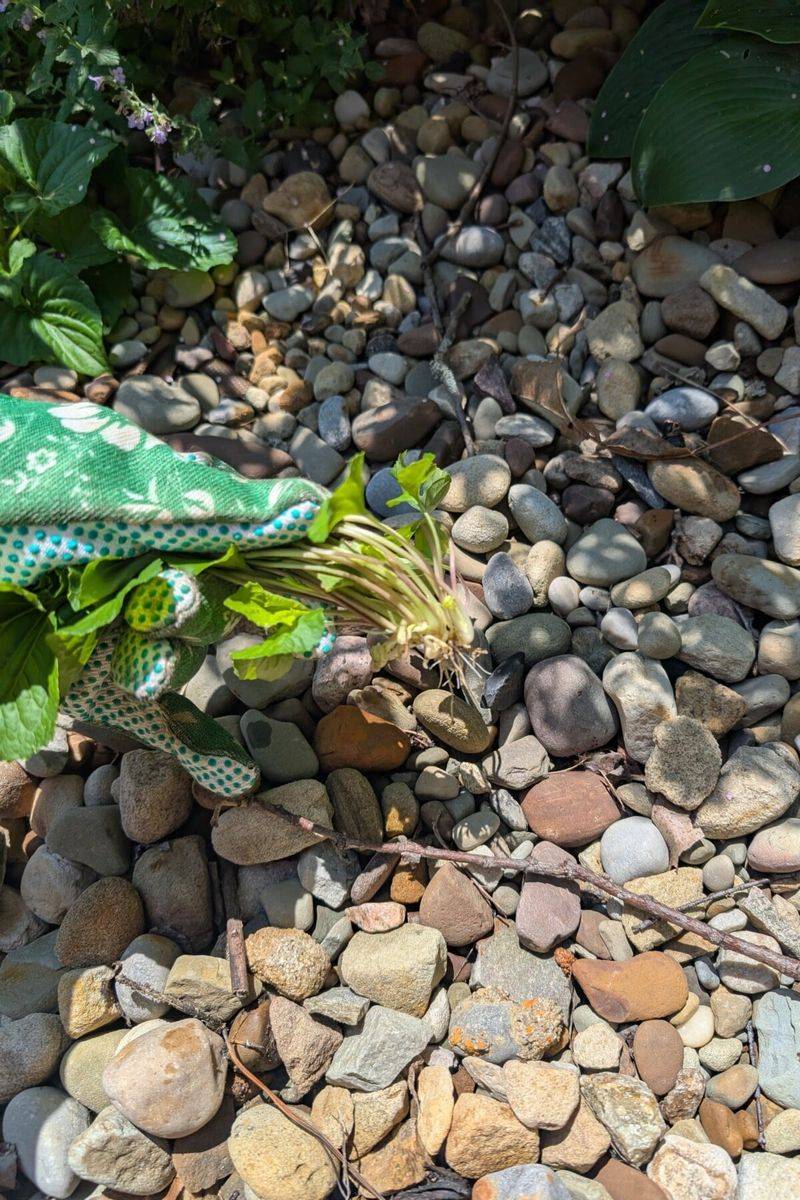
By the time summer weeds are visible, they have already been growing for weeks. The seeds that fuel summer weed problems usually sprout in spring, using the debris that piled up over winter as their launching pad.
Waiting until summer to deal with weeds means you are already behind. Spring is when the real battle begins.
Winter rain pushes organic material deep into the gravel, creating a rich layer just in time for warmer temperatures.
As the weather warms up in March and April, weed seeds that have been sitting in that debris all winter start to wake up and grow fast.
Many homeowners do their first yard cleanup in late spring or early summer. By then, weeds have already established root systems that are much harder to remove.
Early spring cleanup, even when it is still cold and wet, is far more effective than waiting for warmer weather.
Make a habit of clearing your gravel path of winter debris in late February or early March, before temperatures consistently warm up.
Remove any accumulated leaves, twigs, and dirt from the surface. If you have weed barrier fabric underneath, check that it is still intact and not torn.
A fresh layer of gravel applied in early spring can also help cover any debris that has settled in and prevent early seedlings from getting the light they need to keep growing strong through the summer.
7. Raking Gravel Breaks Up Tiny Seedlings
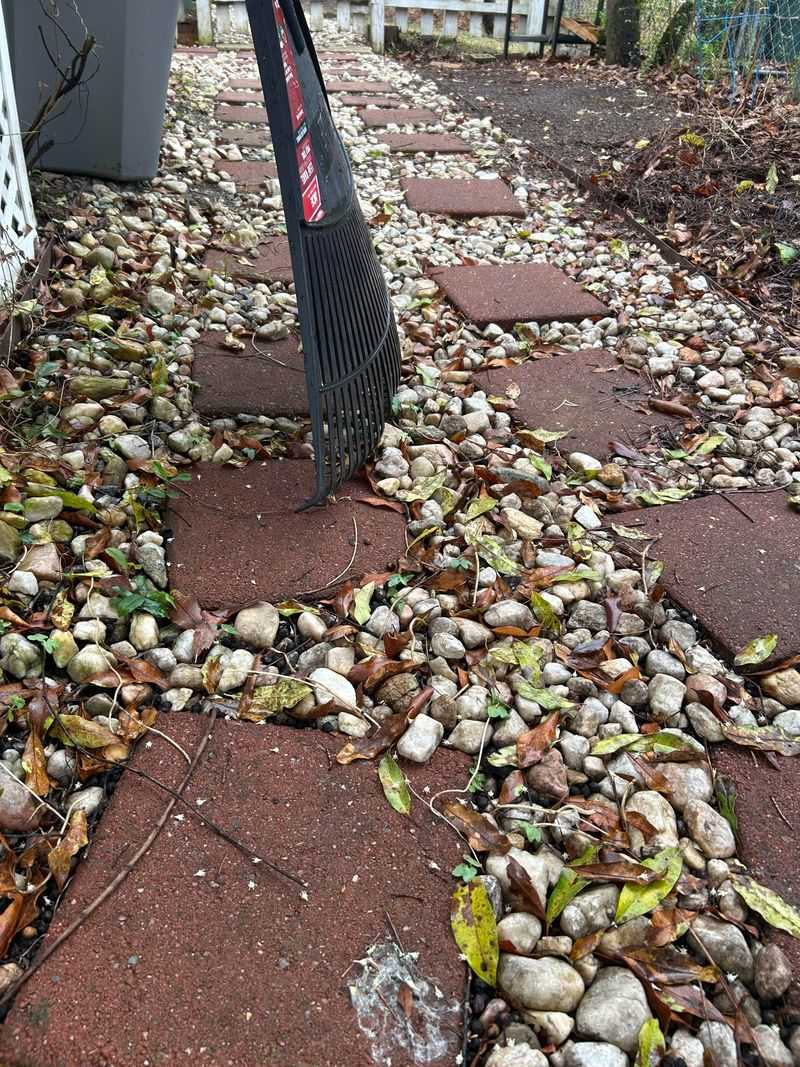
One of the simplest and most overlooked tools for weed control on gravel paths is a regular rake.
Most people think of raking as just a way to level out displaced gravel, but it does much more than that. Raking disrupts tiny weed seedlings before they have a chance to establish real roots.
Weed seeds that land on gravel need time to send roots into the organic layer below. In the earliest stages, those seedlings are incredibly fragile.
A quick rake through the gravel is enough to uproot them and expose them to sunlight and air, which causes them to dry out quickly and stop growing.
The key is timing. Raking works best when done early and often. If you wait until weeds are several inches tall, raking will not be nearly as effective.
Roots will have already pushed through the gravel and into the soil layer beneath, making them much harder to remove without pulling by hand.
Try to rake your gravel path every two to three weeks during the growing season. It only takes a few minutes and can prevent a major weed problem from developing. Use a standard metal garden rake and work in short, overlapping strokes across the surface.
Raking also keeps the gravel looking fresh and evenly distributed, which improves both the appearance and the weed resistance of your path. It is a quick habit that saves a lot of work later in the season.
8. Clean Edges Keep Weeds From Creeping In
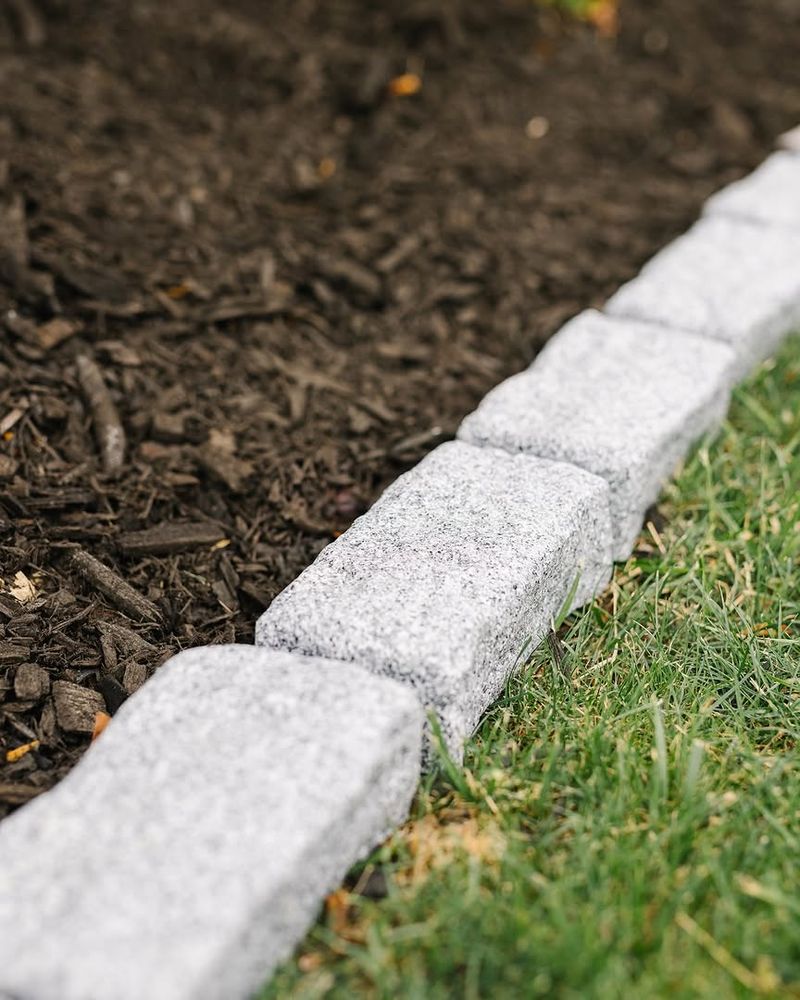
Weeds do not just sprout from seeds falling into the center of your gravel path. A large number of them creep in from the edges.
Grass, ground cover plants, and weeds growing alongside the path slowly send roots and runners into the gravel over time. Without a clear border, they take over fast.
Edge maintenance is something most people skip because it does not seem urgent. But an untended edge turns into a major weed entry point within just one growing season. Grass roots in particular are aggressive.
They spread underground and can push several inches into a gravel path before you even notice them on the surface.
Installing a physical edging barrier is one of the best long-term solutions. Metal, plastic, or rubber edging products create a clean separation between the gravel and surrounding soil or lawn. They are affordable, easy to install, and make a big difference in how well your path holds up against weed invasion over time.
Even without edging products, keeping the border trimmed and clean helps a lot. Use a flat spade or a manual edging tool to cut a sharp, clear line between the gravel and the surrounding landscape every four to six weeks.
After trimming, remove any plant material that has landed on the gravel surface.
Consistent edge maintenance is one of the most effective and underrated strategies for keeping a gravel path looking weed-free all the way through summer and fall.