9 Beautiful Window Box Pairings For Oregon Homes
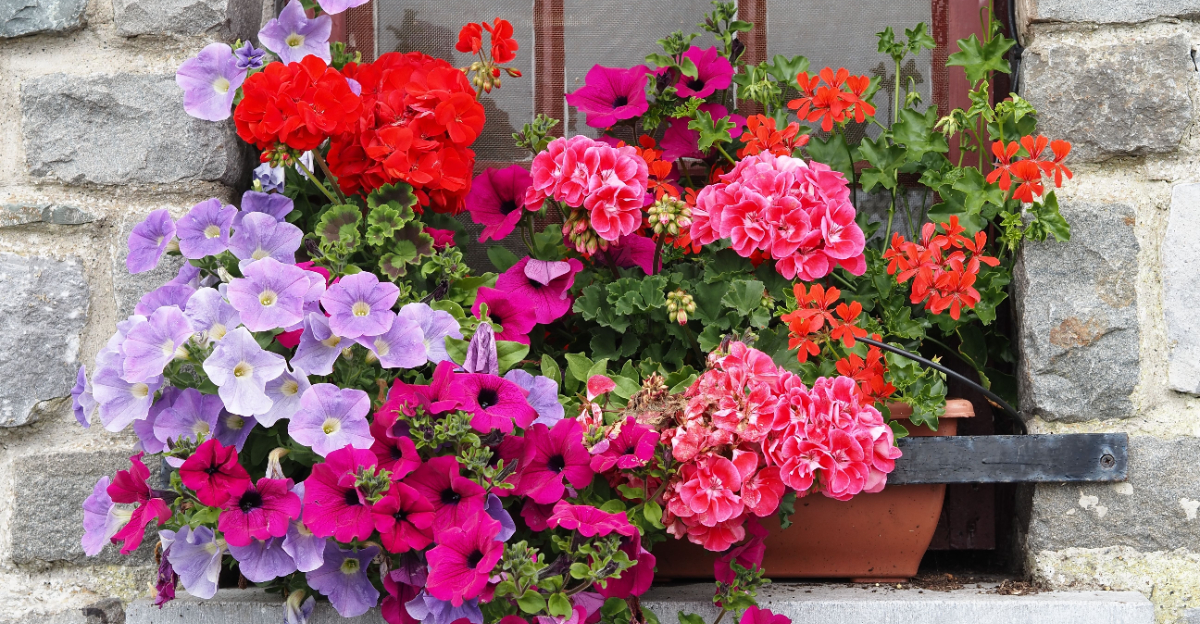
Window boxes can do a lot for an Oregon home without taking up much space at all. A few well-chosen plant pairings can soften the look of a porch, brighten up a front window, and make the whole place feel more lived in.
The tricky part is getting that balanced look where the colors click, the shapes play nicely together, and nothing seems awkward after a few weeks of real weather.
That matters even more in Oregon, where spring can feel cool and damp one minute, then surprisingly bright the next.
A beautiful window box is not just about picking pretty flowers. It is about choosing plants that look good together and can handle the rhythm of the season without turning into a soggy or stretched-out mess.
Some pairings feel cheerful and cottage-like, while others look tidy, soft, or a little more dramatic.
Once the right combinations come together, even a simple window can start stealing attention in the best possible way.
1. Fuchsias & Creeping Jenny
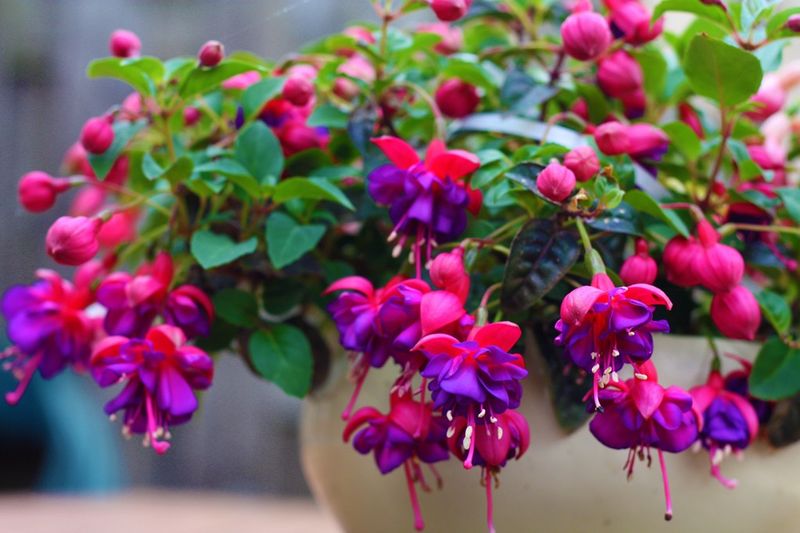
Few plant combinations stop people in their tracks quite like fuchsias paired with creeping Jenny.
Fuchsias bring a bold, almost tropical flair with their dangling blooms in shades of pink, red, and purple. Creeping Jenny adds a cheerful chartreuse contrast that spills beautifully over the edges of any window box.
Oregon’s mild, moist climate is practically made for fuchsias. They love cooler temperatures and prefer partial shade, which is easy to find on many Oregon homes.
The creeping Jenny thrives in similar conditions, making these two plants natural companions in the same box.
Water your fuchsias regularly since they do not like to dry out. Adding a slow-release fertilizer once a month keeps the blooms coming strong through summer. Creeping Jenny is low-maintenance and spreads quickly, so trim it back if it gets too long.
Together, these two plants create a lush, cascading display that feels right at home in the Pacific Northwest.
2. Trailing Lobelia & White Bacopa
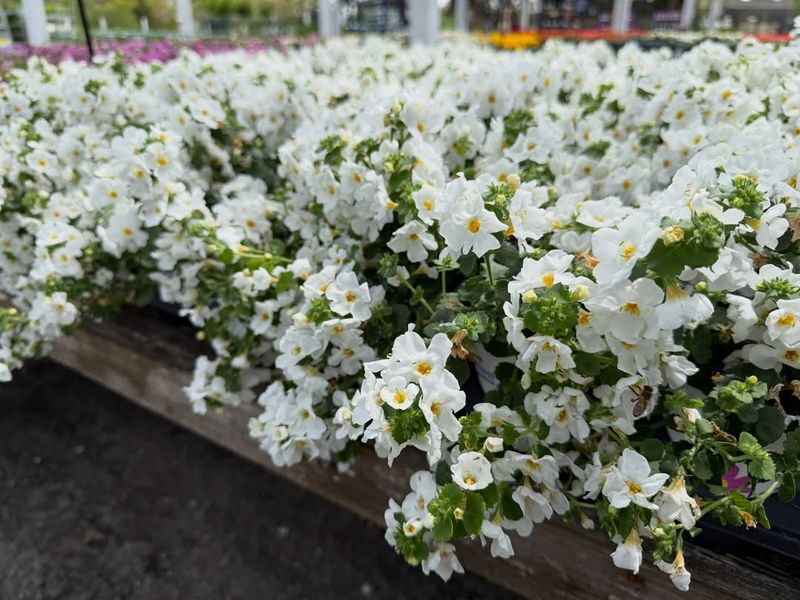
There is something quietly magical about a window box filled with tiny blooms in blue and white.
Trailing lobelia produces a waterfall of small, jewel-toned flowers in deep blue and violet. White bacopa adds a soft, lacy look that balances the lobelia’s intensity beautifully.
Oregon gardeners love this pairing because both plants prefer cooler weather and moderate moisture, conditions that Oregon’s spring and early summer deliver naturally.
Lobelia tends to slow down in intense heat, but Oregon’s mild summers keep it blooming longer than in hotter states. Bacopa is forgiving and bounces back quickly after rain.
Plant them in well-draining soil and give them morning sun with afternoon shade for the best results.
Pinch back the bacopa occasionally to encourage fuller growth. This combination works especially well on the shaded sides of Oregon homes where other flowering plants might struggle.
The blue and white color palette looks fresh and elegant against natural wood siding, painted brick, or any exterior finish common in Oregon neighborhoods.
3. Geraniums & Sweet Alyssum
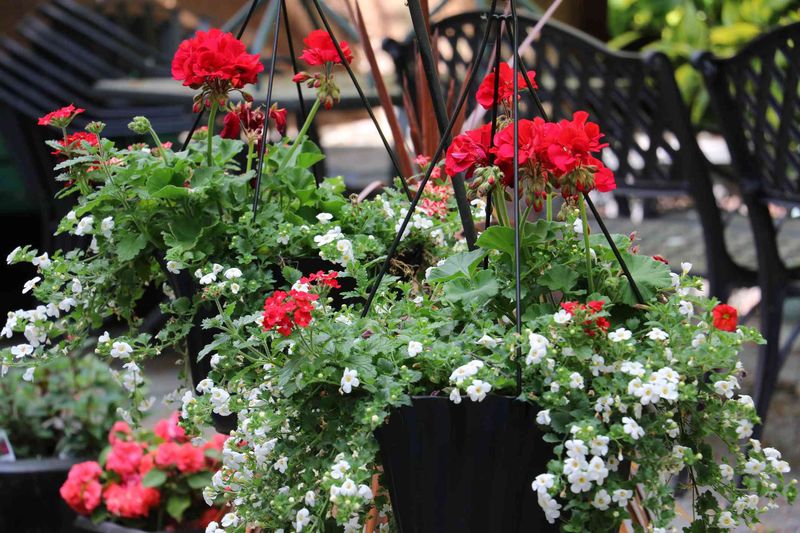
Geraniums have been a window box favorite for generations, and for good reason. They are tough, colorful, and reliable.
Your Oregon Garden Changes Every Week. Your Plan Should Too.
Gardening in Oregon changes quickly throughout the season. Every Friday you’ll receive a simple weekly plan showing exactly what to plant, prune, fertilize, harvest, and protect so you never miss the right timing.
Pair them with sweet alyssum and you get something even better: a honey-scented, cloud-like border of tiny white flowers that makes the whole arrangement feel soft and romantic.
In Oregon, geraniums perform well from late spring through fall. They like full sun and do not mind occasional dry spells, which is helpful during Oregon’s drier summer months.
Sweet alyssum loves cool weather and actually thrives in Oregon’s mild climate, often blooming earlier and longer than in warmer regions.
Choose red or coral geraniums for a bold, classic look, or go with soft pink for a more vintage feel.
The white alyssum ties everything together and fills the air with a light, sweet fragrance. This pairing is a great choice for Oregon homeowners who want maximum visual impact with minimal fuss.
Water consistently and deadhead the geraniums regularly to keep new blooms coming all season long. It is a timeless combination that never goes out of style.
4. Pansies & Ornamental Cabbage
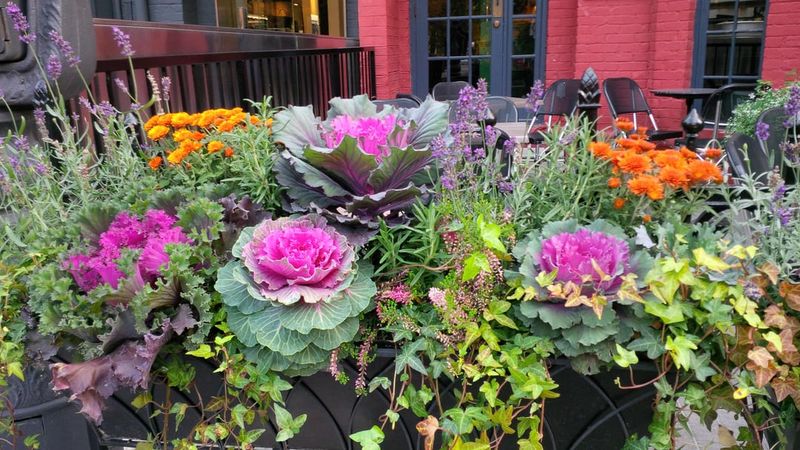
When fall arrives in Oregon, most gardeners pack up their window boxes and call it a season.
But pansies and ornamental cabbage are here to change that habit. This pairing thrives in cool weather and actually looks its best when temperatures start to drop in September and October.
Ornamental cabbage, with its swirling rosettes of purple, white, and green, brings a dramatic texture to any window box.
Pansies add cheerful splashes of color in yellow, violet, orange, and deep burgundy. Together, they create a display that feels festive and fresh right through the early winter months in Oregon.
Plant this combination in late summer or early fall for the best results. Both plants prefer well-draining soil and do not need much fertilizer once established. Oregon’s rainy fall season actually works in their favor since they love consistent moisture.
Ornamental cabbage can handle light frost, so your window boxes will stay looking great well into November.
This is a fantastic way to keep your Oregon home looking welcoming and beautiful long after summer flowers have finished their run.
5. Coral Bells & Licorice Plant
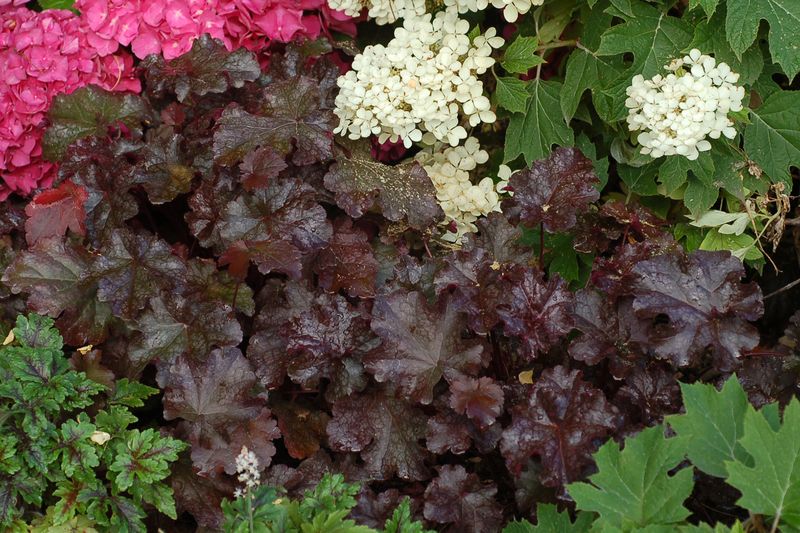
Not every great window box relies on flowers. Coral bells and licorice plant prove that foliage alone can create a stunning display.
Coral bells, also called heuchera, come in an incredible range of leaf colors including deep burgundy, burnt orange, and lime green.
Licorice plant adds a trailing cloud of soft silver-gray leaves that shimmers in the light. Oregon’s climate suits coral bells very well.
They prefer partial shade and consistent moisture, which Oregon’s natural rainfall provides through much of the year. Licorice plant, on the other hand, is surprisingly drought-tolerant once established.
Together, they balance each other out and cover a wide range of light conditions. This combination works especially well in shaded or north-facing windows where flowering plants often struggle.
The contrast between the rich, colorful coral bells and the airy silver licorice plant is visually striking and works with almost any exterior color.
Choose a deep burgundy coral bells variety for a moody, sophisticated look, or go with a bright lime green for something more playful. Either way, this pairing adds texture and interest to Oregon homes all season long.
6. Nasturtiums & Blue Salvia
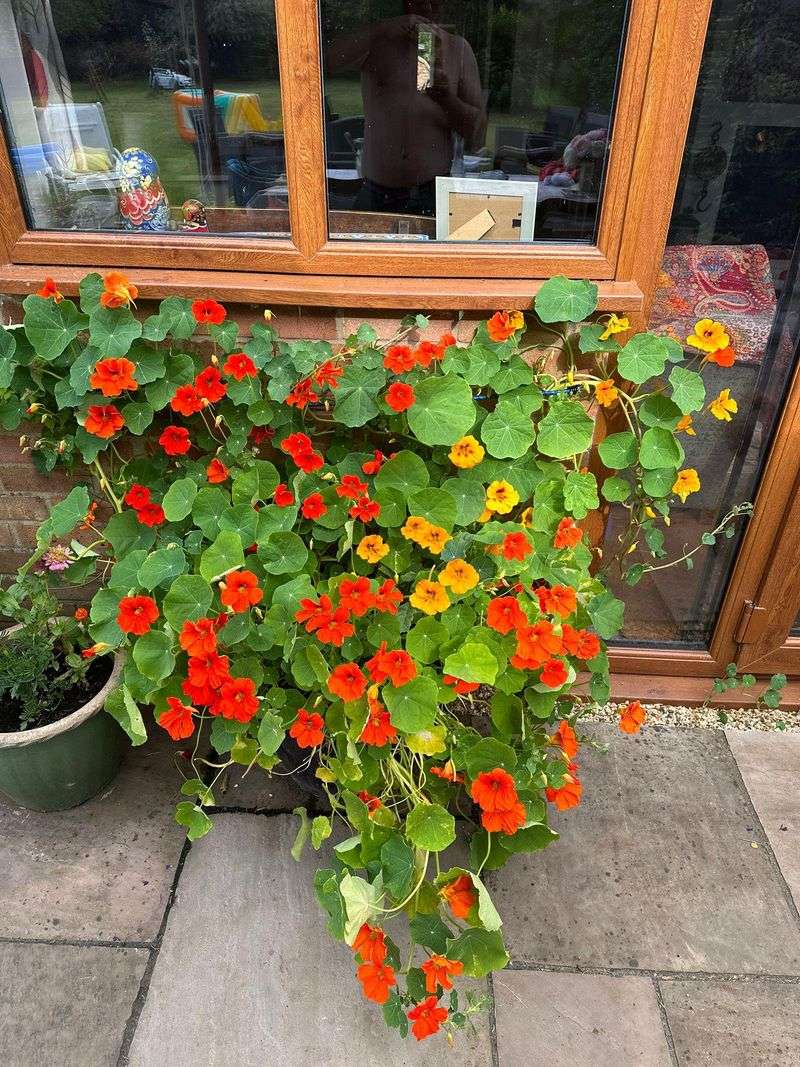
Nasturtiums are one of the most cheerful plants you can grow, and they are incredibly easy to care for.
Their round, lily-pad-like leaves and bold orange, yellow, and red flowers bring a burst of warm energy to any window box. Blue salvia adds vertical height and cool, rich color that contrasts beautifully with the warm tones of the nasturtiums.
Both plants love full sun, making this a great choice for south or west-facing windows on Oregon homes.
Nasturtiums actually prefer poor soil and do not need much fertilizer. Over-feeding them will produce more leaves than flowers.
Blue salvia is a magnet for hummingbirds, which is a wonderful bonus for Oregon gardeners who love wildlife.
Start nasturtiums from seed directly in your window box in spring for the easiest approach. They grow quickly and begin blooming within a few weeks. Did you know nasturtium flowers are edible and taste slightly peppery?
They make a colorful addition to salads. Blue salvia holds its blooms for months with very little care.
This pairing is bold, fun, and full of personality, making it a great match for Oregon homes with a relaxed, cottage-style vibe.
7. Begonias & Asparagus Fern
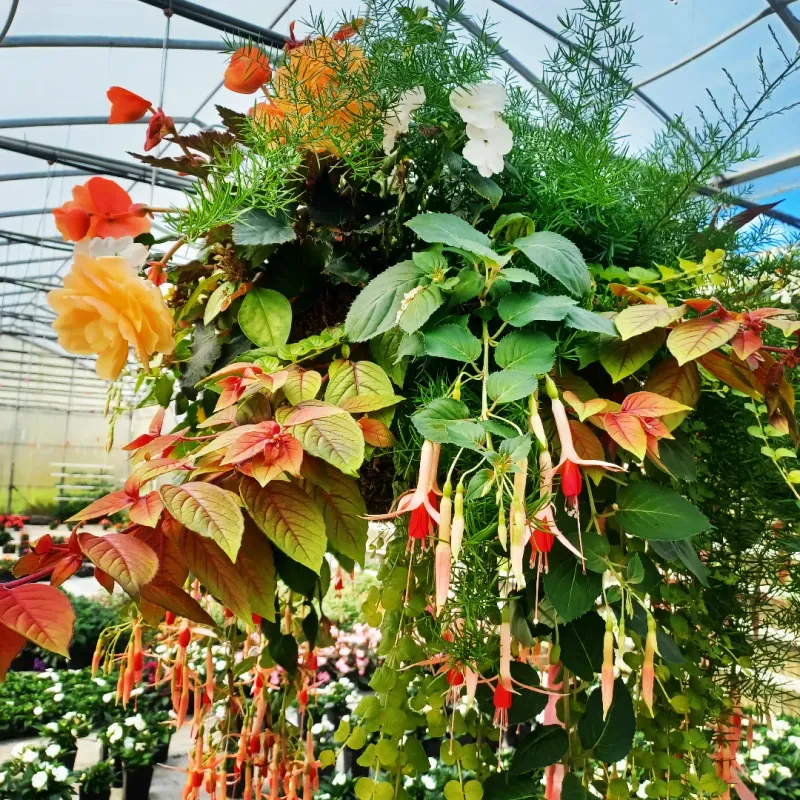
Wax begonias are one of the hardest-working plants in the window box world. They bloom nonstop from spring through fall and handle shade like champions.
Pair them with asparagus fern and you get a combination that feels lush, tropical, and full of life even on the cloudiest Oregon days.
Asparagus fern is not actually a true fern, but its feathery, bright green foliage adds a soft, airy texture that complements begonias perfectly.
The fern trails and arches gracefully over the sides of the box, giving the whole arrangement a wild, natural look.
Both plants prefer shade to partial shade, which suits many Oregon homes with north or east-facing windows.
Keep the soil consistently moist but not waterlogged. Begonias are sensitive to overwatering, so make sure your window box has good drainage holes. In Oregon’s rainy season, you may barely need to water at all.
Deadheading begonias is not strictly necessary since they are self-cleaning, but removing spent blooms keeps them looking tidy.
This combination is especially popular in Portland and Eugene neighborhoods where shaded porches and overhanging rooflines create ideal growing conditions for both plants.
8. Petunias & Silver Falls Dichondra
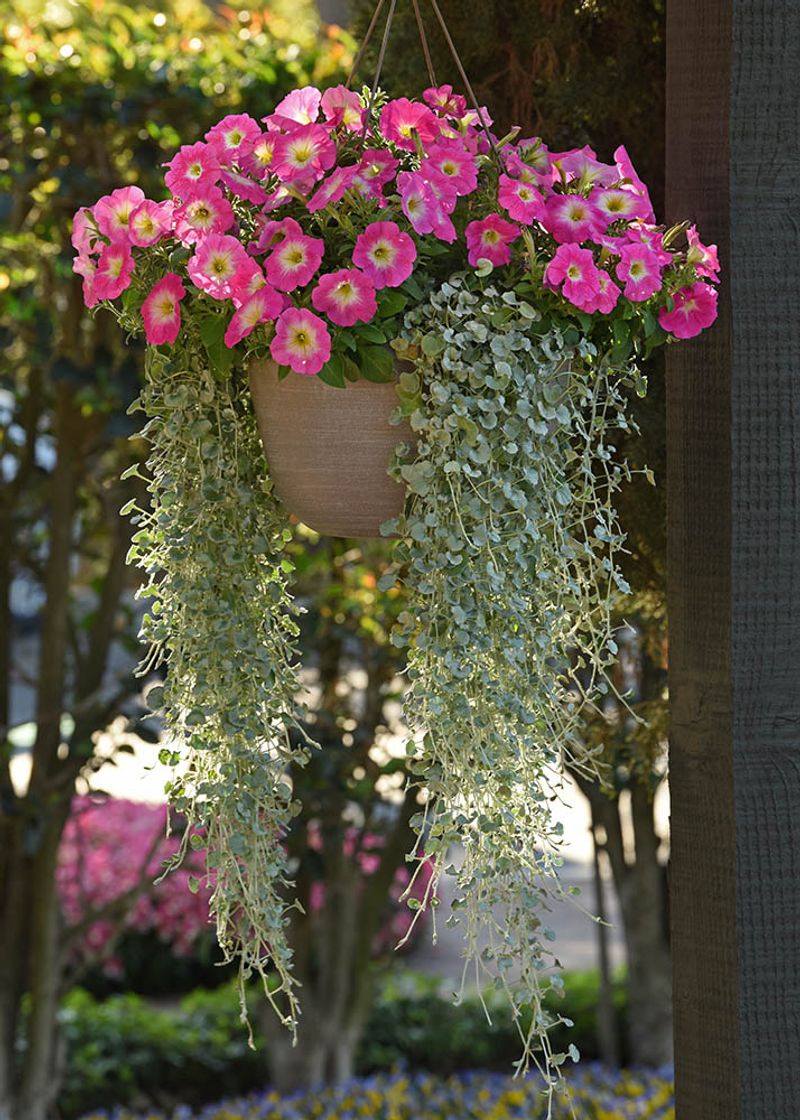
If you want a window box that makes the neighbors stop and stare, this is the one. Petunias are among the most popular window box plants in the world, and for good reason.
They bloom in an enormous range of colors and keep going all summer long. Silver Falls dichondra is the secret weapon that takes this look to the next level.
Silver Falls dichondra produces long, trailing stems covered in shimmering silver coin-shaped leaves.
When it spills over the edge of a window box, it creates a waterfall effect that looks almost unreal. Paired with bold, colorful petunias, the silver foliage makes the blooms pop even more.
This combination looks incredible on Oregon homes with darker exterior colors like navy, forest green, or charcoal gray.
Both plants love full sun and warm temperatures. Oregon’s summer months provide exactly the right conditions for this duo to thrive. Water petunias deeply but allow the soil to dry slightly between waterings.
Feed them with a balanced liquid fertilizer every two weeks to keep the blooms going strong.
Trim the dichondra if it gets too long. This pairing is dramatic, eye-catching, and genuinely one of the most beautiful window box combinations you can plant in Oregon.
9. Heathers & Evergreen Sedum
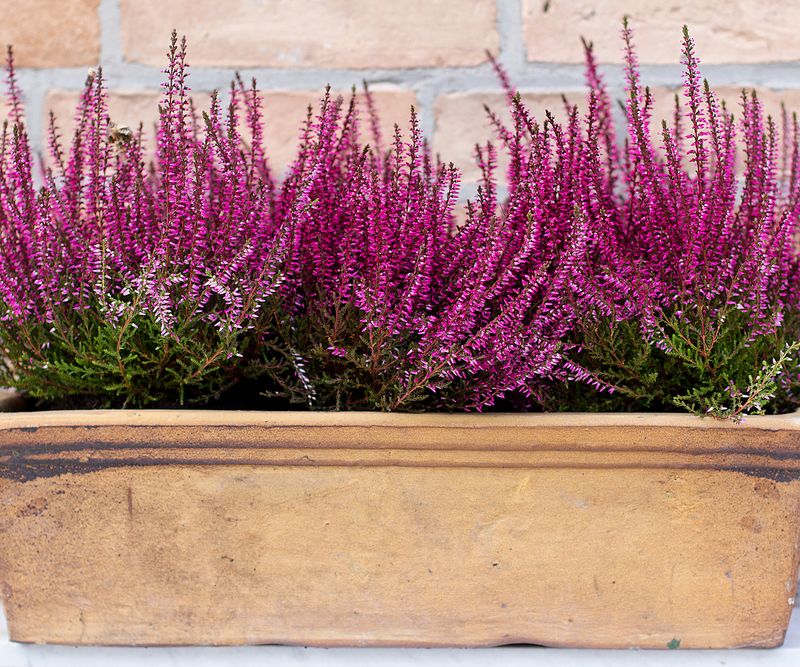
Year-round beauty is the goal with this pairing, and heathers and evergreen sedum deliver it without question.
Heathers are beloved across the Pacific Northwest for their ability to bloom in late fall and winter when almost nothing else does.
Their needle-like foliage and small bell-shaped flowers in pink, purple, and white bring life to Oregon homes during the gray months.
Evergreen sedum is a tough, low-growing succulent that stays green and interesting through every season. It spreads slowly and fills in gaps beautifully, giving the window box a full, planted look even in the depths of winter.
Together, heathers and sedum create a display that looks intentional and polished all year long.
Oregon’s cool, wet winters are actually ideal for heathers, which prefer acidic, well-draining soil.
Add some peat moss or ericaceous compost to your window box mix to give them the right growing environment. Sedum needs very little water and thrives on neglect, making it a stress-free addition.
This combination is a smart investment for Oregon homeowners who want their window boxes to look beautiful in January just as much as they do in July. It is low-effort, high-reward gardening at its best.