The Lawn Mowing Mistake Every Oregon Homeowner Makes In Summer Heat
Summer heat can turn a simple lawn chore into a surprisingly risky move. The grass may look shaggy, the mower is ready, and trimming everything short can feel like the fastest way to make the yard look clean again.
That tidy finish, however, may come at a cost. Hot weather changes how grass handles stress.
A mowing habit that seems harmless in spring can leave the lawn struggling once Oregon temperatures climb.
The damage may not show up immediately, which makes the mistake especially easy to repeat.
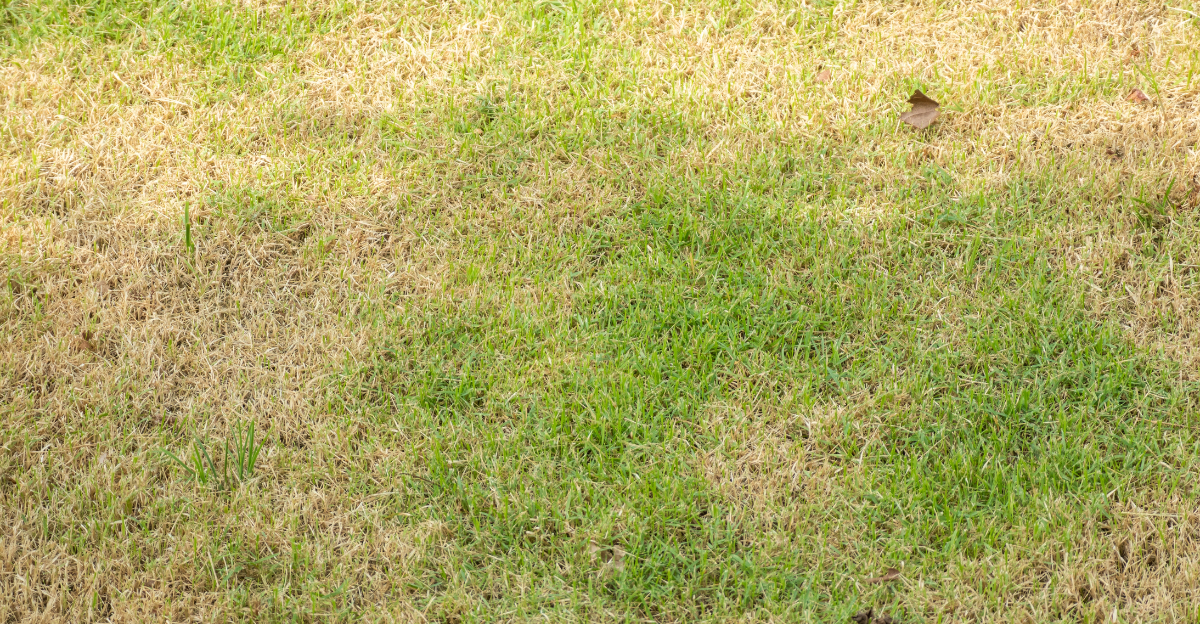
Soon, the yard can start looking faded or patchy even though it is being mowed regularly. Talk about an unhelpful reward for staying on top of chores.
A small adjustment can make a big difference during the hottest part of the season. The key is knowing which familiar mowing move is quietly making summer lawn care harder than it needs to be.
1. Cutting Grass Too Short Is The Mistake
Most homeowners think shorter grass means less mowing and a neater yard. That logic makes sense on the surface, but it backfires badly during summer heat.
Cutting grass too short is the number one lawn mistake made across Oregon every single summer.
When you drop the mower blade too low, you remove too much of the grass blade at once. Grass needs its leaf surface to make food through photosynthesis.
Without enough blade length, the plant struggles to feed itself properly.
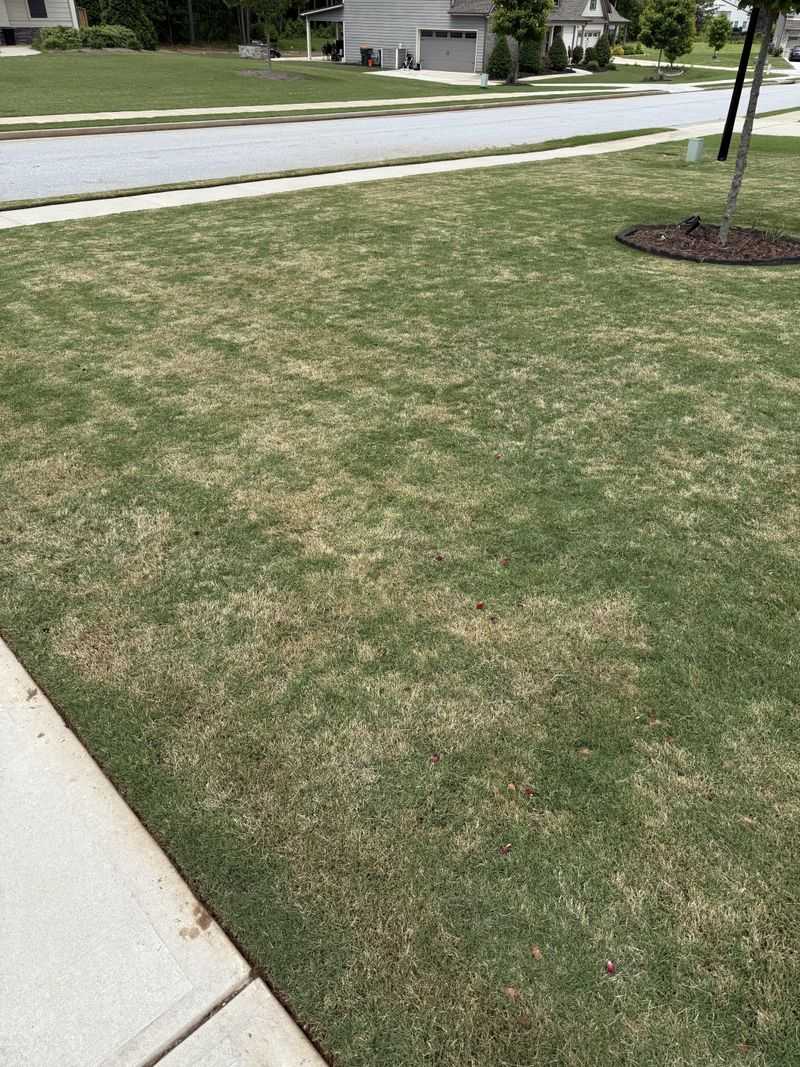
Lawn experts call this mistake scalping. It happens when you cut more than one-third of the grass blade in a single mow.
That one-third rule is one of the most important rules in lawn care, yet it gets ignored constantly.
Cool-season grasses like tall fescue and ryegrass, which are popular in our state, grow best when kept between three and four inches tall in summer. Many homeowners set their mowers to two inches or even lower.
That extra inch or two makes a huge difference when temperatures rise.
Short grass simply cannot handle heat stress the same way taller grass can. It dries out faster, burns more easily, and has a much harder time bouncing back after a hot stretch.
Raising your mower deck just one notch can protect your lawn in ways that no amount of watering can fully replace.
2. Short Grass Loses Moisture Faster
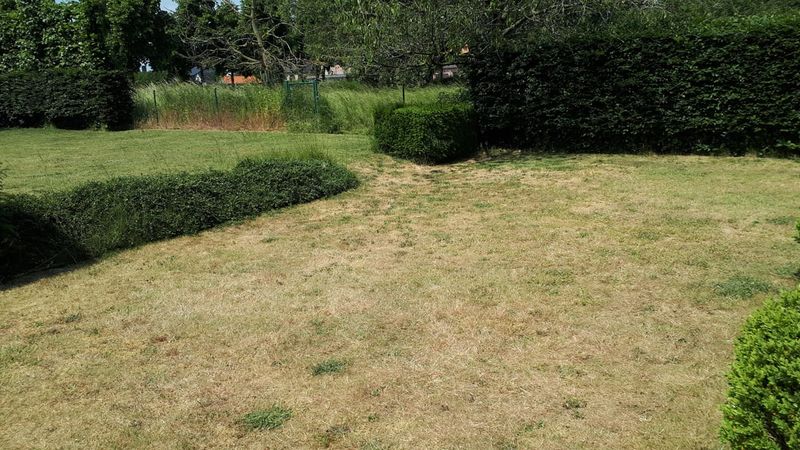
Water is everything during a dry summer, and short grass wastes it faster than most people realize. When grass blades are cut too low, the soil underneath gets exposed directly to sunlight and hot air.
That exposure causes moisture to evaporate from the soil at a much faster rate.
Think of grass blades like tiny umbrellas. The taller they are, the more shade they provide to the ground below.
When that shade disappears, the sun pulls moisture right out of the earth before your grass roots can even use it.
Homeowners who mow short often find themselves watering more frequently just to keep the lawn from turning brown.
The frustrating part is that no matter how much they water, the lawn still looks stressed. The real problem is not the watering schedule, it is the mowing height.
Your Oregon Garden Changes Every Week. Your Plan Should Too.
Gardening in Oregon changes quickly throughout the season. Every Friday you’ll receive a simple weekly plan showing exactly what to plant, prune, fertilize, harvest, and protect so you never miss the right timing.
Oregon gets very little rainfall during the summer months in many areas. That makes every drop of soil moisture precious.
Short grass wastes that moisture quickly, which puts the lawn under constant stress from early July through September.
Keeping grass at a taller height acts like a natural moisture barrier. The blades slow down evaporation and help the soil stay cooler and wetter for longer periods.
If you want to reduce how often you water this summer, the easiest fix is simply raising your mower blade before the next cut.
3. Scalped Lawns Heat Up Quickly
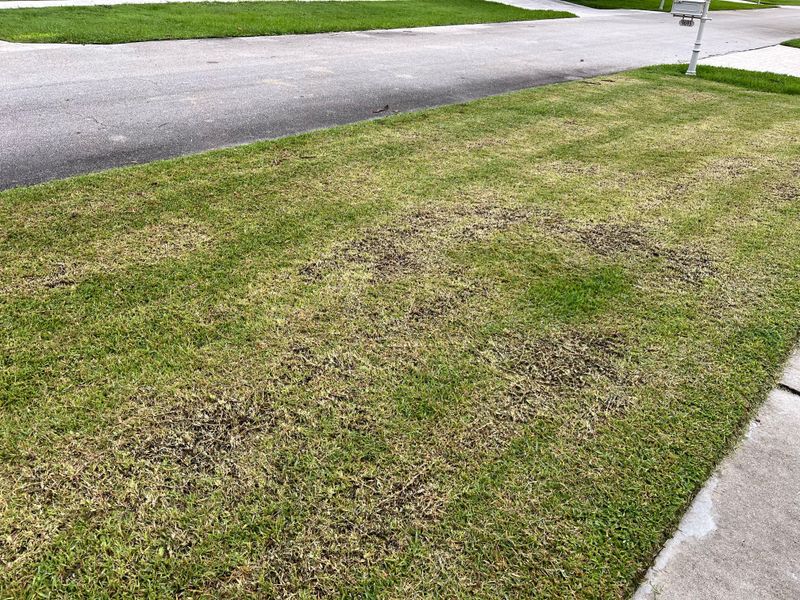
Bare soil heats up incredibly fast under a summer sun. When a lawn gets scalped, meaning cut far too short, the ground loses its natural insulation.
On a hot day, soil temperatures in a scalped lawn can reach levels that are damaging to grass roots within just a few hours.
Healthy, taller grass keeps the ground cooler by blocking direct sunlight. The leaf canopy acts like a living shade cloth stretched across the soil.
Remove that canopy with a low mower setting, and the ground becomes almost like a frying pan on a hot day.
Grass roots do not like heat. Most cool-season grasses common in Oregon start to struggle when soil temperatures climb above 85 degrees Fahrenheit.
Scalped lawns reach those temperatures much faster and stay hot much longer than lawns kept at the right height.
Once the soil gets too hot, the roots pull back and stop growing. The grass goes into survival mode.
It stops producing new growth and starts pulling energy inward just to survive. That is why scalped lawns look thin and patchy so quickly after a hot stretch.
The damage compounds over time. Each hot day makes things worse.
By mid-summer, a scalped lawn can look completely burned out even if it received regular watering. Avoiding this starts with one simple decision before you mow: check your blade height and raise it if needed.
4. Taller Blades Shade The Soil
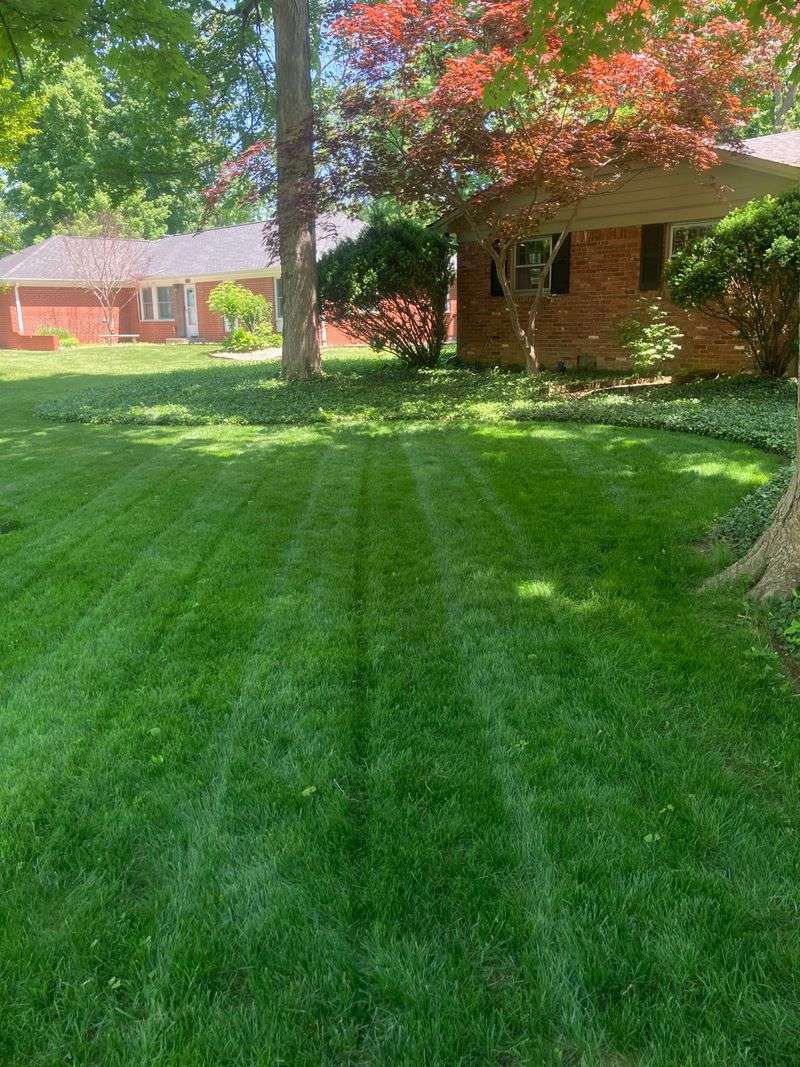
One of the best things taller grass does is create shade right at ground level. That shade might seem small, but it has a big impact on how well your lawn survives summer heat.
Grass blades that reach three to four inches tall work together to block sunlight from hitting the soil directly.
When the soil stays shaded, it holds onto moisture much longer. It also stays cooler, which means grass roots can keep growing and absorbing nutrients even during hot spells.
A shaded root zone is a healthy root zone.
Weeds also have a harder time getting started in taller grass. Weed seeds need sunlight to germinate.
When the grass canopy is thick and tall enough, those seeds just sit on the shaded soil surface without sprouting. That means less weeding work for you on top of a healthier lawn.
Many homeowners think taller grass looks messy or unkempt. But during summer, a slightly longer lawn is actually a sign of smart lawn care.
Your neighbors might even notice how green your yard stays while theirs turns brown.
Raising the mower deck by just one inch can make a noticeable difference within a few weeks. The grass will look fuller, feel softer underfoot, and need less water to stay healthy.
Shade from taller blades is free, natural, and incredibly effective at protecting your lawn through the hottest part of the year.
5. Low Mowing Weakens Grass Roots
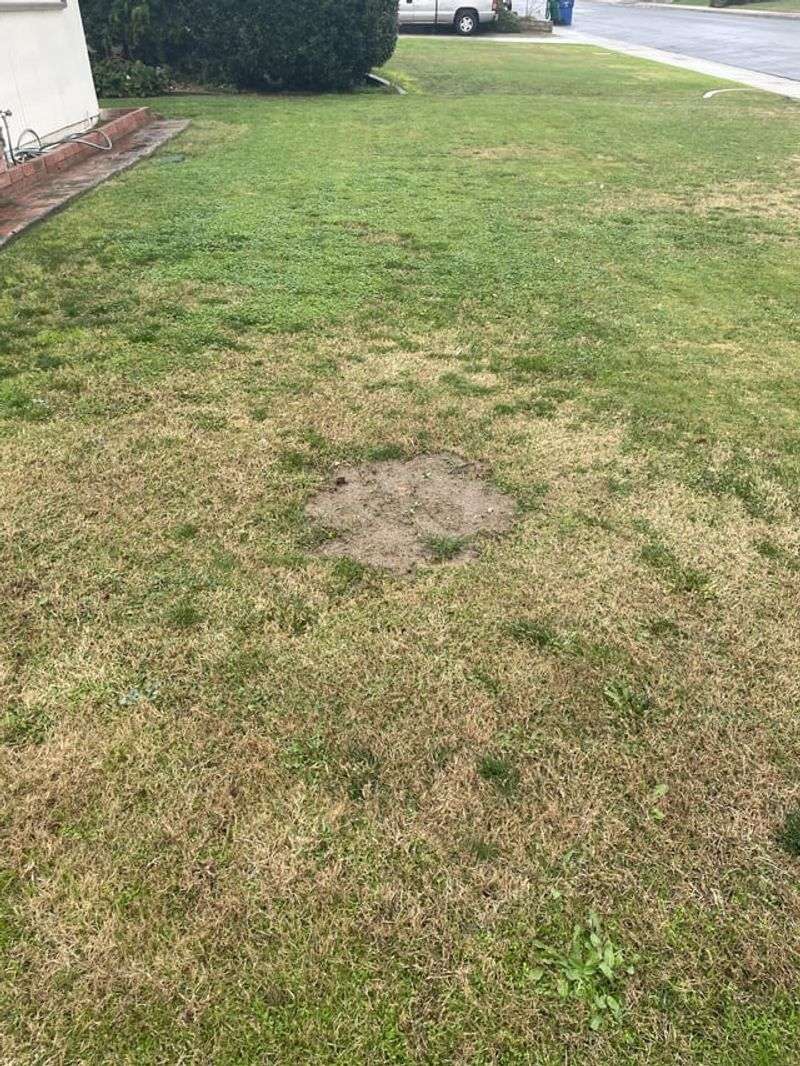
What happens above ground always affects what happens below it. When you cut grass too short, the roots below the surface suffer just as much as the blades you can see.
Shallow mowing leads directly to shallow, weak roots that cannot handle heat or drought stress.
Grass roots grow in proportion to the leaf length above them. Taller blades encourage deeper root growth.
Shorter blades signal the roots to stay close to the surface. In summer, shallow roots are a serious problem because the top layer of soil dries out the fastest.
Deep roots can reach moisture that surface roots simply cannot find. During a dry stretch, grass with deep roots keeps pulling water from lower in the soil profile.
Grass with shallow roots runs out of accessible moisture quickly and starts to show stress within just a few days of dry weather.
Homeowners who mow low all season long are essentially training their grass to have weak roots year after year.
The lawn becomes more dependent on frequent watering and more vulnerable to heat, drought, and foot traffic damage.
Switching to a higher mowing height gives roots the signal they need to grow deeper and stronger. It takes a few weeks to see the difference, but the results are worth it.
A lawn with deep roots is a resilient lawn. It can handle the tough conditions that Oregon summers regularly bring without falling apart at the first sign of heat.
6. Brown Patches Often Start After Scalping
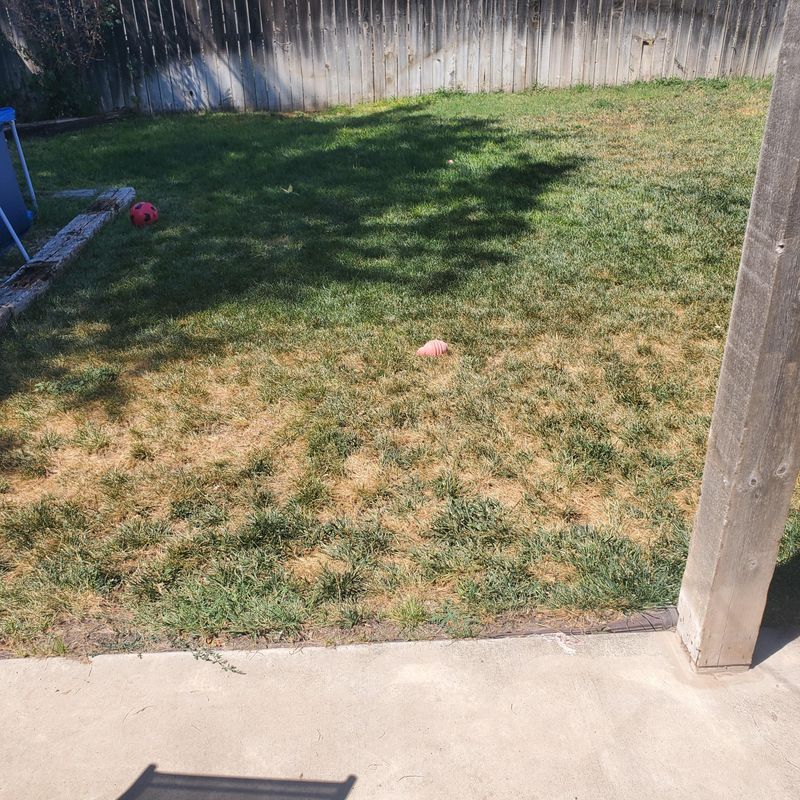
Ever notice how brown patches seem to appear out of nowhere a few days after mowing? That is not a coincidence.
Many of those frustrating withered-looking spots trace directly back to a mow that went too short. Scalping removes the protective layer the grass needs to survive heat stress.
When certain sections of the yard get cut lower than others, those spots dry out and turn brown faster. Uneven terrain makes this worse.
Low spots, slight hills, and bumpy areas are especially prone to being scalped accidentally when the mower deck dips down.
Once brown patches appear, they are slow to recover. The grass in those areas has been weakened.
It takes extra watering, patience, and time before those spots green back up. In some cases, they may not fully recover until cooler fall weather arrives.
Some homeowners mistake these patches for lawn disease or grub damage. They spend money on treatments that do not help because the real cause was the mow.
Understanding that scalping creates brown patches saves time, money, and a lot of frustration.
Preventing these patches is straightforward. Keep the mower deck at the right height.
Go slowly over uneven ground so the deck does not dip. Avoid mowing when the grass is already stressed from heat or drought.
These three habits alone can keep your lawn looking far more even and green throughout the hottest weeks of summer right here in Oregon.
7. Hot Afternoons Make Mowing Damage Worse
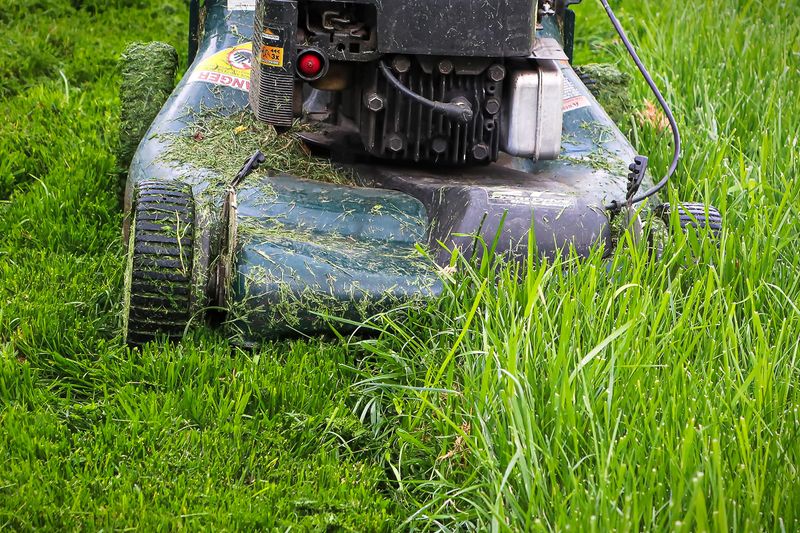
Timing matters just as much as mowing height when summer heat is at its peak. Mowing during the hottest part of the day, usually between noon and four in the afternoon, adds extra stress to already struggling grass.
The combination of heat and fresh cuts is rough on any lawn. When you mow in the afternoon heat, the grass has already been baking under the sun for hours.
Its moisture reserves are lower, its pores are working overtime to cool the plant, and its defenses are down.
Cutting it at that moment is like asking someone to run a race right after they have been standing in the sun all day.
Fresh cut grass tips lose moisture rapidly. In the cool of the morning, that moisture loss slows down because temperatures are lower and humidity is slightly higher.
In the hot afternoon, cut grass tips dry out almost immediately, which increases the chance of browning and tip burn.
Early morning is the best time to mow in summer. The grass has had a chance to recover from the previous day.
Temperatures are cooler, and the lawn can handle the stress of cutting much better. Evening is the second-best option, though wet grass from evening watering can cause clumping.
Changing your mowing schedule from afternoon to morning is a small adjustment that makes a real difference.
Your lawn will handle the cut better, recover faster, and look greener through the rest of the week. It is one of the easiest improvements any homeowner can make.
8. Raise The Mower Before Heat Waves
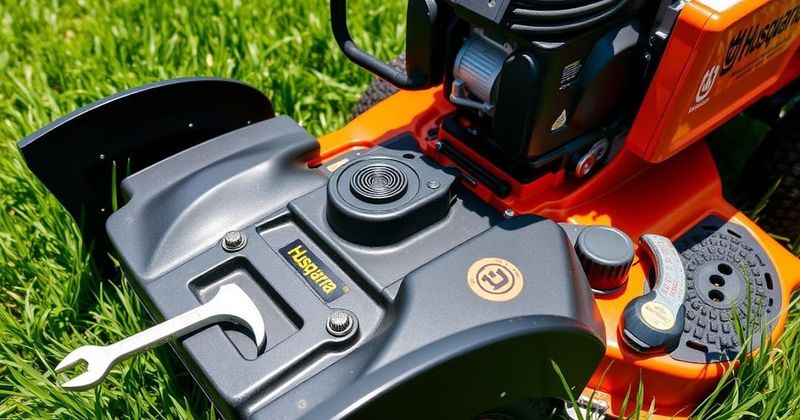
Before a heat wave rolls through, the smartest thing you can do for your lawn is adjust your mower deck before you cut.
Raising the cutting height by even half an inch can dramatically change how well your grass survives the coming heat. This one step costs nothing and takes less than a minute.
Weather forecasts here in our state give you a heads-up when high temperatures are on the way. Use that warning.
If a stretch of 90-degree days is coming, mow a day or two before it arrives, and make sure the deck is set higher than usual. That extra blade length becomes your lawn’s best defense.
Taller grass going into a heat wave means more shade for the soil, more moisture held in the ground, and deeper roots ready to handle dry conditions.
All of that adds up to a lawn that comes out the other side of the heat wave looking far better than one that was cut short right before the temperatures spiked.
After the heat wave passes and cooler weather returns, you can gradually lower the deck back to your preferred height. Do not drop it all at once.
Lower it one notch per mow so the grass adjusts without being shocked by a sudden change.
Getting into the habit of checking the forecast before every mow is a simple practice that serious lawn enthusiasts use all the time.
It turns mowing from a mindless chore into a smart, seasonal strategy that keeps your yard healthy from June all the way through September.