These Are The Only Salvia Varieties Worth Planting In Florida For Year-Round Color
Finding flowering plants that can genuinely keep up with Florida’s heat, humidity, and completely unpredictable weather is a real challenge, and any gardener who has lost a pretty plant to a brutal August afternoon knows exactly what that feels like.
Salvias, though? They show up and they deliver.
Tall flower spikes, rich jewel-toned colors, and a steady stream of pollinators that treat your garden like the best restaurant in town.
These plants are tough, reliable, and surprisingly varied, with different varieties bringing different benefits depending on your location, your space, and the look you are going for.
Wildlife-friendly yard, cottage-style bed, low-maintenance ornamental garden, salvias have something genuinely useful to offer in just about any Florida garden situation you can think of.
1. Scarlet Sage Brings Native Warm-Season Color
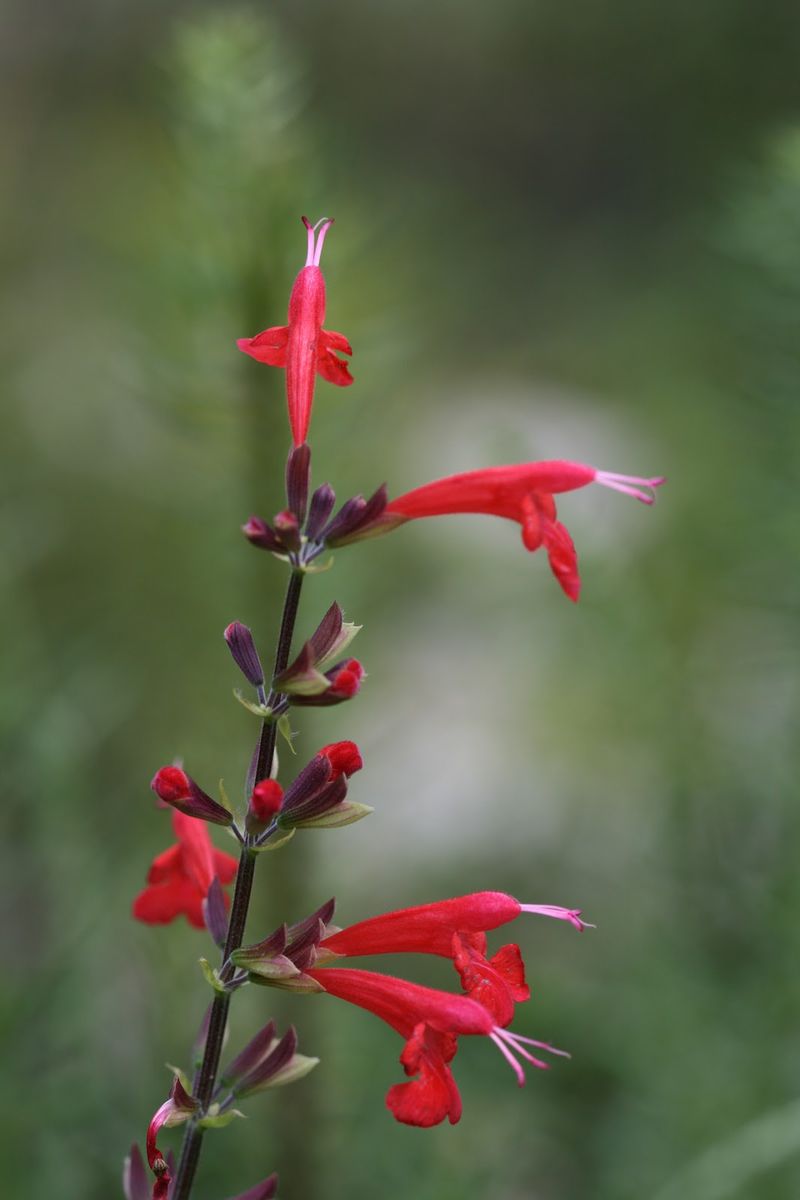
Few flowering plants feel as naturally at home in a Florida garden as scarlet sage, botanically known as Salvia coccinea. As a Florida native, it has spent generations adapting to the state’s sandy soils, intense summer heat, and unpredictable rainfall.
That deep-rooted familiarity with local conditions makes it one of the most reliable warm-season performers you can plant in a residential landscape.
Flower color is one of its biggest selling points. Depending on the cultivar, scarlet sage can bloom in red, pink, or white, with upright spikes that rise above the foliage and catch the eye from across the yard.
Hummingbirds and butterflies visit regularly, making it a strong choice for anyone building a pollinator-friendly space. The blooming season stretches from spring through fall, which means months of consistent color during warmest period.
Scarlet sage handles a surprisingly wide range of light conditions. Full sun is where it thrives most, but it can also manage in partial shade without losing too much of its flowering energy.
That flexibility makes it useful in spots where other sun-loving salvias might struggle. Plants tend to stay relatively compact, fitting well into mixed perennial beds, cottage gardens, and border plantings without overwhelming nearby plants.
One thing to keep in mind is that cold weather can set plants back, especially in North Florida where winter temperatures drop more noticeably.
In frost-free or mild areas of South and Central Florida, scarlet sage may continue growing longer into the season.
Giving plants good drainage and occasional deadheading can help extend their display.
2. Mealycup Sage Adds Upright Flower Spikes
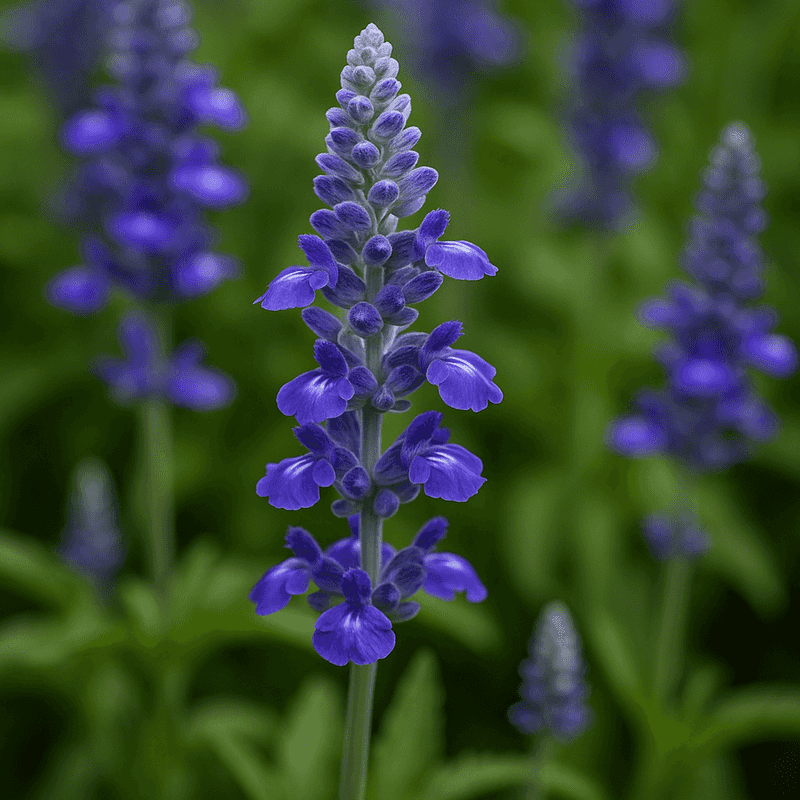
Upright, tidy, and full of color, mealycup sage has earned a reliable spot in Florida landscapes where sunny borders and structured plantings are the goal.
Botanically called Salvia farinacea, this salvia is well known for its tall, slender flower spikes that shoot up above the foliage and hold their color through the warm season.
The effect in a garden bed is clean, vertical, and eye-catching.
Flower color depends on cultivar selection, with options ranging from deep blue and lavender to purple and white. That variety gives gardeners some flexibility when designing color schemes for mixed beds or pollinator gardens.
Blue-toned cultivars tend to stand out especially well against lighter-colored companion plants or a backdrop of green shrubs. Bees and butterflies are frequent visitors, adding movement and life to the planting.
Your Florida Garden Changes Every Week. Your Plan Should Too.
Gardening in Florida changes quickly throughout the season. Every Friday you’ll receive a simple weekly plan showing exactly what to plant, prune, fertilize, harvest, and protect so you never miss the right timing.
Sun is non-negotiable for mealycup sage. It performs best in full sun and tends to get leggy or produce fewer blooms when light levels drop.
Florida’s long warm season suits it well, though plants may slow down during the hottest stretches of summer or when rainfall becomes irregular. Consistent moisture helps, but the soil should drain well to avoid root problems.
Mealycup sage works across much of Florida, though gardeners in North Florida should be aware that cold snaps can affect overwintering plants depending on how severe the winter turns out to be. In warmer parts of the state, it may return reliably.
Cultivar choice matters, so look for selections that have been tested in Florida’s specific climate conditions before purchasing.
3. Purple Majesty Salvia Brings Deep Purple Flowers
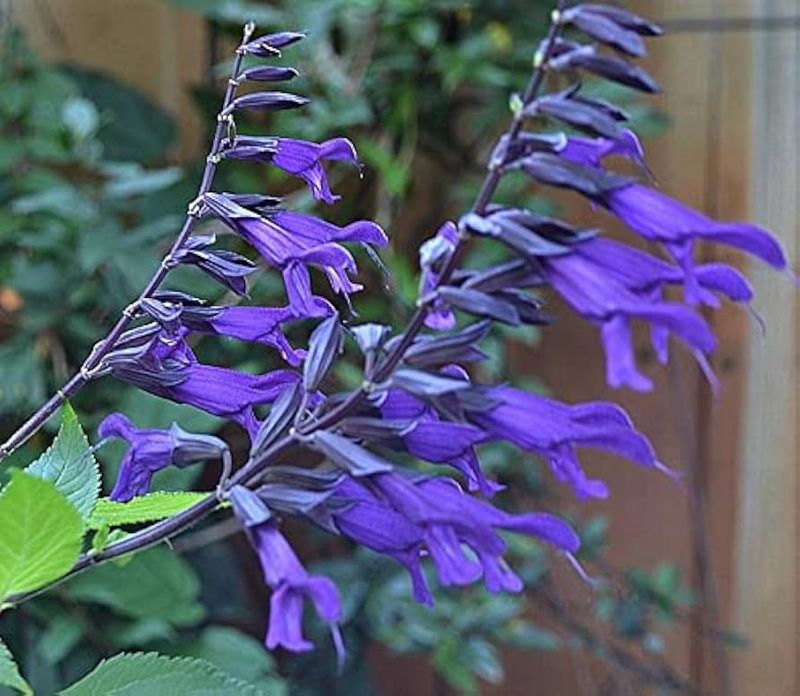
Bold and unapologetically vivid, Purple Majesty salvia makes an impression the moment it starts blooming. The deep purple flower spikes are rich in color and tall enough to command attention in a sunny border without any help from companion plants.
For gardeners who want a strong color anchor in a warm-season bed, this salvia delivers that effect with genuine presence.
The upright growth habit keeps the plant organized and easy to work with in structured garden designs. It fits well into formal-style beds, pollinator gardens, and cottage plantings where height variation adds visual interest.
Bees and butterflies are drawn to the deep purple blooms, which makes Purple Majesty salvia a natural fit for anyone prioritizing wildlife activity in their Florida landscape.
Sun exposure plays a big role in how well this salvia performs. Full sun brings out the richest bloom color and supports the most vigorous growth.
In shadier spots, flowering tends to be less consistent and the plant may stretch toward available light rather than growing in its characteristic upright form. Florida’s warm temperatures generally suit this salvia well through spring and into fall.
Like many salvias, Purple Majesty can be affected by cold snaps, especially in North Florida where winter temperatures fluctuate more than in the southern parts of the state.
South and Central Florida gardeners may find that plants hold on longer into the cooler months.
Soil drainage matters too, since soggy conditions can cause root stress. Giving this salvia a well-drained, sunny spot sets it up for the most reliable seasonal performance possible.
4. Mexican Sage Adds Late-Season Rose-Purple Color
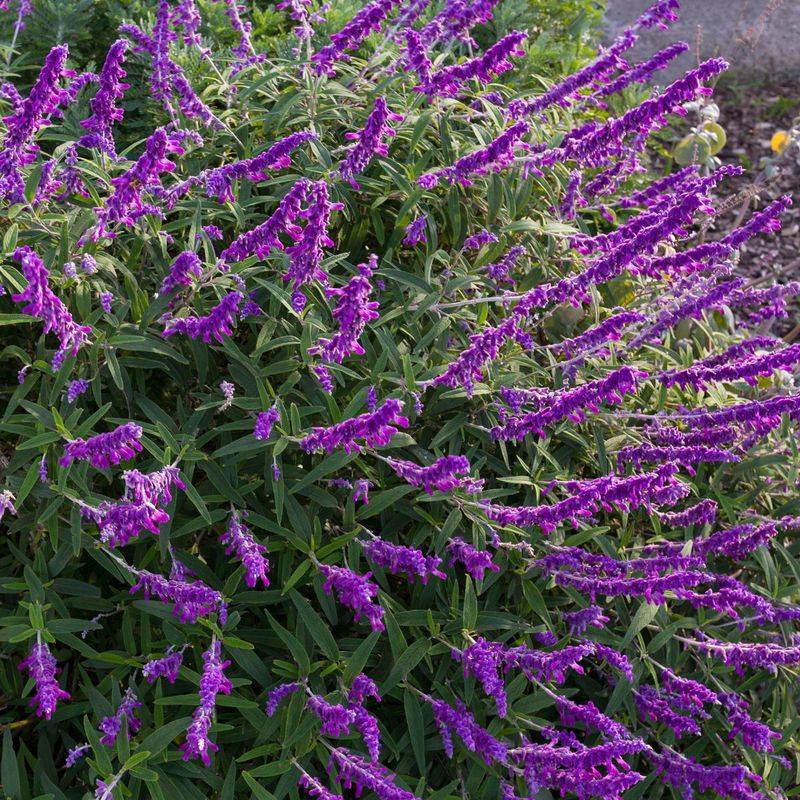
When the rest of the garden starts to wind down in autumn, Mexican sage steps in with a burst of color that feels almost unexpected. Salvia leucantha is known for its velvety, rose-purple flower spikes that emerge on long, arching stems in late summer through fall.
That timing makes it genuinely useful for gardeners who want seasonal interest when many other flowering plants are finishing up.
The texture of the flowers is part of what makes this plant stand out.
The calyxes have a soft, fuzzy quality that adds a tactile richness to the plant’s appearance, and the rose-purple tones look especially striking against a backdrop of green foliage or warm autumn light.
Butterflies and hummingbirds visit the blooms, adding to the garden’s activity during a season when pollinator resources can be harder to find.
Mexican sage can reach a fairly large size at maturity, so spacing and placement deserve some thought before planting.
It works well at the back of a border or as a seasonal anchor in a mixed bed where its late-season color can be appreciated without crowding smaller companions.
Florida gardeners in South and Central Florida tend to get the best performance from this plant, as it thrives in warm conditions and appreciates the mild winters those regions offer.
In North Florida, frost and freezing temperatures can cut the season short or cause the plant to behave more like an annual than a perennial. Treating it as a seasonal addition rather than a permanent fixture is a realistic approach in colder parts of the state.
Well-drained soil and full sun give it the best foundation for a rewarding late-season show.
5. Autumn Sage Welcomes Hummingbirds And Butterflies
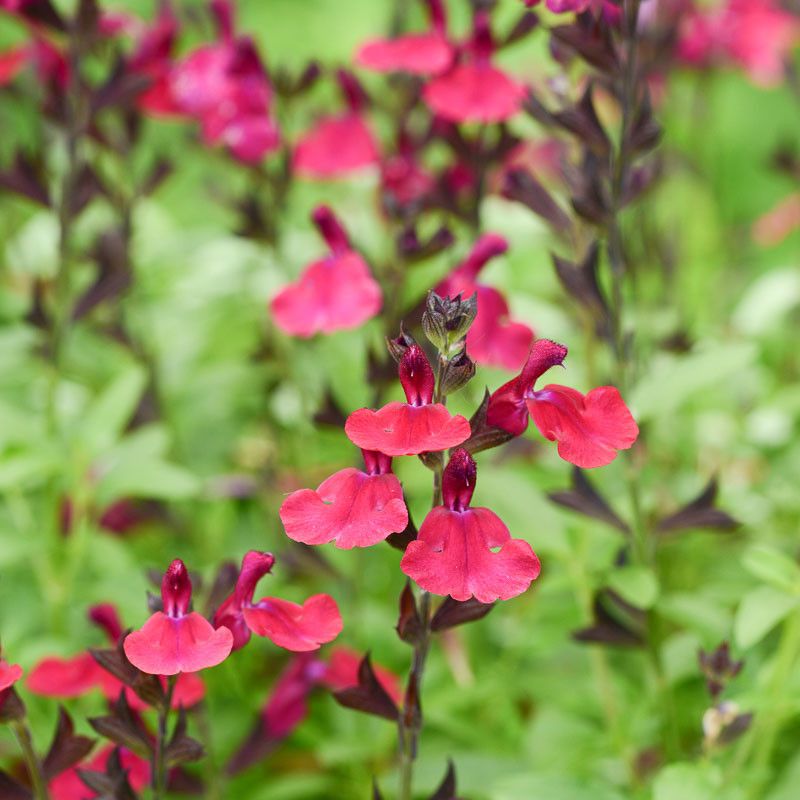
Watch a hummingbird work its way through a planting of autumn sage and it becomes clear why this salvia earns so much praise from Florida wildlife gardeners.
Salvia greggii produces tubular flowers in shades of red, pink, coral, and white that are practically designed for hummingbird feeding.
Butterflies visit regularly too, making it one of the more rewarding salvias to grow if attracting pollinators is a priority.
Autumn sage blooms across a long stretch of the warm season, with flowers appearing in spring and continuing through fall in many Florida settings.
The plant tends to stay relatively compact compared to some of the larger salvias on this list, which makes it a practical option for smaller garden beds, mixed perennial borders, and cottage-style plantings where space is at a premium.
Its manageable size also makes it easier to tuck into spots near walkways or entry gardens where the hummingbird activity can be enjoyed up close.
Performance can vary depending on region, heat intensity, soil moisture, and how cold the winter gets. In South and Central Florida, autumn sage may behave more like a perennial and return season after season with minimal intervention.
In North Florida, cold winters can be harder on the plant, and gardeners may need to treat it as a seasonal addition or provide some protection during freezes.
Full sun and well-drained soil are the two conditions autumn sage asks for most consistently. Sandy Florida soils work well as long as irrigation is available during dry stretches.
Pruning back after heavy bloom cycles can encourage fresh growth and keep the plant looking tidy through the season.
6. Bog Sage Works In Roomier Wet-To-Dry Spots
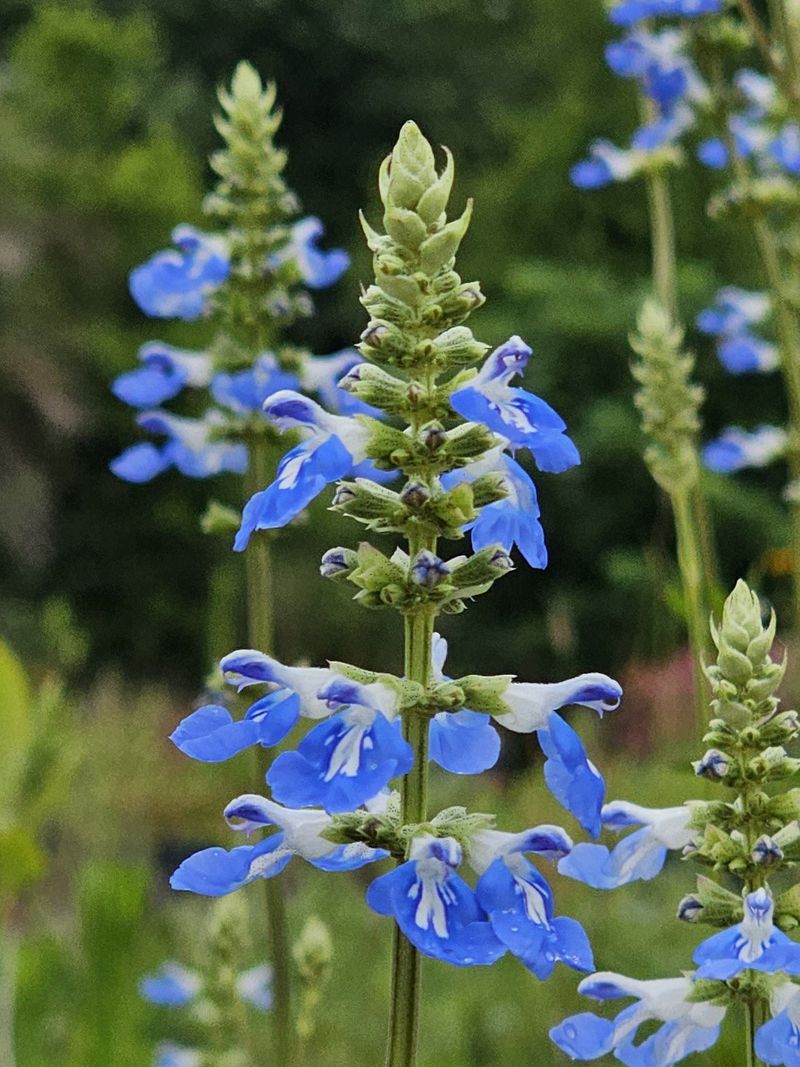
Not every Florida garden is dry and sandy. Some yards have low spots, rain garden areas, or consistently moist zones that make it hard to grow typical sun-loving salvias without running into drainage problems.
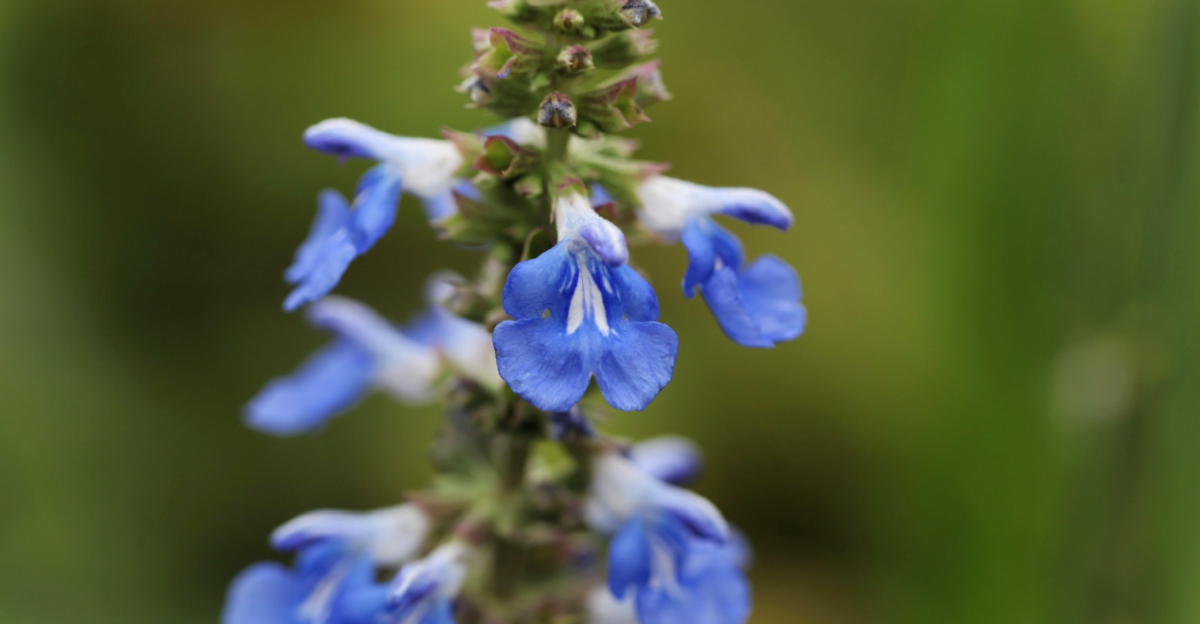
Bog sage, or Salvia uliginosa, is one of the few salvias that can actually handle those wetter conditions while still delivering impressive sky-blue flowers on tall, airy stems.
The blue flower color is genuinely appealing and not something you see from many salvias in this range.
It adds a cool-toned contrast to warmer flower colors in mixed beds and works especially well near water features or in rain gardens where moisture levels stay higher than average.
Bees and other pollinators respond well to the blooms, giving wet-area garden spots more wildlife activity than they might otherwise receive.
Bog sage does come with a significant caveat that gardeners should take seriously before planting it. In moist conditions, it can spread aggressively through underground runners and take over more space than expected in a relatively short amount of time.
It is not a casual choice for small beds or tightly managed spaces. Roomier planting areas where spreading can be monitored and managed are a much better fit for this salvia.
In drier Florida soils, bog sage can still grow but may spread less vigorously and need more supplemental irrigation to stay healthy. Full sun supports the best flowering, though it can tolerate some light shade.
Gardeners in South and Central Florida may find it performs as a longer-lived perennial, while those in North Florida should watch how it responds to winter cold before committing to a large planting.