California Groundcovers That Spread Fast Enough To Cover A Bare Slope Before Fire Season
A bare slope in California can look harmless in spring, but fire season gives it a much bigger role.
Open soil dries fast, weeds move in quickly, and loose dirt can slide after the next round of weather. Not exactly the low stress yard feature anyone asked for.
Fast spreading groundcovers can help cover that exposed space before summer pressure builds.
The goal is not to create a wild, tangled mess. It is to use plants that stay low, fill in well, and make the slope look cared for instead of forgotten.
Some groundcovers also bring flowers that make a tough area feel more alive. Others help soften the view without needing constant attention.
The key is finding plants that can handle California’s dry months and still behave near the home.
A smart groundcover can turn a bare slope into something safer, cleaner, and much better looking before fire season starts.
1. Creeping Sage Gives Slopes Native Fragrance
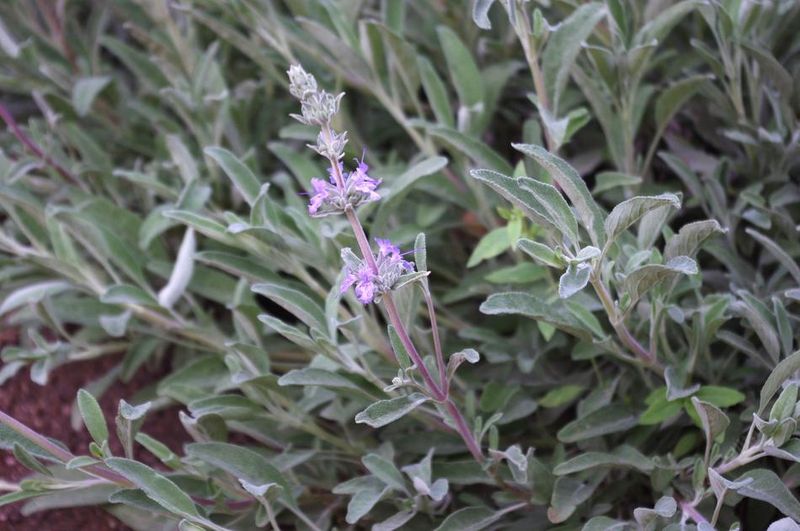
Few plants smell as good as creeping sage after a light rain. That sharp, clean scent is more than just pleasant.
It is a sign that this native plant is thriving in exactly the kind of hot, dry conditions that challenge most groundcovers.
Creeping sage, also known as Salvia sonomensis, is a low-growing shrub that spreads steadily across bare ground, rooting as it goes.
Once established, it forms a dense mat that smothers weeds and holds soil in place on steep grades.
It handles full sun and poor, rocky soil without complaint. In spring, it sends up short spikes of soft lavender-blue flowers that bees absolutely love.
The flowering period adds seasonal color to slopes that might otherwise look dull and brown.
Planting is straightforward. Space plants about two to three feet apart and water them in well during the first season. After that, minimal irrigation is needed.
It spreads naturally by layering, meaning stems root where they touch the soil. A slope planted in fall can show solid coverage by the following summer.
This plant is a reliable choice for homeowners in foothill communities, chaparral zones, and anywhere rainfall is sparse. It is a workhorse that rewards patience with lasting, fragrant coverage.
2. Bee’s Bliss Sage Fills Bare Ground Fast
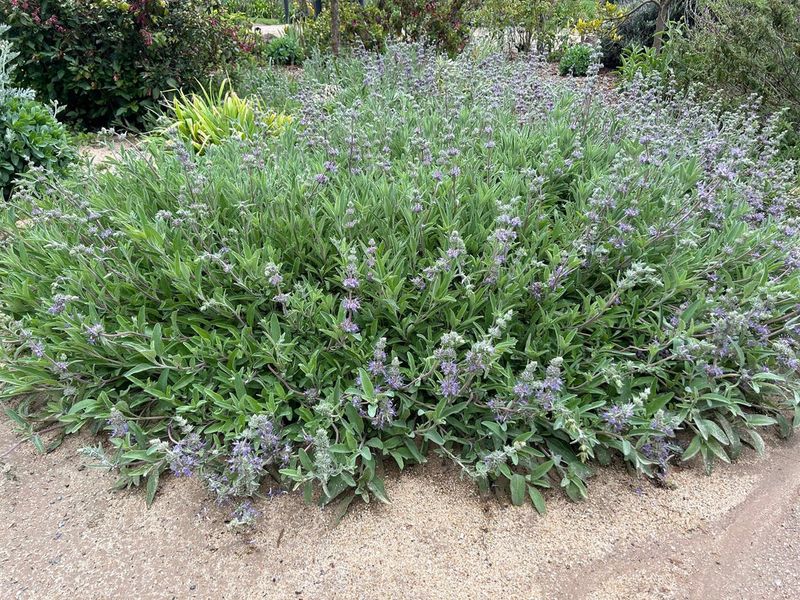
Named after the pollinators it attracts, Bee’s Bliss is one of the most popular native groundcovers planted on slopes across our state.
It is a hybrid sage with wide, arching stems that can spread six to eight feet in a single season under the right conditions. That kind of growth rate is exactly what a bare hillside needs before dry, windy weather arrives.
The leaves are soft gray-green and give off a pleasant herbal scent when brushed. In late winter and spring, long purple flower spikes appear and bees visit constantly.
The combination of spreading stems and dense foliage creates a thick barrier that protects soil from erosion and reduces the fuel load on a slope.
It performs best in full sun and well-drained soil. Heavy clay or soggy ground will slow it down, so amend the planting area if needed. Space plants three to four feet apart and water them through the first dry season.
Your California Garden Changes Every Week. Your Plan Should Too.
Gardening in California changes quickly throughout the season. Every Friday you’ll receive a simple weekly plan showing exactly what to plant, prune, fertilize, harvest, and protect so you never miss the right timing.
After that, established plants handle drought well with only occasional deep watering. Bee’s Bliss works beautifully alongside other native plants and blends naturally into the surrounding landscape.
For homeowners who want quick coverage with real ecological value, this sage is hard to beat. It is both a fast grower and a genuine wildlife habitat plant.
3. Prostrate Coyote Brush Handles Tough Hillsides
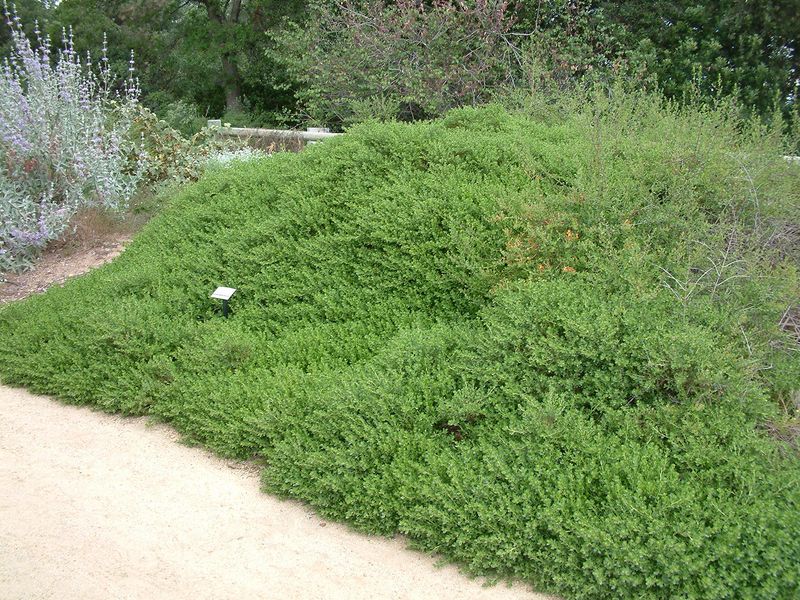
Some slopes are just brutal. Rocky, dry, exposed to full sun all day, and too steep to irrigate easily. Prostrate coyote brush, or Baccharis pilularis, was practically made for those conditions.
It is one of the toughest native groundcovers in our state, and it earns that reputation every single season.
This low-growing shrub spreads two to three feet per year once established, forming a dense mat of small, bright green leaves. It hugs the ground tightly, rarely growing taller than about two feet.
That low profile makes it excellent for fire-prone areas because it does not build up tall, dry fuel in the way that shrubby plants can.
It also roots deeply, which means it holds hillside soil firmly against erosion from wind and rain.
Birds love to nest in the dense stems, and native insects use the small white fall flowers as a food source before winter. Planting is simple. Use one-gallon or five-gallon containers in fall or early spring.
Water regularly for the first year, then step back and let the plant do its thing. There are male and female plants, and most gardeners choose male varieties to avoid the fluffy seed spread.
Varieties like Twin Peaks and Pigeon Point are widely available at native plant nurseries and are proven performers on tough hillsides throughout the state.
4. Point Reyes Ceanothus Adds Evergreen Coverage
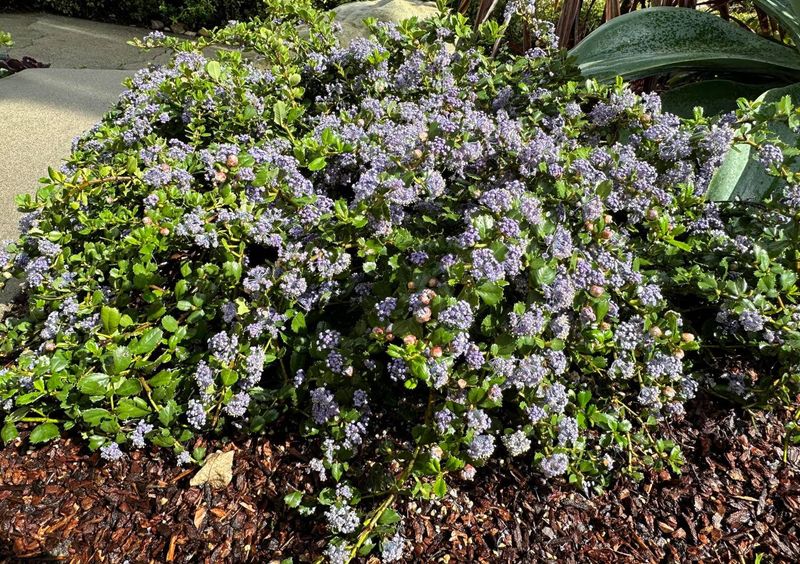
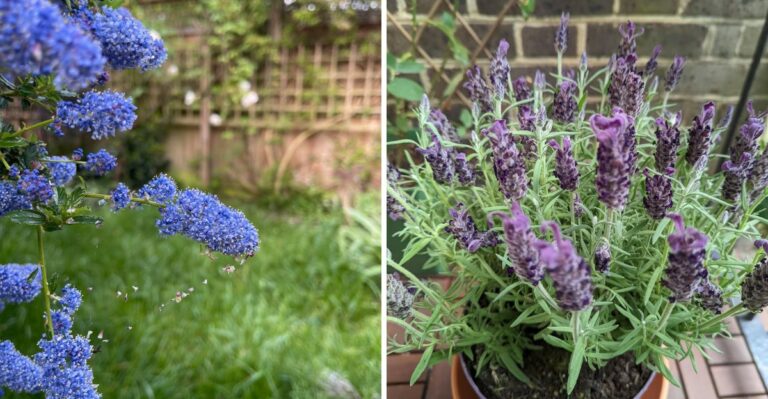
Bright blue flower clusters in spring, dark evergreen leaves year-round, and a spreading habit that covers ground fast.
Point Reyes Ceanothus, also called Ceanothus gloriosus, checks every box for homeowners who want beauty and function on a bare slope. It is native to the coastal bluffs of our state, which means it handles wind, salt air, and dry summers with ease.
The plant spreads low and wide, often reaching six feet or more across while staying under two feet tall. That wide, flat growth pattern is ideal for slopes because it creates a continuous blanket of living greenery.
The roots bind soil tightly, and the dense canopy shades out weeds, reducing maintenance over time.
In late winter and early spring, the whole plant erupts in vivid blue-purple blooms that attract native bees and butterflies.
Plant it in full sun or partial shade with good drainage. It does not tolerate heavy clay or standing water, so raised planting or amended beds help in problem areas. Water regularly for the first two summers, then reduce irrigation significantly.
Avoid summer watering once fully established, as too much moisture can cause root problems in native ceanothus.
This plant is best suited to coastal and inland areas with mild summers. For a slope that needs both rapid coverage and year-round beauty, Point Reyes Ceanothus is a strong, reliable choice.
5. Beach Strawberry Covers Soil With Living Green
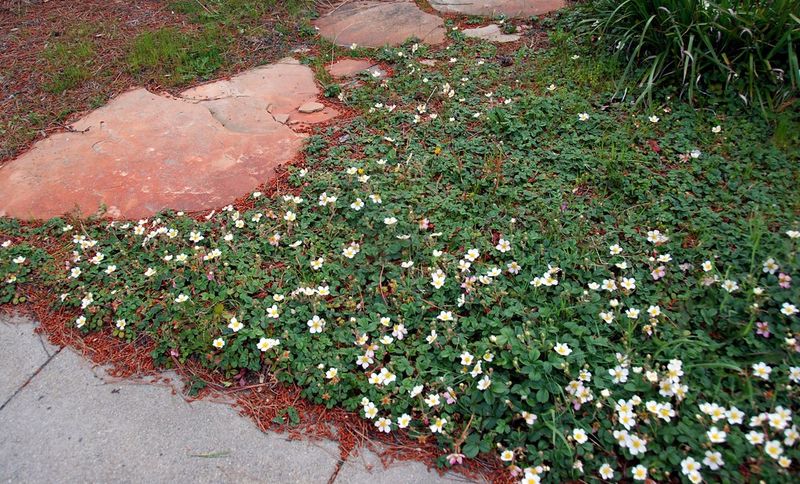
There is something cheerful about a slope covered in beach strawberry. The shiny, deep green leaves form a thick carpet, the white flowers bloom in spring, and yes, small red berries do appear, though they are more of a bonus than the main event.
The real star of the show is how quickly this plant spreads and how well it holds soil on challenging grades.
Beach strawberry, or Fragaria chiloensis, is a native coastal plant that spreads by runners, much like the garden strawberry you might grow for eating.
Each runner stretches out, roots at a node, and creates a new plant. This process happens fast enough that a slope planted in spring can have near-complete coverage by late summer.
The dense root network grips the soil firmly, making it one of the better erosion control choices for moderate slopes.
It grows best in full sun to partial shade and prefers well-drained, slightly sandy soil. It handles coastal fog and wind without trouble.
Inland areas with very hot summers may stress the plant, so some afternoon shade helps in those zones.
Water regularly during the first season, then reduce to occasional deep watering once established.
Mowing lightly once a year in late winter keeps the planting fresh and encourages new growth. Beach strawberry pairs well with other native groundcovers and adds a lush, welcoming look to any slope.
6. Kurapia Covers Slopes Fast With Less Water
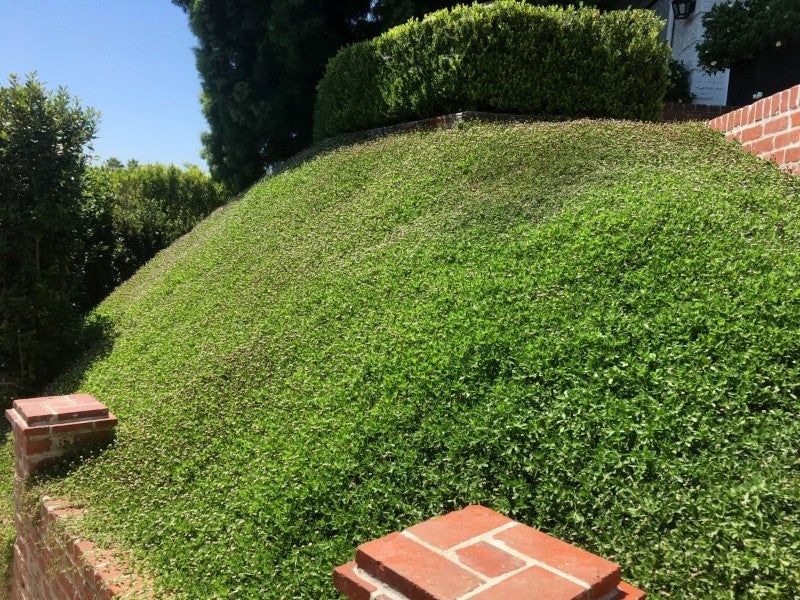
Not every fast-spreading groundcover is native, and Kurapia proves that non-native plants can still play a smart role in water-wise landscapes.
Developed in Japan and tested extensively in our state, Kurapia is a sterile, low-growing groundcover that spreads aggressively without going invasive.
It is one of the fastest-establishing options available for bare slopes that need coverage quickly.
Kurapia grows just two to three inches tall and spreads by surface runners that root as they move.
On a bare slope, it can cover significant ground within one season when planted at the right spacing and given adequate water during establishment. Once rooted in, it tolerates drought well and requires far less water than traditional lawn grass.
Tiny white flowers appear throughout the growing season, and bees visit them regularly.
It handles full sun best but tolerates light shade. Foot traffic is not its strength, so it works better on slopes and borders than in high-traffic areas. Planting from plugs or flats spaced about twelve inches apart gives fast, even coverage.
Water two to three times per week during the first month, then reduce to once a week or less.
Kurapia is sold at specialty nurseries and some big box garden centers across the state. For a slope that needs fast, low-maintenance coverage with real water savings, Kurapia is a practical and proven solution worth considering.
7. Creeping Thyme Handles Sunny, Dry Edges
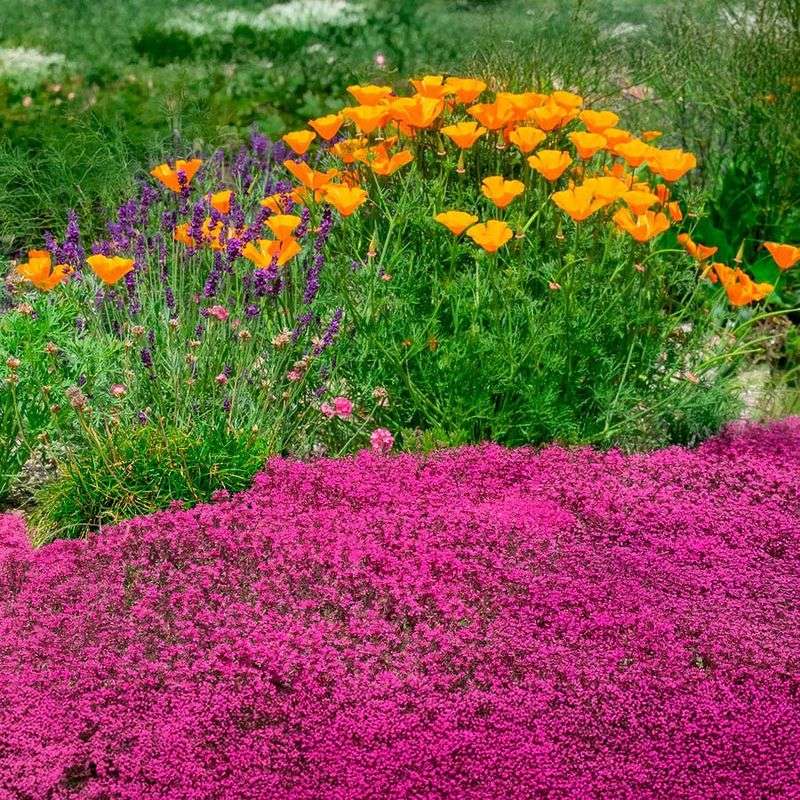
Walk past a patch of creeping thyme in bloom and you will understand why so many gardeners love it.
The tiny pink and purple flowers cover the plant completely in late spring, creating a carpet of color that looks almost too pretty to be a functional groundcover.
But function is exactly what this plant delivers on dry, sunny slopes and garden edges where other plants struggle.
Creeping thyme, or Thymus serpyllum, spreads steadily along the soil surface, filling gaps and covering bare patches without growing tall.
It stays under three inches high, which makes it useful for areas where you want coverage without blocking views or creating fire fuel buildup.
The plant is drought-tolerant once established and actually prefers lean, dry soil over rich, heavily amended ground.
It is not a native plant, but it naturalizes well in our state’s Mediterranean climate. Full sun and sharp drainage are essential. In heavier soils, mix in coarse sand or gravel before planting to improve drainage.
Space plants about twelve inches apart and water every few days during the first growing season. After that, rainfall and occasional supplemental watering are usually enough to keep it healthy.
Creeping thyme also releases a pleasant herbal scent when brushed or stepped on lightly, which adds a sensory bonus to any slope planting. It is a small plant that punches well above its size in usefulness.
8. Lippia Spreads Quickly Without Getting Tall
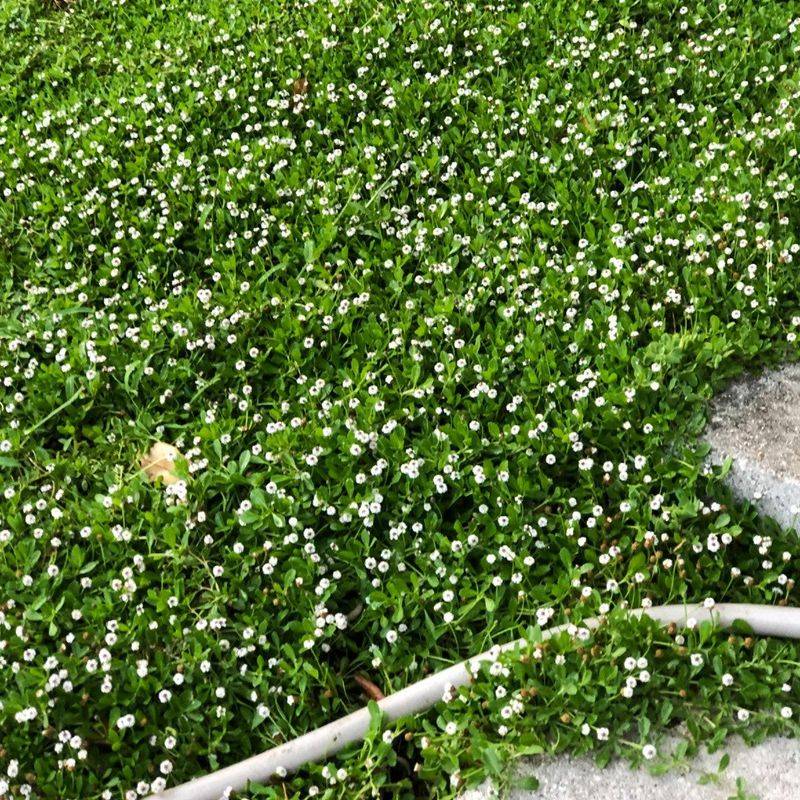
Lippia is the kind of groundcover that quietly takes over a bare slope while you are barely paying attention.
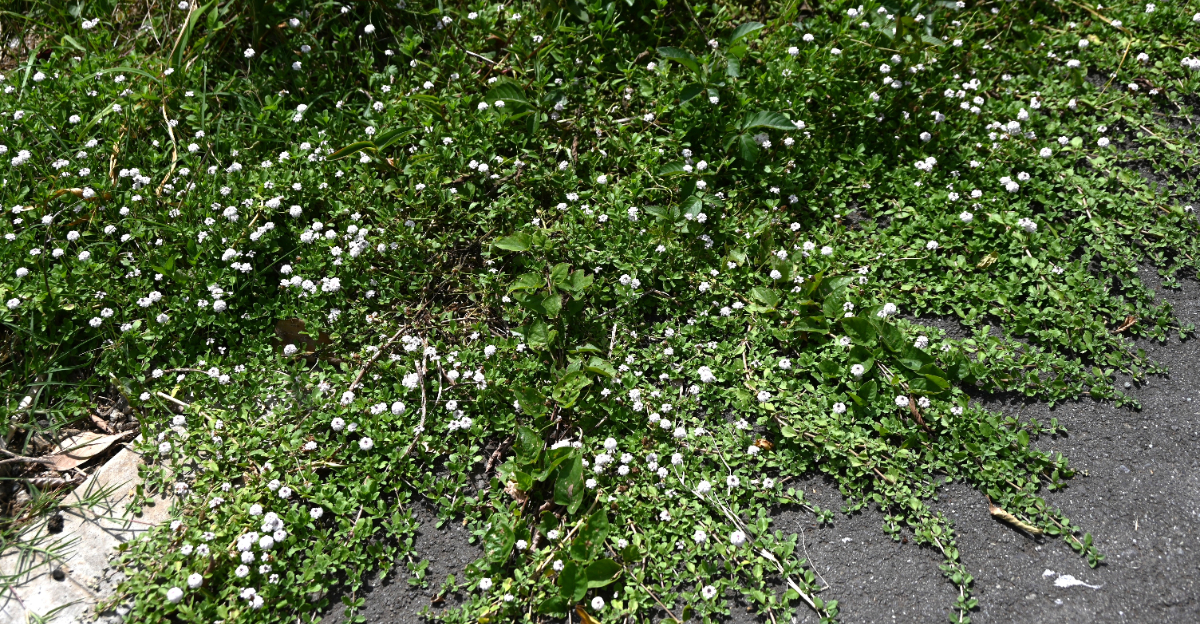
Also known as Phyla nodiflora or Turkey tangle fogfruit, this low-growing plant spreads by runners and roots wherever stems touch the soil.
It can cover a large area within a single growing season, which makes it one of the fastest options on this list for homeowners who need results before summer heat peaks.
The plant stays flat to the ground, rarely reaching more than two inches tall. Small clusters of lavender and white flowers appear throughout the warm months and attract butterflies and bees in noticeable numbers.
The dense mat it creates is tough enough to handle light foot traffic, and the root system does a solid job holding soil on moderate slopes.
Lippia thrives in full sun and handles heat, drought, and poor soil with surprising ease. It does well in areas with hot, dry summers and is commonly planted in Southern regions of our state where summer temperatures are intense.
Water regularly during the first month after planting, then reduce irrigation as the plant establishes.
Once rooted in, it needs very little supplemental water. It is often sold as a lawn alternative because it stays so flat and green through warm weather.
For a no-fuss, fast-spreading option that covers ground without growing tall, Lippia earns its place on this list without question.