Why California Gardeners Should Plant Lemongrass Around The Patio
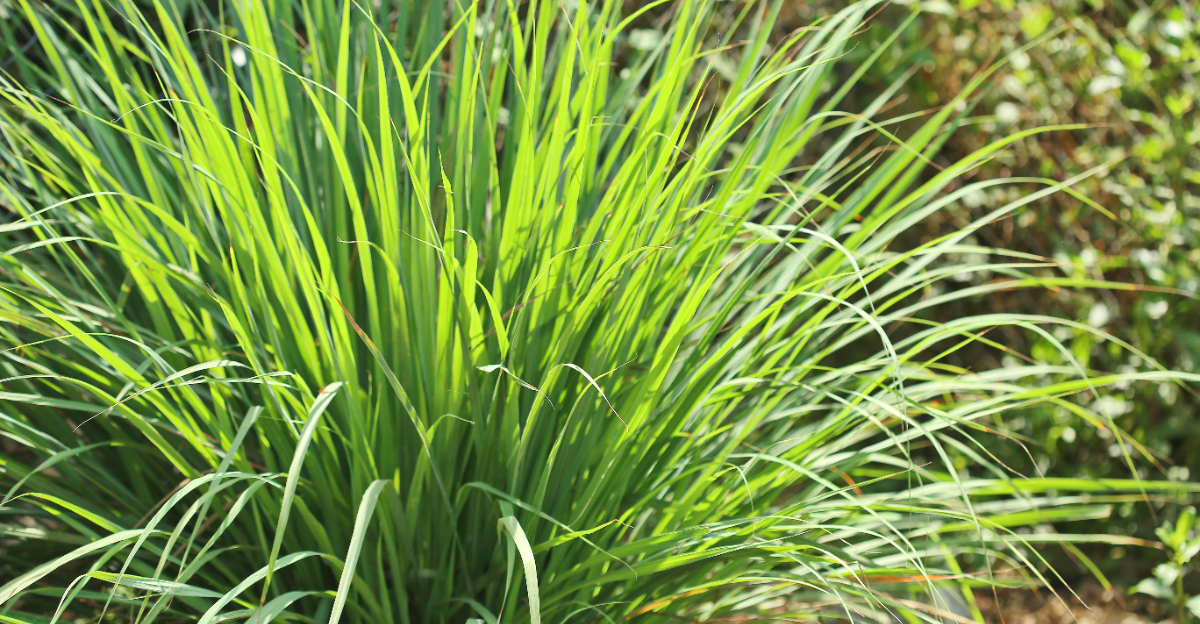
Lemongrass around the patio feels like a little vacation disguised as a plant. It has tall, swishy leaves, a fresh citrusy scent, and just enough tropical drama to make a plain seating area feel like it deserves tiny umbrellas in the drinks.
California gardeners, this one knows how to set a mood. The real magic happens when the weather warms up and those fragrant blades release their lemony aroma.
Brush past the leaves, and suddenly your patio smells brighter, cleaner, and a lot more interesting than “hot chair cushion.”
Lemongrass also grows beautifully in sunny spots with well-drained soil, and in many mild California areas, it can act like a lush, low-fuss border around outdoor living spaces.
Plant it near seating areas, walkways, or containers where you can actually enjoy the scent. With sunshine, regular water, and enough room to fan out, lemongrass can turn your patio into a breezy, fragrant hangout that feels fresh all summer.
Lemongrass Adds Fresh Patio Scent
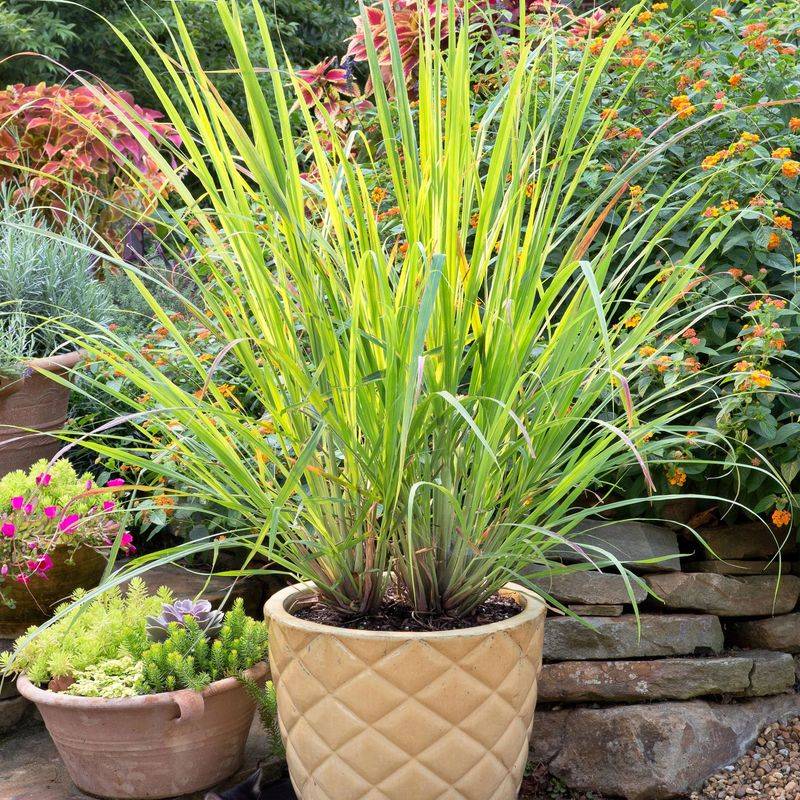
Walk past a clump of lemongrass on a warm California afternoon, and you will notice it right away. The scent is clean, bright, and citrusy without being too strong.
It is the kind of smell that makes you want to sit outside longer and just breathe it in.
Lemongrass releases its fragrance naturally through its leaves, especially when there is a light breeze or when the blades are brushed against. You do not need candles or sprays to make your patio smell inviting.
The plant does all the work on its own.
California patios can get hot during the summer months, and a lot of outdoor spaces end up feeling stuffy or stale. Lemongrass brings a natural freshness to the air that no store-bought product can quite match.
It pairs beautifully with other fragrant plants like lavender or basil if you want to create a layered scent experience.
Guests will notice the smell before they even sit down. That first impression of stepping onto a patio that smells clean and alive is something special.
Planting lemongrass is one of the simplest ways to make your California outdoor space feel more welcoming every single day.
Its Fragrance May Help Deter Mosquitoes
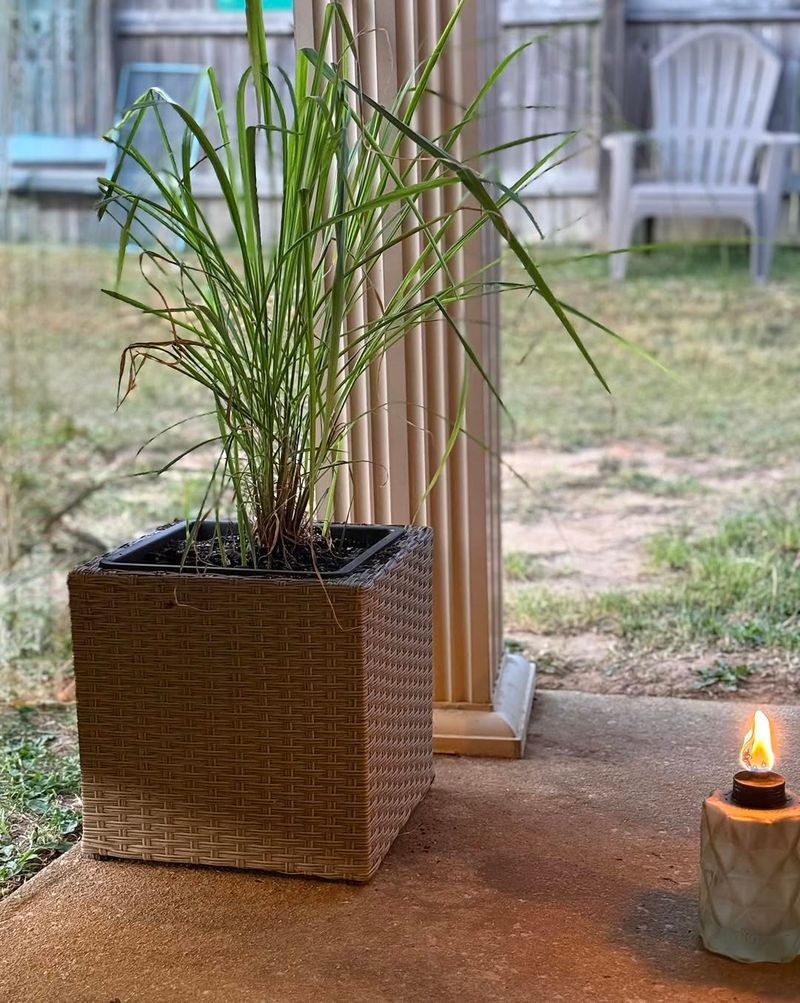
Mosquitoes are a real nuisance in many parts of California, especially near water sources or during the warmer months. Lemongrass contains a natural oil called citronella, which is the same ingredient found in many commercial mosquito repellent candles and sprays.
Citronella gives lemongrass its sharp, lemony scent, and mosquitoes tend to avoid it. Planting lemongrass around the edges of your patio creates a natural buffer that may help reduce how many mosquitoes find their way to your seating area.
It is not a guaranteed solution, but it can make a noticeable difference.
Many California gardeners who live near creeks, ponds, or grassy areas have found that lemongrass helps make evenings outside much more comfortable. You can also rub a fresh lemongrass blade gently on your skin for a light, natural scent that may help keep bugs away during outdoor activities.
Your California Garden Changes Every Week. Your Plan Should Too.
Gardening in California changes quickly throughout the season. Every Friday you’ll receive a simple weekly plan showing exactly what to plant, prune, fertilize, harvest, and protect so you never miss the right timing.
Using lemongrass as part of your pest management strategy is a smart, chemical-free approach. It looks great, smells wonderful, and serves a practical purpose at the same time.
For families who want to avoid heavy sprays or synthetic repellents, lemongrass is a natural option worth trying around any California patio.
Tall Clumps Create Soft Privacy
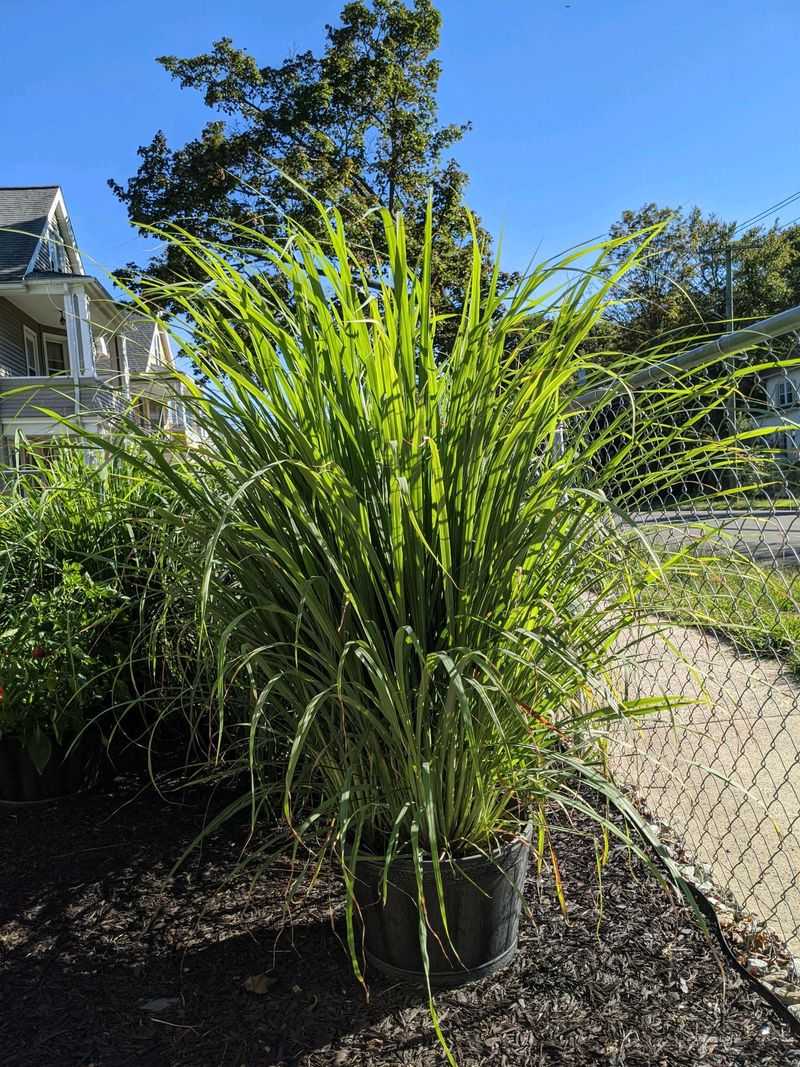
Privacy is something a lot of California homeowners think about, especially in neighborhoods where homes are built close together. Lemongrass grows in thick, upright clumps that can reach four to six feet tall under the right conditions.
That kind of height can block sightlines and create a natural screen between your patio and the outside world.
Unlike a solid fence or wall, lemongrass moves gently in the breeze and feels much softer visually. It adds life and texture to the edges of your outdoor space without making things feel closed off or cramped.
Rows of lemongrass along a patio border look lush and intentional.
In Southern California especially, where many neighborhoods have open layouts and minimal fencing, lemongrass can fill in those gaps beautifully. You can plant it in the ground or in large containers lined up along a wall or railing to create a living privacy screen that grows taller each season.
The best part is that this privacy solution smells great and requires very little maintenance once it is established. You get the function of a fence with the beauty of a garden.
It is a practical and attractive way to reclaim your patio space and enjoy it without feeling exposed.
It Thrives In California Sun
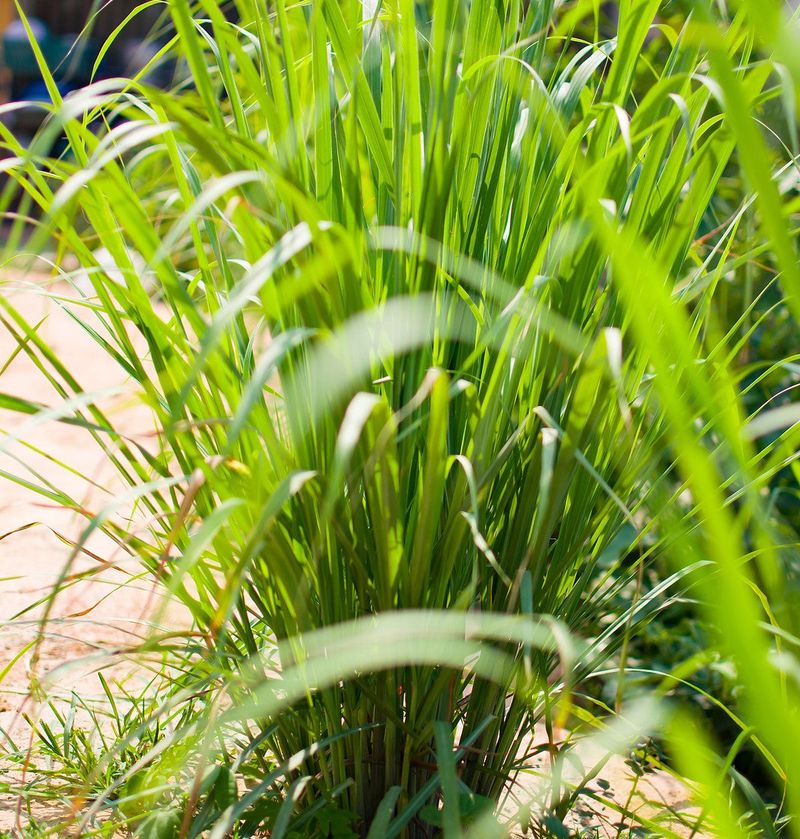
California is one of the best places in the country to grow lemongrass, and the reason is simple: the sun. Lemongrass is a tropical plant that loves heat and direct sunlight.
Most of California gets plenty of both, making it an ideal growing environment for this herb.
In places like the Central Valley, Inland Empire, or Southern California, summer temperatures regularly climb into the 90s. Lemongrass handles that kind of heat without complaint.
It actually grows faster and produces more fragrant leaves when temperatures are consistently warm.
Even coastal areas in California, where temperatures stay milder, give lemongrass enough warmth to grow well through most of the year. In many parts of the state, lemongrass can survive year-round without being brought indoors during winter.
That kind of low-maintenance hardiness is a big plus for busy gardeners.
All you really need is a sunny spot with good drainage and regular watering during dry spells. Lemongrass does not ask for much beyond sunlight and warmth, two things California has in abundance.
If you have been looking for a plant that truly belongs in a California garden, lemongrass fits the climate like it was made for it.
Pots Keep Lemongrass Controlled
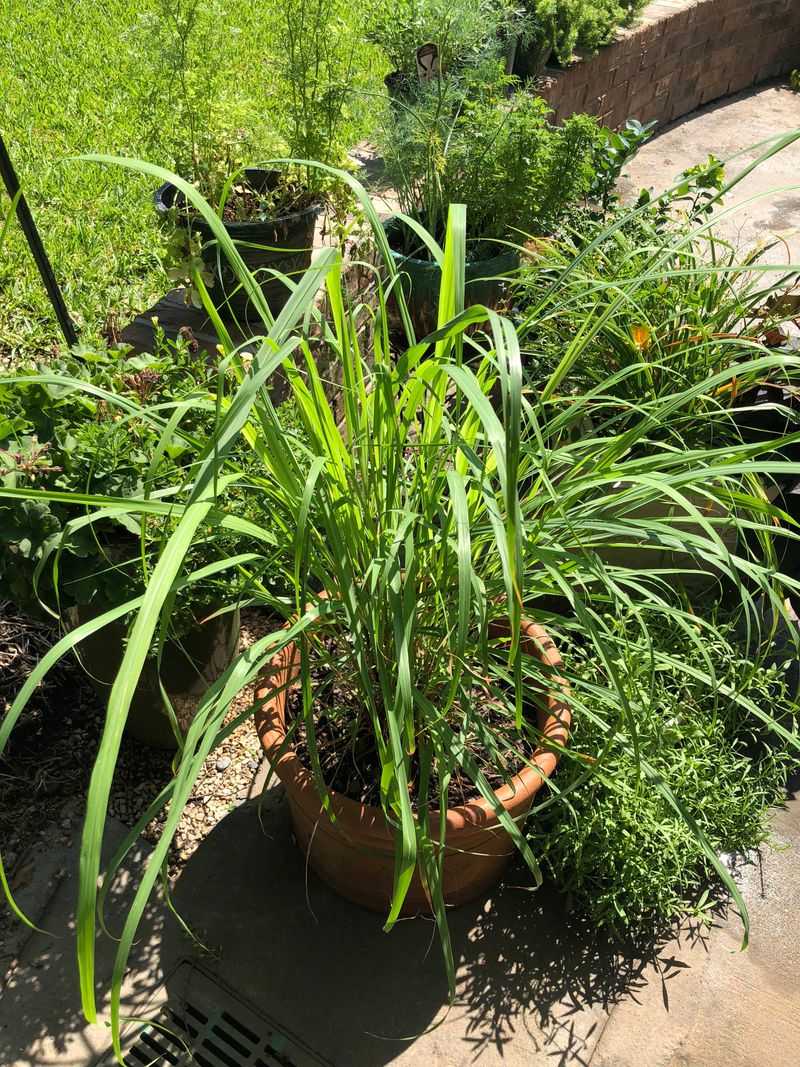
Lemongrass can spread over time if it is planted directly in the ground. For gardeners who want to enjoy it without worrying about it taking over the garden bed, growing it in containers is the perfect solution.
A large pot or planter keeps the roots contained and the plant manageable.
Container gardening is especially popular in California, where many people have smaller patios, balconies, or courtyard-style outdoor spaces. A big terracotta pot or a sturdy fabric grow bag works really well for lemongrass.
Just make sure the container has good drainage holes so the roots do not sit in standing water.
Growing lemongrass in pots also gives you flexibility. You can move the containers around to catch the best sunlight throughout the day, or rearrange your patio layout whenever you feel like a change.
During an unusually cold California winter, you can bring the pots inside or into a garage to protect them.
Potted lemongrass still grows tall and full, and it still smells just as wonderful as ground-planted varieties. The only difference is that you stay in control of where it goes and how much space it takes up.
For patio gardeners in California, container growing is a smart and practical choice.
Leaves Can Be Harvested For Cooking
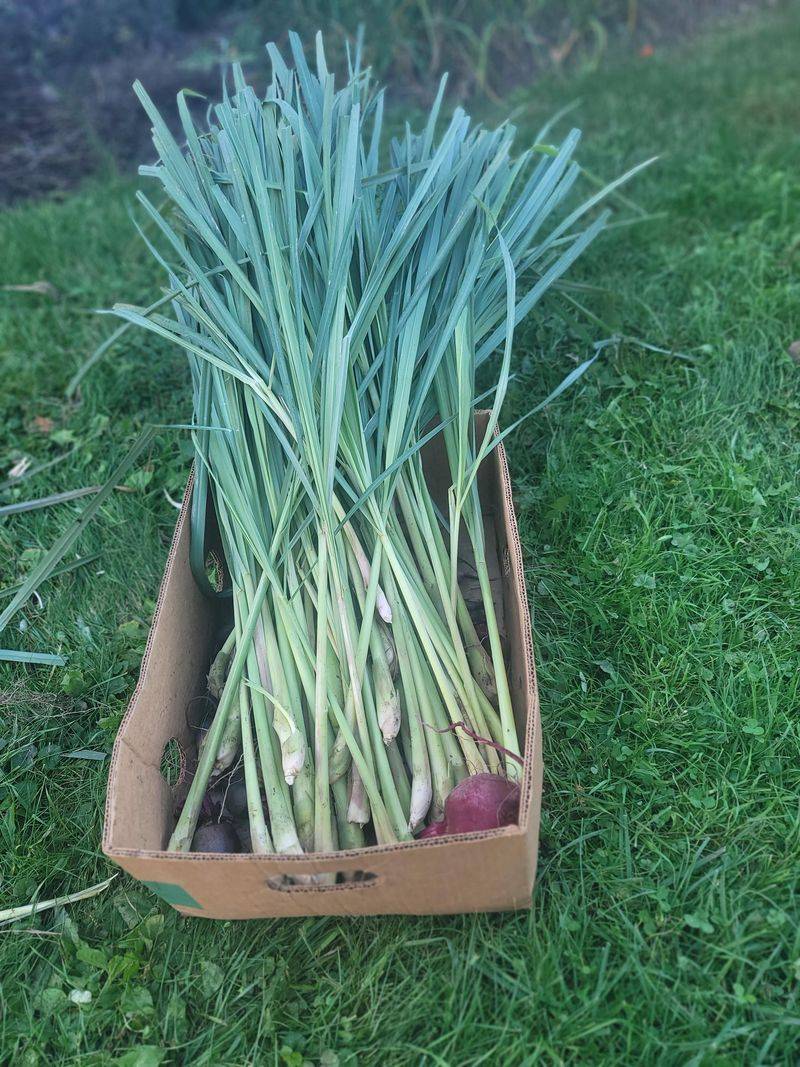
One of the most exciting things about growing lemongrass on your California patio is that you can actually eat it. Lemongrass is a staple ingredient in many Asian dishes, including Thai soups, Vietnamese pho, and Indonesian curries.
Having it growing just outside your door makes cooking with it incredibly easy.
The lower part of the stalk, just above the root, is the part most commonly used in cooking. It has a strong citrus flavor that adds brightness and depth to soups, marinades, teas, and stir-fries.
You can slice it thin, bruise it with the back of a knife, or steep it in hot water for a simple herbal tea.
Harvesting lemongrass is straightforward. Grab a stalk near the base and twist or cut it off cleanly.
New stalks will grow back from the same clump, so the plant keeps producing all season long. A healthy plant in California can give you a steady supply of fresh stalks from spring through fall.
Having fresh lemongrass on hand also saves money at the grocery store. Bundles of lemongrass can be expensive and sometimes hard to find locally.
Growing your own means you always have it fresh, fragrant, and ready to use whenever a recipe calls for it.
Cutting Back Keeps It Tidy
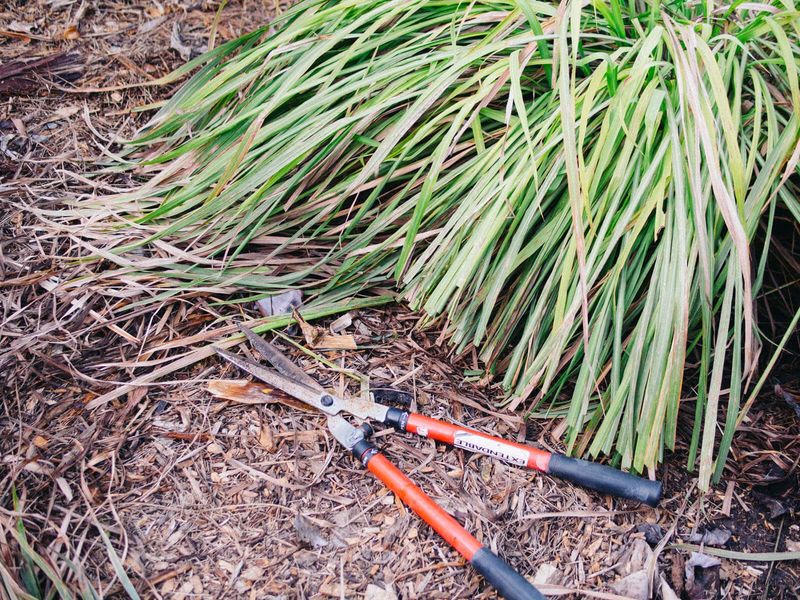
Lemongrass is a low-maintenance plant, but like any garden plant, it benefits from a little attention now and then. Cutting it back once or twice a year keeps the clumps looking neat and encourages fresh, healthy growth.
It is a simple task that makes a big difference in how your patio looks.
In California, the best time to cut lemongrass back is in late winter or very early spring, just before the new growing season begins. Use sharp garden shears to trim the clumps down to about six inches from the ground.
Remove any brown or dried outer leaves at the same time to tidy things up.
After a good trim, lemongrass bounces back quickly. Within a few weeks, fresh green blades start pushing up from the center of the clump.
The plant looks rejuvenated, and the new growth tends to be the most fragrant and flavorful of the season.
Regular cutting also prevents the clumps from getting too large or woody over time. If a clump becomes too big, you can divide it by digging it up and splitting it into smaller sections.
Those sections can be replanted elsewhere in your California garden or shared with neighbors who want to start their own lemongrass patch.