Why Your New York Pepper Plants Are Full Of Flowers, But Empty Of Fruit
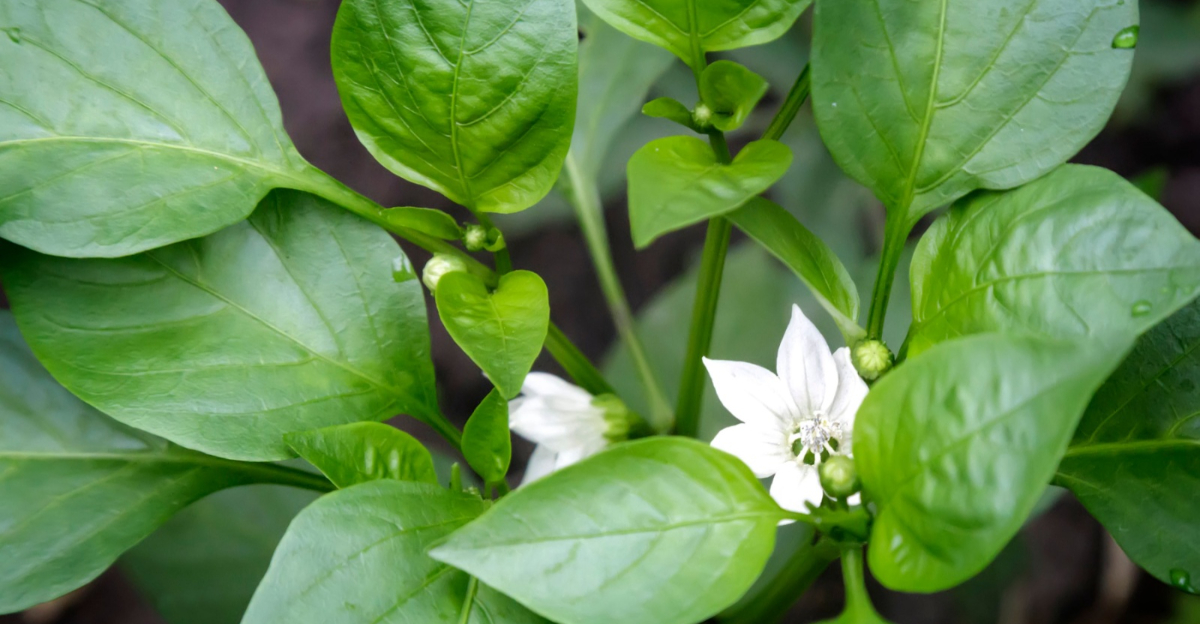
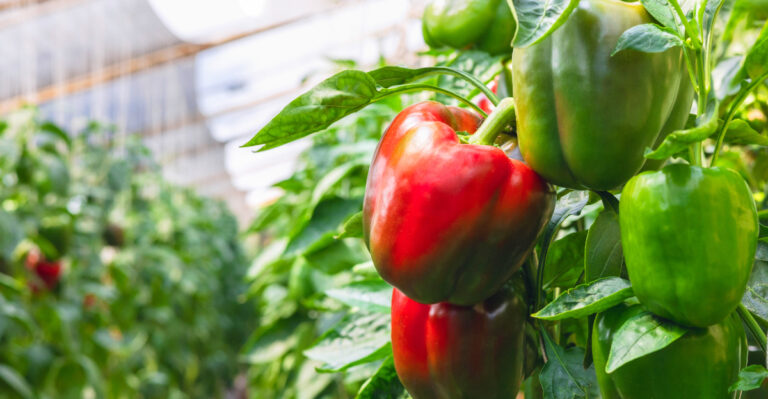
Your pepper plants are doing everything right. They are growing tall, flowering like crazy, and yet somehow your garden is full of blossoms and completely empty of actual peppers.
Deeply annoying.
Here is the thing: flower drop is one of those problems that looks mysterious. But it almost always has a straightforward explanation.
Peppers are more sensitive than they let on. They have opinions about temperature, strong feelings about humidity, and a low tolerance for stress.
When something is off, they ditch their flowers before committing to fruit.
If you are growing peppers in New York, you are also dealing with a climate that changes its mind constantly.
That does not help. But that is exactly why understanding what is actually happening matters.
Once you know what your plants are reacting to, fixing it is usually simpler than you think. And there is still time to turn this season around.
What Flower Drop Actually Means
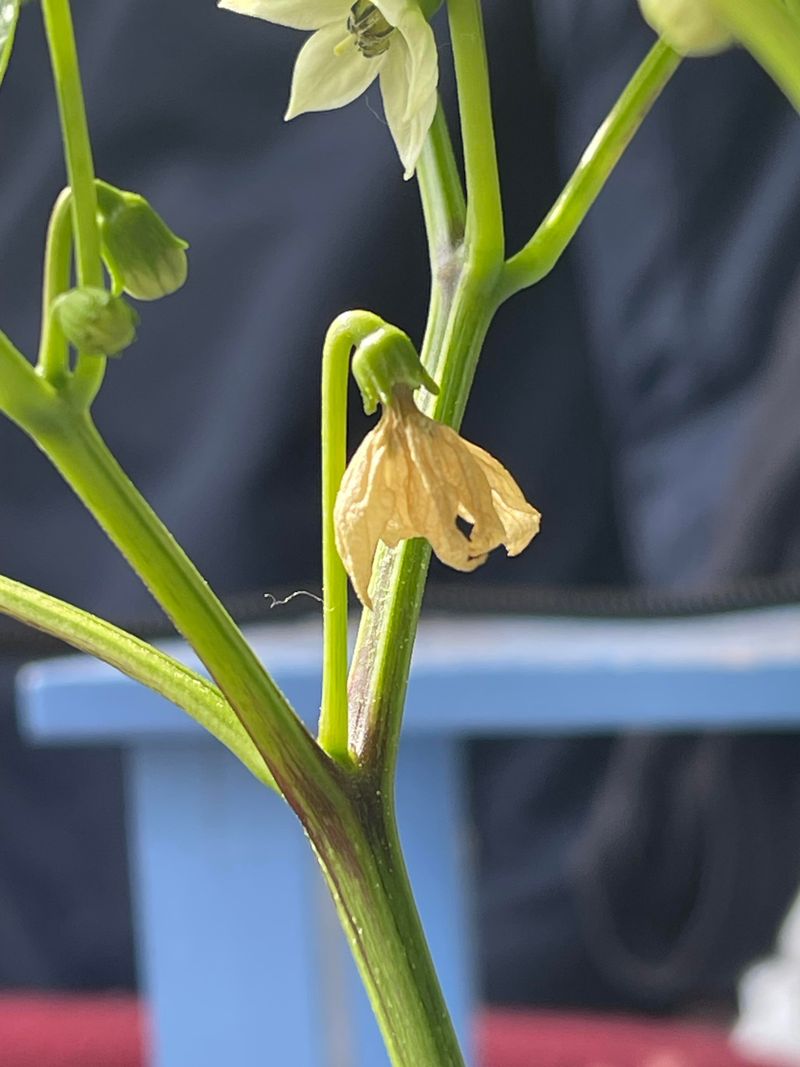
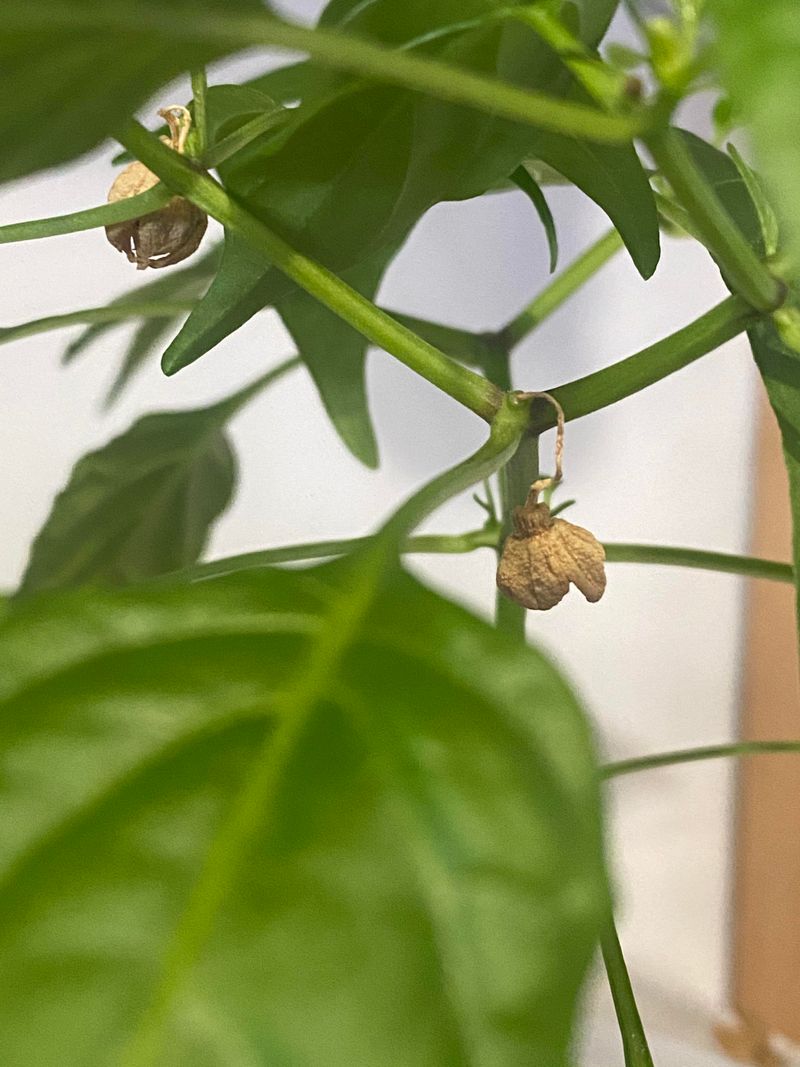
Pepper flowers dropping before they become fruit is not a random event. Your plant is making a deliberate choice, and it is telling you something important.
This process is called flower drop or blossom drop, and it happens when the plant senses conditions are not right for reproduction. Think of it like a survival instinct.
The plant would rather shed its flowers than waste precious energy trying to set fruit in a stressful environment. It is not giving up on you; it is protecting itself until things improve.
Pepper plants are surprisingly sensitive during the flowering stage. Even small shifts in temperature, moisture, or soil nutrition can trigger a wave of dropped blossoms within a few days.
Many gardeners panic and assume the plant is diseased or dying, but that is rarely the case. Flower drop in pepper plants is the plant’s built-in alarm system.
It fires off when conditions cross a threshold the plant cannot tolerate. Recognizing this as a signal rather than a failure is the first step toward fixing it.
Once you understand what flower drop actually means, you stop blaming yourself and start reading your garden more carefully.
The blooms are not the problem. They are the clue that points you directly toward what needs to change.
The Role Of Temperature In New York Gardens
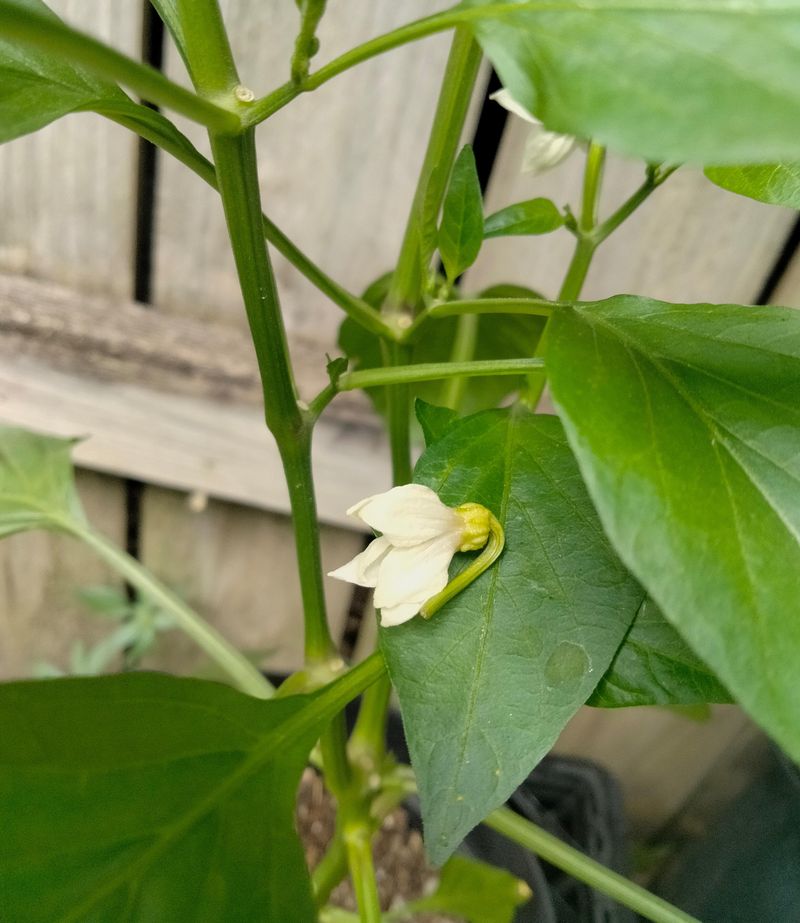
New York summers can feel like a rollercoaster, and pepper plants are not fans of the ride.
Peppers set fruit best when nighttime temperatures stay roughly between 60 and 75 degrees Fahrenheit. When nights drop below about 55 to 60 degrees or stay above 75 degrees, flowers are more likely to drop before setting fruit.
Upstate New York gardeners face the cold-night problem more often, especially in June and early July.
Downstate and city gardeners sometimes deal with the opposite problem. Concrete and pavement trap heat through the day.
By night, temperatures soar well past what peppers can handle.
Both extremes cause the same heartbreaking result. Daytime heat is another piece of the puzzle.
When afternoon temperatures push past 90 degrees, pollen loses viability and pollination simply fails. No successful pollination means no fruit, even if the flower looks perfectly healthy on the outside.
Your New York Garden Changes Every Week. Your Plan Should Too.
Gardening in New York changes quickly throughout the season. Every Friday you’ll receive a simple weekly plan showing exactly what to plant, prune, fertilize, harvest, and protect so you never miss the right timing.
Timing your planting to match New York’s climate window matters more than most gardeners realize. Getting transplants in the ground after the last frost matters.
But getting them in early enough to catch those ideal mid-summer nights is just as important. That window gives your peppers the best shot at fruiting before the late-season cool-down arrives.
Temperature is often the biggest invisible culprit behind empty pepper plants.
Once you see the overnight numbers, everything else starts to make sense.
How Humidity, Watering, And Soil Affect Your Peppers
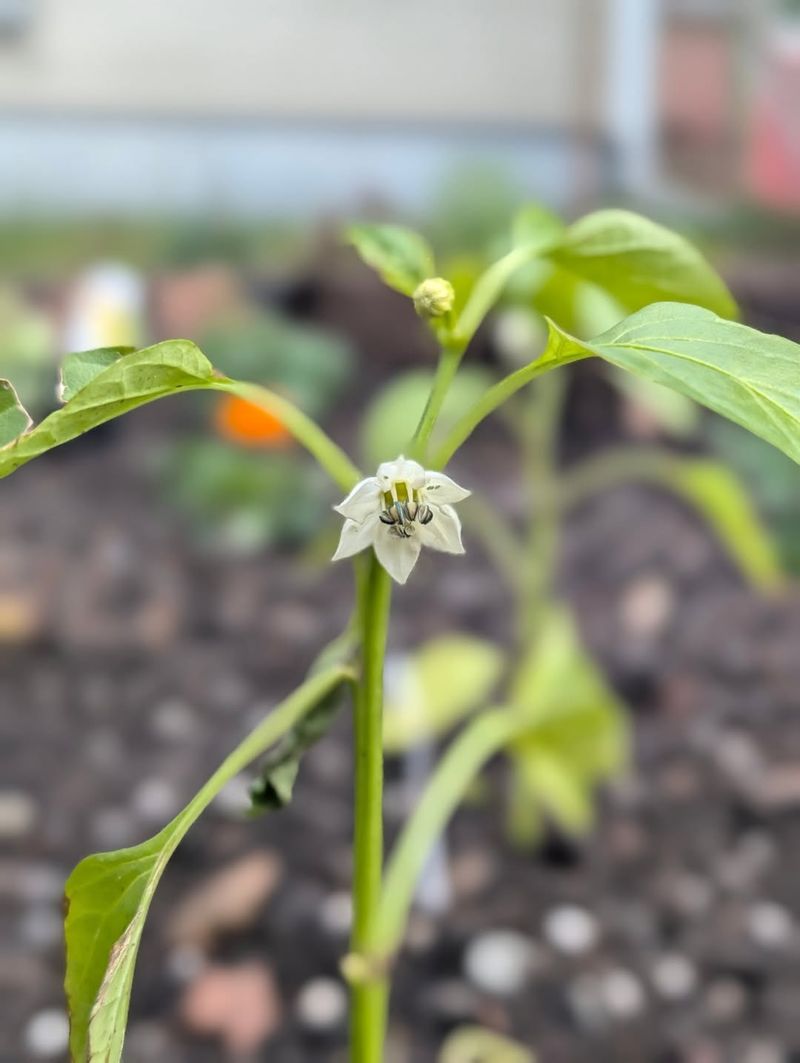
Soil that swings between soaking wet and bone dry is basically a nightmare for pepper plants trying to set fruit.
Inconsistent watering stresses the plant at its roots, and that stress travels straight up to the flowers. The result is blossom drop that seems to come out of nowhere but is actually weeks in the making.
New York summers bring humid stretches that can make things even trickier. High humidity above 70 percent causes pollen to clump together, making it impossible for flowers to self-pollinate effectively.
When pollen cannot move, fruit cannot form, no matter how many blooms are on the plant. Soil health is the third piece of this trio.
Peppers grown in nutrient-poor or overly compacted soil struggle to support flowering and fruiting at the same time. A soil test from your local cooperative extension office can reveal exactly what your garden beds are missing.
Aim for consistent, deep watering about once or twice a week rather than shallow daily sprinkles. Mulching around the base of your plants helps lock in moisture and keeps soil temperature steady, which reduces stress significantly.
A two-inch layer of straw or wood chips can make a noticeable difference within just a few weeks.
Get watering and soil right together and your peppers will finally have a reason to hold on to their flowers.
When Pests Or Disease Are Behind It
Sometimes the problem is not weather or water at all.
Tiny insects feeding on your pepper plants cause serious stress. Enough stress, in fact, to trigger widespread flower drop.
And you might never spot the culprit.
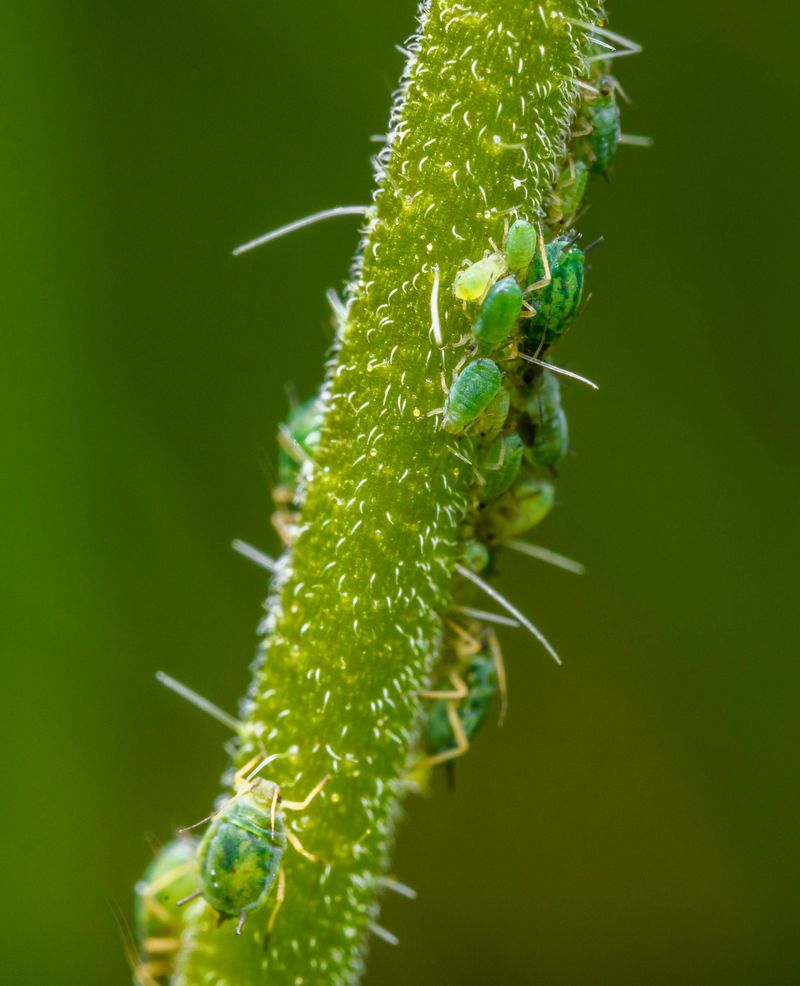
Aphids, thrips, and spider mites are the most common offenders in New York home gardens. Aphids cluster on new growth and flower buds, sucking out plant sap and leaving behind a sticky residue called honeydew.
Thrips are even sneakier, hiding inside flowers where they damage the reproductive parts before the blossom ever opens fully. Either pest can wipe out a whole flush of flowers in a matter of days.
Fungal diseases like Botrytis, also called gray mold, can also attack flowers directly. This is especially common during wet, cool stretches that New York often sees in late summer.
Infected flowers turn brown and mushy before dropping, leaving no chance of fruit development. Check the undersides of leaves and inside open blossoms at least once a week.
Early detection makes a huge difference because a small infestation is much easier to manage than one that has spread across the whole plant.
A strong spray of water from a hose knocks off most soft-bodied insects. Simple, and often enough.
Catch it early and you are dealing with a minor setback. Miss it and the whole season can slip away.
How To Diagnose What’s Happening In Your Garden
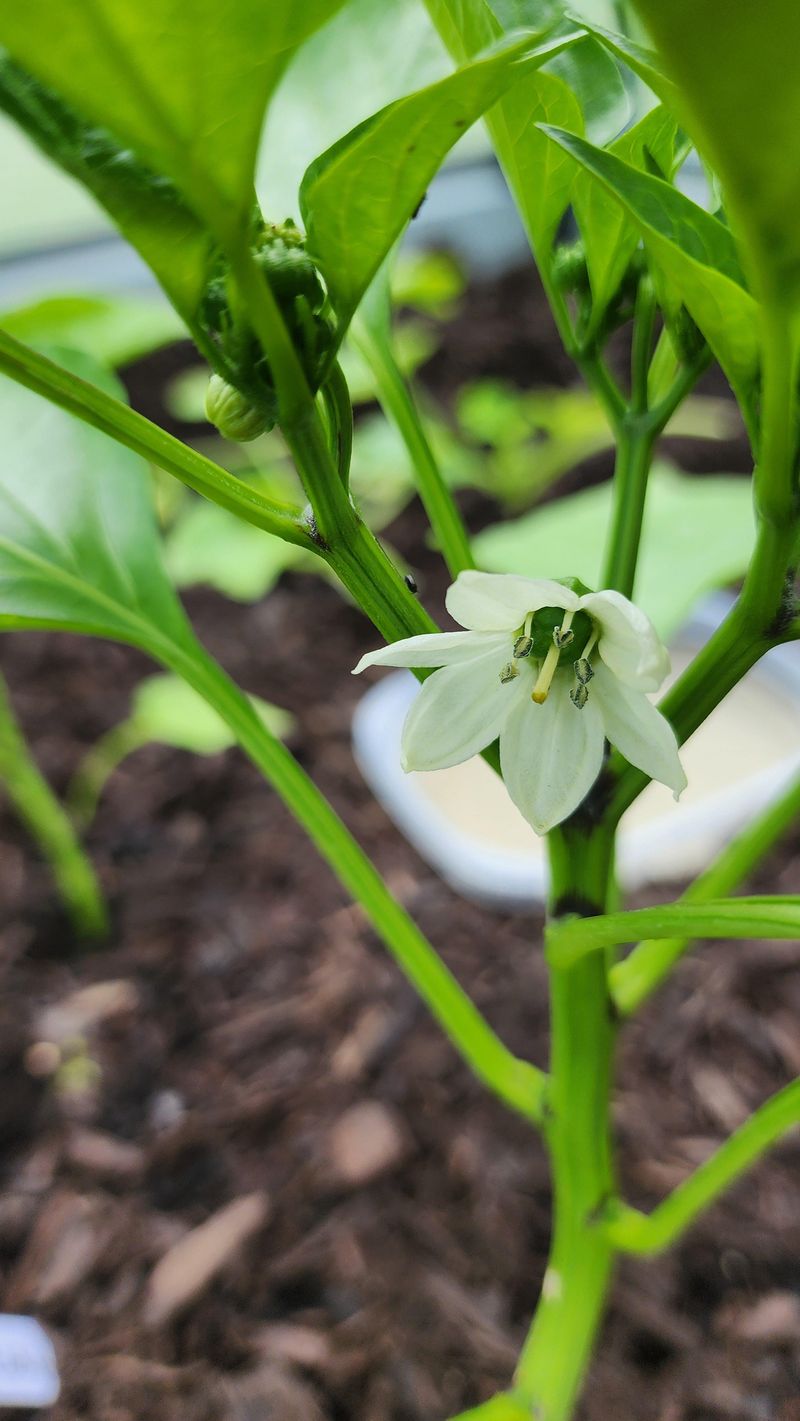
Before you can fix the problem, you need to figure out which problem you actually have.
Walking through your garden with fresh eyes and a little detective mindset goes a long way. Start by checking when the flowers are dropping, because timing gives you your first big clue.
Flowers dropping right after they open often point to pollination failure caused by extreme temperatures or humidity. Flowers dropping before they fully open usually suggest pest damage or inconsistent watering.
Flowers that turn yellow before dropping often point to a nutrient deficiency. Calcium, phosphorus, and magnesium are the most common culprits.
That said, overwatering and root stress can cause the same symptom, so it is worth ruling those out first. Look at the whole plant, not just the flowers.
Yellowing leaves, curled edges, or sticky residue on stems all tell a different part of the story. Healthy foliage combined with dropping flowers narrows the problem down to environmental conditions rather than disease or pests.
Keep a simple garden log for two weeks. Write down the high and low temperatures each day, how often you watered, and how many flowers dropped.
Patterns show up faster than you would expect, and suddenly the mystery starts making a lot of sense. Diagnosing your pepper plants accurately means you stop guessing and start acting with confidence.
Every clue your garden gives you is a step closer to understanding exactly what your plants need to finally start producing fruit.
What You Can Actually Do About It
Knowing the cause is satisfying, but fixing it is where the real excitement begins.
For temperature-related drop, shade cloth is worth considering. A rating of 30 to 40 percent offers real protection during brutal afternoon heat waves.
Row covers work in the opposite direction, trapping warmth on cool nights to keep soil and air temperatures in the ideal range. Hand pollination is a surprisingly simple trick that many gardeners overlook.
A small paintbrush or electric toothbrush held against each flower for a few seconds does the trick. It mimics the vibration that bees create during pollination.
This technique works especially well during humid stretches when natural pollination rates drop off sharply.
Feed your plants with a fertilizer lower in nitrogen and higher in phosphorus and potassium. That shift encourages fruit production over leafy growth.
Too much nitrogen is a common mistake. It pushes plants to grow big and lush while quietly discouraging them from setting fruit.
Switching fertilizers at the right stage of growth makes a real difference.
Neem oil may help with some pests when used according to the label and applied early in the morning or evening. They are effective and gentle on beneficial insects.
Consistency matters more than intensity. A regular weekly spray schedule beats one heavy-duty treatment followed by weeks of neglect.
Pick two or three of these and start this week. Your pepper plants are closer to fruiting than you think.