Oregon Perennials That Bloom From Spring Through Fall
Oregon gardens can feel like they change mood every few weeks. Spring brings fresh color, summer asks plants to prove themselves, and fall sneaks in with cooler days.
That is why long blooming perennials are such a smart choice. They keep beds lively without forcing gardeners to replant every time one flower show fades.
Some perennials start early, take a short rest, then send up more blooms when the weather shifts again. Others keep a steady rhythm for months, especially when faded flowers are trimmed off.
In a state where rain, shade, and dry summer spells can all show up in one growing season, dependable bloomers are worth their space. They help borders look full and make patios feel more cheerful for much longer.
A garden with lasting color feels easier to enjoy. It also gives bees and butterflies more reasons to keep visiting after spring flowers are gone.
1. Meadow Checkermallow
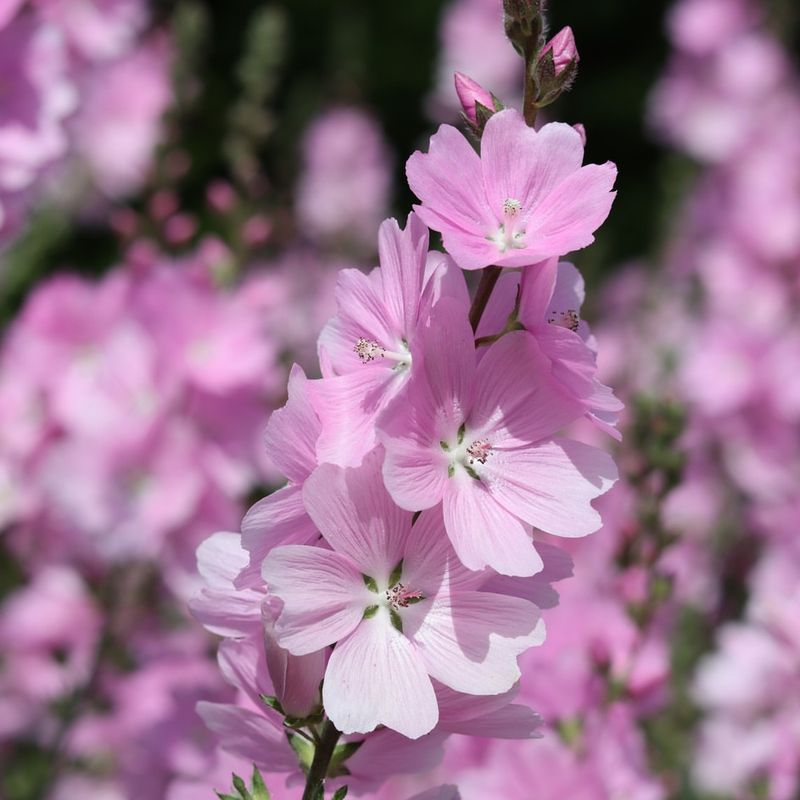
Few wildflowers match the cheerful charm of Meadow Checkermallow. Native to wet meadows and streamside areas across this state, it produces clusters of delicate pink to lavender blossoms that open from late spring through summer.
The flowers have a mallow-like shape with slightly ruffled petals that catch the light beautifully.
Growing up to four feet tall, this perennial makes a bold statement in any garden bed. It thrives in moist, well-drained soil and loves full sun, though it can handle partial shade without losing its blooming energy.
Plant it near a rain garden or low-lying area where water tends to collect after storms. Pollinators absolutely love it. Bumblebees, native bees, and butterflies visit the flowers regularly throughout the season.
The plant spreads naturally over time, forming loose colonies that fill in bare spots with color and texture.
Meadow Checkermallow is also quite resilient once established. It handles Oregon’s wet winters and dry summers better than many non-native plants.
Cutting it back in late fall keeps it tidy and encourages fresh, vigorous growth the following spring. If you want a tall, showy perennial that earns its keep without much fuss, this one is hard to beat.
Its long bloom season and wildlife value make it one of the most rewarding native plants you can add to a Pacific Northwest garden.
2. Large-Flowered Collomia
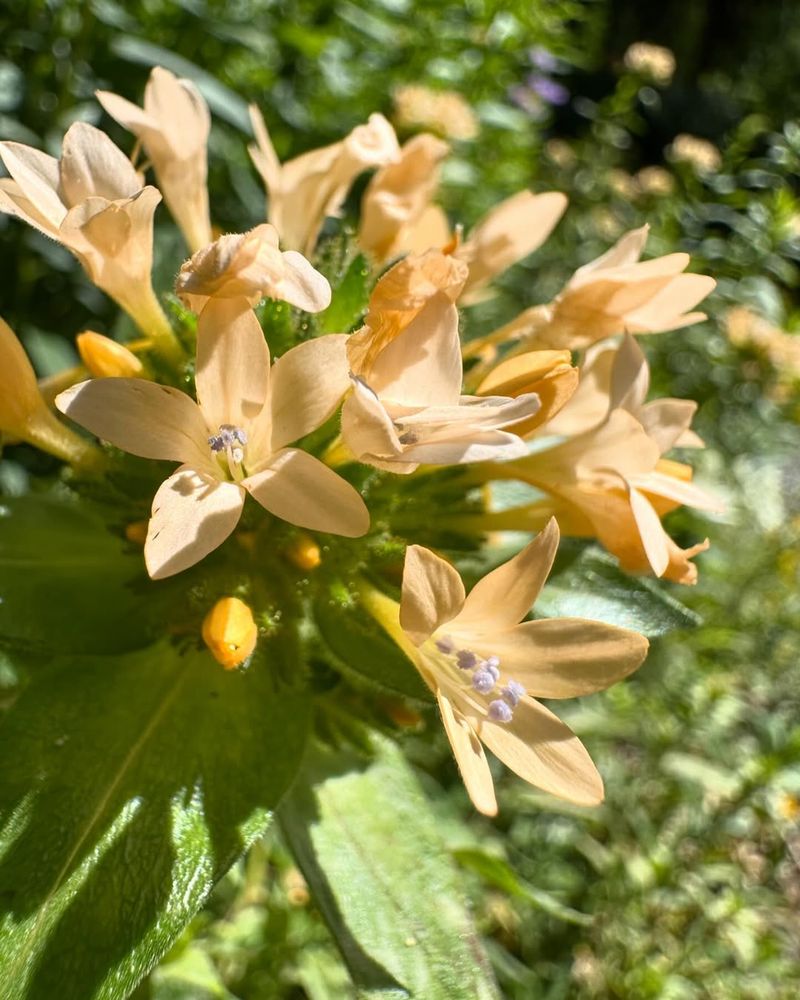
Salmon-pink and trumpet-shaped, the blooms of Large-Flowered Collomia are hard to ignore.
This native annual-to-short-lived perennial grows along roadsides, open slopes, and disturbed areas across this state.
It starts blooming in late spring and often continues well into summer, producing clusters of tubular flowers at the tops of upright stems.
The color of the flowers is truly one-of-a-kind. That warm salmon-to-brick-orange shade is not something you see in many other Pacific Northwest natives, which makes it a real standout in a mixed planting.
Hummingbirds are especially drawn to the long tubular blossoms, and you can expect regular visits once the plant is in full bloom.
It grows well in dry, rocky, or sandy soils with excellent drainage. Overwatering is the one thing to avoid.
Your Oregon Garden Changes Every Week. Your Plan Should Too.
Gardening in Oregon changes quickly throughout the season. Every Friday you’ll receive a simple weekly plan showing exactly what to plant, prune, fertilize, harvest, and protect so you never miss the right timing.
Once established, it survives on rainfall alone through most of the season, making it an excellent choice for low-water garden designs.
Direct sowing seeds in fall or early spring gives the best results. The plant self-seeds readily, so you may find new plants popping up in nearby spots each year.
That natural spreading habit makes it a great filler for dry slopes or sunny borders where other plants struggle.
With its vivid color and easy-going nature, Large-Flowered Collomia brings a burst of unexpected warmth to any native plant garden from late spring onward.
3. Farewell-To-Spring
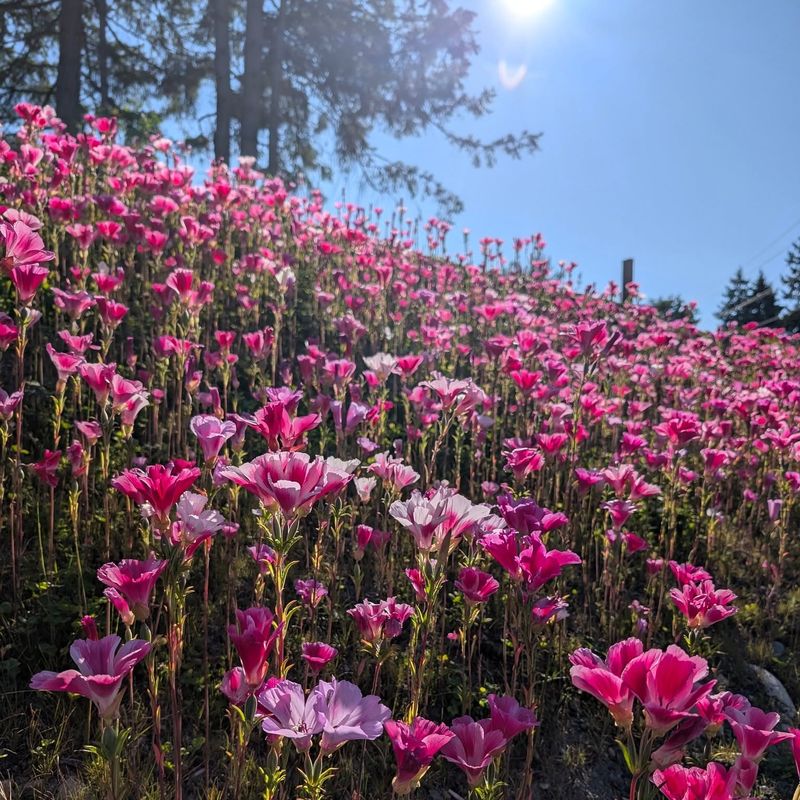
The name alone is poetic enough to make you stop and take notice. Farewell-To-Spring, known botanically as Clarkia amoena, earns its name by blooming just as spring fades into summer.
The flowers are a vivid mix of pink, rose, and lavender, often with contrasting dark centers that give them an almost painted look.
Native to open grasslands and dry slopes throughout the western part of this state, it loves full sun and well-drained soil.
It handles dry summers without complaint, which makes it a natural fit for water-wise garden designs.
The plants grow one to three feet tall and produce an abundance of cup-shaped blooms that last for weeks.
Butterflies flock to the flowers, and the plant provides important late-spring nectar when other food sources are beginning to fade.
It also makes a lovely cut flower for indoor arrangements, holding up well in a vase for several days after cutting.
Scatter seeds directly in a sunny spot in fall or early spring, and the plants will take care of themselves from there. They self-seed generously, returning year after year with minimal effort.
Mixing Farewell-To-Spring with other native annuals and perennials creates a wildflower meadow effect that looks effortless but is absolutely stunning.
For anyone wanting to add a romantic, cottage-garden feel to a dry sunny bed, this plant is a top pick with a bloom season that stretches beautifully into early summer.
4. Siskiyou Lewisia
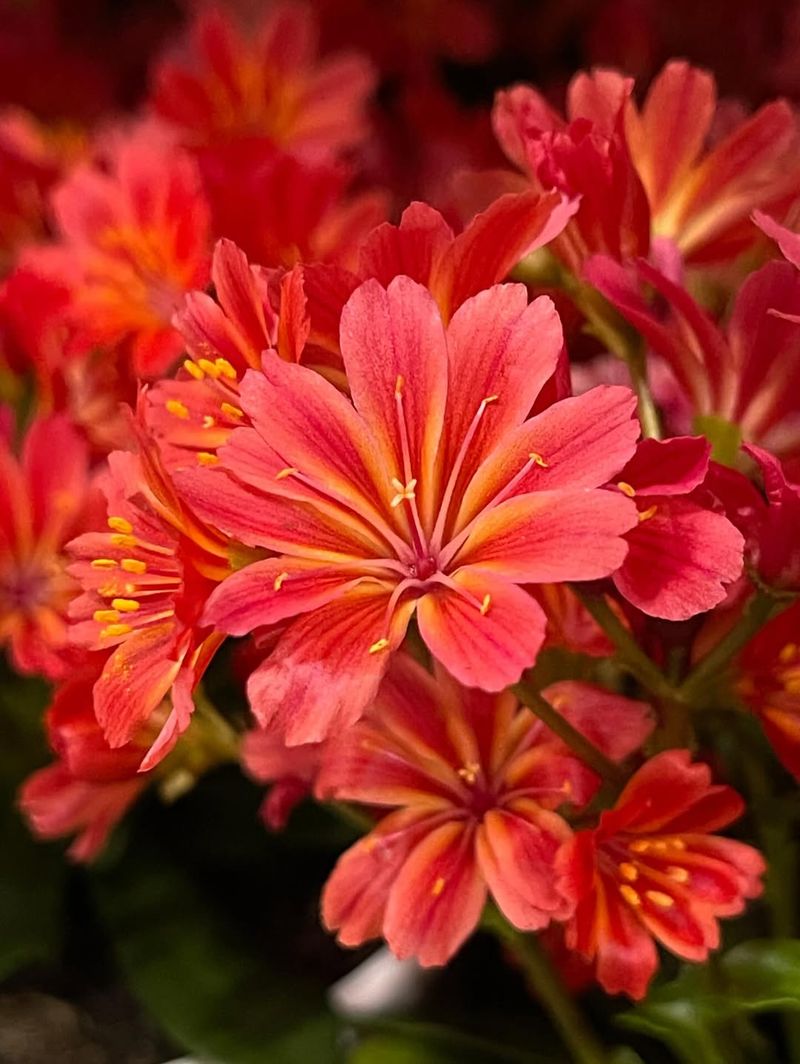
Rocky outcrops and gravelly slopes in the Siskiyou Mountains are home to one of the most striking native perennials in the entire region.
Siskiyou Lewisia produces flowers in shades of white, pink, magenta, and soft apricot, often with delicate striping along each petal.
The blooms appear from late spring through summer, rising above a flat rosette of fleshy green leaves.
Good drainage is absolutely essential for this plant. It naturally grows in cracks between rocks where water drains away quickly after rain.
In a garden setting, raised beds, rock gardens, or containers with gritty, fast-draining soil work best.
Planting it on a slope also helps prevent water from sitting around the crown, which can cause problems.
Once established, it is surprisingly tough. It handles heat, drought, and thin soils without much trouble.
The flowers are small but produced in generous clusters, creating a vivid display that lasts for several weeks.
The compact size, usually under one foot tall, makes it ideal for small spaces or front-of-border plantings.
Gardeners who have grown Lewisia often describe it as one of the most rewarding rock garden plants they have ever tried. The flowers are simply stunning up close, with colors that almost seem too vivid to be real.
Growing it in a sunny spot with sharp drainage is the key to long-term success. It rewards patience and proper placement with years of spectacular springtime blooms.
5. Oregon Iris
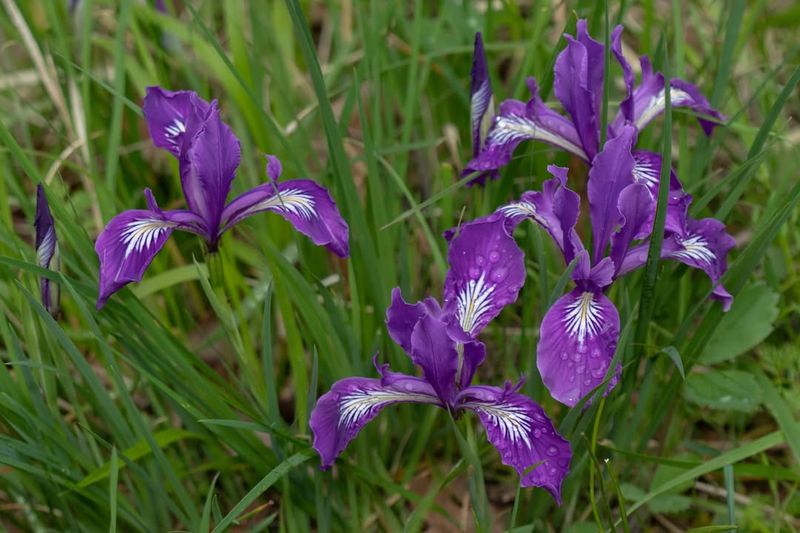
Purple, lavender, and occasionally white, the blooms of Oregon Iris are a familiar and beloved sight each spring.
Known scientifically as Iris tenax, this native perennial grows in open woodlands, meadows, and roadside areas throughout western parts of this state.
The flowers appear in mid-spring and last for several weeks, creating a stunning display of color above slender, grass-like foliage.
One of the toughest native irises around, it adapts well to a variety of soil types, from heavy clay to sandy loam. It prefers full sun to light shade and does not need much supplemental water once established.
In fact, keeping it on the dry side during summer encourages better blooming the following year.
The name tenax, which means tenacious, fits perfectly. Indigenous communities historically used the strong leaf fibers to make rope and other woven goods, which speaks to the plant’s remarkable durability.
That history adds a fascinating cultural layer to an already impressive plant. Clumps spread slowly over time, eventually forming attractive drifts of foliage and flowers.
Dividing them every few years keeps them vigorous and gives you extra plants to share or spread around the garden.
Oregon Iris pairs beautifully with other native perennials like Pearly Everlasting and Western Bleeding Heart.
For a low-maintenance spring garden with genuine Pacific Northwest character, few plants are as satisfying or as historically meaningful as this one.
6. Pacific Coast Iris
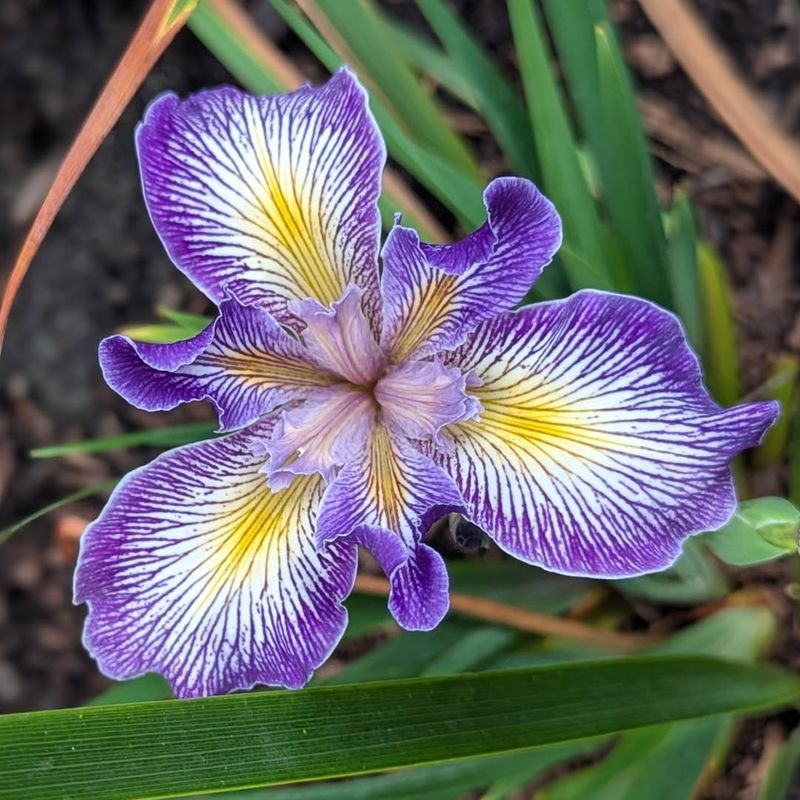
If you have ever seen a Pacific Coast Iris in full bloom, you already know why gardeners are so devoted to them.
These native iris hybrids produce flowers in an almost unbelievable range of colors, from deep violet and burgundy to soft cream, gold, and bicolor combinations.
They bloom in mid to late spring, filling shaded and semi-shaded gardens with color at a time when other plants are just warming up.
Pacific Coast Irises thrive in the mild, rainy climate found across the western side of this region. They prefer acidic, well-drained soil with plenty of organic matter and do best in dappled shade or morning sun.
Unlike many irises, they actually enjoy some shade, making them perfect for woodland gardens and spots under deciduous trees.
The foliage is evergreen in mild climates, which means the garden looks tidy and green even during winter.
The plants form dense, slowly spreading clumps that suppress weeds and provide year-round structure. Dividing clumps in late summer or early fall helps keep them healthy and blooming well.
Hybridizers have created hundreds of named varieties, so choosing a favorite can be a delightful challenge.
Look for varieties bred from local species for the best performance in Pacific Northwest conditions.
With minimal care and a jaw-dropping flower display each spring, Pacific Coast Irises are one of the true gems of western native gardening and a must-have for any serious perennial garden.
7. Scarlet Gilia
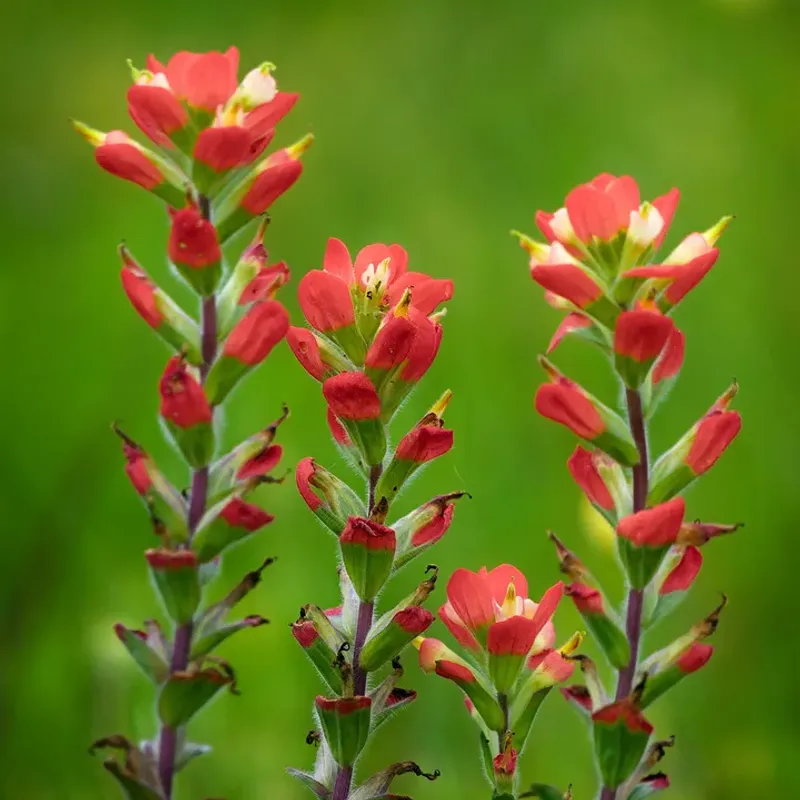
Bright red and shaped like tiny trumpets, the flowers of Scarlet Gilia are practically made for hummingbirds. This striking native perennial grows on dry, open slopes and sagebrush flats, particularly in the eastern and southern parts of this state.
It sends up tall spikes covered in vivid red blooms from early summer through fall, creating a fiery display that is visible from a distance.
The plant has a biennial or short-lived perennial habit, meaning it spends its first year as a leafy rosette before sending up its dramatic flower stalk.
Once it blooms and sets seed, it declines, but it self-seeds generously, so new plants appear nearby each year.
Over time, a small planting can develop into a self-sustaining colony that requires almost no maintenance.
Full sun and excellent drainage are the main requirements. Scarlet Gilia is extremely drought-tolerant once established and actually prefers dry conditions.
It struggles in heavy, wet soils, so raised beds or gravelly slopes are ideal planting spots. The flowers also attract hawkmoths, which hover like tiny hummingbirds while feeding at dusk.
Watching these large moths visit the blooms in the evening is one of those magical garden moments that is hard to forget.
For a dry, sunny spot that needs height, color, and wildlife appeal from summer through fall, Scarlet Gilia delivers all three with spectacular flair and almost zero effort once it gets going.
8. Western Wallflower
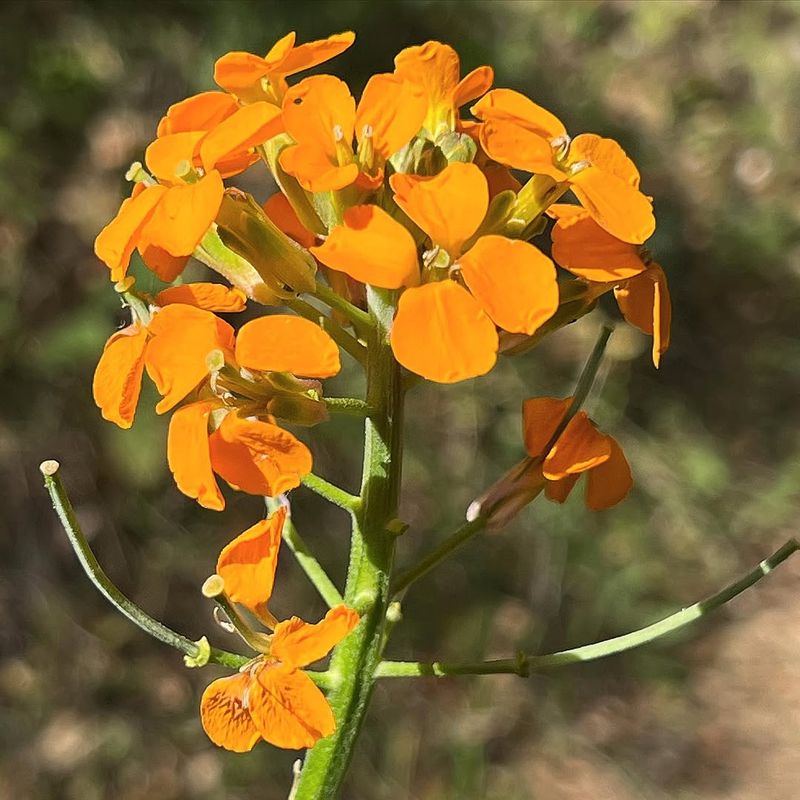
Few spring wildflowers are as cheerful and fragrant as Western Wallflower. The flowers come in shades of golden yellow, burnt orange, and rusty red, and they carry a sweet, honey-like scent that fills the air on warm spring days.
Blooming from early spring through early summer, this native perennial is one of the first to light up dry, rocky slopes and open woodlands across this region.
It grows one to two feet tall and produces tight clusters of four-petaled flowers at the tops of sturdy stems.
The blooms are long-lasting and attractive to a wide range of pollinators, including early-season bees that are just becoming active. Butterflies also visit frequently, making it a valuable addition to any pollinator garden.
Western Wallflower adapts well to garden conditions as long as it has good drainage and full sun. It tolerates dry, rocky, or sandy soils and does not need regular fertilizing.
In fact, overly rich soil tends to make it floppy and less floriferous, so lean conditions actually bring out the best in this plant.
The seeds can be sown directly outdoors in fall for spring germination. Once established, plants self-seed moderately, slowly spreading through a bed or slope.
The warm, fiery colors of Western Wallflower pair beautifully with purple and blue native wildflowers like Oregon Iris.
For a bold, fragrant, and wildlife-friendly display from the very start of the season, this plant is a standout choice that never disappoints.
9. Pearly Everlasting
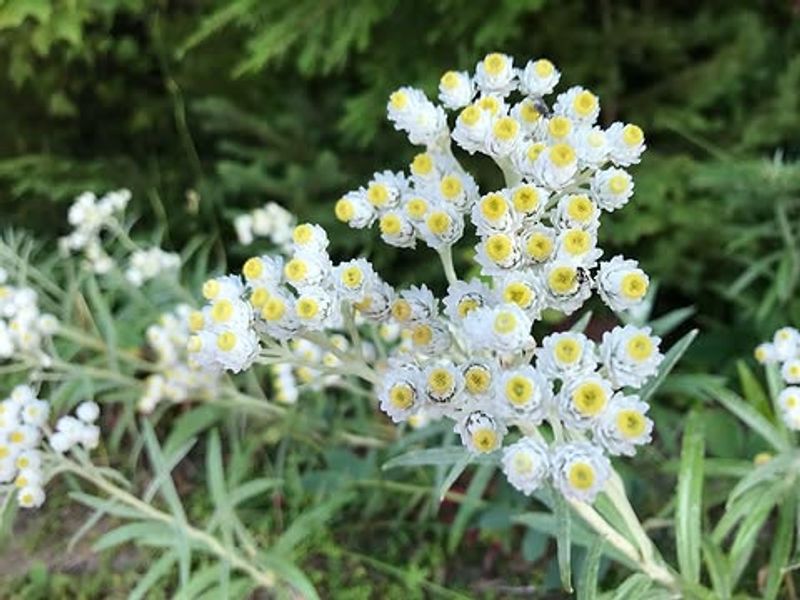
There is something almost magical about a plant whose flowers look like tiny pearls. Pearly Everlasting gets its name from the round, white, papery flower heads that cluster together on upright stems.
They bloom from midsummer through fall and hold their shape and color even after drying, which makes them a favorite for dried flower arrangements and wreaths.
Native to meadows, roadsides, and open forests across much of the Pacific Northwest, this perennial is one of the most adaptable plants on this list. It grows in full sun to partial shade and tolerates a wide range of soil conditions, from dry and sandy to moist and loamy.
The silvery-green foliage adds texture and color to the garden even when the plant is not in bloom. Painted lady butterflies are particularly fond of Pearly Everlasting.
The plant serves as a host for their caterpillars as well as a nectar source for adults. Few native plants offer that kind of double benefit for butterfly conservation.
Spreading by both seed and underground runners, it can form attractive colonies over time. In a garden setting, this spreading habit helps fill in bare spots and suppress weeds.
If it spreads too aggressively, simply pull out unwanted stems in spring before they root deeply.
For a late-season bloom that doubles as a craft supply and a butterfly magnet, Pearly Everlasting is one of those quietly wonderful plants that earns more appreciation the longer you grow it.
10. Woolly Sunflower
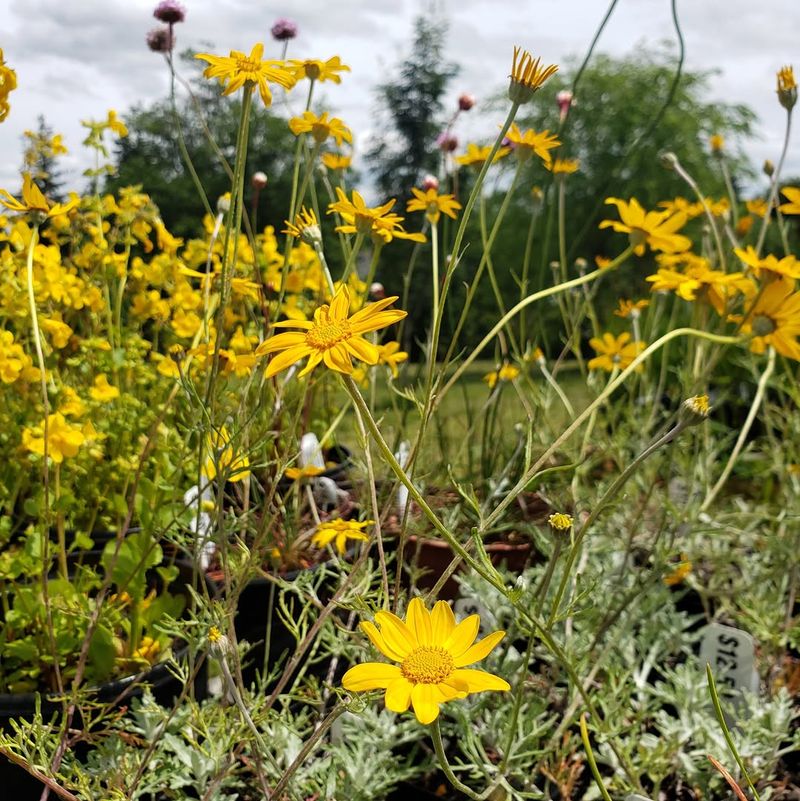
Cheerful, tough, and covered in golden-yellow blooms, Woolly Sunflower is one of the most reliable native perennials for sunny, dry spots in this state.
The flowers look like small, bright daisies and appear from late spring through midsummer, sometimes reblooming in early fall if conditions are right.
The entire plant has a soft, woolly texture from the fine white hairs that cover the leaves and stems, giving it a silvery-gray appearance between blooms.
Dry, well-drained soil and full sun are all it really needs. Once established, it is remarkably drought-tolerant and requires almost no supplemental watering during summer.
It grows naturally on rocky outcrops, open hillsides, and dry meadows throughout much of the western part of this region, which tells you a lot about its toughness and adaptability.
The bright yellow flowers attract a variety of native bees and small butterflies throughout the blooming season.
The plant stays compact, usually reaching about one foot tall and two feet wide, which makes it an excellent choice for the front of a border or as a ground cover on a dry slope.
Shearing the plant back lightly after the first flush of blooms can encourage a second wave of flowers later in the season. Woolly Sunflower also looks great spilling over the edges of raised beds or retaining walls.
Its golden color, silvery foliage, and long blooming season make it one of the most visually satisfying native perennials you can grow in a Pacific Northwest garden.
11. Western Bleeding Heart
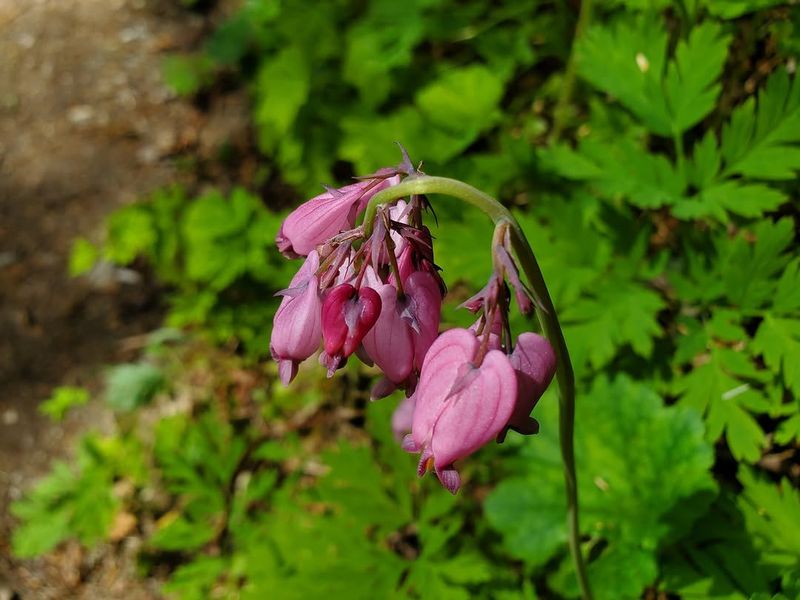
Soft, ferny foliage and dangling heart-shaped flowers make Western Bleeding Heart one of the most beloved native perennials for shaded gardens.
The rose-pink to lavender blooms hang in arching clusters above delicate, blue-green leaves, creating an effect that feels both whimsical and elegant.
Flowering begins in early spring and, in cool shaded spots in your garden, can continue well into summer.
Native to moist, shaded forests and streambanks throughout the western part of this region, it thrives under deciduous trees and along the north-facing sides of buildings.
Rich and perfectly consistently moist soil produces the best growth and the longest bloom season.
Adding compost to the planting area before setting out transplants gives the plant a strong start. Hummingbirds and bumblebees with long tongues are the primary pollinators.
Watching a hummingbird hover near the arching flower stems is one of those pure garden joys that never gets old.
The plant spreads slowly by underground rhizomes, gradually filling in shaded areas with a carpet of soft foliage.
In areas with hot, dry summers, the foliage may go dormant by midsummer. Planting it alongside ferns or hostas helps fill the gap and keeps the shaded area looking lush.
Western Bleeding Heart pairs especially well with Oregon Iris and Pacific Coast Iris for a layered spring display.
For anyone building a woodland garden or shaded border with real Pacific Northwest character, this plant belongs at the very top of the list.
12. Coast Penstemon
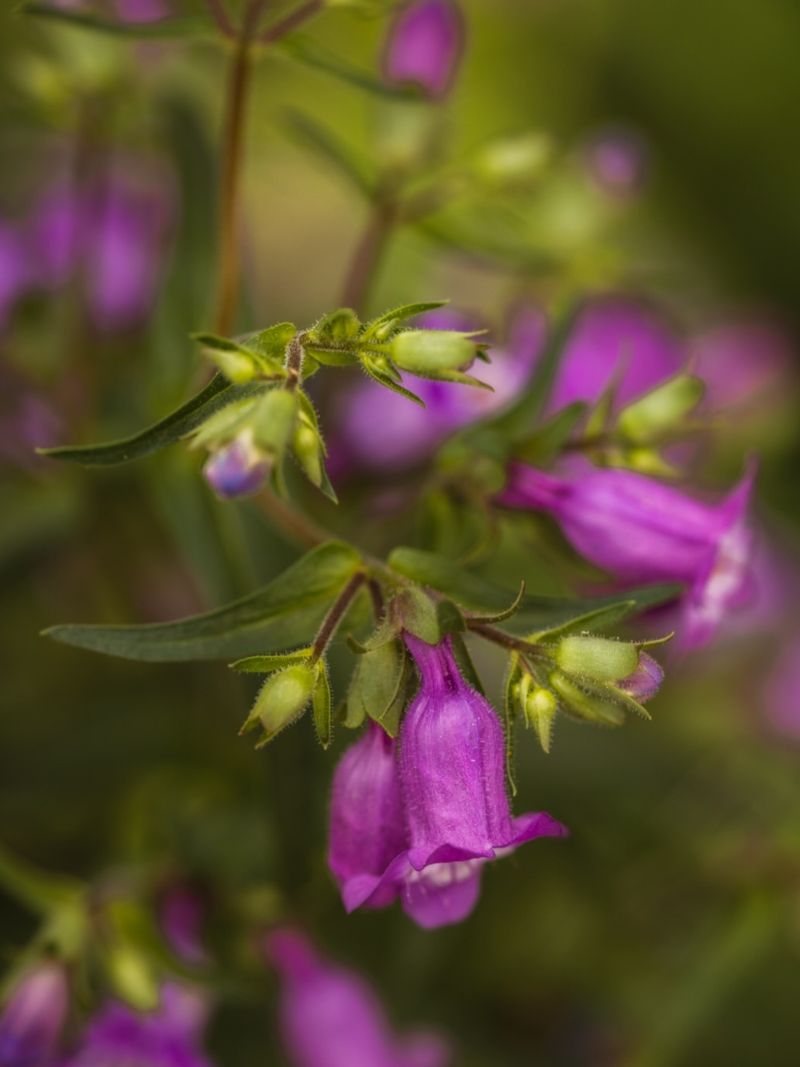
Deep blue-purple flower spikes rising above dark green foliage make Coast Penstemon one of the most striking native perennials for summer gardens in this region.
Known botanically as Penstemon serrulatus, it blooms from late spring through midsummer and occasionally produces a second flush of flowers in early fall. The tubular blossoms are a magnet for bumblebees and hummingbirds alike.
Unlike many penstemons that prefer dry conditions, Coast Penstemon actually tolerates moist soil and partial shade, which makes it unusually versatile.
It grows naturally along streambanks and in moist open forests in the coastal and low-elevation areas of this state.
In the garden, it performs well in both sunny borders and lightly shaded spots, as long as the soil does not stay waterlogged for long periods.
Plants grow one to two feet tall and spread slowly to form attractive clumps over time. The dark, slightly serrated leaves look good even when the plant is not in bloom, adding structure and texture to mixed plantings throughout the season.
Cutting back the spent flower stalks after blooming can encourage a fresh round of growth and sometimes a second bloom.
Coast Penstemon pairs beautifully with yellow-flowered natives like Woolly Sunflower, creating a vivid blue-and-gold color combination that looks both natural and intentional.
For a garden that needs reliable summer color, strong pollinator appeal, and adaptability to moister conditions, Coast Penstemon is an outstanding choice that truly earns its place in any Pacific Northwest perennial planting.