Low-Pruning Georgia Plants That Stay Neat Without Constant Trimming
Georgia summers turn a tidy garden into a project almost overnight. One week it looks sharp. The next, the shrubs have ideas of their own, and the clippers are back in your hands for the third weekend in a row.
The heat, the humidity, the relentless growing conditions, it all adds up to a maintenance cycle that never quite ends. But some Georgia gardeners are not fighting that battle at all.
Their yards stay neat through the worst of summer without constant intervention. No weekly shearing sessions.
No shrubs that outgrow their spots every few months. Just clean, structured beds that look like someone is paying close attention even when nobody is. The difference is not effort. It is plant selection.
There is a specific group of plants that hold their shape naturally. They grow at a pace that does not punish you for missing a weekend, and actually look better with less interference. What they have in common might be simpler than you expect.
Choose Dwarf Yaupon Holly For Naturally Tidy Shape
Some shrubs need constant convincing to behave. Dwarf yaupon holly never got the memo about causing trouble.
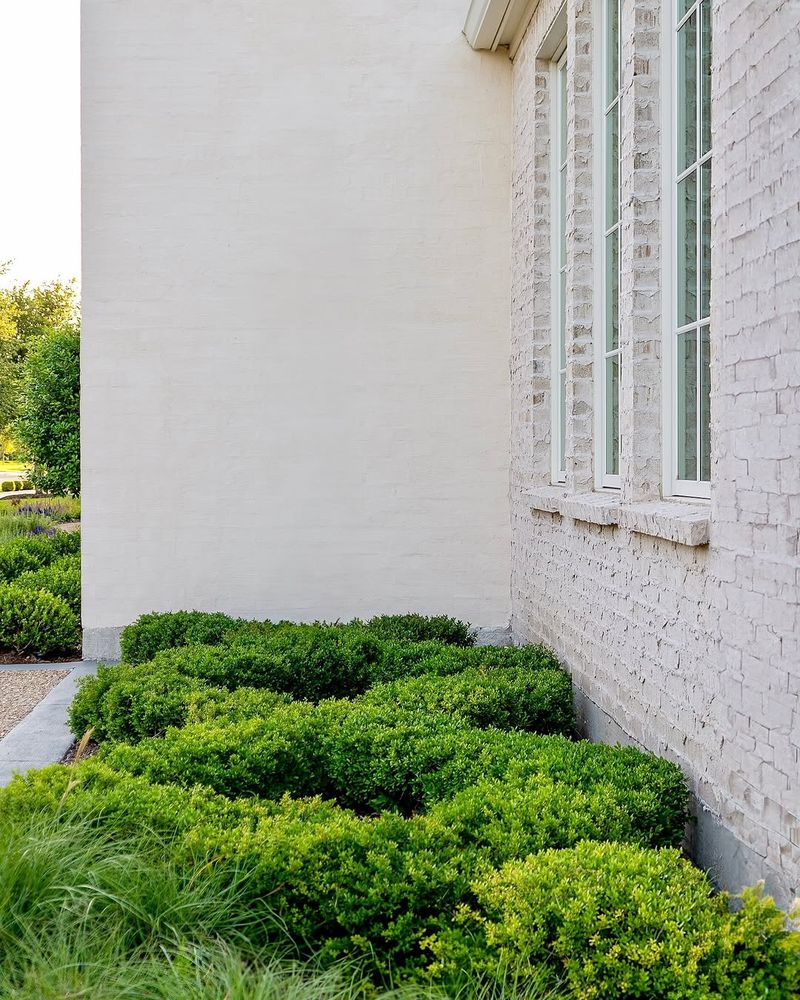
Ilex vomitoria ‘Nana’ holds a naturally rounded form without much input from you. The small, glossy leaves and dense branching habit create that neat, organized look that other shrubs require weekly shearing to achieve. This one almost shows up that way.
Mature plants typically reach about three to five feet tall and wide, depending on the cultivar. It’s a manageable size for foundation beds, borders, and spots where you want structure without constant babysitting.
The real key is starting with a true dwarf selection. Plant a full-size yaupon and try to keep it compact through trimming, and you have signed up for a long, losing argument.
A genuine dwarf cultivar does the work on its own terms, which is a much better arrangement for everyone involved.
Toughness is another strong suit. Yaupon holly handles Georgia heat, drought, and humidity without much complaint.
It performs well in full sun or partial shade, which gives it flexibility across a range of yard conditions.
For foundation plantings, spacing plants about four to five feet apart gives each one room to fill out naturally. Crowded shrubs need more frequent shaping just to stay in bounds, which defeats the purpose of choosing a low-maintenance plant in the first place.
A light touch-up once or twice a year tends to be enough. That is a pruning commitment most gardeners can genuinely live with, right?
Plant Helleri Holly For Compact Evergreen Structure
Helleri holly does not demand attention. It just quietly holds its shape while everything else in the yard tries to take over.
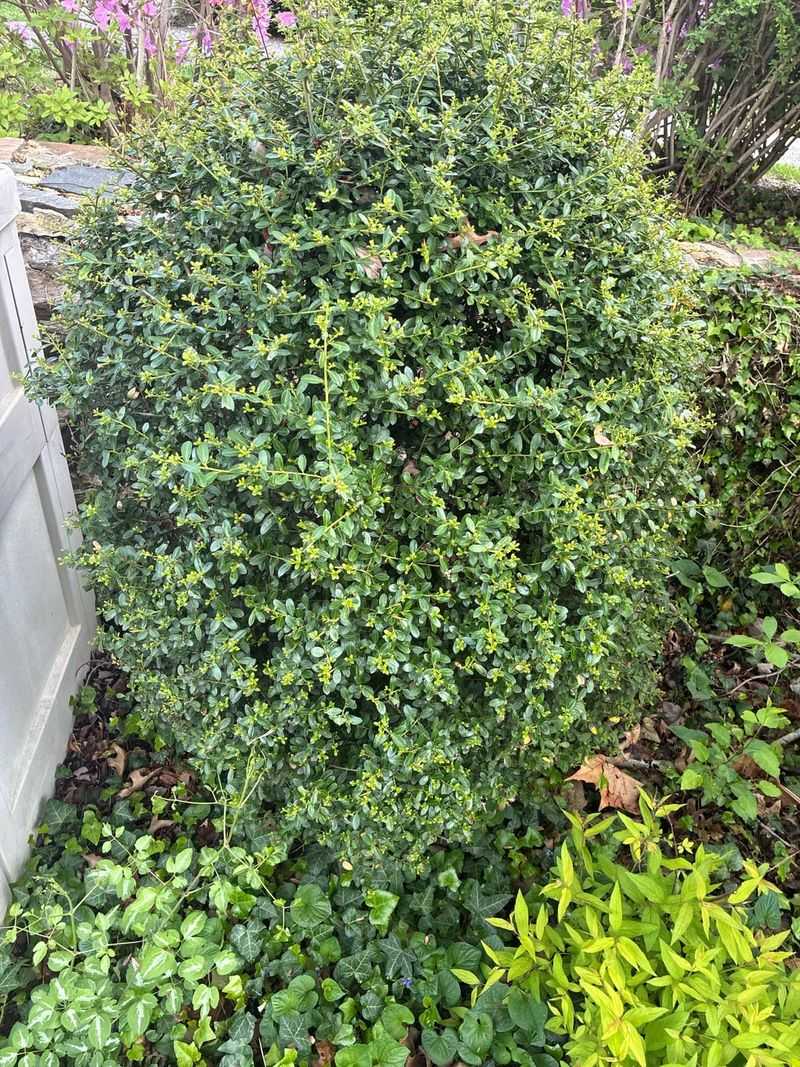
It’s a slow-growing Japanese holly cultivar that tops out around two to three feet tall and about four feet wide at maturity. That naturally low profile makes it a reliable choice where consistent structure matters more than seasonal change.
The slow growth rate is genuinely one of its best qualities. Plants that grow quickly in Georgia’s warm, humid summers tend to need frequent shaping just to stay presentable.
Your Georgia Garden Changes Every Week. Your Plan Should Too.
Gardening in Georgia changes quickly throughout the season. Every Friday you’ll receive a simple weekly plan showing exactly what to plant, prune, fertilize, harvest, and protect so you never miss the right timing.
Helleri holly takes its time, which means the gap between trims stretches considerably. Proper spacing at planting time makes a noticeable difference with this one. Give each plant about three to four feet of space from the start.
Shrubs with room to breathe rarely need aggressive shaping to stay in bounds. Crowd them, and the maintenance needs go up quickly.
The fine-textured, dark green foliage holds year-round, which keeps beds looking structured even through Georgia winters when other plants drop their leaves. That consistent visual presence reduces the urge to trim just for the sake of filling the space.
One thing worth watching is drainage. Helleri holly does not perform as well in wet feet, and stressed plants tend to grow unevenly.
Well-drained soil, honest spacing, and a once-a-year light shaping in early spring is enough to keep this plant looking sharp with very little effort.
Use Japanese Boxwood For Neat Low Borders
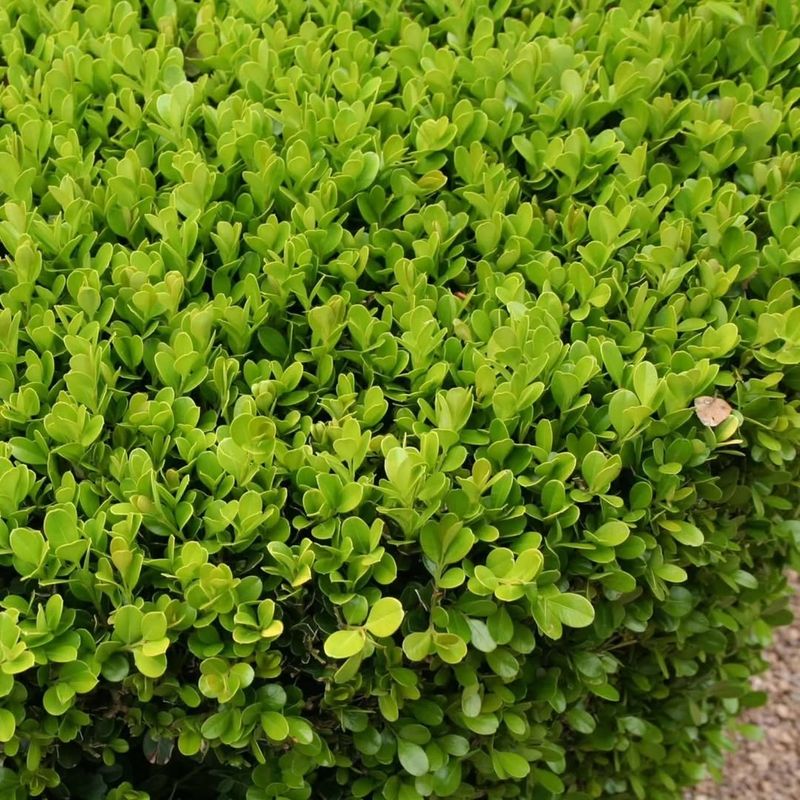
Japanese boxwood has been keeping Southern gardens looking polished for generations, and it has not run out of reasons to stay relevant.
Buxus microphylla var. japonica brings small, rounded leaves and a naturally compact growth habit that suits low borders without a lot of convincing.
It is not a completely hands-off plant, but the gap between it and more demanding boxwood varieties is considerable.
Mature height tends to land around two to four feet, depending on the cultivar. That compact habit means the plant is not constantly trying to escape its designated space.
Light shearing once or twice a year, typically in late spring, tends to be enough to maintain clean lines.
Japanese boxwood handles Georgia summers with more resilience than English boxwood, which tends to struggle in the heat. It still benefits from some afternoon shade in the hottest parts of the state, but overall, it is a more practical choice for the Georgia climate.
Boxwood blight is a real concern in the Southeast and is worth taking seriously. Buying from reputable nurseries and avoiding overhead watering reduces the risk without requiring complicated interventions.
Spacing plants about two to three feet apart allows for adequate airflow and reduces the need for heavy trimming to manage crowding. That way, your garden looks like it took considerably more effort than it actually did.
Grow Rotunda Holly For Rounded Shrub Form
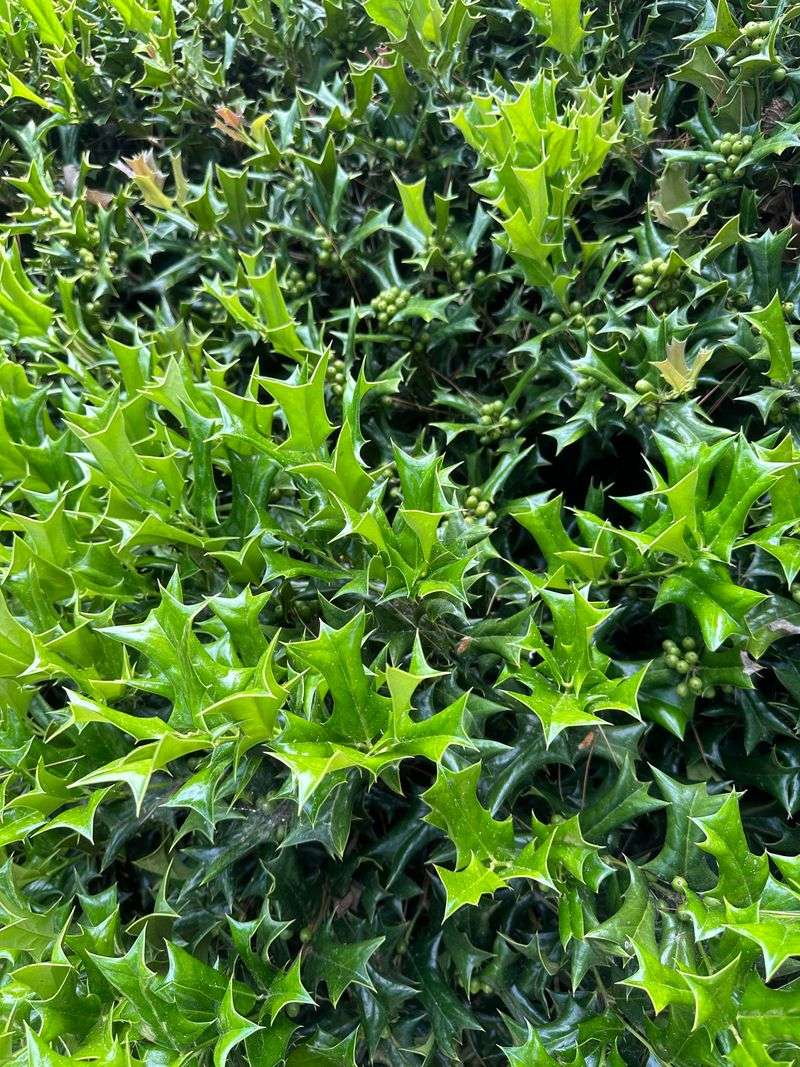
Nature already handled the shaping work with the rotunda holly. The plant arrives looking like someone just put the clippers away.
Ilex cornuta ‘Rotunda’ earns its name with a naturally globe-like form that brings structure to a landscape without requiring much intervention. It is the kind of shrub that looks deliberately maintained even during the long stretches between trims.
Growth is slow and steady. Mature plants typically reach about three to four feet tall and wide, which means garden beds stay looking organized without a lot of corrective shaping along the way.
The spiny, dark green leaves add a bold texture that holds visual interest through all four seasons. This is not a plant that goes dormant and leaves a gap in the border. It shows up almost consistently, season after season.
Georgia heat and drought are not problems once rotunda holly is established. It handles full sun to partial shade without much complaint, which gives it flexibility across different yard exposures and conditions.
However, one placement note worth taking seriously: keep rotunda holly away from high-traffic walkways. The spiny leaves catch clothing and skin.
In the right spot along a fence line or property edge, though, those spines become an asset rather than an annoyance.
Space plants about four feet apart to let the natural rounded form develop fully. That spacing keeps corrective pruning to a genuine minimum and lets the plant do what it was designed to do without interference.
Add Gumpo Azaleas For Small Spring Color
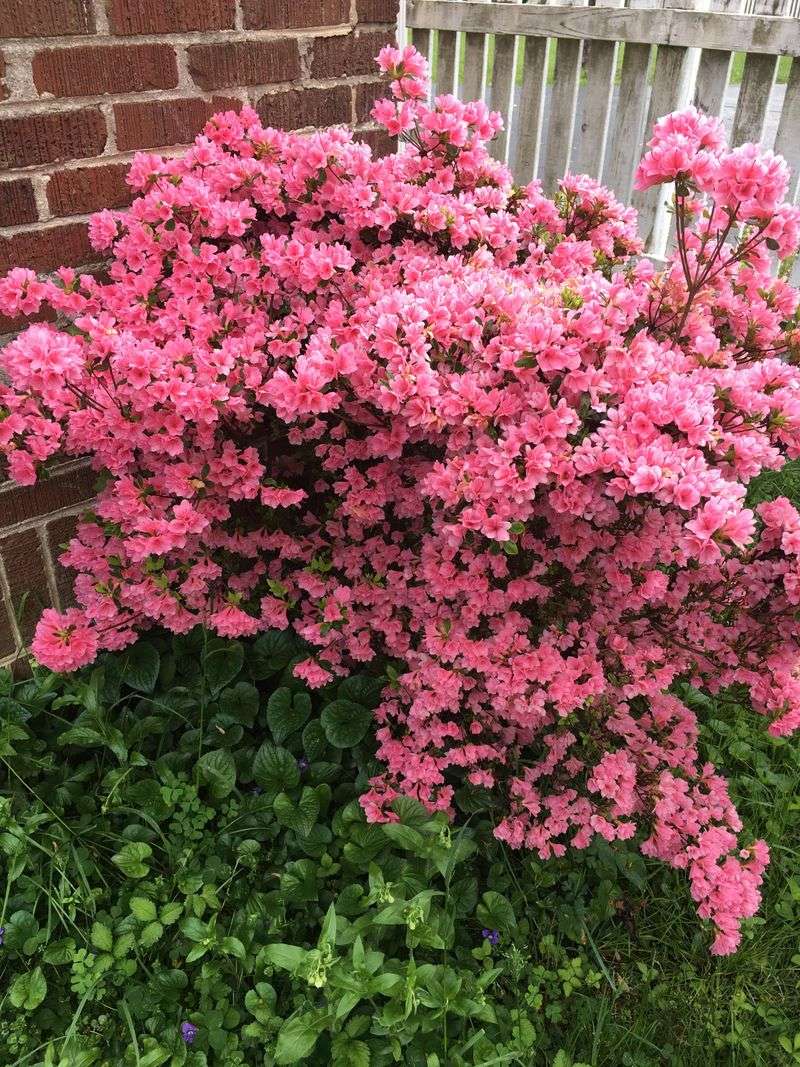
Spring color does not have to arrive with a size problem attached. Gumpo azaleas have figured out how to deliver one without the other.
Rhododendron eriocarpum ‘Gumpo’ is a group of late-blooming, low-growing azaleas that produce a cheerful flush of flowers in late spring. They are noticeably more restrained, and that restraint is the whole point.
Mature plants tend to reach about two to three feet tall and three to four feet wide. That compact scale makes them practical for borders, foundation beds, and spots where seasonal color is wanted without bulk that eventually takes over.
The later bloom time is a bonus worth noting. Gumpo azaleas often flower in May into June in Georgia, which extends the spring color show after many other azaleas have already finished and moved on.
Pruning is rarely urgent with this plant. A little tidying right after bloom is usually all that is needed, and skipping a season entirely tends not to ruin the plant’s appearance.
That kind of flexibility is genuinely refreshing compared to flowering shrubs that punish neglect immediately.
Well-drained, acidic soil and partial shade match many Georgia garden conditions naturally, which reduces the amount of site preparation needed before planting.
Mulching around the base helps retain moisture and keeps roots cool through the hottest months. For gardeners who want reliable spring color, gumpo azaleas tend to be one of the more forgiving choices available.
Pick Dwarf Shrubs That Need Light Touch Ups
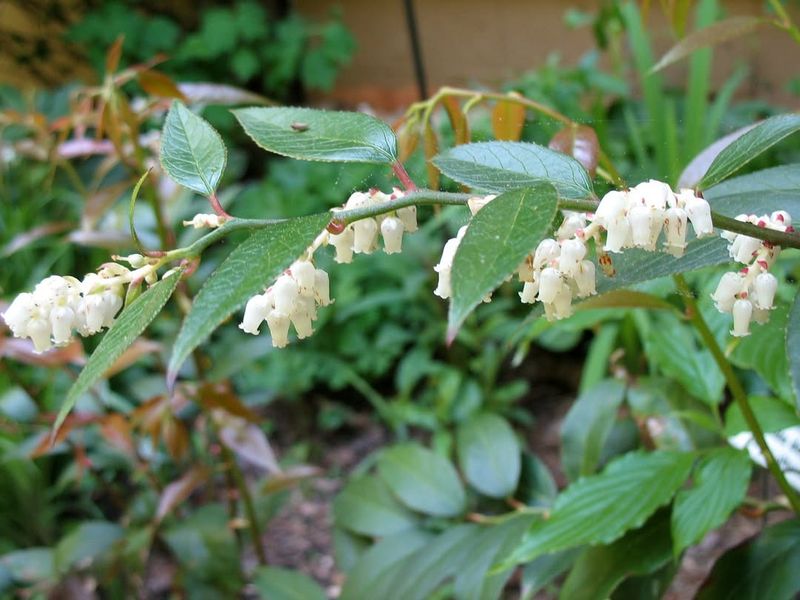
The single most practical decision a Georgia gardener can make happens at the nursery, before anything goes in the ground.
Choosing the right mature size from day one changes the entire maintenance equation. Forcing a large shrub to stay small through repeated trimming is a losing argument that consumes weekends and stresses the plant simultaneously.
Choosing a true dwarf selection from the start removes that argument entirely.
Dwarf cultivars are specifically bred or selected for compact growth. They reach a naturally smaller mature size, which translates directly into less corrective pruning and more time doing things that are not yard work.
The number on the plant tag describing mature width is arguably more useful than the plant’s name. A shrub that naturally matures at three feet wide is a completely different maintenance experience from one that wants six feet and keeps getting cut back to fit.
Light touch-ups are a very different category from constant shearing. Removing a wayward branch, tidying up after a storm, or cleaning up a stray shoot once or twice a year is manageable. Monthly clipping sessions to contain an oversized plant are not.
Georgia’s fast-growing season means even dwarf shrubs can push new growth quickly after a wet spring. Checking plant spacing once a year and removing any crossing or rubbing branches keeps things looking tidy without requiring heavy intervention.
The size question at purchase time is the one that matters most. Get that right, and the rest of the maintenance tends to take care of itself.
Use Groundcovers For Fewer Clipper Chores
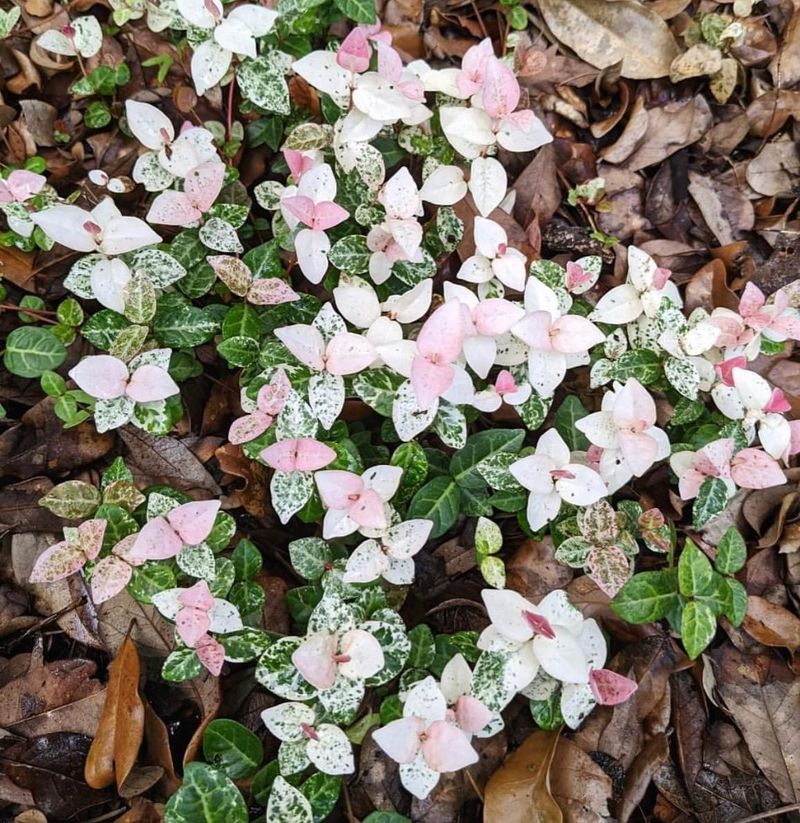
A well-chosen groundcover is one of the quietest overachievers in a Georgia garden. It fills space, crowds out weeds, and asks for very little in return.
Instead of a shrub that needs regular shaping, a spreading groundcover handles coverage with dense foliage that does the work on its own schedule. The trade-off is straightforward: less trimming, more ground covered, fewer problems to manage.
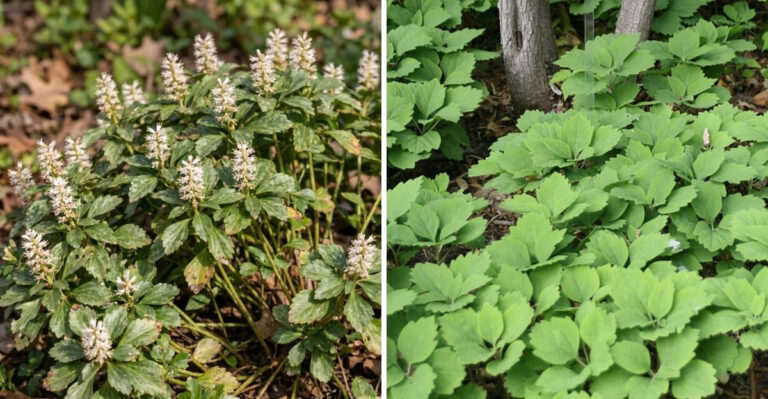
Liriope, Asian jasmine, and native wild ginger are all worth considering for Georgia conditions. Each one handles the state’s heat and humidity reasonably well, though they suit slightly different situations.
Liriope is particularly tough. Shade, sun, drought, and occasional foot traffic are not deal-breakers for this plant.
Choose clumping forms where spread is a concern. It adapts to a wide range of yard conditions without much fuss, which makes it one of the more versatile options for problem spots.
Groundcovers are not completely maintenance-free, and it is worth being clear about that. Edging along beds and walkways keeps them from spreading into areas they were not invited into.
Asian jasmine may need occasional thinning if it gets too dense or starts exploring nearby structures.
A yearly tidy-up is a reasonable expectation. A weekly chore is not, which is the meaningful distinction.
Replacing struggling turf under trees or in shaded areas with a well-adapted groundcover often reduces overall yard maintenance noticeably. Fewer bare patches mean fewer weeds, less mowing, and less time wrestling with a surface that never quite cooperated.
Matching the groundcover to the actual light and moisture conditions of the space is the critical step. Get that right, and the plant largely handles the rest.