The Oregon Front Yard Flowers That Make A House Look Instantly Cheerful
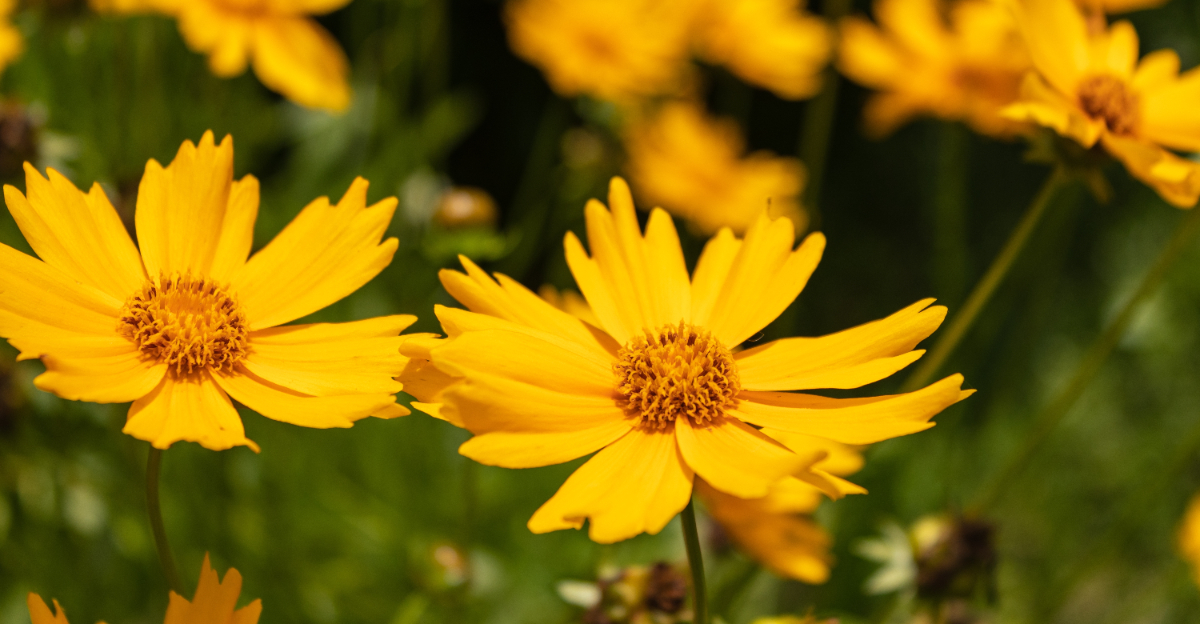
A front yard can change the whole mood of a house before anyone even reaches the porch. In Oregon, cheerful flowers have to do more than look cute for one sunny afternoon.
They need to handle cool mornings, spring rain, and those cloudy stretches that make everything feel a bit sleepy.
The best front yard flowers bring color that feels welcoming instead of fussy. Some brighten walkway edges like little welcome signs. Others make porch beds feel softer and more lived in.
A good planting can make an older house feel fresh or give a plain entry a much friendlier face. It is amazing how much a few blooms can do when they show up in the right spot. Even the mail carrier might notice.
Oregon yards already have plenty of natural charm. Add flowers that keep the entrance lively, and the whole place starts smiling back.
1. Calendula Brings Sunny Color Right To The Front Walk
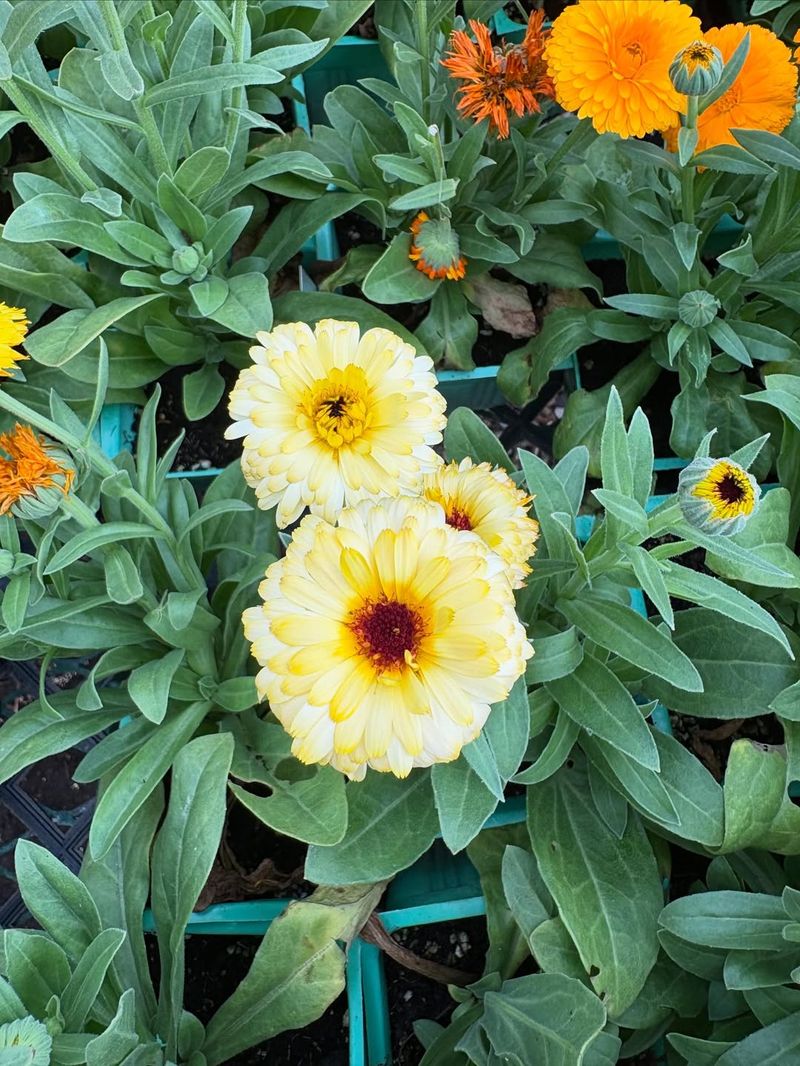
Few flowers shout “welcome home” quite like calendula. Those round, sunny blooms in shades of orange, gold, and yellow look like little suns lined up along your front walk. They are hard to miss, and that is exactly the point.
Calendula is one of the easiest flowers to grow from seed. You can scatter seeds directly into garden beds in early spring, and they will get to work fast. This state’s cool, moist springs are basically perfect for them.
They prefer cooler temperatures, which means they will bloom beautifully from spring right into fall without much fuss.
One thing gardeners love about calendula is how long it keeps blooming. The more you cut the flowers, the more new ones appear.
That makes it a great choice for a front walk where you want constant color all season long. You can even clip a few blooms for a vase inside.
Calendula also has a fun history. People have used it in cooking and natural remedies for hundreds of years. The petals are edible and can be tossed into salads for a pop of color.
So this flower is not just pretty. It is genuinely useful too. Plant calendula in a sunny spot with well-drained soil. Water regularly but do not overwater.
Thin the seedlings so they have room to spread, and watch your front walk transform into something truly special.
2. Nasturtiums Spill Cheerfully Over Beds And Containers
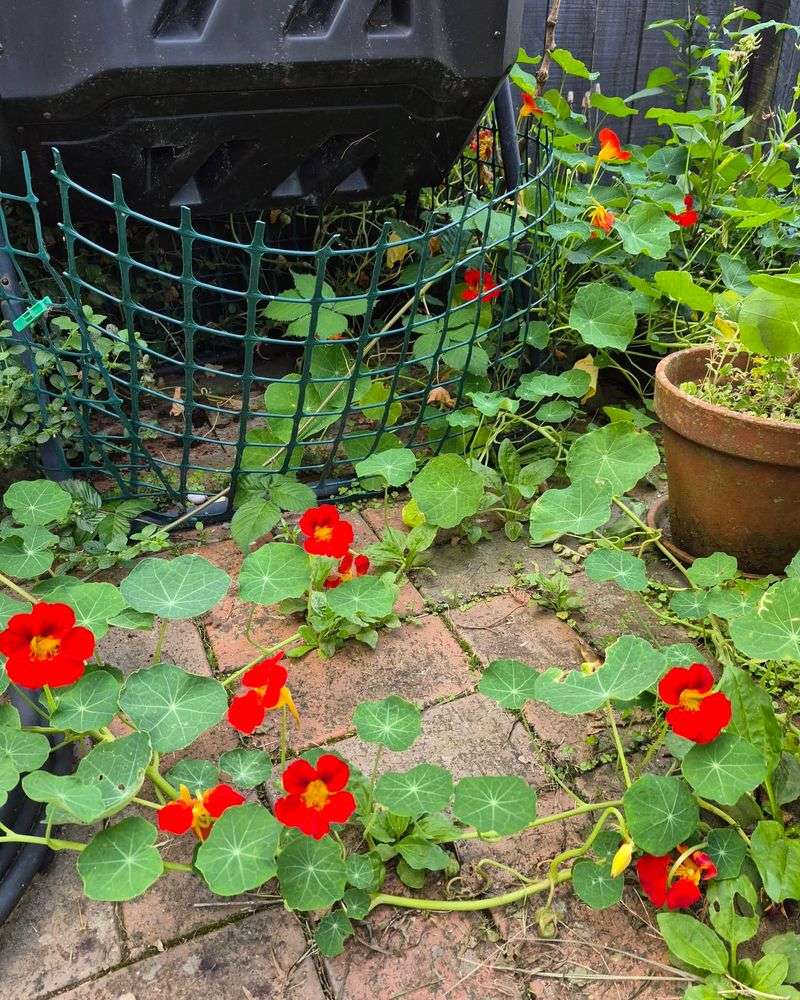
There is something wonderfully carefree about nasturtiums. They tumble and spill wherever they please, filling gaps in beds and overflowing containers with bright blooms in red, orange, and yellow. They look like they are having the time of their lives.
One of the best things about nasturtiums is how little they ask for. They actually prefer poor soil with not too much fertilizer. Rich soil makes them grow lots of leaves but fewer flowers.
So if your front yard has a patch of not-so-great soil, nasturtiums will thank you for it. These flowers do really well in our state’s mild, rainy springs.
Your Oregon Garden Changes Every Week. Your Plan Should Too.
Gardening in Oregon changes quickly throughout the season. Every Friday you’ll receive a simple weekly plan showing exactly what to plant, prune, fertilize, harvest, and protect so you never miss the right timing.
They grow fast, bloom quickly, and keep going strong until the first frost arrives. Plant them in early spring and they will reward you with months of cheerful color.
Both the flowers and the leaves have a peppery flavor and are fully edible. Nasturtiums work beautifully in hanging baskets near the porch, in window boxes, or cascading over the edge of a raised bed.
Their relaxed, flowing style gives any front yard a cottage-garden feel that feels warm and lived-in.
Starting nasturtiums is simple. Press seeds directly into the soil about half an inch deep after the last frost. They sprout quickly, often within a week.
No transplanting needed, no special tools required. Just plant, water lightly, and enjoy the show.
3. California Poppies Make A Front Yard Glow
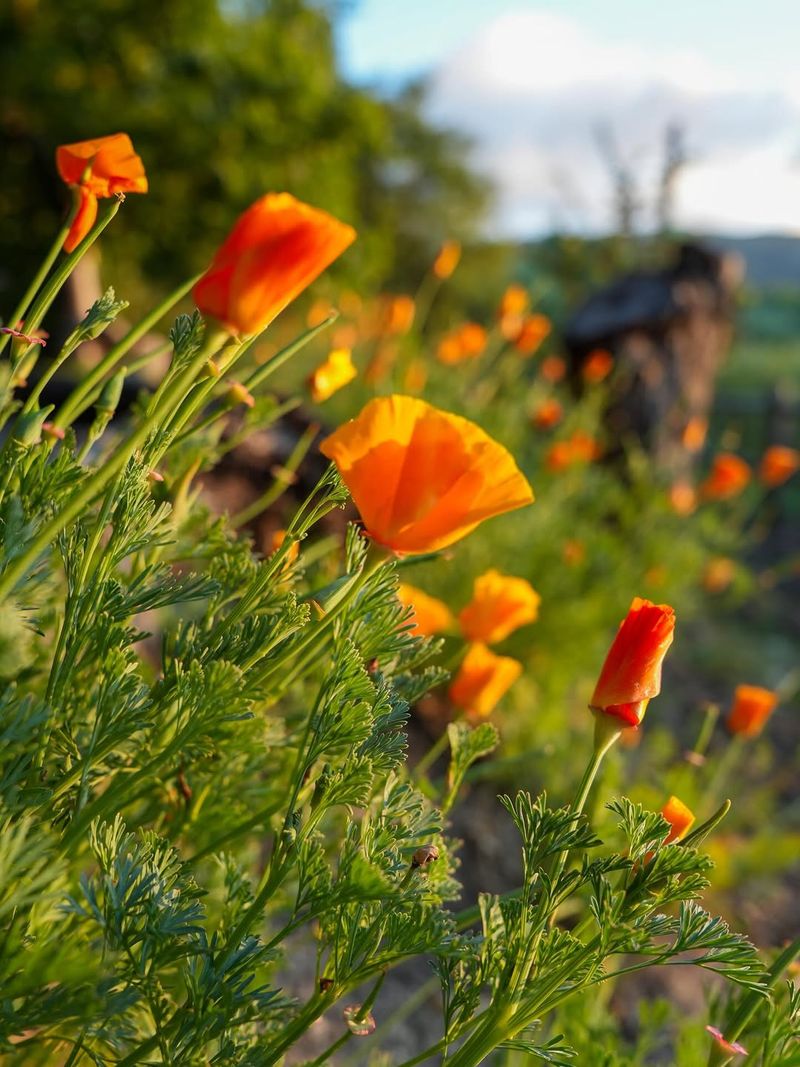
Bright, bold, and completely unfussy, California poppies bring a glow to any front yard that is hard to replicate with any other flower.
Their silky orange petals catch the sunlight in a way that makes the whole yard look lit from within. Even a small patch feels dramatic.
Despite the name, California poppies thrive all across the Pacific Northwest. Our state’s sunny summers and well-drained soils suit them perfectly.
They are drought-tolerant once established, which makes them a smart pick for gardeners who want beauty without constant watering.
They also reseed themselves year after year, meaning you plant them once and they keep coming back.
These poppies love full sun and sandy or gravelly soil. They actually struggle in overly rich or soggy ground.
If you have a dry, sunny strip near the sidewalk or driveway that seems impossible to plant, California poppies will prove that strip wrong.
Fun fact: California poppies close their petals at night and on cloudy days. It is like they are saving their best show for when the sun is out. That kind of built-in drama makes them even more fun to watch throughout the day.
Scatter seeds in early spring or even in late fall for spring blooms. Avoid transplanting since they have deep taproots and do not move well. Just sow directly where you want them and let nature do the rest.
4. Oregon Sunshine Adds Bright Native Color
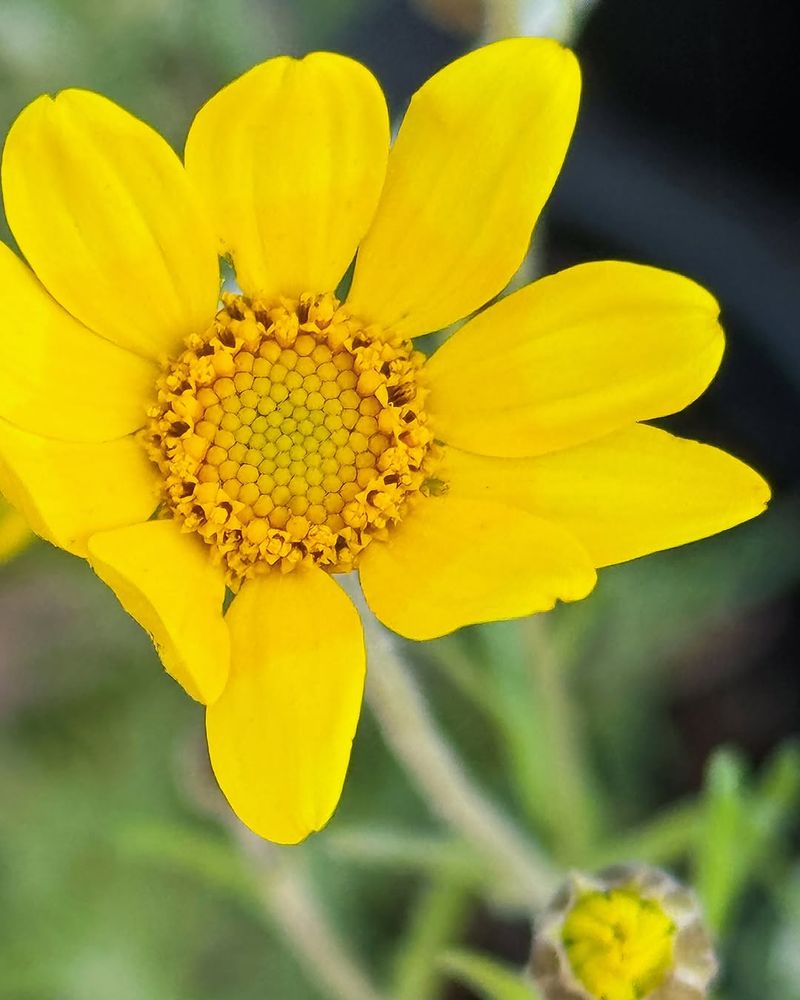
Not many flowers have a name as fitting as Oregon Sunshine. This cheerful native wildflower produces clusters of bright yellow, daisy-like blooms that light up a front yard from late spring through summer.
It looks like someone scattered drops of sunshine right across the garden bed. Oregon Sunshine, also known by its botanical name Eriophyllum lanatum, is native to our region.
That means it already knows how to handle everything our climate throws at it. It handles dry summers with ease, tolerates rocky or poor soils, and asks for very little once it gets established.
It is truly a plant that works with nature rather than against it. This plant grows in low, spreading mounds, which makes it a great border plant along paths or the front edge of a garden bed.
It pairs beautifully with other native plants like blue camas or red currant for a full native garden look. Pollinators absolutely love it too, so expect bees and butterflies to show up often.
Since it is native to this state, Oregon Sunshine supports local wildlife in a way that non-native plants simply cannot match.
Choosing native plants is one of the kindest things you can do for the local ecosystem right from your own front yard.
Plant it in a sunny, well-drained spot. Water it through its first season to help it establish, then let it largely care for itself. It is as low-maintenance as it gets.
5. Blanket Flower Keeps The Welcome Mat Blooming
Some flowers bloom for a few weeks and call it a season. Blanket flower is not one of those flowers.
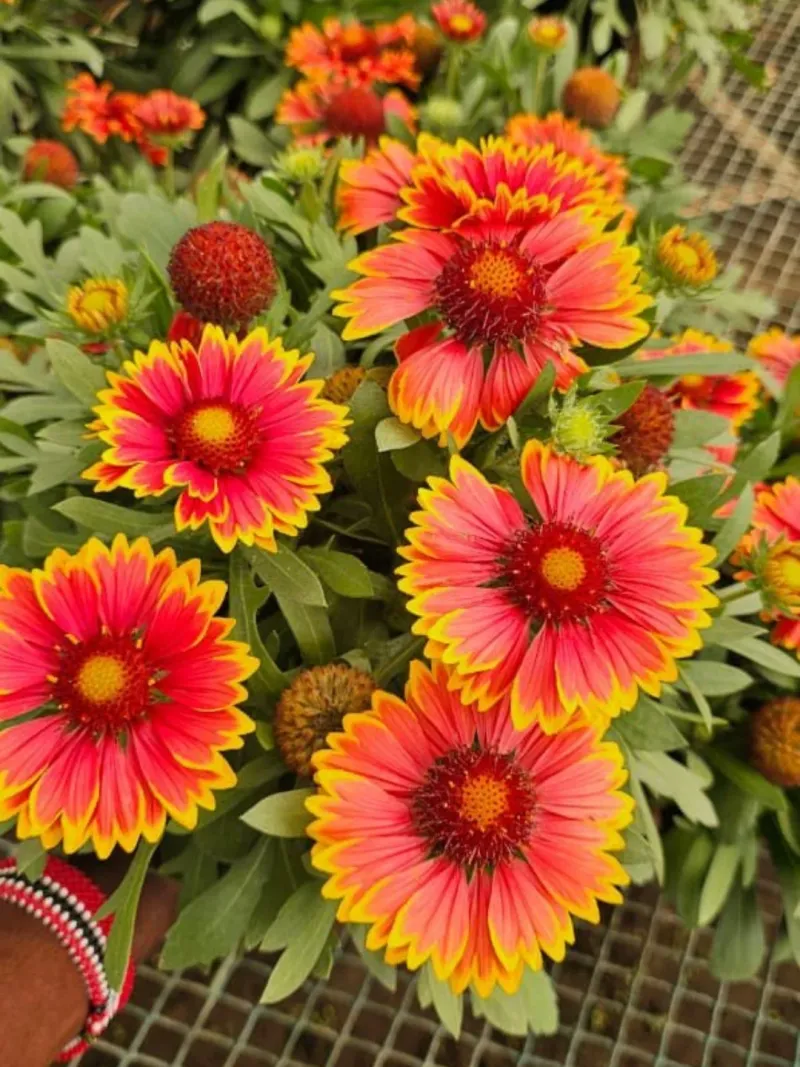
This powerhouse plant keeps producing bold red and yellow blooms from early summer all the way to the first frost. Your front yard stays colorful for months on end.
The name comes from the vivid, patterned petals that resemble the bright colors of traditional Native American blankets.
Each bloom is like a tiny work of art, with rings of deep red, burnt orange, and golden yellow radiating outward from the center. Up close, they are stunning. From the street, they are impossible to ignore.
Blanket flower thrives in full sun and well-drained soil. It actually performs better in lean soil than in rich, heavily fertilized ground.
Our state’s warmer, drier eastern regions are particularly well-suited to it, but it grows well in the western valleys too with good drainage.
One of the most practical things about blanket flower is its durability. It handles heat, drought, and wind without missing a beat. It also attracts butterflies and bees throughout the season, making your front yard a lively, buzzing place all summer long.
Deadhead spent blooms regularly to encourage continuous flowering. Divide the plants every two to three years to keep them vigorous and full.
With minimal effort, blanket flower becomes one of the most reliable sources of color your front yard will ever have.
6. Western Columbine Adds Whimsy Near The Porch
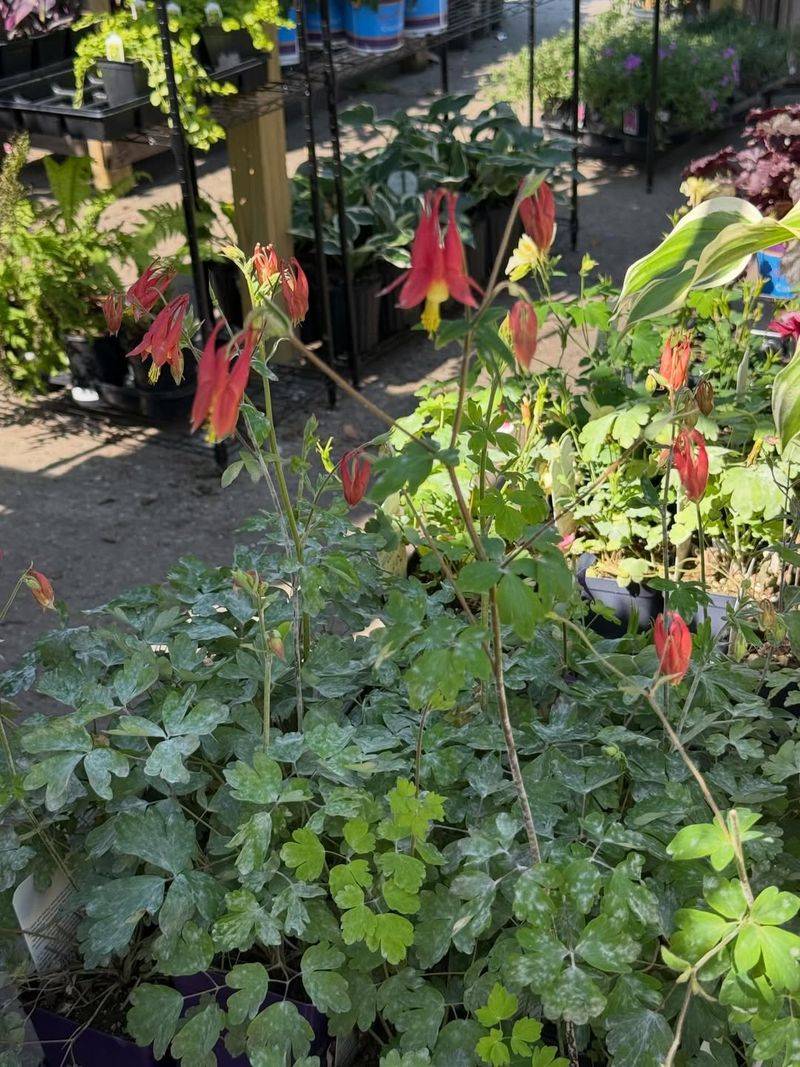
There is a playful, almost fairytale quality to Western Columbine. The flowers dangle from slender stems like little lanterns, each one a mix of bright red and yellow.
They sway in the breeze and catch the eye in a way that makes a porch feel magical rather than ordinary.
Western Columbine, or Aquilegia formosa, is native to the Pacific Northwest and is beloved by hummingbirds.
The long, nectar-filled spurs on each flower are perfectly shaped for a hummingbird’s beak. Plant a cluster near your porch and you may find yourself watching hummingbirds hover just a few feet away on a regular basis.
Unlike many sun-loving front yard flowers, Western Columbine actually prefers partial shade.
That makes it a great choice for porches or entryways where a roof or large tree casts some shadow. It blooms in late spring to early summer, filling that window before many summer flowers really hit their stride.
This plant is a short-lived perennial, but it reseeds freely. Once you have it in your garden, it tends to stick around by sprouting new plants from dropped seeds each year. You get a natural, relaxed look that feels like the garden grew itself.
Plant Western Columbine in moist, well-drained soil with some organic matter mixed in. Water consistently during dry spells.
Avoid heavy clay soil, which holds too much moisture. Give it a little love in its first year and it will reward you season after season.
7. Lupines Bring Cottage-Garden Charm To The Curb
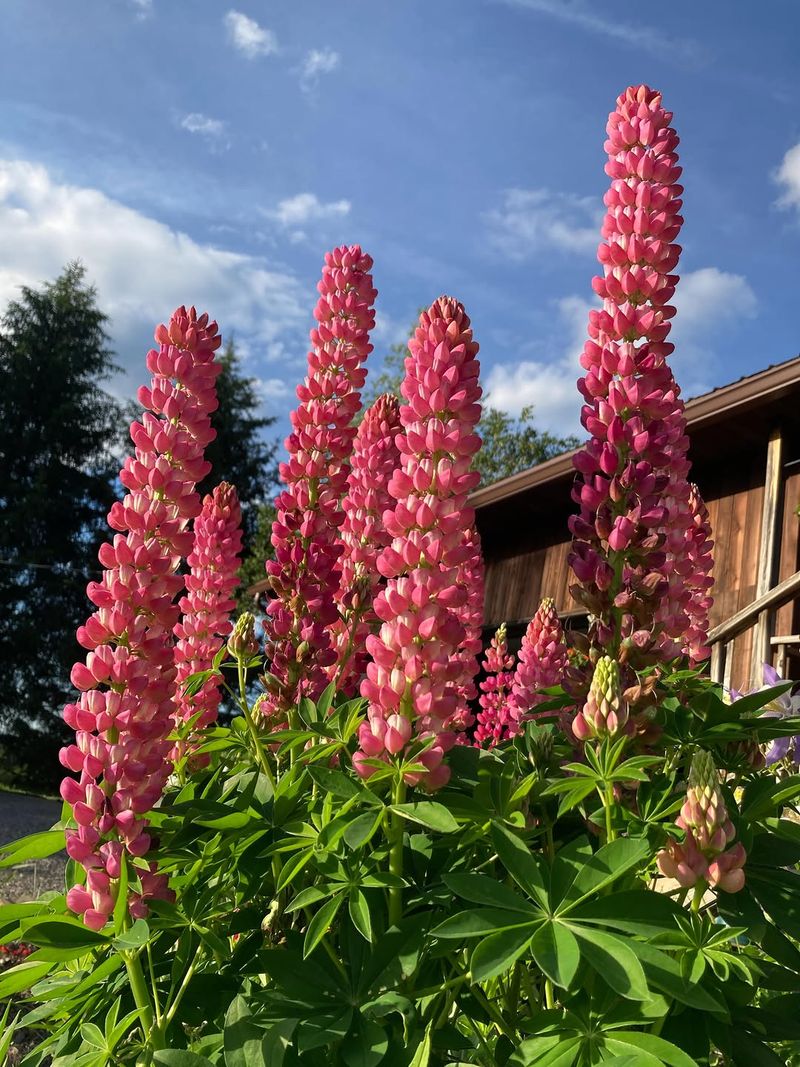
Tall, dramatic, and undeniably beautiful, lupines have a way of turning a plain front yard into something that looks straight out of a storybook.
Their tall spikes of tightly packed flowers come in purples, pinks, blues, and whites. From the curb, a row of lupines is a real showstopper.
Lupines have a long history in Pacific Northwest gardens. Native lupine species grow wild across our state, from mountain meadows to coastal bluffs.
Garden varieties like the Russell Lupine bring that same wild beauty into a more controlled, cultivated setting.
They bloom in late spring to early summer and grow anywhere from two to four feet tall. One of the most interesting things about lupines is what they do underground.
Their roots fix nitrogen from the air into the soil, which naturally enriches the ground around them. Planting lupines is almost like giving your garden a free dose of fertilizer.
Nearby plants often grow better because of them. Lupines prefer full sun and well-drained, slightly acidic soil.
They do not love wet feet, so avoid planting in low spots where water pools. In northern regions of our state, they may need a bit of mulch to protect roots through colder winters.
Sow seeds in fall or early spring for best results. Soak seeds overnight before planting to help them sprout faster.
Once established, lupines are fairly tough and will return each year, growing more full and impressive with every passing season.
8. Coreopsis Makes Borders Look Instantly Happier
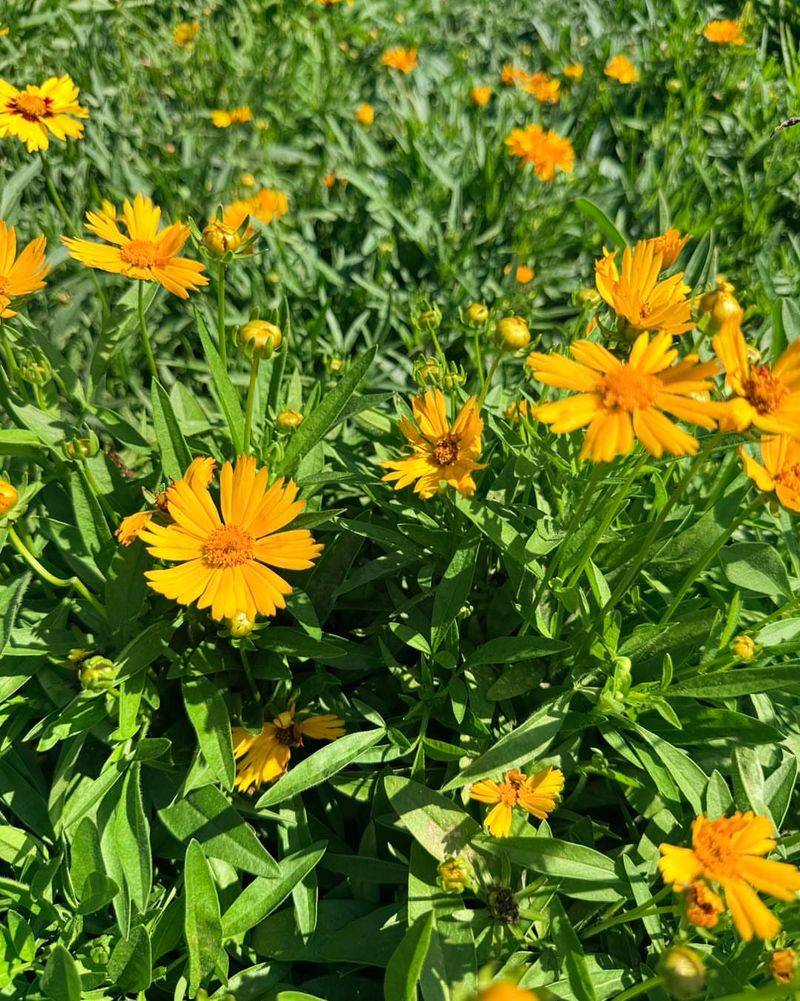
Sunny, reliable, and practically impossible to keep down, coreopsis earns its nickname tickseed with a cheerful attitude that lasts all season.
The bright yellow blooms look like tiny daisies, and they appear in such abundance that the plant almost disappears under a blanket of color. Border plantings go from flat to fabulous almost overnight.
Coreopsis is one of those plants that asks for very little and gives back enormously. It loves full sun and handles dry conditions well once established.
Our state’s warmer, sunnier regions are ideal, but it adapts well across the western valleys too as long as drainage is good. It is a true workhorse in the garden world.
There are both annual and perennial varieties available. Perennial types like Coreopsis grandiflora come back each year and spread slowly into fuller, more impressive clumps over time.
Annual types bloom their hearts out all season long. Either way, you get a front border packed with golden color from early summer through fall.
Butterflies are absolutely drawn to coreopsis. A well-established patch can attract multiple species on a warm afternoon, turning your front yard into a lively, fluttering scene that neighbors will stop to admire. It is a small choice with a big ecological payoff.
Deadhead regularly to keep the blooms coming strong. Cut plants back by about one-third in midsummer if they start to look tired.
They will bounce back quickly with a fresh flush of flowers. Coreopsis is one of the most rewarding flowers you can plant along a front yard border.