What Oregon Gardenias Actually Need In June To Keep Blooming All Summer
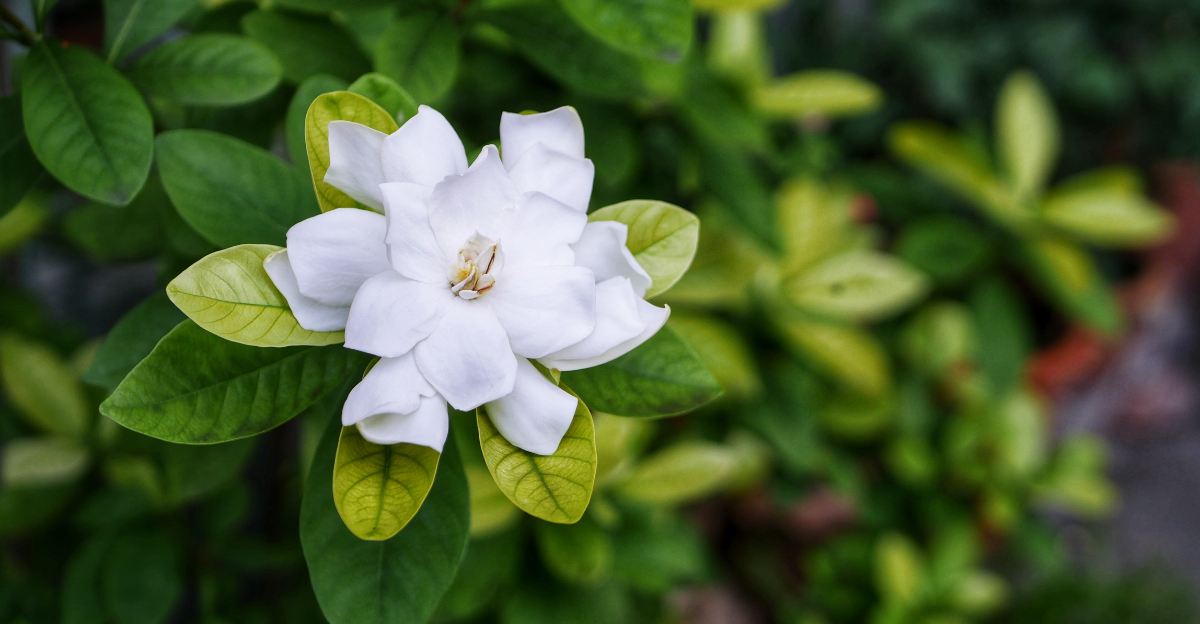
Gardenias do not quietly fade into the background. When they bloom, the whole porch seems to notice.
That sweet scent can make a June evening feel fancy, even if you are standing outside in old shoes holding a watering can.
But Oregon gardenias can be picky once summer starts warming up. A plant that looked perfect last week may suddenly pause its blooms or start looking a little annoyed.
The reason is usually hidden in the small stuff, not some huge garden disaster. June is the month when gardenias decide if they are comfortable enough to keep showing off.
Too much guessing can send them into a sulk, and nobody wants a dramatic shrub during patio season. Keep an eye on the plant now, and you can help it stay in bloom long after that first pretty flush.
1. Morning Sun And Afternoon Shade
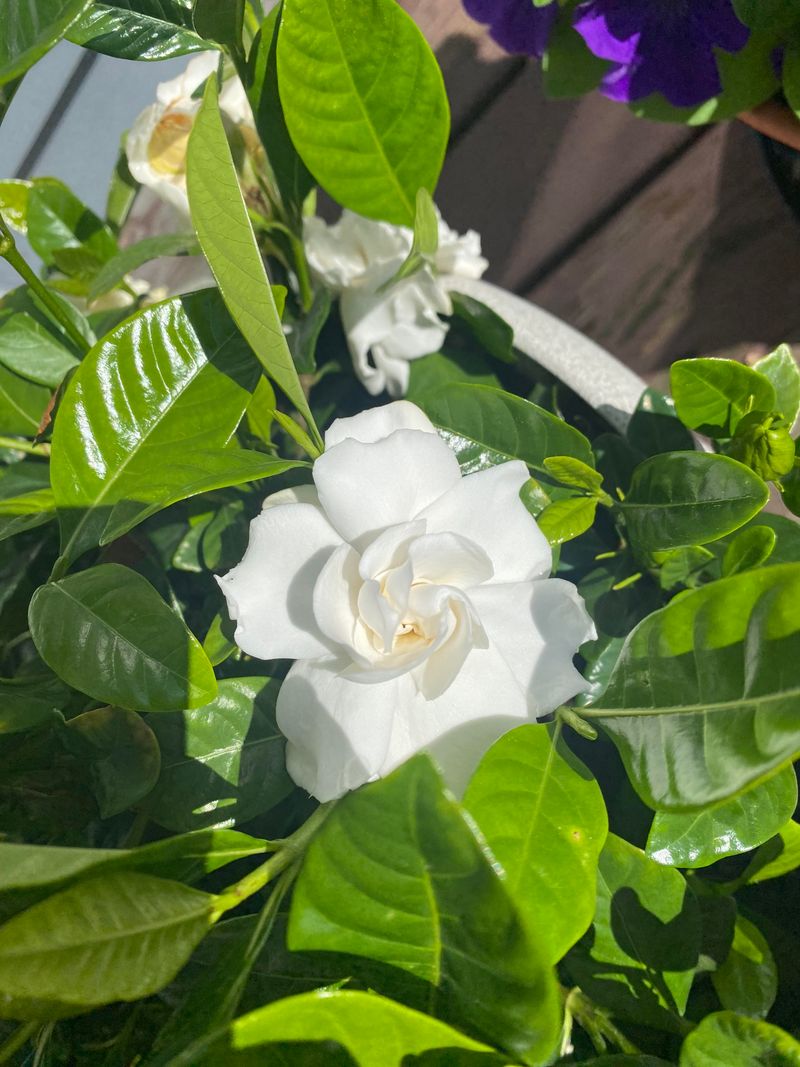
Full sun sounds ideal for most flowering plants, but gardenias have a different preference. Too much direct afternoon heat can stress the plant fast, especially on warm June days in this state.
Morning sun gives gardenias the bright light they need to set buds and stay healthy. The light at that time of day is gentler and less intense than what hits plants in the mid-afternoon.
A spot that gets sun from about 7 a.m. to noon tends to work really well for gardenias growing in Pacific Northwest gardens.
Afternoon shade protects the leaves from scorching and keeps the soil from drying out too quickly.
When soil moisture stays steadier, buds are much less likely to drop before they open. Reflected heat from walls, fences, and pavement can also push temperatures higher than you might expect, so watch where your plant sits on warm afternoons.
Container gardenias have an advantage here because you can move them if a spot turns out to be too hot.
In-ground plants need to be placed thoughtfully from the start. Observe your garden at different times of day before choosing a permanent location.
A spot near a taller shrub or a fence that blocks western sun can give your gardenia exactly the light balance it needs to stay comfortable and keep producing flowers through the summer months.
2. Consistently Moist Soil
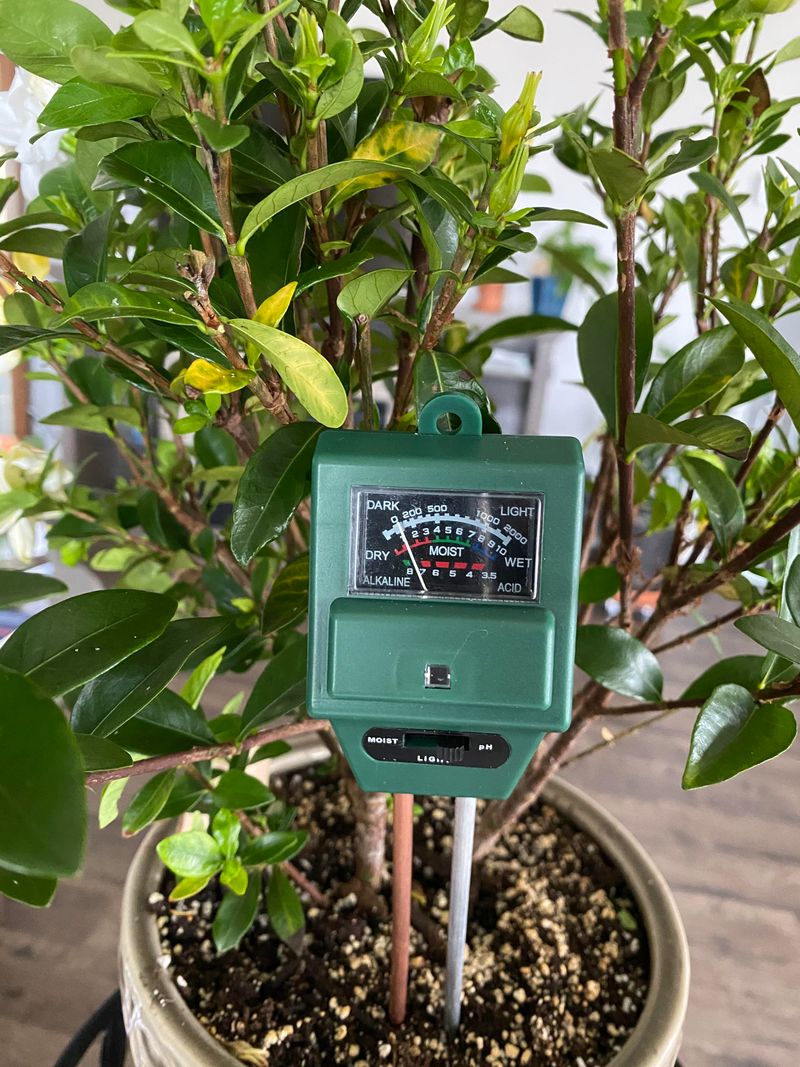
Water stress is one of the top reasons gardenias drop their buds before they ever get a chance to open. The plant needs soil that stays evenly moist, not soaking wet and not bone dry.
Think of it like a wrung-out sponge. The soil should feel damp when you press a finger about an inch into it, but water should not pool on the surface or sit around the roots.
Letting the soil swing between soggy and dry puts real strain on the plant, and buds are usually the first thing to suffer when that happens.
In June, temperatures start climbing and wind picks up on some days, which means soil can dry out faster than it did in spring.
Check moisture levels more often during warm or breezy stretches. Watering deeply and less frequently is usually better than light watering every day.
Your Oregon Garden Changes Every Week. Your Plan Should Too.
Gardening in Oregon changes quickly throughout the season. Every Friday you’ll receive a simple weekly plan showing exactly what to plant, prune, fertilize, harvest, and protect so you never miss the right timing.
Deep watering encourages roots to grow downward, which helps the plant handle short dry spells better over time.
Container gardenias dry out faster than in-ground plants, so check pots every day or two during warmer weather.
Use a pot with drainage holes so excess water can escape. If you tend to forget watering, a simple moisture meter from a garden store can take the guesswork out of it and help you stay on a more consistent schedule all season long.
3. Good Drainage Around The Roots
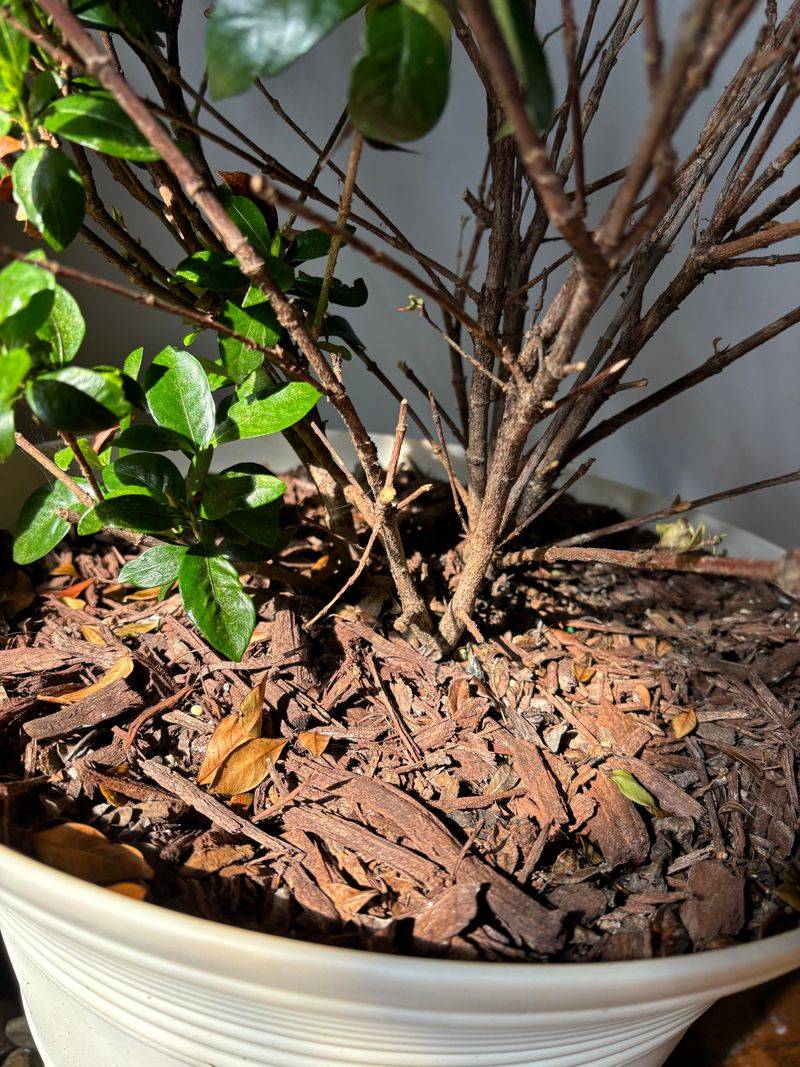
Even though gardenias need steady moisture, sitting in waterlogged soil is just as harmful as being too dry.
Poor drainage suffocates roots and opens the door to root rot, which can quietly damage a plant before you notice anything wrong above ground.
Healthy drainage means water moves through the soil at a reasonable pace. It should not disappear in seconds, but it should not puddle for hours either.
If you press your thumb into the soil and it feels slimy or heavy, that is a sign the drainage needs improvement.
For in-ground gardenias, work some perlite or coarse sand into the planting area to loosen compacted soil.
Raised beds also help a lot in areas where native soil tends to hold water. Planting on a slight slope or mound can give roots a drier zone to grow into while still staying close to moisture at the surface level.
Container plants need pots with at least one drainage hole at the bottom, and the hole should never be blocked by a tray full of standing water.
Empty saucers after watering so roots are not sitting in pooled moisture. A well-draining potting mix made for acid-loving plants works better than regular potting soil for gardenias.
Getting drainage right from the start saves a lot of frustration and protects the plant through the entire growing season.
4. Acid-Loving Plant Food
Gardenias are picky about soil chemistry. They prefer a soil pH between 5.0 and 6.5, which falls in the acidic range.
When the pH climbs too high, the plant cannot absorb nutrients properly, even if those nutrients are already in the soil.
Yellowing leaves, especially when the veins stay green, often signal that the plant is not getting enough iron or magnesium because the soil is too alkaline.
This condition is called chlorosis, and it is pretty common in gardens where the soil leans neutral or slightly basic. A simple soil pH test from a garden center can confirm whether this is the issue.
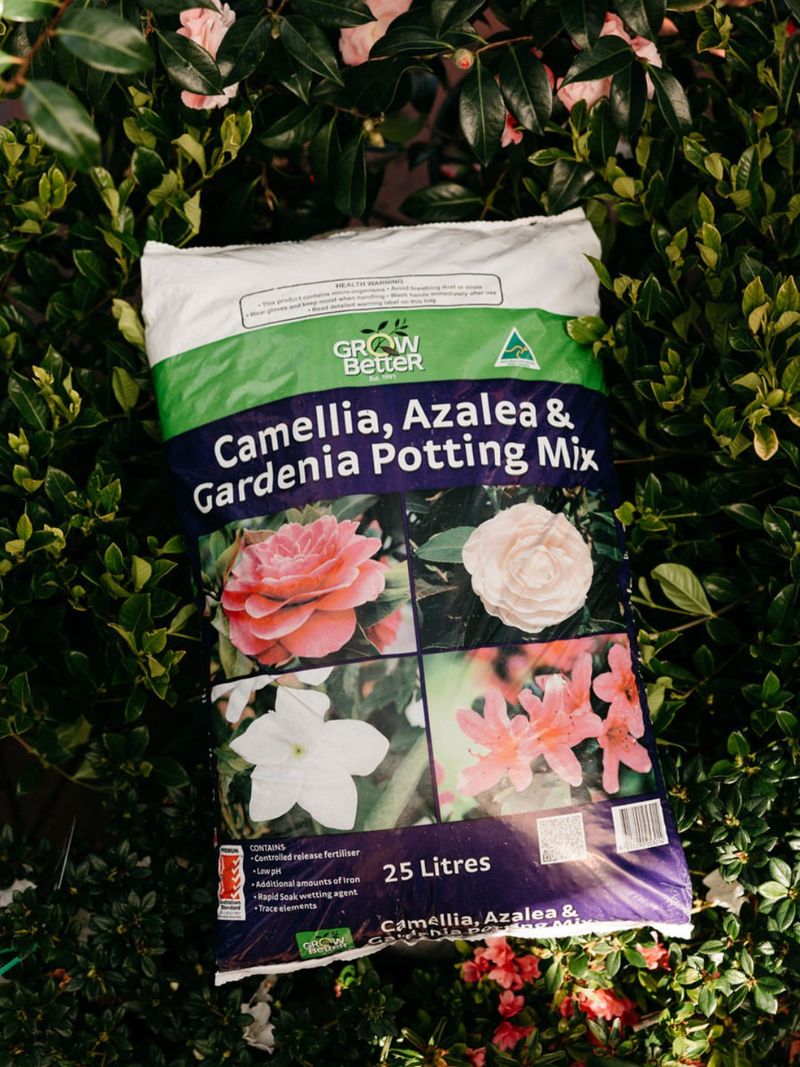
Feeding with a fertilizer designed for acid-loving plants helps on two fronts. It provides the nutrients gardenias need to grow and bloom, and it gently lowers the pH over time with repeated use.
Look for fertilizers labeled for azaleas, camellias, or rhododendrons, as these work well for gardenias too.
Only fertilize when the plant is actively growing and not under stress. Feeding a stressed or drought-affected plant can make things worse, not better. In June, a healthy gardenia with steady moisture is a good candidate for a light feeding.
Follow the label instructions and avoid overdoing it. Too much fertilizer pushes leafy growth at the expense of flowers, which is the opposite of what most gardeners want during bloom season.
5. Mulch To Keep Roots Cool
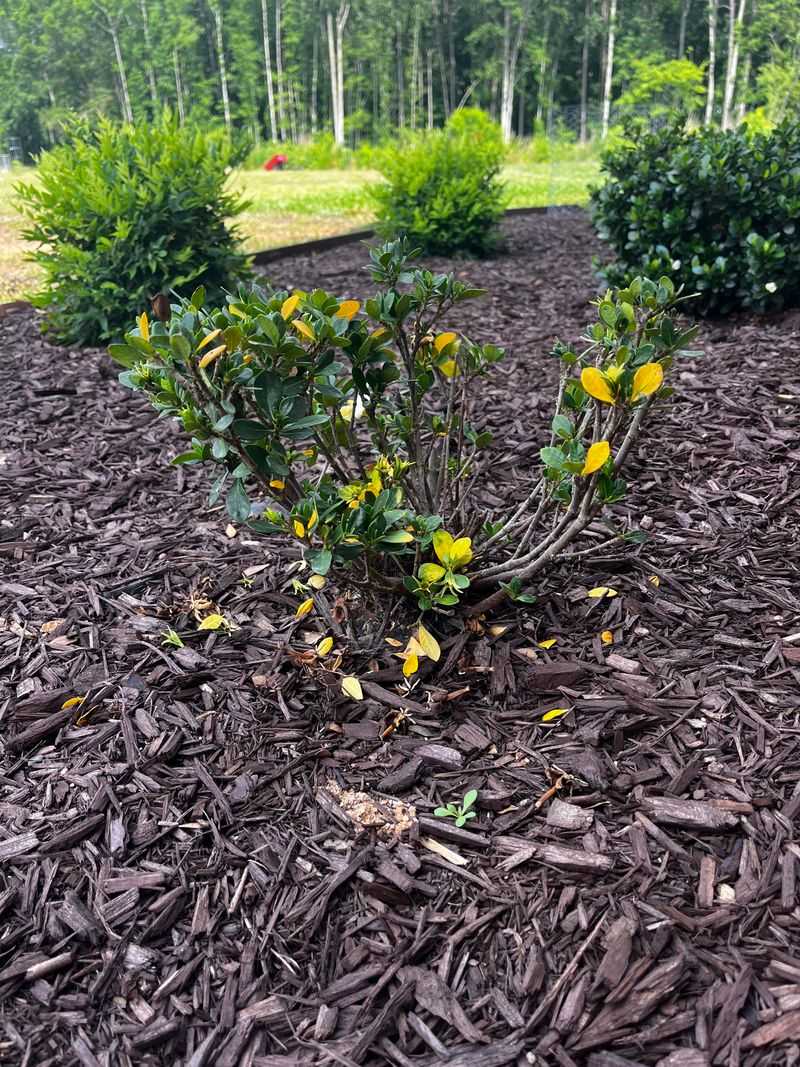
Roots that stay cool and protected tend to support far more consistent blooming than roots exposed to heat and temperature swings.
Mulch is one of the simplest tools for keeping a gardenia comfortable through the warmer months of the year.
A two to three inch layer of organic mulch spread around the base of the plant does several helpful things at once.
It slows down moisture evaporation from the soil, which means less frequent watering. It also keeps the soil temperature steadier, which gardenias really appreciate when June afternoons start warming up in this state.
Good mulch options include shredded bark, pine needles, or wood chips. Pine needles are especially popular for acid-loving plants because they break down slowly and can help maintain a slightly lower soil pH over time.
Straw and leaf mold also work well if you have them available from yard waste. One important detail is to keep the mulch a few inches away from the main stem of the plant.
Mulch piled against the stem traps moisture and can cause the bark to soften and rot over time. Pull it back so there is a small gap between the mulch ring and the stem.
Refresh the layer once or twice during the season as it breaks down. Consistent mulching is one of the lowest-effort, highest-reward habits you can build into your gardenia care routine.
6. Protection From Hot, Dry Wind
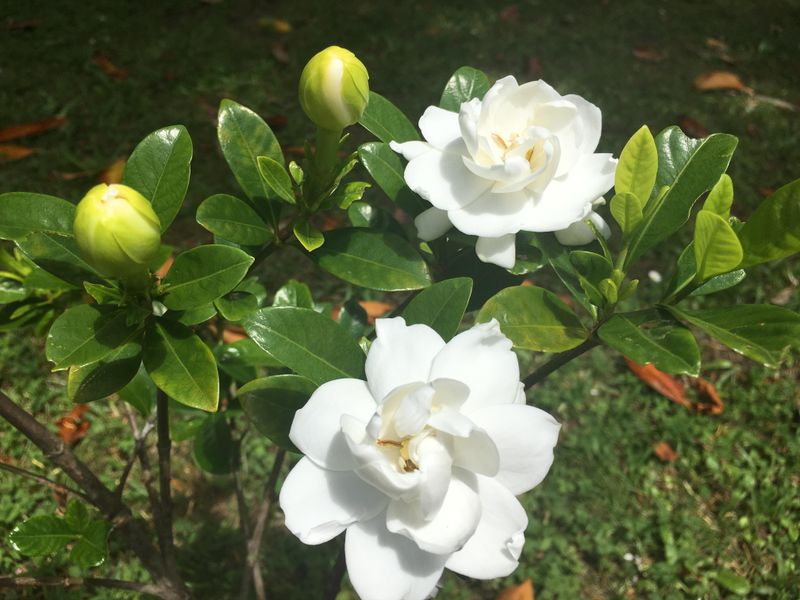
Wind might not be the first thing that comes to mind when troubleshooting a struggling gardenia, but it can be one of the sneakiest causes of bud drop and leaf damage.
Hot, dry wind pulls moisture out of leaves faster than roots can replace it, and that dries out buds quickly.
In many parts of this state, late spring and early summer bring stretches of east wind that are dry and warmer than the typical cool ocean breeze.
These wind events can last several days, and they are tough on moisture-sensitive plants like gardenias. Even a single bad wind event during bud development can set back blooming noticeably.
Finding a sheltered spot for your gardenia makes a real difference. A position near a fence, a wall, or a larger shrub that blocks prevailing winds can protect the plant without reducing light too much.
Just make sure the shelter does not also trap heat, as that creates its own set of problems for the plant.
For container gardenias, moving the pot to a more protected location during windy stretches is a smart and easy solution.
Even moving it to a covered porch or against a house wall for a few days can reduce stress significantly.
Keeping soil well-watered before and during windy weather also helps the plant stay hydrated and better able to handle the drying conditions without losing buds prematurely.
7. Pest Checks Before Buds Drop
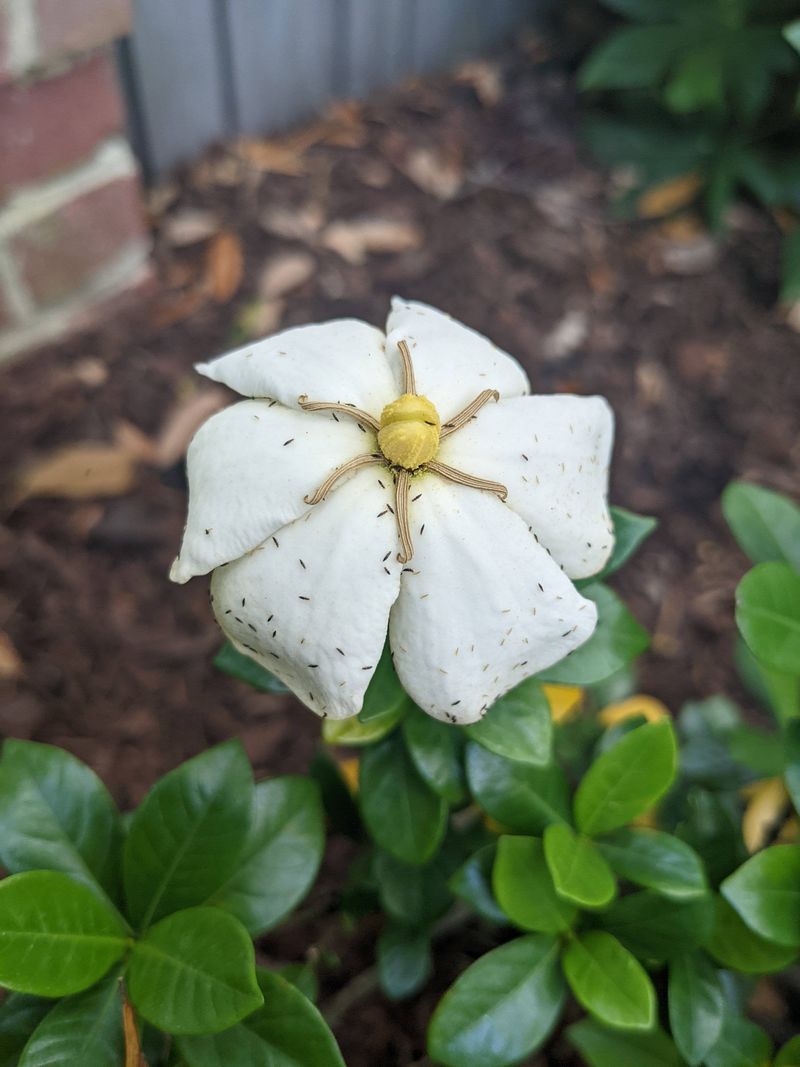
Tiny insects can cause big problems for gardenias, and the damage often shows up as bud drop or yellowing leaves before you even notice the pests themselves.
Catching an infestation early is much easier than dealing with one that has spread across the whole plant.
Spider mites are among the most common problems for gardenias, especially when the weather turns warm and dry.
They feed on the underside of leaves and leave behind a faint webbing that looks like fine dust. Aphids are another frequent visitor, clustering near new growth and buds where the plant tissue is softest and easiest to pierce.
Scale insects are harder to spot because they look like small bumps on stems and leaves rather than moving bugs.
They suck sap from the plant slowly and can weaken it over weeks without obvious signs. Whiteflies sometimes show up too, especially on container plants kept in sheltered spots with less air circulation.
Make it a habit to check the undersides of leaves and around bud clusters at least once a week in June.
Catching pests early means you can often deal with them using a strong spray of water or insecticidal soap before they multiply. Avoid broad pesticides that harm beneficial insects.
Keeping plants well-watered and healthy also makes them naturally more resistant to pest pressure throughout the blooming season ahead.
8. Regular Cutting For More Blooms
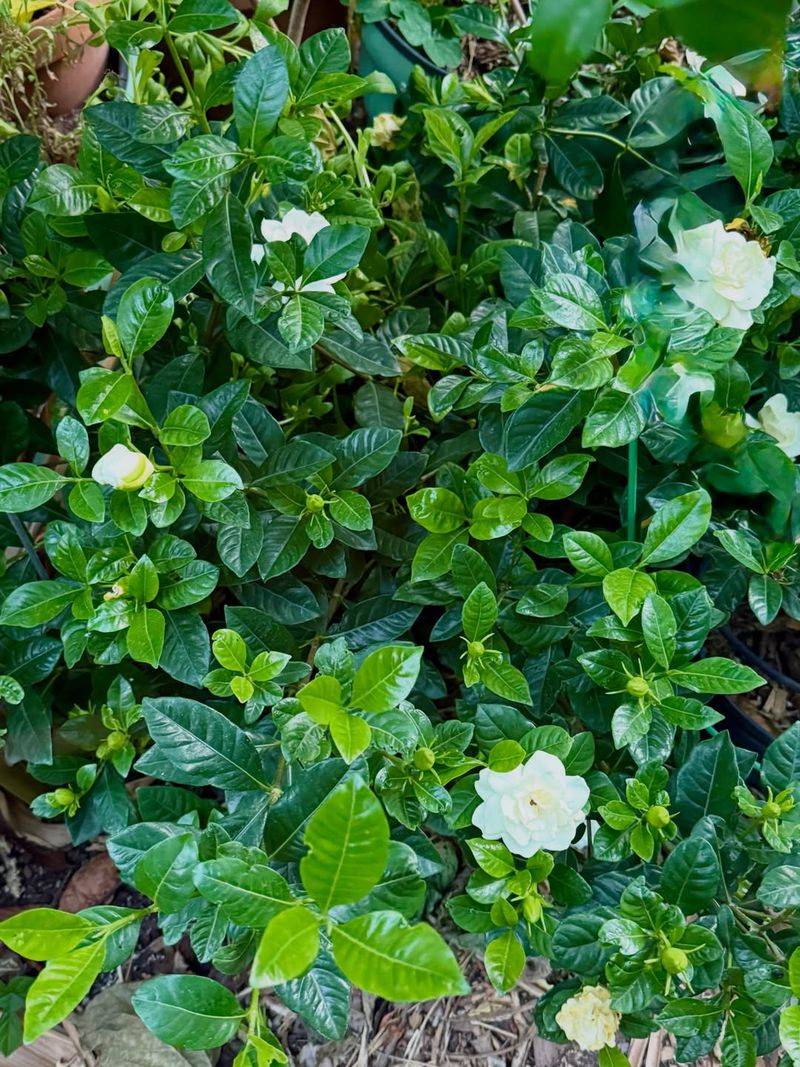
Spent flowers left on the plant are not doing anything useful. Once a bloom fades and starts to brown, removing it sends a clear signal to the plant to put energy toward making new buds instead of setting seed.
This simple habit can extend the blooming period noticeably. Deadheading gardenias does not require any special tools or technique.
Use clean, sharp scissors or pruning shears and snip the faded bloom just below the flower head, cutting back to a leaf node if possible.
Clean cuts heal faster and reduce the chance of introducing disease to the plant through rough or torn tissue.
Light pruning in June can also help shape the plant and encourage bushier growth. If a branch looks leggy or is growing in an awkward direction, trimming it back a bit redirects the plant’s energy toward fuller, more balanced growth.
Keep these cuts light during the blooming season so you do not accidentally remove buds that are still forming.
Avoid heavy pruning in summer, as that can shock the plant and reduce flowering. Save any major reshaping for late summer or early fall after the main bloom flush is over.
Wiping your pruning blades with rubbing alcohol between plants is a good habit to keep, since it prevents spreading any fungal issues from one plant to another.
A little regular trimming really does make a visible difference in how long and how well gardenias continue to bloom.