The Rat-Repelling Oregon Herbs That Also Look Beautiful Along Any Garden Path
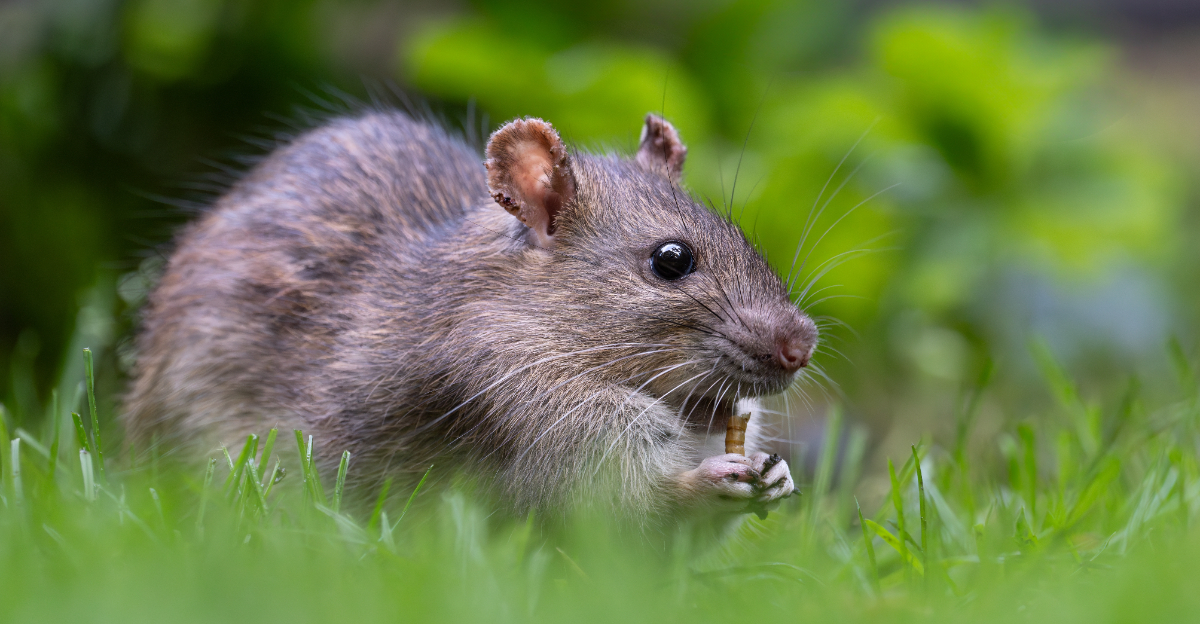
A garden path should feel charming, not like a rodent runway with better landscaping. That is why fragrant herbs can be such a smart Oregon yard upgrade.
Some herbs have strong scents that rats tend to dislike, while still adding texture, movement, and polish along walkways.
They can soften hard edges, make the garden feel more intentional, and bring a little “yes, I planned this” energy.
The best part is that they do not have to look like pest control. Done right, they look like a pretty design choice that quietly pulls double duty.
Of course, herbs alone will not fix a rat problem if fallen fruit, open compost, or clutter is still rolling out the welcome mat.
But as part of a cleaner yard strategy, the right border plants can help your path look beautiful and less inviting to unwanted guests.
1. Lavender Makes Paths Smell Fresh And Finished
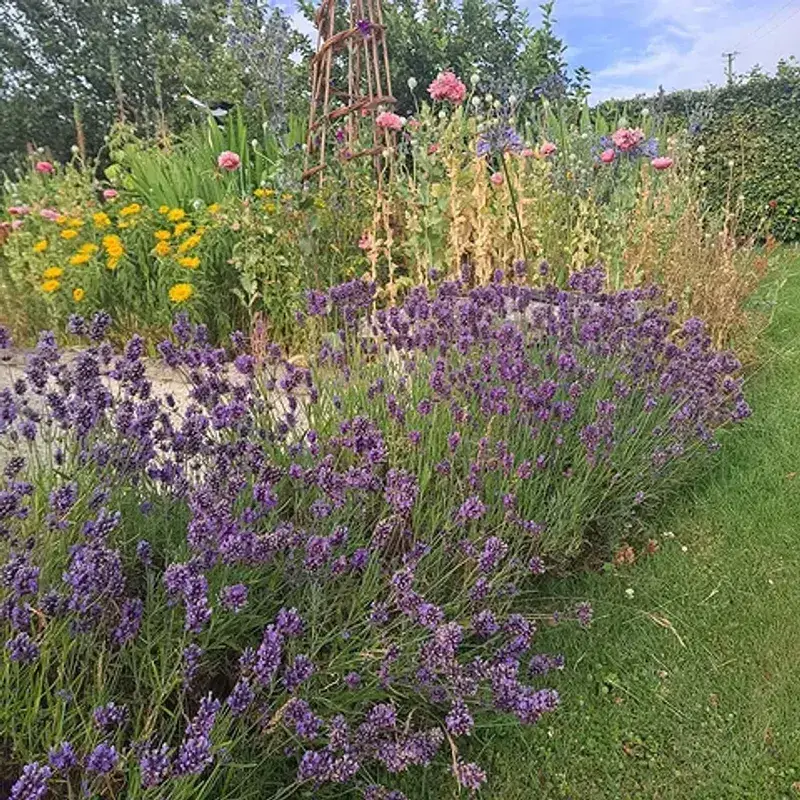
Few plants earn their place along a garden path quite like lavender does. That deep, floral scent that we humans love so much?
Rats absolutely cannot stand it. The strong essential oils in the leaves and flowers overwhelm rodents’ sensitive noses, making them turn around fast.
Lavender thrives in Oregon’s mild coastal climate and handles dry summers with ease.
Plant it along sunny, well-drained paths and you will get thick, silvery-green mounds topped with tall purple flower spikes from late spring through summer. It asks for very little once it is established.
For best results, space plants about two feet apart so air can move freely between them. Trim them back lightly after blooming to keep the shape tidy and encourage fresh growth next season.
Varieties like ‘Hidcote’ and ‘Munstead’ stay compact and look polished along narrow walkways.
Beyond pest control, lavender attracts bees and butterflies all summer. It works beautifully with gravel paths, stone borders, or wood chip trails.
The dried flowers can also be bundled and brought indoors to keep closets and drawers smelling clean.
Honestly, lavender might be the most hardworking herb you ever plant along a walkway in your garden.
2. Rosemary Adds Structure Along Sunny Walkways
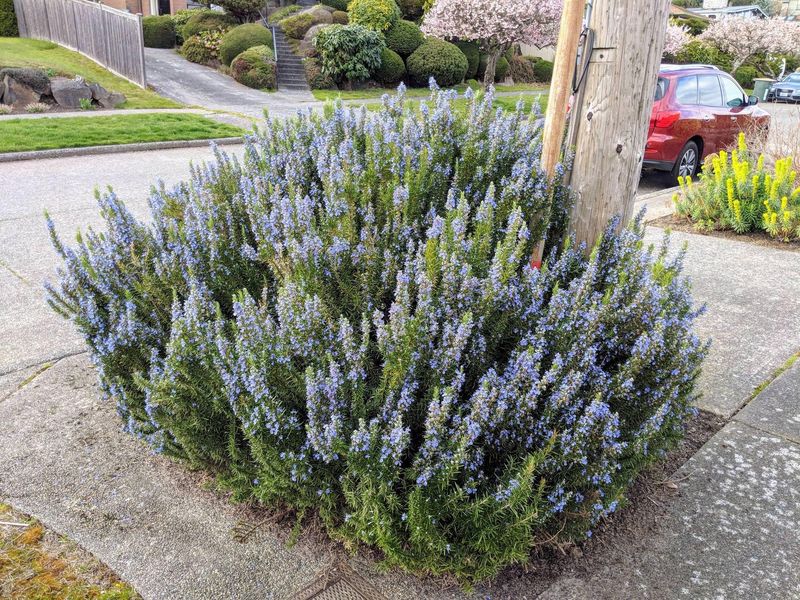
Bold, upright, and full of personality, rosemary is one of those herbs that looks like it belongs in a formal garden but grows just as happily in a backyard walkway.
The stiff, needle-like leaves release a sharp, piney scent whenever you brush past them.
Rats find that smell deeply unpleasant and tend to avoid areas where rosemary grows thick.
In Oregon, rosemary does especially well in southern and western regions where winters stay mild. Along a sunny path, it can grow into a handsome low hedge over time.
Upright varieties like ‘Tuscan Blue’ create a clean, structured edge that gives a path a finished, intentional look without much fuss.
Planting rosemary in well-drained soil is key. It does not like wet feet, so raised borders or slightly sloped paths work great.
Once established, it rarely needs watering beyond what rain provides, making it a smart choice for gardeners who want beauty without constant maintenance.
Your Oregon Garden Changes Every Week. Your Plan Should Too.
Gardening in Oregon changes quickly throughout the season. Every Friday you’ll receive a simple weekly plan showing exactly what to plant, prune, fertilize, harvest, and protect so you never miss the right timing.
The tiny blue or purple flowers that appear in late winter and early spring are a bonus. They attract early pollinators when not much else is blooming.
Snip stems regularly for cooking and the plant will stay bushy and full. Rosemary is genuinely one of the most reliable herbs you can grow along a path.
3. Sage Brings Silvery Leaves To Dry Borders
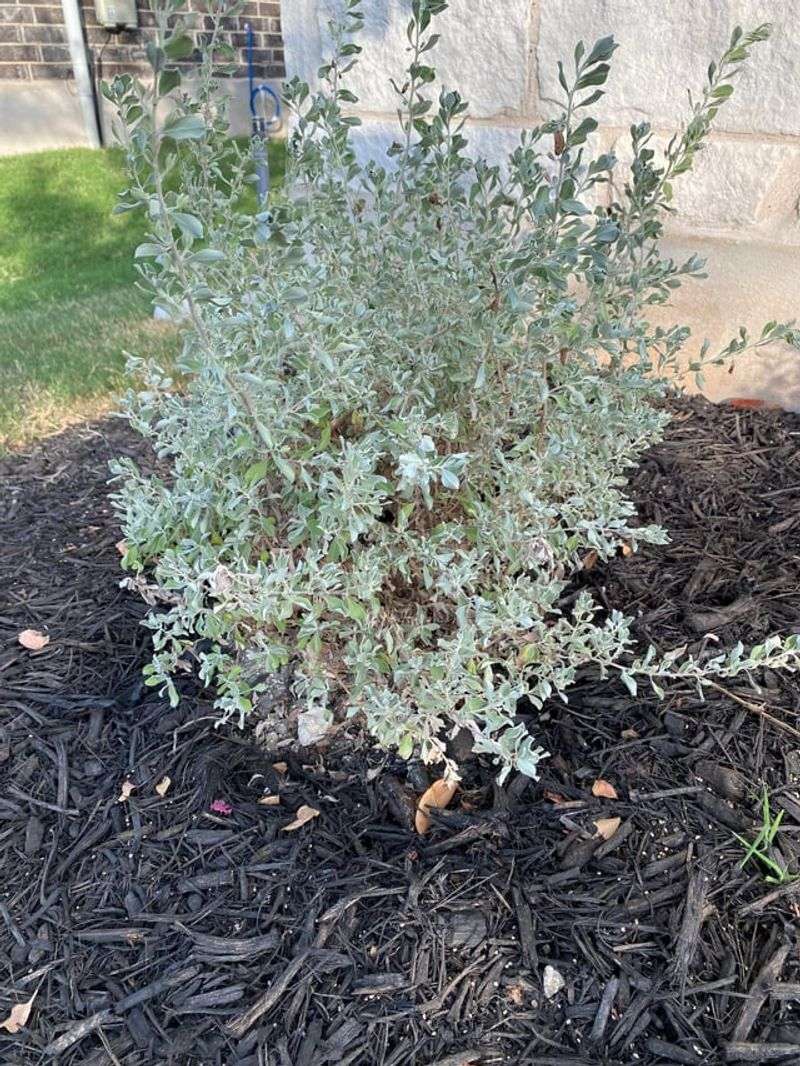
There is something almost dusty and ancient about sage, and that quality translates beautifully to dry garden borders.
The soft, silvery-green leaves have a velvety texture that catches light in a way few other plants can match.
Along a gravel or stone path, sage creates a muted, earthy color palette that looks both natural and intentional.
Rats are repelled by the strong, musky oils that give sage its familiar kitchen scent. Those same compounds that make it useful in cooking make it unwelcome to rodents sniffing around your path edges.
A few well-placed clumps can make a noticeable difference in pest activity over time.
Common garden sage grows well across Oregon, especially in areas with dry summers and good drainage. It handles heat without complaint and rarely needs fertilizer.
Purple sage and tricolor sage add even more visual interest with their reddish-purple or variegated leaves.
Keep sage looking its best by cutting it back by about one-third each spring before new growth starts. Avoid overhead watering, which can lead to fungal problems on the fuzzy leaves.
Tall purple flower spikes appear in early summer and attract bumblebees like nothing else. Sage is the kind of plant that rewards patience.
The longer it grows, the more character and presence it develops along your path edge.
4. Thyme Softens Cracks And Path Edges
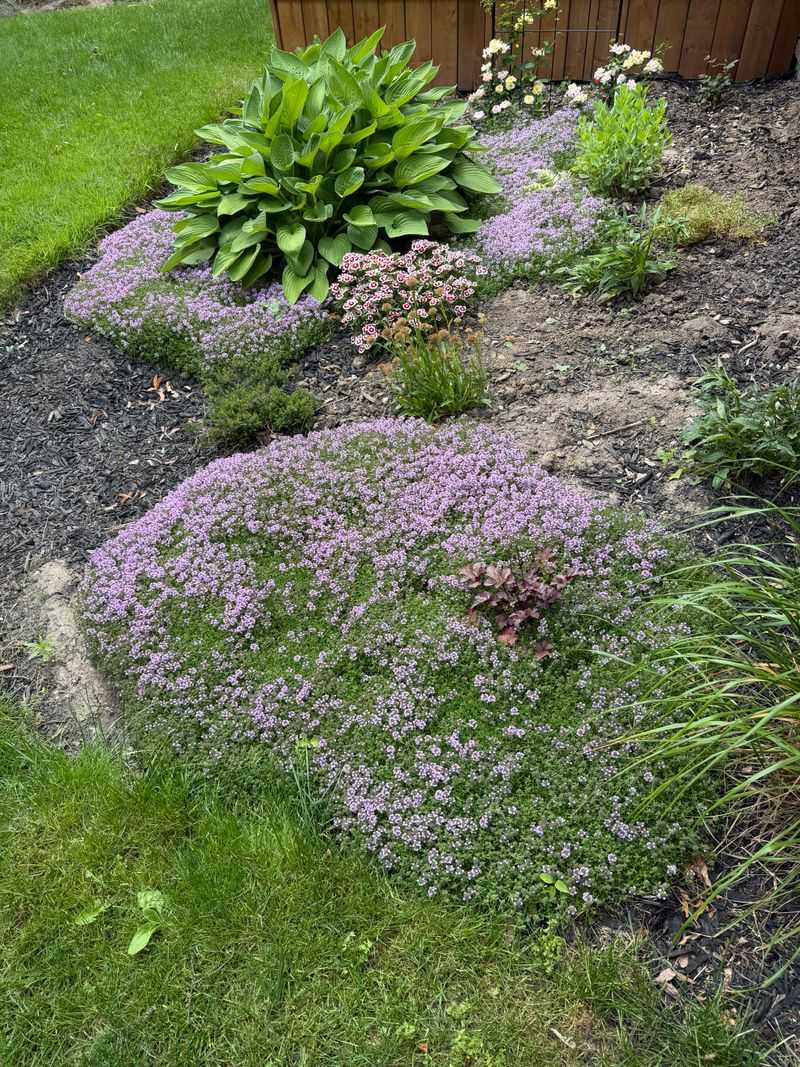
Tucking thyme into the cracks between stepping stones is one of the smartest things a gardener can do.
It fills those awkward gaps with soft, low-growing foliage that spills over edges and releases a warm, herby scent with every step.
That scent is exactly what keeps rats from feeling comfortable near your path.
Creeping thyme varieties like ‘Elfin’ or ‘Woolly Thyme’ stay extremely low and spread slowly but steadily. They handle foot traffic better than most ground covers, bouncing back after being stepped on.
Upright thyme varieties work better as small edging plants just off the path edge, where their tiny leaves create a tidy, fine-textured border.
Oregon’s rainy winters are not a problem for thyme as long as the soil drains well. Sandy or gritty soil is ideal.
In heavier clay soils, amend with gravel or compost before planting. Full sun is preferred, though thyme tolerates light shade in hotter inland valleys.
In late spring and early summer, thyme explodes into tiny flowers ranging from white to deep pink to lavender. Bees go absolutely wild for them.
After flowering, trim lightly to prevent woody stems from taking over. Thyme is a humble plant in the best possible way.
It never demands attention but consistently delivers beauty, fragrance, and practical pest-deterring power along every inch of your garden path.
5. Mint Smells Strong But Needs A Pot
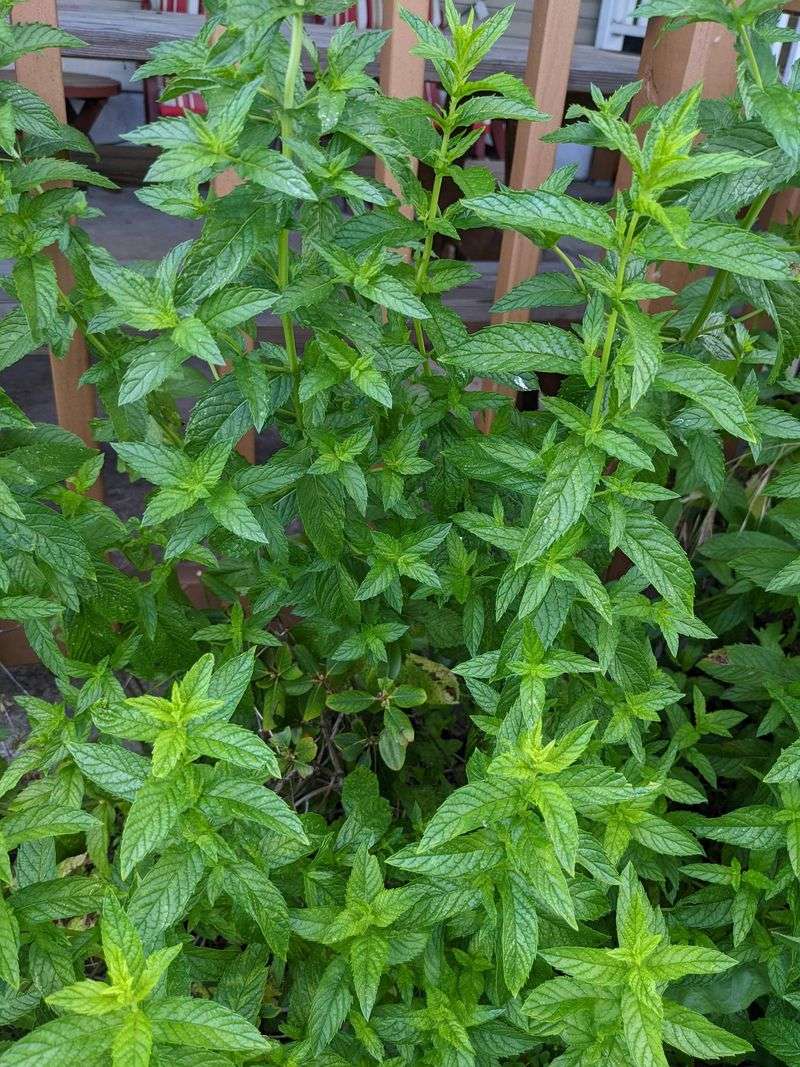
Mint is one of those herbs that people either love or learn to contain fast. Left to roam freely in a garden bed, it spreads aggressively and takes over everything nearby.
But placed in a pot along a garden path, it becomes one of the most effective rat-repelling plants you can grow. Rodents strongly dislike the sharp, intense scent of mint oil.
Peppermint and spearmint are the two most common choices, and both grow vigorously in Oregon’s cool, moist climate.
They prefer partial shade and consistent moisture, making them a good fit for path edges that do not get full sun all day.
A pot sunk into the ground at path level keeps roots contained while still letting the plant look like it belongs in the garden.
Refreshing and fast-growing, mint fills in quickly and stays lush through most of the growing season. Pinch off flower heads as they appear to keep the plant bushy and the leaves flavorful.
The more you harvest, the more it grows. Bring a handful inside and drop it in water for an instant fresh scent in your kitchen.
Place pots every few feet along the path for consistent coverage. The strong scent fades slightly as you move away from each pot, so spacing matters.
Two to three pots spread along a ten-foot path section should give solid, overlapping protection against curious rodents sniffing around your walkway.
6. Lemon Balm Freshens Shade-Edge Paths
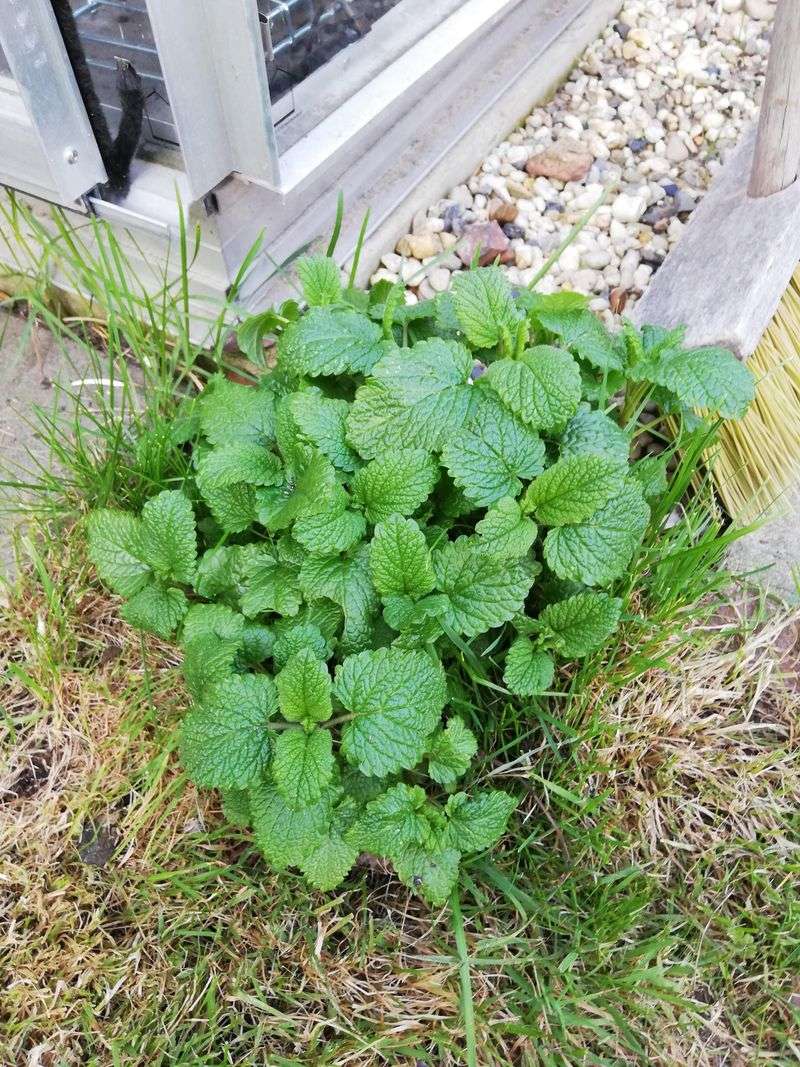
Not every garden path gets full sun, and shaded sections can be tricky to plant attractively. Lemon balm is one of the few herbs that genuinely thrives in part shade while still offering the strong, citrusy scent that sends rats in the opposite direction.
The bright, crinkled leaves stay cheerful and green even in low light conditions.
A member of the mint family, lemon balm shares that family’s enthusiasm for spreading. Growing it in containers or with root barriers keeps it from taking over neighboring plants.
Along a shaded path edge, it creates a lush, informal look that feels relaxed and cottage-like rather than rigid or formal.
Oregon’s cool, humid summers suit lemon balm perfectly. It rarely wilts, even in warmer stretches, as long as it gets regular moisture.
The leaves can be harvested throughout the season and used in teas, salads, or simply crushed and rubbed on skin as a natural insect deterrent. It is genuinely useful in multiple ways.
Trim plants back by half in midsummer if they start looking leggy or floppy. New growth will come in quickly and stay more compact.
Small white flowers appear in summer and attract beneficial insects, though removing them before seed sets helps prevent unwanted self-seeding.
For shaded paths that feel a little dull, lemon balm offers brightness, fragrance, and quiet pest control all at once.
7. Catmint Blooms Softly Along Sunny Walks
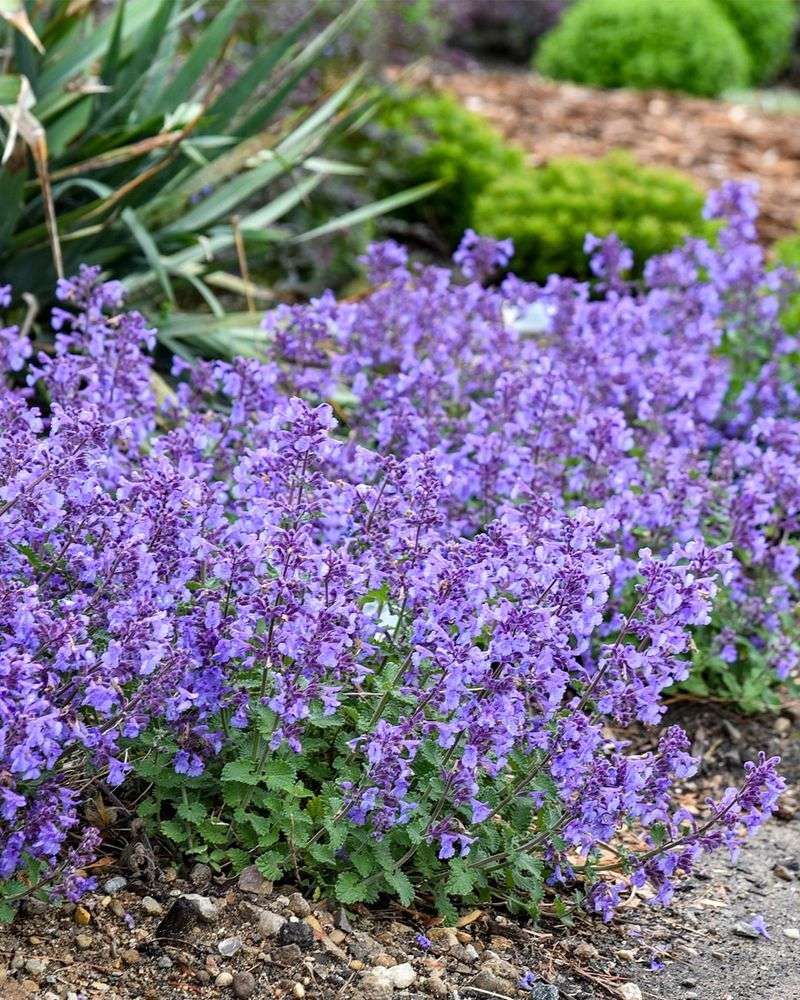
Soft, billowy, and covered in tiny lavender-blue flowers for weeks at a time, catmint is one of the most effortlessly beautiful plants you can grow along a sunny walkway.
It spills gently over path edges in a way that looks completely natural, like the garden just decided to lean in.
Rats avoid it because of the strong nepetalactone compounds in the leaves, the same oils that make cats go a little wild.
Unlike its close relative catnip, catmint is bred for ornamental use and tends to be less intense.
Varieties like ‘Walker’s Low’ or ‘Six Hills Giant’ grow into full, rounded mounds covered in blooms from late spring well into summer.
A second flush of flowers often appears in late summer if you cut the plant back by half after the first bloom fades.
Our state’s varied climates suit catmint well. It handles coastal moisture, valley heat, and even some drought once established.
Full sun and good drainage are the main requirements. Poor soil is actually fine because rich, fertile soil tends to make the plants floppy and less floriferous.
Pair catmint with roses, salvias, or ornamental grasses along a path for a layered, cottage-garden effect. The soft purple tones complement nearly every color palette.
Bees and butterflies visit constantly throughout the blooming season. Catmint gives you maximum visual impact with minimum effort, which is exactly what most gardeners are looking for.
8. Santolina Gives Paths A Clean, Herbal Edge
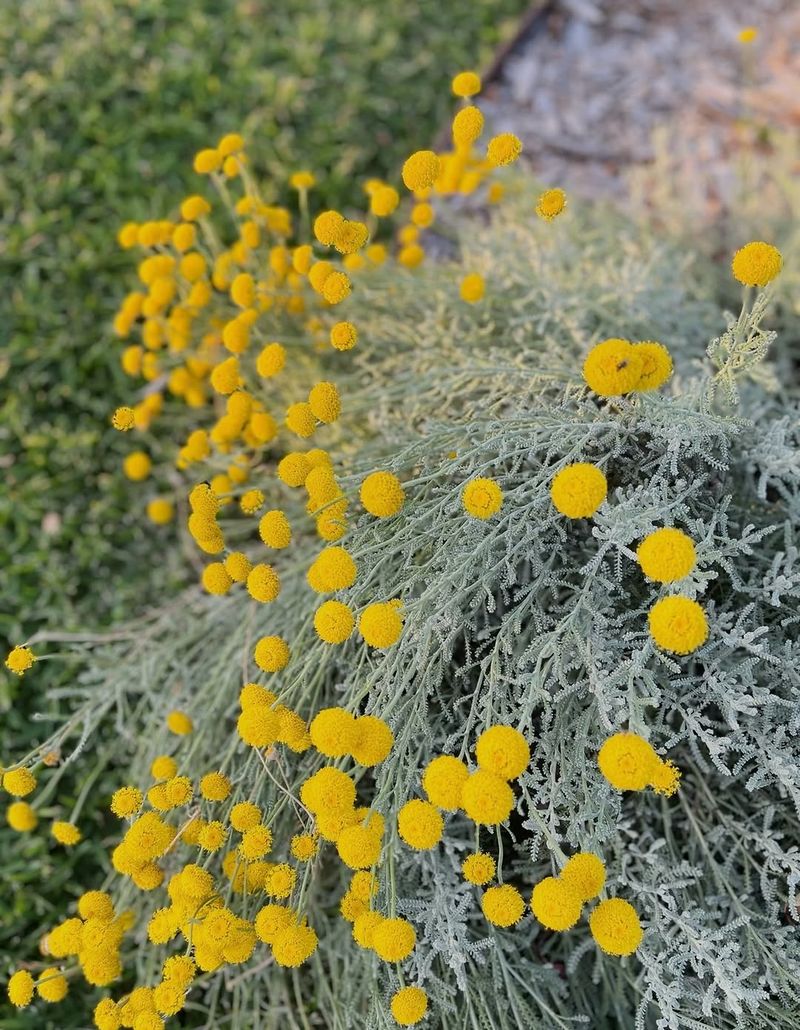
Sharp, camphor-like, and a little medicinal in scent, santolina is not the herb you sniff and immediately love. But it is absolutely the herb that rats want nothing to do with.
The intense aromatic oils in its feathery silver foliage are a natural deterrent that works quietly all season long without any effort from you.
Also called cotton lavender, santolina has been used for centuries in European knot gardens and formal borders. Along a garden path in Oregon, it creates a crisp, architectural edge that looks intentional and refined.
The silver-gray foliage is the main attraction for most of the year, and it contrasts beautifully with dark soil, green grass, or colorful flowering plants nearby.
In summer, bright yellow button flowers appear on long stems above the foliage. Some gardeners clip them off to keep the look clean and structured.
Others let them bloom freely to add a cheerful pop of color. Both approaches work depending on your garden style and how formal you want the path to look.
Santolina needs full sun and excellent drainage. It struggles in heavy, wet soil, so raised borders or gravel paths work best.
Trim it firmly each spring to prevent it from becoming woody and open in the center. Green santolina is also available and offers a slightly softer look.
Either variety delivers that same reliable, rat-repelling punch along your garden path all growing season long.