These Arizona Yard Mistakes Can Attract More Javelinas To Your Garden
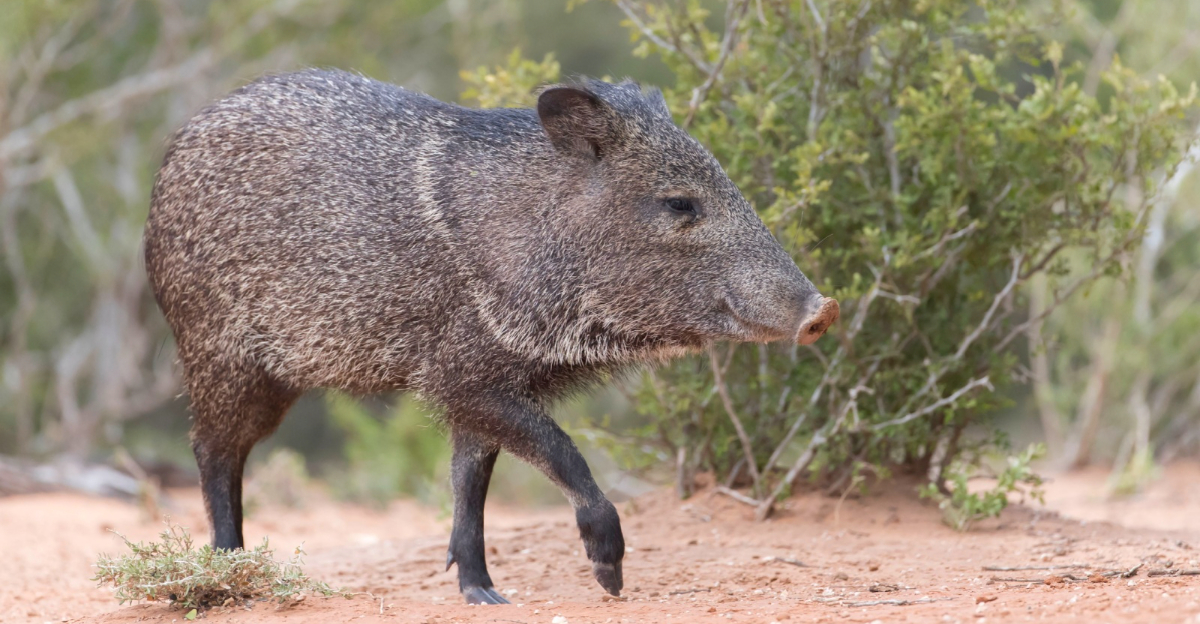
If you’ve ever looked out your Arizona window at dusk and locked eyes with a javelina, you already know that particular feeling.
It’s somewhere between “wow, nature is amazing” and “please don’t eat my garden.”
Javelinas are a totally normal part of Sonoran Desert life, and honestly, they were here long before the subdivisions showed up.
But there’s a big difference between spotting one on a trail and finding an entire herd treating your backyard like an all-night buffet.
The thing is, most Arizona yards are unintentionally offering javelinas exactly what they’re looking for. Food, water, shelter, and zero reason to leave.
A few common yard habits are basically sending out a standing invitation. The good news is that once you know what’s drawing them in, fixing it is pretty straightforward.
1. Leaving Pet Food Outside
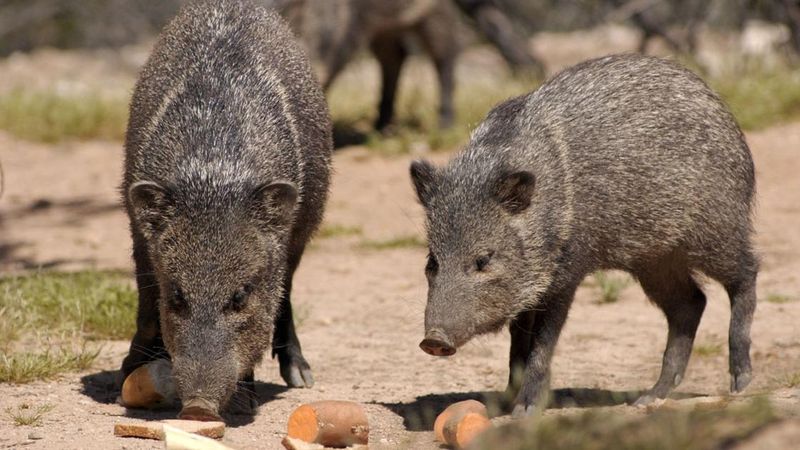
Pet feeding stations on Arizona patios and back porches can be surprisingly effective at drawing javelinas into your yard after dark.
Javelinas have a strong sense of smell and can detect food from a considerable distance, making an uncovered bowl of dog or cat food one of the easier attractants to overlook.
Many homeowners feed their pets outside out of habit, not realizing that the smell lingers long after the bowl is empty.
Javelinas are most active around dawn and dusk, which are the same times many pets are fed outdoors. Even small amounts of leftover food can be enough to bring a herd closer to your home.
Once they learn that a yard reliably offers food, they may return on a regular basis.
The simplest fix is to feed pets indoors or bring food bowls inside immediately after each meal. If indoor feeding is not an option, consider using a covered feeding station or placing bowls in an enclosed area that javelinas cannot easily reach.
Picking up water bowls at night can also help reduce the appeal of your yard as a stopping point for roaming wildlife in Arizona.
2. Letting Birdseed Fall To The Ground
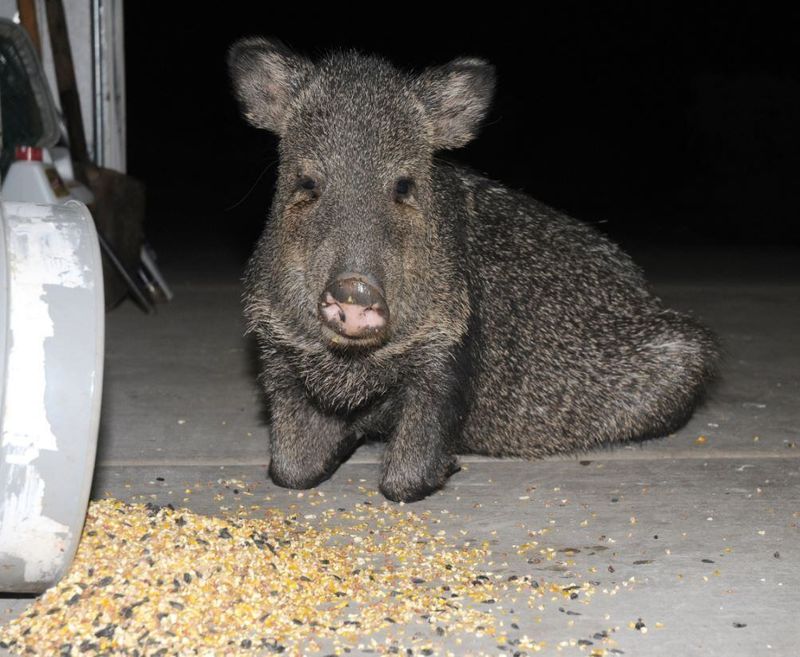
Bird feeders are a popular addition to many Arizona yards, offering a front-row view of native songbirds and desert species. The problem is not the feeder itself but what happens beneath it.
Birdseed that spills or falls to the ground creates an easy, ground-level food source that javelinas find just as appealing as any other scattered grain or seed.
Javelinas are opportunistic feeders, and a patch of spilled millet, sunflower seeds, or mixed birdseed on the soil is essentially a free meal.
In Arizona, where natural food sources can be harder to find during dry stretches, that scattered seed can become a regular draw for local herds.
Homeowners often notice rooting or disturbed soil near the base of their feeders, which is a common sign that wildlife has been foraging overnight.
Switching to a tube-style feeder with a tray that catches falling seed can reduce ground scatter significantly. Cleaning up spilled seed each evening is another straightforward habit that can make a real difference.
Your Arizona Garden Changes Every Week. Your Plan Should Too.
Gardening in Arizona changes quickly throughout the season. Every Friday you’ll receive a simple weekly plan showing exactly what to plant, prune, fertilize, harvest, and protect so you never miss the right timing.
Placing feeders farther from the house and on tall poles can also help limit how much seed reaches ground level in your garden.
3. Leaving Fallen Fruit And Nuts In The Yard
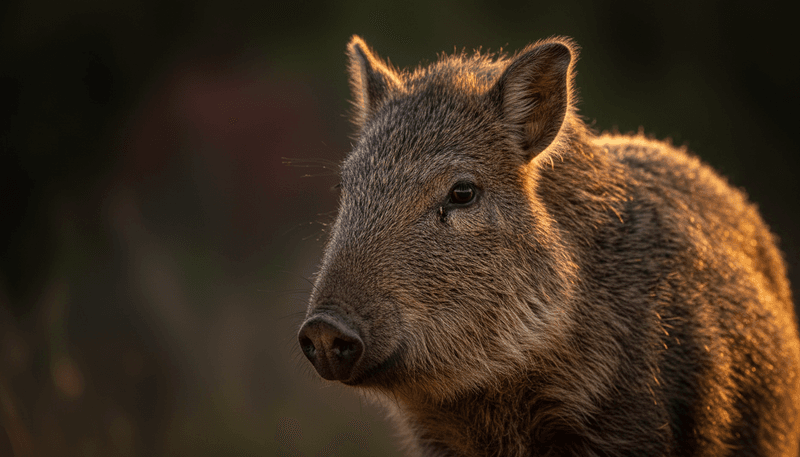
Citrus trees, fig trees, and mesquite trees are common features of Arizona yards, and they can produce more fruit than most households can use.
When ripe fruit drops to the ground and sits there, it releases a sweet smell that travels surprisingly far through the warm desert air.
Javelinas are drawn to that scent and will happily root through grass, gravel, or mulch to get to fallen oranges, figs, or mesquite pods.
Pecans, acorns, and other nuts that fall from trees present a similar issue. Homeowners with large shade trees sometimes notice that their yards attract more wildlife during the late summer and fall, which lines up with peak fruiting and nut-drop seasons.
A yard with regular fallen fruit is one that javelinas may visit consistently throughout the season.
Making a habit of picking up fallen fruit every day or two can significantly reduce the appeal of your yard. Composting fruit scraps in a secured bin rather than leaving them on the ground is another helpful step.
For large trees that drop a lot of fruit, a ground tarp or mesh net can make cleanup faster and more manageable for gardeners trying to stay ahead of wildlife visits.
4. Using Unsecured Trash Cans
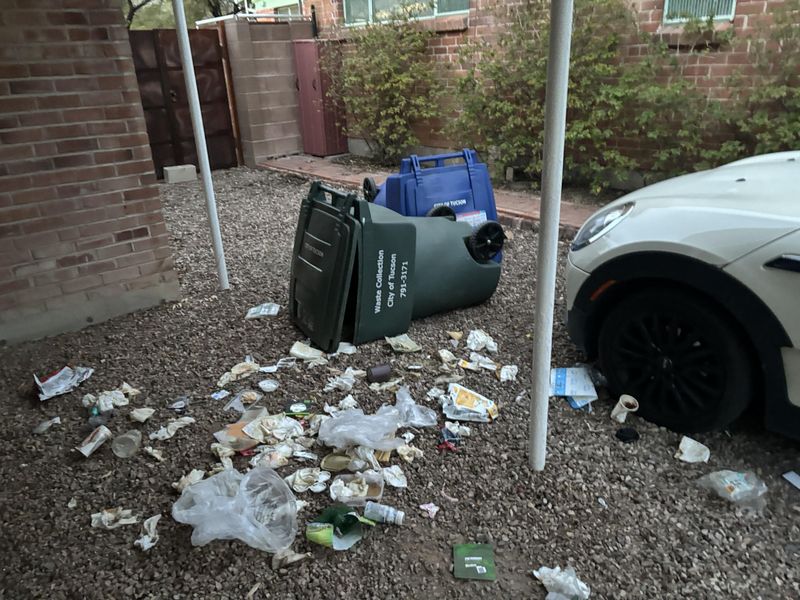
Trash cans that are not properly secured are one of the most common reasons wildlife ends up in Arizona neighborhoods.
Javelinas are persistent and creative when it comes to finding food, and a standard trash can with a loose or lightweight lid is not much of a barrier.
Once a herd figures out that a particular yard offers accessible garbage, they can return to check repeatedly.
Food scraps, meat packaging, vegetable trimmings, and other organic waste all release strong odors that javelinas can detect easily.
In Arizona’s warm climate, those smells intensify quickly, especially during summer months when temperatures stay high overnight.
Trash cans stored along side yards, in open carports, or near back gates are particularly vulnerable to wildlife investigation.
Switching to heavy-duty cans with locking lids is one of the most effective changes a homeowner can make. Bungee cords or locking straps added to existing cans can also help.
Rinsing food containers before tossing them and keeping trash stored in a garage or enclosed space until collection day are additional habits that reduce odor and limit the chance of a late-night javelina visit to your property.
5. Keeping Compost Or Food Scraps Accessible
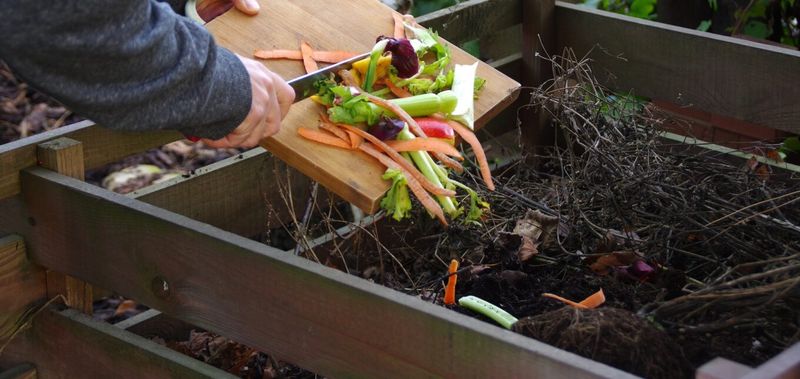
Composting is a smart and eco-friendly habit for Arizona gardeners, but an open or poorly secured compost bin can quickly become a javelina magnet.
Food scraps like vegetable peels, fruit rinds, and bread crusts are exactly the kind of items javelinas seek out, and a compost pile sitting in an open corner of the yard makes those scraps very easy to reach.
The smell from an active compost bin can carry quite far, especially in Arizona’s dry heat. Javelinas that pick up that scent may approach the yard at night, root through the pile, and scatter compost material across the surrounding area.
Homeowners sometimes discover disturbed compost and overturned bins without immediately connecting the damage to javelina activity.
Using a fully enclosed compost bin with a secure lid is a straightforward way to keep food smells contained. Turning compost regularly helps materials break down faster and reduces the strength of food odors over time.
Avoiding the addition of meat, dairy, or cooked food to your compost is also a helpful guideline for gardeners who want to maintain an active composting habit without attracting unwanted wildlife to their yard or patio area.
6. Providing Easy Outdoor Water Sources
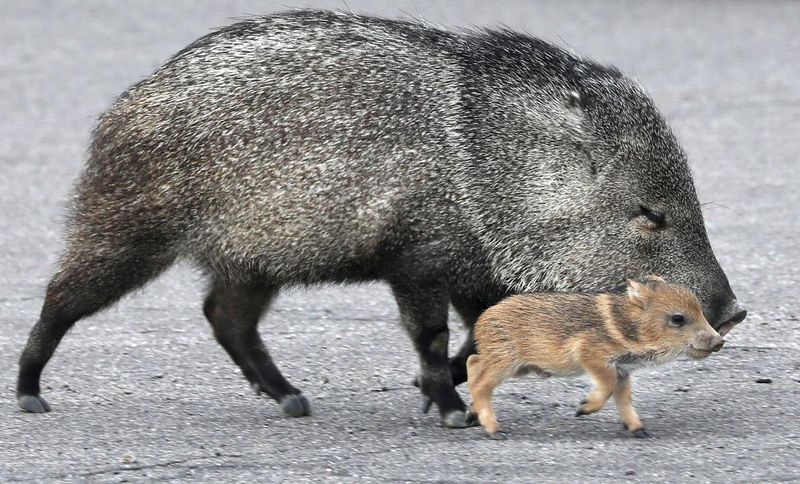
Water is one of the most powerful attractants for wildlife in the Sonoran Desert, and Arizona yards often provide it in several forms without homeowners thinking twice.
Birdbaths, decorative fountains, shallow garden ponds, and puddles left by irrigation systems can all serve as water sources for thirsty javelinas, particularly during the hottest and driest months of the year.
Javelinas need water regularly, and in dry stretches they will travel farther to find it. An Arizona yard with a reliable water source is a yard that wildlife will seek out, sometimes returning at the same time each night.
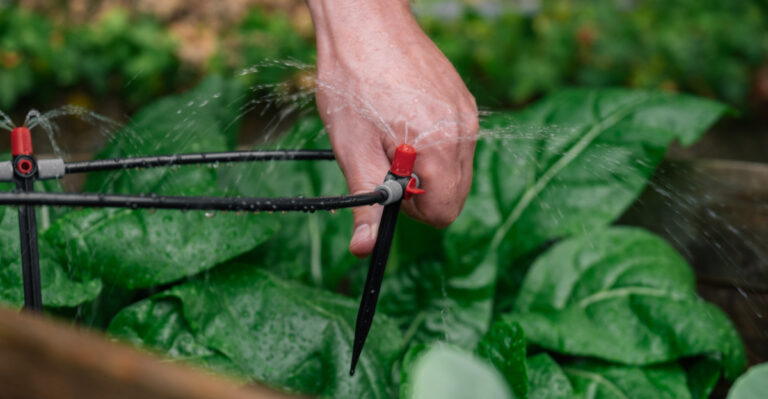
Leaky drip emitters, overflowing planter saucers, and standing water near air conditioning units are easy-to-miss sources that can draw animals in.
Bringing birdbaths and decorative water features inside at night, or emptying them before dark, can reduce the appeal of your yard as a watering stop.
Fixing irrigation leaks and adjusting watering schedules so the ground dries before nightfall are both practical steps for homeowners.
If you enjoy supporting local birds with a water feature, placing it on an elevated stand and adding a motion-activated light nearby may help discourage larger animals from approaching.
7. Planting Too Many Tender Or Favorite Food Plants
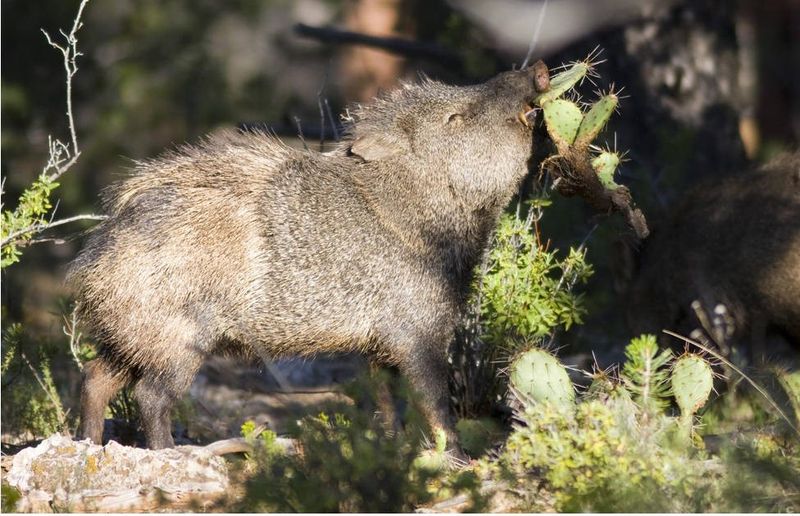
Certain plants act as natural invitations for javelinas, and Arizona yards full of those plants can see repeated visits from local herds.
Javelinas are particularly fond of prickly pear cactus pads, agave hearts, vegetable garden greens, and flowering annuals like pansies and petunias.
If your garden is heavy on those favorites, you may notice chewed stems, uprooted plants, or rooted soil seemingly overnight.
Vegetable gardens with leafy greens, root vegetables, and ripe tomatoes are especially appealing to javelinas.
In Arizona, where many gardeners grow cool-season vegetables in fall and winter, those garden beds can attract wildlife during the same months when javelinas are actively foraging.
Raised beds with open sides provide very little protection on their own.
Surrounding vulnerable plants with sturdy fencing, using hardware cloth barriers around raised beds, or choosing plants that javelinas tend to find less appealing can all help protect your garden.
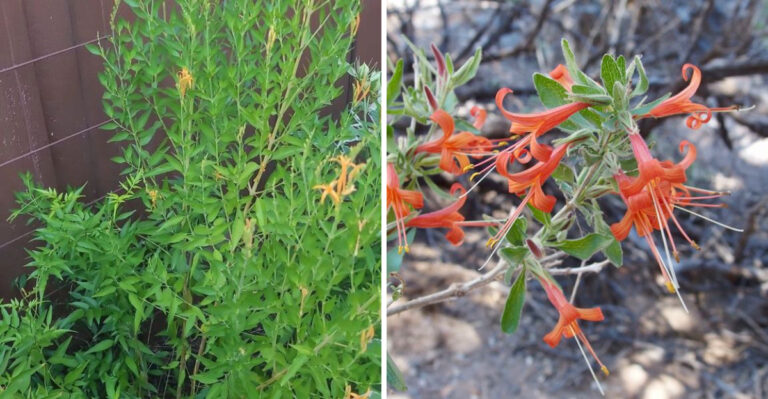
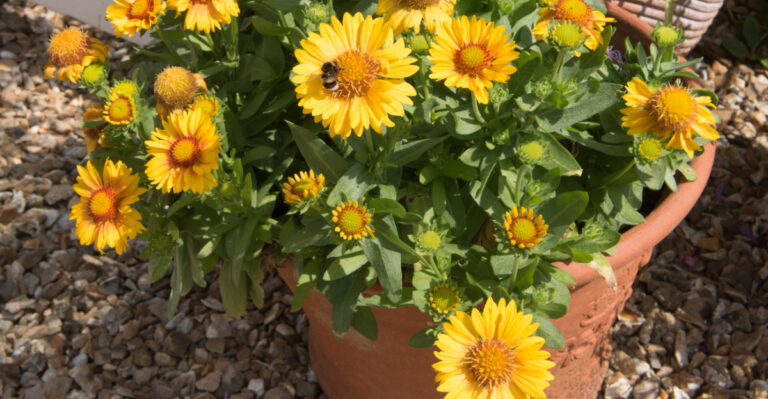
Native plants like brittlebush, desert marigold, and many ornamental grasses are generally considered less attractive to javelinas than softer, more succulent vegetation.
Mixing your plant palette and protecting the most vulnerable areas can help you maintain a beautiful garden with fewer unwanted visits.
8. Leaving Shelter Gaps Under Porches Or Sheds
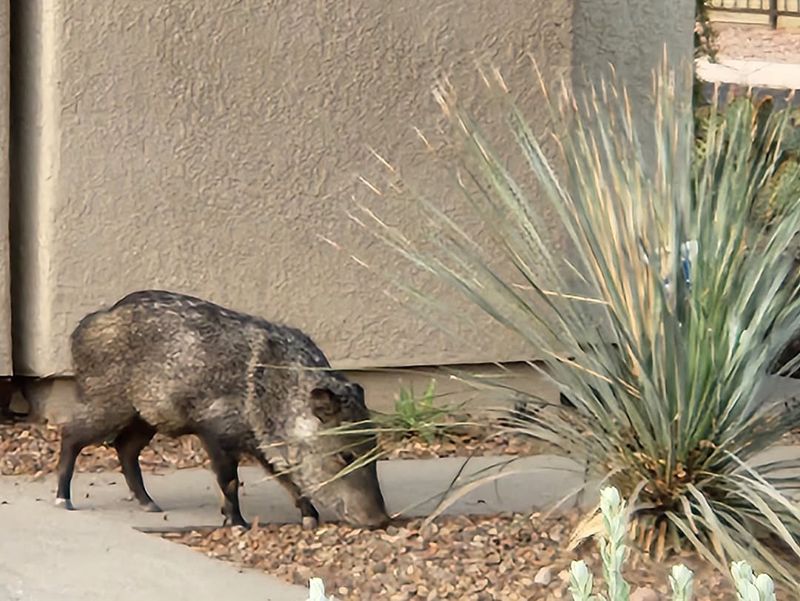
Shaded, sheltered spaces are extremely attractive to javelinas, especially during the intense heat of an Arizona summer. Gaps under porches, decks, sheds, and raised structures give these animals a cool, protected spot to rest during the day.
Once a herd discovers a comfortable resting place in your yard, they may settle in and begin treating your property as part of their regular territory.
Javelinas are social animals that travel in groups, and a single comfortable shelter spot can end up hosting multiple animals.
Homeowners sometimes discover javelina activity under structures without realizing the animals had been resting there for days or even weeks.
Signs can include disturbed soil, an earthy or musky odor, and trampled vegetation around the entry point.
Blocking access to these spaces with hardware cloth, lattice panels, or solid skirting is one of the most effective ways to make your yard less appealing as a resting site.
Check around the base of all outdoor structures regularly, especially after monsoon season when soft soil can erode and create new openings.
In Arizona, where shade is precious, it helps to think like a javelina and close off any cool, enclosed space before wildlife has a chance to claim it.
9. Allowing Dogs To Approach Javelinas
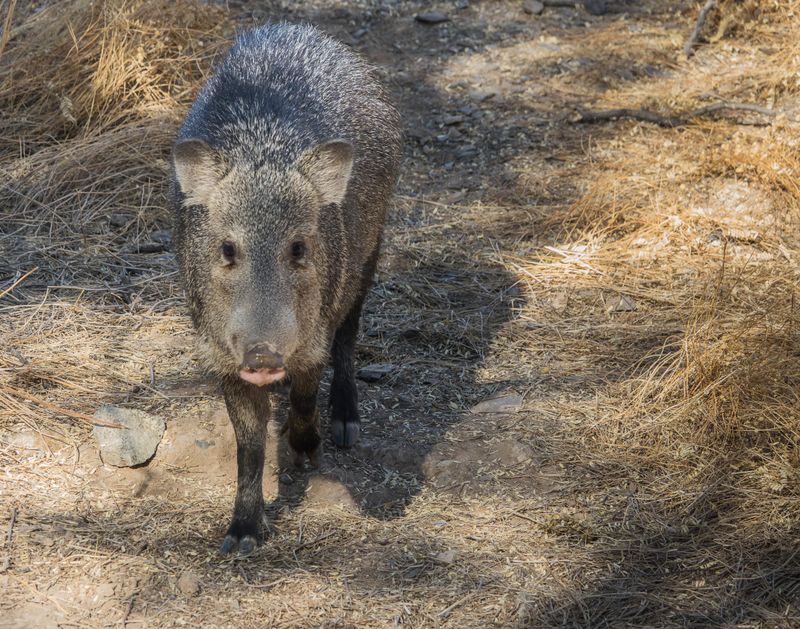
Dogs and javelinas are a combination that can escalate quickly, and many homeowners underestimate how fast a calm situation can change.
Javelinas may appear slow-moving or indifferent, but they are territorial animals that will react defensively when they feel cornered or threatened.
A dog that charges, barks aggressively, or gets too close can trigger a response from the entire herd.
Letting dogs roam freely in an unfenced Arizona yard at dawn or dusk increases the chance of an unexpected encounter. Javelinas that feel harassed near a yard may actually become more reactive over time, making future encounters more tense.
In some neighborhoods, javelinas move through residential areas on a fairly regular schedule, which means off-leash dogs in those areas face a higher chance of crossing paths with them.
Keeping dogs on a leash during early morning and evening walks in javelina-prone areas is a sensible habit for Arizona pet owners. Supervising outdoor time and bringing dogs inside before dark can reduce the chance of a close encounter.
If you spot javelinas in or near your yard, calmly bring your dog inside and give the animals space to move on without feeling pressured or cornered by people or pets.