Why Your Arizona Bougainvillea Looks Stunning In Spring But Barely Blooms By August
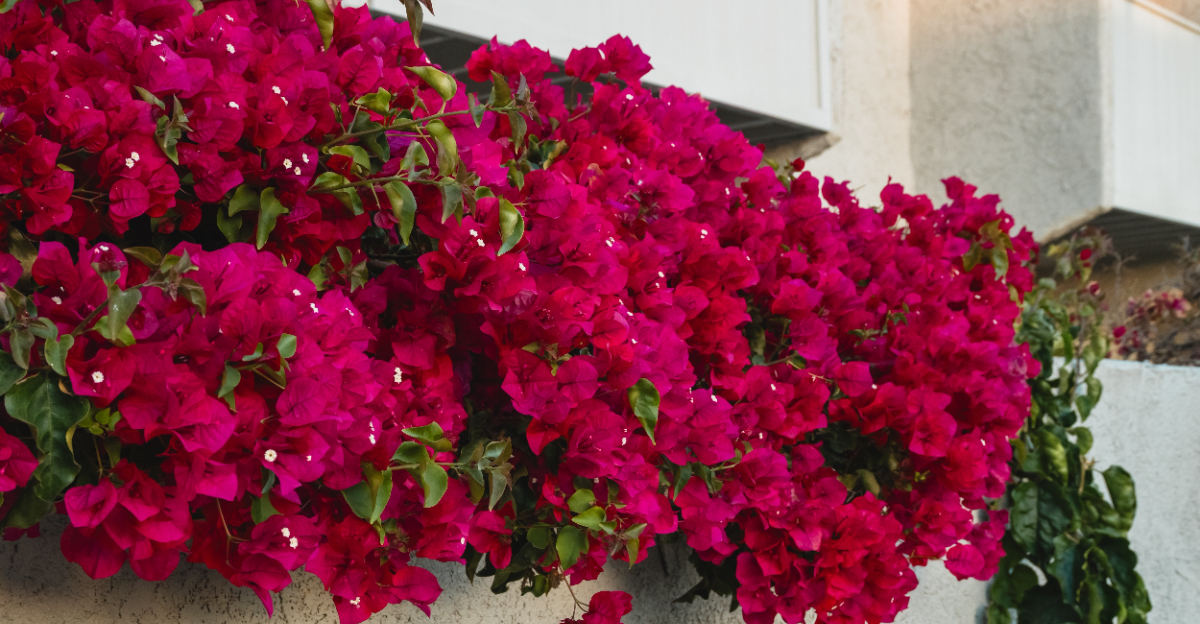
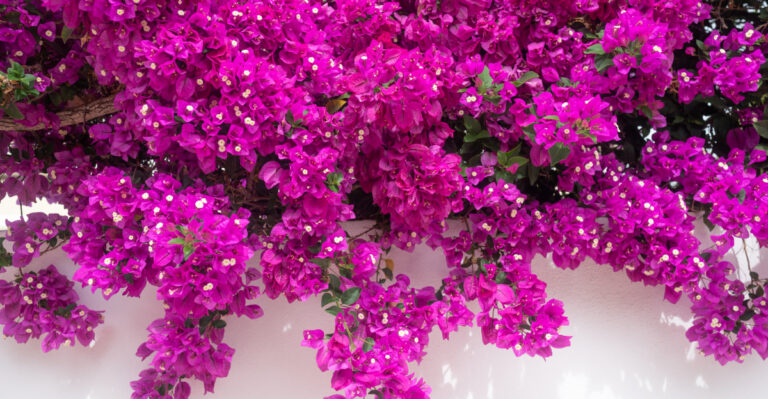
One month a bougainvillea is covered in color. A little later, the same plant can look completely different, leaving people wondering where all those blooms went.
That change catches a lot of attention because few plants put on a display as dramatic as bougainvillea when it is at its best. Seeing that color fade much sooner than expected can be frustrating, especially when the plant still appears healthy.
In Arizona, this is a common summer complaint. The leaves often look fine, growth may continue, and there may be no obvious signs of trouble.
Yet the bright display that made the plant stand out earlier in the season becomes harder to find. That can make it difficult to know whether the plant needs help or is simply reacting to changing conditions.
The answer is usually simpler than most people think, and understanding it can help explain why spring and late summer often look very different.
1. Too Much Water Often Leads To More Leaves Than Bracts
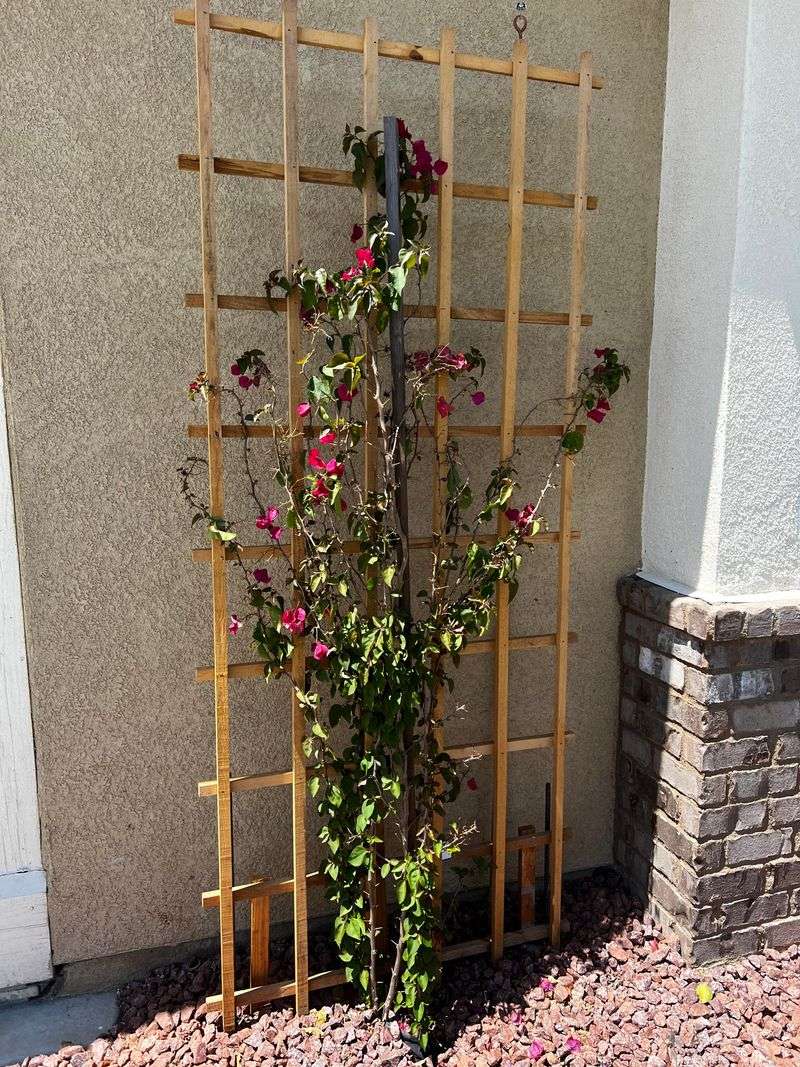
Overwatering is one of the most common mistakes bougainvillea growers make once temperatures climb past 100 degrees.
It feels logical to water more when it gets hotter. But bougainvillea does not work that way.
Too much water signals the plant to grow foliage instead of bracts.
Bracts are actually modified leaves that turn colorful under stress. A mild water shortage is part of what triggers that response.
When roots stay consistently wet, the plant has no reason to bloom.
In desert climates, bougainvillea roots can rot surprisingly fast in waterlogged soil. Sandy or rocky desert soil drains well, but clay patches hold moisture longer than expected.
Check the soil before reaching for the hose. Push a finger two inches deep.
If it still feels damp, wait another day or two before watering again.
During summer, most established bougainvillea plants in warm, dry climates need deep watering once every seven to ten days. Younger plants may need slightly more, but still far less than most people assume.
Deep watering matters more than frequent watering. Soak the root zone thoroughly, then let it dry out.
Shallow daily watering keeps the upper soil wet without ever reaching the deep roots.
2. Summer Fertilizer Can Push Growth In The Wrong Direction
Grab the fertilizer bag and flip it over. If nitrogen is the first big number listed, put it back on the shelf until fall.
High-nitrogen fertilizer is the silent bloom-stopper for bougainvillea. Nitrogen feeds leafy, green growth.
That sounds helpful, but it actually works against flowering.
Bougainvillea needs phosphorus to produce bracts. A fertilizer labeled something like 0-10-10 or a bloom-booster formula supports root strength and flower production without pushing excessive leaf growth.
Many gardeners switch to a high-nitrogen lawn fertilizer in summer thinking it will perk up their plants. Instead, it triggers a burst of soft green shoots with almost no color.
Those shoots are also more vulnerable to heat damage.
Timing matters just as much as formula. Fertilizing during peak summer heat can stress bougainvillea rather than support it.
Your Arizona Garden Changes Every Week. Your Plan Should Too.
Gardening in Arizona changes quickly throughout the season. Every Friday you’ll receive a simple weekly plan showing exactly what to plant, prune, fertilize, harvest, and protect so you never miss the right timing.
Roots absorb nutrients less efficiently when soil temperatures are extremely high.
A light application of a balanced or phosphorus-forward fertilizer in late spring sets the plant up well. After that, hold off on heavy feeding until temperatures start dropping in September or October.
Compost works well as a gentle mid-summer option. It releases nutrients slowly and improves soil structure without spiking nitrogen levels suddenly.
3. Mid-Year Pruning May Remove The Next Round Of Blooms
Pruning feels productive. Snipping back leggy branches in July seems like smart maintenance, but it can actually reset your bloom cycle at the worst possible time.
Bougainvillea blooms on new growth, but that new growth needs time to mature before it produces bracts. When you cut branches in mid-summer, the plant pushes out fresh shoots.
Those shoots will not bloom right away.
They need weeks to harden and mature before flowering begins. By the time they are ready, temperatures may already be dropping toward fall.
You end up waiting longer for color that could have arrived sooner.
Heavy pruning in June or July is especially risky in hot desert climates. Freshly cut stems are exposed to intense UV rays and extreme heat.
That combination can scorch tender new growth before it ever develops properly.
Light shaping is different from hard pruning. Removing a few older stems or crossing branches will not set back the bloom cycle much.
The problem comes from cutting large portions of the plant back significantly.
A better window for major pruning is late winter, around February or early March. Cutting before the spring growth surge allows the plant to push out mature flowering stems right when conditions are ideal.
4. Let The Soil Dry Slightly Between Deep Waterings
Dry soil sounds like a problem. For bougainvillea, it is actually part of the plan.
Letting the root zone dry out slightly between waterings is one of the most effective ways to encourage blooming. Consistent moisture tells the plant to keep growing leaves.
A brief dry period signals it to shift toward reproduction, which means bracts.
The key word here is slightly. You are not trying to push the plant to the edge of stress.
You are just allowing the top few inches of soil to dry before the next deep soak.
In desert climates, this happens naturally with proper spacing between watering sessions. The challenge is resisting the urge to water on a fixed daily schedule regardless of actual soil conditions.
A simple finger test works well. Push your finger about two inches into the soil near the drip line of the plant.
If it still feels cool and slightly damp, skip watering that day. If it feels dry and warm, water deeply.
Deep watering means soaking the root zone thoroughly. Run a slow drip or hose at the base for twenty to thirty minutes.
Let water penetrate eighteen to twenty-four inches down if possible. Shallow watering trains roots to stay near the surface where they dry out faster.
5. Skip High-Nitrogen Fertilizer During The Growing Season
Not all fertilizers help bougainvillea bloom. Some of the most popular options on store shelves can actually make the problem worse during summer months.
High-nitrogen fertilizers are designed to push green, leafy growth. That works great for lawns and leafy vegetables.
For bougainvillea trying to bloom in summer heat, it causes a frustrating cycle of green shoots and no color.
Nitrogen encourages vegetative growth at the expense of reproductive growth. Simply put, the plant focuses on building stems and leaves rather than producing bracts.
Bloom-booster fertilizers with higher middle and last numbers, representing phosphorus and potassium, support flower and bract production more effectively. Look for ratios like 2-10-10 or similar formulas at your local garden center.
Applying any fertilizer during peak summer heat also carries risk. Soil temperatures above 90 degrees slow root absorption significantly.
Fertilizer sitting in hot, dry soil can build up salt levels that stress the root system.
A smarter approach is to feed lightly in spring, around March or April, using a balanced or bloom-focused formula. Skip heavy feeding from June through August.
Resume with a light application in September when temperatures start to soften.
Slow-release granular fertilizers are a reasonable middle ground during warm months. They release nutrients gradually, reducing the risk of sudden nitrogen spikes.
6. Hold Off On Trimming Once Summer Arrives
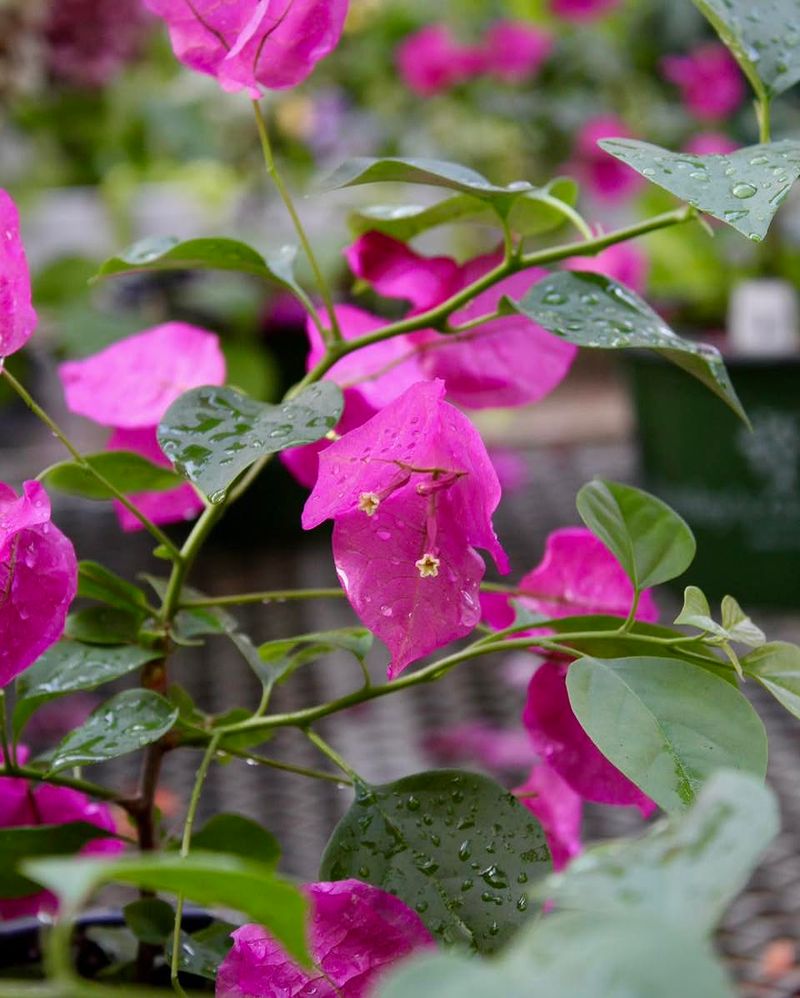
Putting down the pruning shears in summer is harder than it sounds. Long, arching branches look messy.
Bare stems look discouraging. But trimming now can push your bloom season back by weeks.
Bougainvillea sets up its next flowering cycle on growth that has already matured. When you cut that growth away, the plant starts over from scratch.
New shoots emerge, but they need time before they can produce bracts.
In a place like Arizona, where summer stretches deep into September, that lost time matters. A plant that could bloom in August might not bloom until October if pruned heavily in July.
Summer trimming also exposes fresh cuts to extreme heat and direct sun. Freshly pruned wood does not harden fast enough to protect itself.
Sunscald on new growth is a real issue in regions where afternoon temperatures regularly exceed 110 degrees.
Holding off does not mean ignoring the plant entirely. Removing clearly damaged or completely brown stems is fine.
Cosmetic shaping, like tidying up a wayward branch or two, is acceptable in moderation. The goal is to avoid removing large sections of mature green stems that are still capable of producing new flowering tips.
7. Make Sure The Plant Receives Full Sun Every Day
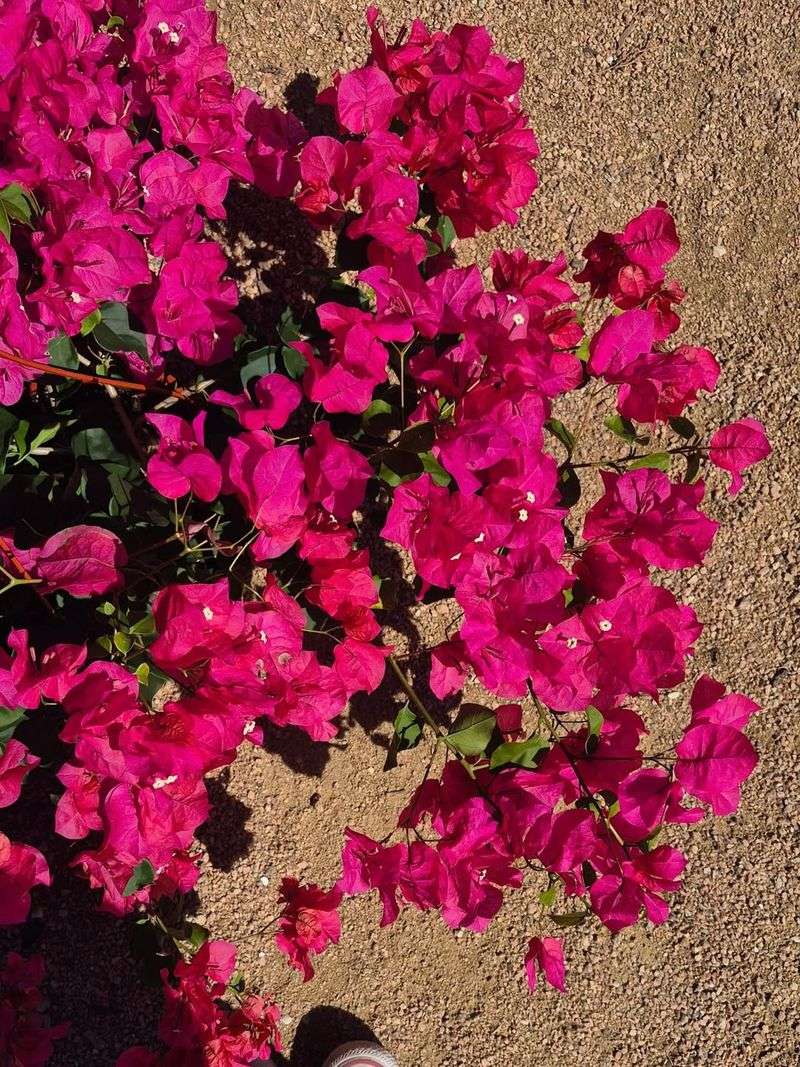
Sunlight is non-negotiable for bougainvillea. Without at least six to eight hours of direct sun daily, bloom production drops off noticeably regardless of how well everything else is managed.
Spring sun in the desert Southwest is strong and consistent. Plants positioned in open areas soak up full light from morning through late afternoon.
That steady sun exposure is a big reason spring blooms are so impressive.
Summer brings a different challenge. Trees fill in with dense canopy.
Patio structures cast longer afternoon shadows. Neighboring plants grow taller and begin blocking light that was available earlier in the season.
Even partial shade for two to three hours a day can reduce bract production in bougainvillea. It is not dramatic shade that causes the problem.
Subtle, gradual shading is easy to miss until bloom counts drop.
Walk around your plant at different times of day. Check for shade patterns you may not have noticed before.
A nearby wall, fence, or overgrown shrub could be blocking more light than you realize.
Repositioning a container plant is straightforward. For plants in the ground, trimming nearby shrubs or trees to restore sun exposure is often the most practical solution.
South-facing and west-facing walls in warm desert climates reflect heat and light back onto the plant.